


Secondary sourceArtifact977
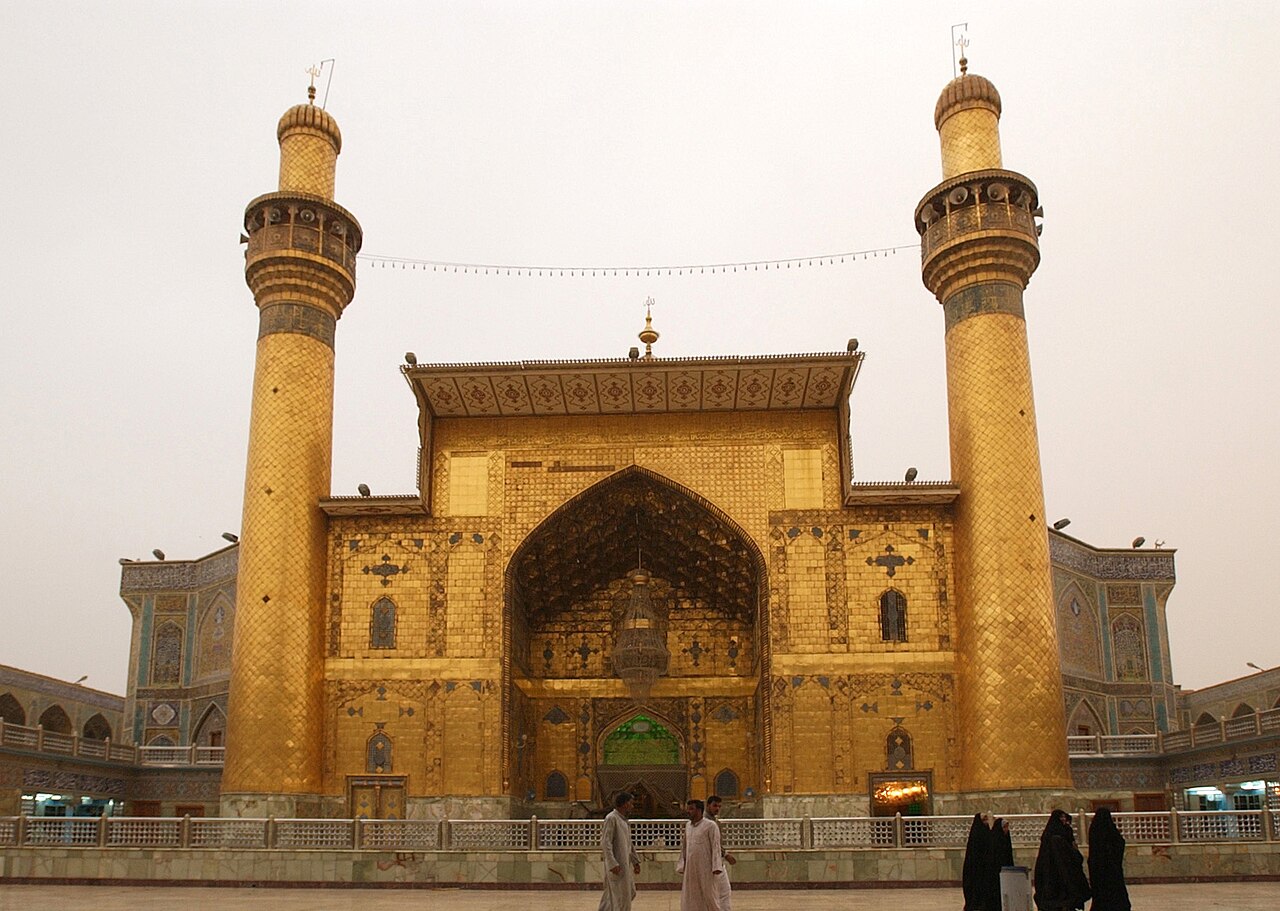
Imam Ali Shrine
977
The Shi'ite shrine at Najaf said to hold the tomb of Ali ibn Abi Talib, which Ibn Battuta visited and described in 1326.
This shrine holds Ali's tomb and became the main site of his posthumous veneration by Shia Muslims.
About this source
What it is
This is a mausoleum and mosque in Najaf, Iraq, believed by Shia and Sunni Muslims to contain the tomb of Ali ibn Abi Talib, a companion and son-in-law of the Prophet Muhammad. First built in the 8th century and rebuilt many times, it has drawn pilgrims for centuries and remains an active shrine today.
Why it matters
Ibn Battuta visited the shrine in 1326 and left a detailed description, noting its silk carpets, gold and silver candelabra, and vessels of rose-water and perfume used by visitors for blessing. His eyewitness account is one of the historical sources used to understand how the shrine looked and functioned in the 14th century, before later fires, rebuildings and conflicts changed it.
Look closer
- Why would a traveller like Ibn Battuta pay close attention to the materials and decorations of a religious site?
- What does his description suggest about the wealth and importance of the shrine in the 1320s?
- How might a building that has been rebuilt so many times differ from the one Ibn Battuta actually saw?
This artifact is part of the curated material that grounds the AI version of Alī ibn Abī Ṭālib and Ibn Battuta on Humy.ai — when students ask about related events, the AI can quote it and cite it.
More Alī ibn Abī Ṭālib sources
Meet the AI Alī ibn Abī Ṭālib →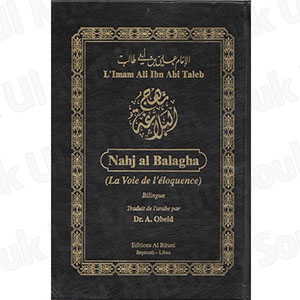 Book
Secondary source
Nahj al-Balagha
Sharif al-Radi · c. 1000
 Book
Secondary source
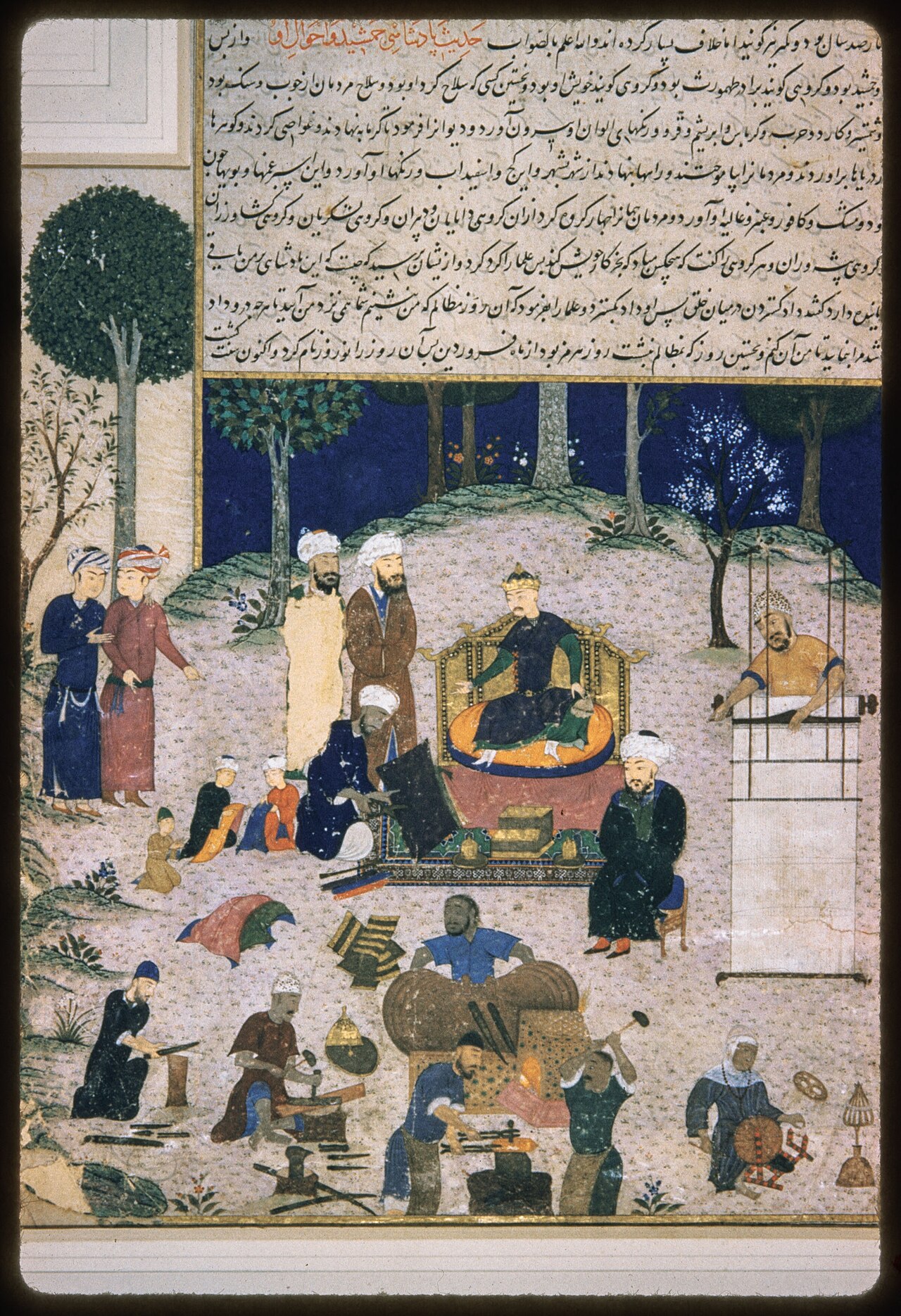
History of the Prophets and Kings
Muhammad ibn Jarir al-Tabari · completed 915 AD
 Artifact
Secondary source
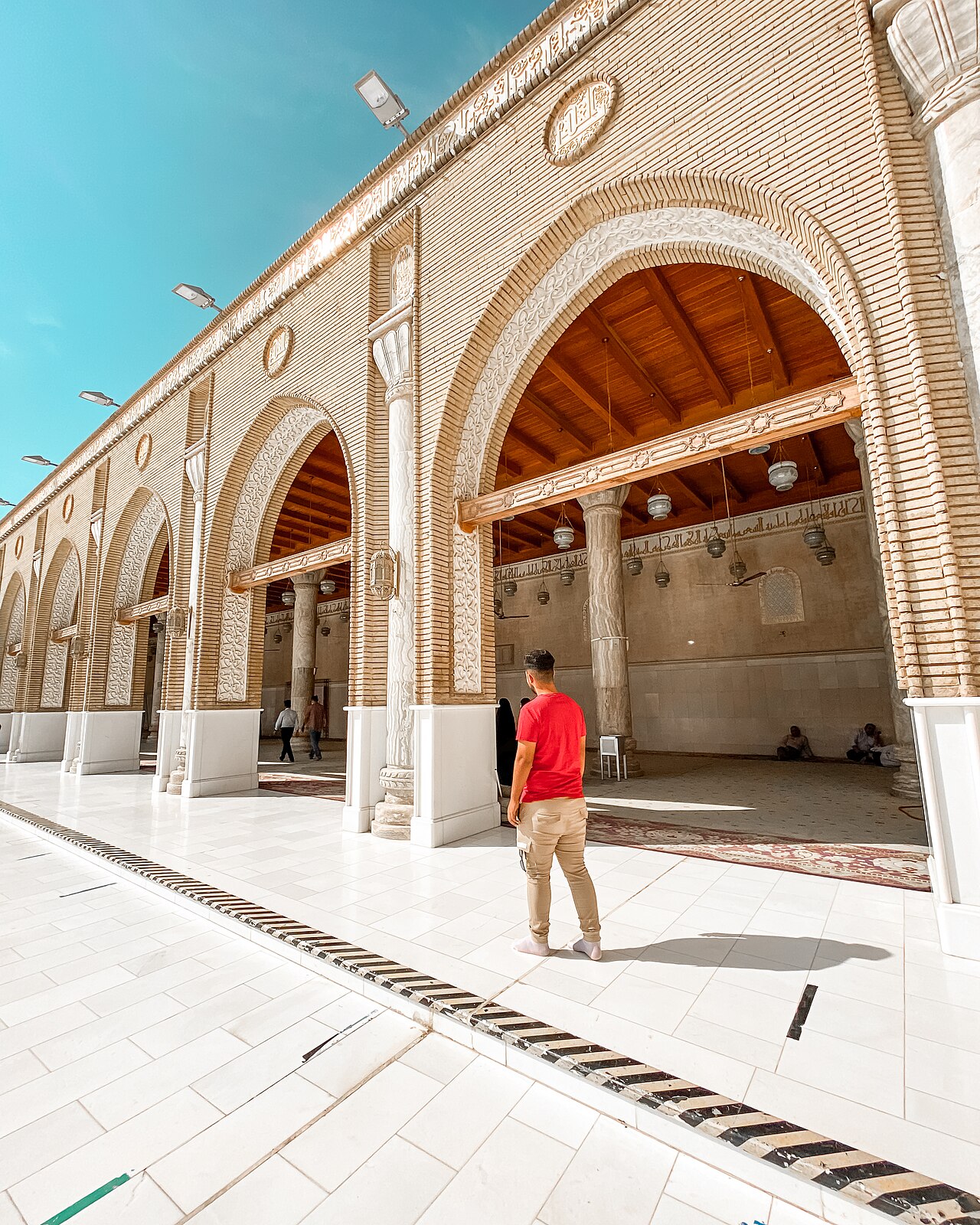
Great Mosque of Kufa
founded 638, completed 670s
 Book
Secondary source
Sahih Muslim
Muslim ibn al-Hajjaj · c. 900
 Artifact
Secondary source
Zulfiqar
Ready when you are
Start chatting with Alī ibn Abī Ṭālib now.
20 messages free · No credit card · Available in 50+ languages.