


Secondary sourceSculpture1906
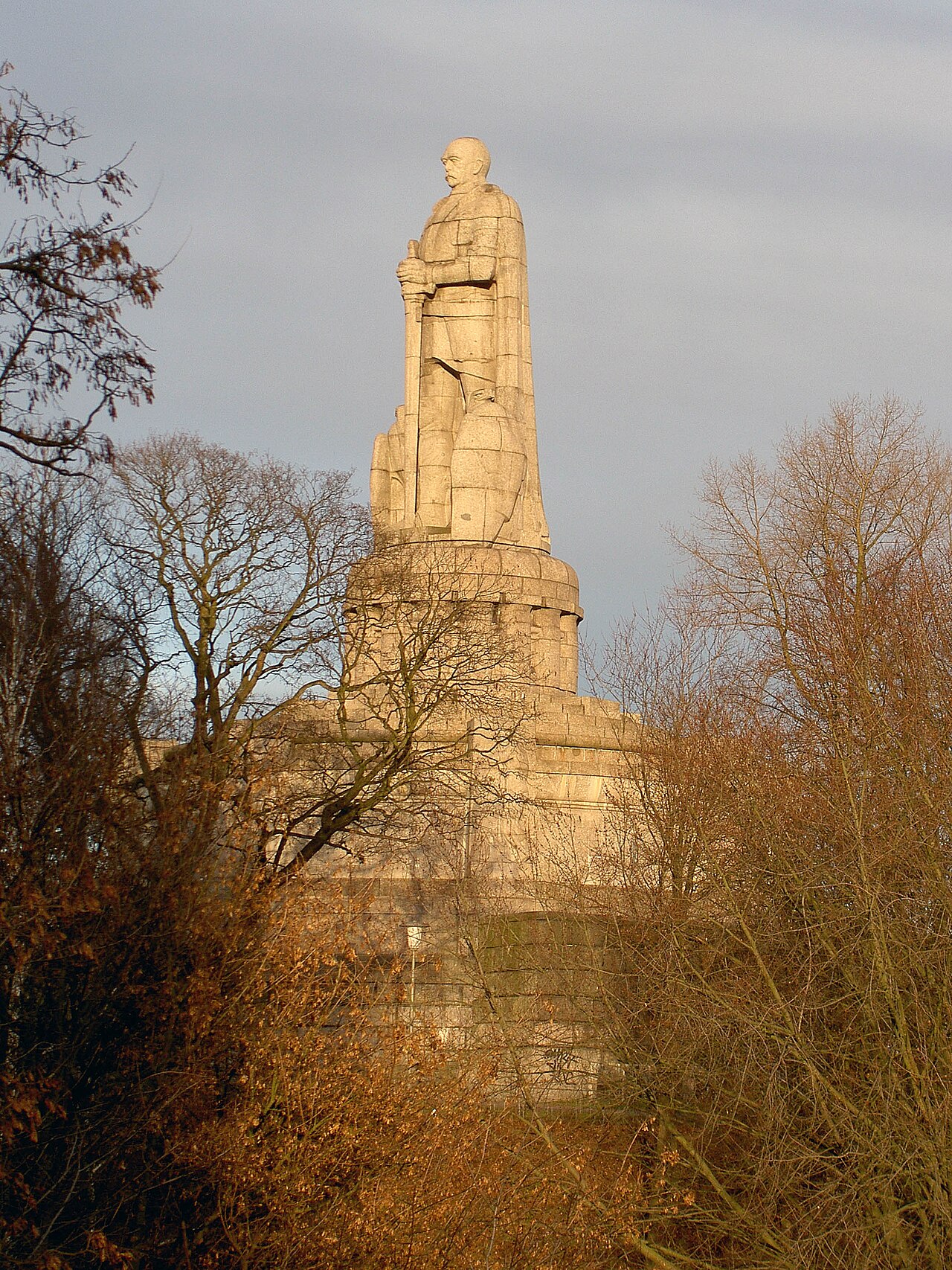
Bismarck Monument
Hugo Lederer · 1906
A colossal 1906 statue in Hamburg by Hugo Lederer, presenting Bismarck as a knightly guardian figure at the height of his nationalist cult.
This colossal Hamburg statue reflects the nationalist cult that grew around Bismarck's memory after his death.
About this source
What it is
The Bismarck Monument in Hamburg, designed by architect Johann Emil Schaudt and sculpted by Hugo Lederer, was completed in 1906. Standing about 35 metres high near Hamburg's port, it is the largest of the many Bismarck towers built across Germany.
Why it matters
The statue presents Bismarck as a Roland-like armed guardian, reflecting the intense nationalist hero-worship that surrounded his memory after German unification. Funded by a citizens' commission led by Mayor Johann Georg Mönckeberg, it shows how deeply his legacy was tied to German civic pride. Hidden catacombs beneath it were later used as an air-raid shelter and, controversially, were connected to a Nazi-era tunnel discovered decades later.
Look closer
- Why might a port city like Hamburg want such a huge monument to a political figure?
- What does the knightly, sword-bearing pose suggest about how Bismarck was remembered?
- What later uses of the monument's hidden tunnels complicate its original meaning?
This sculpture is part of the curated material that grounds the AI version of Otto von Bismarck on Humy.ai — when students ask about related events, the AI can quote it and cite it.
More Otto von Bismarck sources
Meet the AI Otto von Bismarck →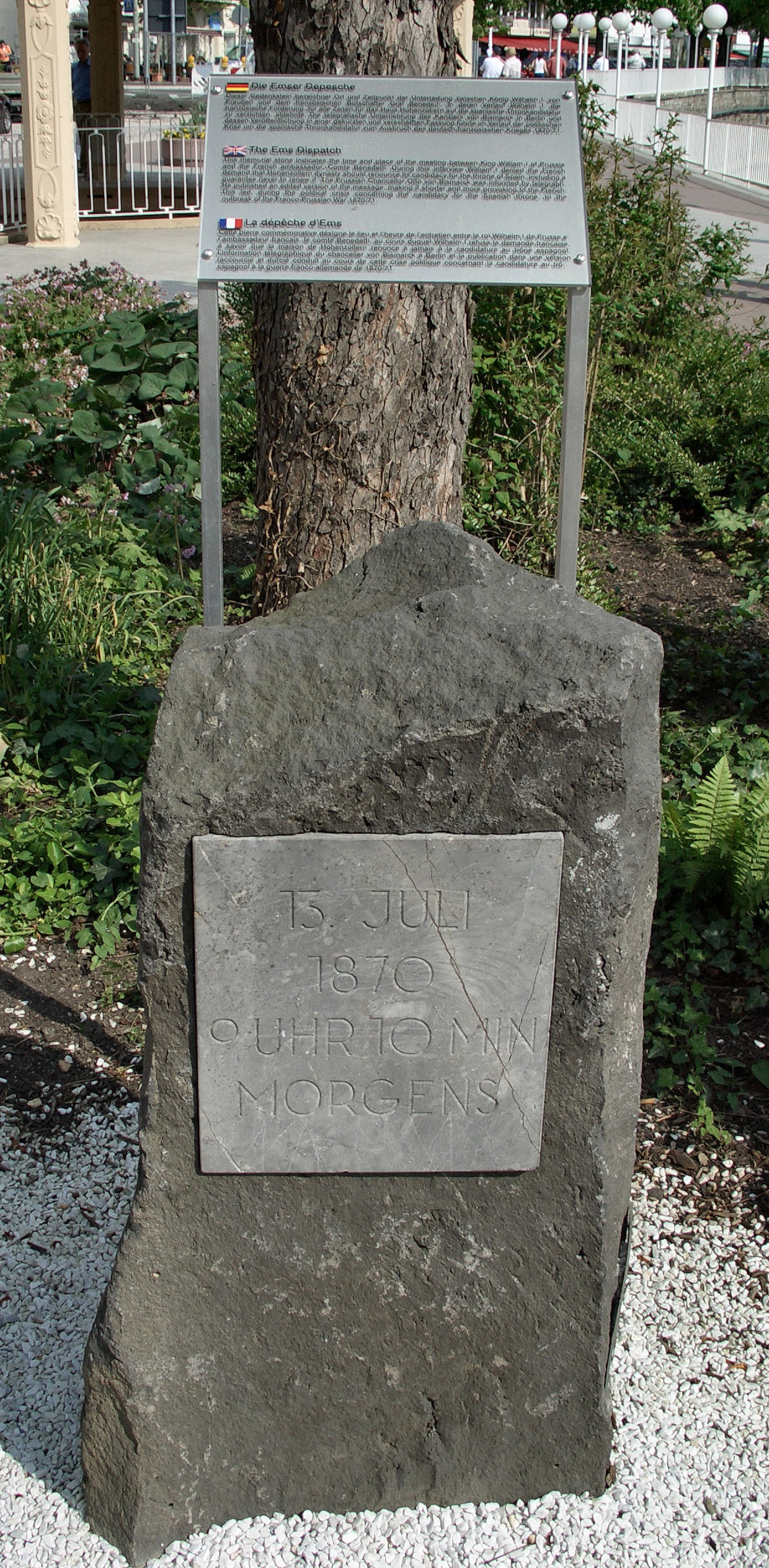 Document
Primary source
Ems Dispatch
Otto von Bismarck · 13 July 1870
 Painting
Secondary source
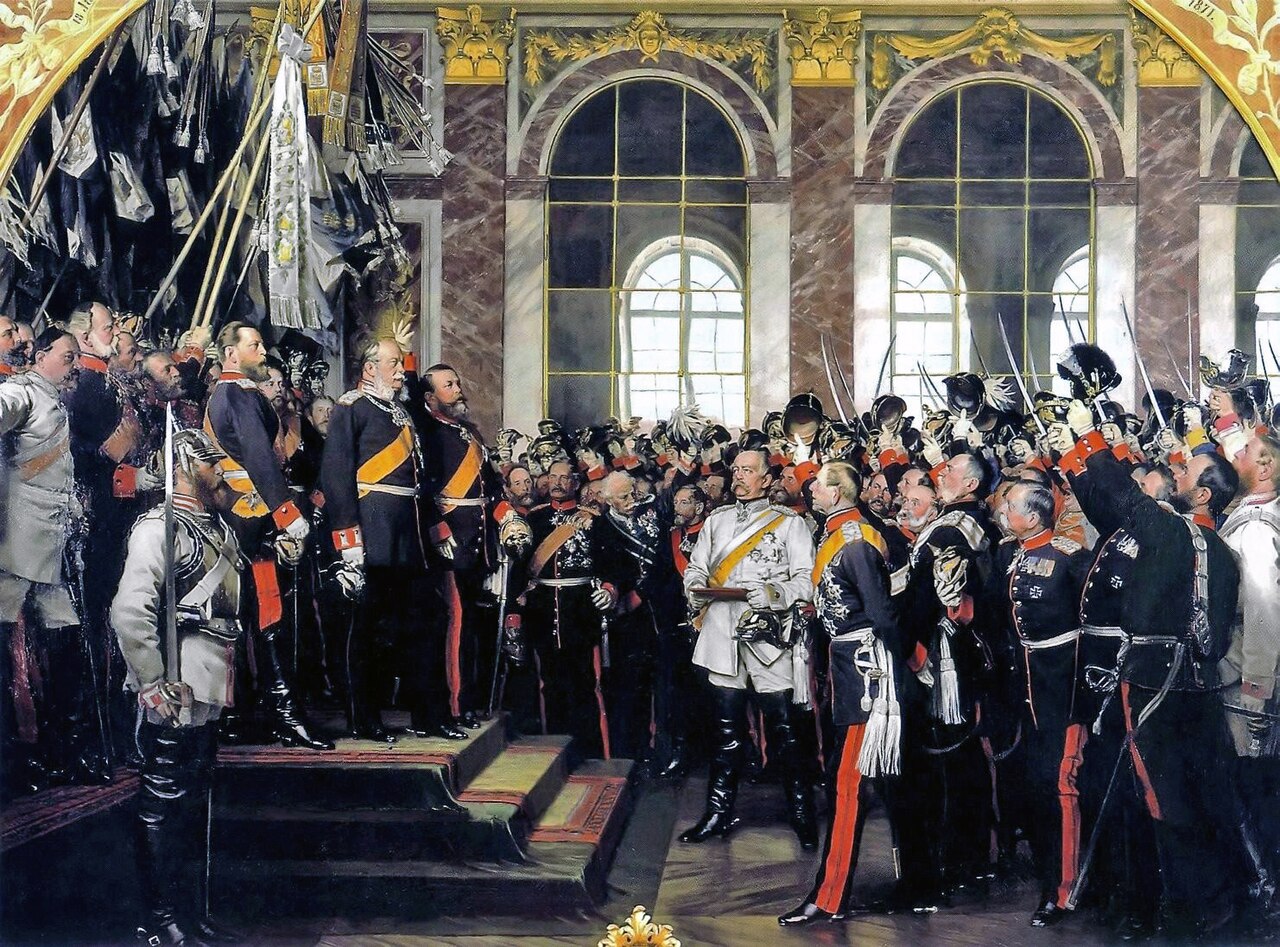
Proclamation of the German Empire at Versailles
Anton von Werner · 1885
 Document
Primary source
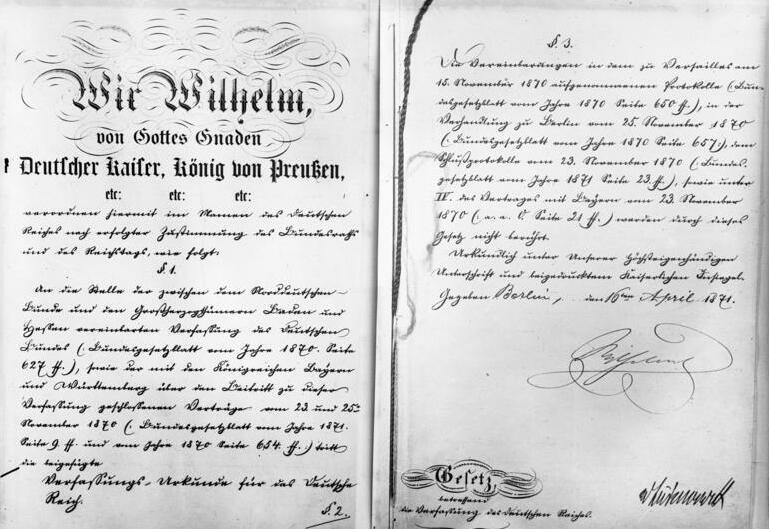
Constitution of the German Empire
4 May 1871
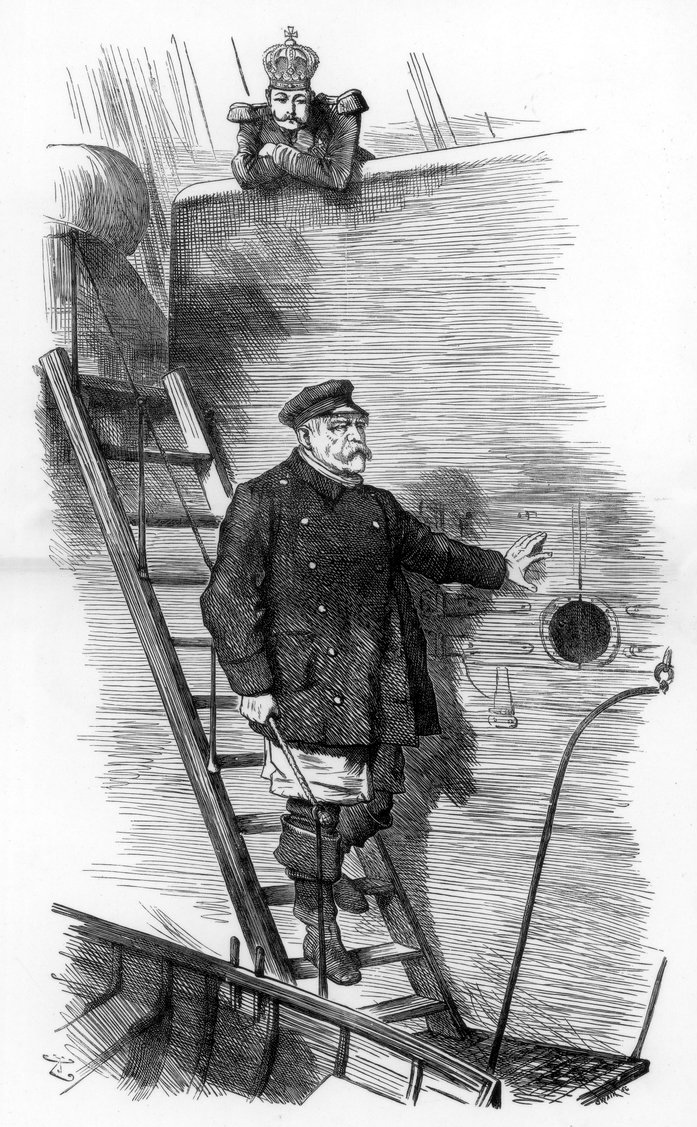 Painting
Secondary source
Dropping the Pilot
John Tenniel · 29 March 1890
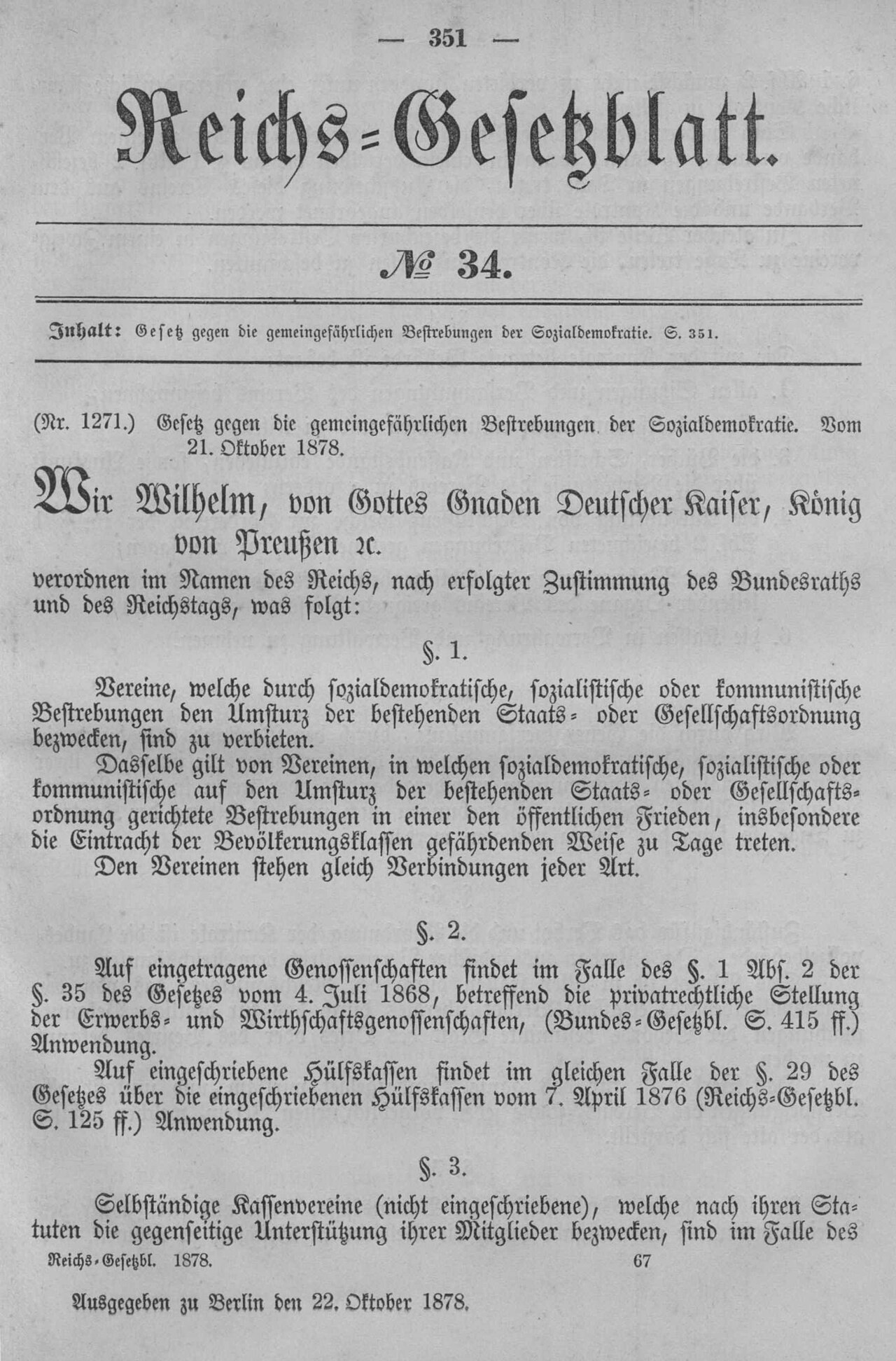 Document
Primary source
Anti-Socialist Law
21 October 1878
Ready when you are
Start chatting with Otto von Bismarck now.
20 messages free · No credit card · Available in 50+ languages.