


Secondary sourceArtifact2015
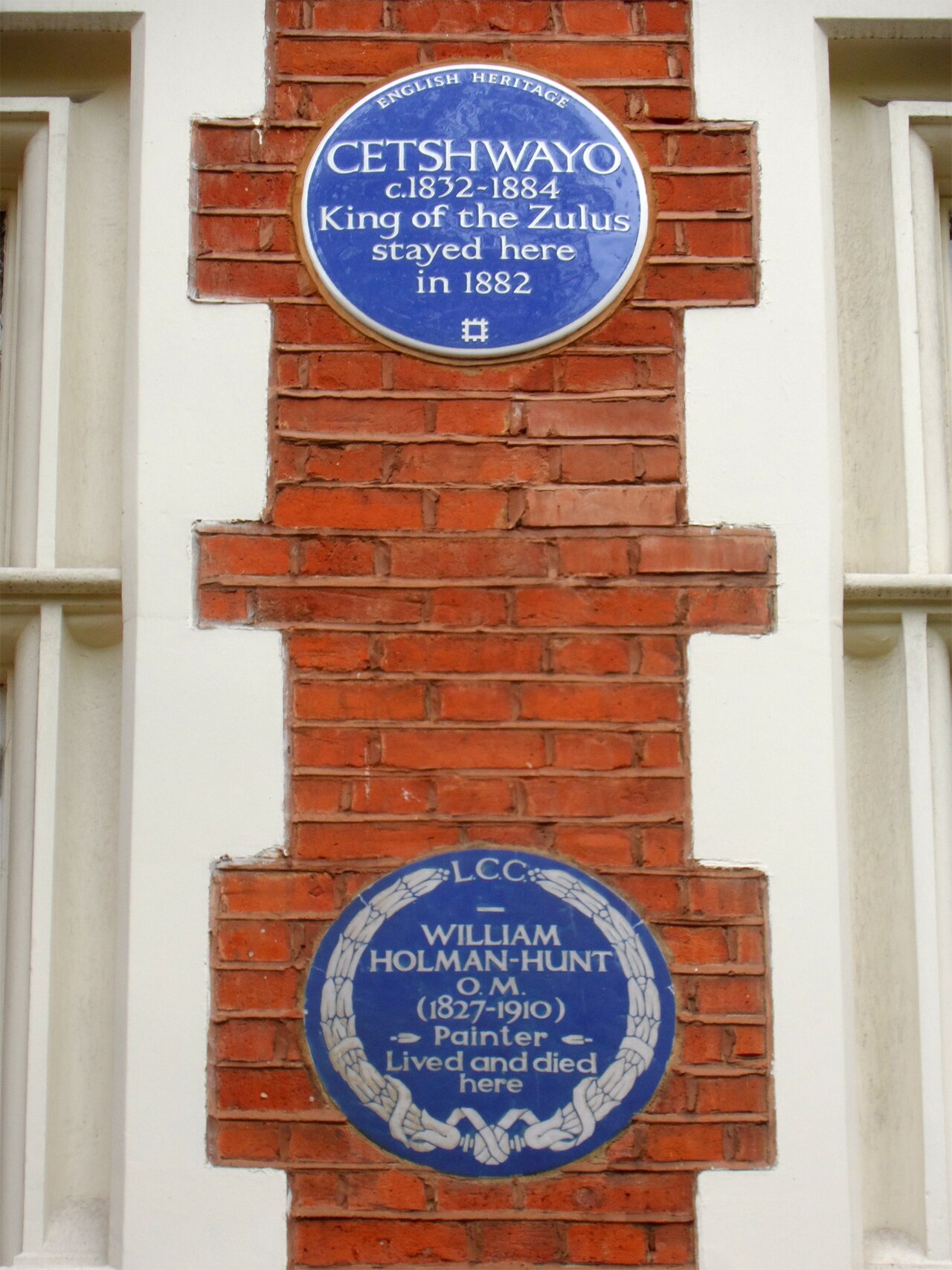
Blue Plaques at 18 Melbury Road, Holland Park
Spudgun67 · 2015
A 2015 photograph of two commemorative plaques on a London building, one marking Cetshwayo's 1882 stay there.
Marks the London house where Cetshwayo stayed in 1882, commemorating his presence in England.
About this source
What it is
This is a modern photograph, taken in 2015, of two blue plaques fixed to a brick wall at 18 Melbury Road in London. One plaque, put up by English Heritage in 2006, states that Cetshwayo, King of the Zulus, stayed at the house in 1882. The other, erected in 1923, commemorates the painter William Holman-Hunt, who lived and died there.
Why it matters
The plaque shows that Cetshwayo visited London, where he stayed at this address during a period when he was negotiating with the British government after being removed as king. Pairing his plaque with that of a famous Victorian painter highlights how his presence became part of London's commemorated history.
Look closer
- Why do you think Cetshwayo was in London in 1882?
- What does it mean that his plaque was added decades after Holman-Hunt's?
- What is missing from a plaque that a fuller biography might explain?
This artifact is part of the curated material that grounds the AI version of Cetshwayo kaMpande on Humy.ai — when students ask about related events, the AI can quote it and cite it.
More Cetshwayo kaMpande sources
Meet the AI Cetshwayo kaMpande →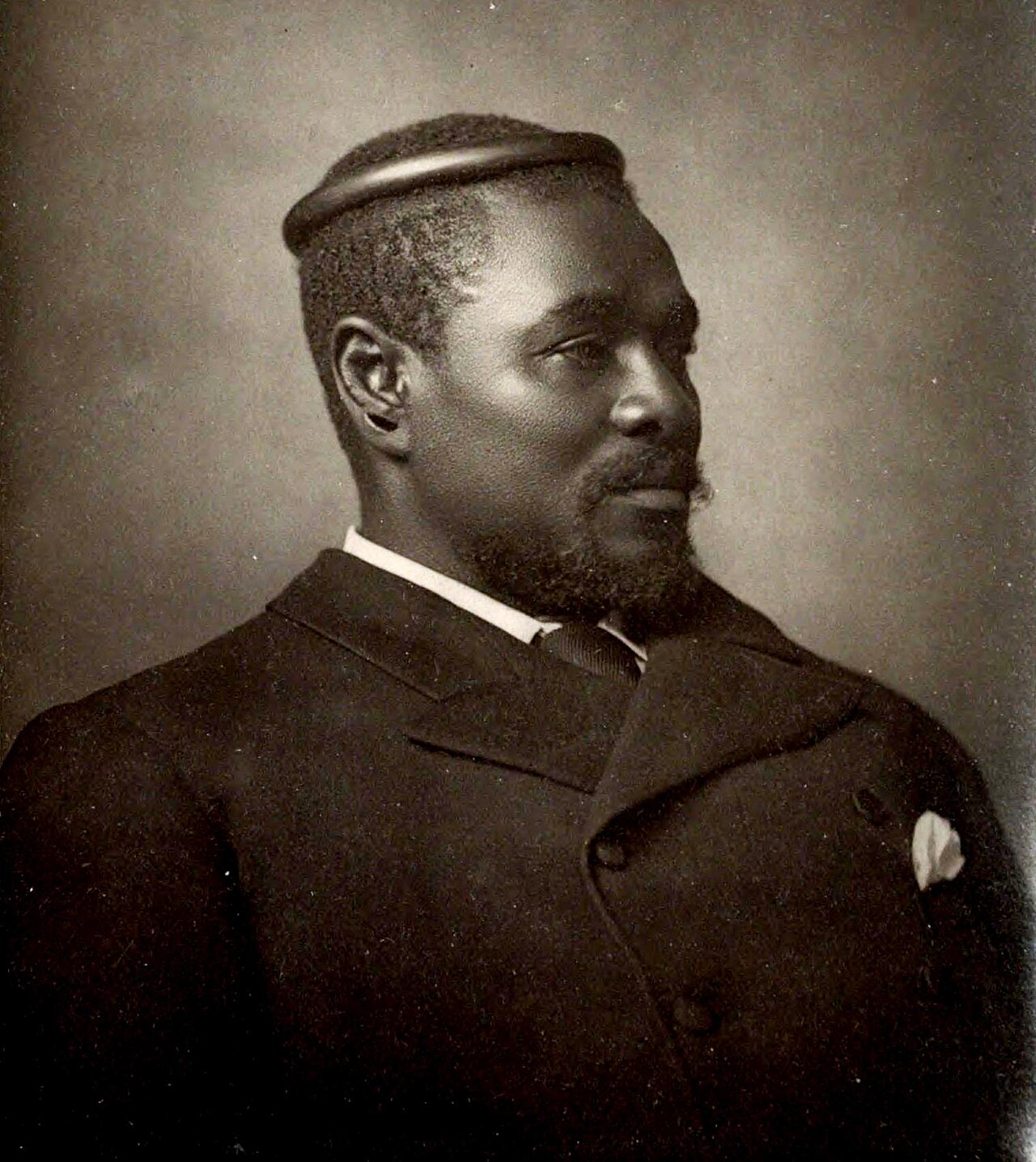 Photograph
Primary source
Portrait of Cetshwayo kaMpande, London 1882
Alexander Bassano · 1882
 Photograph
Primary source
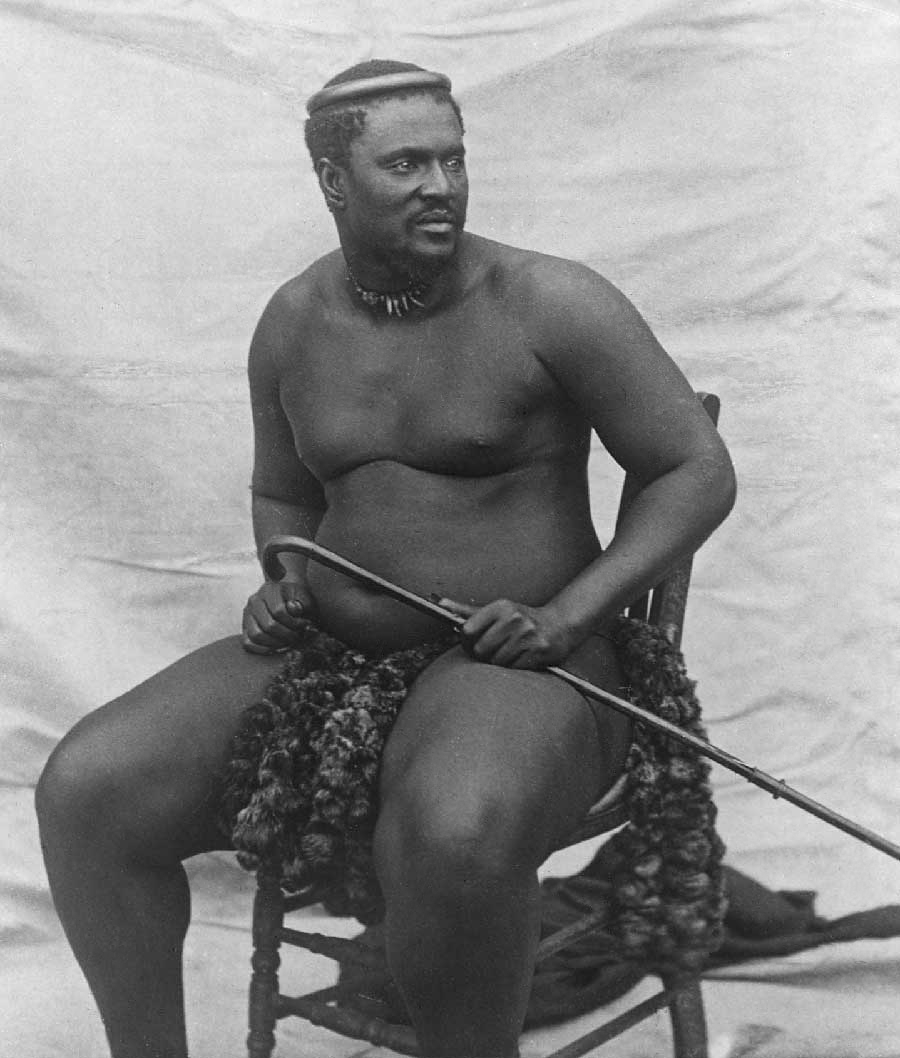
Photograph of Cetshwayo kaMpande, c. 1875
c. 1875
 Painting
Primary source
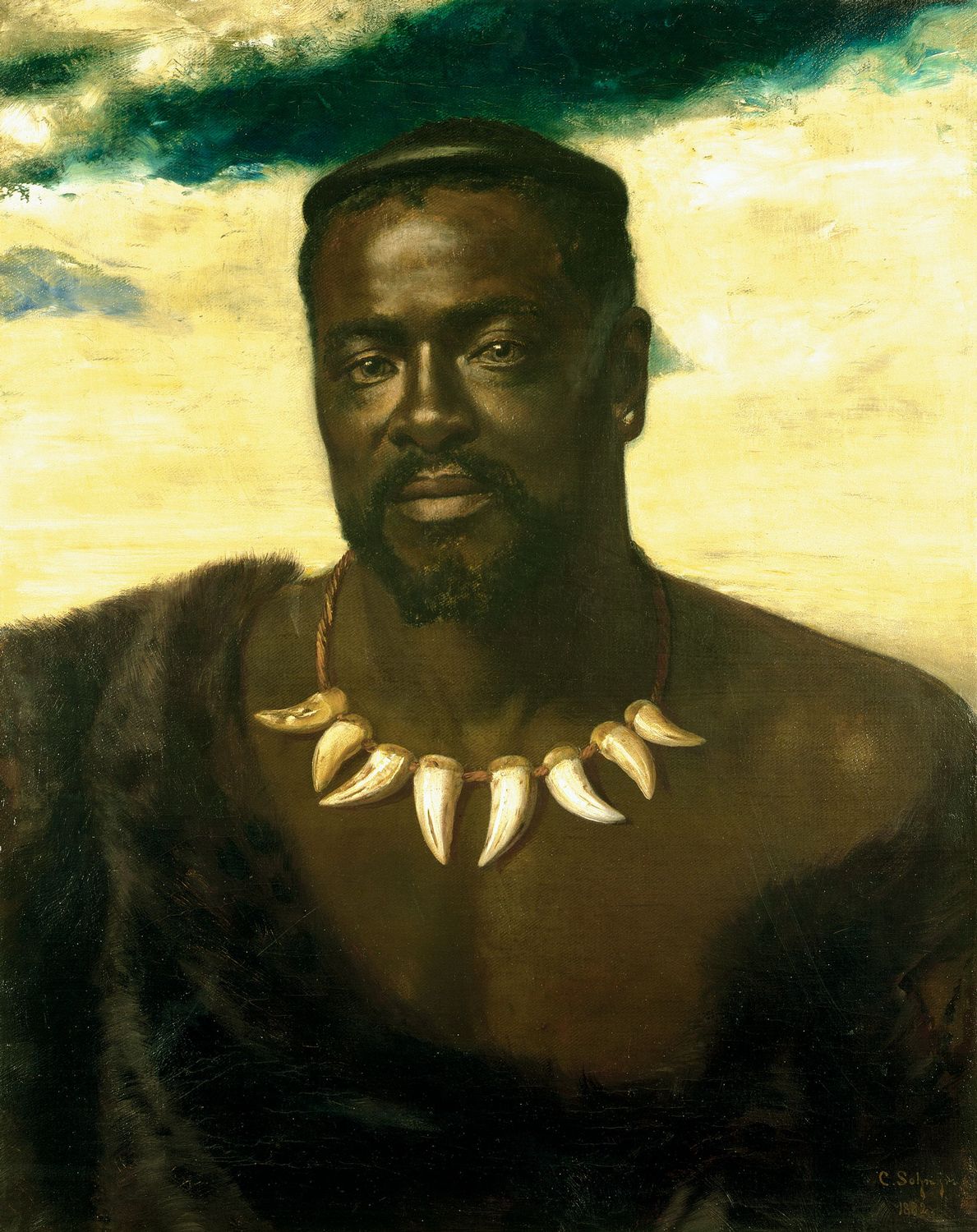
Cetshwayo, King of the Zulus
Carl Rudolph Sohn · 1882
 Painting
Primary source
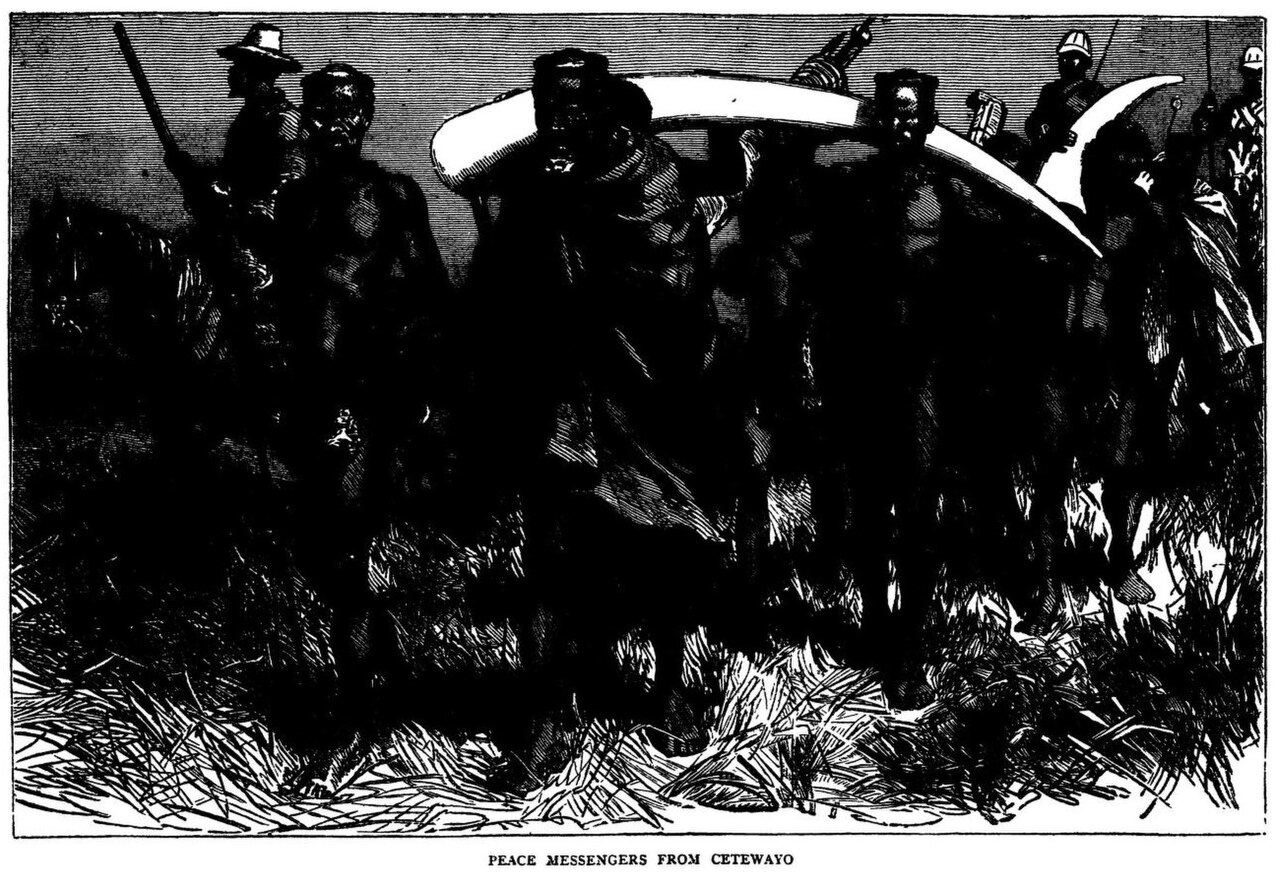
Peace Messengers from Cetawayo
1879
Secondary source
History of the Zulu War and Its Origin
Frances Ellen Colenso and Edward Durnford · 1880
Ready when you are
Start chatting with Cetshwayo kaMpande now.
20 messages free · No credit card · Available in 50+ languages.