


Secondary sourceBook8th-9th century
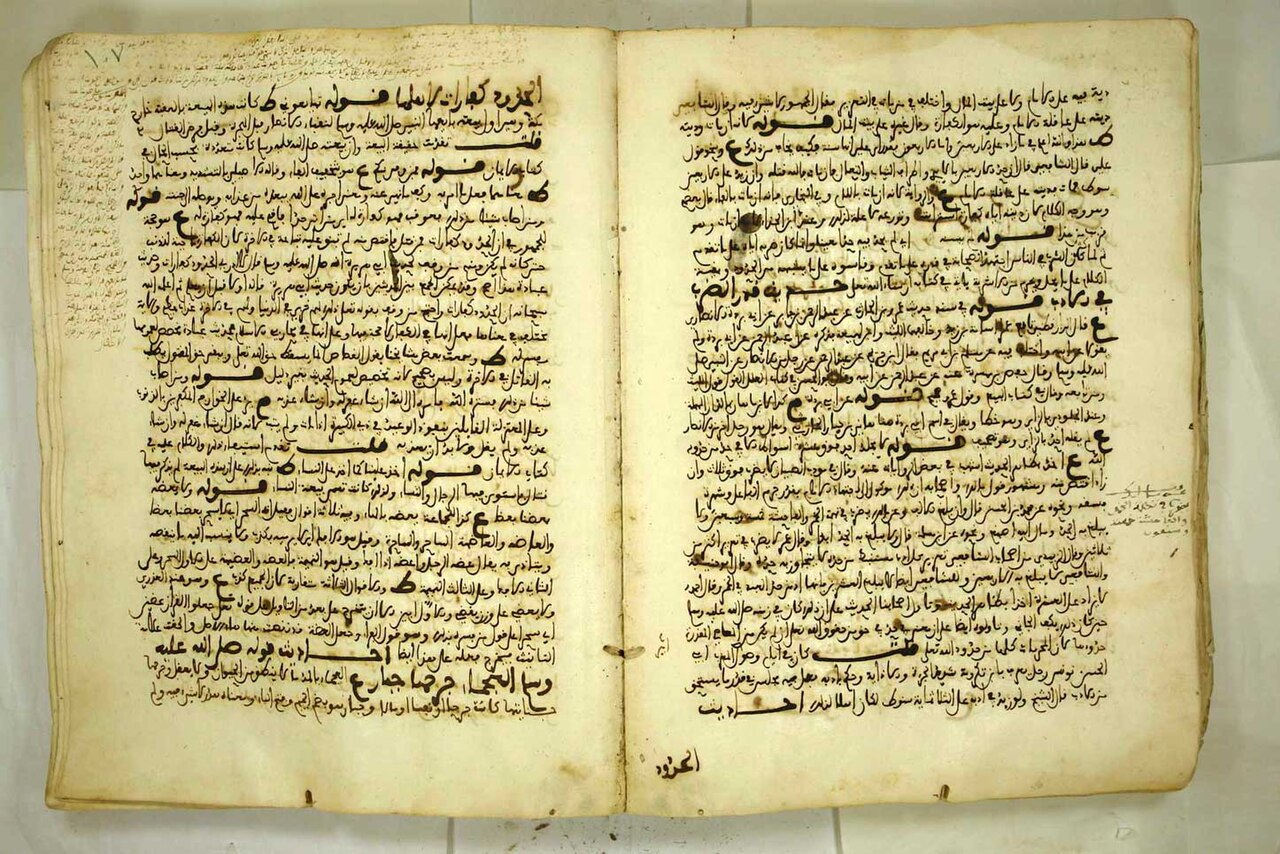
Book of Idols
Hisham ibn al-Kalbi · 8th-9th century
A treatise on pre-Islamic Arabian religion by Ibn al-Kalbi, preserving the story of Khalid ibn al-Walid destroying the shrine of the goddess al-Uzza.
Preserves the account of Khalid destroying the shrine of the goddess al-Uzza on Muhammad's orders.
Free Humy account · No credit card · 120,912 sources to read
About this source
What it is
The Book of Idols is a work by the 8th–9th century Arab scholar Hisham ibn al-Kalbi describing the gods, idols, and shrines worshipped in Arabia before Islam. It is built from oral traditions and lists idols along with details of their worship and, sometimes, their destruction.
Among its accounts is the story of Khalid ibn al-Walid destroying the shrine of the goddess al-Uzza at Nakhla on the order of Muhammad, part of the broader campaign to end idol worship in Arabia.
Why it matters
This text shows how early Muslim writers portrayed the end of pre-Islamic religion, and places Khalid as an instrument of that religious change. Modern historians note that the work is not always considered a fully reliable record of actual pre-Islamic practice.
Look closer
- Why might a later Islamic writer want to record the destruction of a pagan shrine in detail?
- What does it mean that historians today question how reliable this text is as evidence of pre-Islamic religion?
- How does this story position Khalid within the religious transformation of Arabia?
This book is part of the curated material that grounds the AI version of Khalid ibn al-Walid on Humy.ai — when students ask about related events, the AI can quote it and cite it.
More Khalid ibn al-Walid sources
Browse all 52 →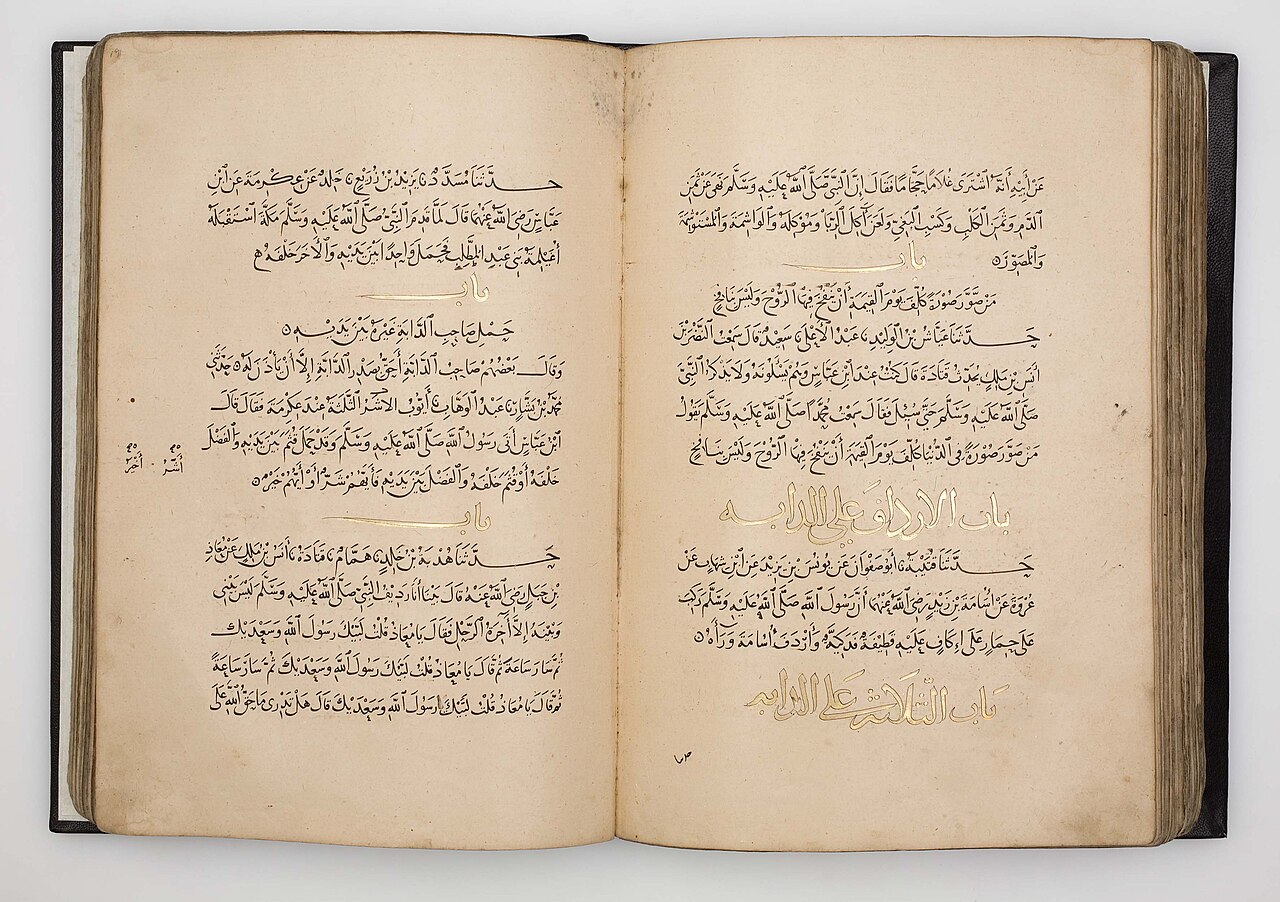 Book
Secondary source
Sahih al-Bukhari
Muhammad ibn Isma'il al-Bukhari · c. 846 CE
 Book
Secondary source
Futuh al-Buldan
Al-Baladhuri · 9th century
 Book
Secondary source
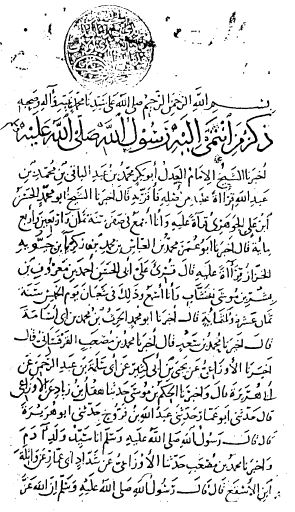
The Book of the Major Classes
Muhammad ibn Sa'd ibn Mani' al-Baghdadi
 Artifact
Secondary source
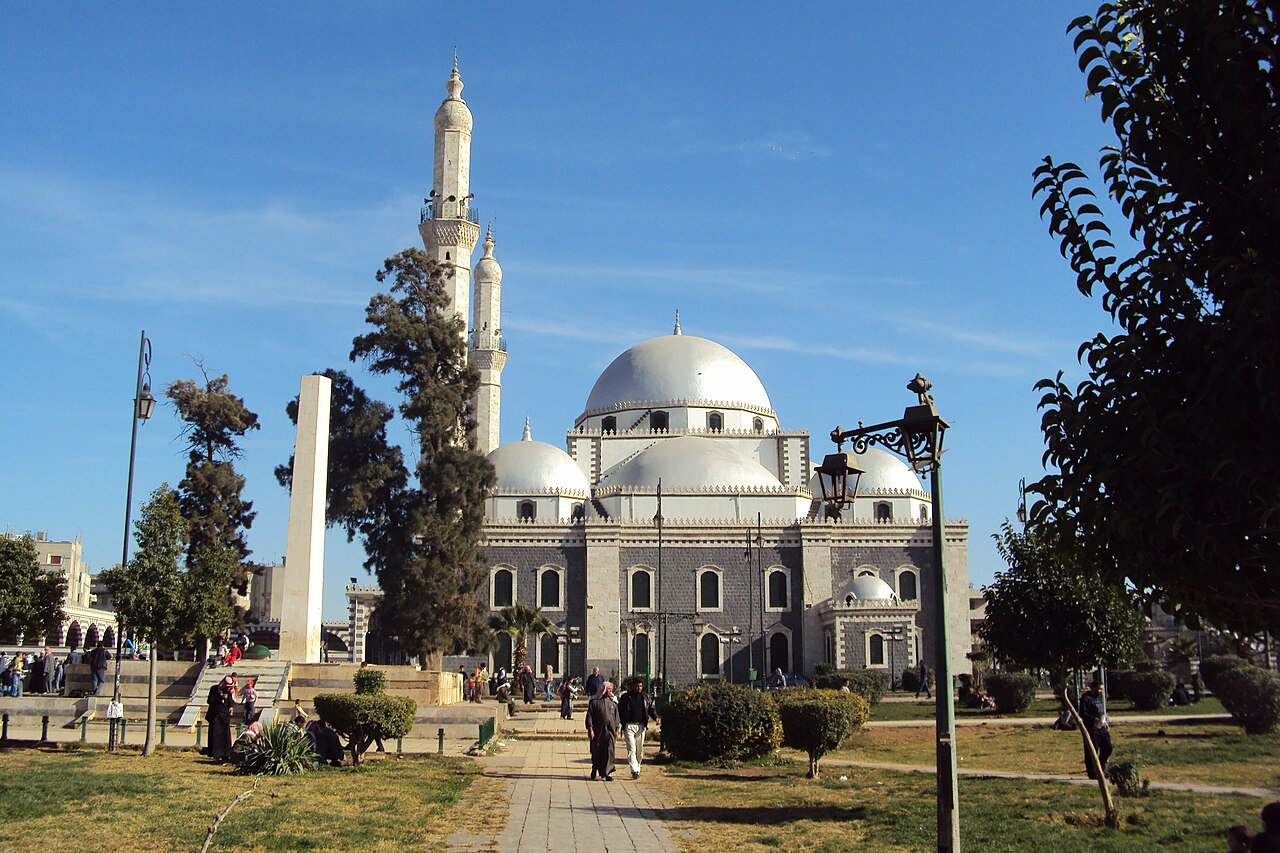
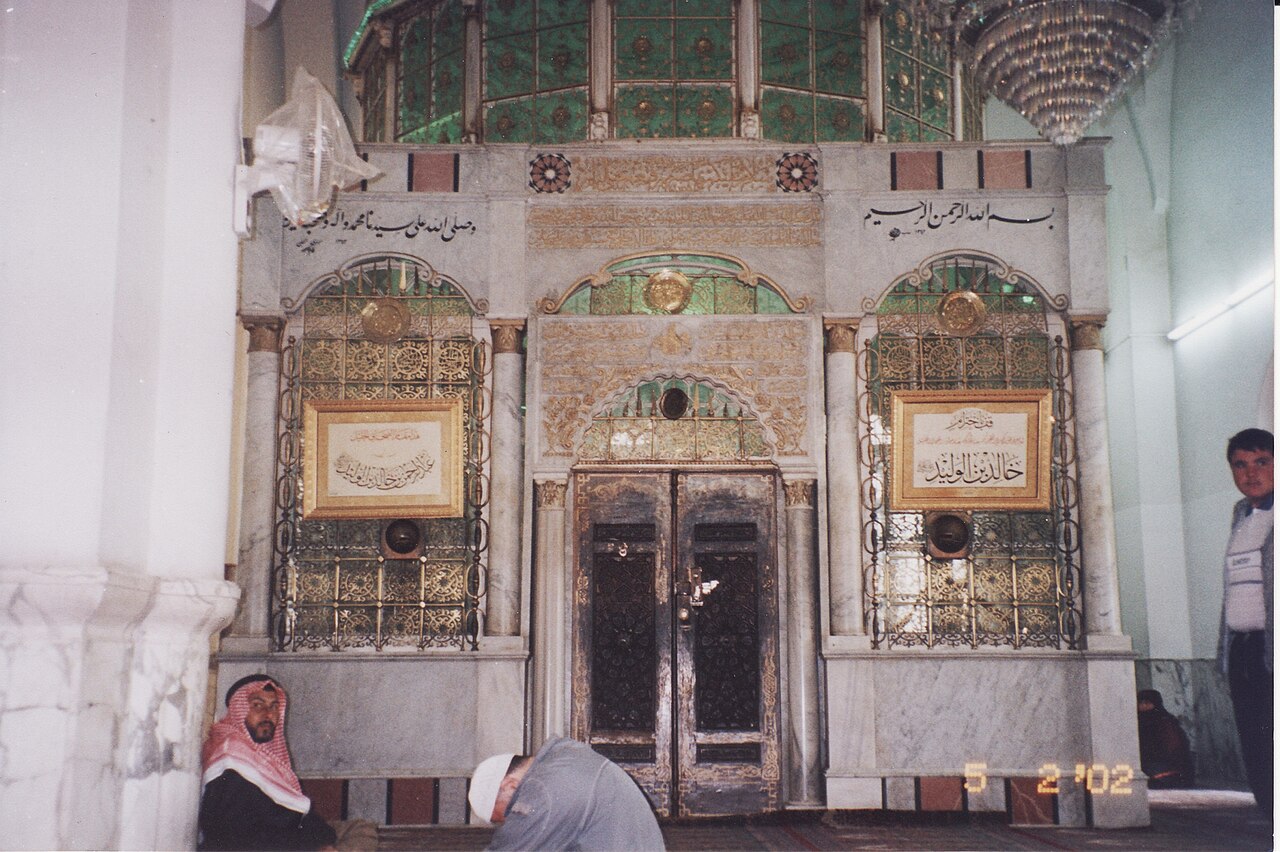
Khalid ibn al-Walid Mosque
1908–1913 (rebuilt)
Free account
Read every Khalid ibn al-Walid source
Sign up free →
Ready when you are
Start chatting with Khalid ibn al-Walid now.
20 messages free · No credit card · Available in 50+ languages.