


Secondary sourceArtifact1908–1913 (rebuilt)
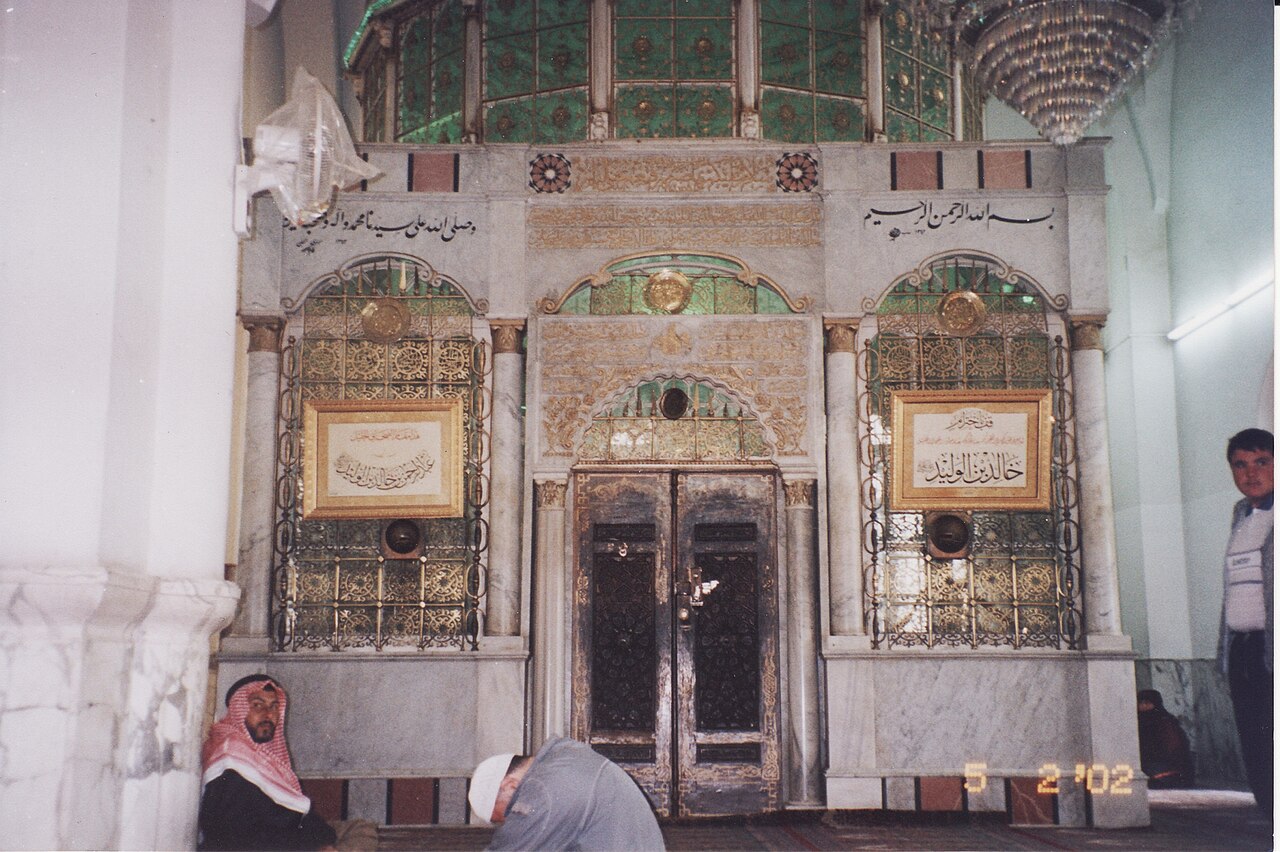
Khalid ibn al-Walid Mosque
1908–1913 (rebuilt)
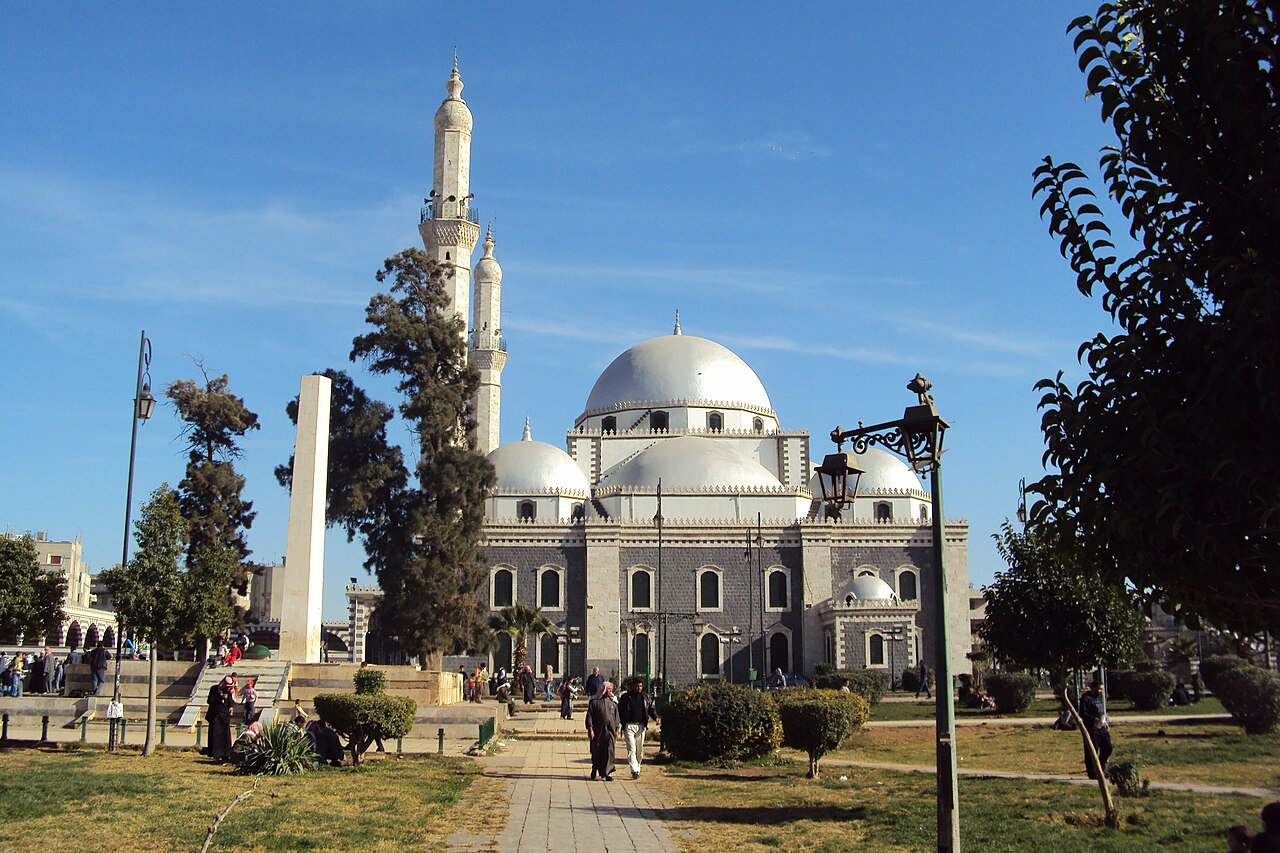
A mosque and mausoleum in Homs, Syria, built over the traditional burial site of Khalid ibn al-Walid and rebuilt in Ottoman style in the early 20th century.
Marks and honors the traditional burial site of Khalid ibn al-Walid, the main physical memorial to him.
Free Humy account · No credit card · 120,912 sources to read
About this source
What it is
This mosque in Homs, Syria, stands over the traditional tomb of Khalid ibn al-Walid. A small shrine may have existed here since the 7th century, but the building seen today was rebuilt in Ottoman style, with construction completed in the early 20th century.
Why it matters
The site has long served as a pilgrimage center for people honoring Khalid, a companion of Muhammad and commander of early Muslim conquests. Its rebuilding by Ottoman authorities shows how later rulers used Khalid's memory to connect with Arab populations, and he later became a symbol of Arab nationalism. The mosque was also damaged during the Syrian civil war, showing how historic sites remain tied to present-day politics.
Look closer
- What architectural features in the photo reflect local Islamic building traditions?
- Why might rulers centuries after Khalid's death want to rebuild his tomb?
- What does the mosque's role in modern conflict tell us about how the past stays alive today?
This artifact is part of the curated material that grounds the AI version of Khalid ibn al-Walid on Humy.ai — when students ask about related events, the AI can quote it and cite it.
More Khalid ibn al-Walid sources
Browse all 52 →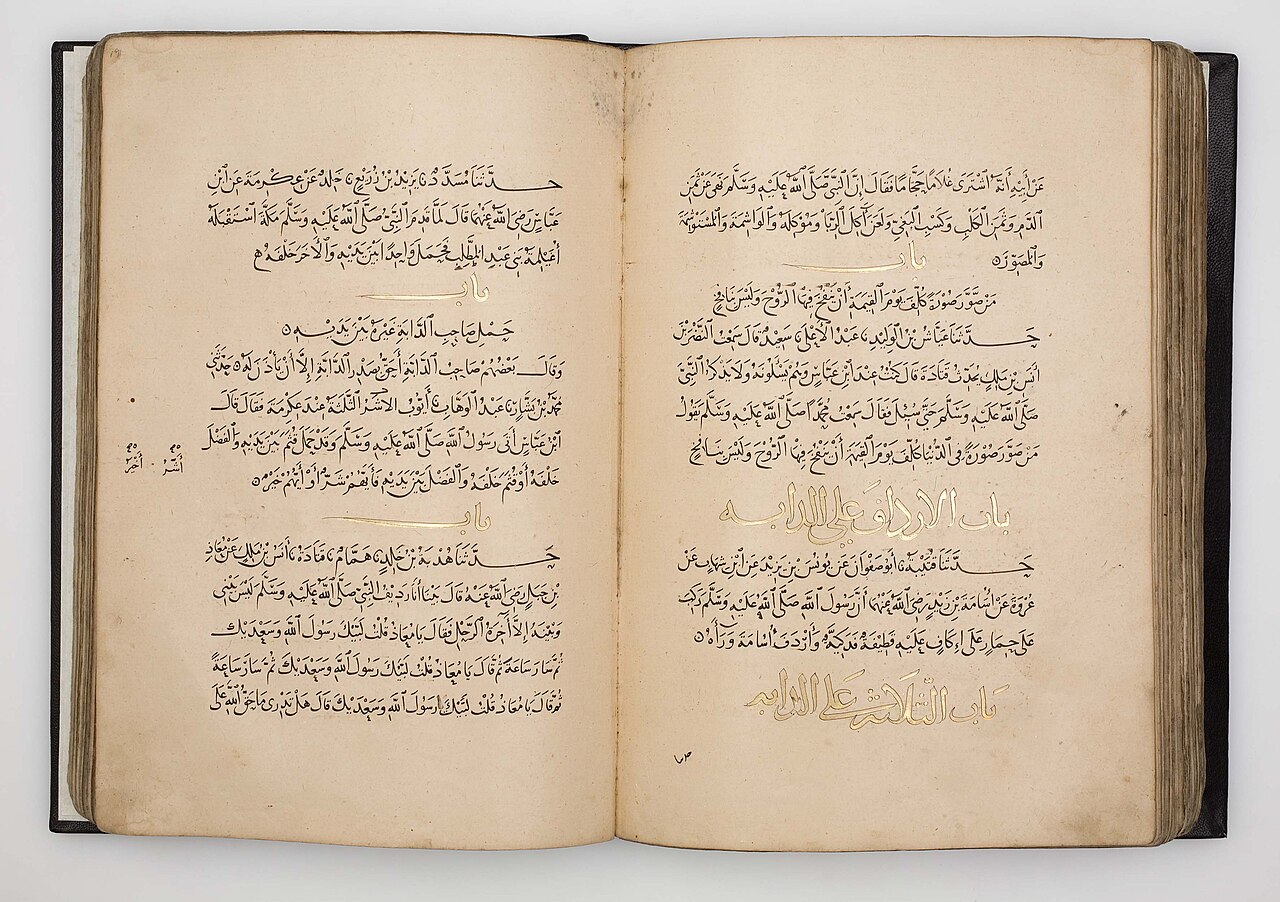 Book
Secondary source
Sahih al-Bukhari
Muhammad ibn Isma'il al-Bukhari · c. 846 CE
 Book
Secondary source
Futuh al-Buldan
Al-Baladhuri · 9th century
Secondary source
Book of Idols
Hisham ibn al-Kalbi · 8th-9th century
 Book
Secondary source
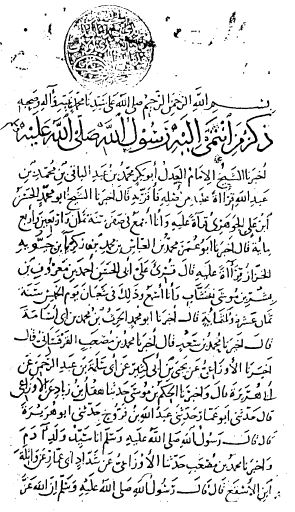
The Book of the Major Classes
Muhammad ibn Sa'd ibn Mani' al-Baghdadi
Free account
Read every Khalid ibn al-Walid source
Sign up free →
Ready when you are
Start chatting with Khalid ibn al-Walid now.
20 messages free · No credit card · Available in 50+ languages.