


Primary sourceNewspaper article1719–1798 (issue shown 1756)
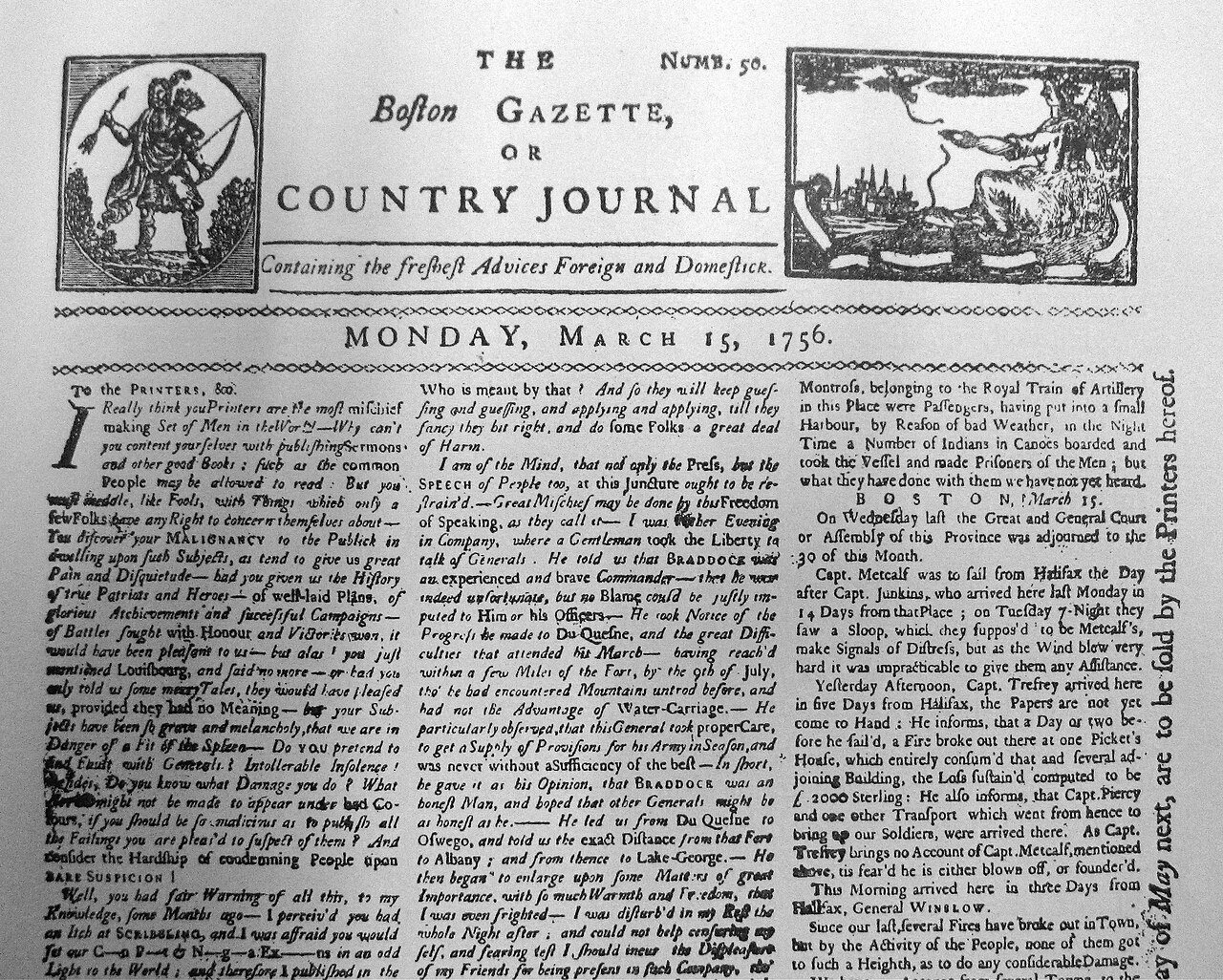
Boston Gazette
1719–1798 (issue shown 1756)
A Boston newspaper that published dozens of Samuel Adams's pseudonymous political essays attacking British policy before the Revolution.
Adams wrote dozens of essays under pseudonyms in this paper, making it a central vehicle for his political writing.
About this source
What it is
The Boston Gazette was a weekly newspaper first published in 1719, later printed by Benjamin Edes and John Gill. It carried essays by Samuel Adams, written under at least 25 pen names such as Candidus and Vindex, along with contributions from Paul Revere and others.
Why it matters
The Gazette became one of the most influential newspapers in early American history, shaping opposition to royal authority in the years leading to the Revolution. It published the leaked Hutchinson letters obtained by Benjamin Franklin and commissioned Paul Revere's famous engraving of the Boston Massacre, showing how closely the press, Adams, and other patriots worked together to sway public opinion.
Why it matters
Look closer
- Why would a writer use many different pen names instead of signing his own?
- What does the paper's involvement in leaking private letters tell you about the politics of the time?
- The paper also carried ads for the sale of enslaved people — what does that reveal about colonial Boston alongside its talk of liberty?
This newspaper article is part of the curated material that grounds the AI version of Samuel Adams on Humy.ai — when students ask about related events, the AI can quote it and cite it.
More Samuel Adams sources
Meet the AI Samuel Adams →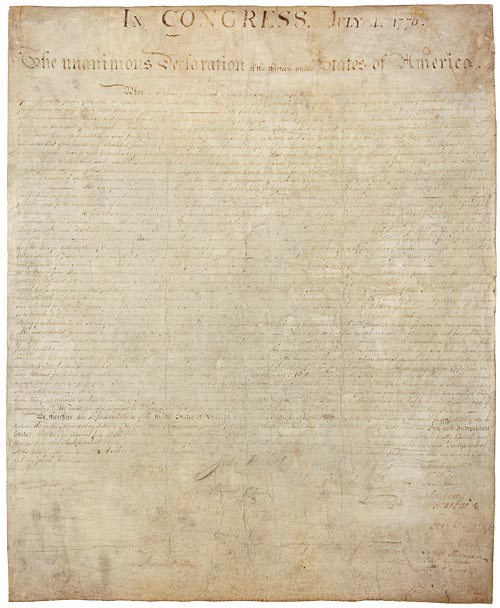 Document
Primary source
Declaration of Independence
Continental Congress (drafted by Thomas Jefferson) · 1776
 Document
Primary source
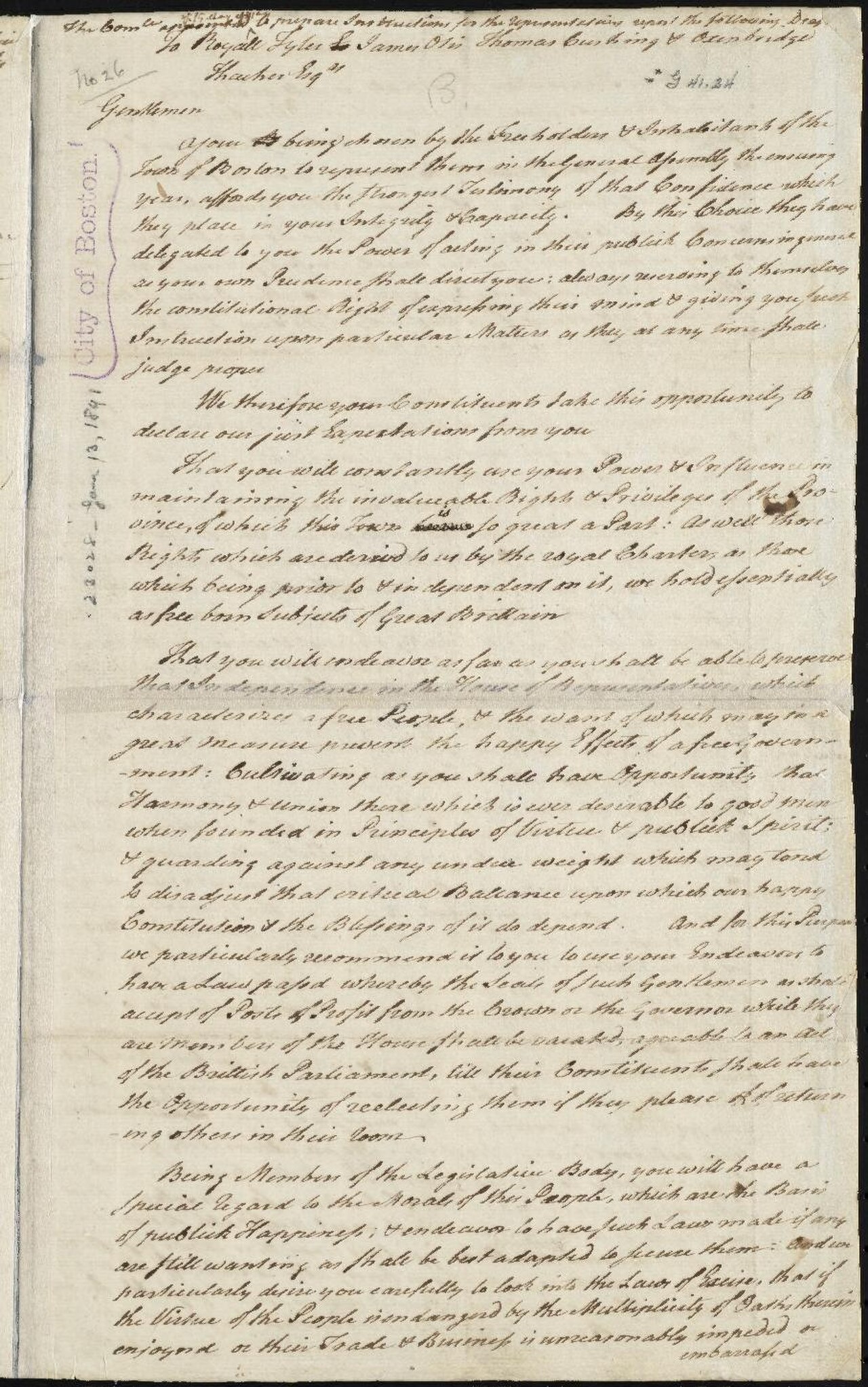
Instructions of the Town of Boston to its Representatives
Samuel Adams · May 1764
 Painting
Primary source
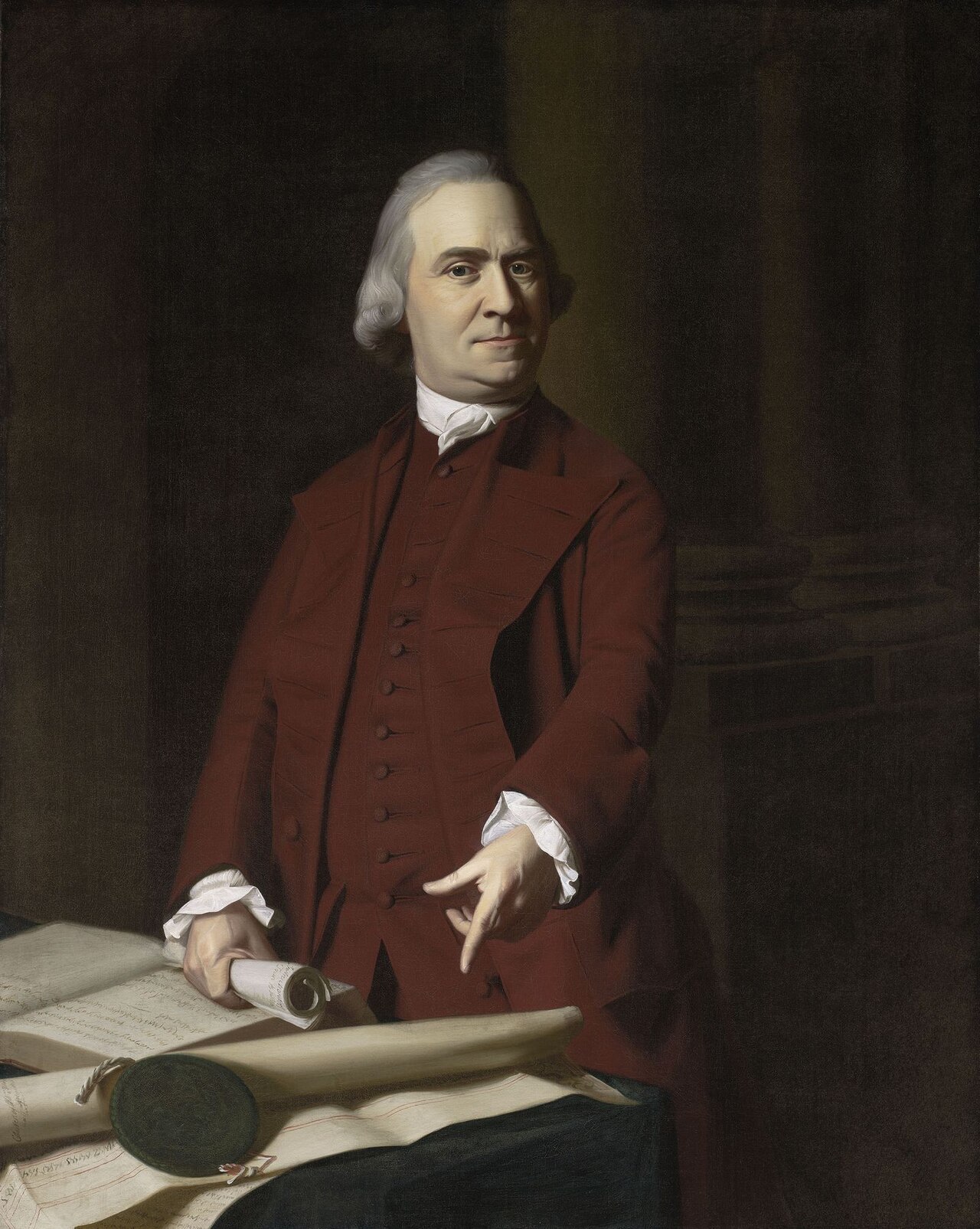
Samuel Adams
John Singleton Copley · 1772
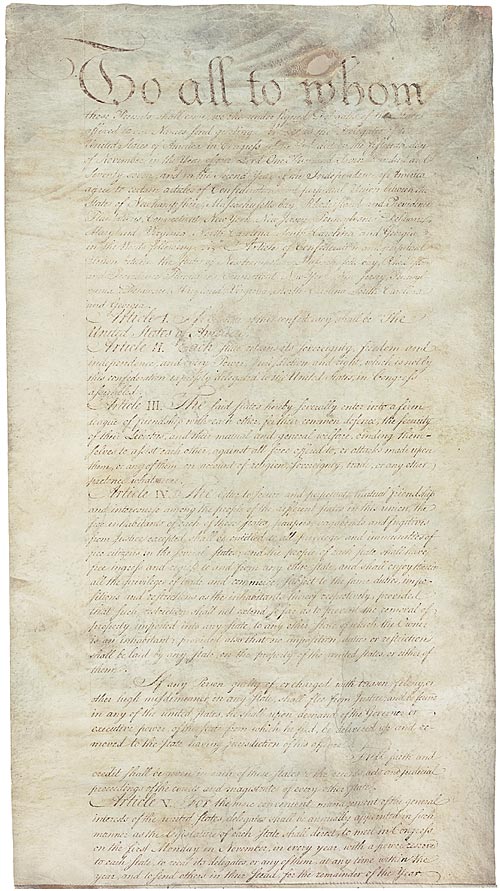 Document
Primary source
Articles of Confederation
Continental Congress · 1777
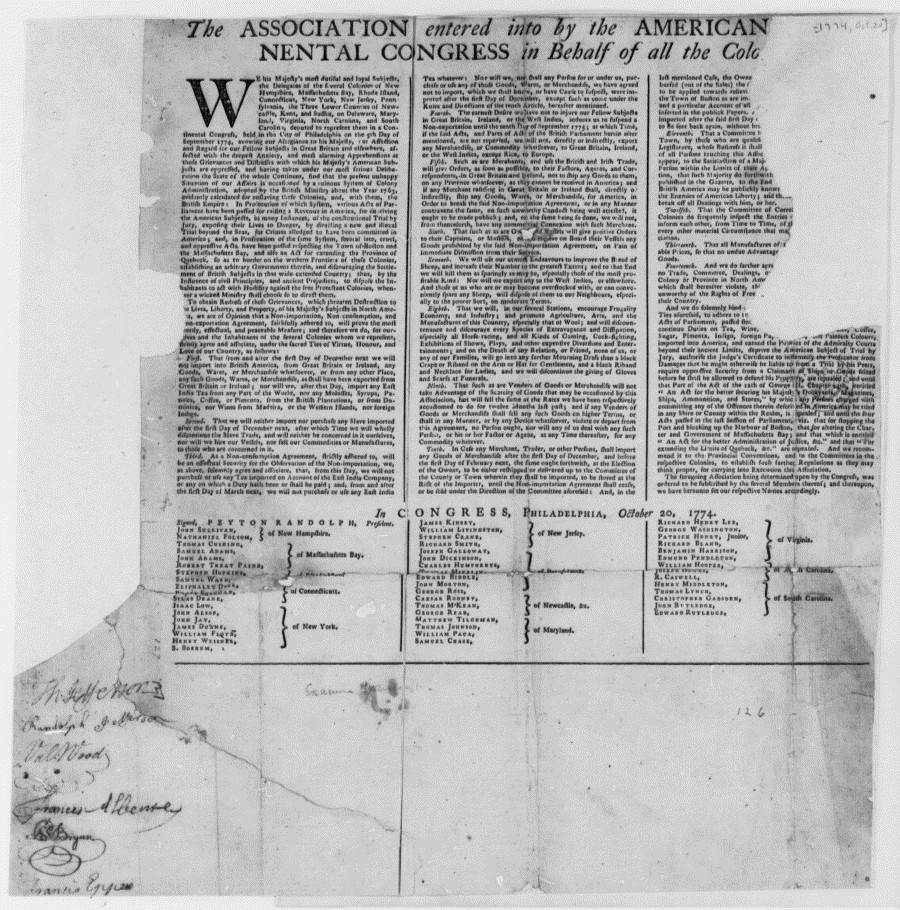 Document
Primary source
Continental Association
First Continental Congress · 20 October 1774
Ready when you are
Start chatting with Samuel Adams now.
20 messages free · No credit card · Available in 50+ languages.