


Primary sourceNewspaper article1851
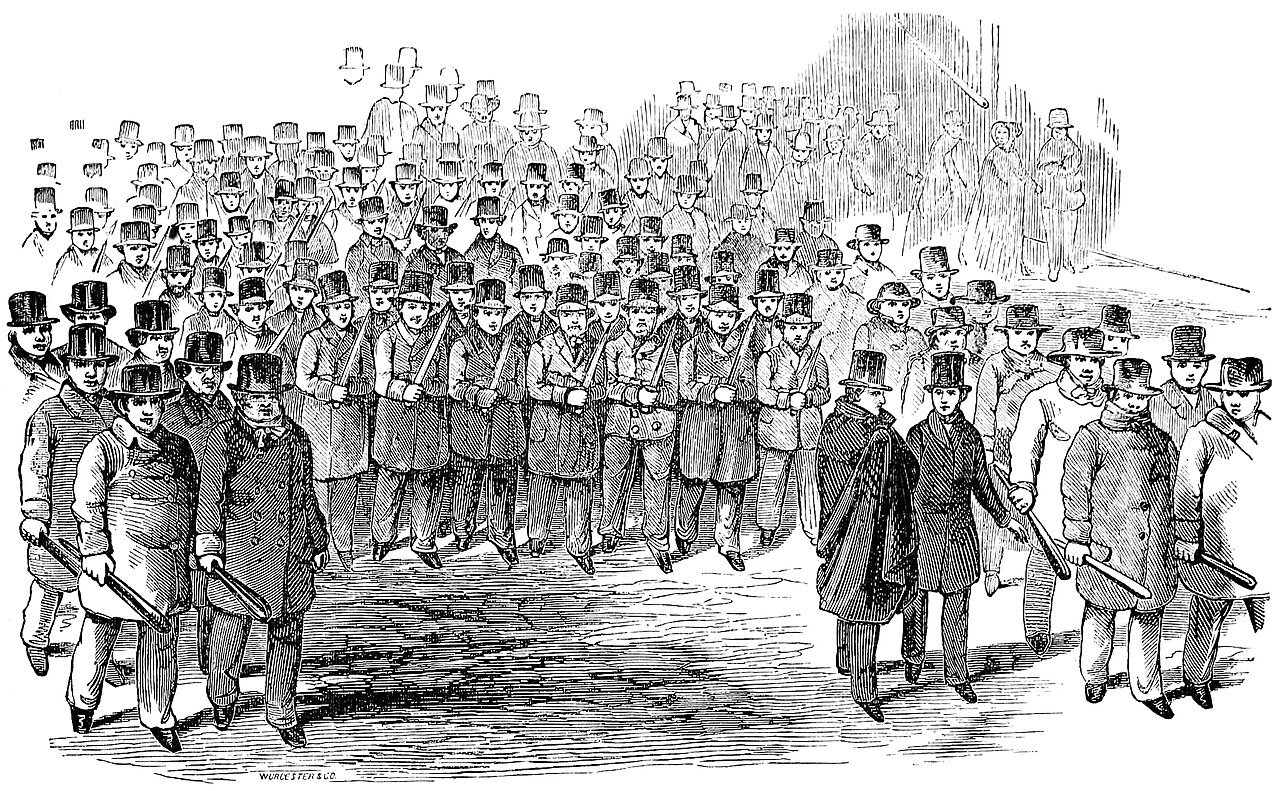
Boston Police Conveying Fugitive Slave Sims to the Vessel
Anonymous engraver, Worcester & Co. · 1851
An 1851 engraving showing Thomas Sims being escorted by Boston police back into slavery, illustrating the law Coffin's Underground Railroad work opposed.
Depicts enforcement of the law Coffin's Underground Railroad activities worked to defy.
About this source
What it is
This 1851 engraving by an anonymous artist for Worcester & Co. shows a column of police and officials escorting Thomas Sims, a man who had escaped slavery, through the streets of Boston toward a ship that would carry him back south.
Why it matters
Sims's case was one of the most prominent enforcements of the Fugitive Slave Act of 1850, a law that forced local authorities to help capture escaped enslaved people. Such events increased the urgency of networks like the Underground Railroad, in which Levi Coffin played a major role from Cincinnati, helping people escape before they could be captured.
Look closer
- Why does the image show such a large group of officers escorting one man?
- What does the size of the crowd in the background suggest about public reaction?
- What is not shown in this image about what happened to Sims afterward?
This newspaper article is part of the curated material that grounds the AI version of Levi Coffin and Harriet Jacobs on Humy.ai — when students ask about related events, the AI can quote it and cite it.
More Levi Coffin sources
Meet the AI Levi Coffin → Book
Primary source
Reminiscences of Levi Coffin
Levi Coffin · 1876
 Book
Secondary source
The Underground Railroad from Slavery to Freedom
Wilbur Henry Siebert · 1898
 Artifact
Primary source
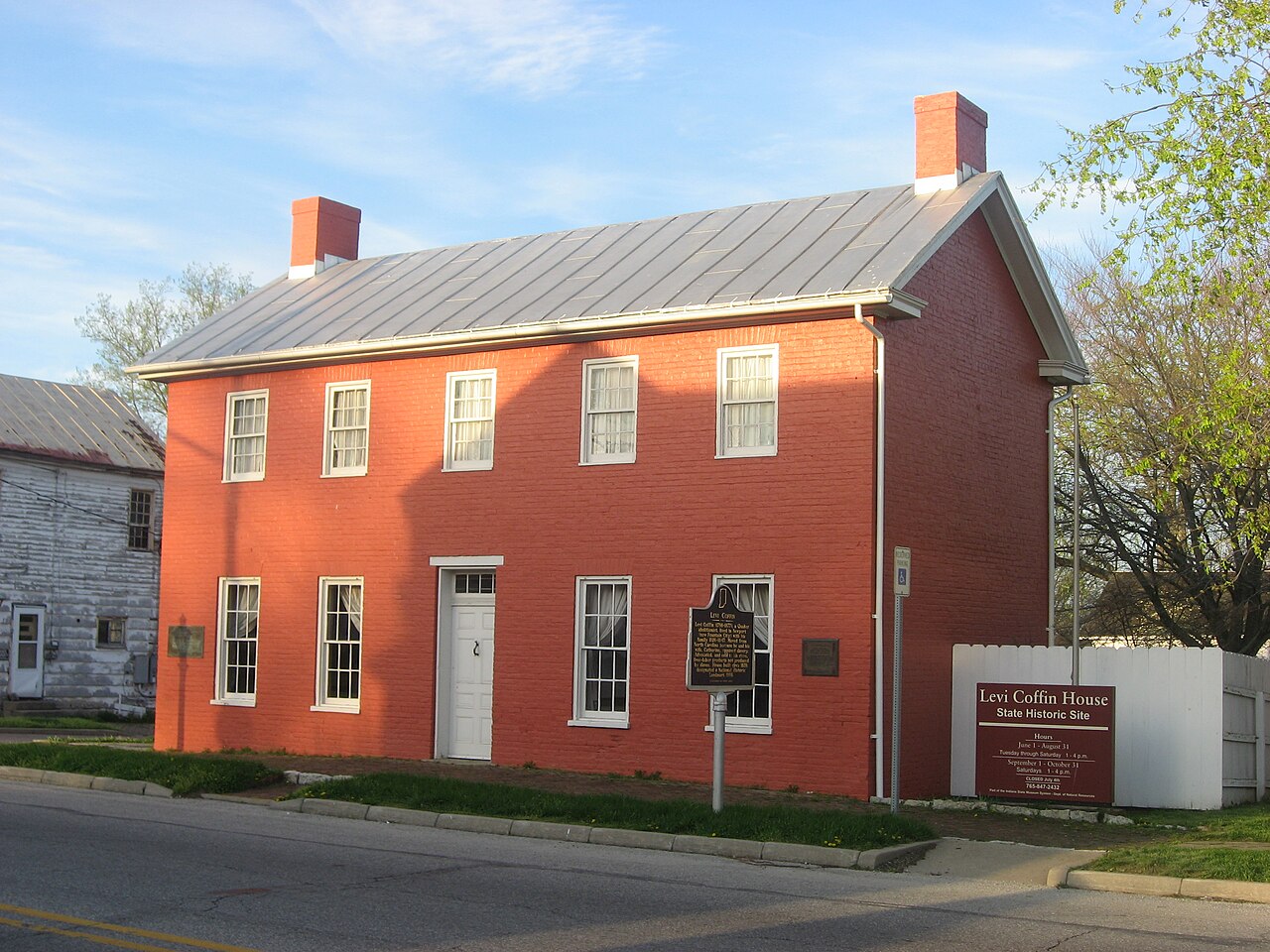
Levi Coffin House
Levi Coffin · 1838-1839
Primary source
A Woman's Life-Work
Laura Smith Haviland · 1881
 Photograph
Primary source
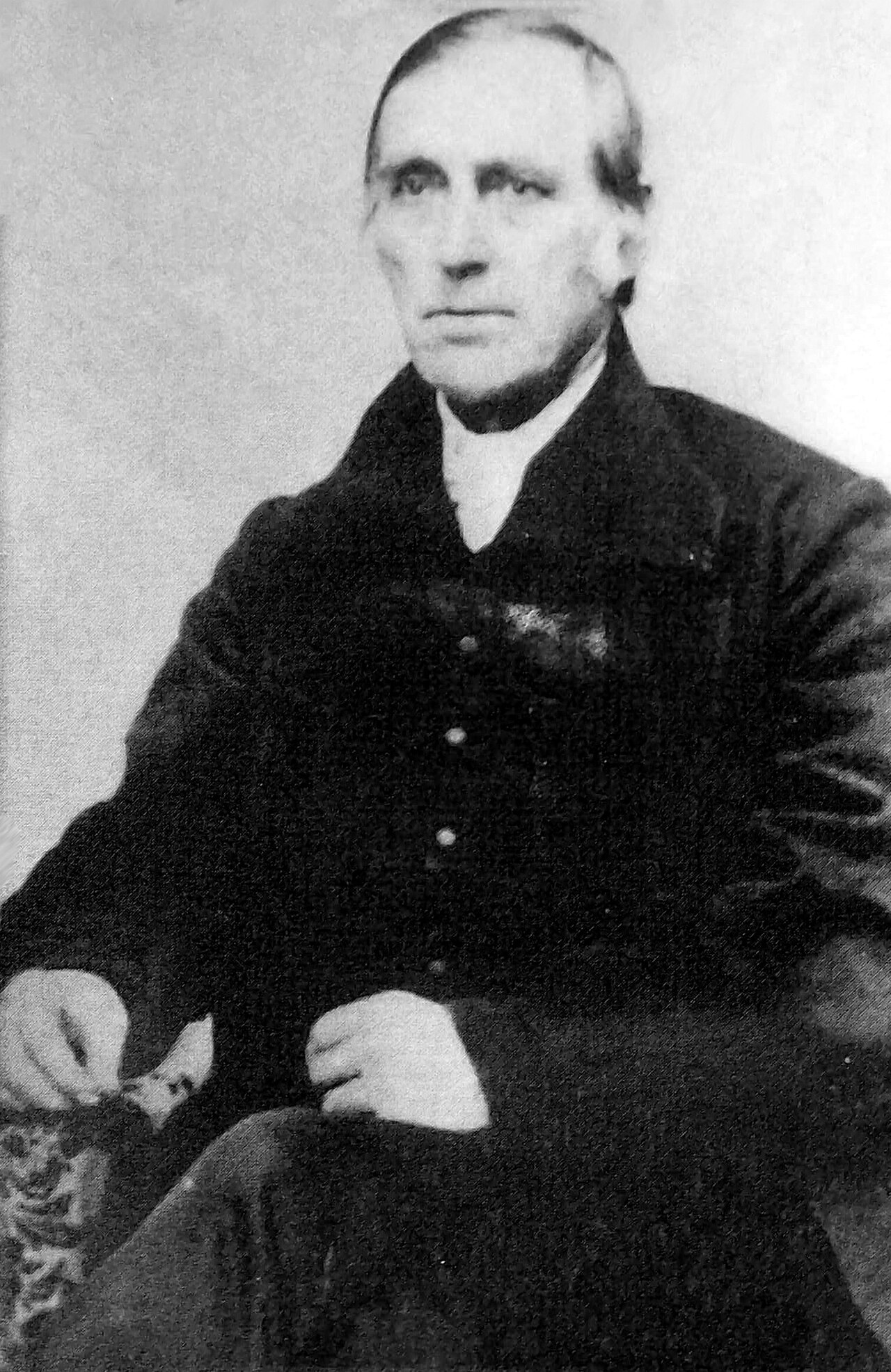
Levi Coffin photograph, c. 1865
Unknown · c. 1865
Ready when you are
Start chatting with Levi Coffin now.
20 messages free · No credit card · Available in 50+ languages.