


Primary sourceArtifact1791–1792
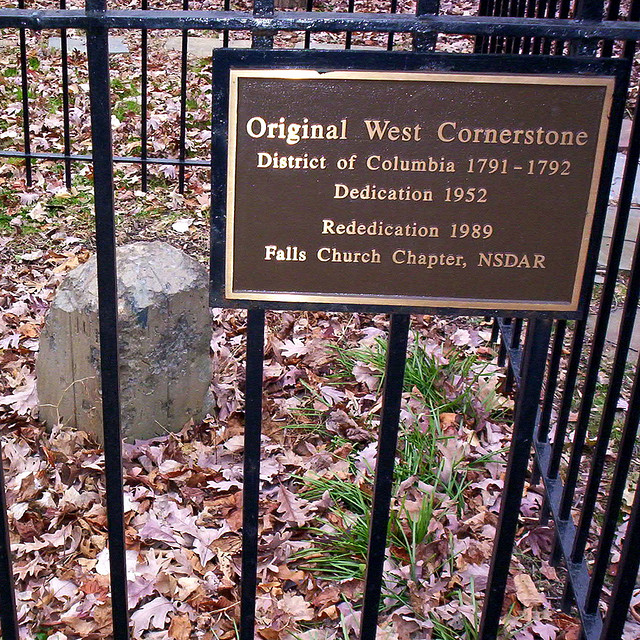
Boundary Stones of the original District of Columbia
Andrew Ellicott's survey team · 1791–1792
Surviving milestones from the 1791-92 survey of the federal district that Banneker helped carry out alongside Andrew Ellicott.
Banneker assisted the Ellicott survey that placed these stones, his documented work on the federal capital.
About this source
What it is
These are the physical boundary markers placed by Andrew Ellicott's survey team in 1791-1792 to mark the edges of the new federal district, now Washington, D.C. Several of these stones still stand in Washington, Virginia and Maryland.
Why it matters
Benjamin Banneker, whose parents had been enslaved, assisted in surveying the borders of the district, so these stones are a physical trace of his scientific fieldwork on the new national capital. They connect Banneker's skills in mathematics and astronomy to a lasting piece of American infrastructure.
Look closer
- What does it mean that a stone boundary marker from the 1790s is still standing today?
- Why might later generations add plaques and rededications to a marker like this one?
- What kind of work would surveying a border by hand have required, and what skills would it have needed?
This artifact is part of the curated material that grounds the AI version of Benjamin Banneker on Humy.ai — when students ask about related events, the AI can quote it and cite it.
More Benjamin Banneker sources
Meet the AI Benjamin Banneker →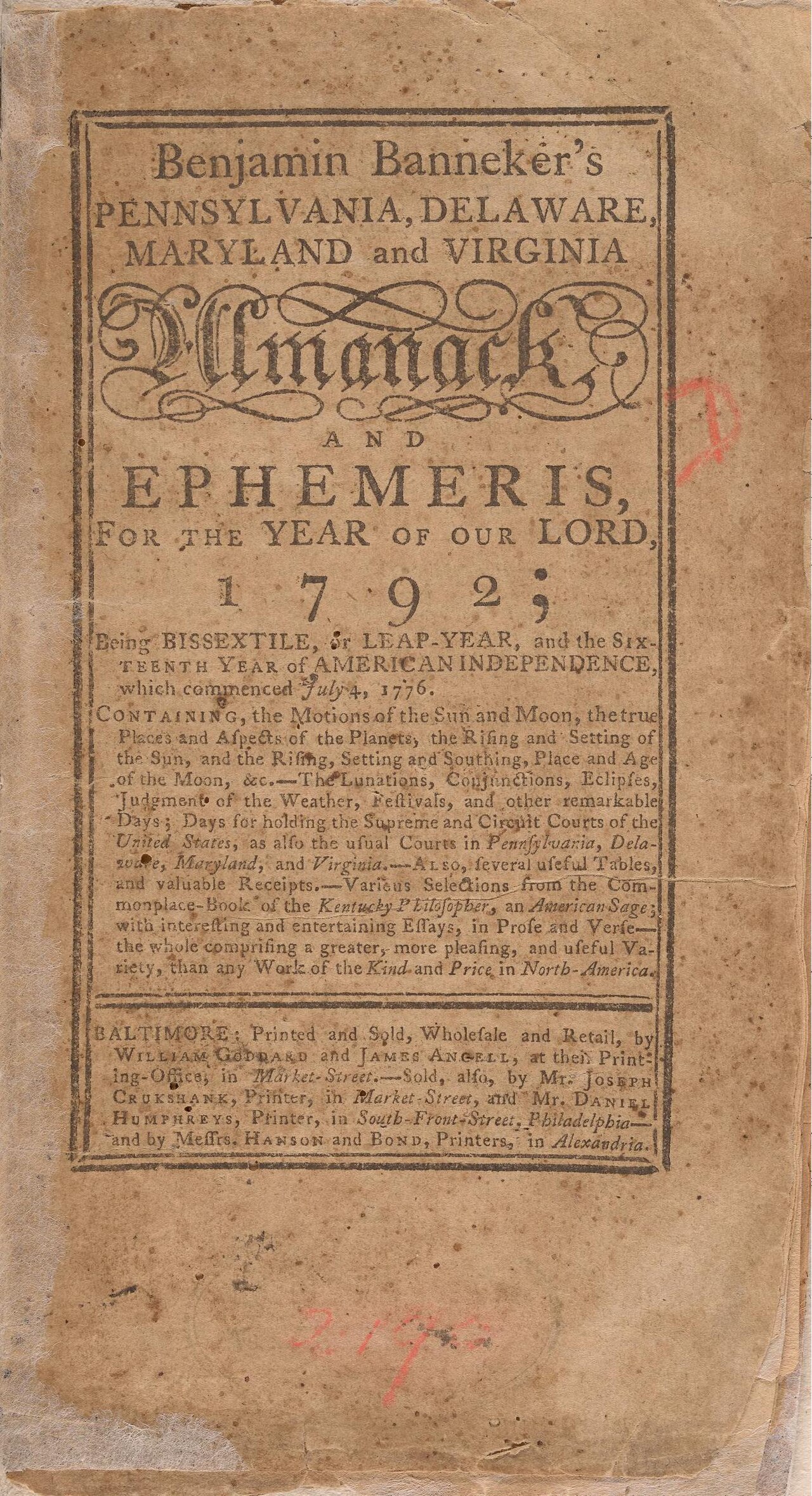 Book
Primary source
Benjamin Banneker's Pennsylvania, Delaware, Maryland and Virginia Almanack and Ephemeris for 1792
Benjamin Banneker · 1791
 Painting
Primary source
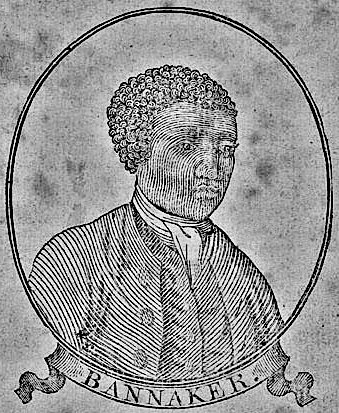
Benjamin Banneker woodcut, age 64
Unknown · 1795
Secondary source
De la littérature des Nègres
Henri Grégoire · 1808
Primary source
The Talented Tenth
W. E. B. Du Bois · 1903
 Document
Primary source
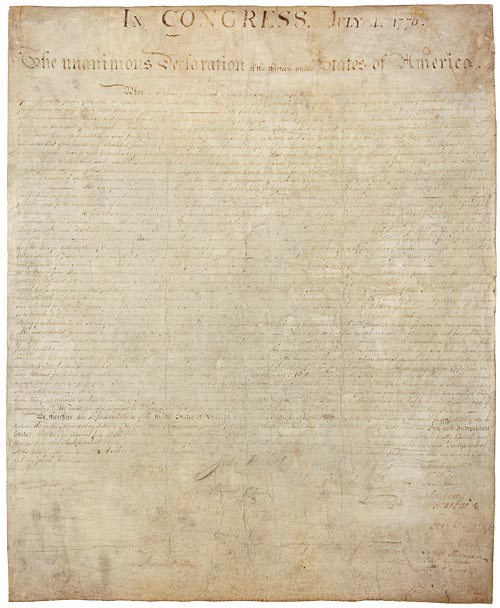
Declaration of Independence
Continental Congress (drafted by Thomas Jefferson) · 1776
Ready when you are
Start chatting with Benjamin Banneker now.
20 messages free · No credit card · Available in 50+ languages.