


Primary sourceArtifact1936
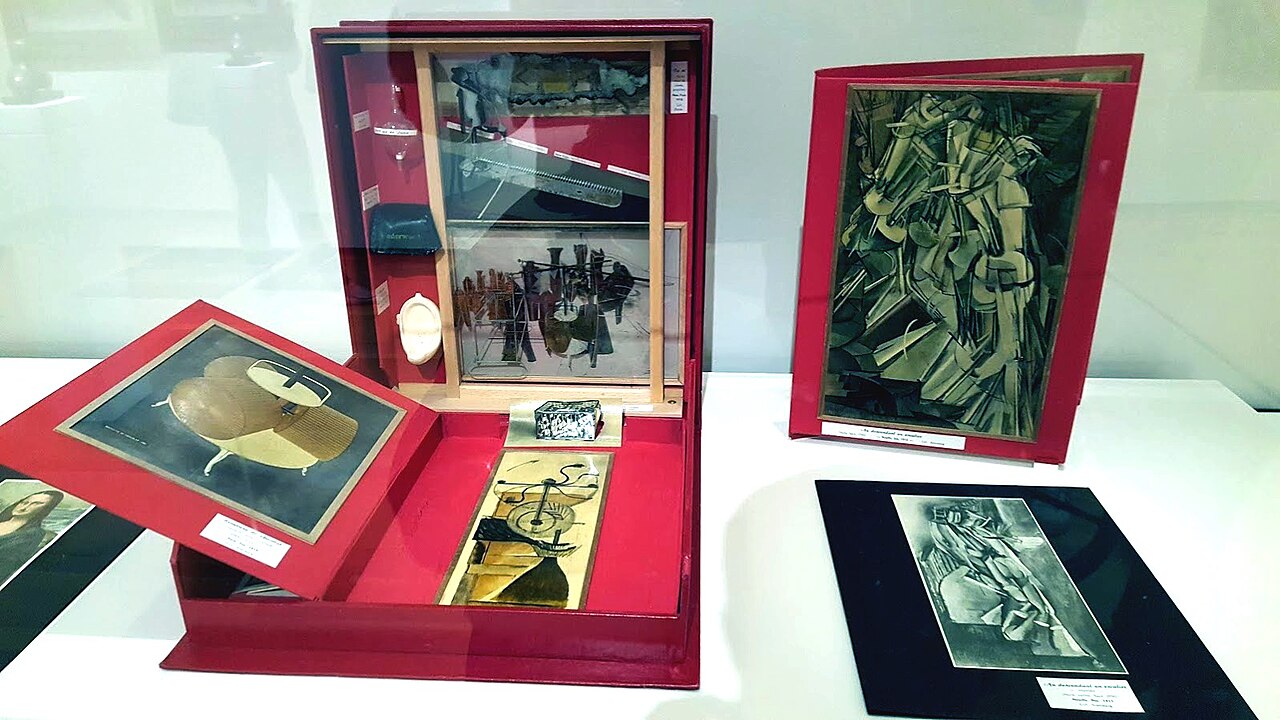
Box in a Valise
Marcel Duchamp · 1936
A portable 'museum' suitcase containing miniature reproductions of Duchamp's own works, assembled by him from 1936 onward.
Duchamp personally designed and assembled this miniature museum of his own works, curating his own legacy.
About this source
What it is
La Boîte-en-valise is a leather suitcase containing 69 reproductions of works by Marcel Duchamp, including miniature models of readymades like Fountain and reduced versions of larger works. Duchamp made multiple versions between 1935 and 1966; one is held at the Museum of Modern Art.
Why it matters
Duchamp described it as a "portable museum" of his own career, made using an elaborate stencil-coloring technique and sometimes with help from assistants such as Joseph Cornell. At a time when critics worried about the loss of an artwork's uniqueness through reproduction, Duchamp embraced it, treating even copies of his own identity as a kind of readymade.
Look closer
- Why might an artist want to miniaturize and repackage his own life's work?
- What does it mean that each box contains both reproductions and one "original" piece?
- How does this object challenge the idea that art must be a single, unique thing?
This artifact is part of the curated material that grounds the AI version of Marcel Duchamp on Humy.ai — when students ask about related events, the AI can quote it and cite it.
More Marcel Duchamp sources
Browse all 69 →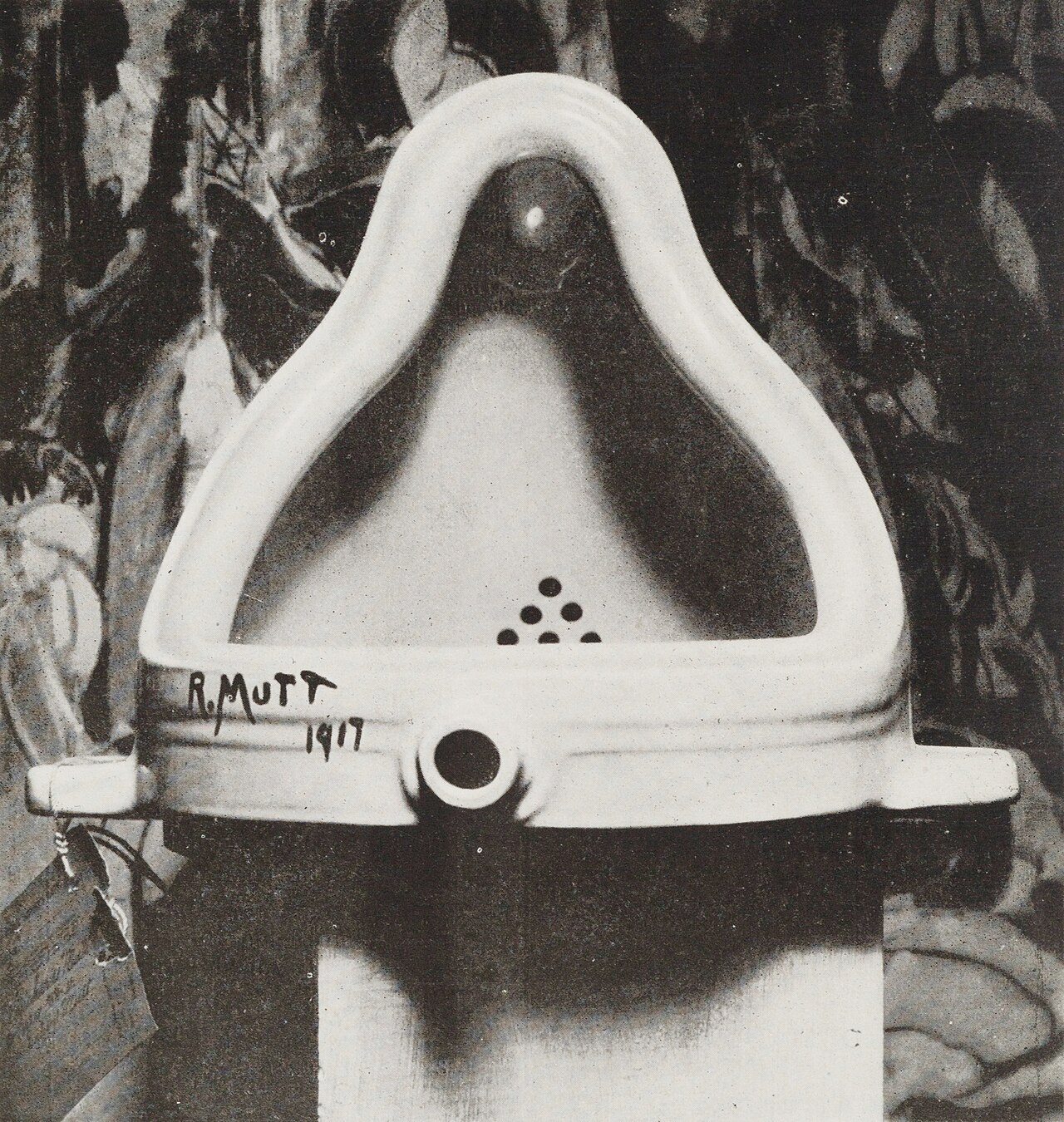 Sculpture
Primary source
Fountain
Marcel Duchamp · 1917
 Sculpture
Primary source
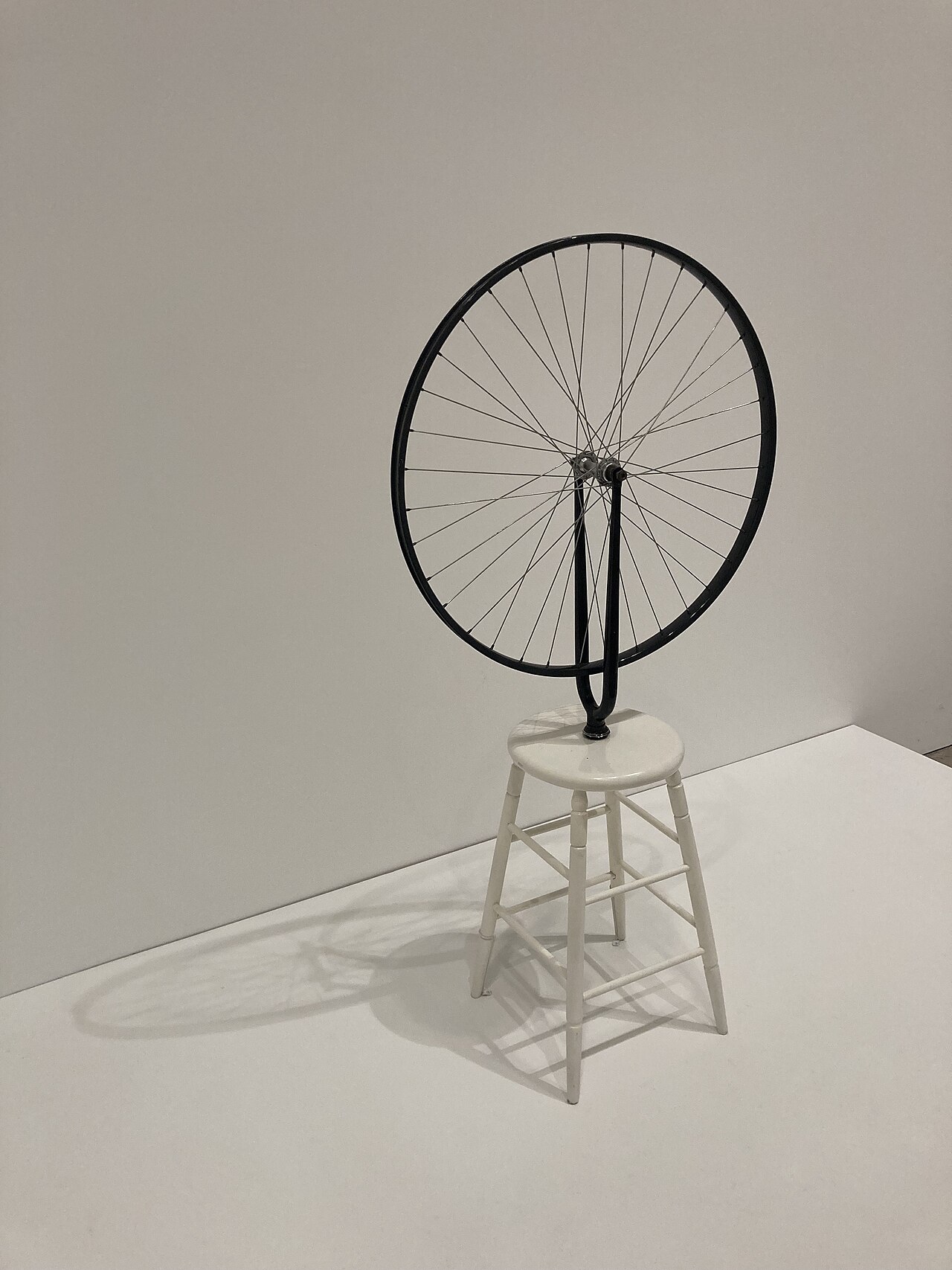
Bicycle Wheel
Marcel Duchamp · 1913
 Photograph
Primary source
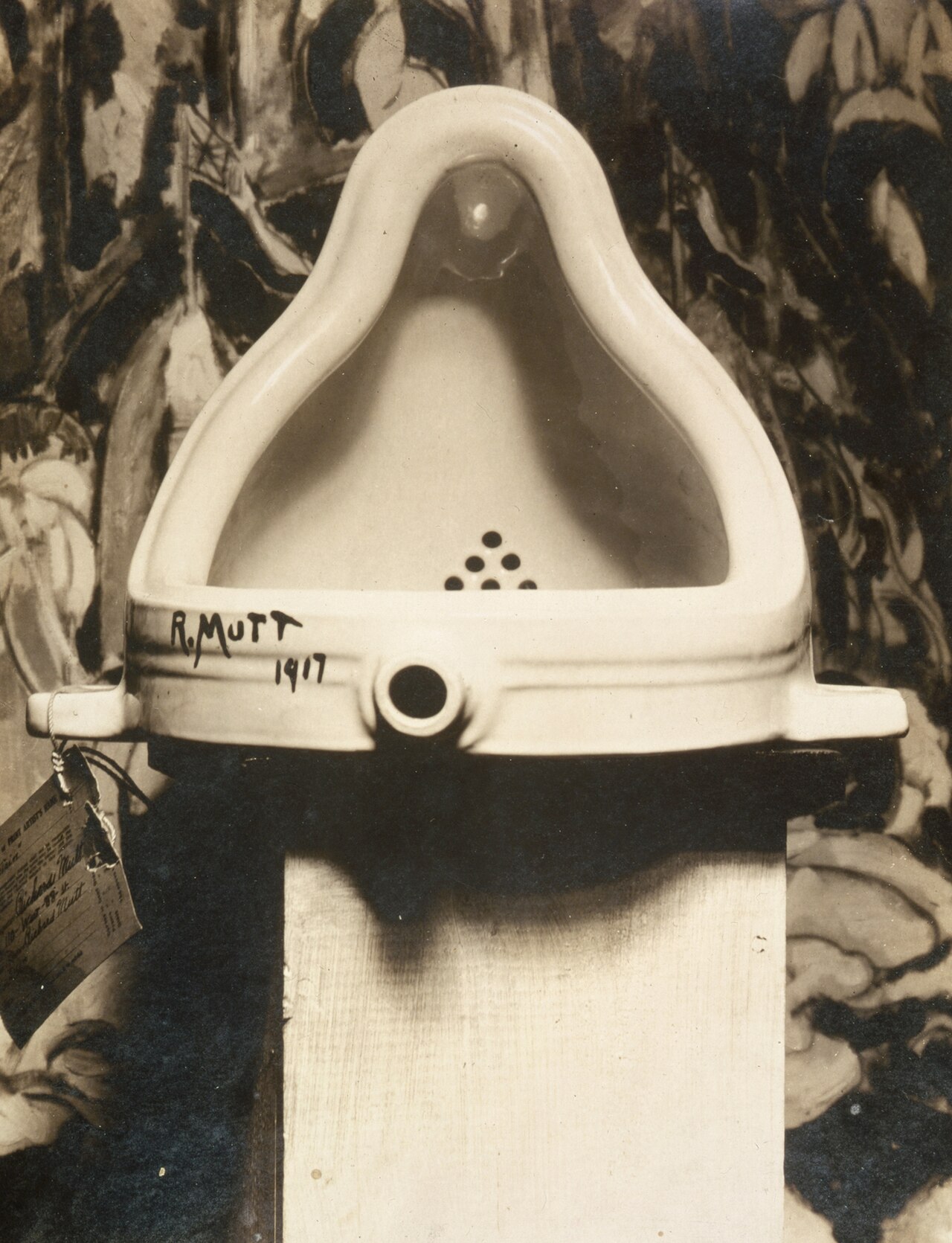
Photograph of Fountain by Alfred Stieglitz
Alfred Stieglitz · 1917
 Photograph
Primary source
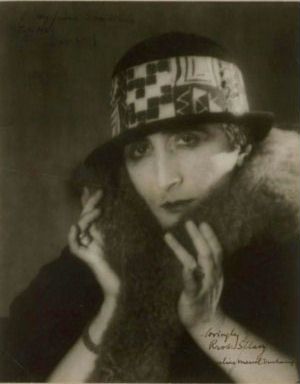
Rrose Sélavy
Man Ray · c. 1920–1921
Free account
Read every Marcel Duchamp source
Sign up free →
Ready when you are
Start chatting with Marcel Duchamp now.
20 messages free · No credit card · Available in 50+ languages.