


Primary sourcePhotographc. 1920–1921
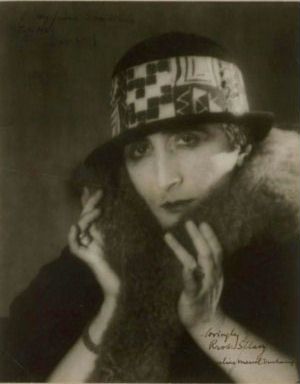
Rrose Sélavy
Man Ray · c. 1920–1921
A photograph by Man Ray showing Duchamp dressed as his female alter ego Rrose Sélavy, around 1920–1921.
The photograph depicts Duchamp himself, performing his female alter ego Rrose Sélavy.
Free Humy account · No credit card · 120,288 sources to read
About this source
What it is
This photograph by Man Ray, taken around 1920–1921, shows Marcel Duchamp dressed as a woman, playing the role of his invented alter ego Rrose Sélavy. A print is held at the Philadelphia Museum of Art.
Why it matters
Duchamp used the persona of Rrose Sélavy for years, signing some works with her name. This photograph is an early example of an artist playing with gender and identity as part of their creative practice, and it shows the close working relationship between Duchamp and fellow artist Man Ray in the Dada and early Surrealist circles.
Look closer
- What choices did the photographer and sitter make about clothing, pose, and expression?
- Why might Duchamp have wanted an alternate identity for some of his work?
- What does this image suggest about how artists of this period thought about authorship and self-presentation?
This photograph is part of the curated material that grounds the AI version of Marcel Duchamp on Humy.ai — when students ask about related events, the AI can quote it and cite it.
More Marcel Duchamp sources
Browse all 69 →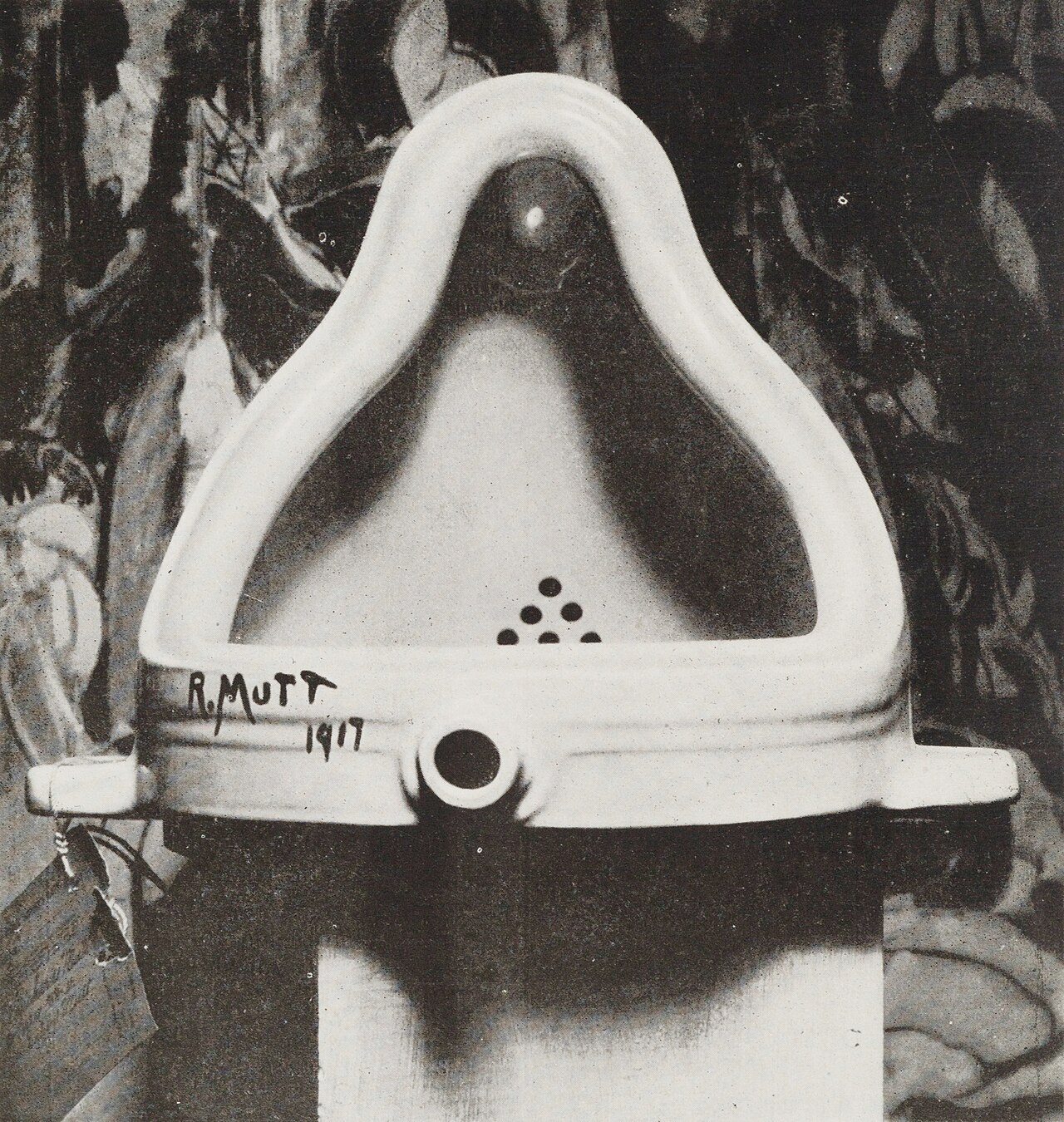 Sculpture
Primary source
Fountain
Marcel Duchamp · 1917
 Sculpture
Primary source
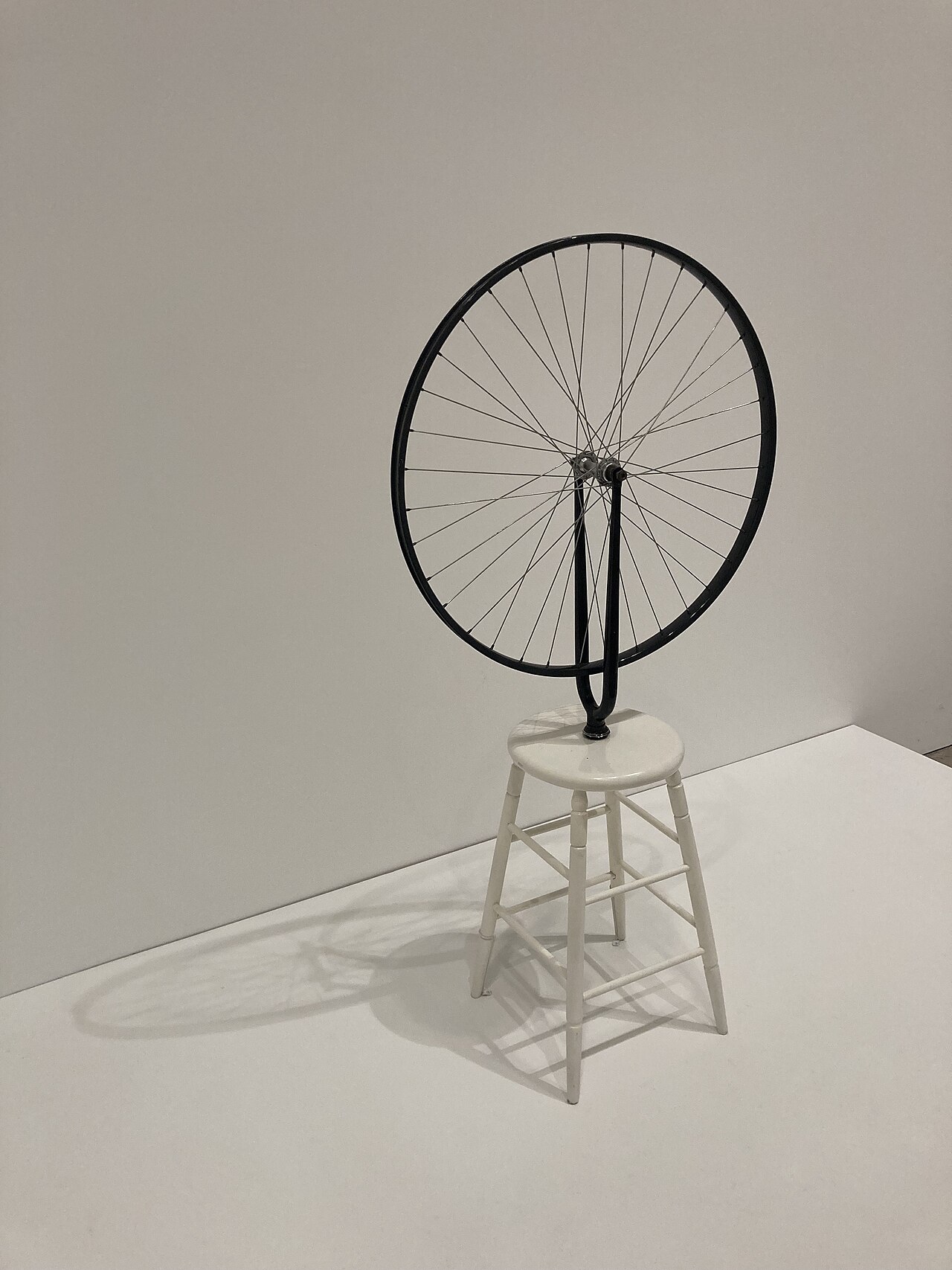
Bicycle Wheel
Marcel Duchamp · 1913
 Photograph
Primary source
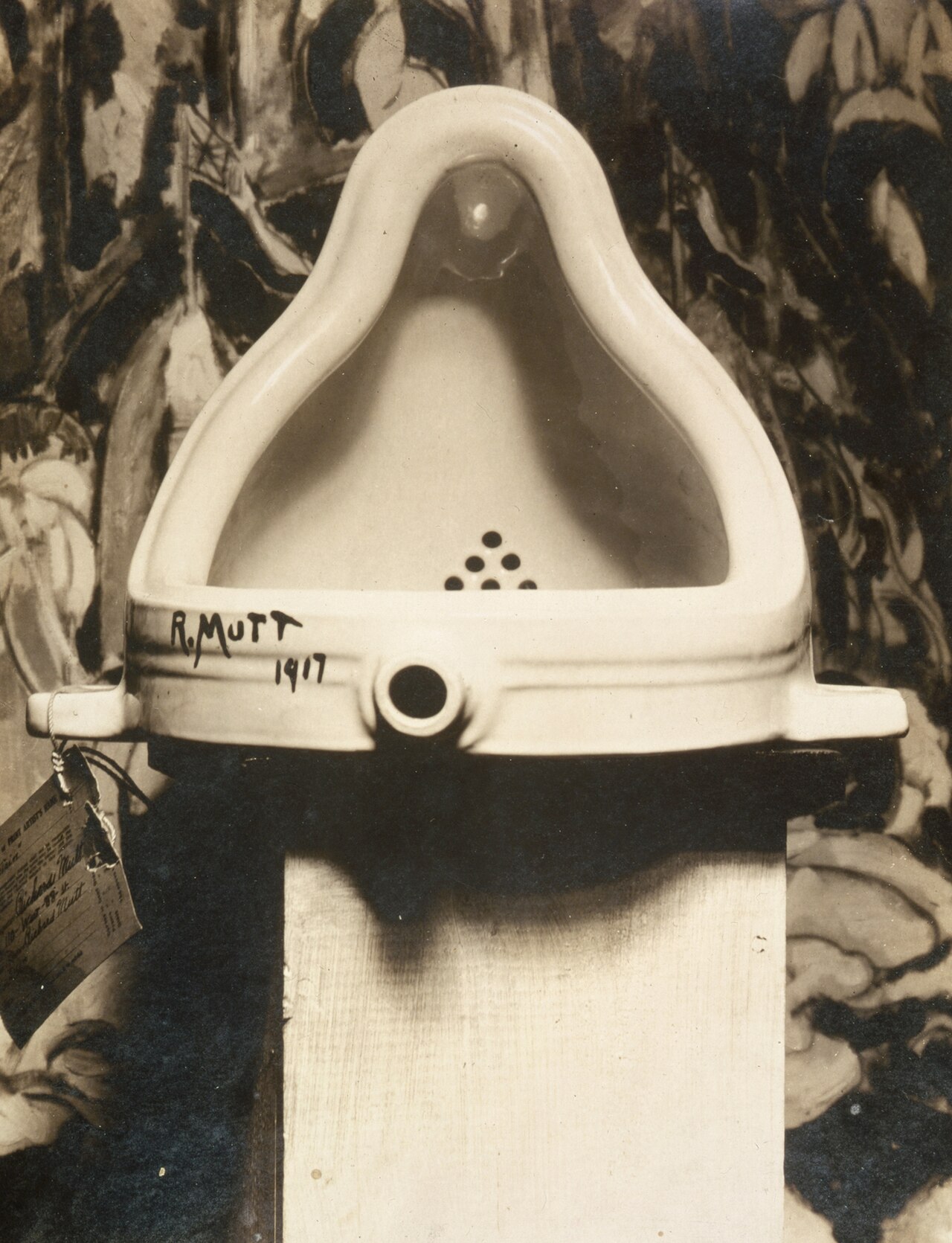
Photograph of Fountain by Alfred Stieglitz
Alfred Stieglitz · 1917
 Artifact
Primary source
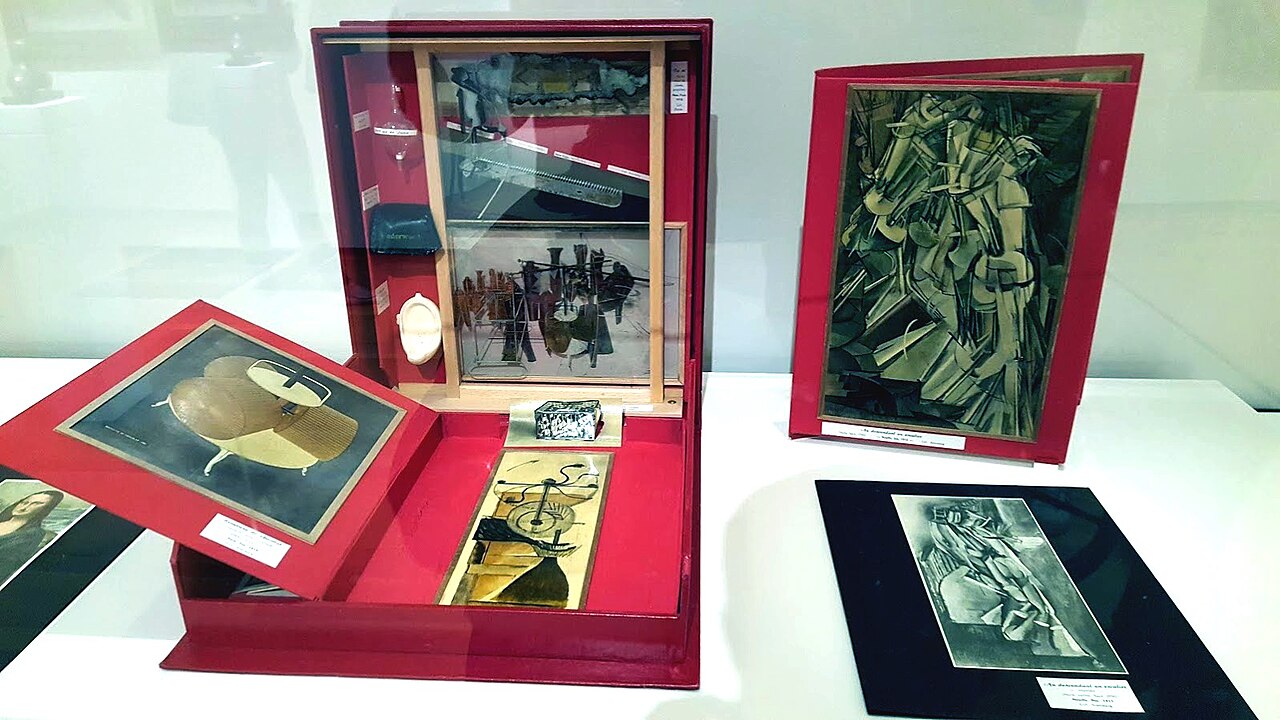
Box in a Valise
Marcel Duchamp · 1936
Free account
Read every Marcel Duchamp source
Sign up free →
Ready when you are
Start chatting with Marcel Duchamp now.
20 messages free · No credit card · Available in 50+ languages.