


Primary sourceDocument1960
Boynton v. Virginia
Hugo Black · 1960
The 1960 Supreme Court ruling outlawing segregation in interstate bus terminals, which the Freedom Riders, including Lewis, later set out to test.
Provided the legal ruling that Farmer's CORE-organized Freedom Rides were designed to test and enforce.
About this source
What it is
Boynton v. Virginia was a 1960 U.S. Supreme Court decision, with the majority opinion written by Justice Hugo Black, overturning the trespass conviction of Bruce Boynton, a Black law student arrested for sitting in a "whites only" restaurant in a bus terminal. Thurgood Marshall argued the case. The Court ruled that segregation in interstate bus terminal facilities violated federal law.
Why it matters
Although the ruling itself avoided deep constitutional questions, its ban on segregated interstate travel facilities directly inspired the Freedom Rides, in which Black and white activists, including John Lewis, rode buses through the South to test whether this ruling would be enforced. The violent reactions they faced forced federal officials to act against Jim Crow practices in transportation.
Look closer
- Why might a legal ruling alone not be enough to end segregation in practice?
- What risks did people like Lewis take by testing this ruling in person?
- What role did ordinary citizens play in turning a court decision into real change?
This document is part of the curated material that grounds the AI version of James Farmer and John Lewis on Humy.ai — when students ask about related events, the AI can quote it and cite it.
More James Farmer sources
Meet the AI James Farmer →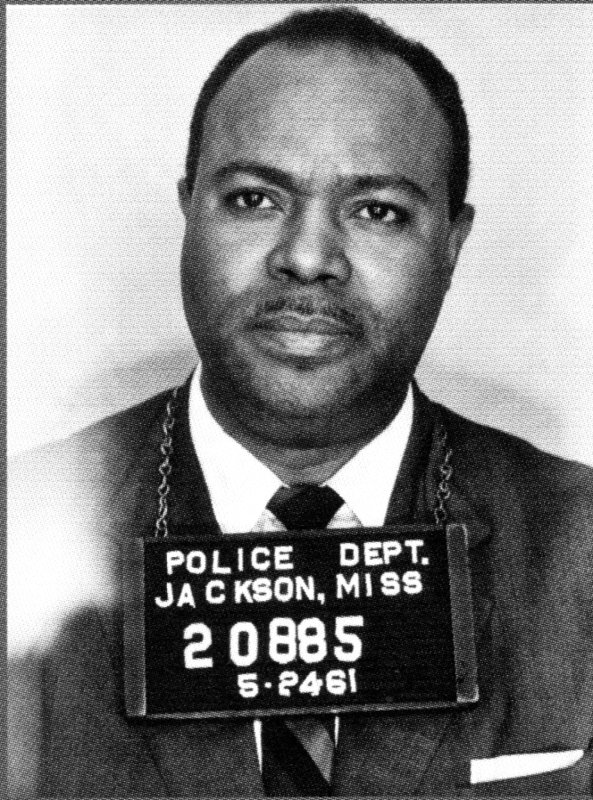 Photograph
Primary source
James Farmer Mugshot, 1961
Jackson Mississippi Police Department · 1961
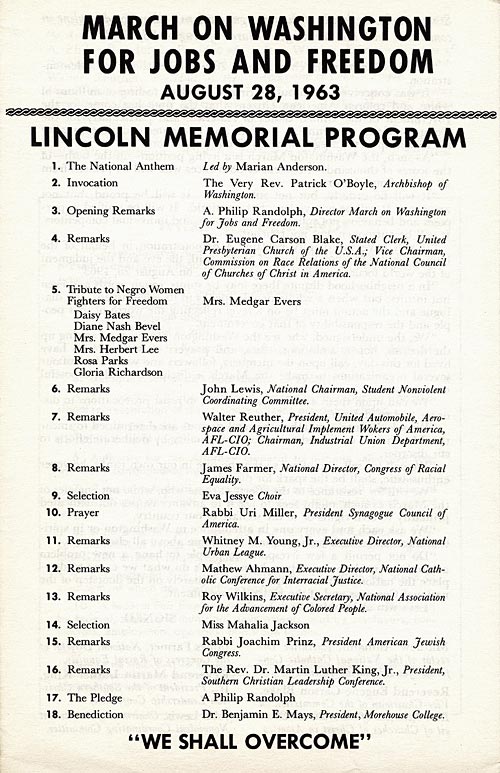 Document
Primary source
Official Program for the March on Washington
28 August 1963
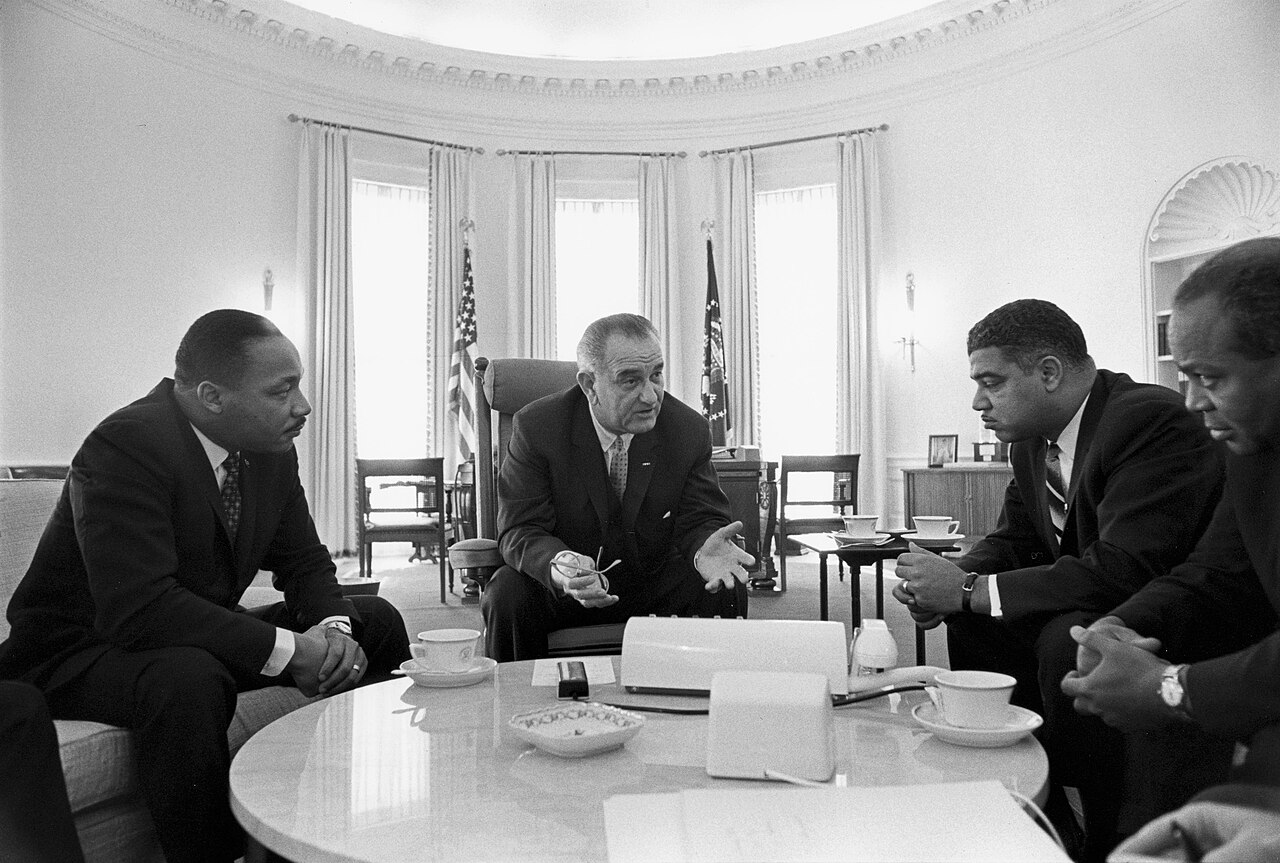 Photograph
Primary source
Lyndon Johnson Meeting with Civil Rights Leaders
Yoichi Okamoto · 1964
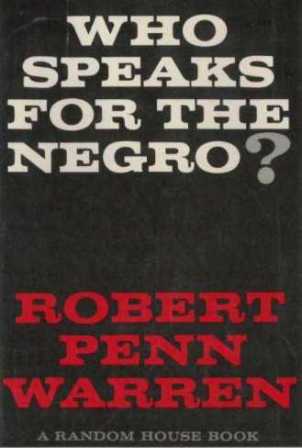 Interview
Primary source
Who Speaks for the Negro?
Robert Penn Warren · 1965
 Photograph
Primary source
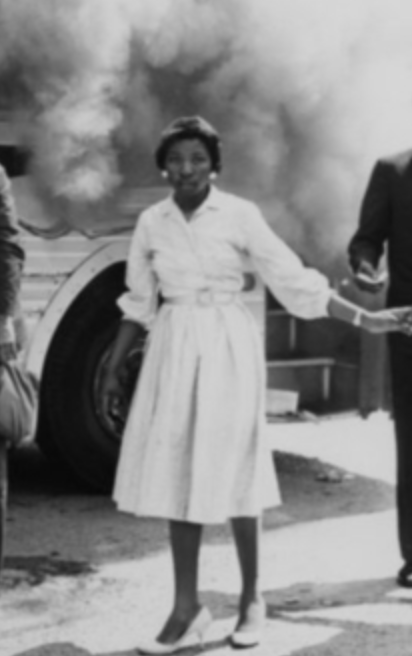
Woman in white standing before burning bus, 1961
Federal Bureau of Investigation · 14 May 1961
Ready when you are
Start chatting with James Farmer now.
20 messages free · No credit card · Available in 50+ languages.