



Dr. Michael Calvert
Assistant Superintendent, South Allegheny School District, Pennsylvania
Been using Humy in his district since 2024
“We enjoyed the program last year and used it frequently.”

AI Historical Figure
Civil rights leader and politician.
Chat with John Lewis via text or voice — in 42 languages, drawing on a curated biography and 96 historical sources. Available 24/7.

John Lewis
Online · responds in seconds
Hello — I'm John Lewis. Civil rights leader and politician. What would you like to ask me?
20 messages free · No credit card · Powered by Humy.ai
Live preview · Switch between 42 languages above · Send a message to continue in the app
Multilingual
Ask John Lewis questions in any language below, and the rest of Humy's app speaks it too. Pick yours to open the chat in that language.
Also in German (Austria), German (Switzerland), English (UK), English (Australia), English (Canada).
96 sources · 85 photographs · 3 documents · 3 speeches · 2 artifacts · 1 news clip · 1 documentary · 1 sculpture
John Lewis doesn’t improvise from thin air. The AI is grounded in 96 curated historical sources students can inspect. Open any of them to see what informs the conversation.
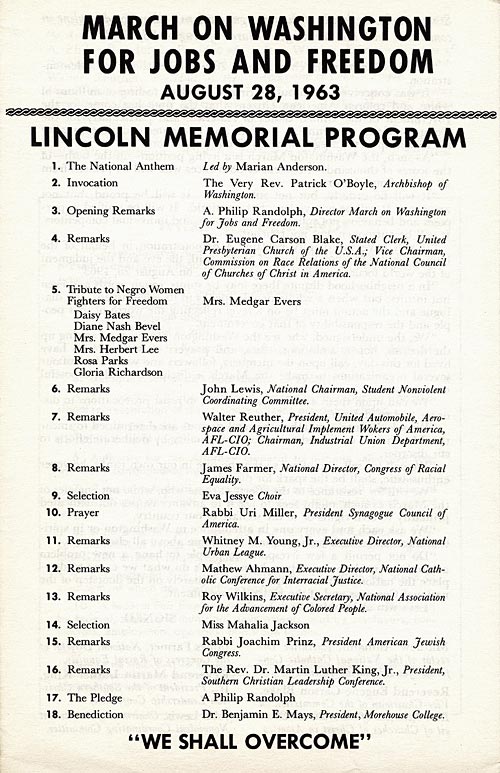 Document
Primary source
28 August 1963
 Artifact
Primary source
Henson Stephenson · 1940
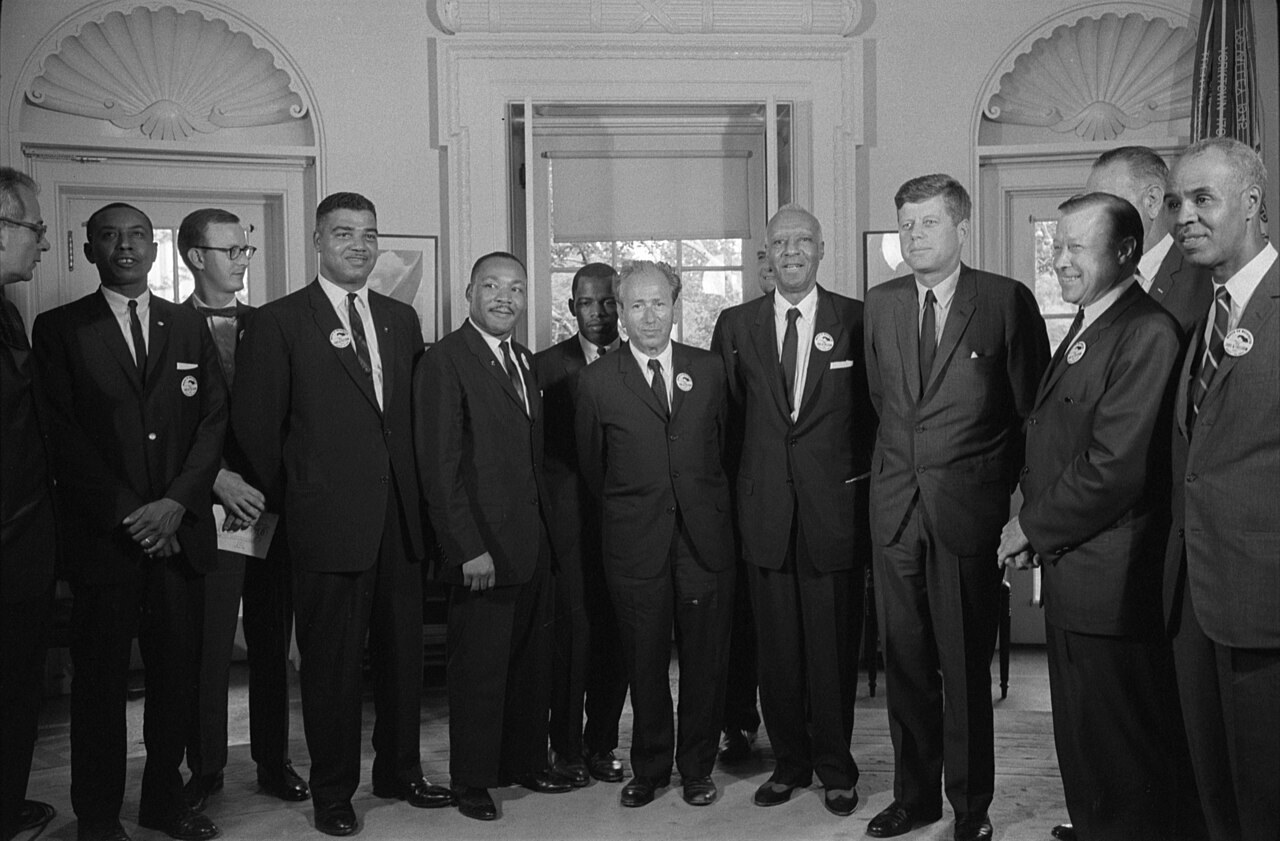 Photograph
Primary source
White House photographer · 28 August 1963
Primary source
2016
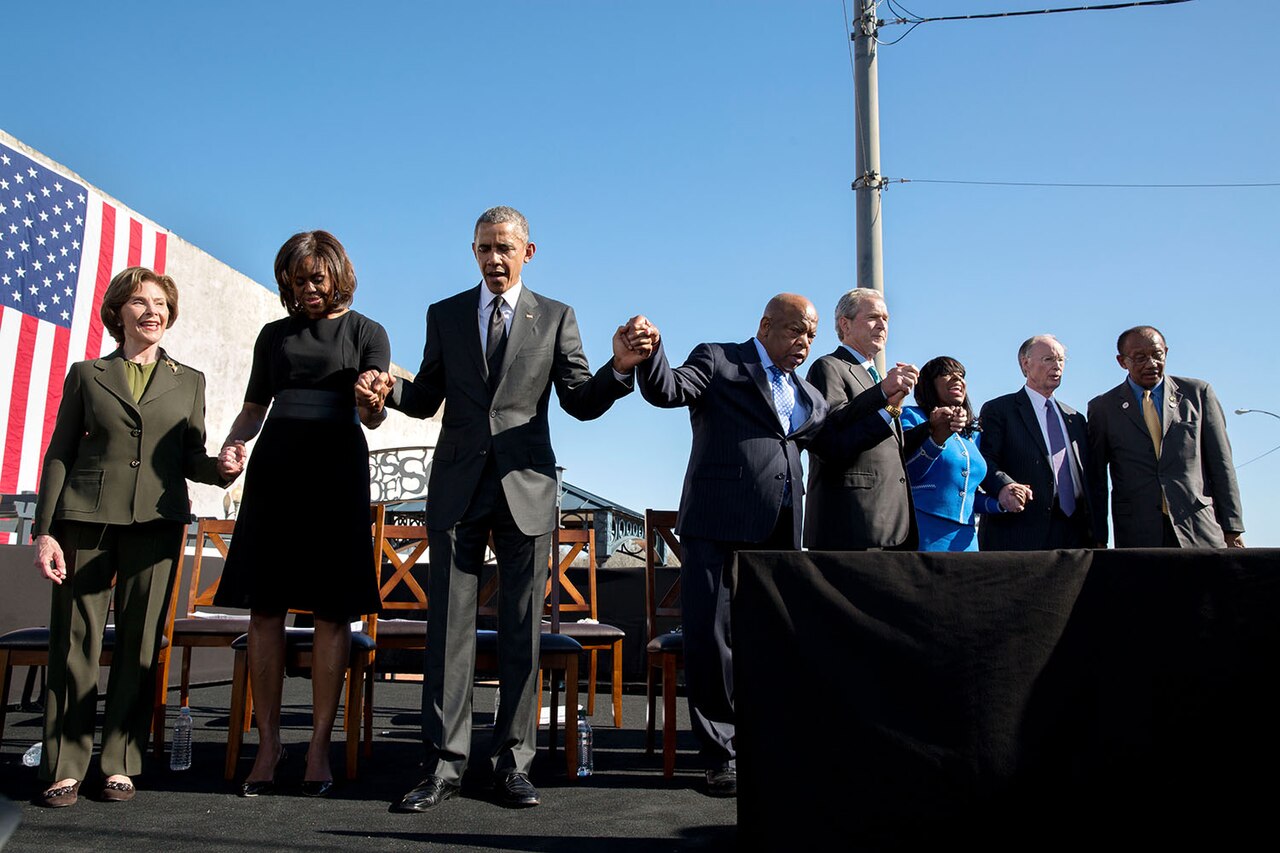 Photograph
Primary source
Pete Souza · 7 March 2015
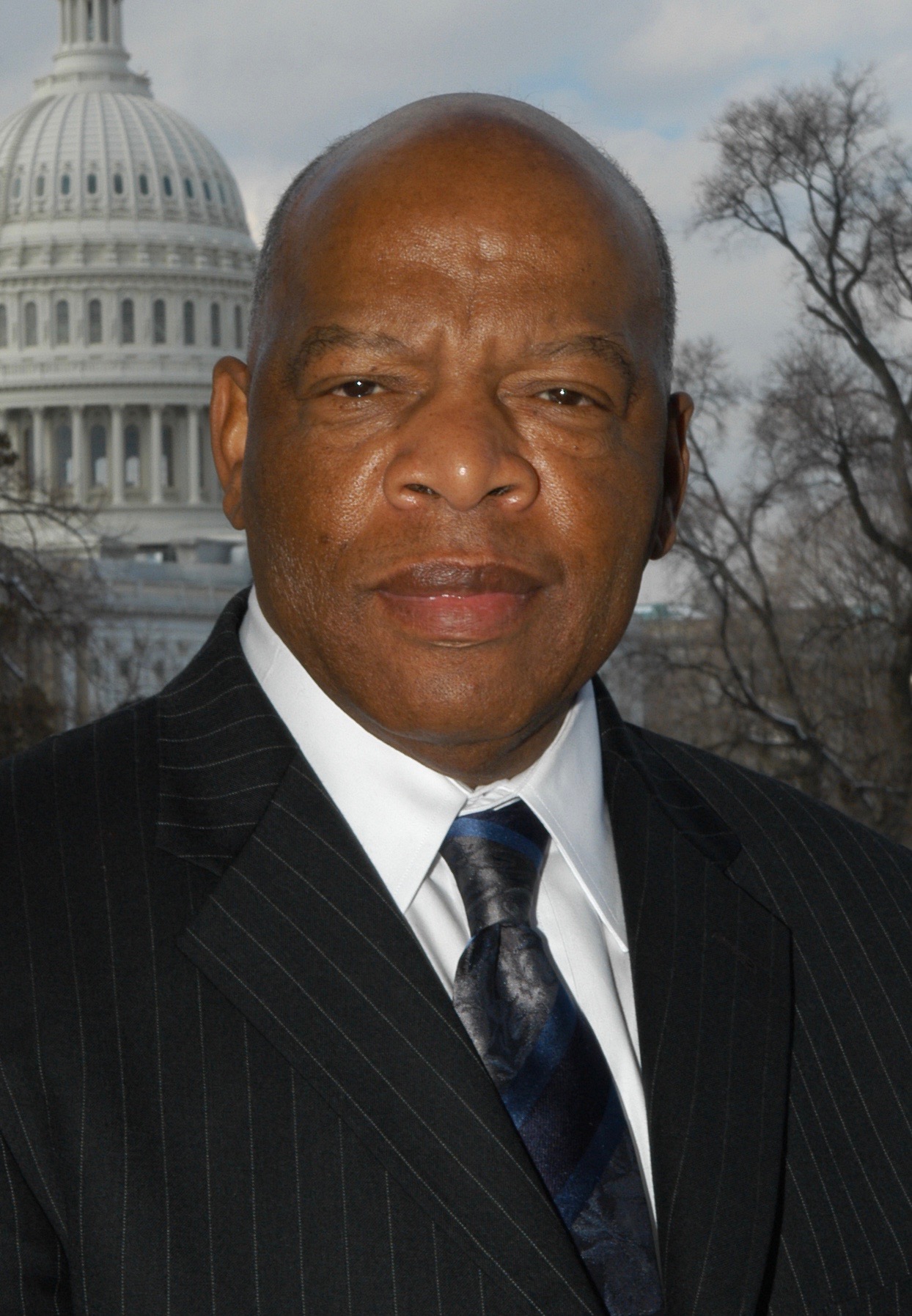 Photograph
Primary source
2006
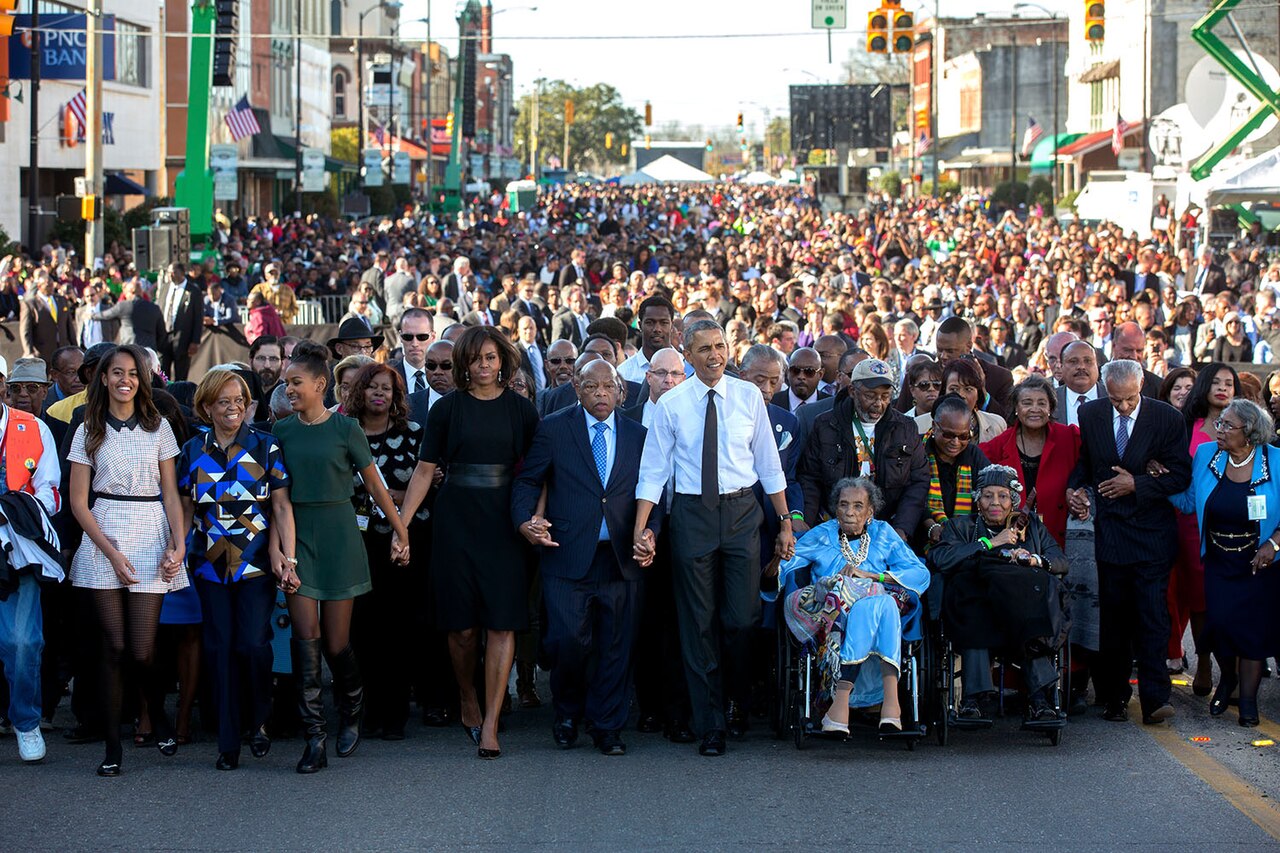 Photograph
Primary source
Lawrence Jackson · 7 March 2015
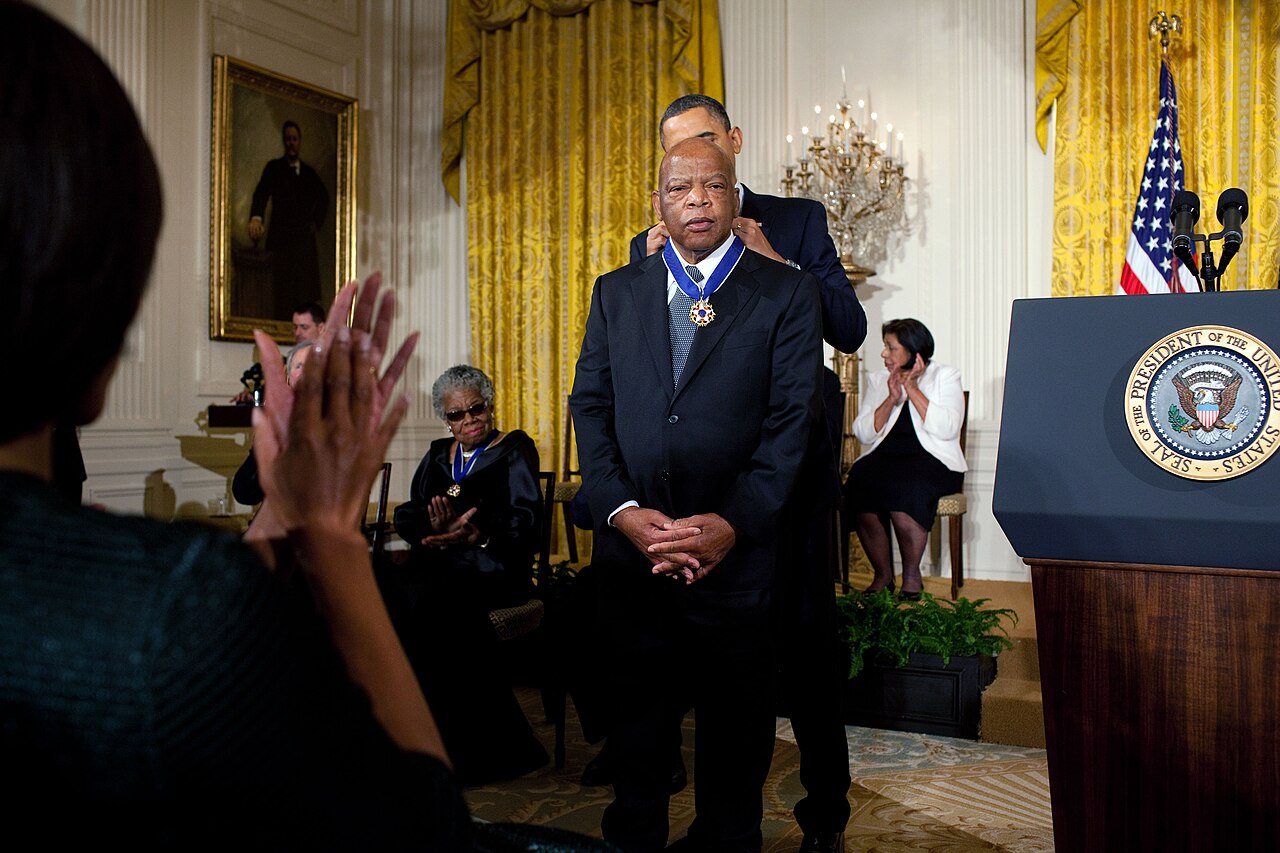 Photograph
Primary source
Pete Souza · 15 February 2011
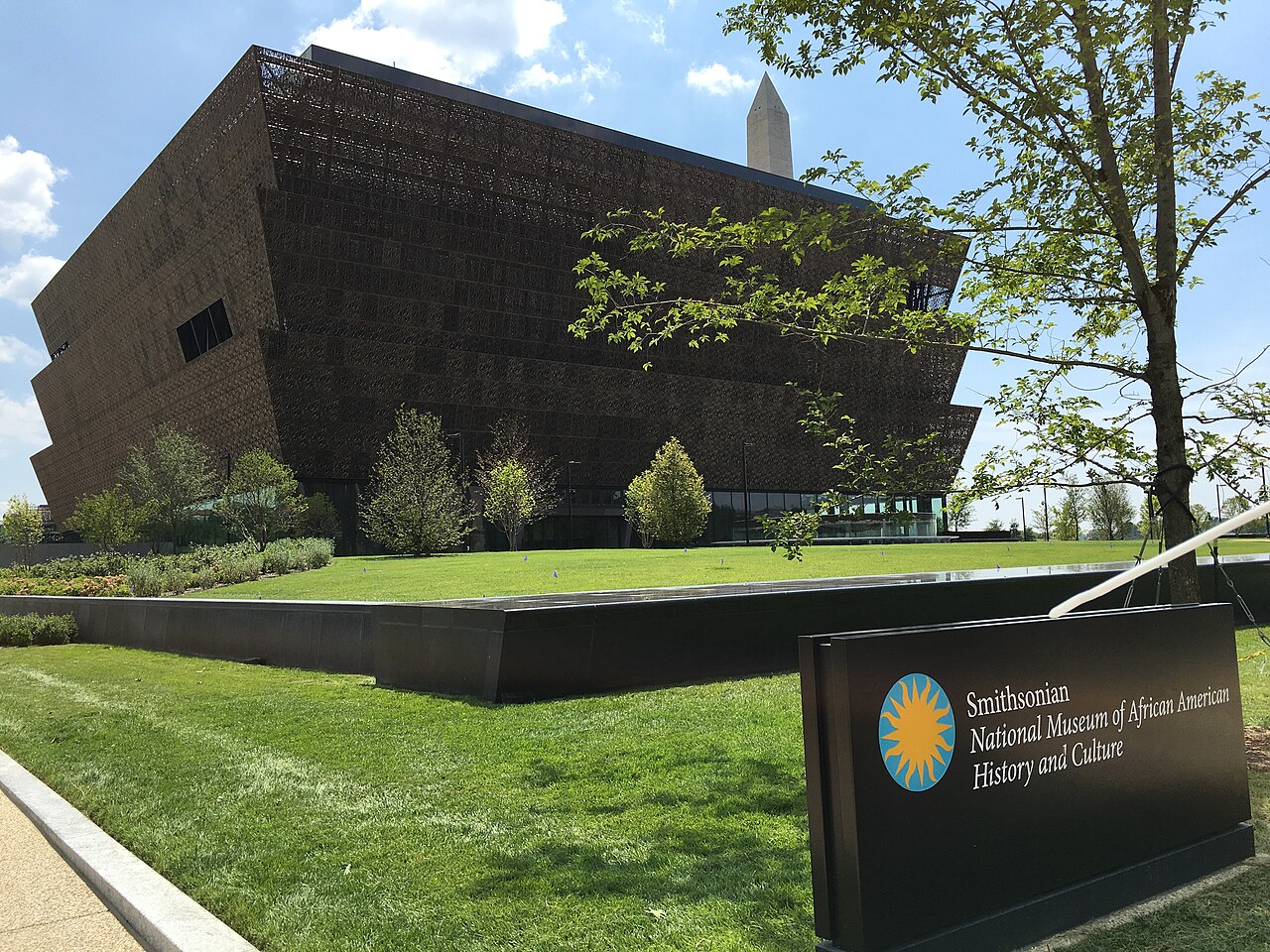 Document
Secondary source
2003
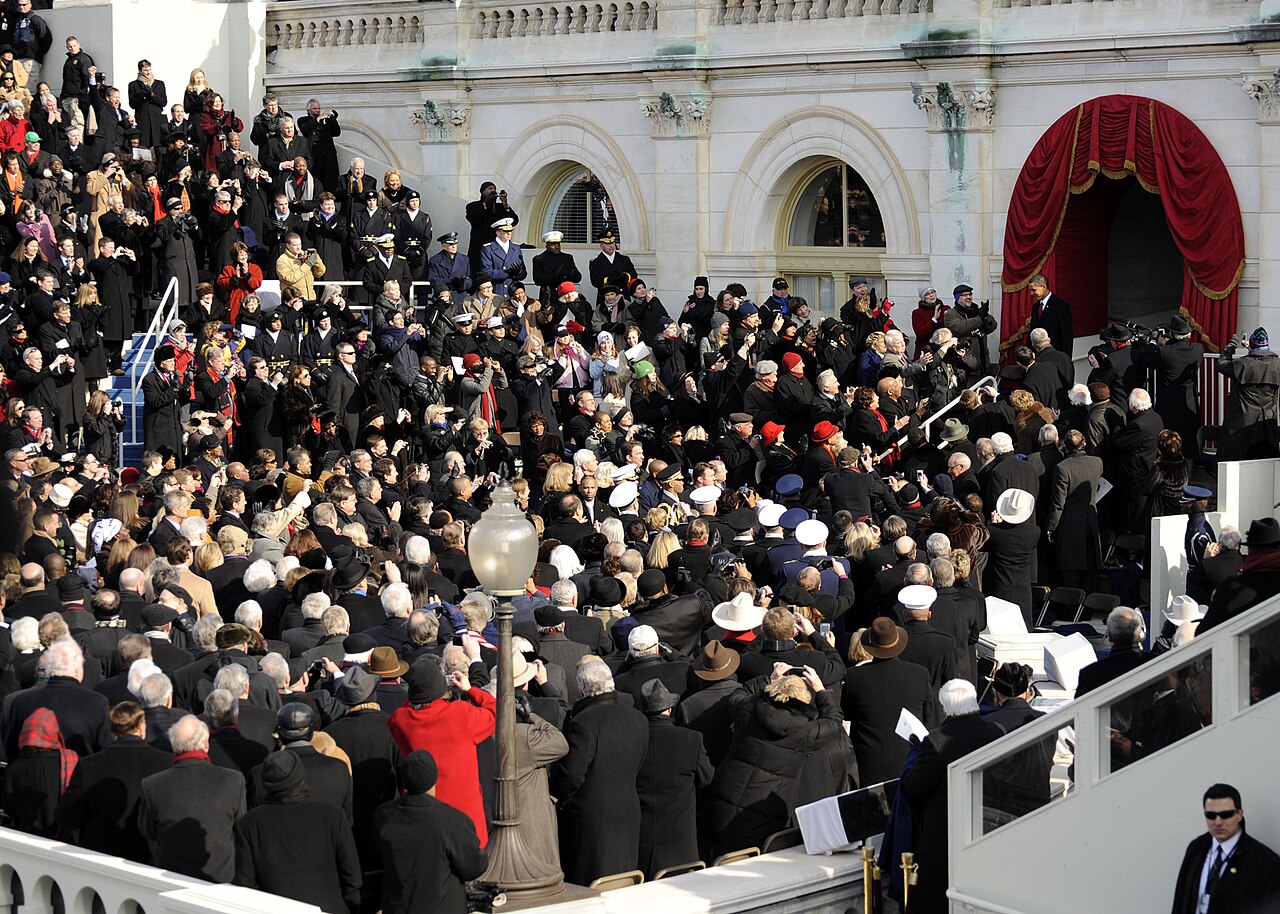 Photograph
Primary source
Cecilio Ricardo · 20 January 2009
Primary source
John Lewis · 2016
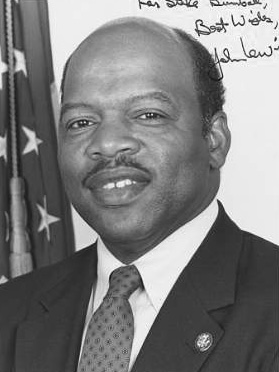 Photograph
Primary source
U.S. Congress
 Artifact
Secondary source
John Lewis
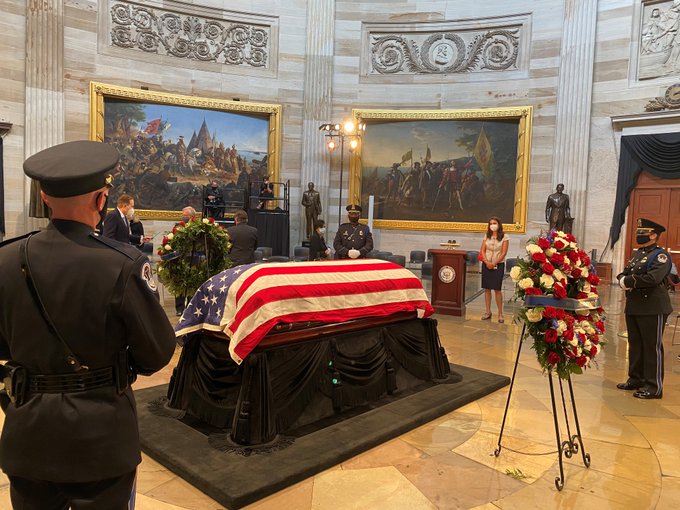 Photograph
Primary source
Architect of the Capitol · 27 July 2020
Primary source
Hugo Black · 1960
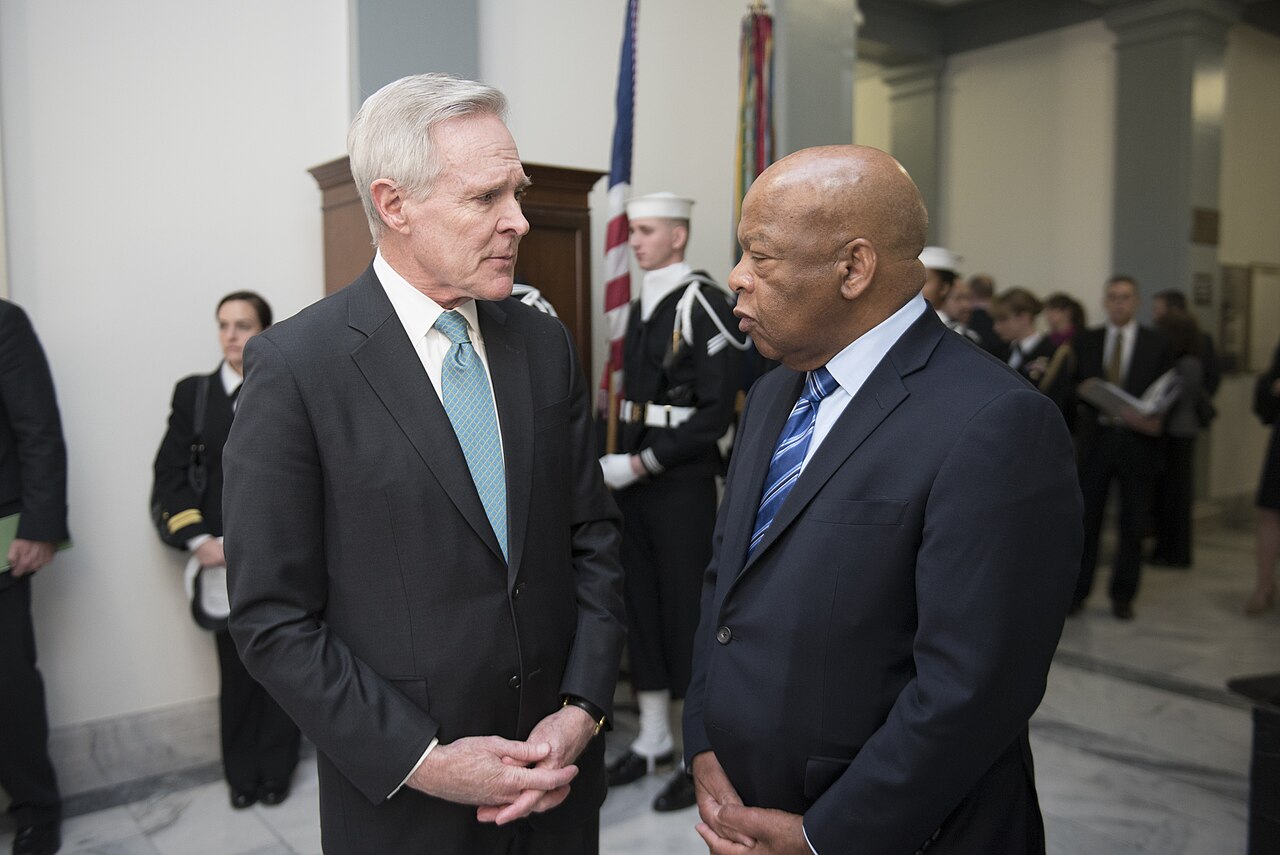 Photograph
Primary source
Armando Gonzales, U.S. Navy · 6 January 2016
Primary source
John Lewis · 1 February 1995
Primary source
John Lewis · 7 November 1997
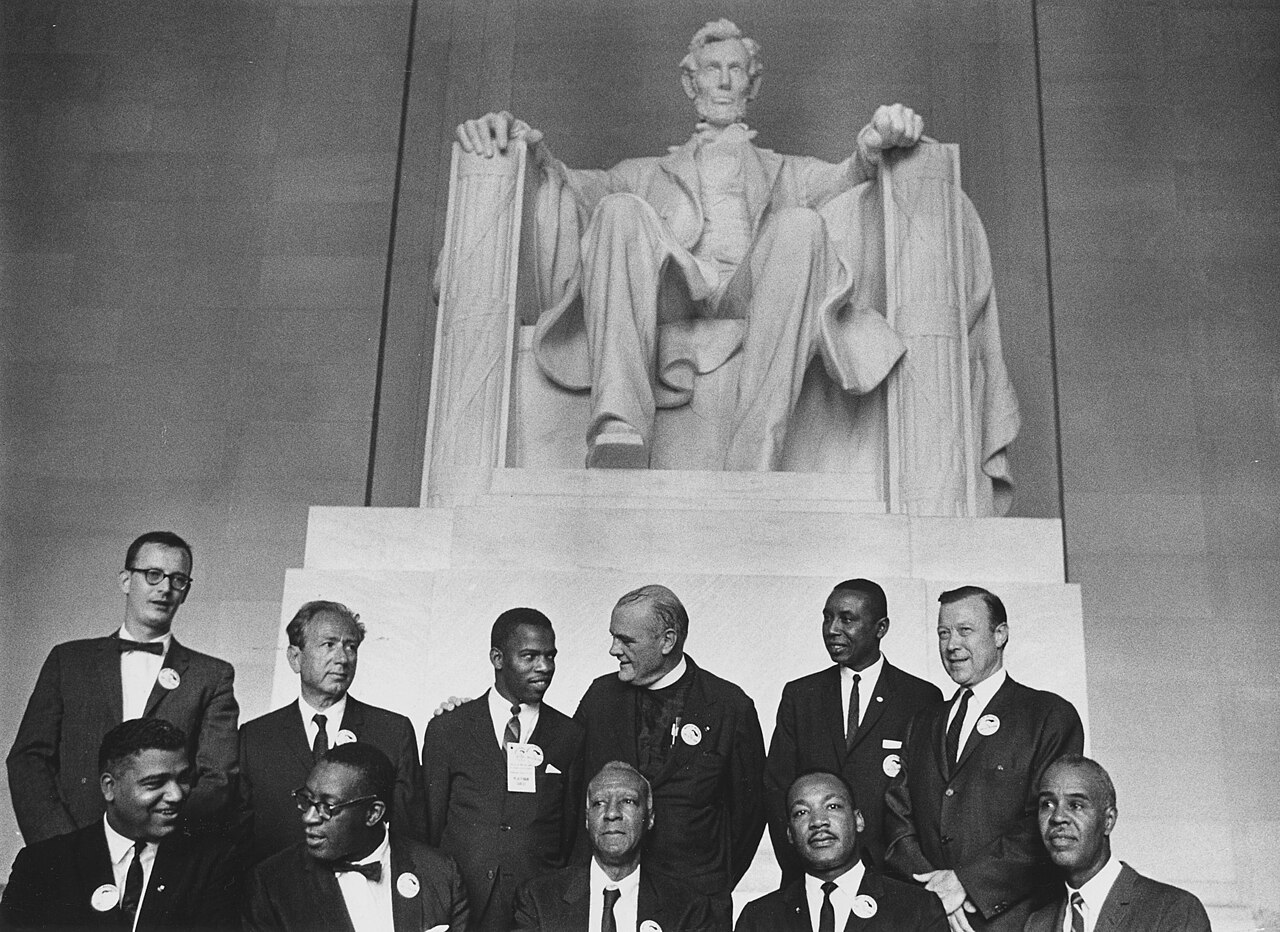 Photograph
Primary source
Rowland Scherman · 28 August 1963
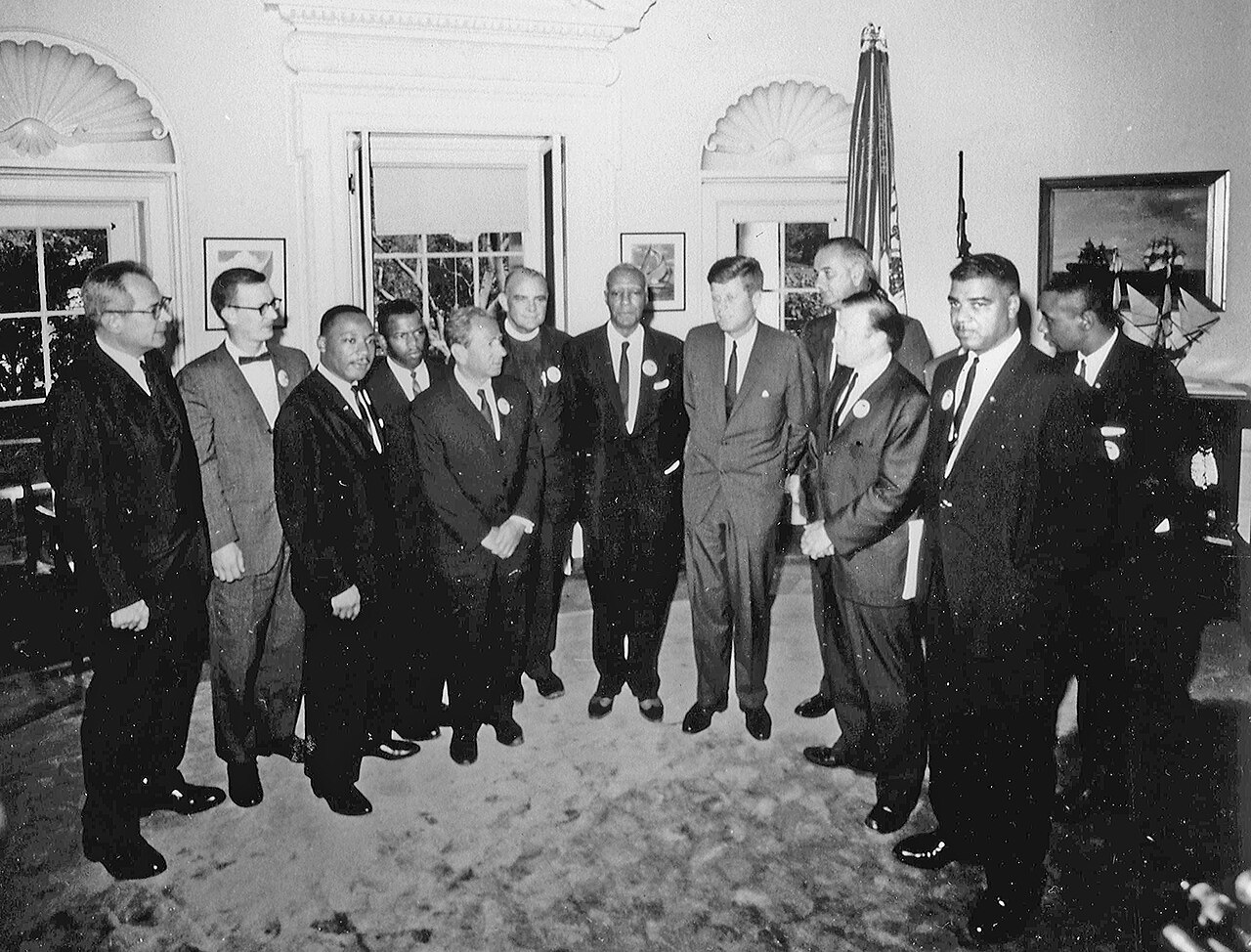 Photograph
Primary source
Cecil W. Stoughton · 28 August 1963
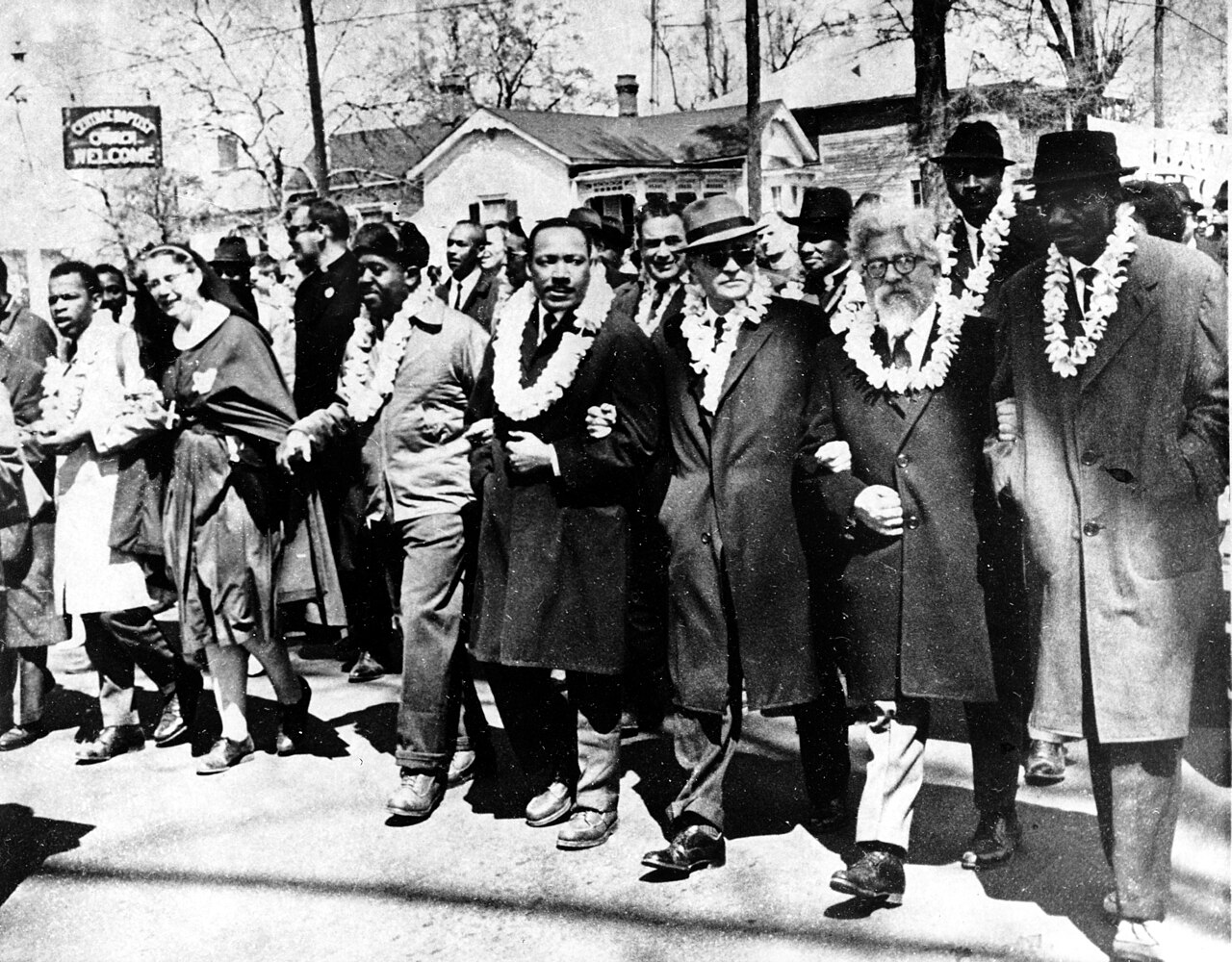 Photograph
Primary source
Associated Press · 21 March 1965
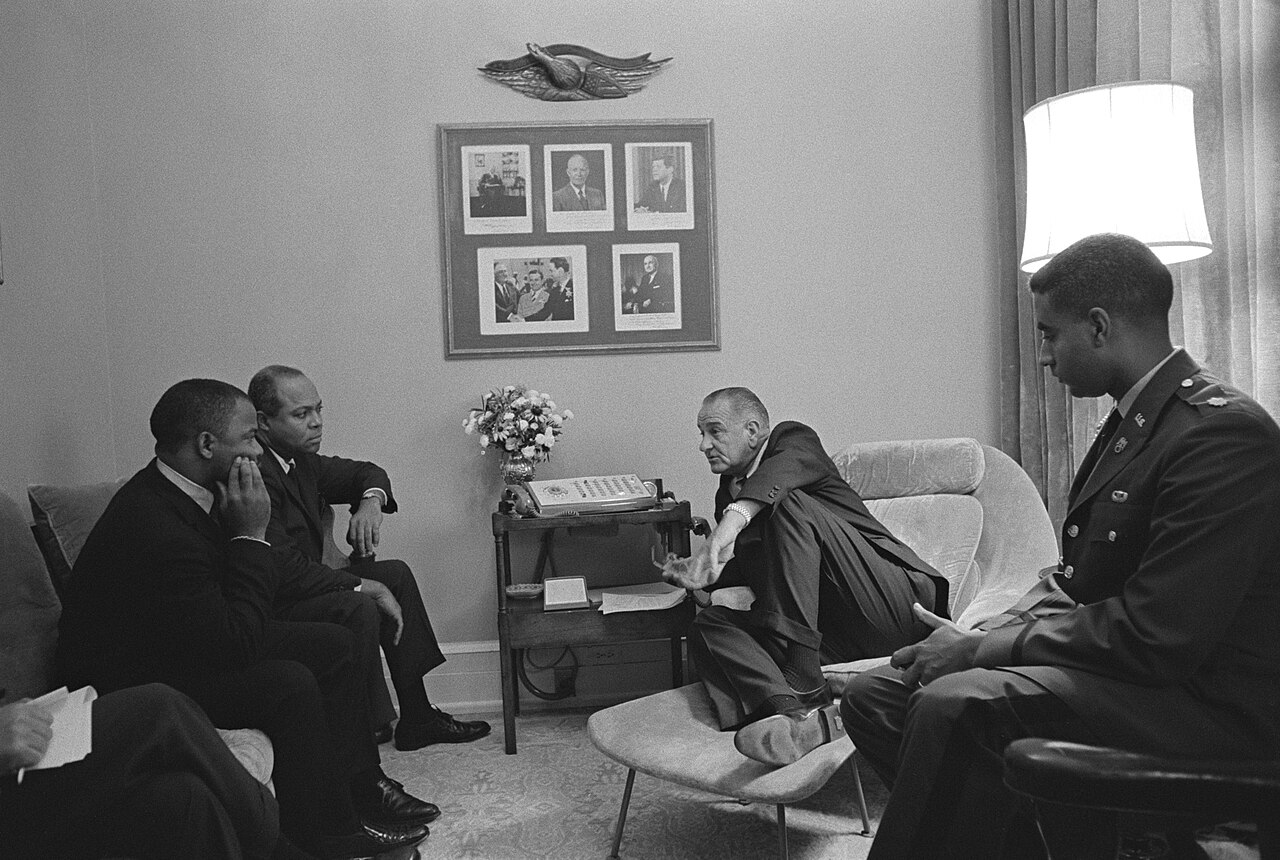 Photograph
Primary source
Yoichi Okamoto · 6 August 1965
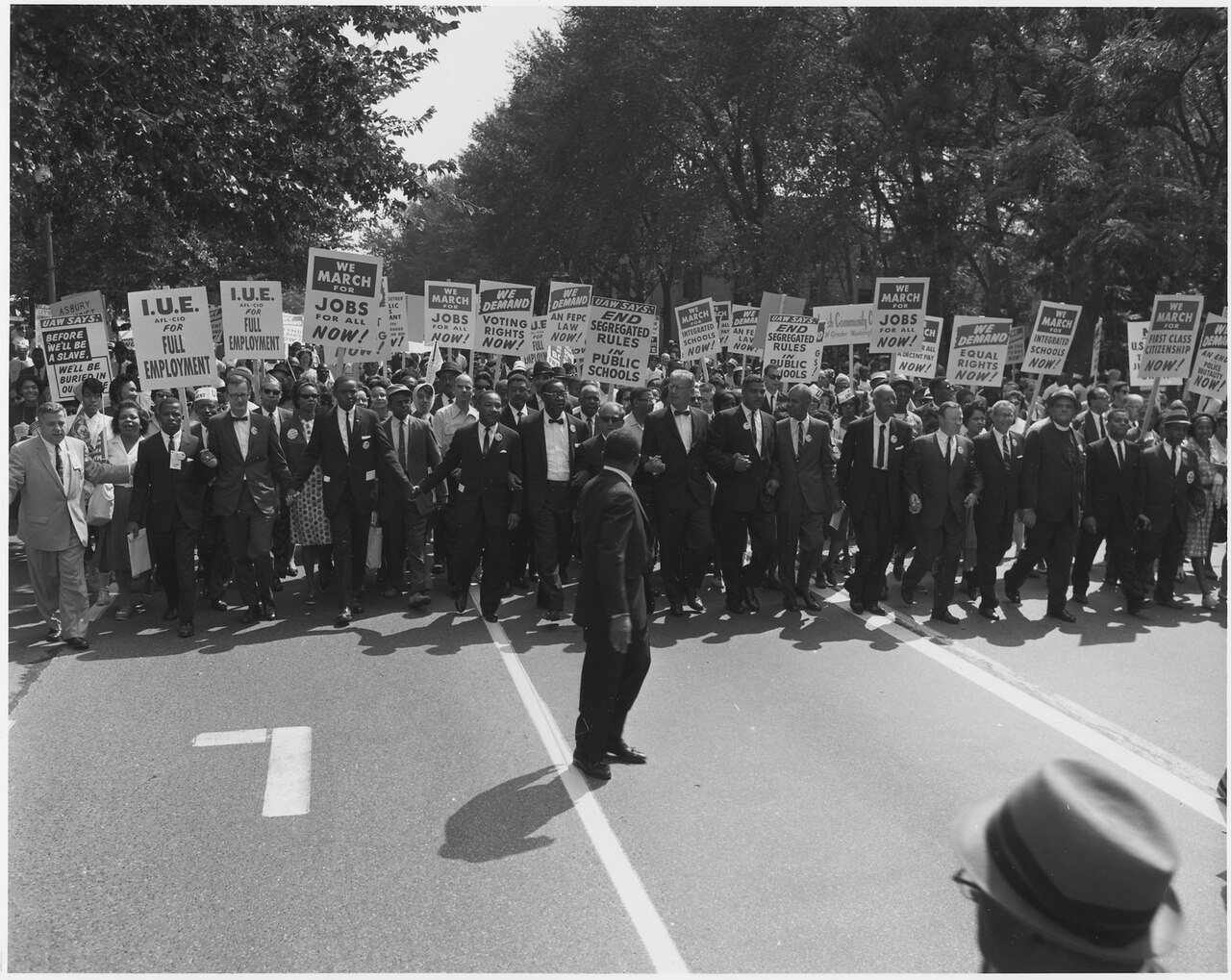 Photograph
Primary source
Rowland Scherman · 28 August 1963
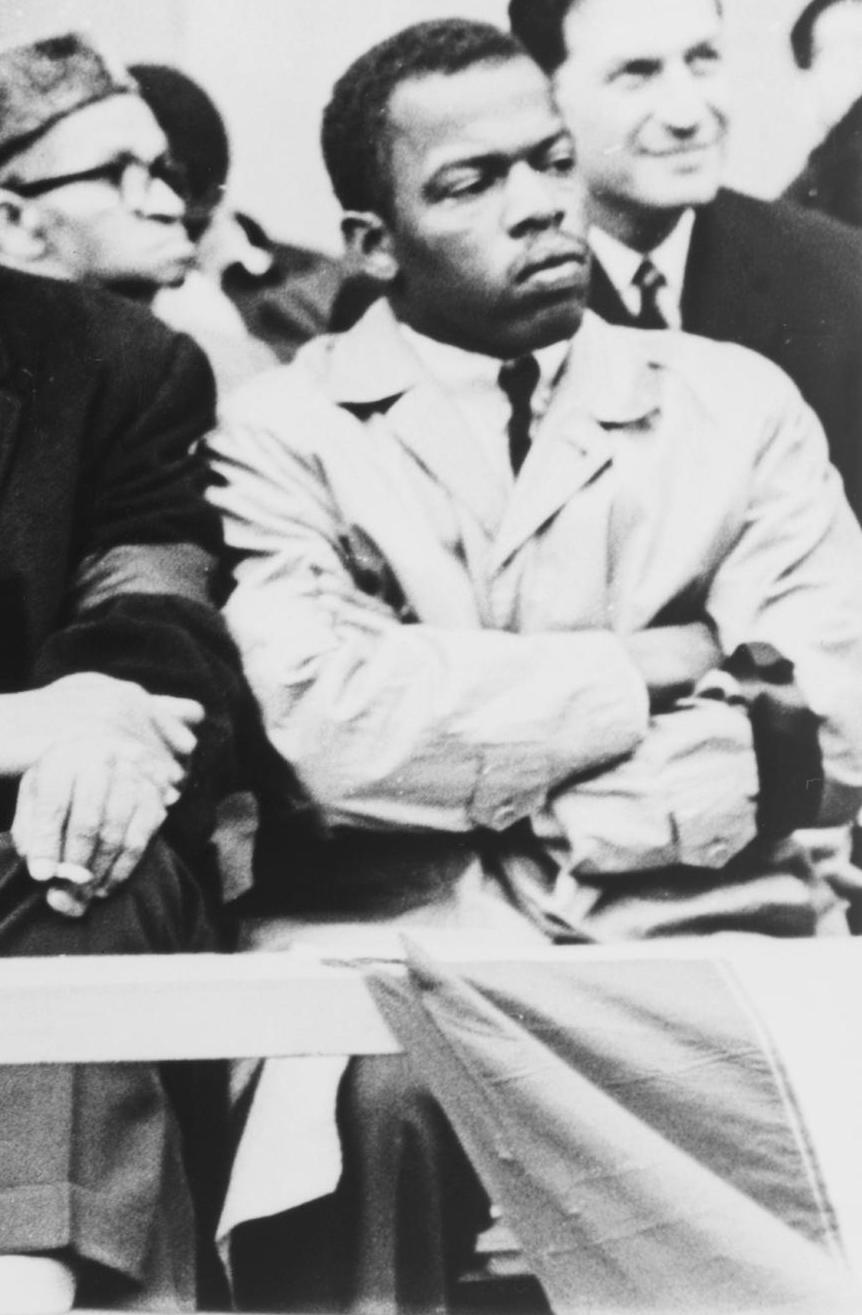 Photograph
Primary source
Stanley Wolfson · 1965
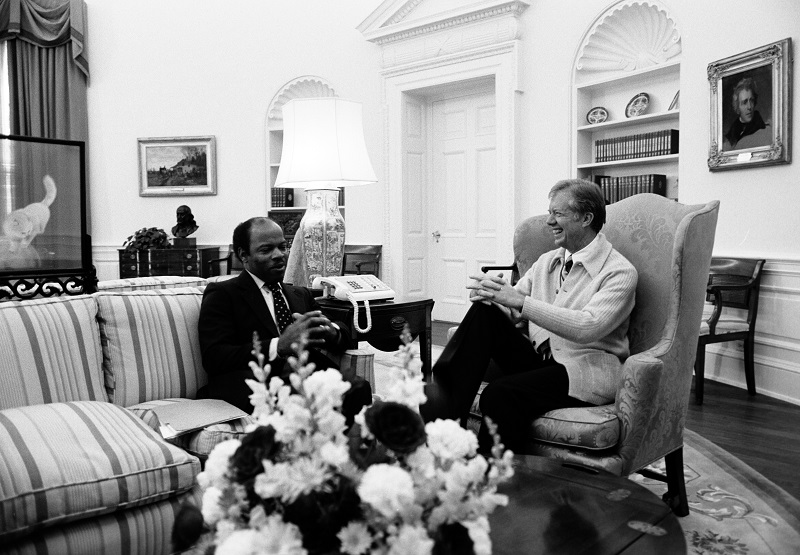 Photograph
Primary source
3 December 1979
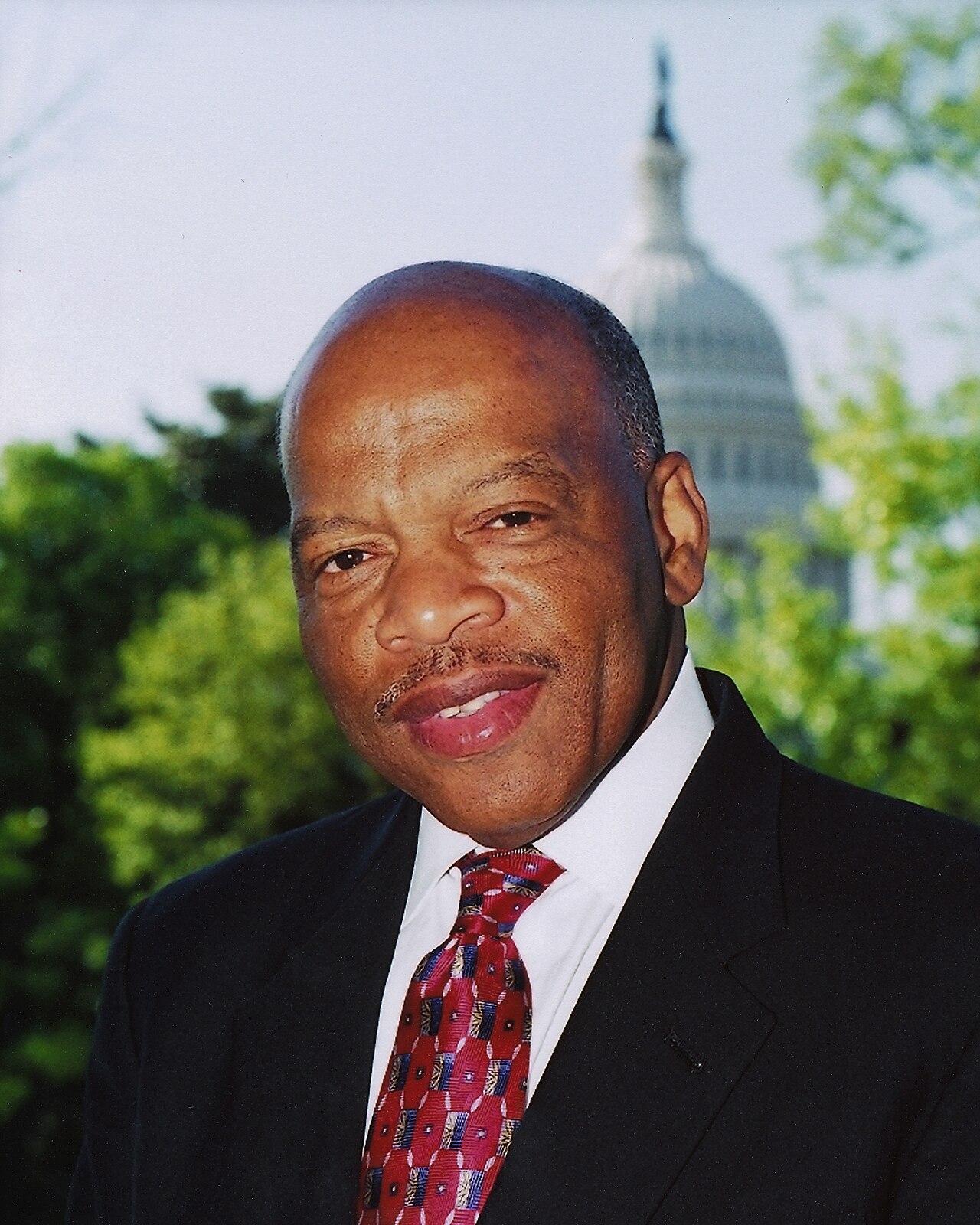 Photograph
Primary source
U.S. Congress · 26 February 2003
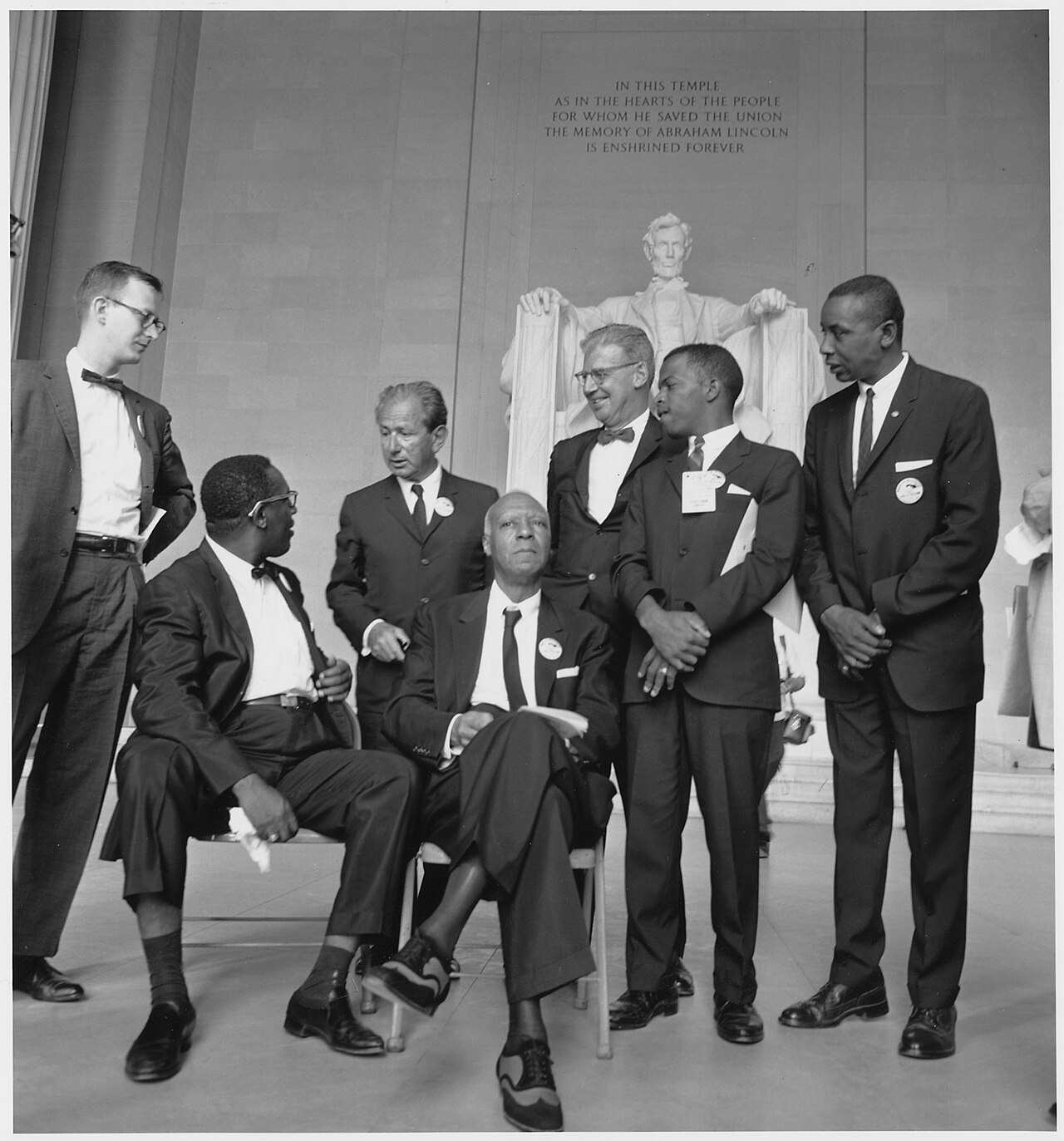 Photograph
Primary source
Rowland Scherman · 28 August 1963
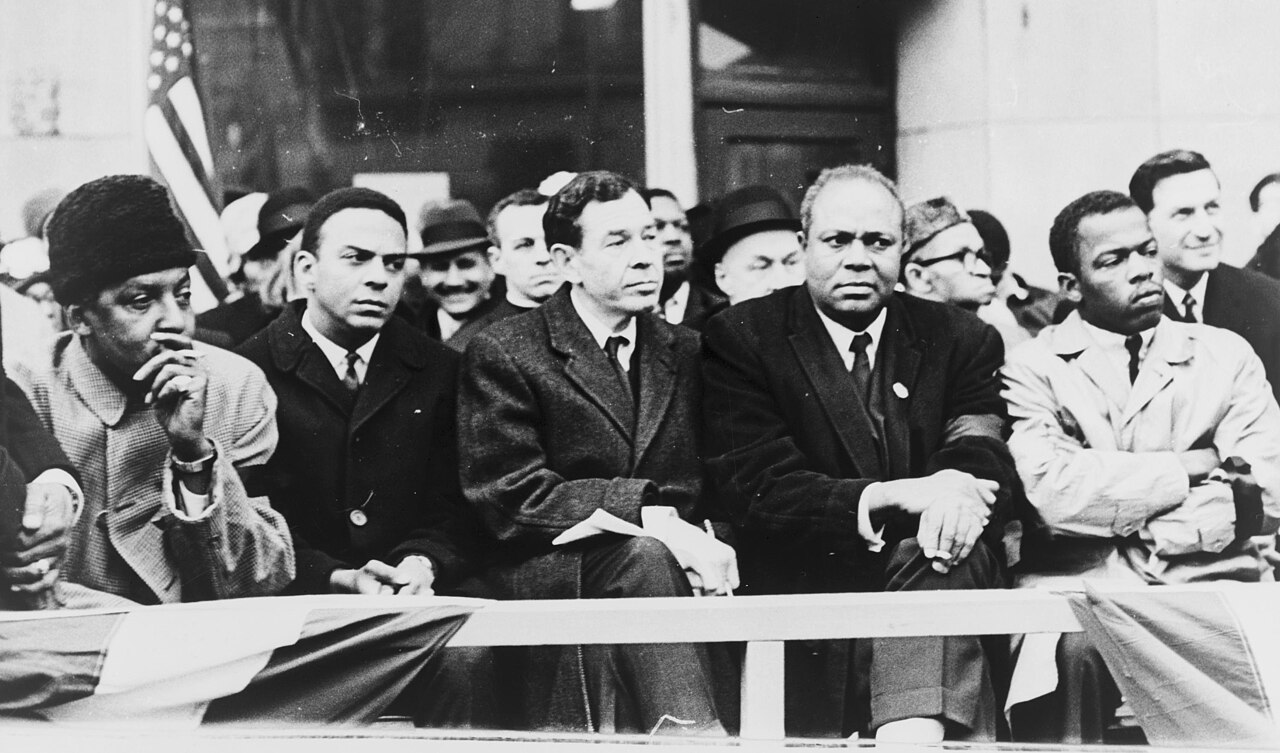 Photograph
Primary source
Stanley Wolfson · 1965
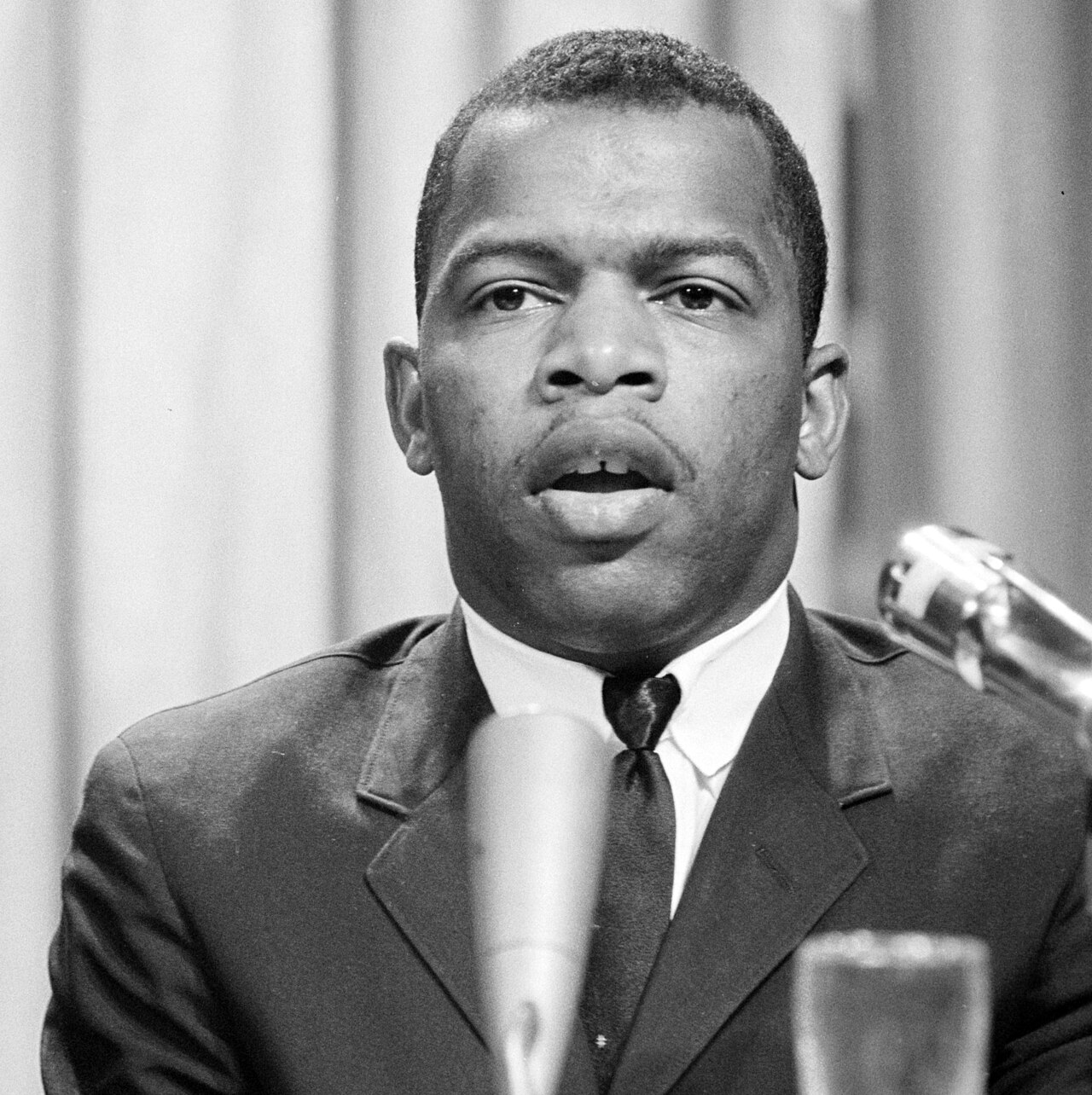 Photograph
Primary source
Marion S. Trikosko · 16 April 1964
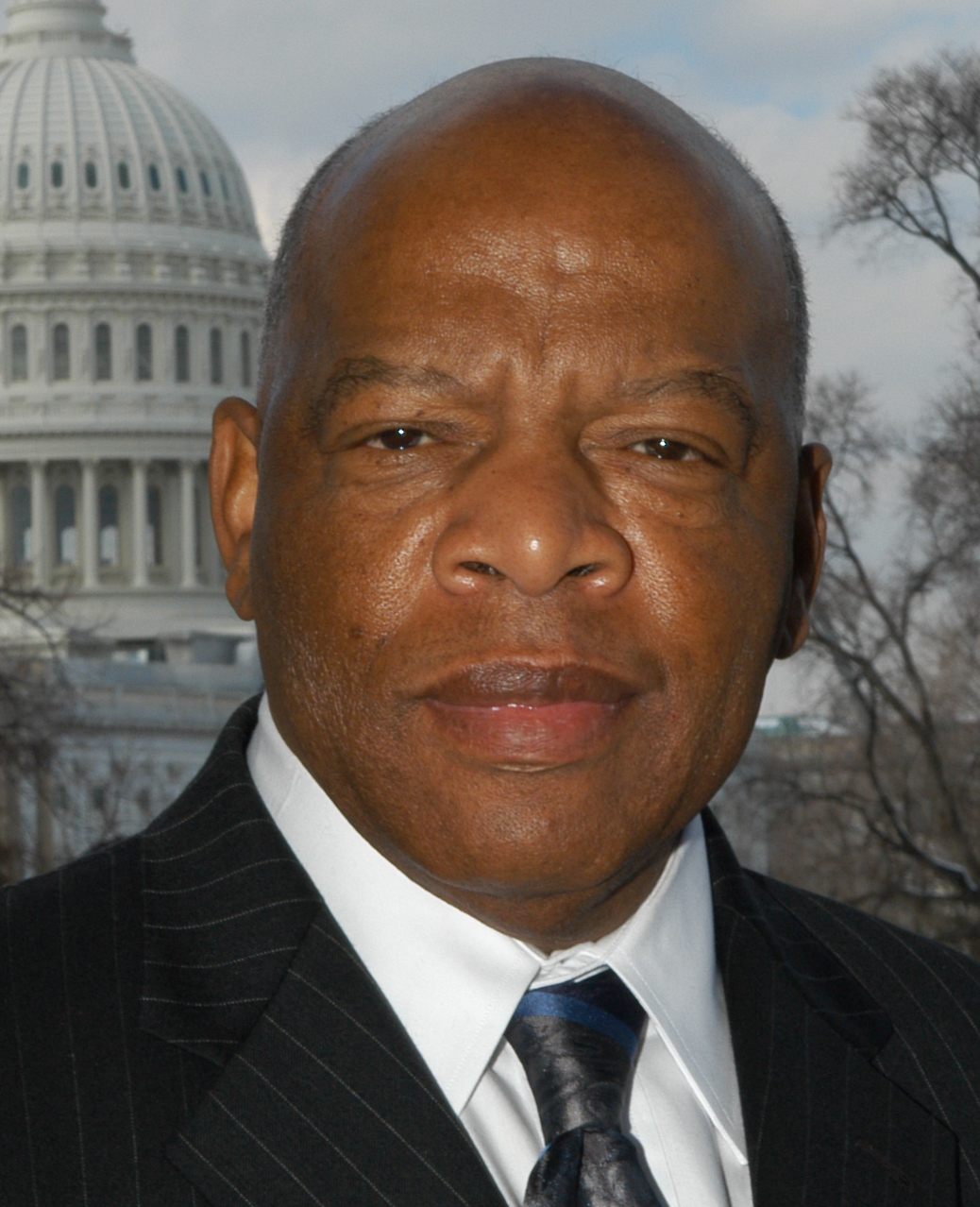 Photograph
Primary source
U.S. Congress · 13 February 2006
 Photograph
Primary source
Qqqqqq · 28 August 2008
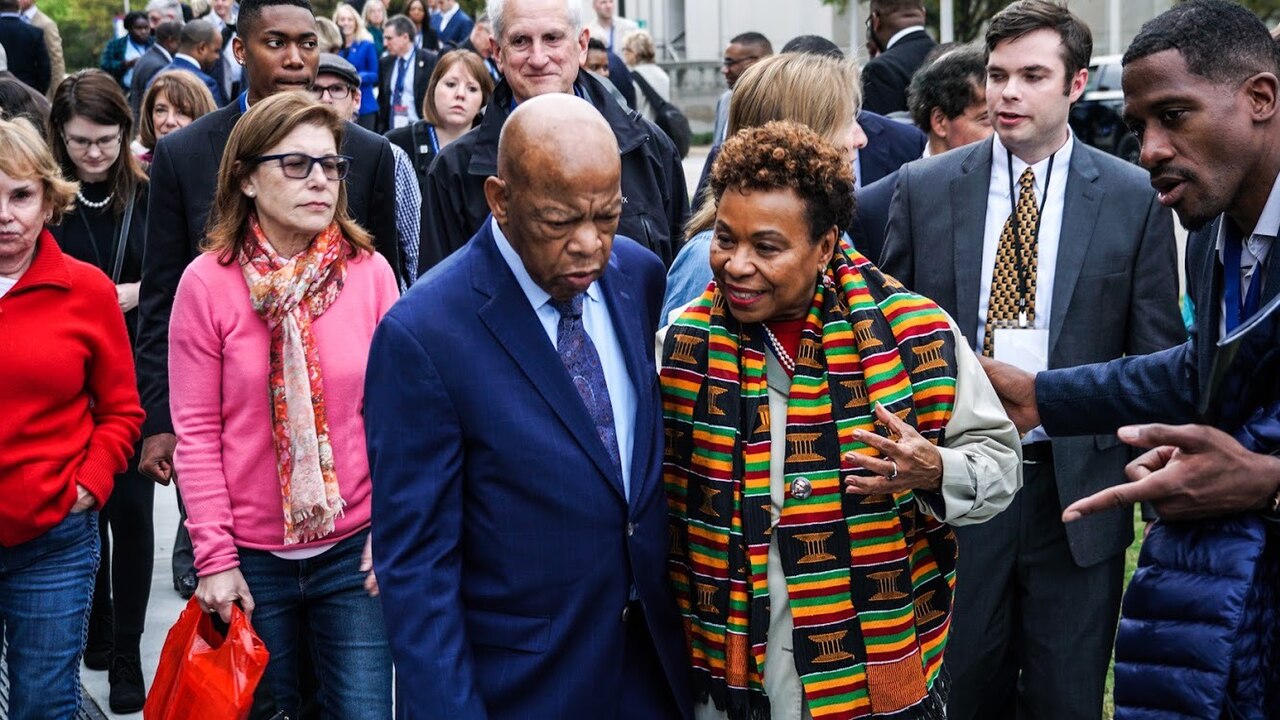 Photograph
Primary source
Barbara Lee · 2010s
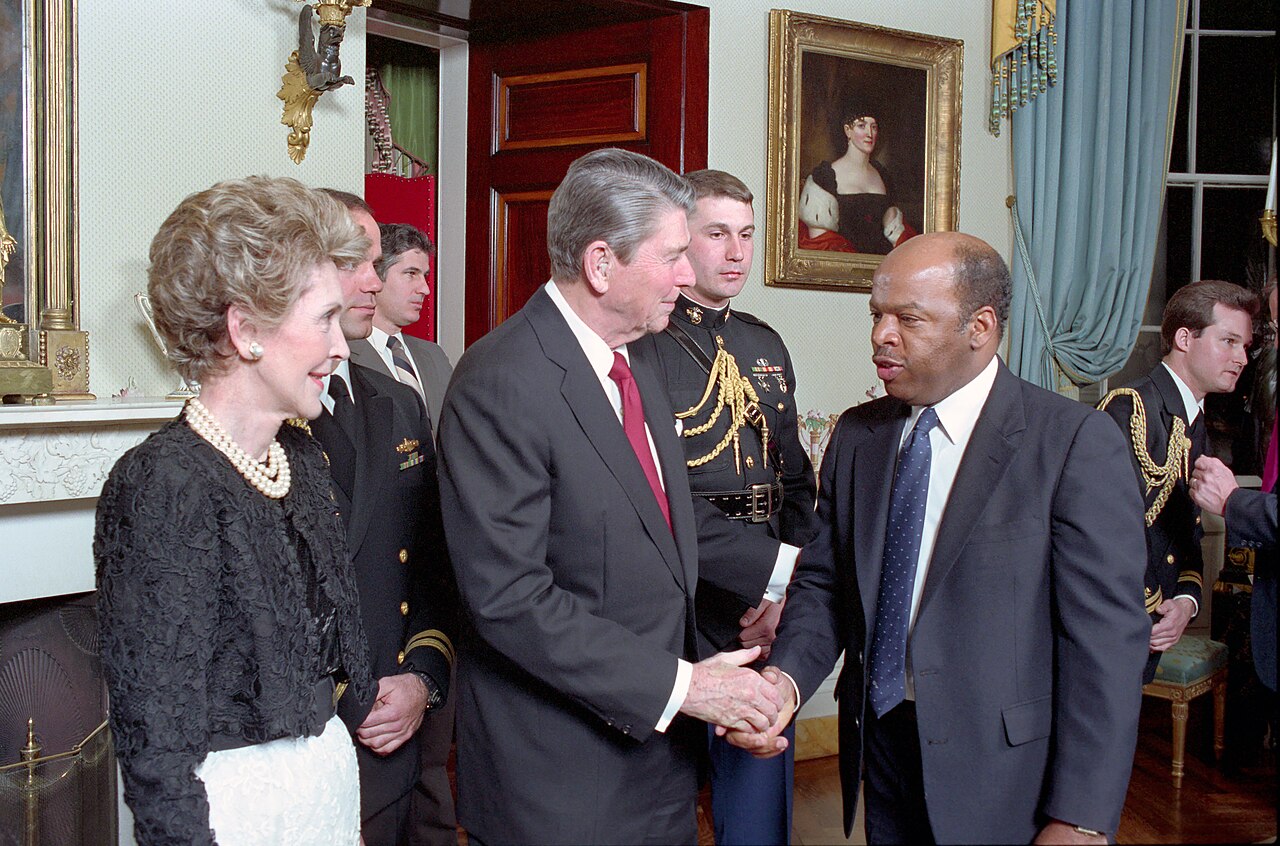 Photograph
Primary source
White House Photographic Office · 3 March 1987
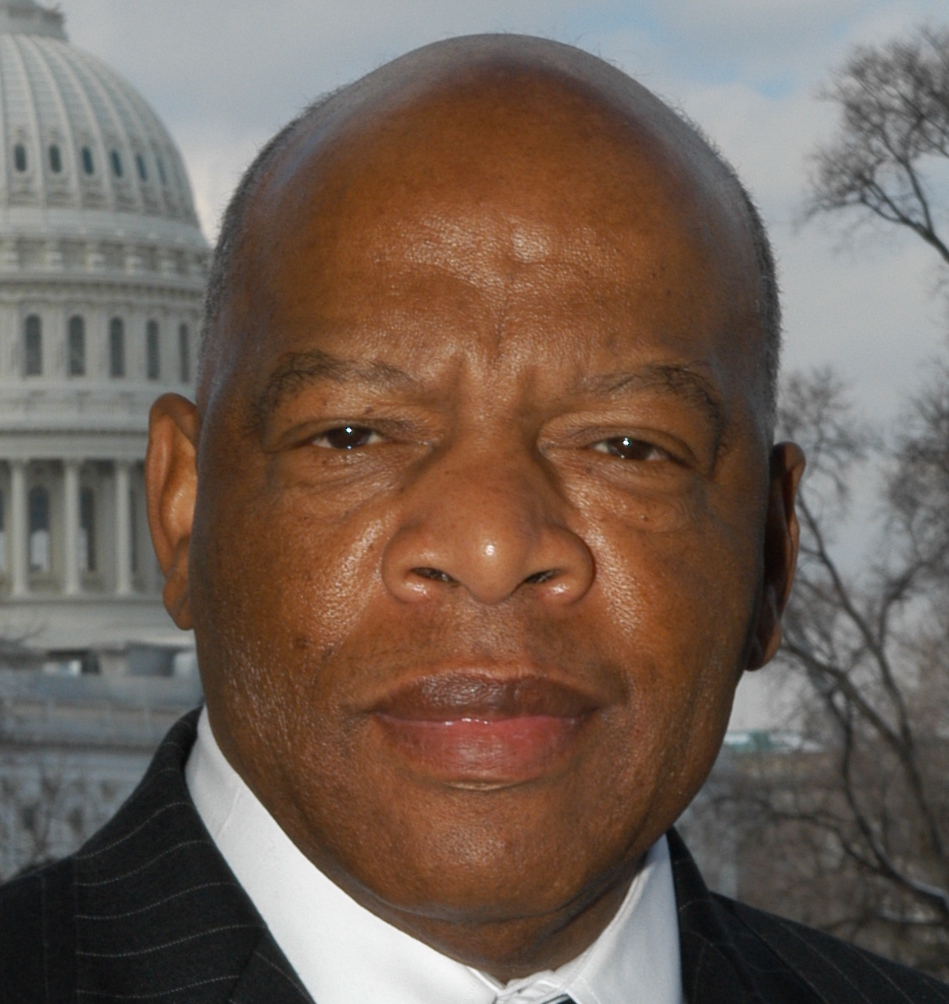 Photograph
Primary source
U.S. Congress · 13 February 2006
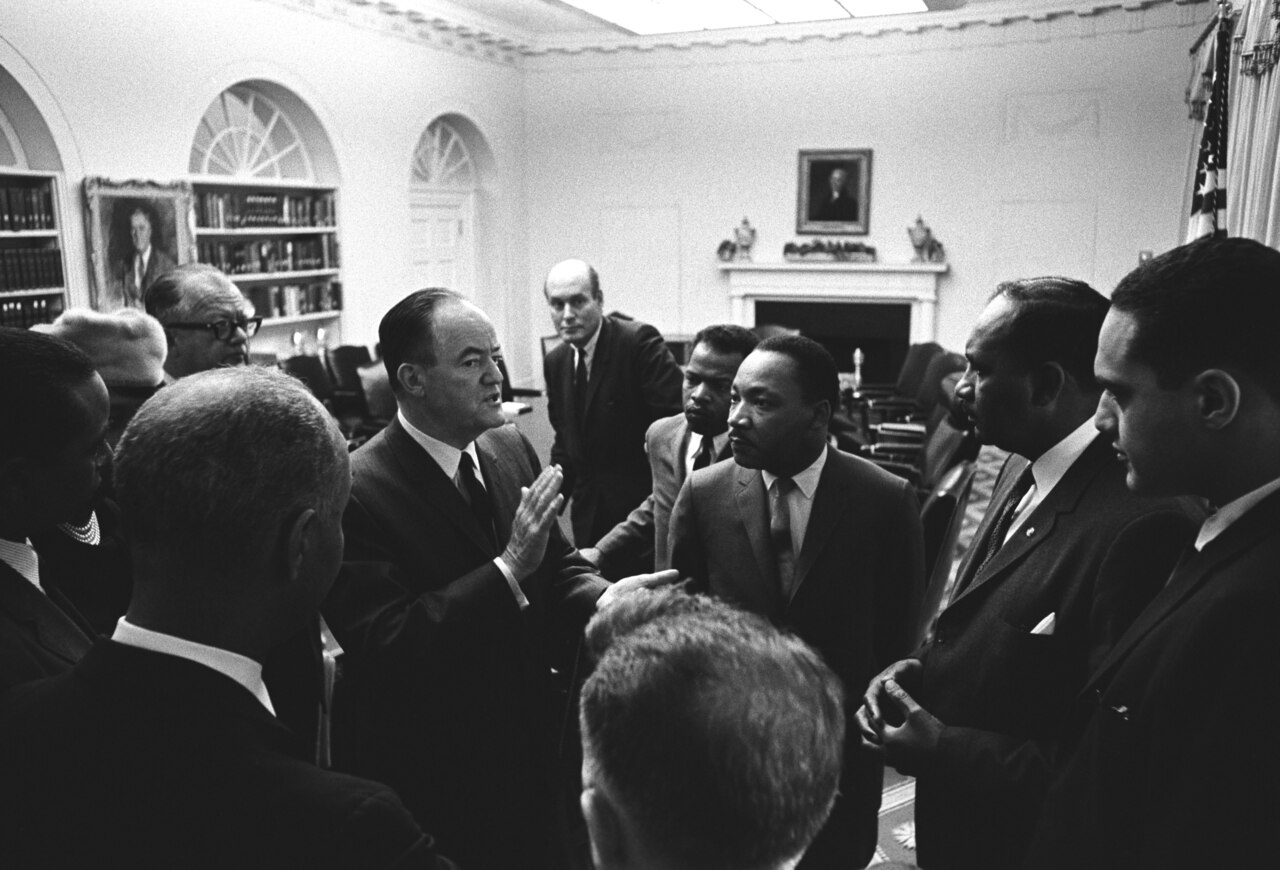 Photograph
Primary source
Yoichi Okamoto · 18 March 1966
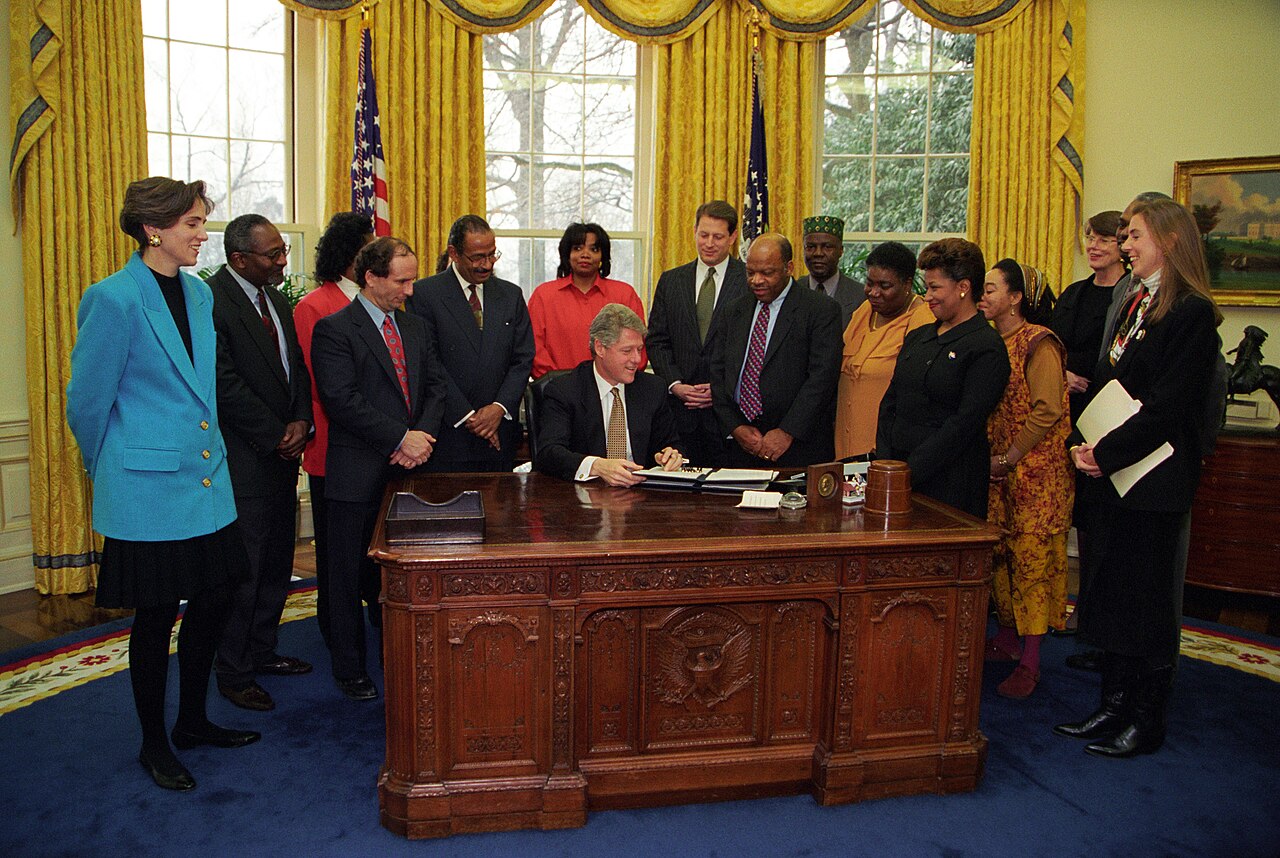 Photograph
Primary source
Sharon Farmer · 11 February 1994
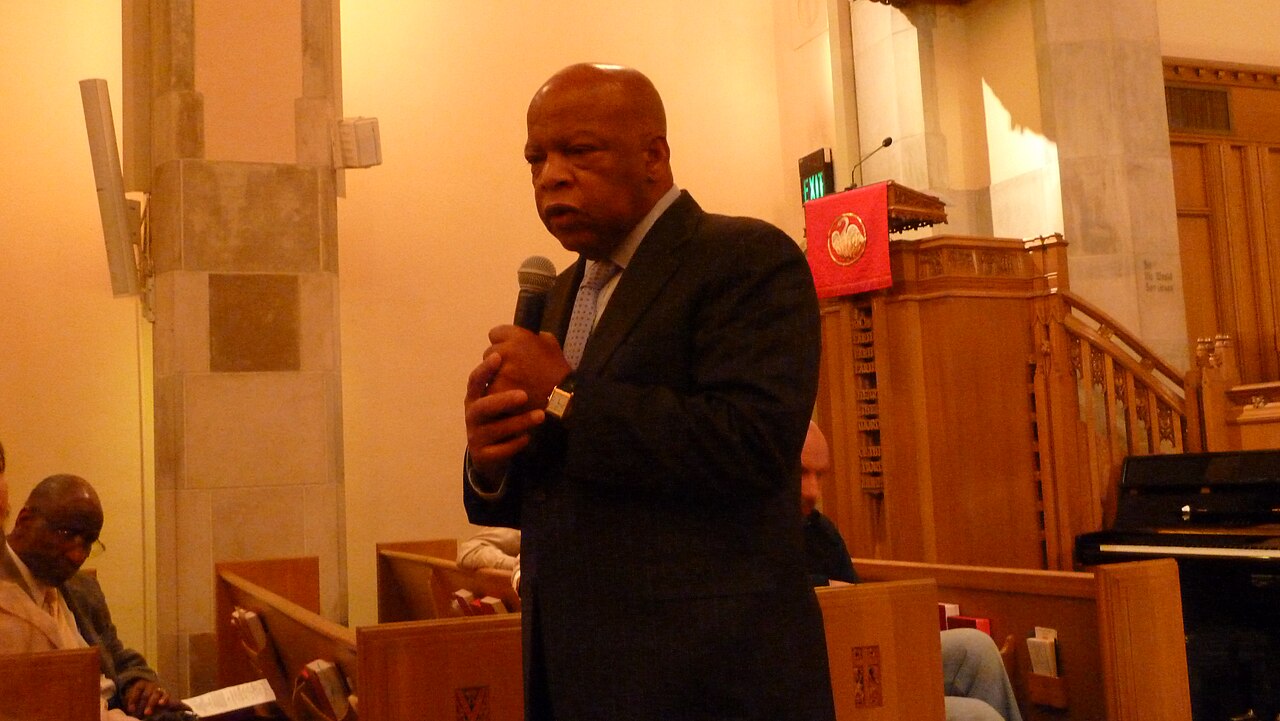 Photograph
Primary source
Cary Bass · 16 January 2011
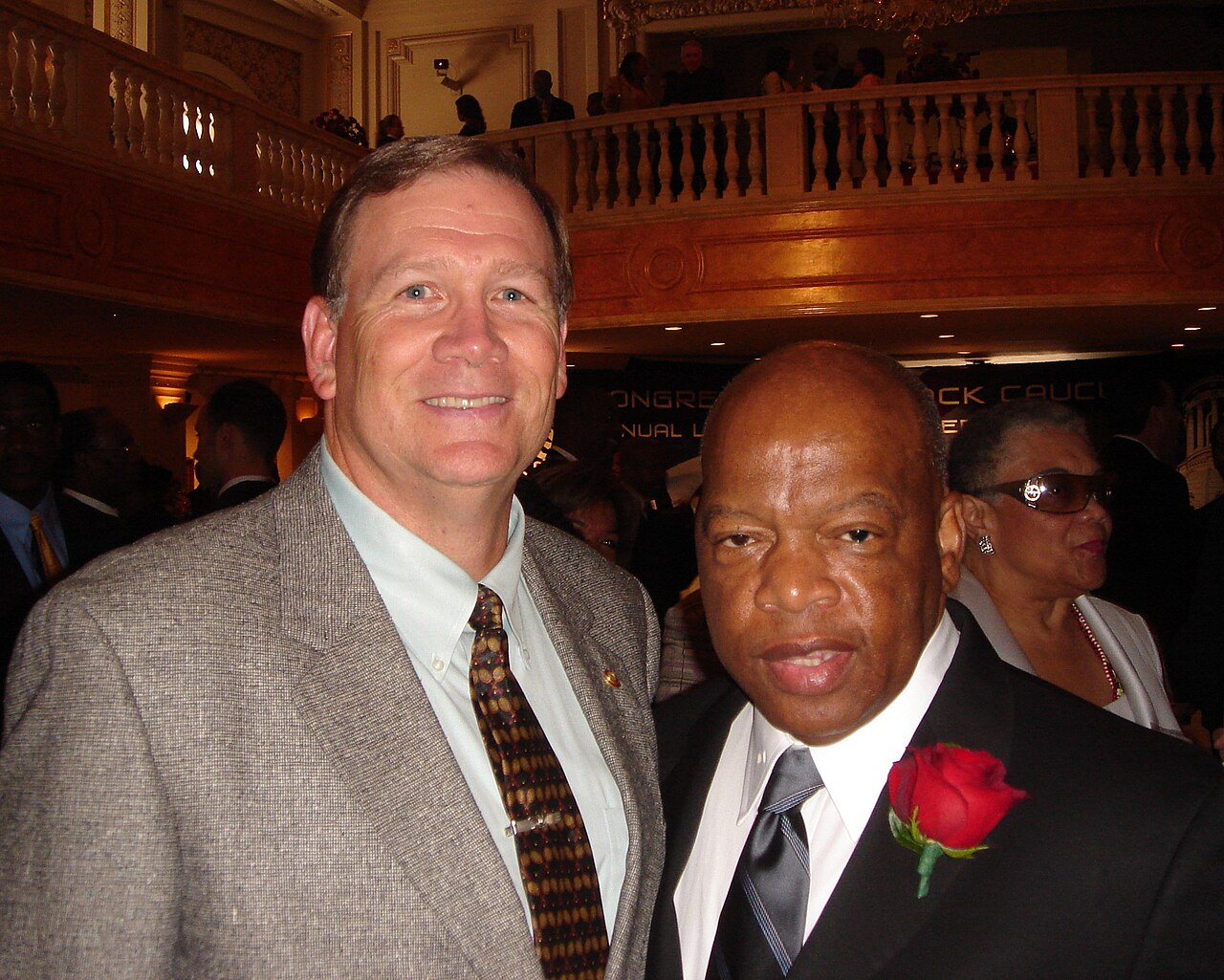 Photograph
Primary source
Gtadmd · 9 September 2006
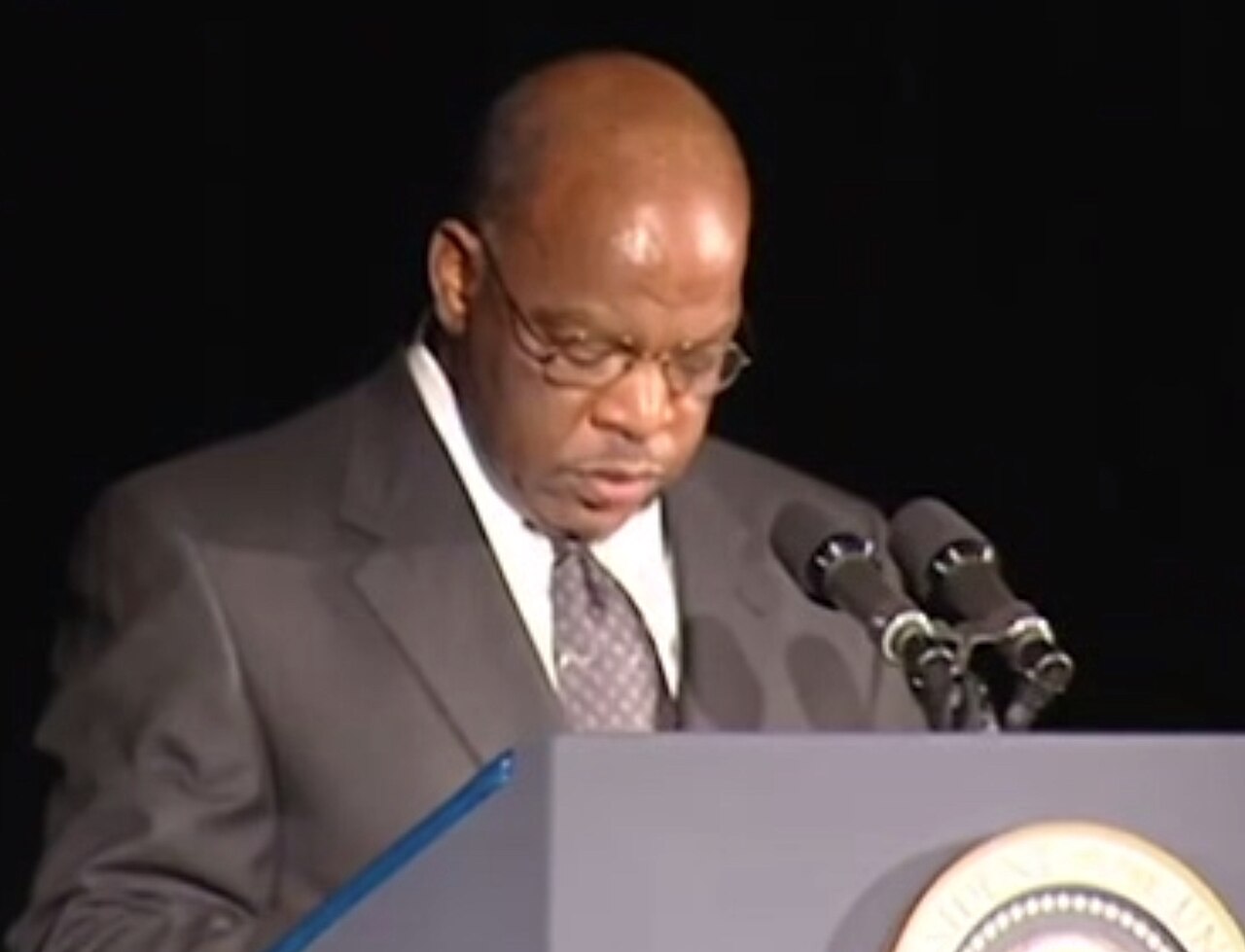 Photograph
Primary source
14 April 2000
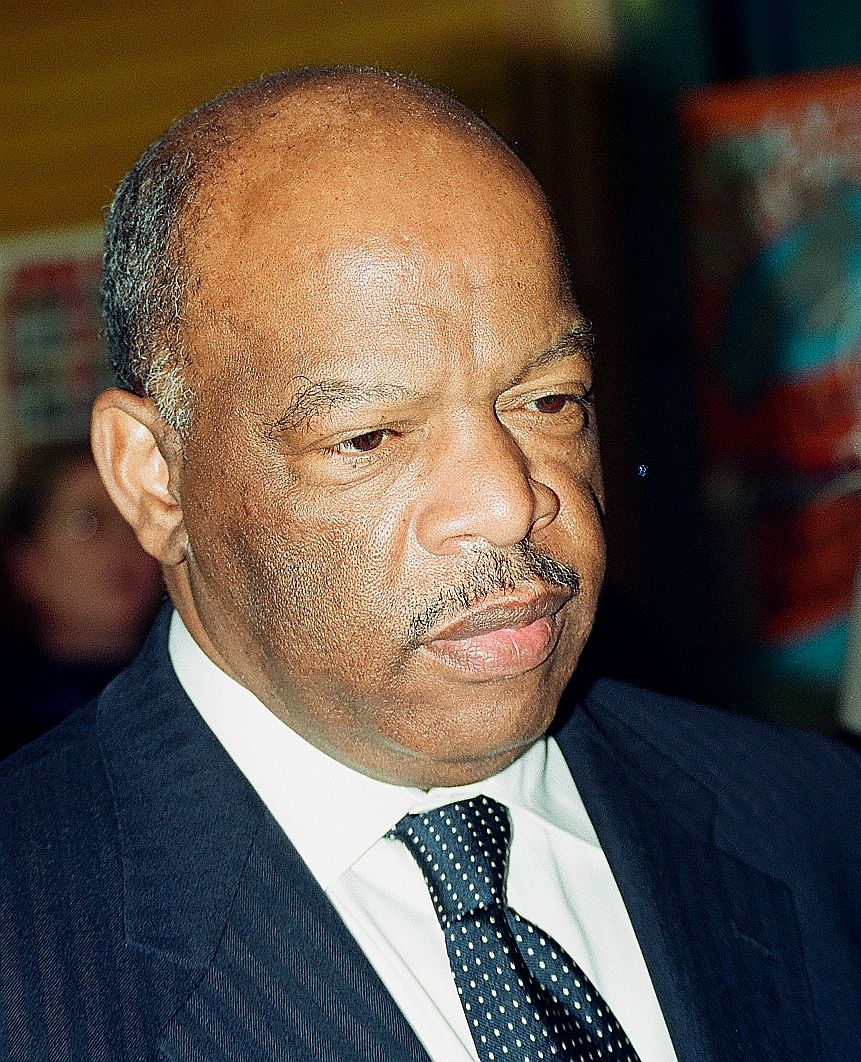 Photograph
Primary source
John Mathew Smith · 2001
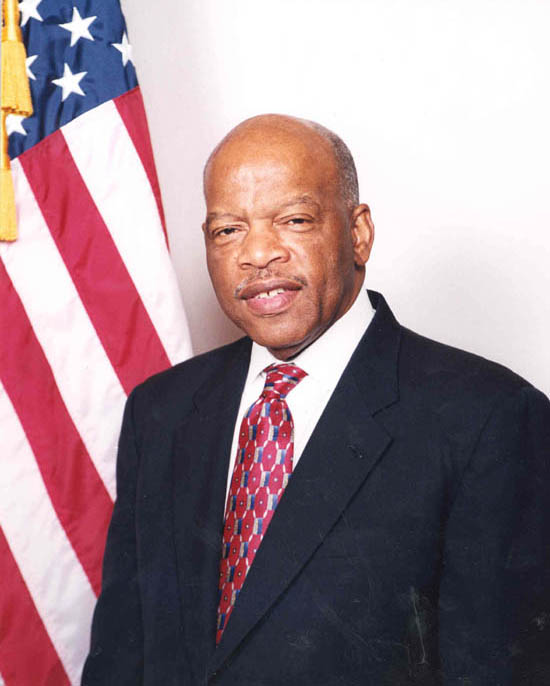 Photograph
Primary source
4 March 2003
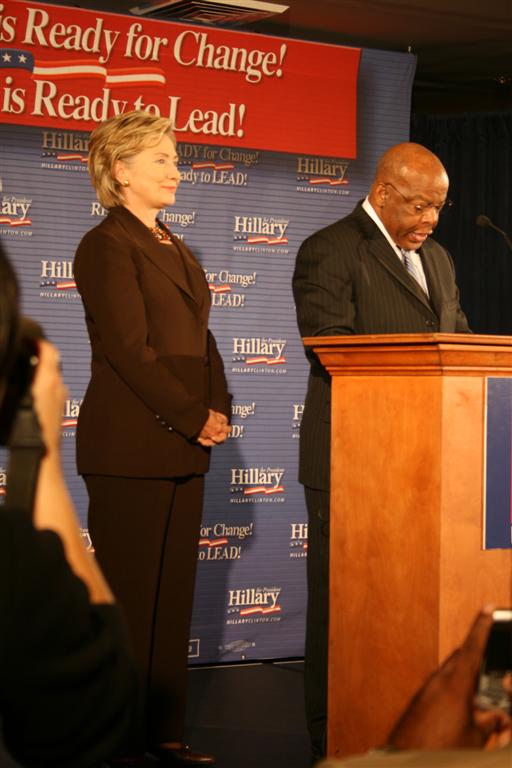 Photograph
Primary source
wfowlkes · 12 October 2007
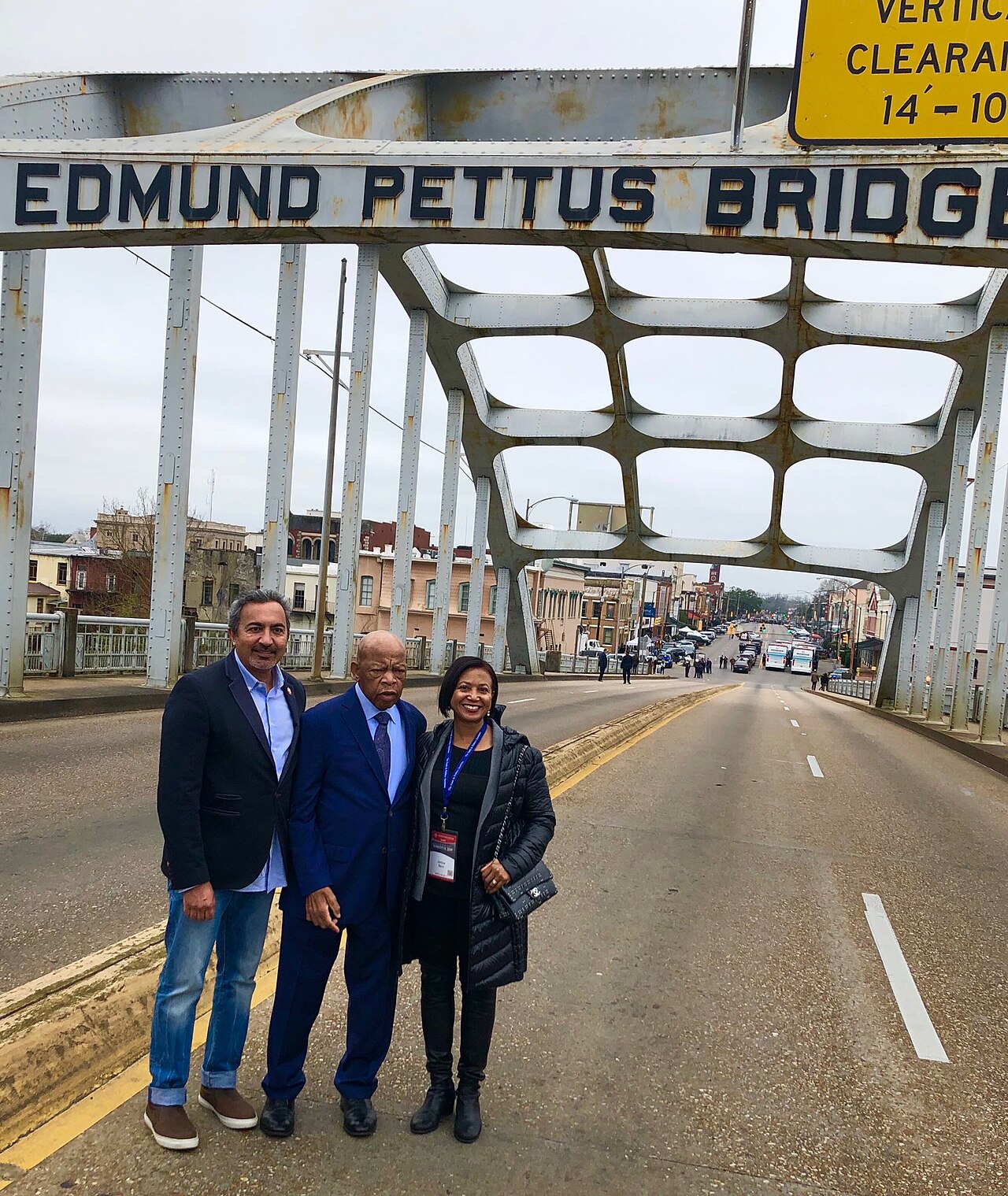 Photograph
Primary source
Ami Bera · 2019
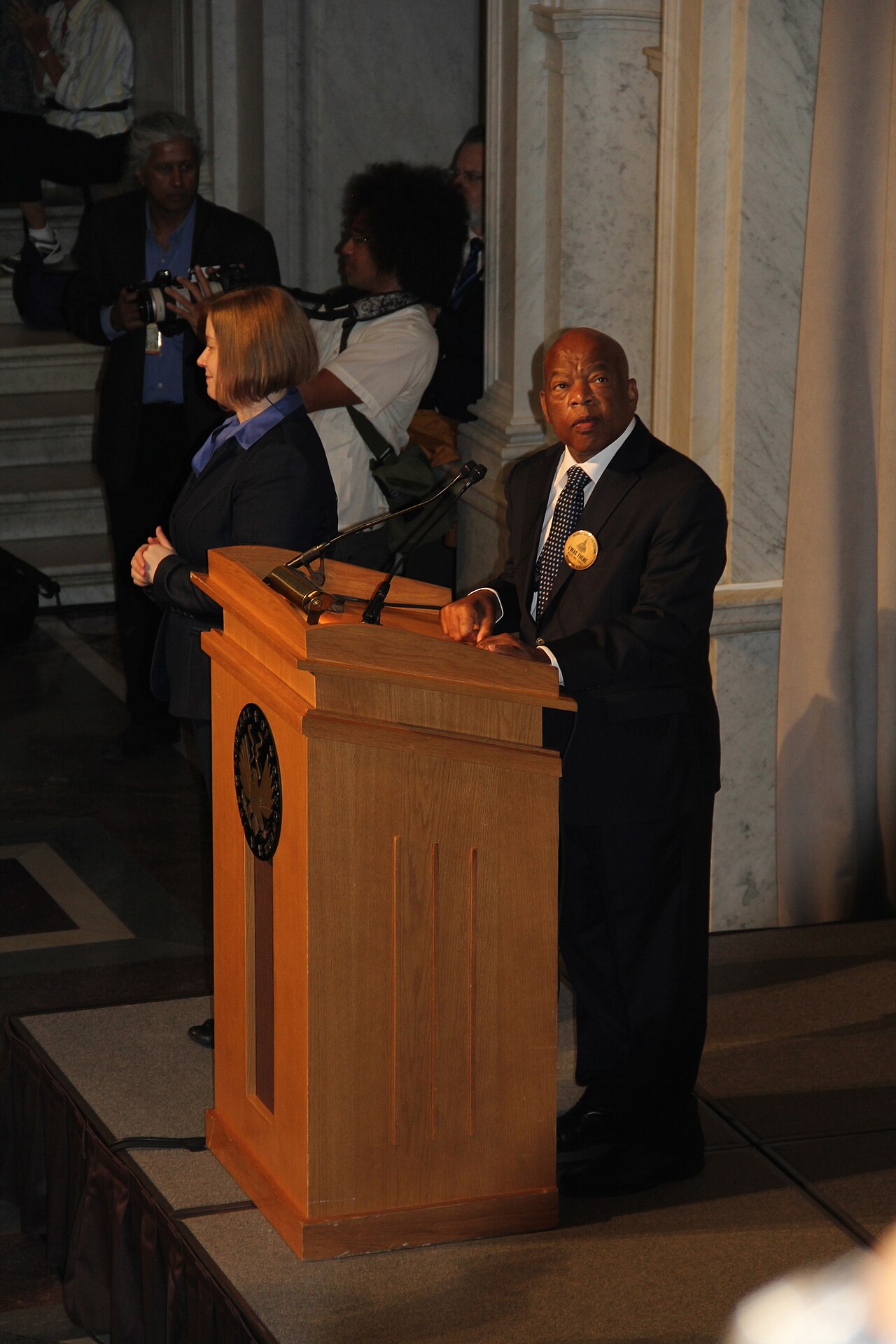 Photograph
Secondary source
Djembayz · 2013
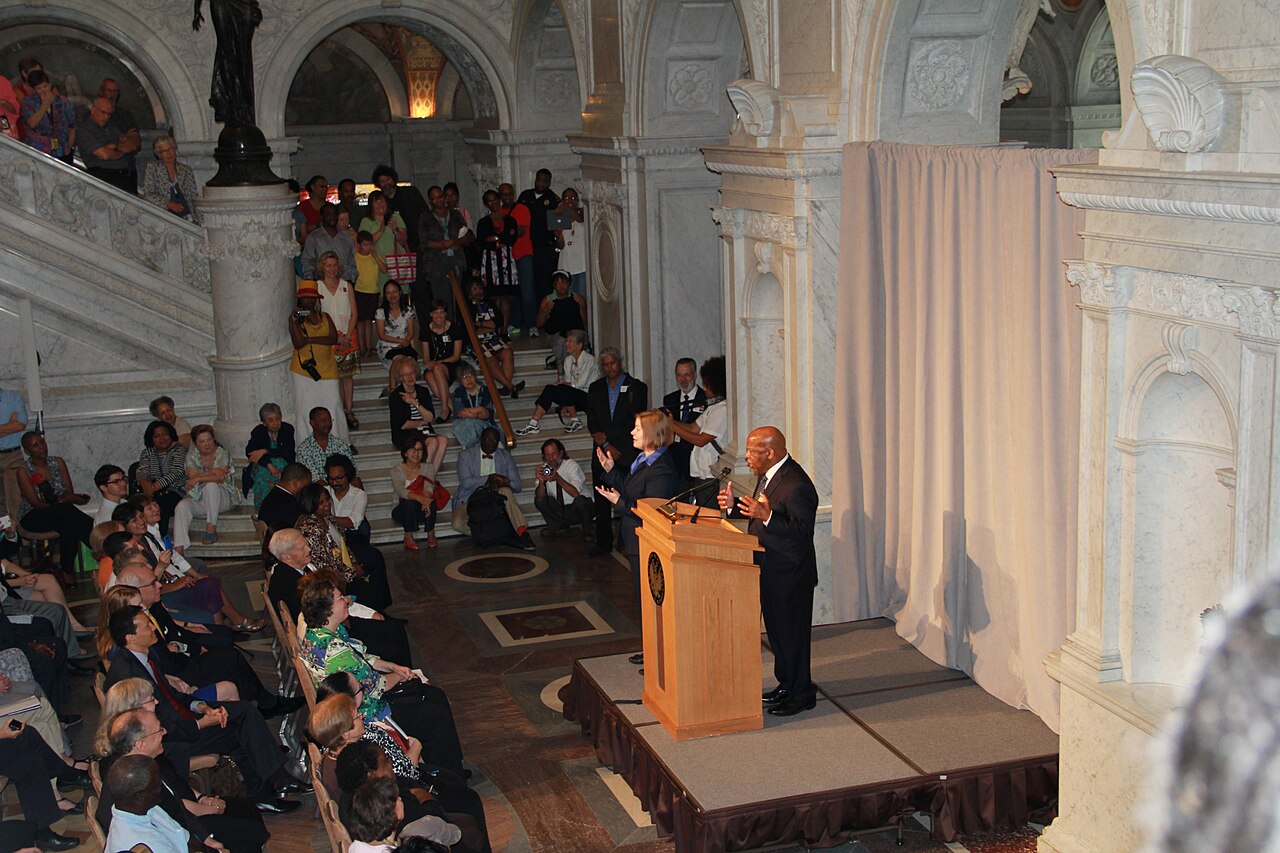 Photograph
Secondary source
Djembayz · 2013
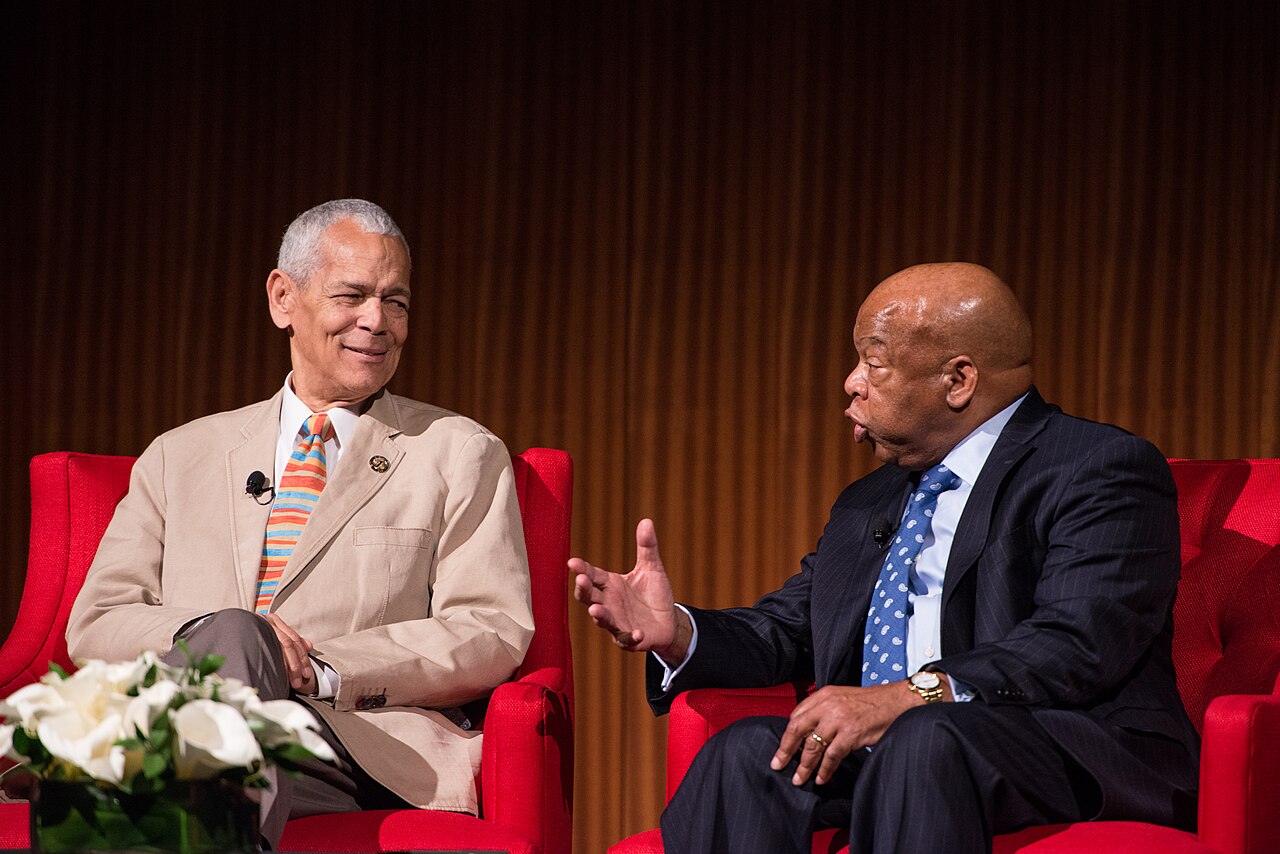 Photograph
Secondary source
Lauren Gerson · 9 April 2014
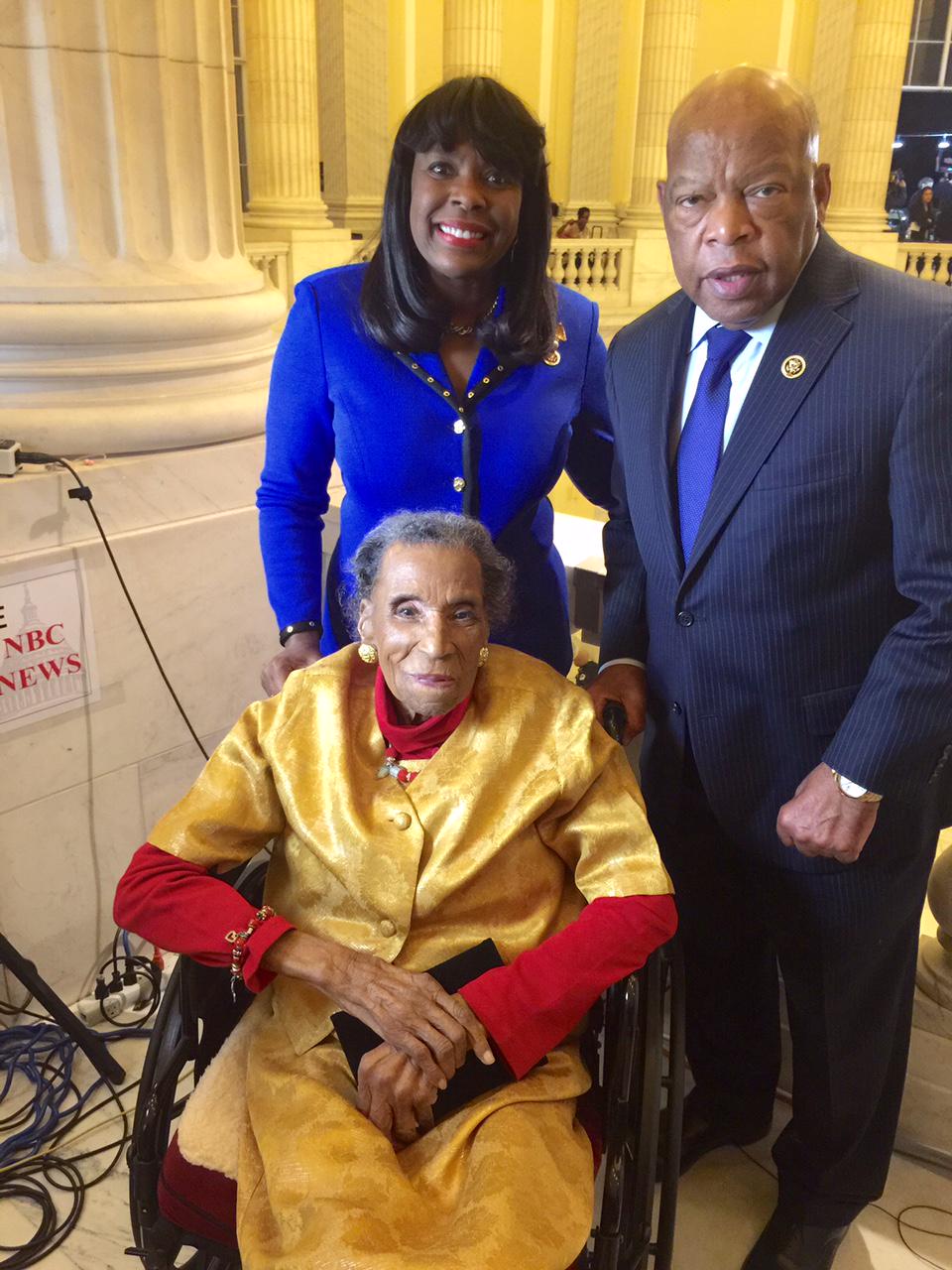 Photograph
Secondary source
Terri Sewell · 20 January 2015
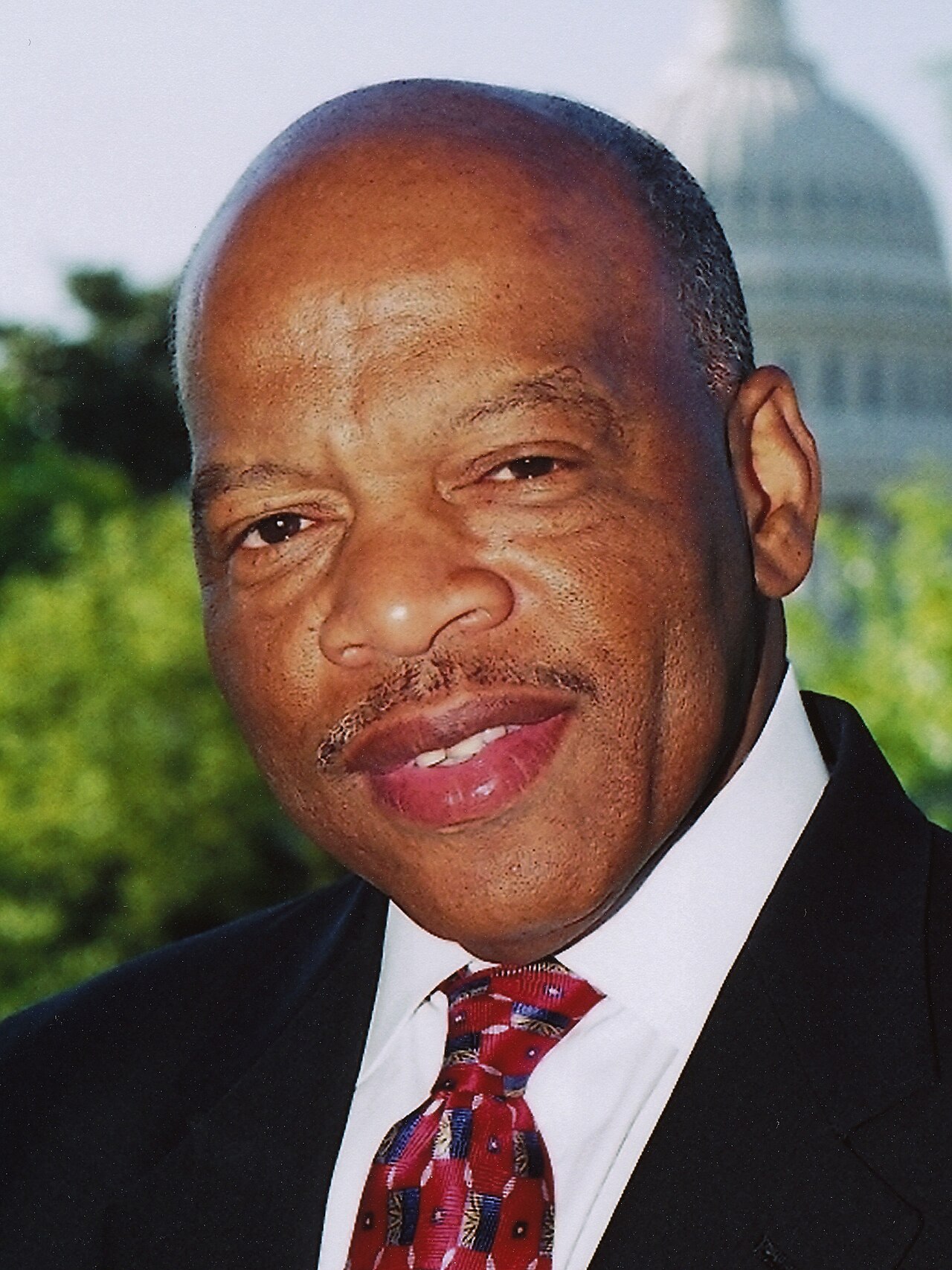 Photograph
Secondary source
U.S. Congress · 26 February 2003
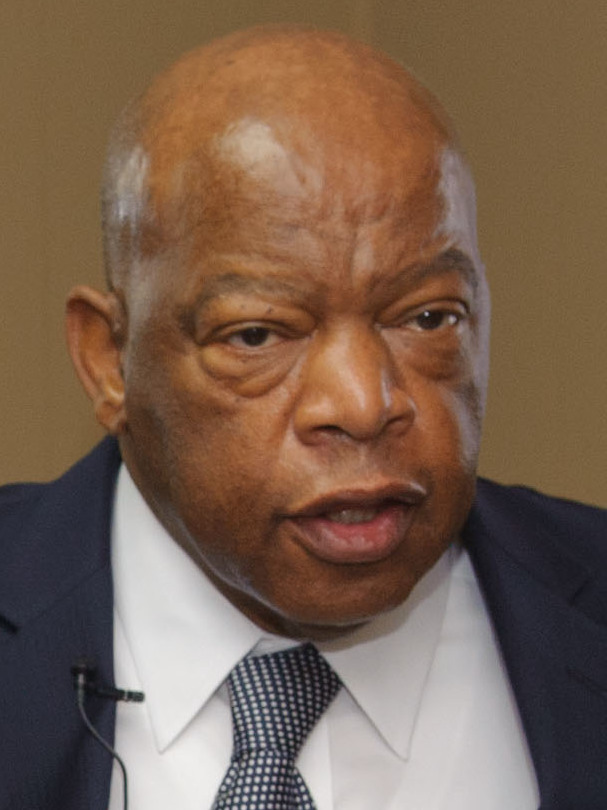 Photograph
Secondary source
Eric Vance · 4 March 2012
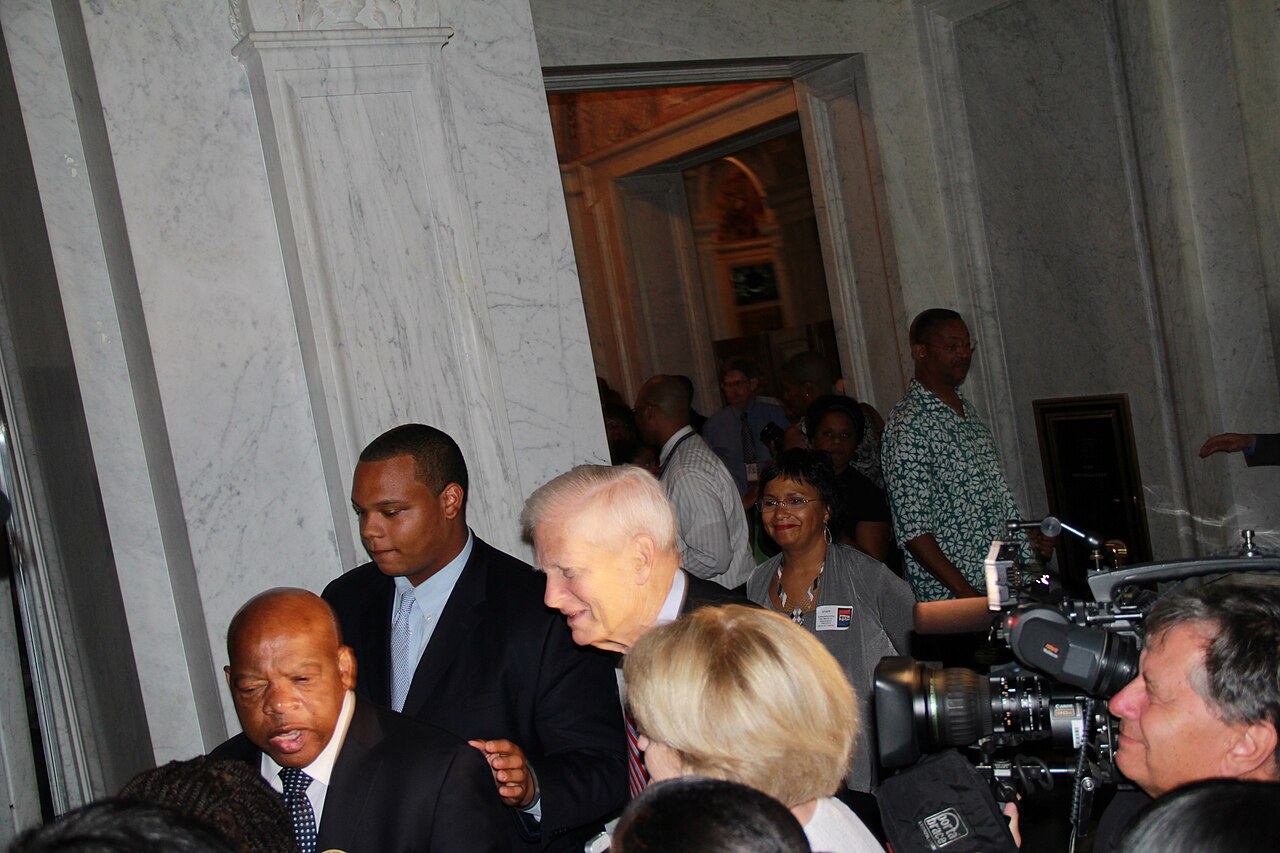 Photograph
Secondary source
Djembayz · 28 August 2013
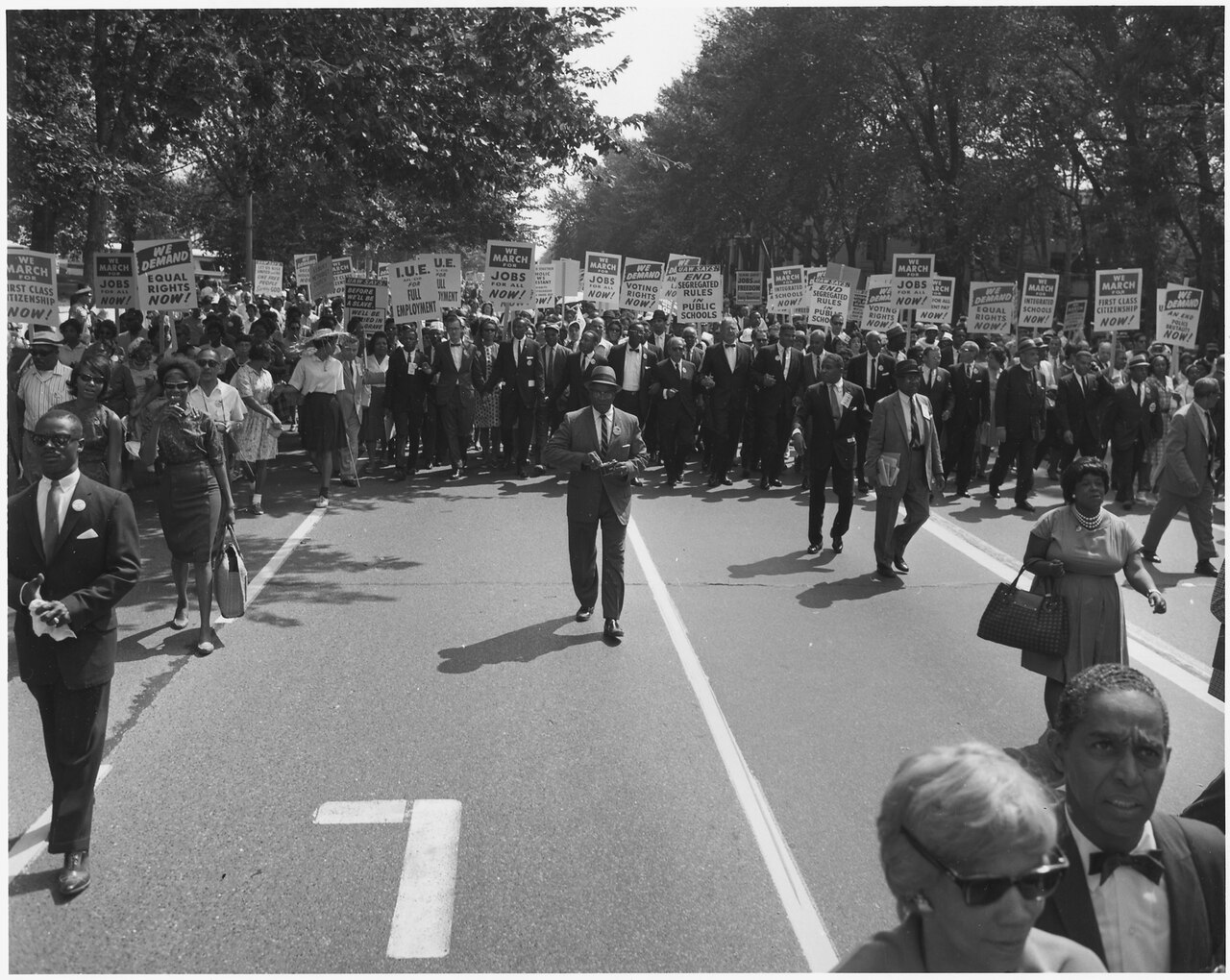 Photograph
Primary source
Rowland Scherman · 28 August 1963
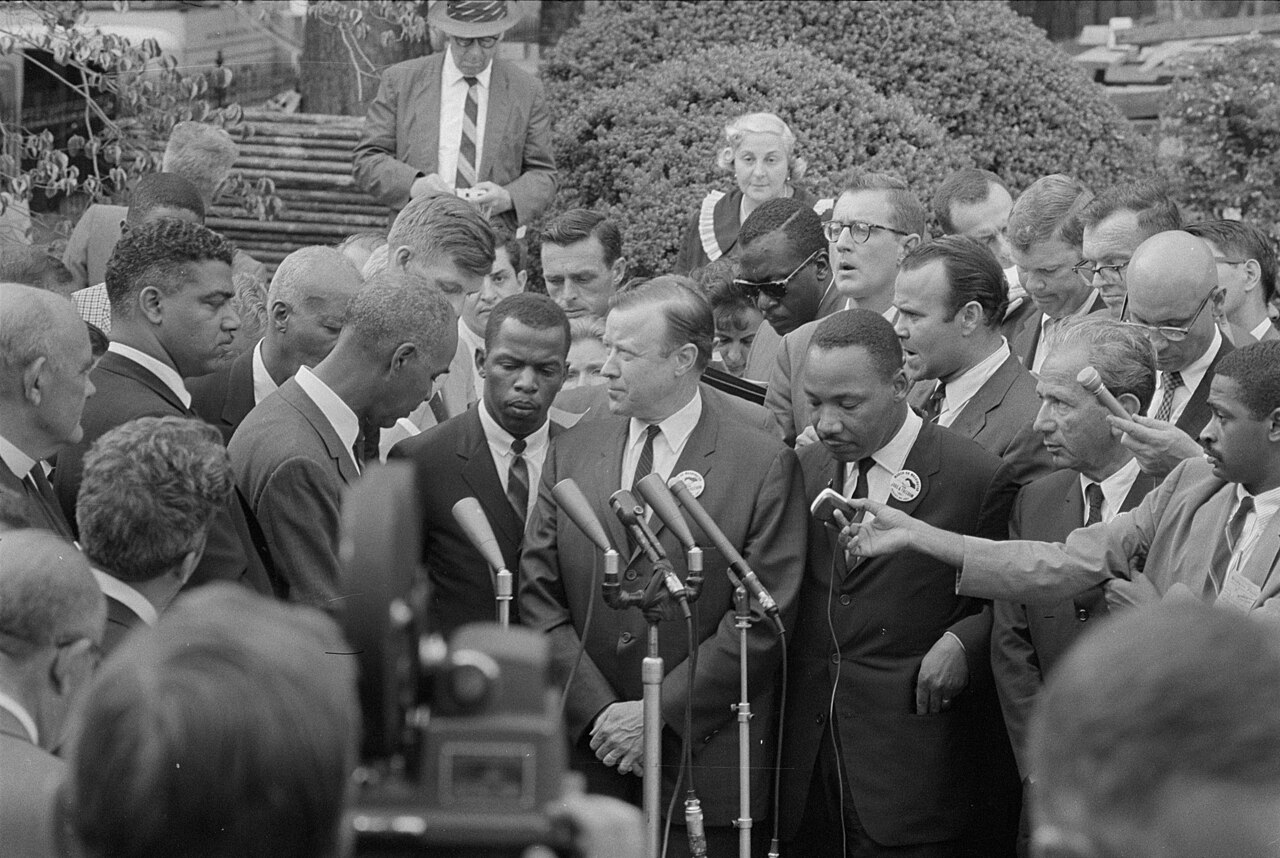 Photograph
Primary source
Warren K. Leffler · 28 August 1963
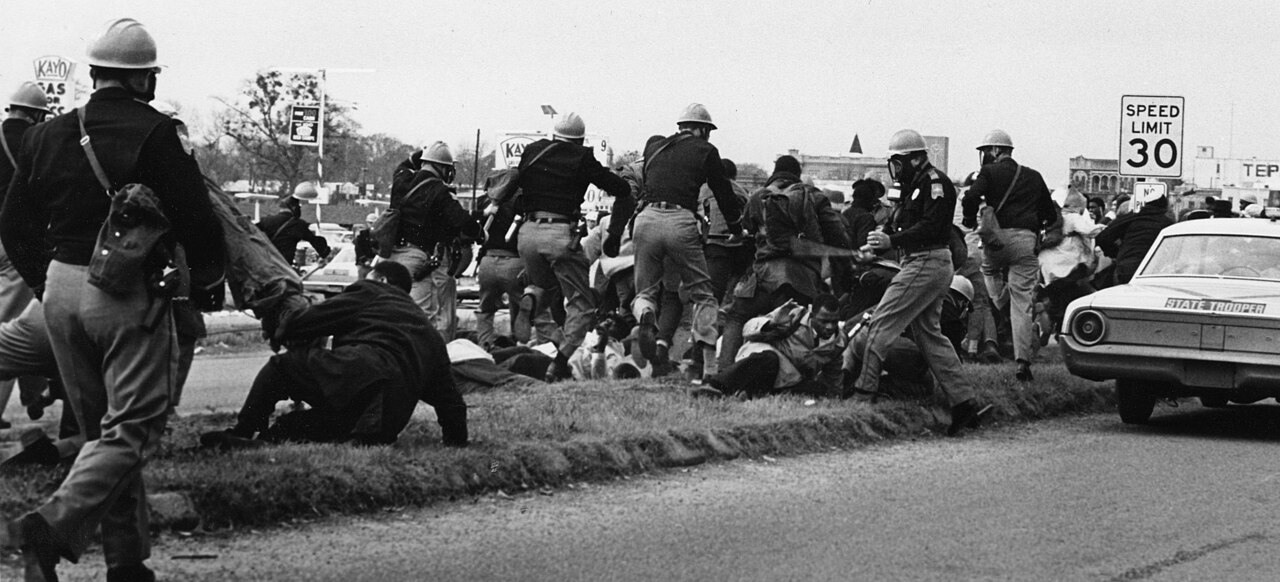 Photograph
Primary source
Spider Martin · 7 March 1965
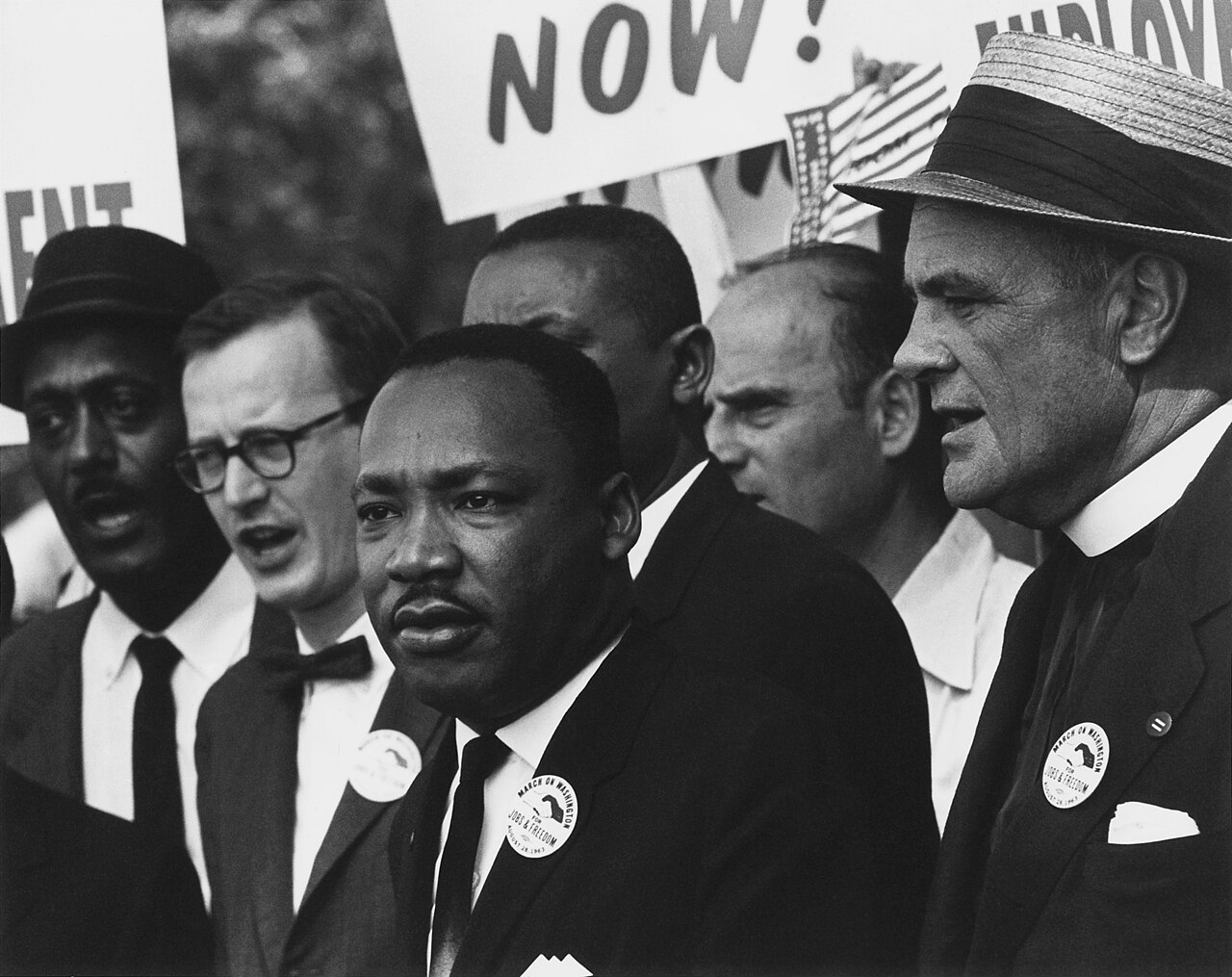 Photograph
Primary source
Rowland Scherman · 28 August 1963
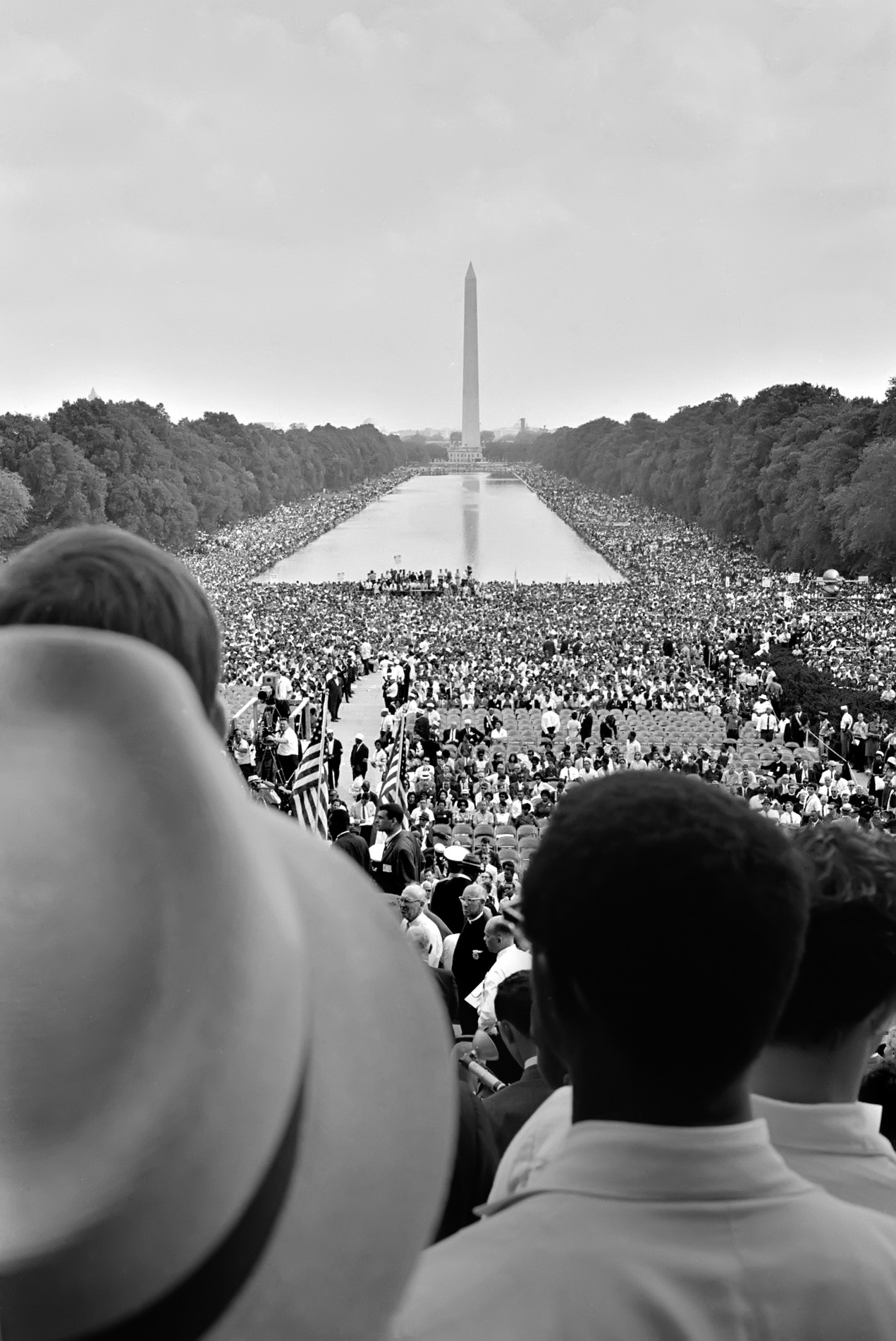 Photograph
Primary source
Warren K. Leffler
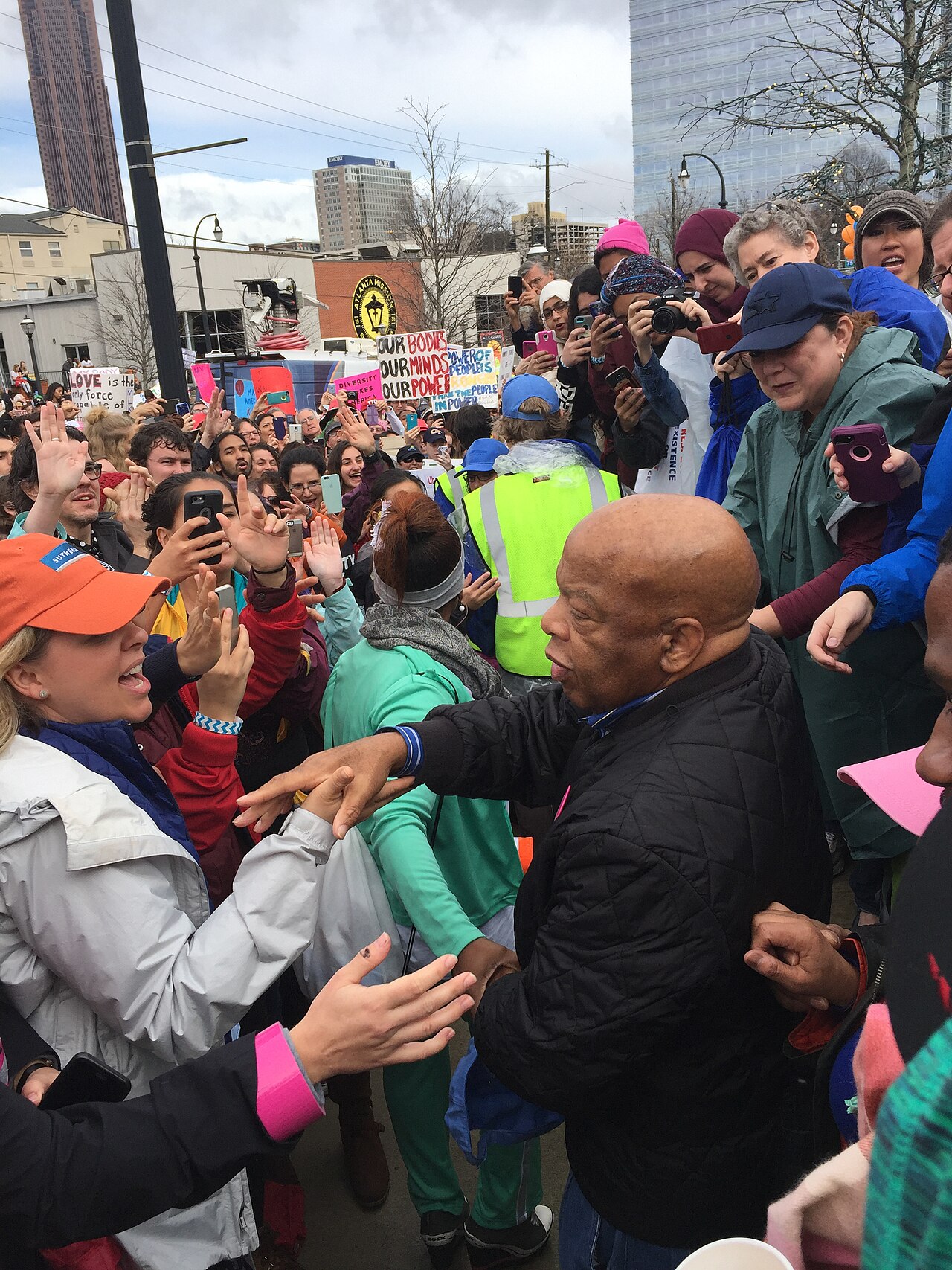 Photograph
Primary source
Daniellem4848 · 21 January 2017
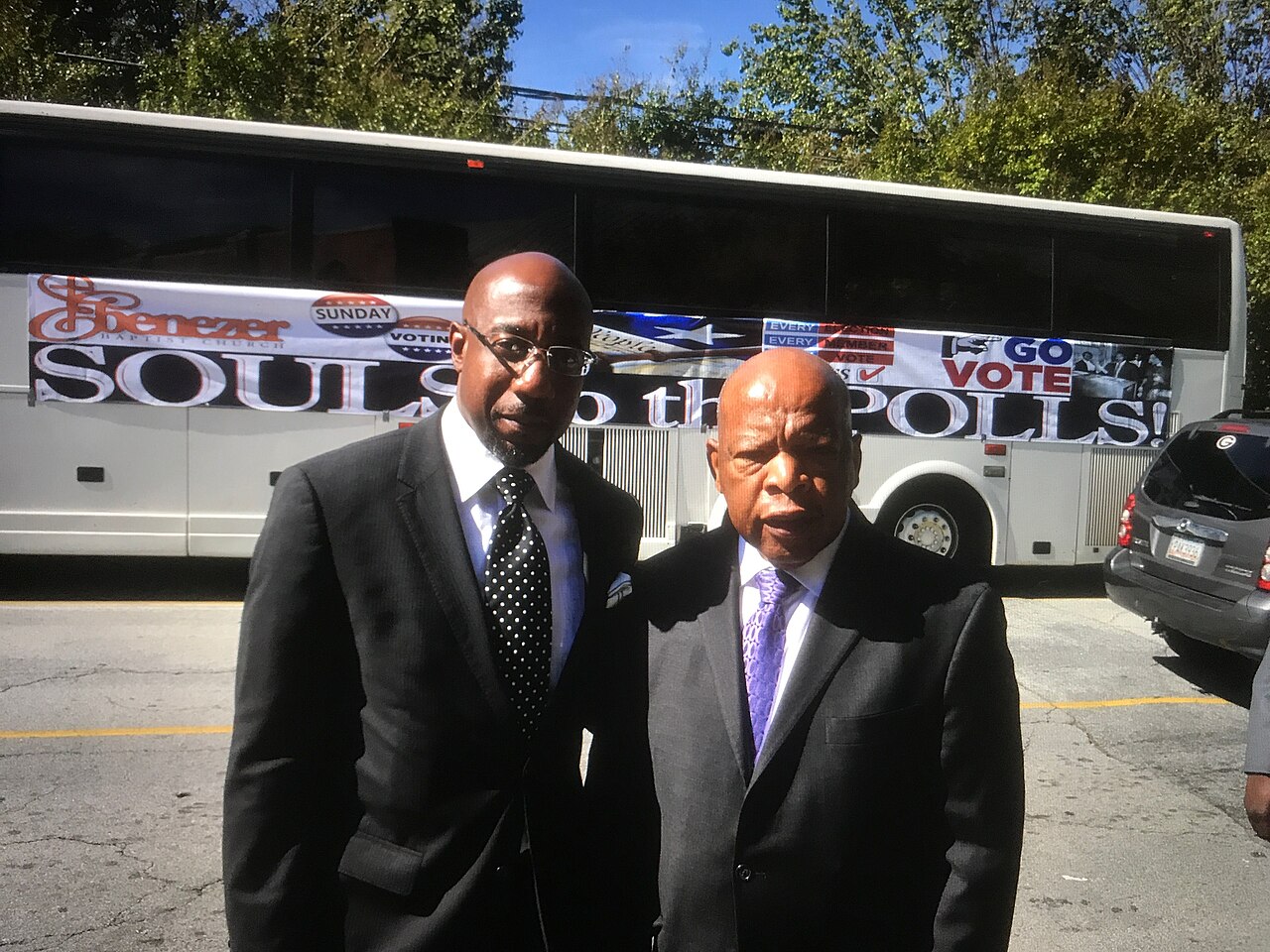 Photograph
Primary source
Raphael Warnock
Primary source
Terri Sewell · 21 February 2020
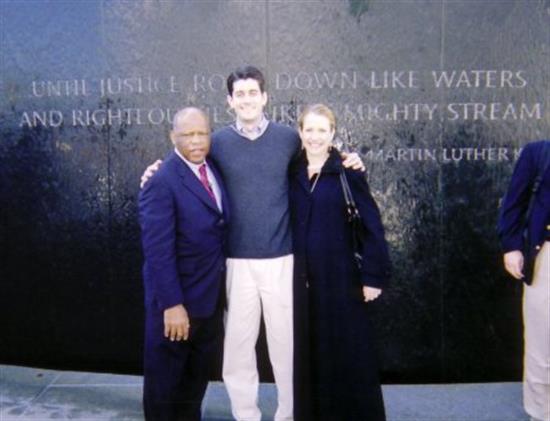 Photograph
Primary source
Office of Congressman Paul Ryan · 2003
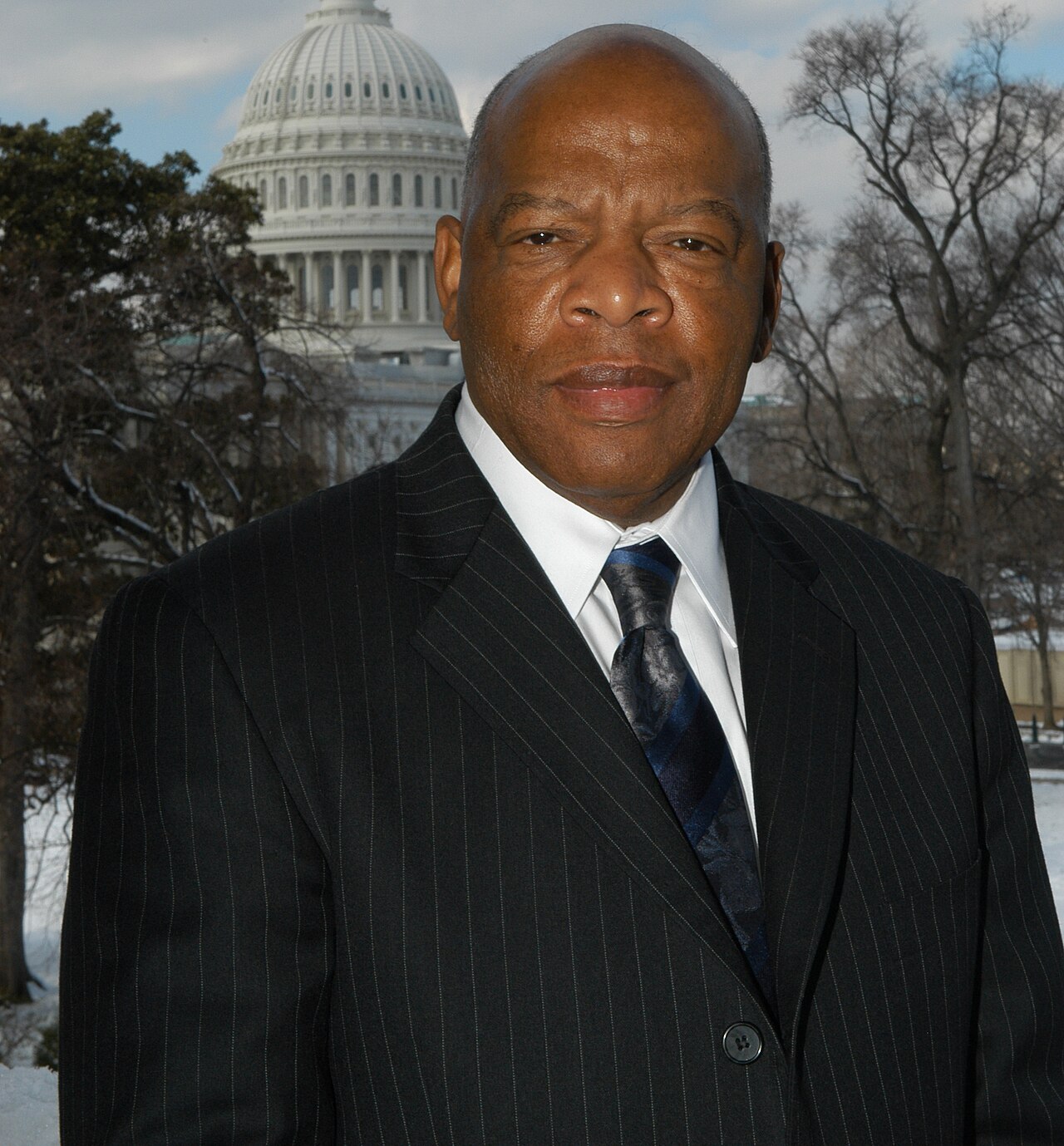 Photograph
Primary source
U.S. Congress · 13 February 2006
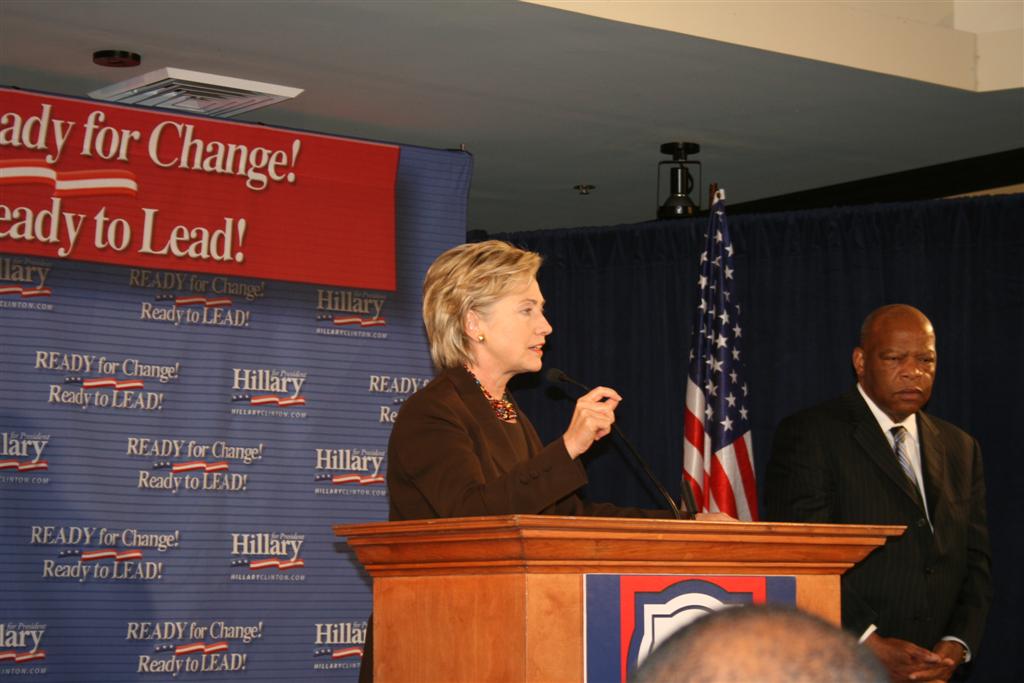 Photograph
Primary source
wfowlkes · 12 October 2007
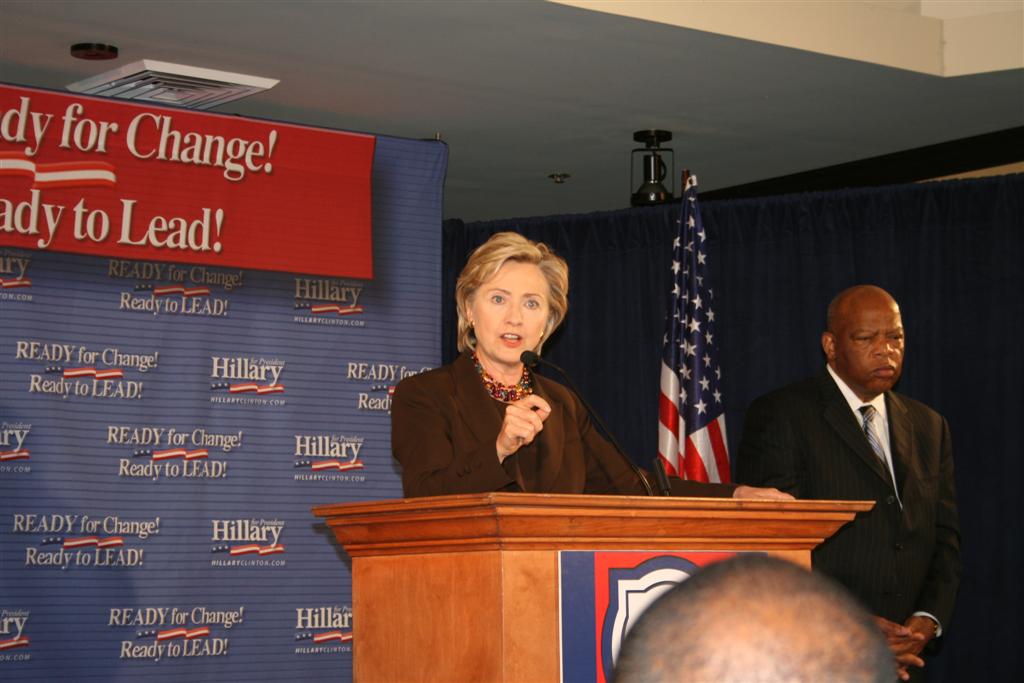 Photograph
Primary source
wfowlkes · 12 October 2007
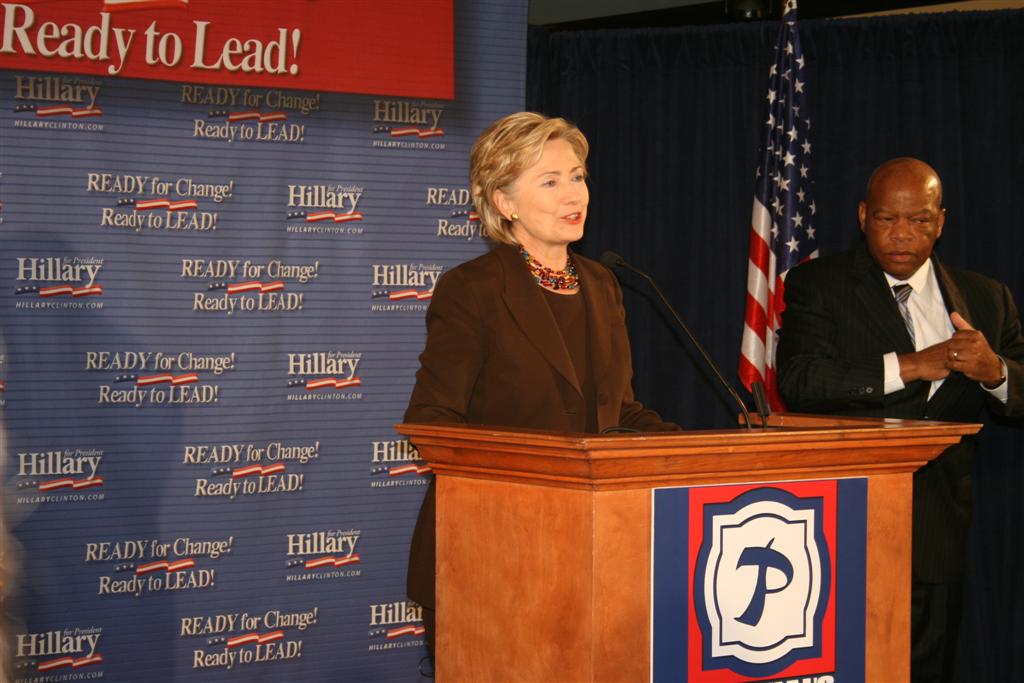 Photograph
Primary source
wfowlkes · 12 October 2007
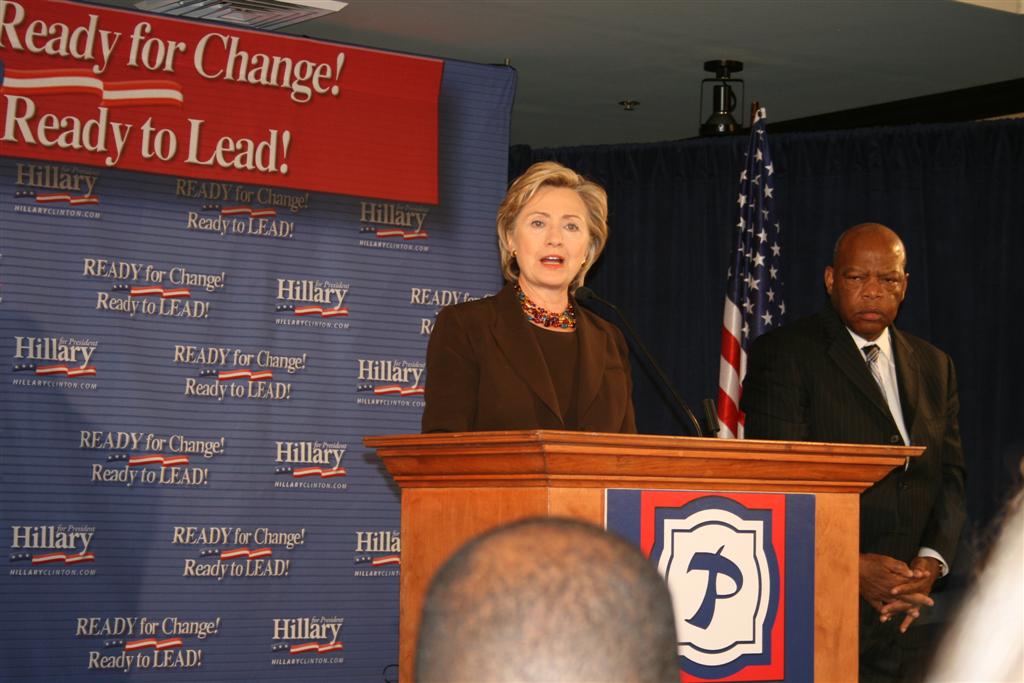 Photograph
Primary source
wfowlkes · 12 October 2007
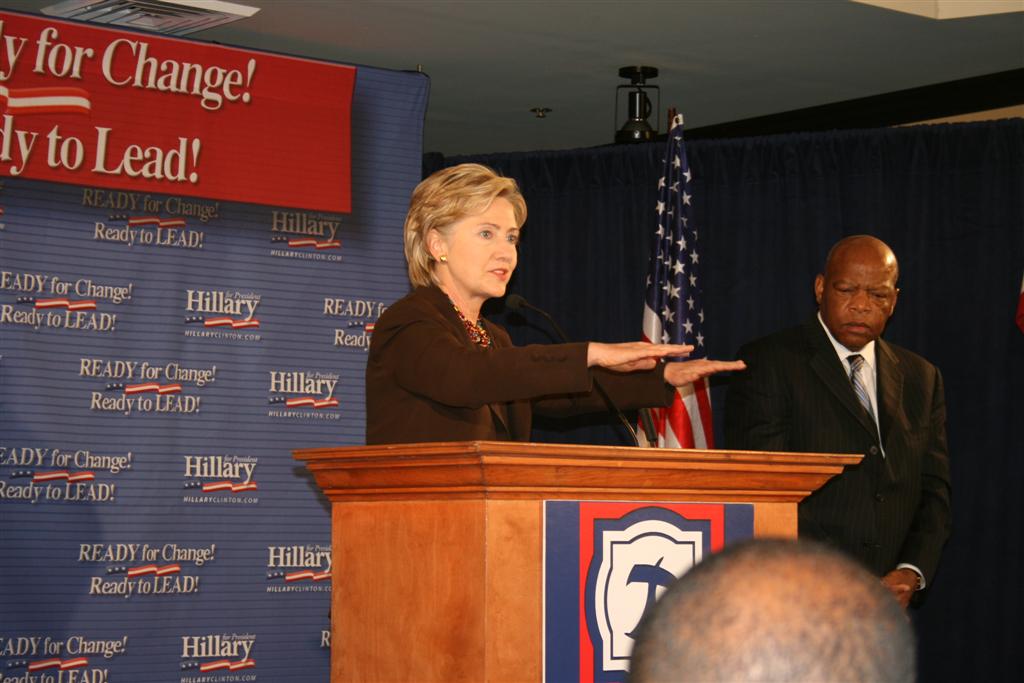 Photograph
Primary source
wfowlkes · 12 October 2007
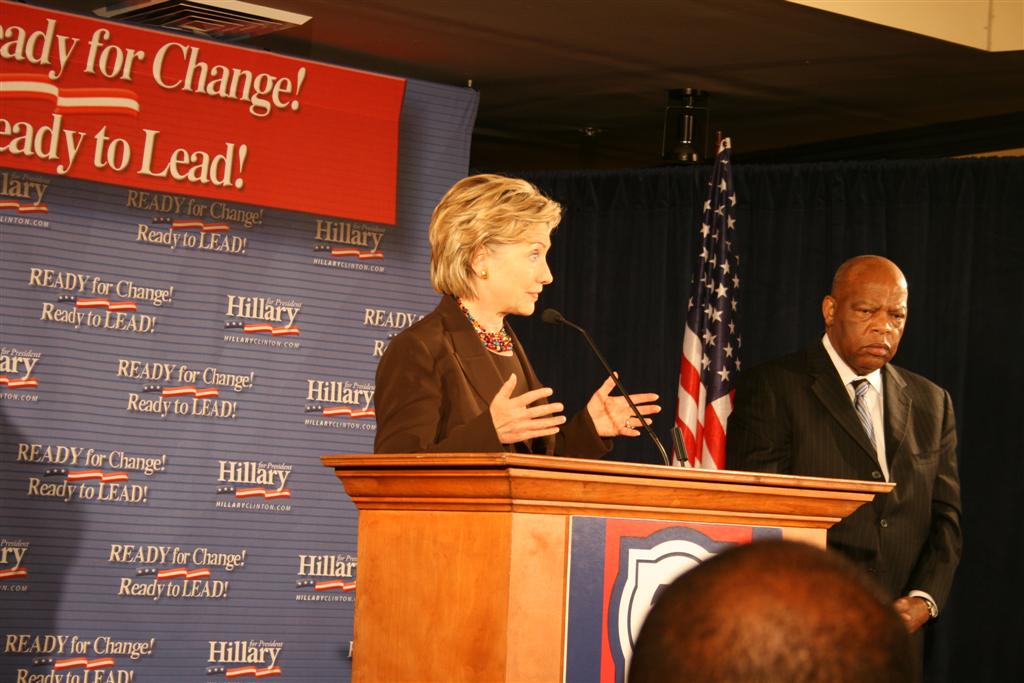 Photograph
Primary source
wfowlkes · 12 October 2007
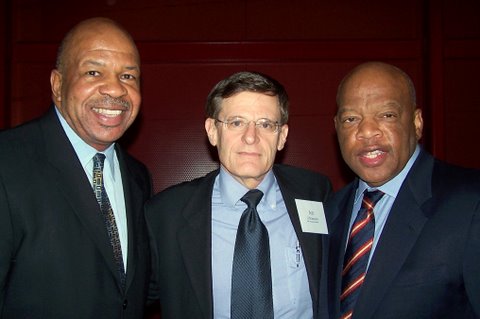 Photograph
Primary source
Office of Congressman Elijah Cummings · 5 March 2007
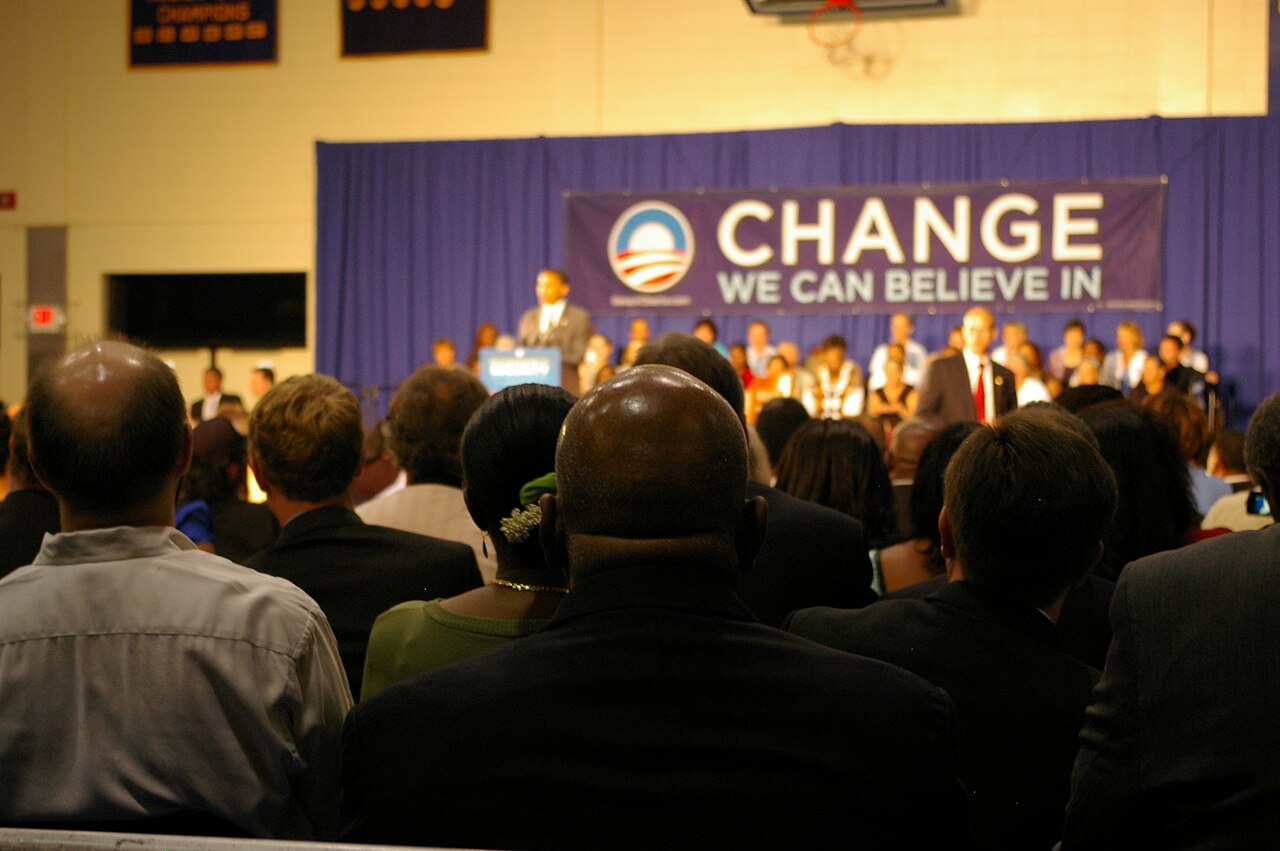 Photograph
Primary source
T toes from Decatur, USA · 8 July 2008
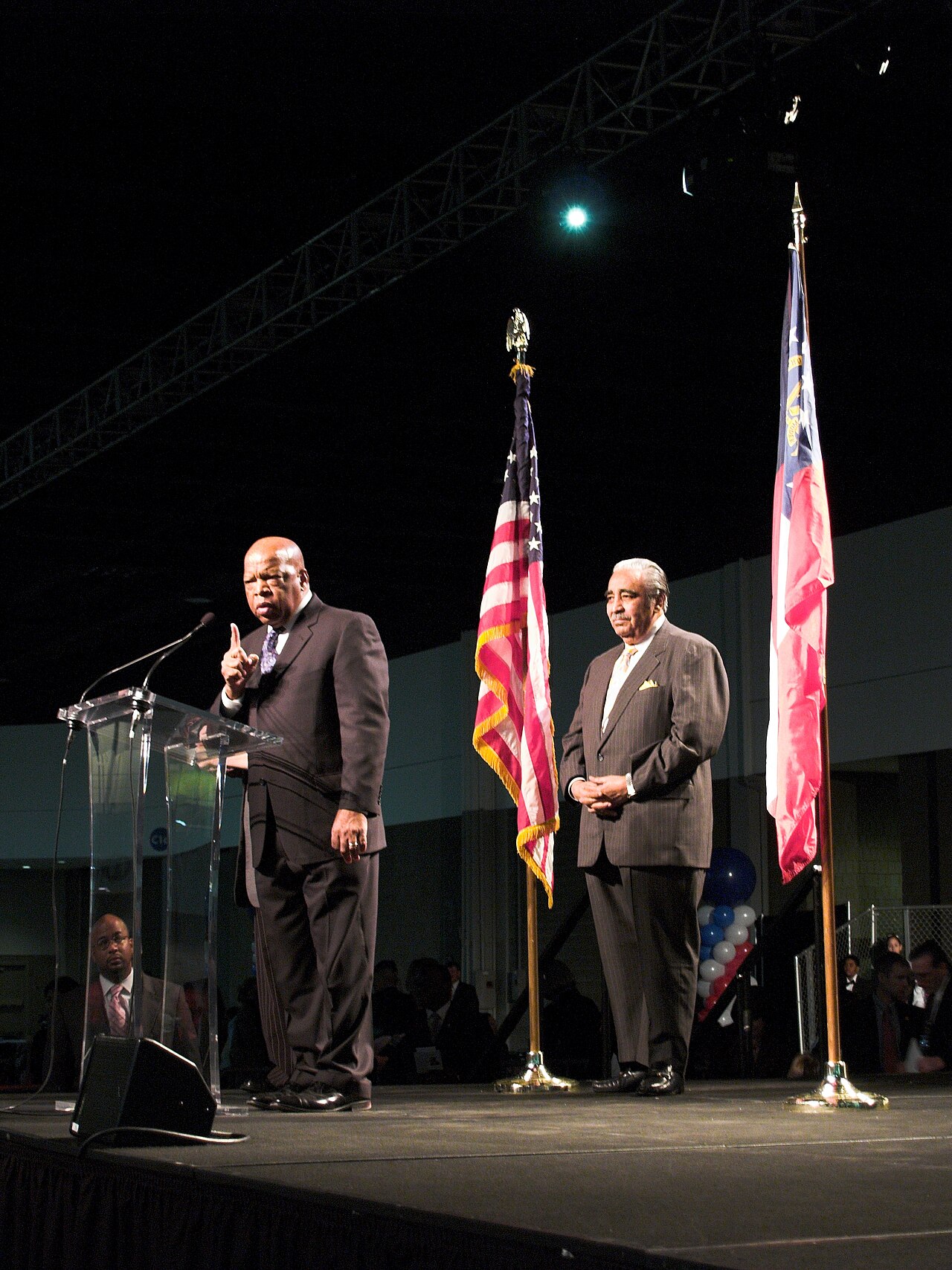 Photograph
Primary source
TimothyJ from Atlanta, USA · 30 January 2008
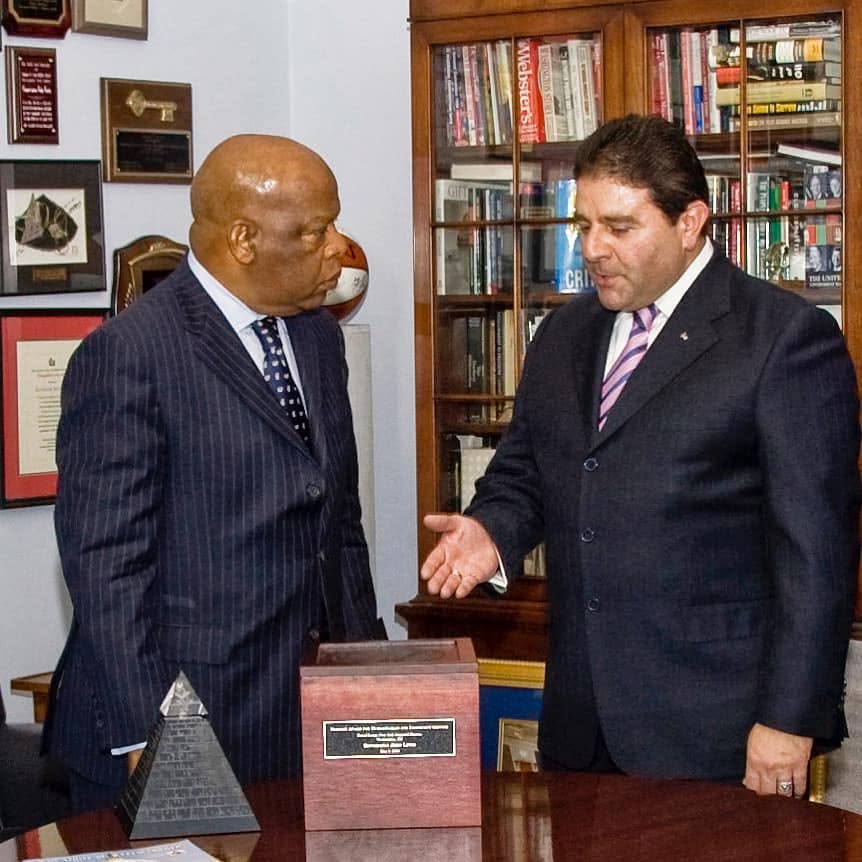 Photograph
Primary source
United States Congress · 2008
 Photograph
Primary source
Slowking4 · 23 September 2012
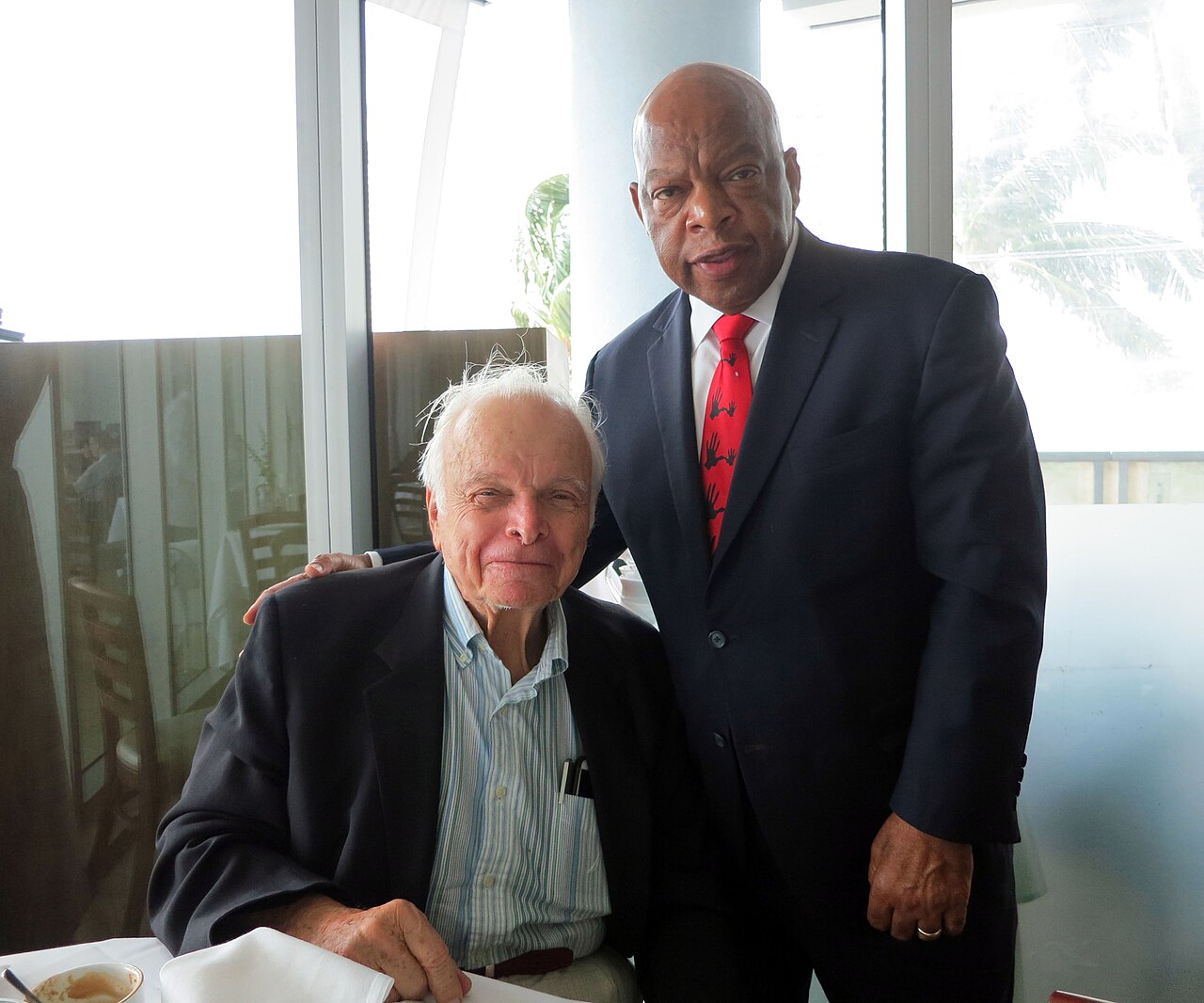 Photograph
Secondary source
22 November 2013
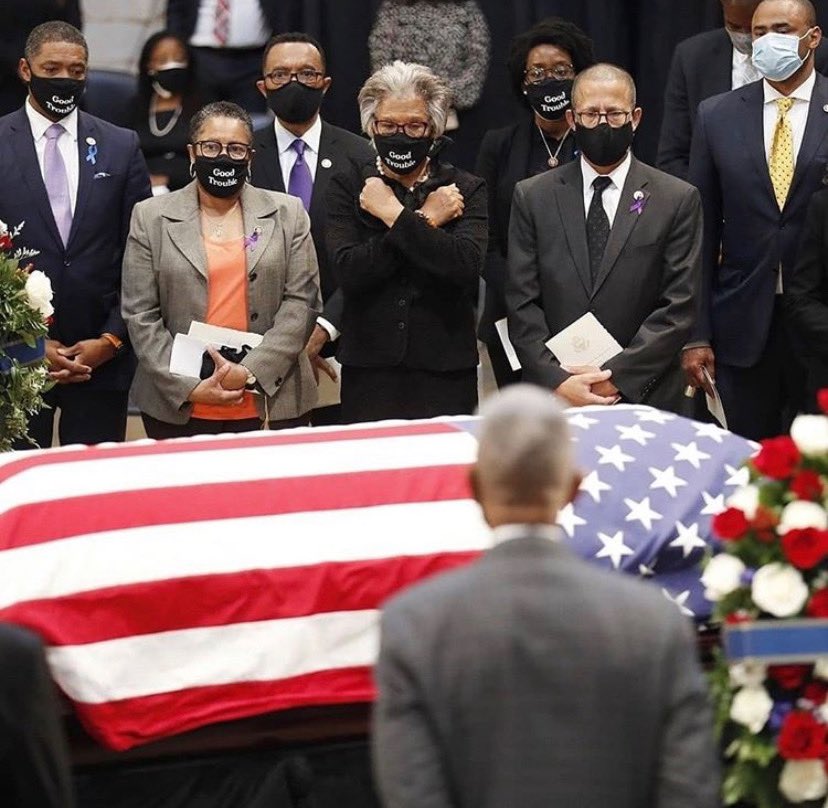 Photograph
Secondary source
Office of Joyce Beatty · 29 July 2020
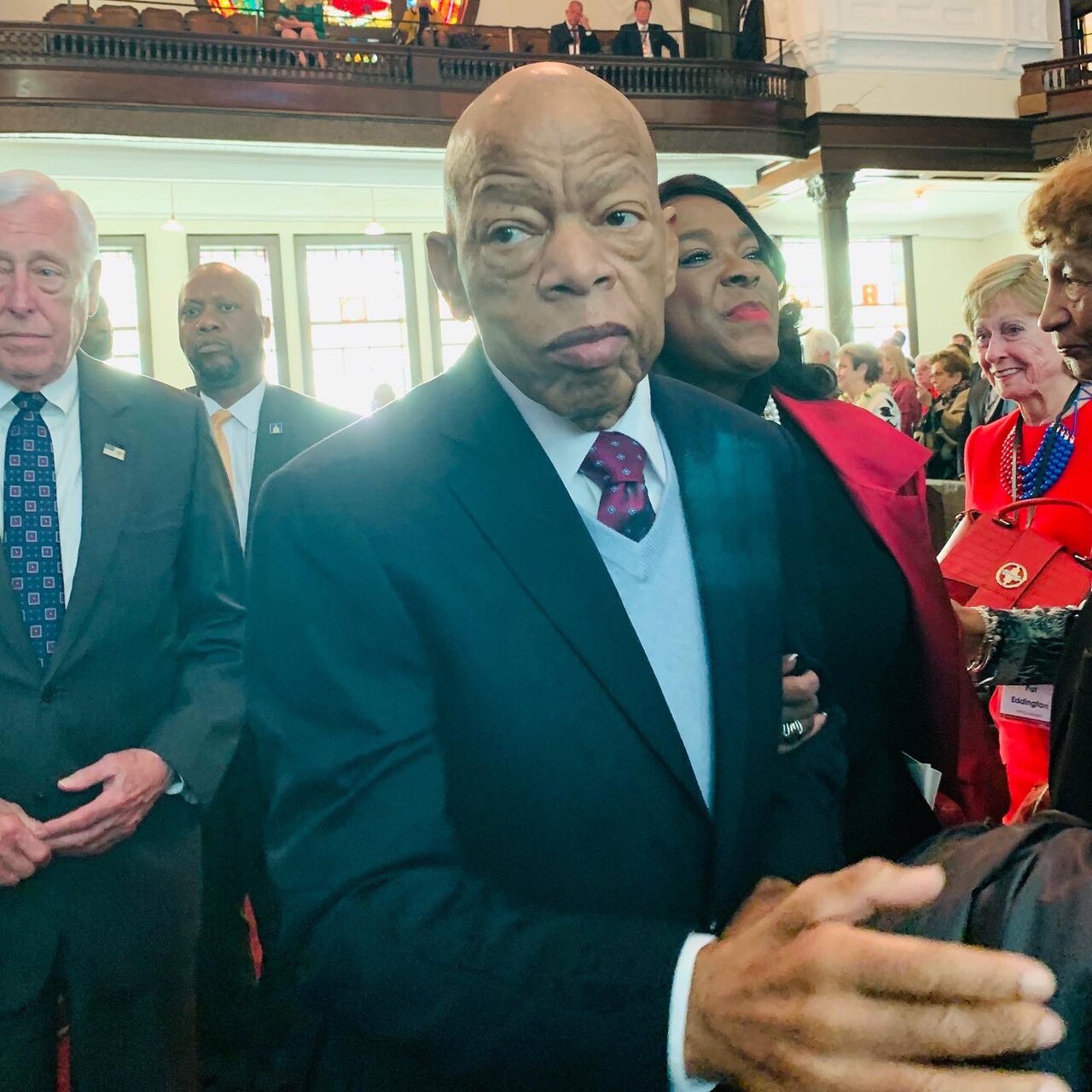 Photograph
Secondary source
United States Congress, Office of Terri Sewell · 8 March 2020
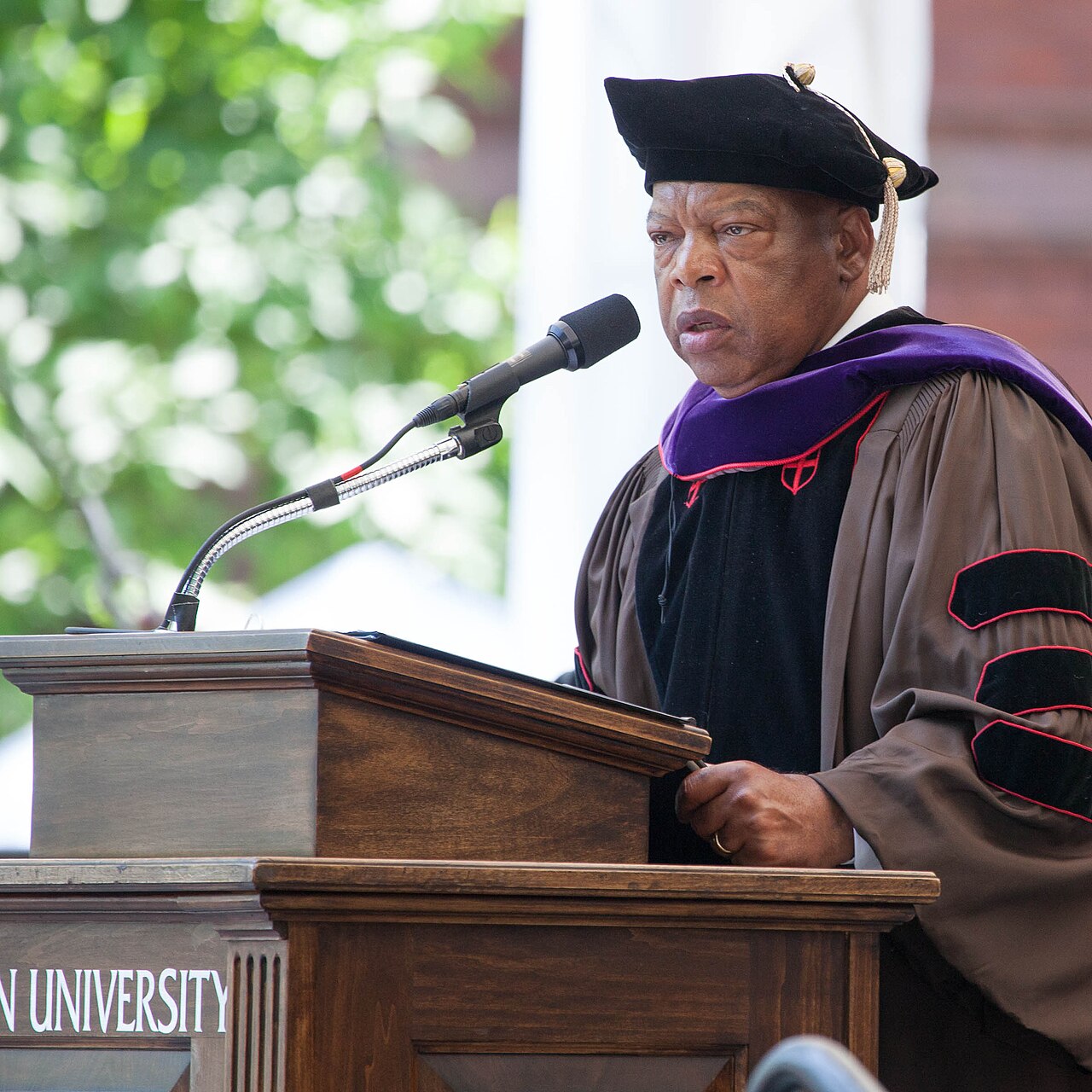 Photograph
Secondary source
Kenneth C. Zirkel · 27 May 2012
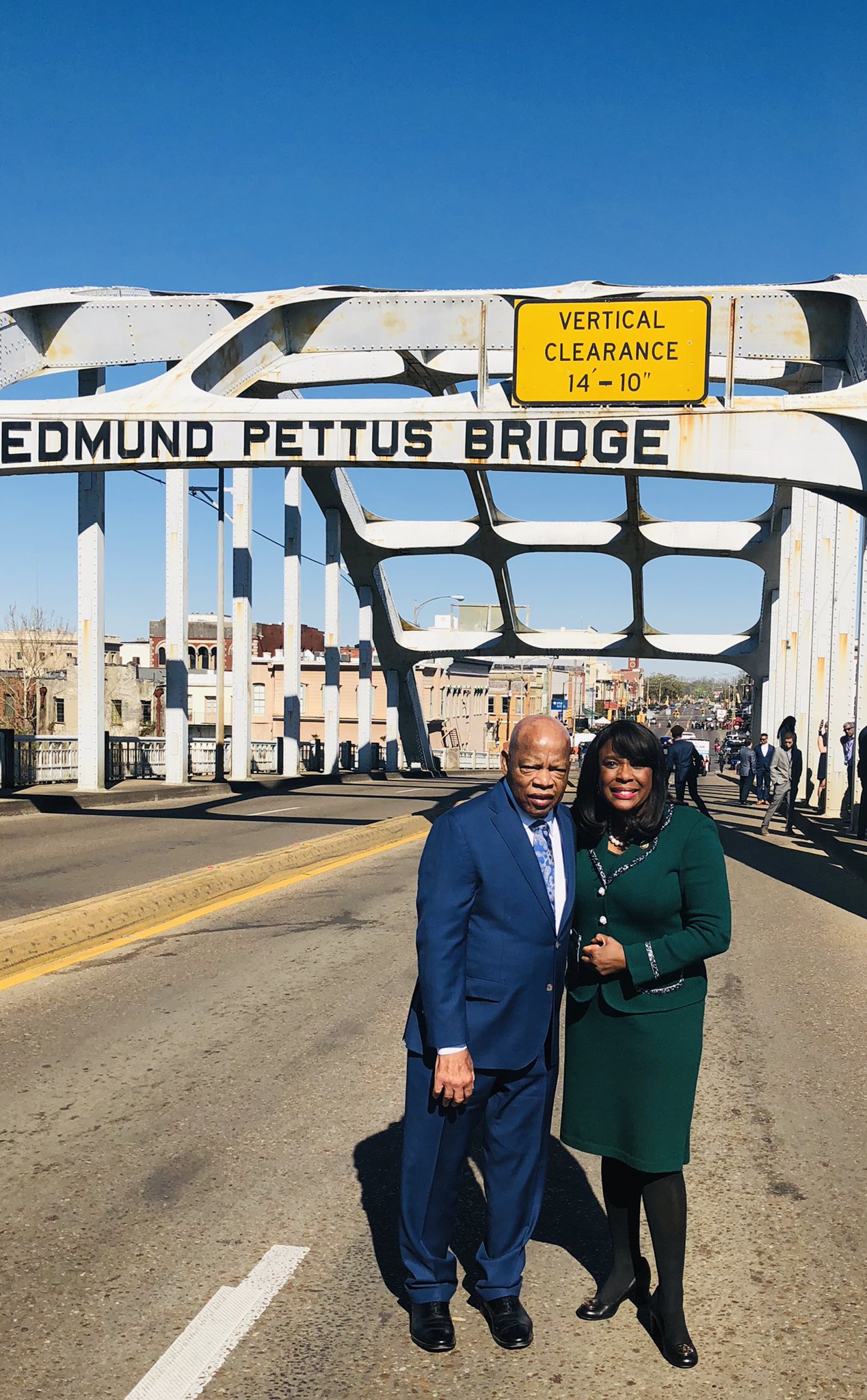 Photograph
Secondary source
Office of Terri Sewell
 Photograph
Secondary source
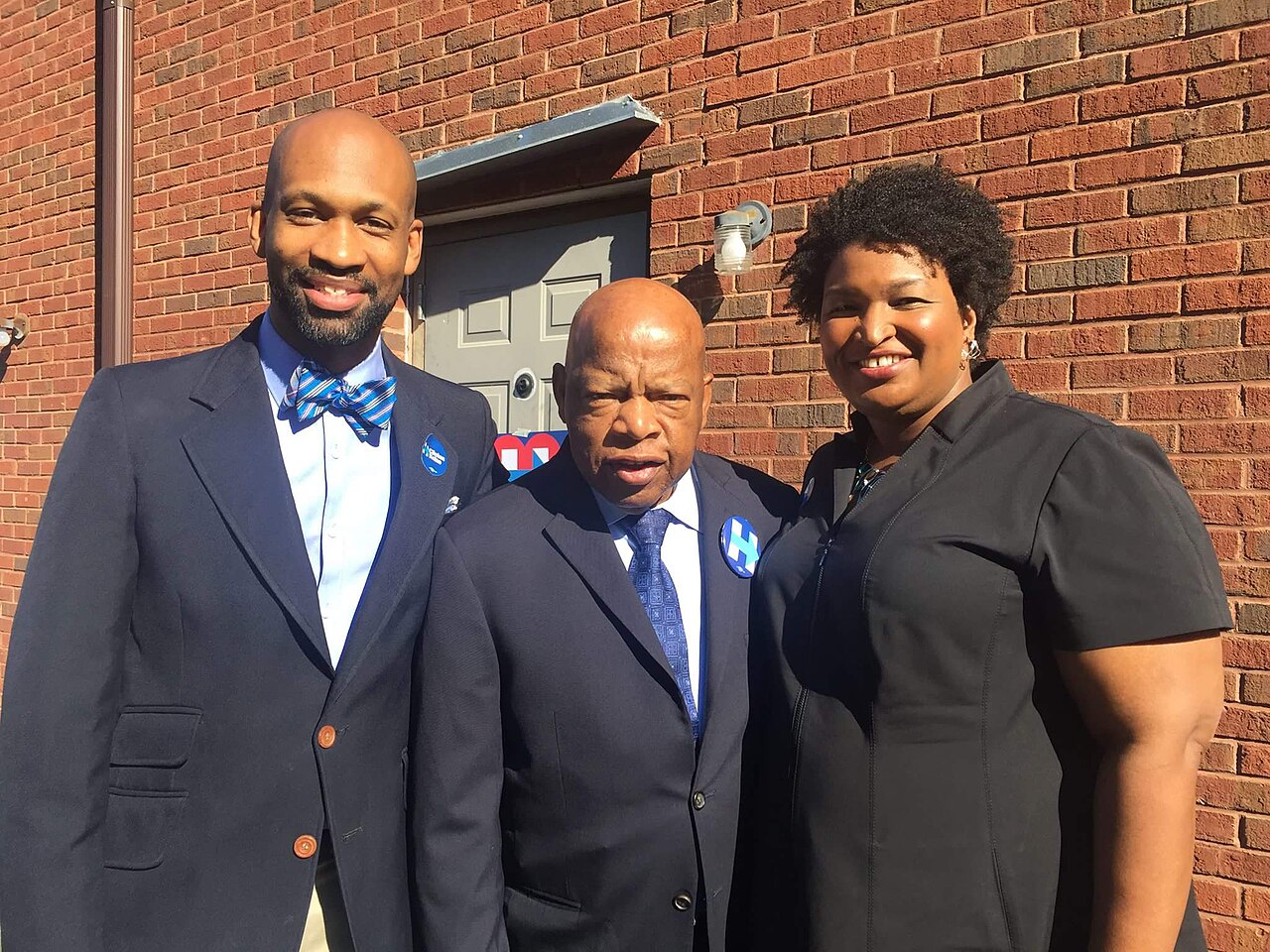 Photograph
Secondary source
Minaturabi1 · 8 September 2022
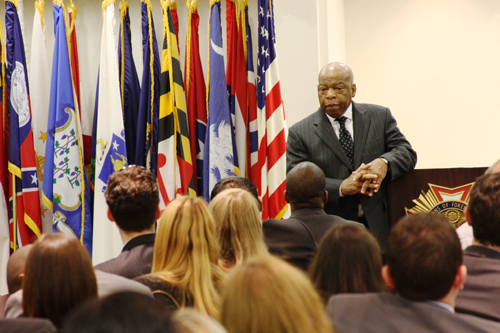 Photograph
Secondary source
Joshua Richards · 2009
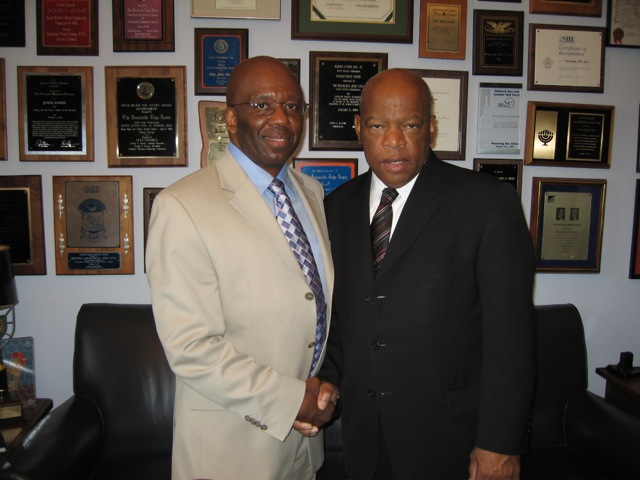 Photograph
Secondary source
Christi Earl
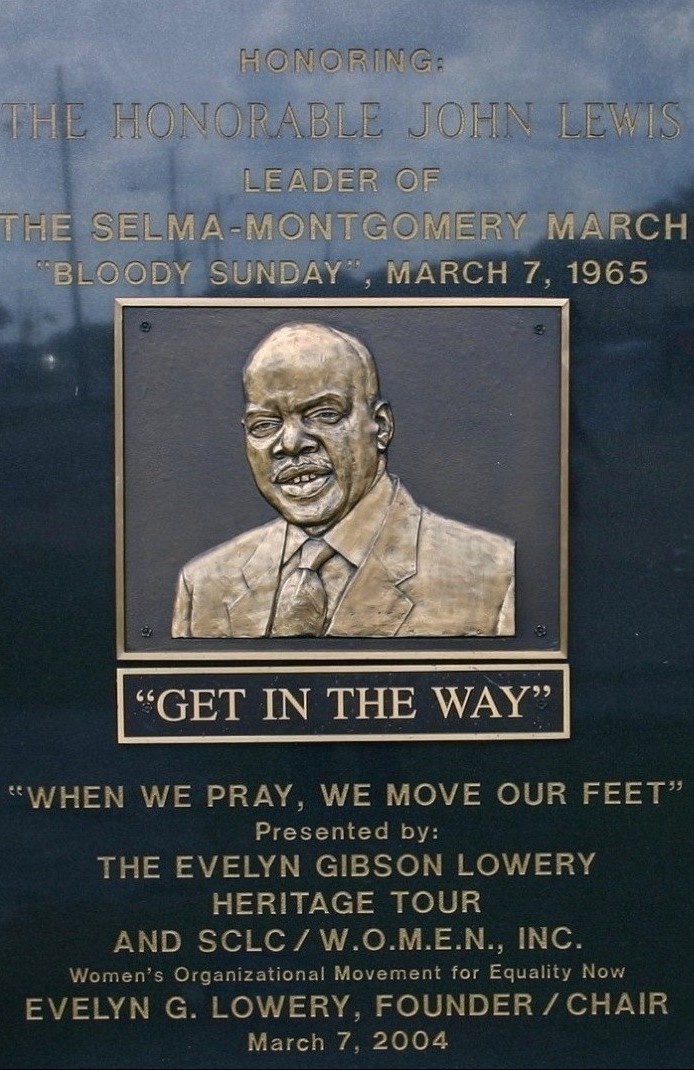 Sculpture
Secondary source
Roland Arhelger · 2016 (photographed 10 September 2016; plaque dated 7 March 2004)
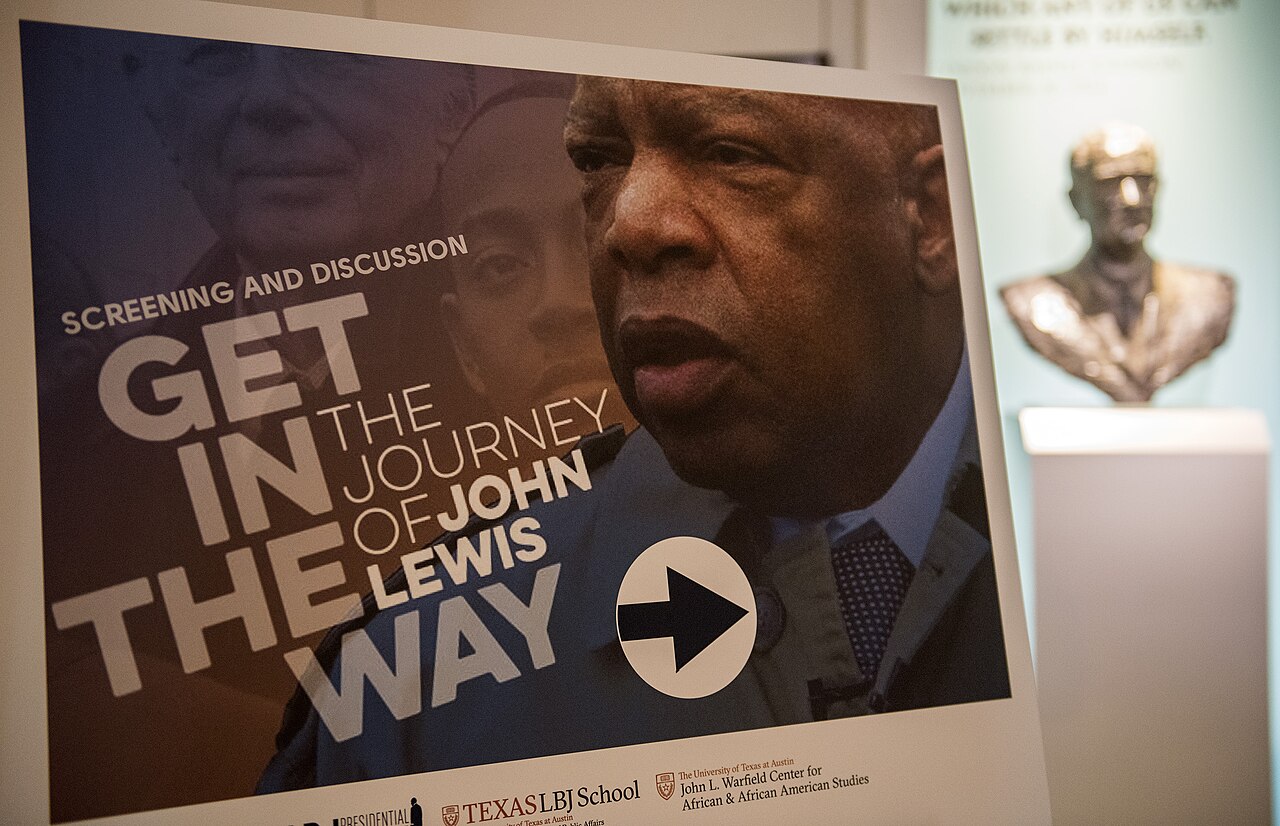 Photograph
Secondary source
Jay Godwin · 21 February 2017
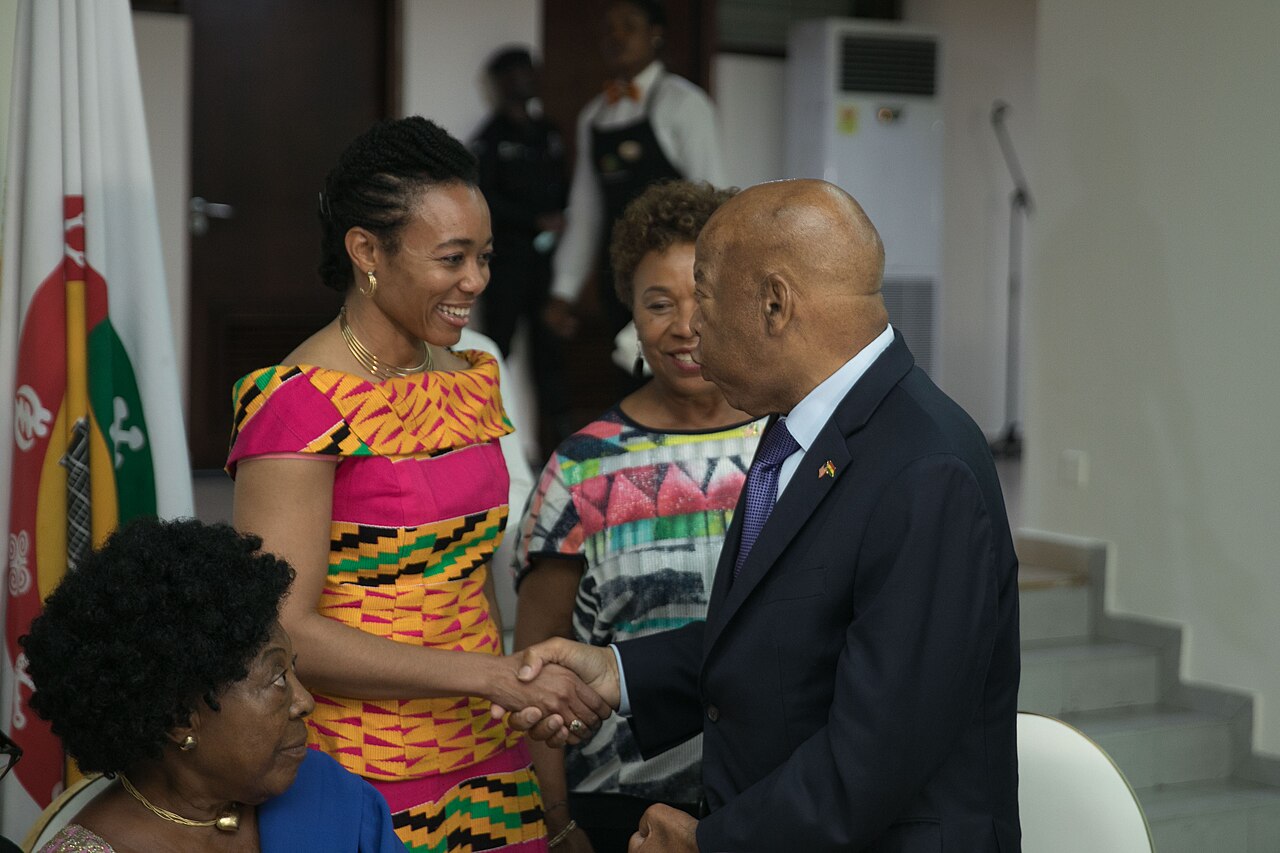 Photograph
Primary source
U.S. Embassy Ghana (photographers Archibald Sackey and Courage Ahiati) · 28 July 2019
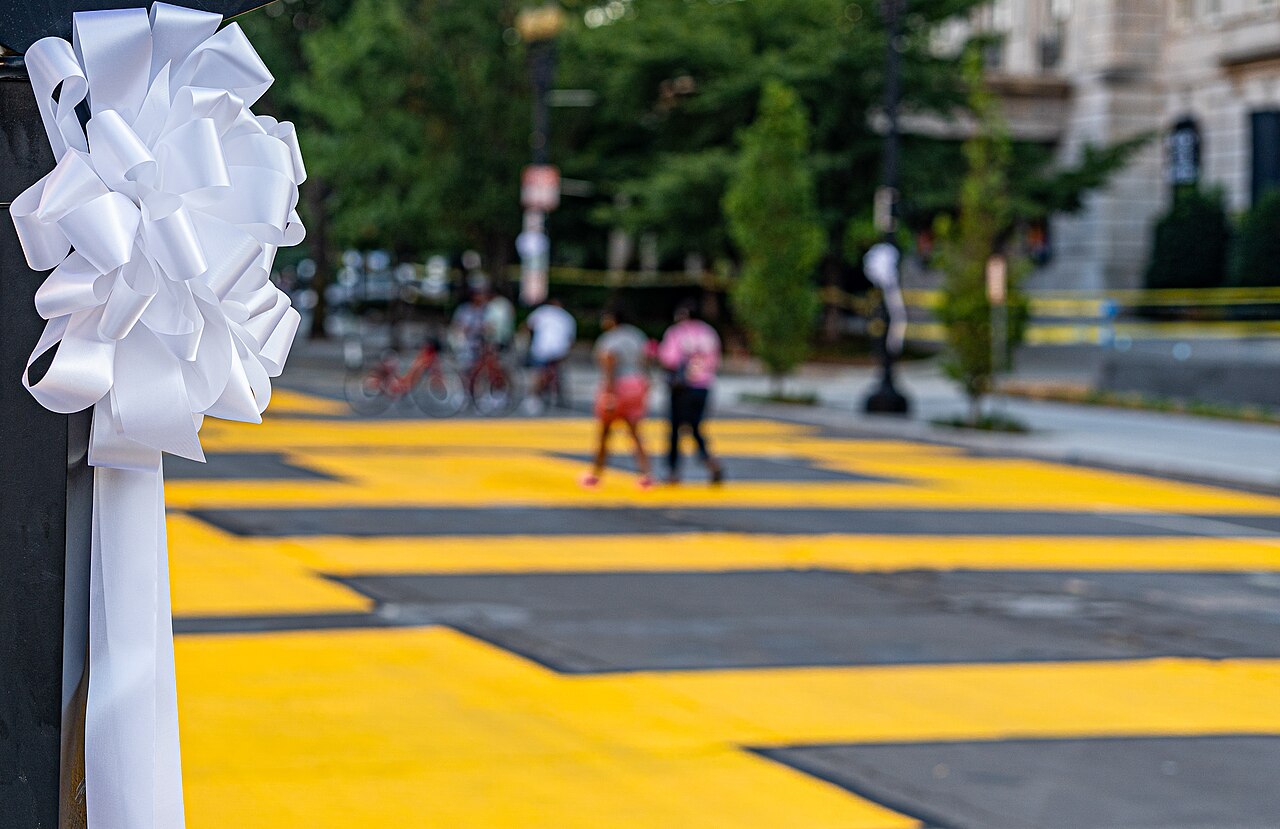 Photograph
Secondary source
Ted Eytan · 27 July 2020
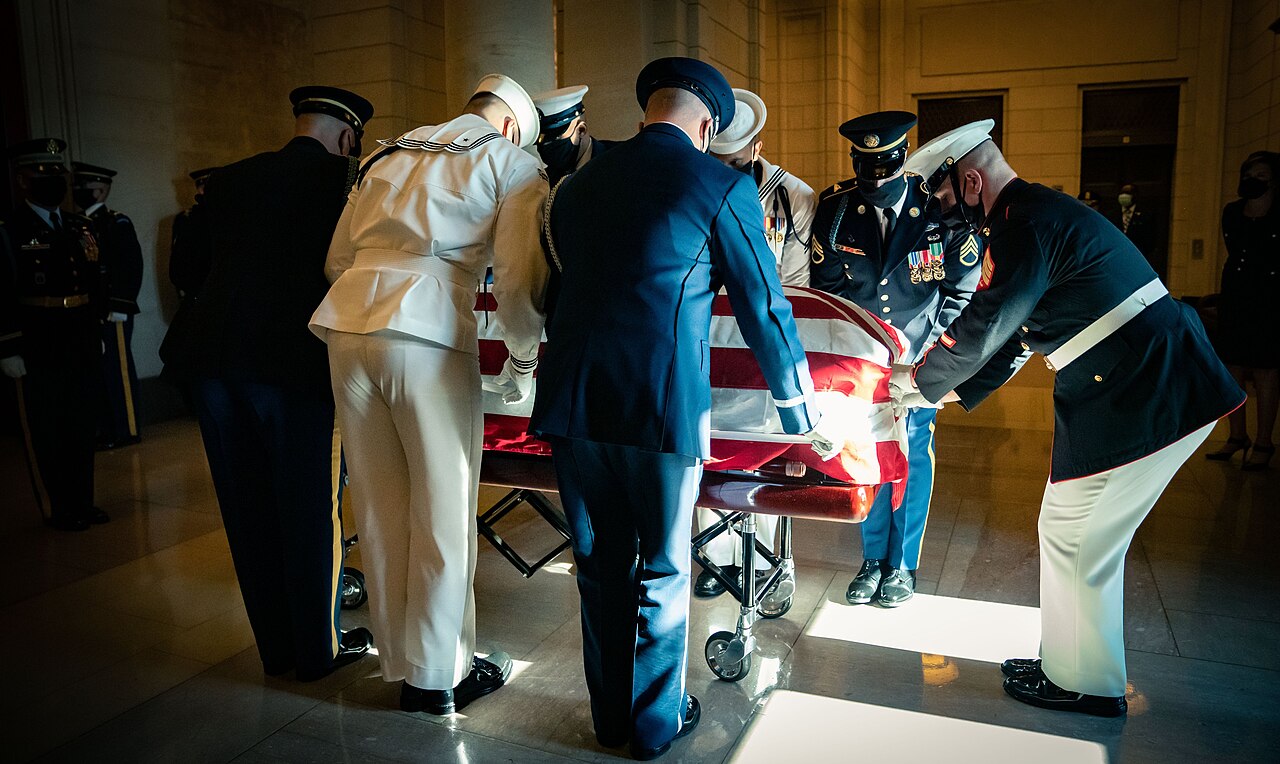 Photograph
Secondary source
Nancy Pelosi · 29 July 2020
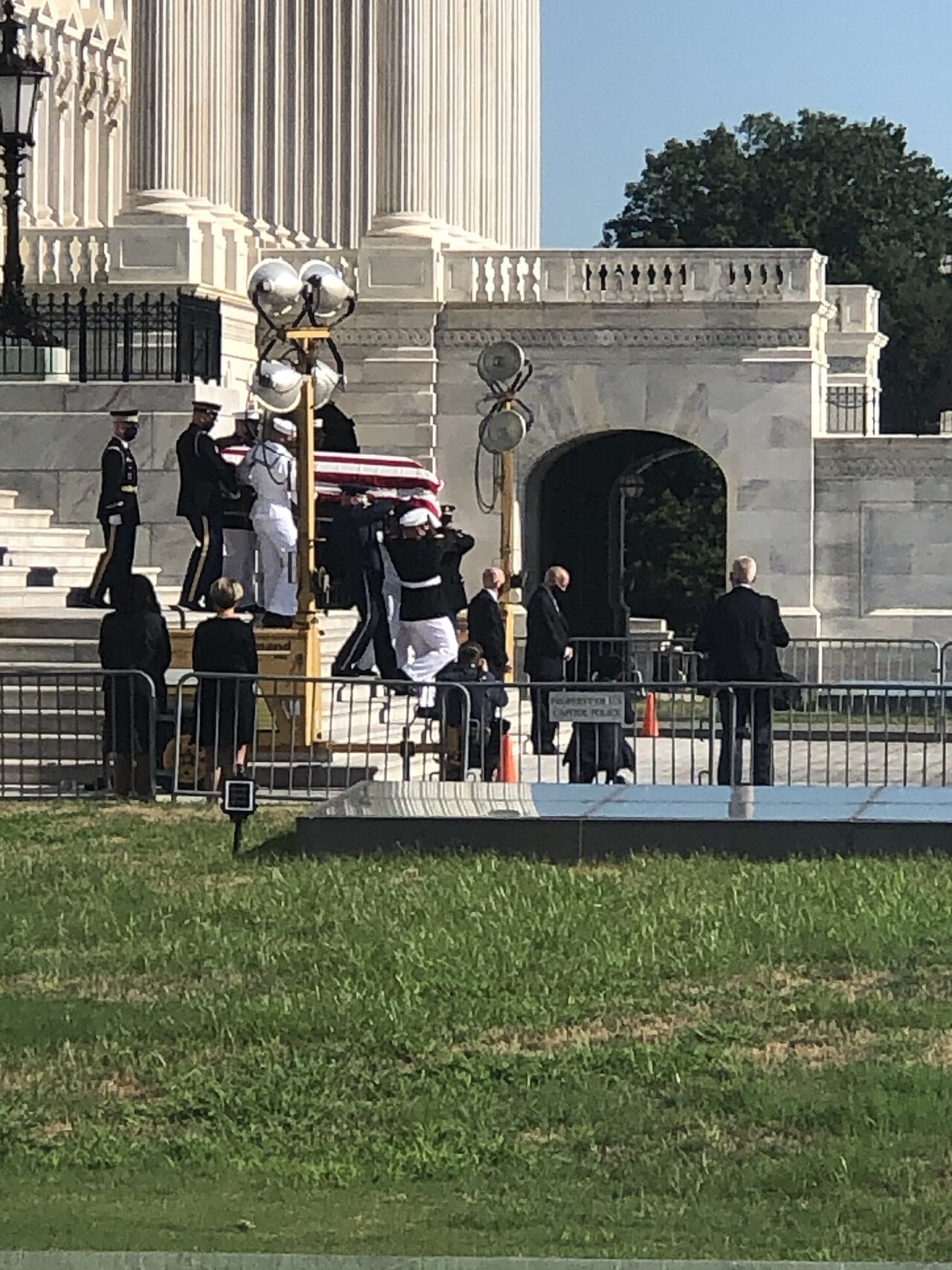 Photograph
Secondary source
Jackie Speier · 29 July 2020
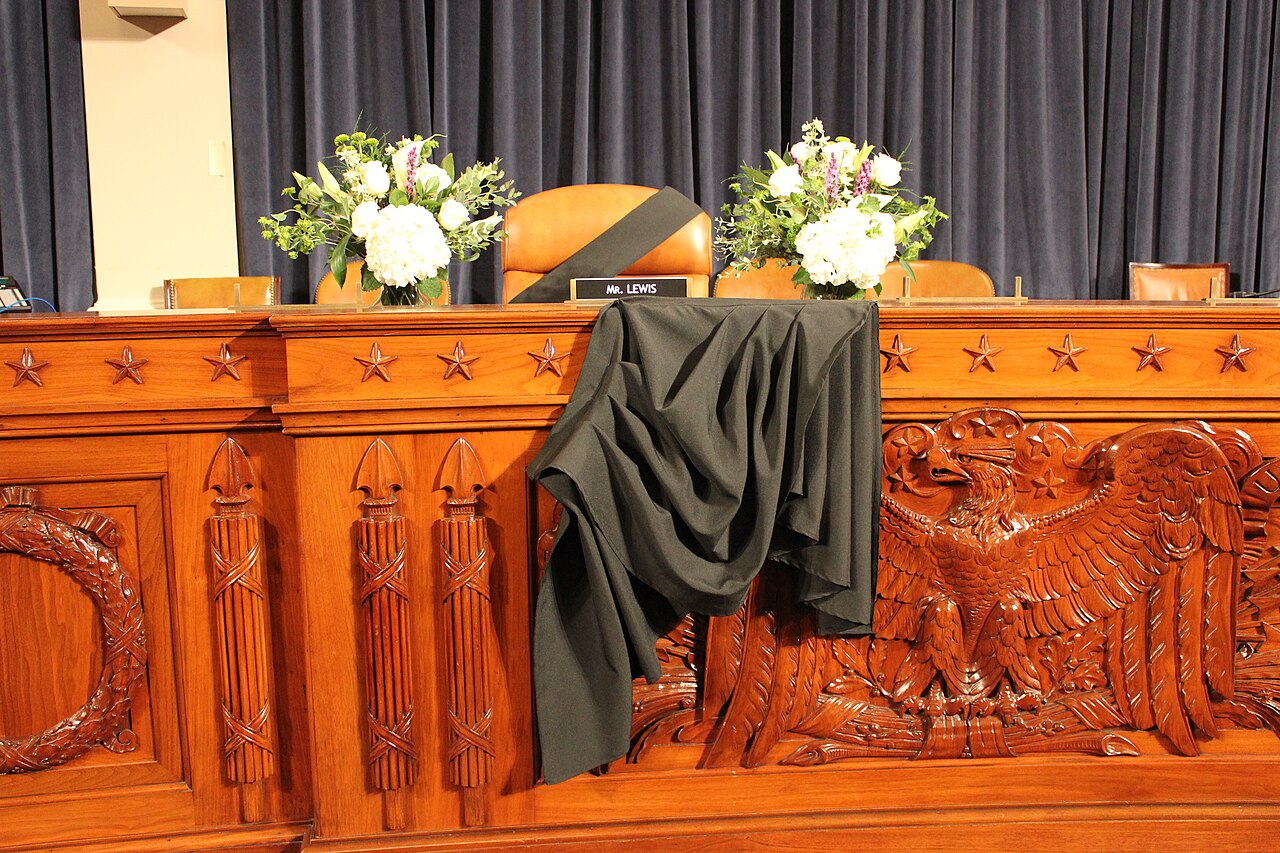 Photograph
Secondary source
Jimmy Panetta · 24 July 2020
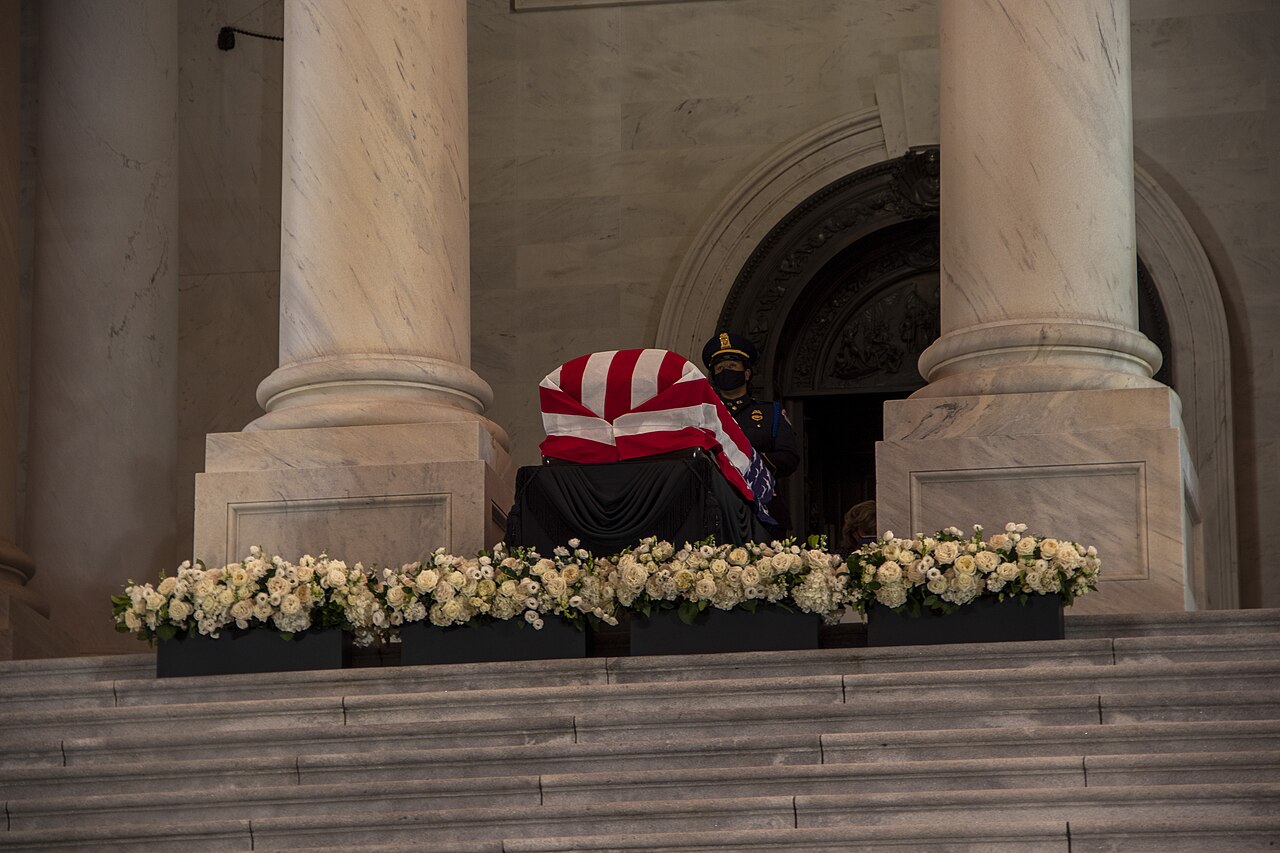 Photograph
Secondary source
Tom Engberg (National Park Service) · 28 July 2020
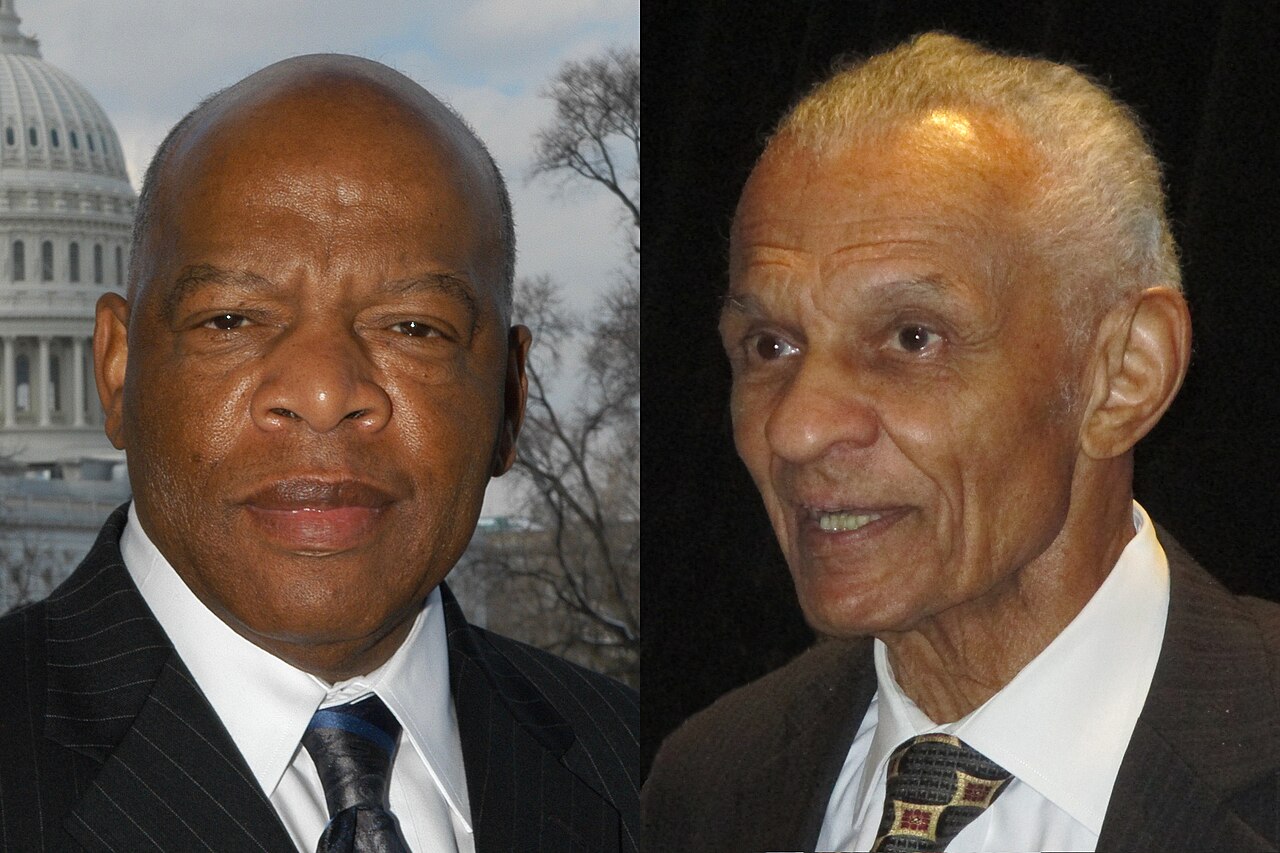 Photograph
Secondary source
18 July 2020
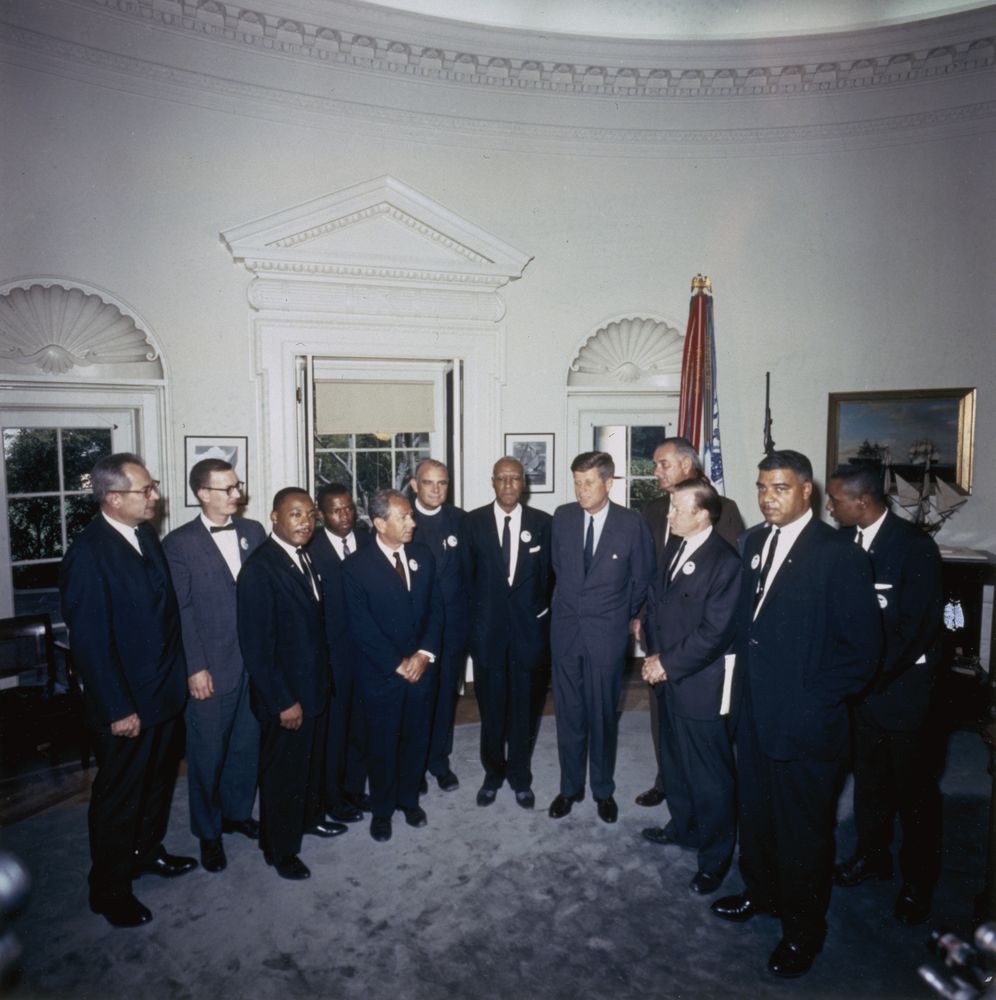
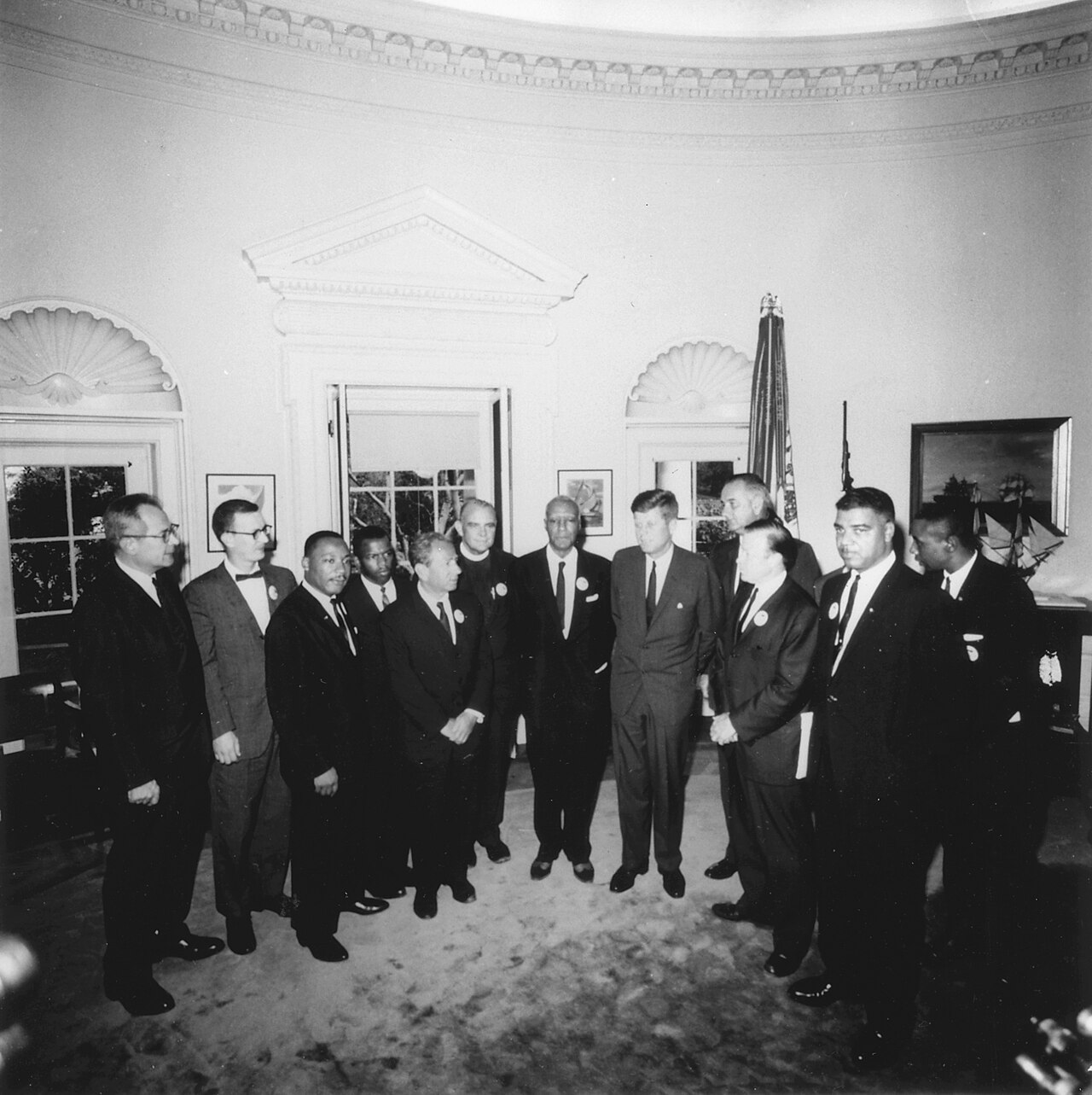 Photograph
Primary source
White House photographer · 28 August 1963
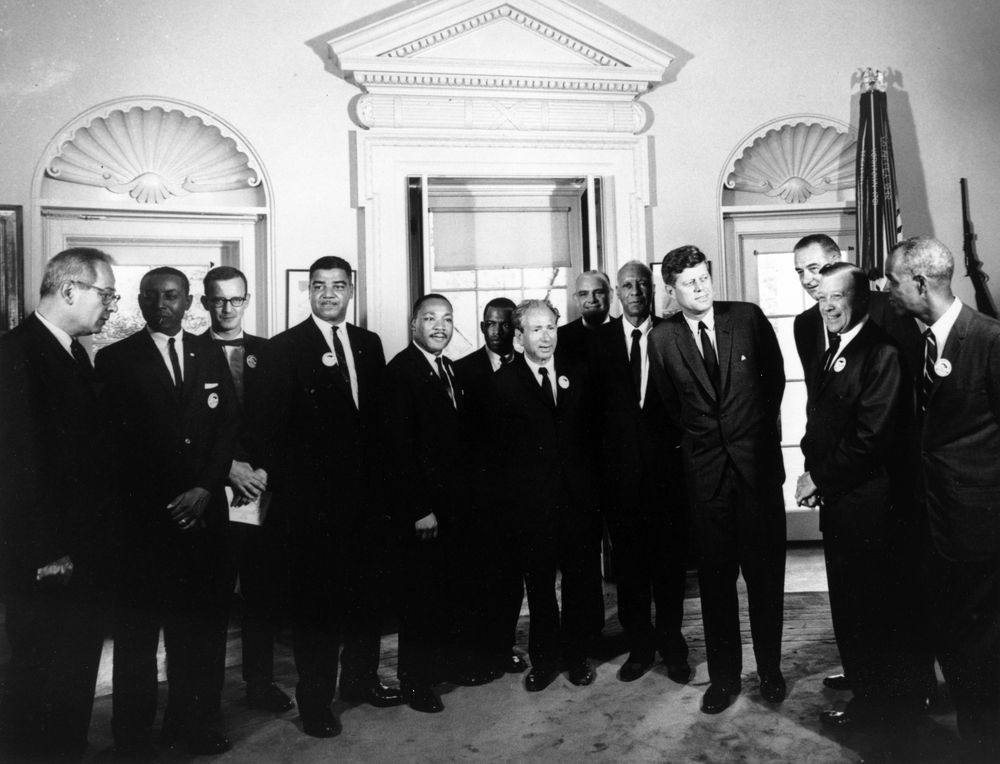
 Photograph
Primary source
Cecil Stoughton · 28 August 1963
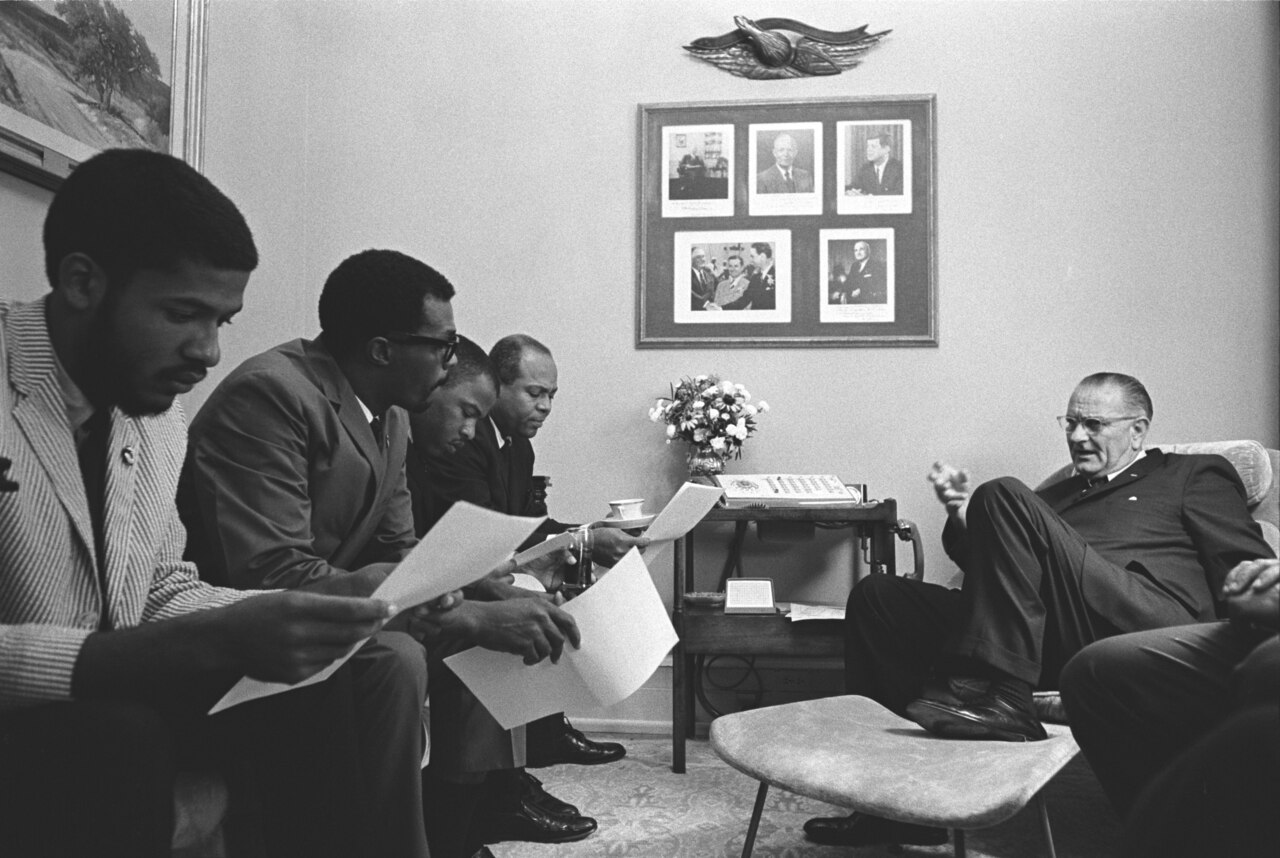
 Photograph
Primary source
Abbie Rowe · 28 August 1963
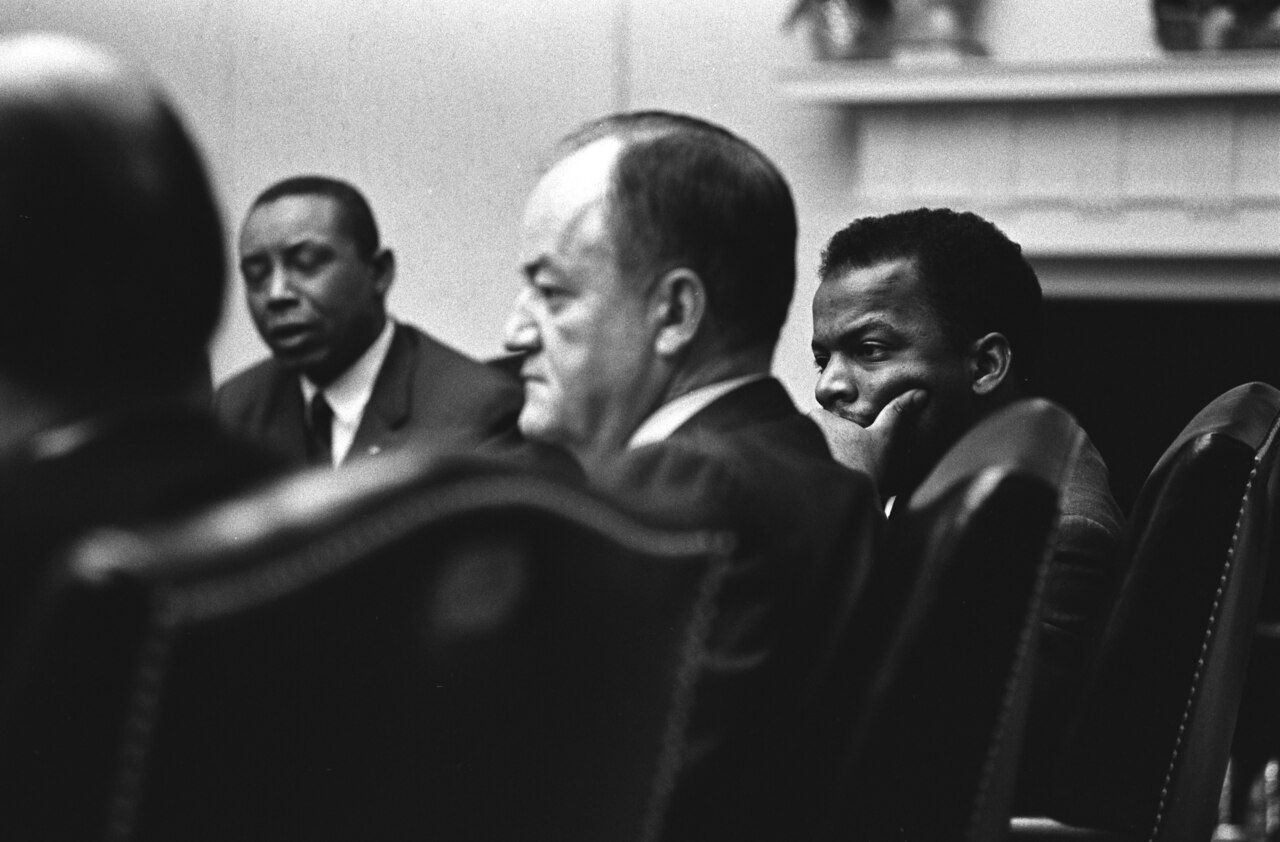
 Photograph
Primary source
Yoichi Okamoto · 6 August 1965
 Photograph
Primary source
Yoichi Okamoto · 18 March 1966
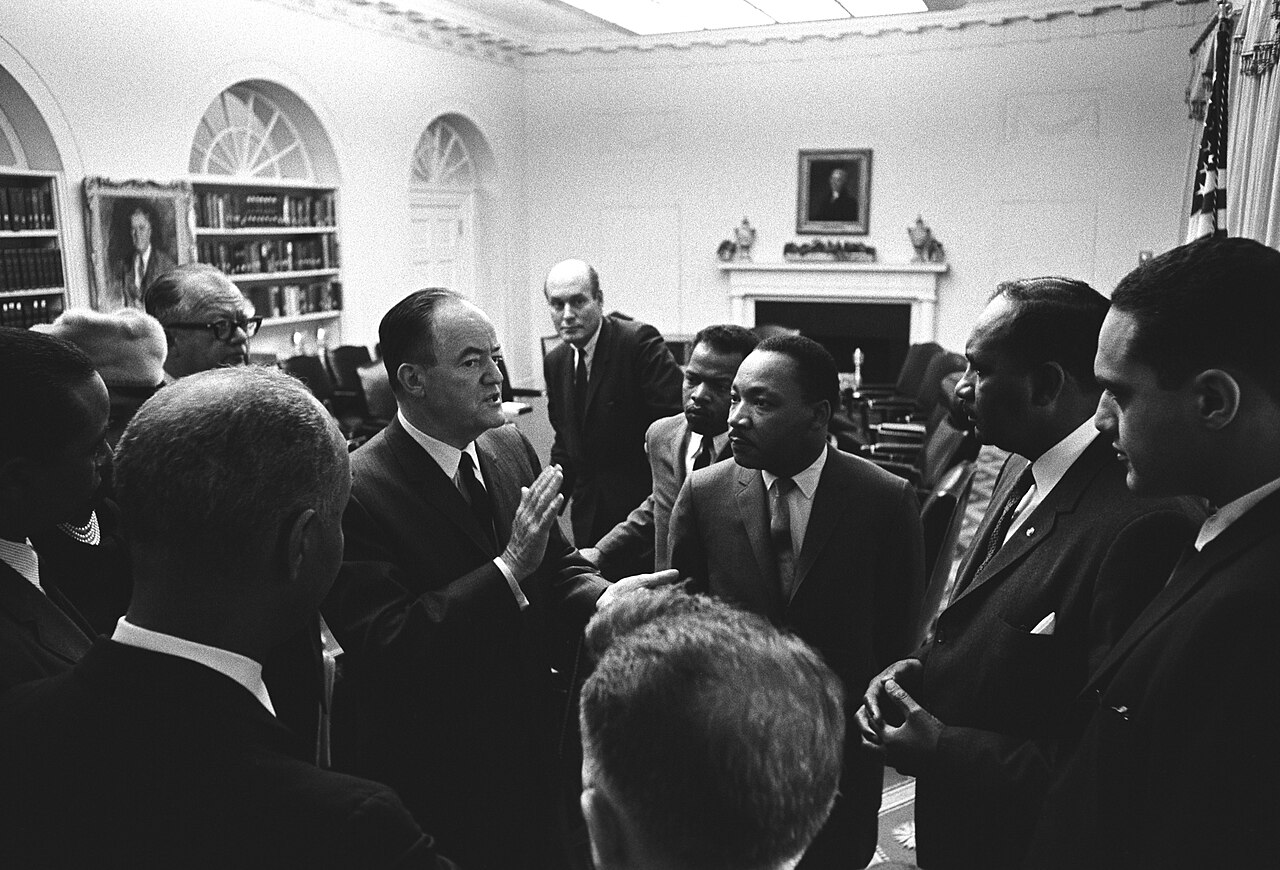 Photograph
Primary source
Yoichi Okamoto · 18 March 1966
 Photograph
Primary source
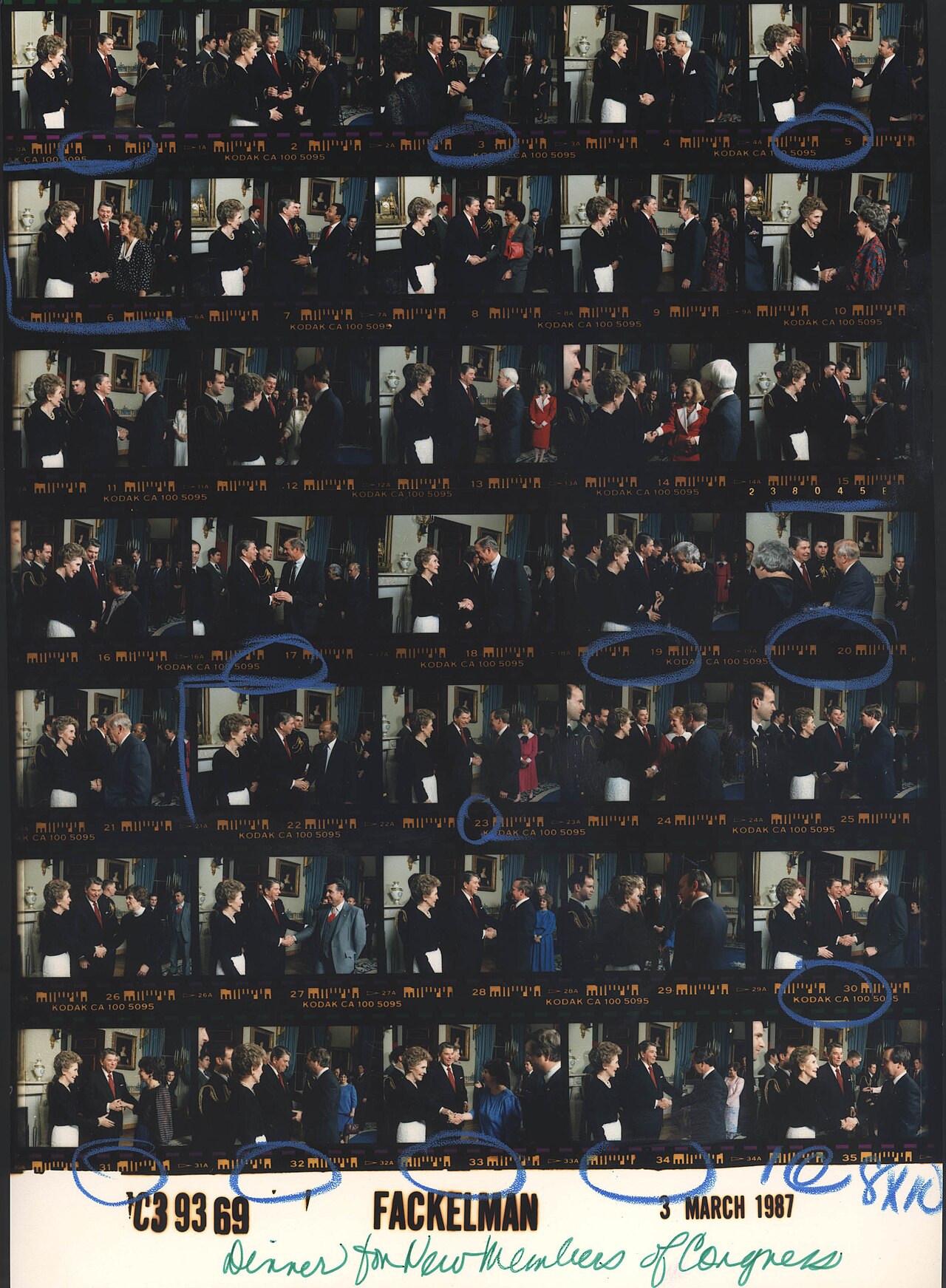
Mary Anne Fackelman · 3 March 1987
Want the full shelf? Chat with John Lewis in the app and open the Sources panel — every quote links back to the original.
1 assignment · 1 collection
A ready-made assignment and collection from the Humy team and other teachers that feature John Lewis. Preview any of them, then try it free.
Paying customers



























Dr. Michael Calvert
Assistant Superintendent, South Allegheny School District, Pennsylvania
Been using Humy in his district since 2024
“We enjoyed the program last year and used it frequently.”

Jacob Chisom
World and American History, Monticello High School, Arkansas
Been using Humy in his classroom since 2024
“My students say it’s a welcome change of pace. I’m not a fan of the “sage on the stage” model, so I try to incorporate research-oriented and self-paced activities. With Humy, students have to take charge of their learning. They’ve become more adept at critical thinking, forming better questions, and improving their reading comprehension. The interview feature has been my go-to tool. I create assignments where students must ask historical figures a set number of questions, then summarize the responses to ensure they’re truly absorbing the material. This approach lets them actively explore the past rather than passively consuming information.”
Roger Campbell
7th-grade World History, Lancaster County, Pennsylvania
Been using Humy in his classroom since 2024
“Humy has helped me bring historical figures, sometimes long past, to life. When my students interact with these figures in real-time, it eliminates some of the perceived “ancient” characteristics of my curriculum. This has shifted my students’ thinking away from viewing history as abstract or irrelevant. Real-time interactions make historical figures relatable, even allowing students to ask off-topic questions that help put historical lives in a more relevant context for 13-year-olds. The feature I use the most is the interview feature. After teaching a topic, most recently Gandhi and Joan of Arc, I have the students ask pointed, focused questions. We practice good conversation techniques beforehand, teaching them to listen (or read) carefully and formulate thoughtful follow-up questions rather than just interrogating. It helps students practice effective conversation skills.”
Dr. Michael Calvert
Assistant Superintendent, South Allegheny School District, Pennsylvania
Been using Humy in his district since 2024
“We enjoyed the program last year and used it frequently.”
Jacob Chisom
World and American History, Monticello High School, Arkansas
Been using Humy in his classroom since 2024
“My students say it’s a welcome change of pace. I’m not a fan of the “sage on the stage” model, so I try to incorporate research-oriented and self-paced activities. With Humy, students have to take charge of their learning. They’ve become more adept at critical thinking, forming better questions, and improving their reading comprehension. The interview feature has been my go-to tool. I create assignments where students must ask historical figures a set number of questions, then summarize the responses to ensure they’re truly absorbing the material. This approach lets them actively explore the past rather than passively consuming information.”
Roger Campbell
7th-grade World History, Lancaster County, Pennsylvania
Been using Humy in his classroom since 2024
“Humy has helped me bring historical figures, sometimes long past, to life. When my students interact with these figures in real-time, it eliminates some of the perceived “ancient” characteristics of my curriculum. This has shifted my students’ thinking away from viewing history as abstract or irrelevant. Real-time interactions make historical figures relatable, even allowing students to ask off-topic questions that help put historical lives in a more relevant context for 13-year-olds. The feature I use the most is the interview feature. After teaching a topic, most recently Gandhi and Joan of Arc, I have the students ask pointed, focused questions. We practice good conversation techniques beforehand, teaching them to listen (or read) carefully and formulate thoughtful follow-up questions rather than just interrogating. It helps students practice effective conversation skills.”
FAQ
Like any LLM, the AI version of John Lewis can get details wrong. Open one of these sources in a new tab to verify what you’ve read.

Civil rights leader and minister.

Groundbreaking politician and activist, first African American woman in Congress and the first woman to seek the Democratic Party's presidential nomination.

South African anti-apartheid and LGBT rights activist.

First African American Supreme Court Justice and a prominent civil rights lawyer.

Landmark legislation in the United States that aimed to overcome legal barriers preventing African Americans from exercising their right to vote.

Civil rights activist and organizer of the 1963 March on Washington.
Ready when you are
20 messages free · No credit card · Available in 50+ languages.