


Primary sourceArtifact1940
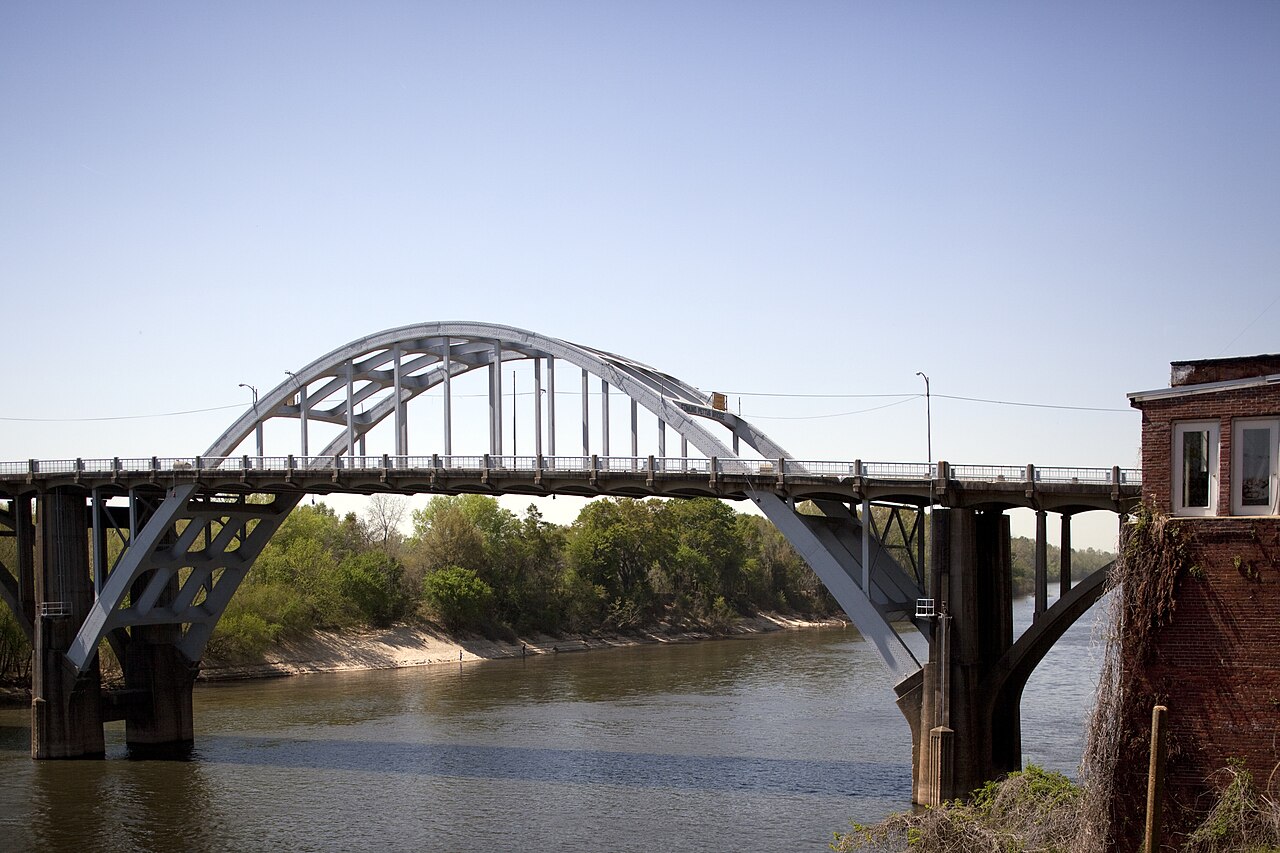
Edmund Pettus Bridge
Henson Stephenson · 1940
The Selma bridge where John Lewis was beaten by police on Bloody Sunday in 1965, and which carried his body a final time in 2020.
The site of Bloody Sunday, where Lewis was beaten, and which his body crossed a final time in 2020.
About this source
What it is
This steel and concrete bridge, built in 1940 and designed by Selma native Henson Stephenson, carries a highway across the Alabama River in Selma, Alabama. It is named after Edmund Pettus, a Confederate general and Ku Klux Klan leader. It was declared a National Historic Landmark in 2013.
Why it matters
On March 7, 1965, John Lewis and other peaceful marchers crossing this bridge toward Montgomery were attacked by state troopers with clubs and tear gas in an event known as Bloody Sunday. Lewis suffered a fractured skull. The violence, broadcast nationally, helped push Congress toward the Voting Rights Act. The bridge's name itself has become a point of controversy, with calls to rename it after Lewis, which he opposed in his lifetime.
Look closer
- Why would marchers not have seen the police until they reached the top of the bridge?
- What does it mean that a bridge honoring a Klan leader became the site of a civil rights victory?
- Why might Lewis have opposed renaming the bridge after himself?
This artifact is part of the curated material that grounds the AI version of John Lewis on Humy.ai — when students ask about related events, the AI can quote it and cite it.
More John Lewis sources
Meet the AI John Lewis →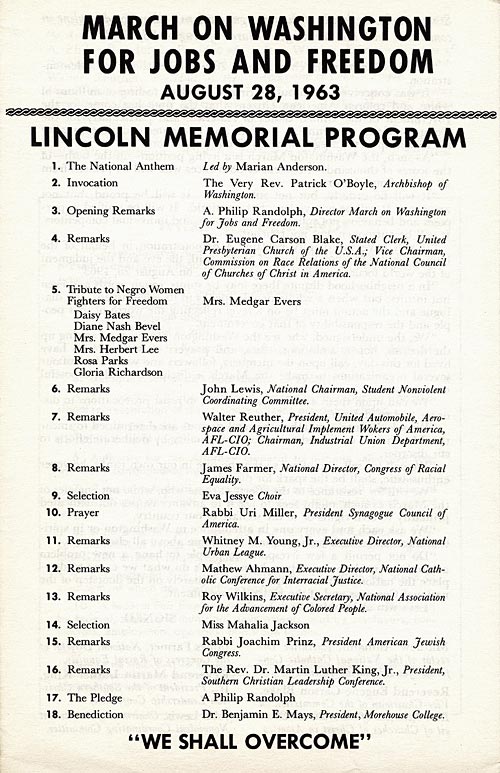 Document
Primary source
Official Program for the March on Washington
28 August 1963
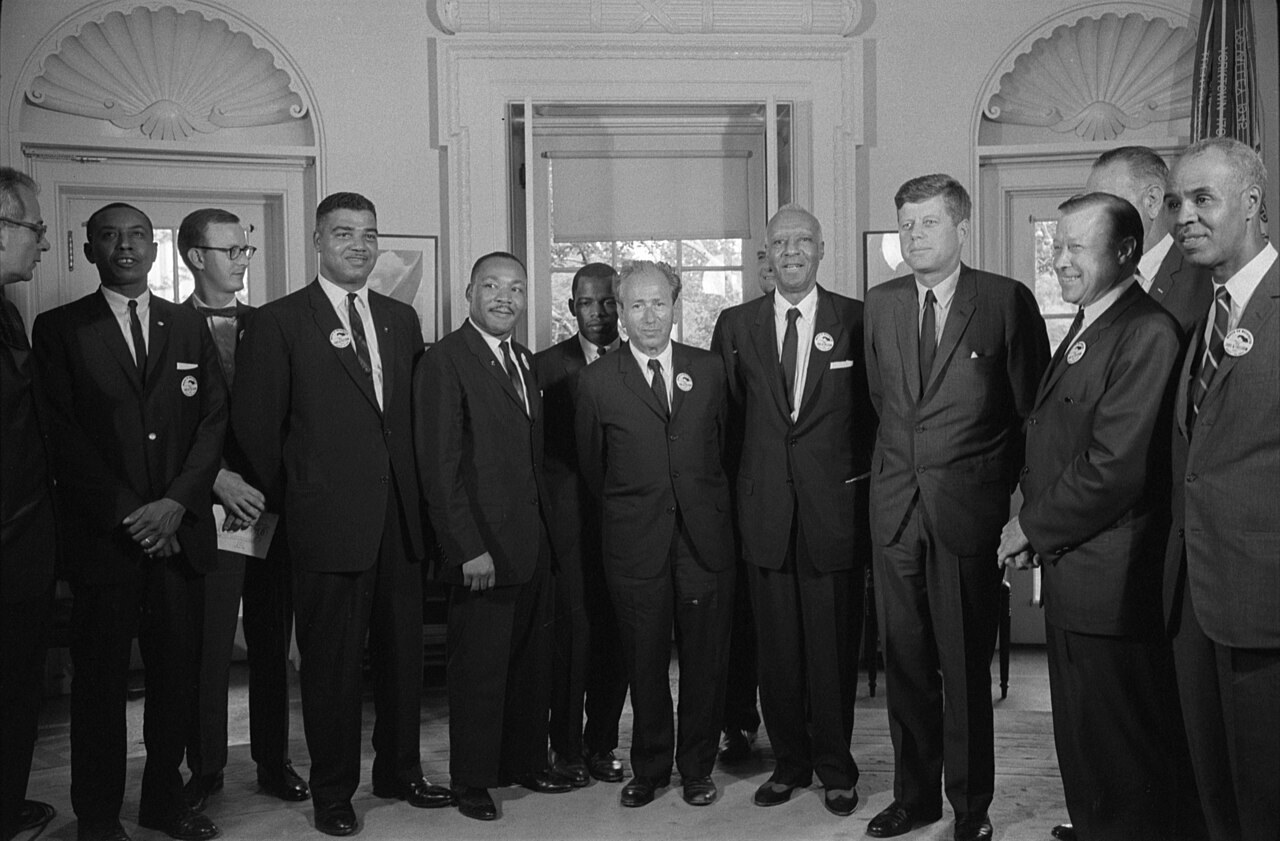 Photograph
Primary source
Photograph of civil rights leaders meeting President Kennedy after the March on Washington
White House photographer · 28 August 1963
Primary source
House Democrats Stage Sit-in on House Floor
2016
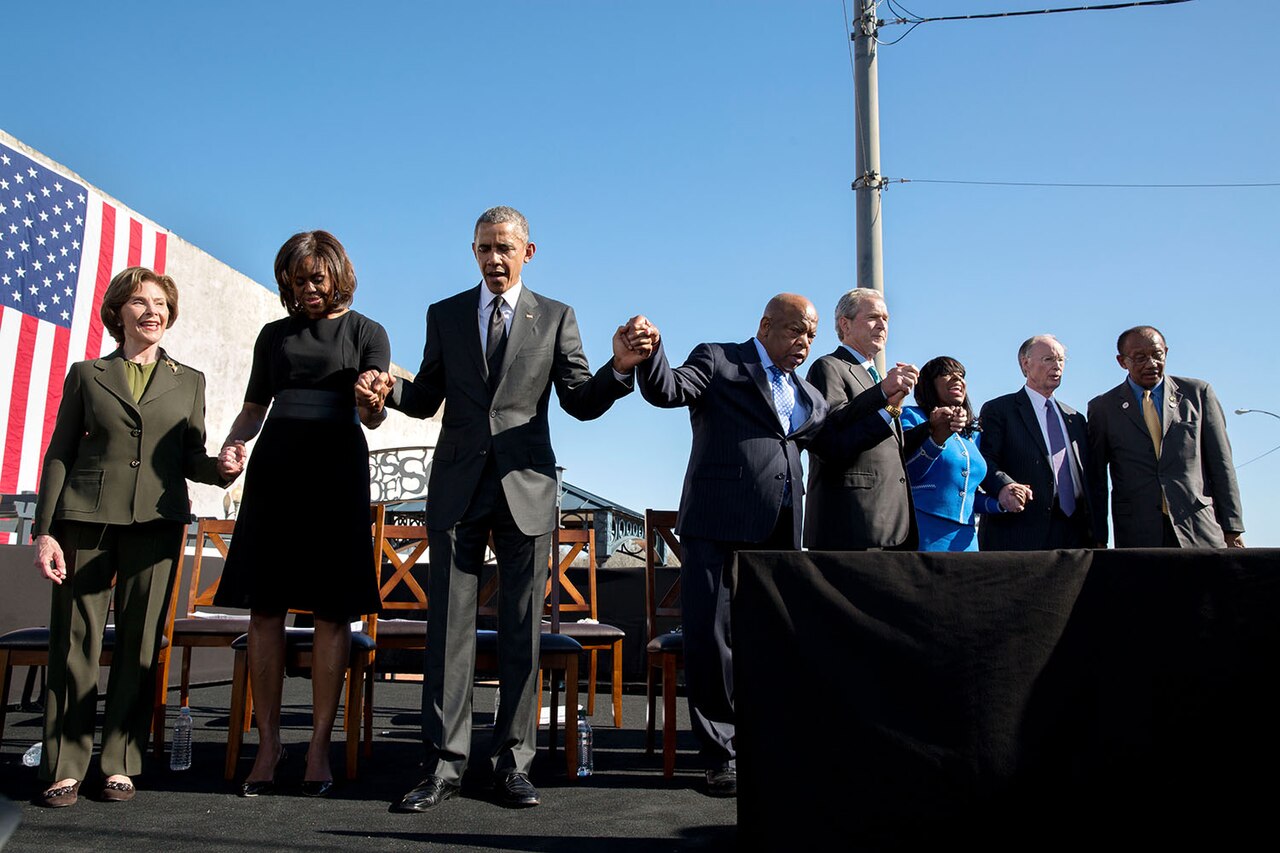 Photograph
Primary source
Commemoration of the 50th Anniversary of Bloody Sunday at the Edmund Pettus Bridge
Pete Souza · 7 March 2015
 Photograph
Primary source
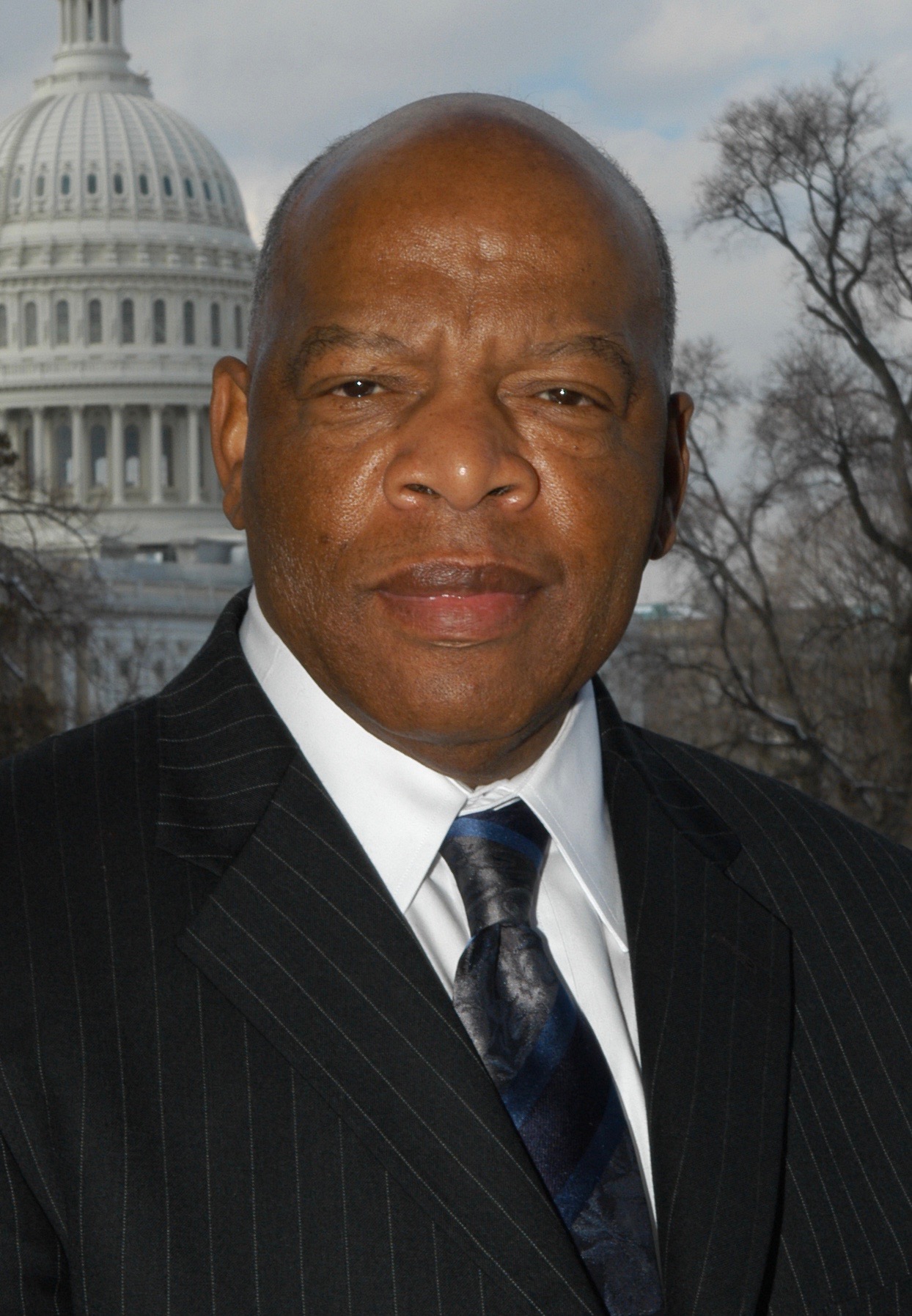
Portrait of John Lewis
2006
Ready when you are
Start chatting with John Lewis now.
20 messages free · No credit card · Available in 50+ languages.