


Primary sourceArtifact1889
Brahms Voice
Johannes Brahms · 1889
An 1889 Edison wax-cylinder recording made in Vienna, capturing Brahms's spoken voice and his own piano playing of a Hungarian Dance — the only recording of the composer.
This is the only surviving recording of Brahms's own voice and playing, made in 1889.
Free Humy account · No credit card · 120,912 sources to read
About this source
What it is
This is an audio recording made on an Edison wax cylinder in Vienna in 1889. It captures Johannes Brahms speaking and playing part of his Hungarian Dance No. 1 on the piano.
Why it matters
This is the only known recording of Brahms himself. Sound recording was brand new technology at the time, and almost no composers from this era left any audio trace. Hearing Brahms's own playing, however faint and worn, gives a direct, physical connection to a composer most people only know through sheet music and portraits.
Look closer
- What does it feel like to hear a voice and performance from someone who lived so long ago?
- Why do you think this recording survived when so many others from that era did not?
- What can't a recording like this tell us, even though it is a direct trace of the composer?
This artifact is part of the curated material that grounds the AI version of Johannes Brahms on Humy.ai — when students ask about related events, the AI can quote it and cite it.
More Johannes Brahms sources
Browse all 98 →Primary source
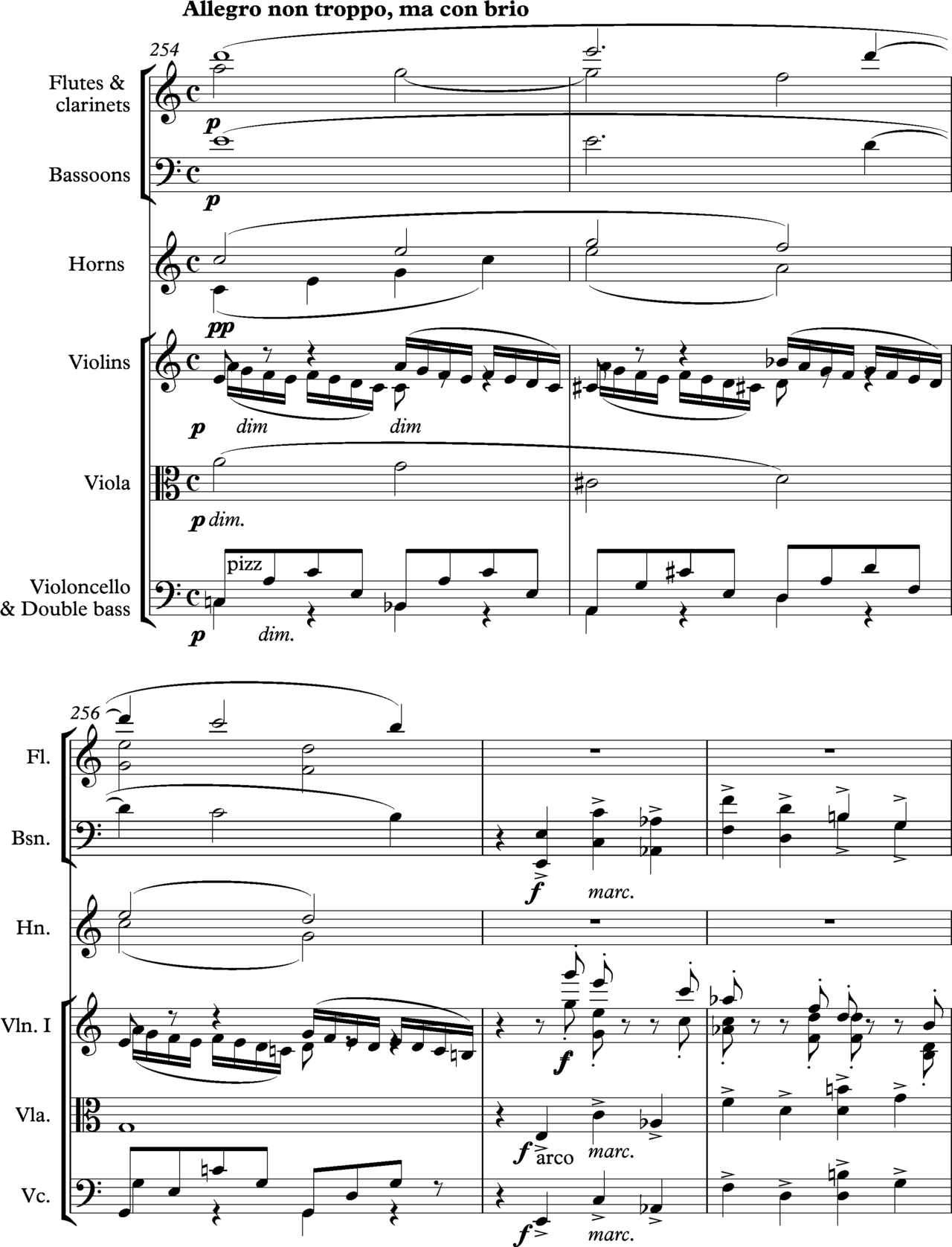
Neue Bahnen
Robert Schumann · 28 October 1853
 Document
Primary source
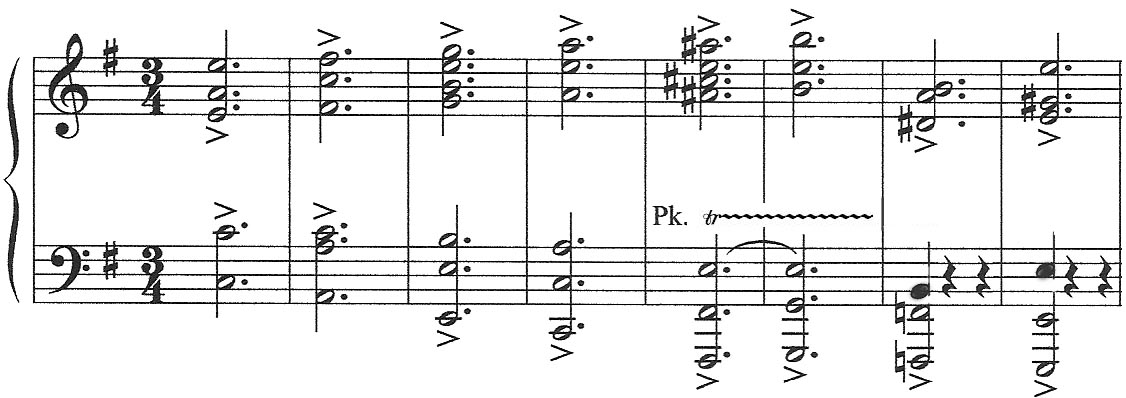
Symphony No. 1
Johannes Brahms · 1876
 Document
Primary source
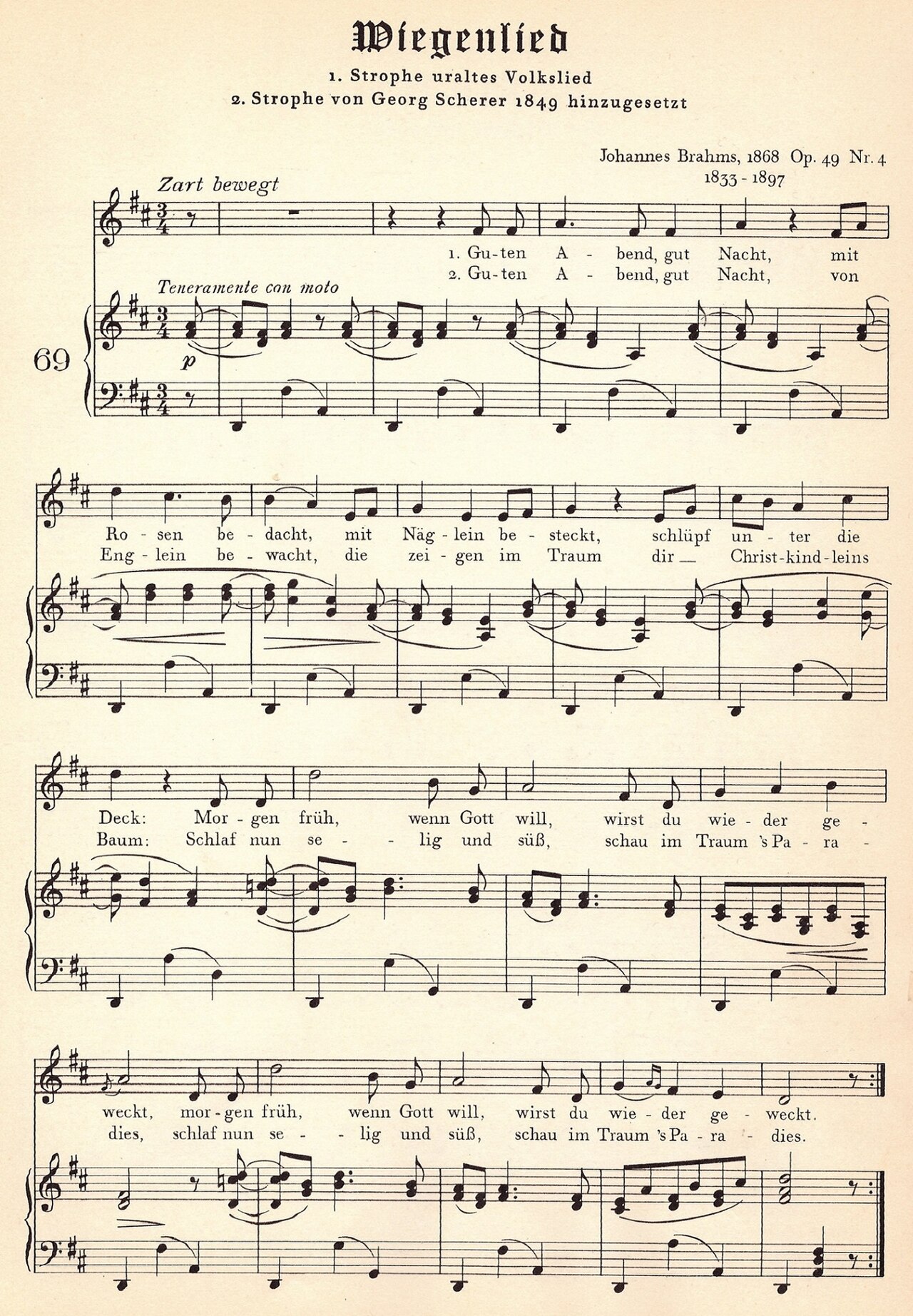
Symphony No. 4
Johannes Brahms · 1885
 Document
Primary source
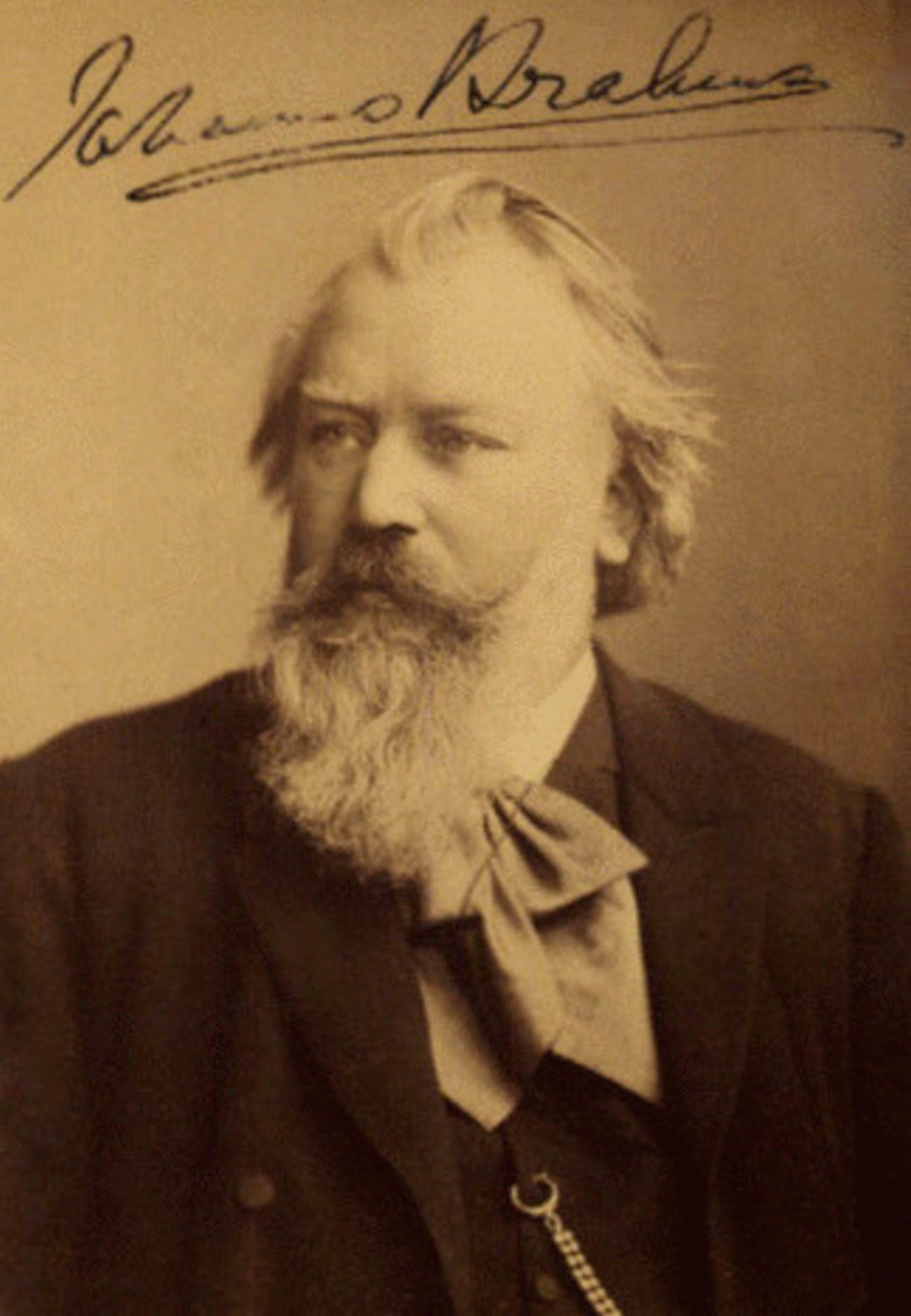
Wiegenlied, Op. 49, No. 4
Johannes Brahms · 1868
Free account
Read every Johannes Brahms source
Sign up free →
Ready when you are
Start chatting with Johannes Brahms now.
20 messages free · No credit card · Available in 50+ languages.