


Primary sourceDocument1868
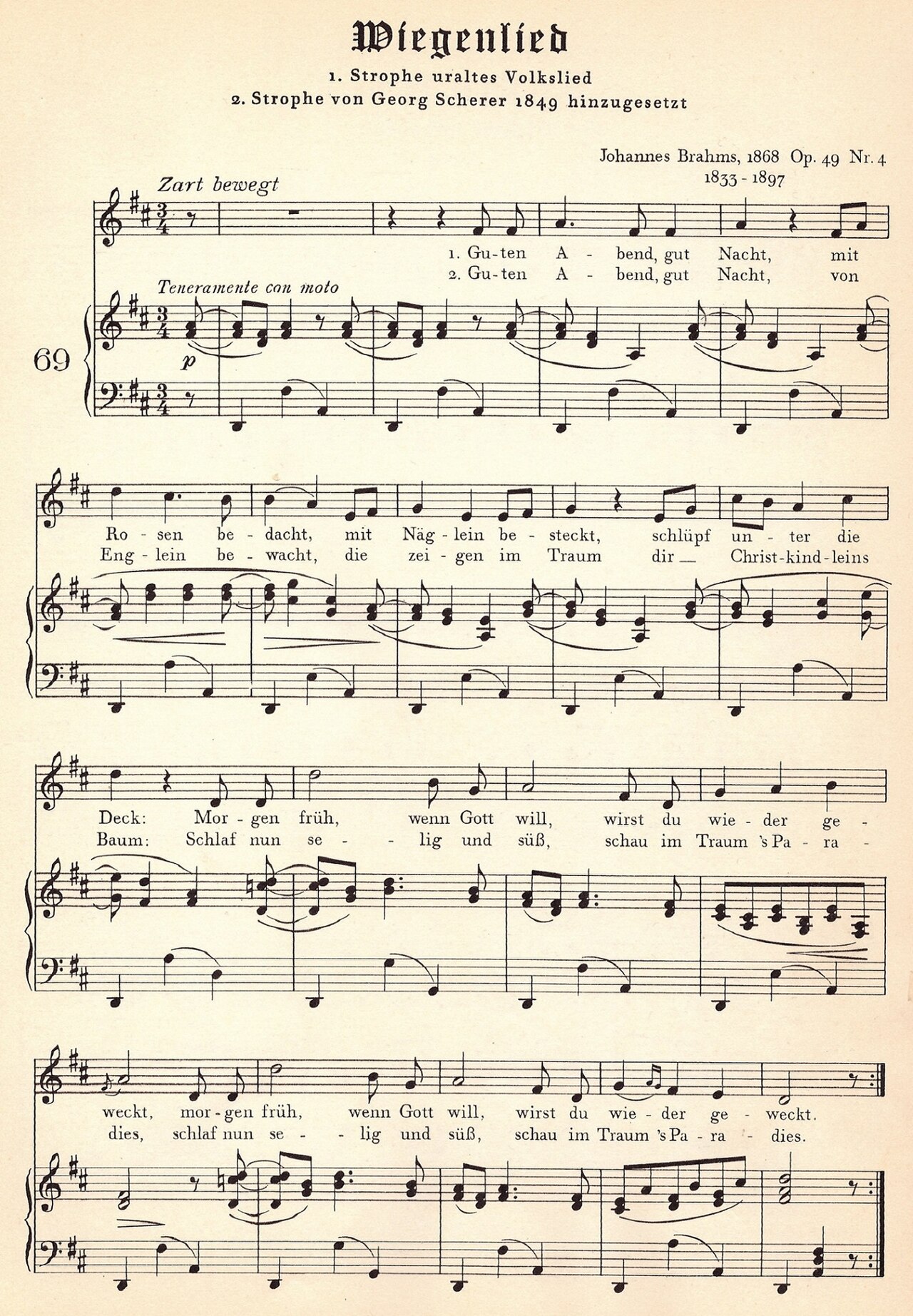
Wiegenlied, Op. 49, No. 4
Johannes Brahms · 1868
Brahms's famous 1868 lullaby, written for the birth of his friend Bertha Faber's son, became one of the most beloved songs in the world.
Brahms composed this famous lullaby for a friend's newborn son, showing his personal ties and gift for folk-like melody.
Free Humy account · No credit card · 120,912 sources to read
About this source
What it is
This is the sheet music for "Wiegenlied" ("Lullaby"), Op. 49, No. 4, a song for voice and piano by Johannes Brahms, first published in November 1868 by Simrock. It was first performed publicly in Vienna in December 1869 by singer Luise Dustmann with Clara Schumann at the piano.
Why it matters
Brahms wrote this lullaby for his friend Bertha Faber to mark the birth of her second son. He based the melody partly on an earlier folk-style duet, and secretly wove in a hidden counter-melody that recalled a song Bertha used to sing when Brahms was in love with her as a young man. The lyrics came from a German folk poetry collection. The song became one of the most famous lullabies in the world and shows Brahms's skill at writing music that sounds simple but is carefully constructed, as well as his personal connections with friends.
Look closer
- Why might a composer hide a private meaning inside a piece written as a gift?
- What makes a melody easy to remember across generations?
- What does this song, written for a friend's child, suggest about Brahms's personal life and relationships?
This document is part of the curated material that grounds the AI version of Johannes Brahms on Humy.ai — when students ask about related events, the AI can quote it and cite it.
More Johannes Brahms sources
Browse all 98 →Primary source
Neue Bahnen
Robert Schumann · 28 October 1853
Primary source
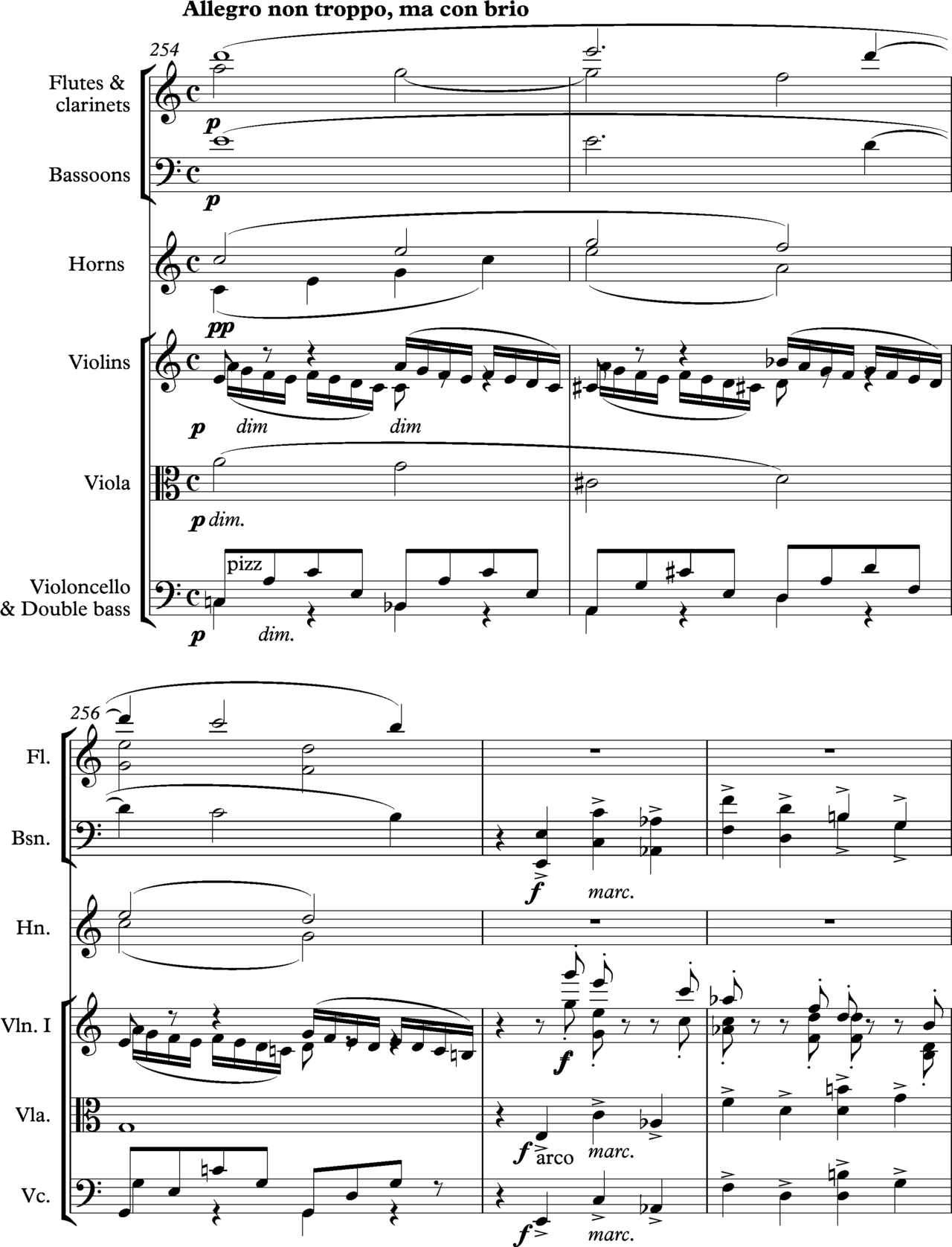
Brahms Voice
Johannes Brahms · 1889
 Document
Primary source
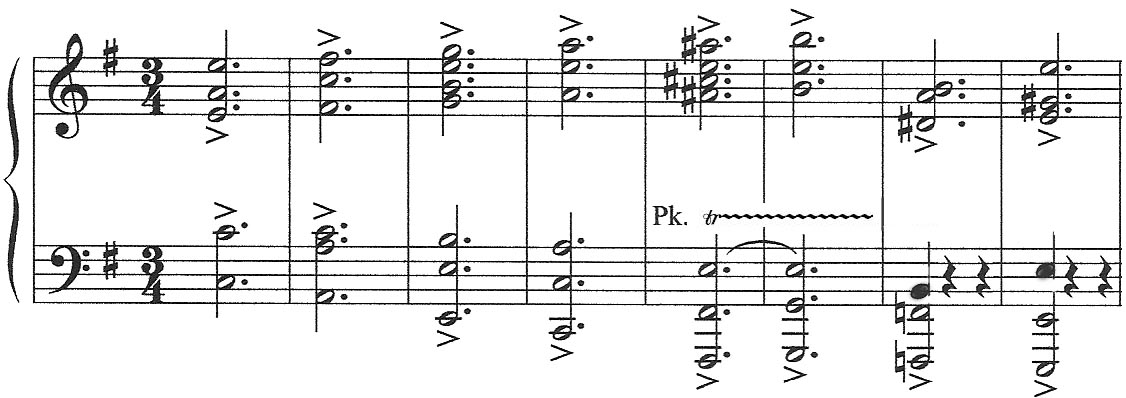
Symphony No. 1
Johannes Brahms · 1876
 Document
Primary source
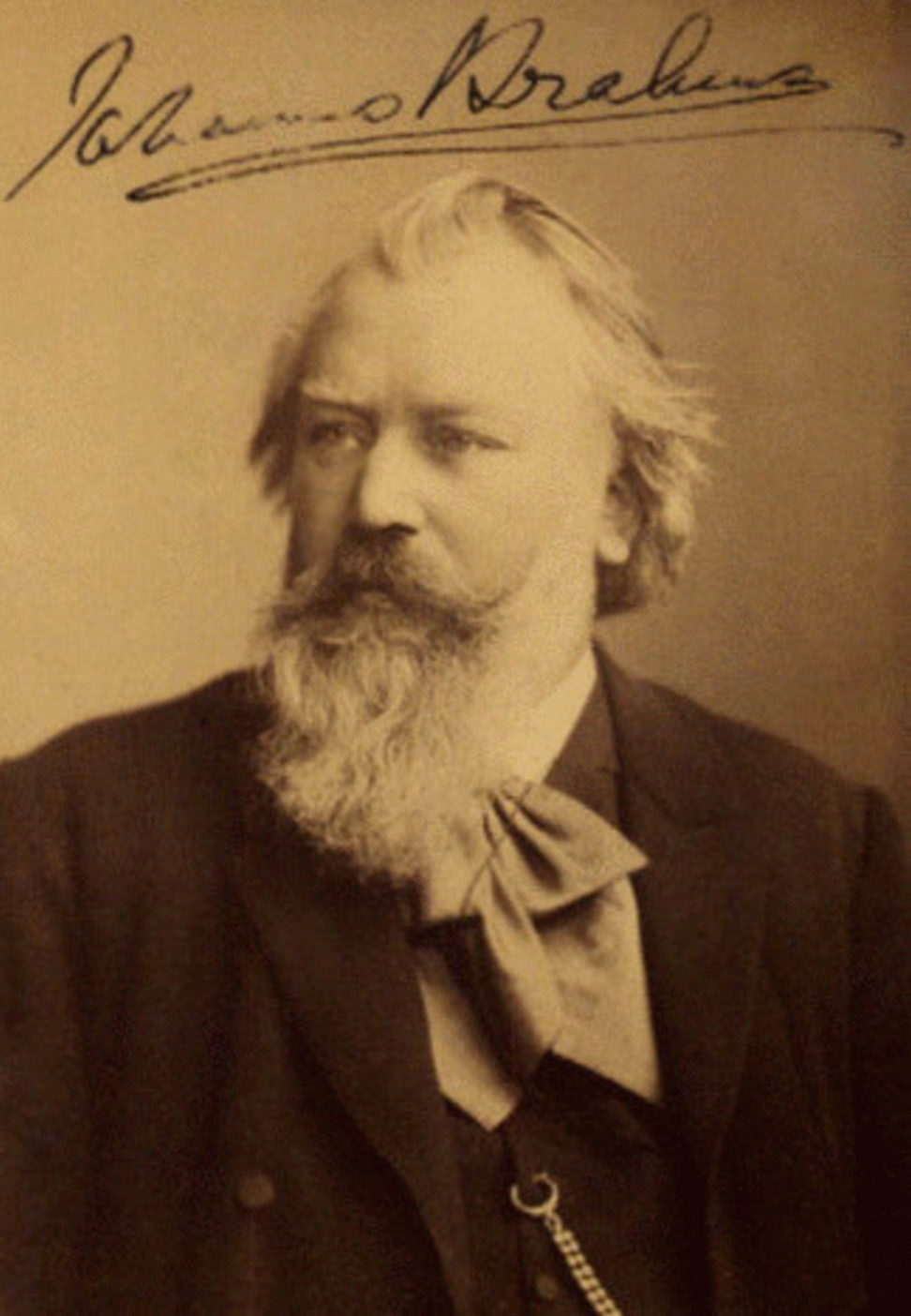
Symphony No. 4
Johannes Brahms · 1885
Free account
Read every Johannes Brahms source
Sign up free →
Ready when you are
Start chatting with Johannes Brahms now.
20 messages free · No credit card · Available in 50+ languages.