


Primary sourceArtifact209 BC
Bronze Edict Plaque of the Second Emperor
209 BC
A small bronze plaque carrying an official Qin edict from 209 BC, issued under the Second Emperor who succeeded Qin Shi Huang.
This Qin edict plaque shows the imperial government of the period Han Fei's ideas later shaped, rather than his own writing.
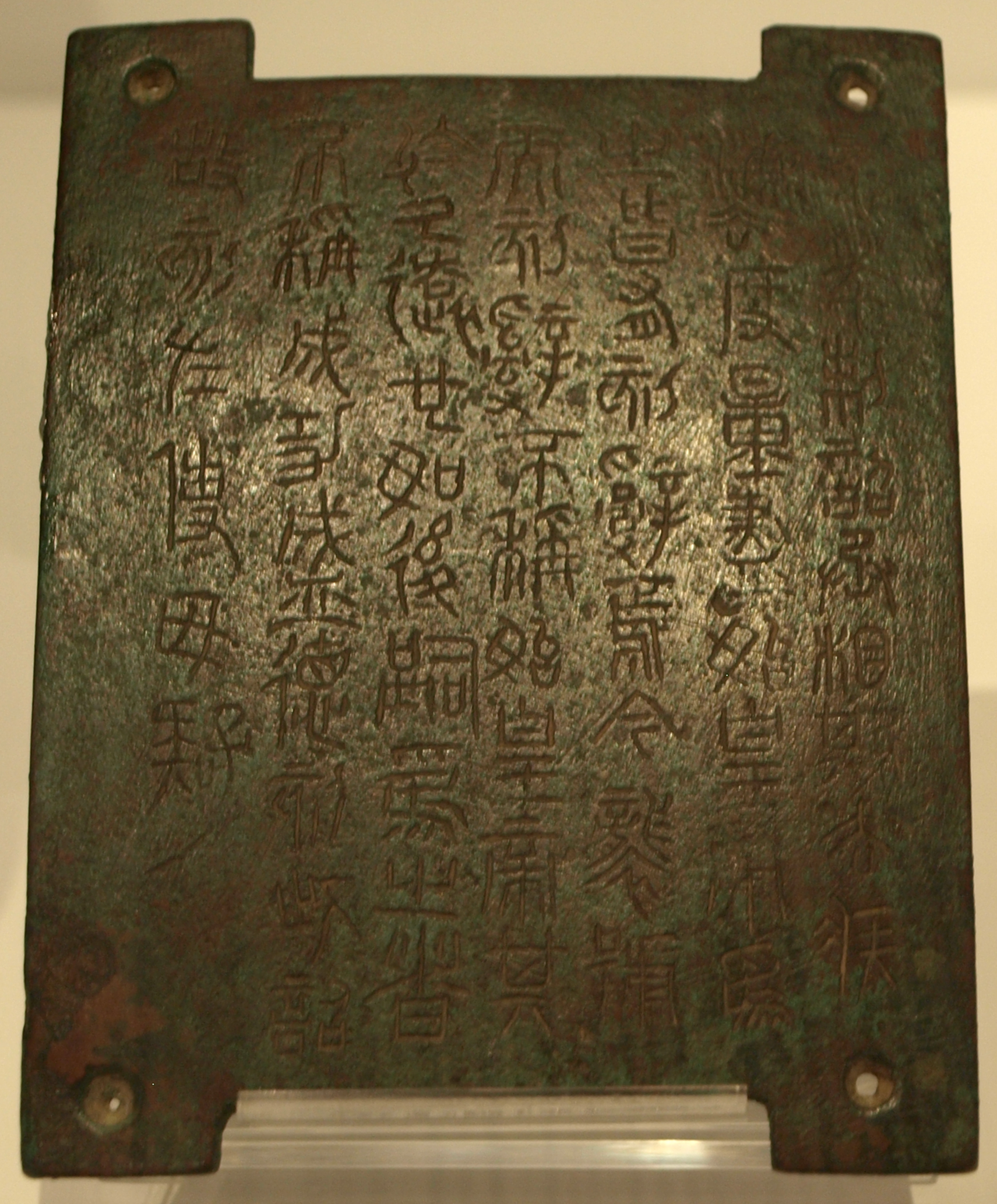
About this source
What it is
This is a small bronze plaque inscribed with rows of seal-script characters recording an official edict from the Qin dynasty, dated to 209 BC. It was issued under the Second Emperor, the son and successor of Qin Shi Huang. The plaque is held in the Royal Ontario Museum, in the Bishop C. White Collection.
Why it matters
Although issued after Qin Shi Huang's death, this plaque reflects the system of written imperial decrees that he created to rule his unified empire. Edicts like this were sent out to enforce laws and standards across the vast territory he had conquered, showing how centralized and bureaucratic Qin government had become.
Look closer
- What does the use of bronze, rather than paper, tell you about how this message was meant to last?
- Why might an empire need official plaques like this to communicate laws?
- What does it suggest that this system continued even after the founding emperor died?
This artifact is part of the curated material that grounds the AI version of Han Fei and Emperor Qin Shi Huang on Humy.ai — when students ask about related events, the AI can quote it and cite it.
More Han Fei sources
Meet the AI Han Fei →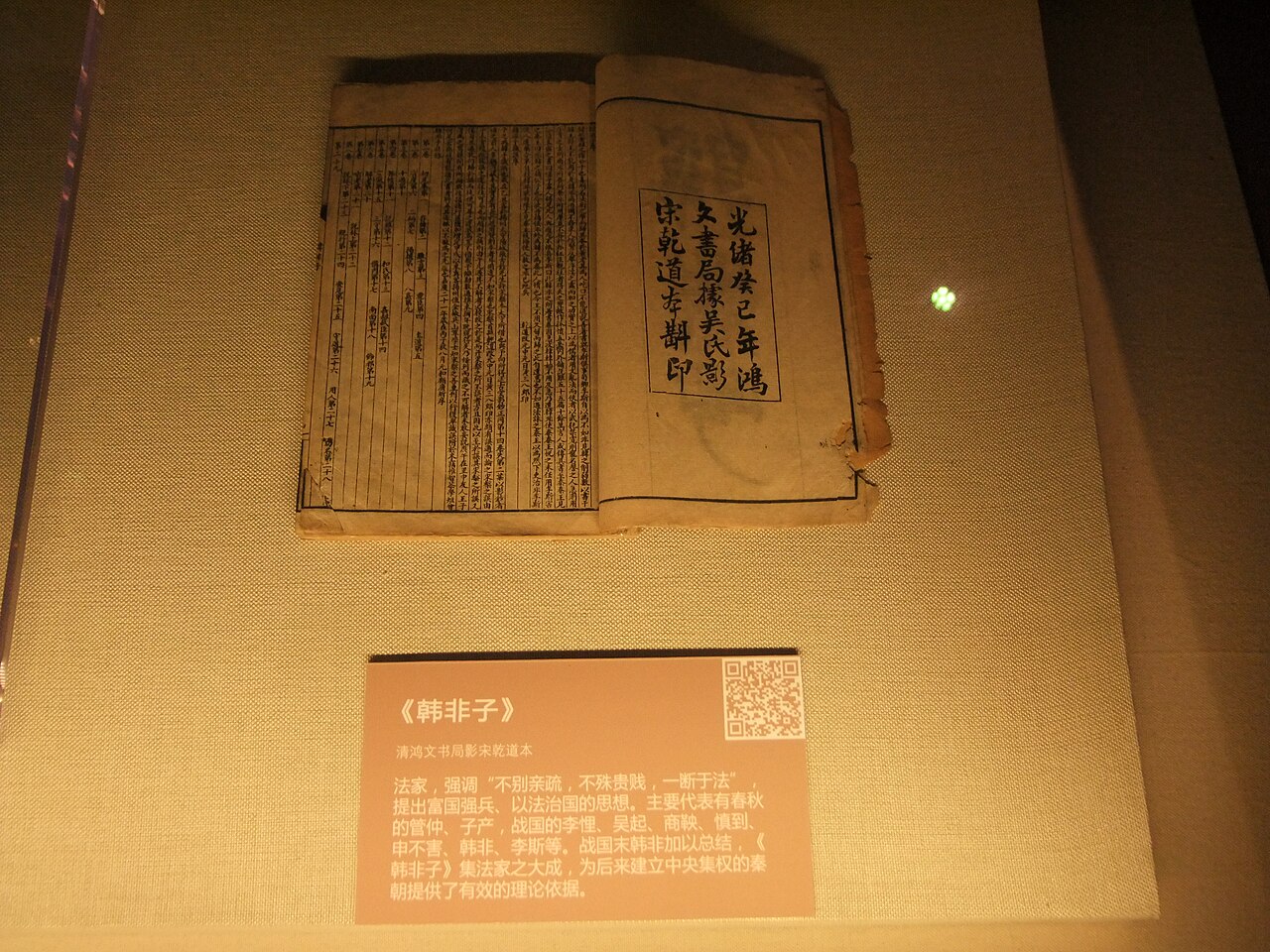 Book
Secondary source
Han Feizi
Han Fei · c. 3rd century BCE
Secondary source
Guanzi
Traditionally attributed to Guan Zhong; several anonymous authors · Compiled in the early Han dynasty; the received text was edited by Liu Xiang c. 26 BCE
 Book
Secondary source
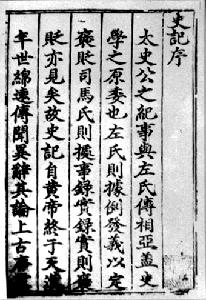
Records of the Grand Historian
Sima Qian · c. 90 BC
 Book
Secondary source
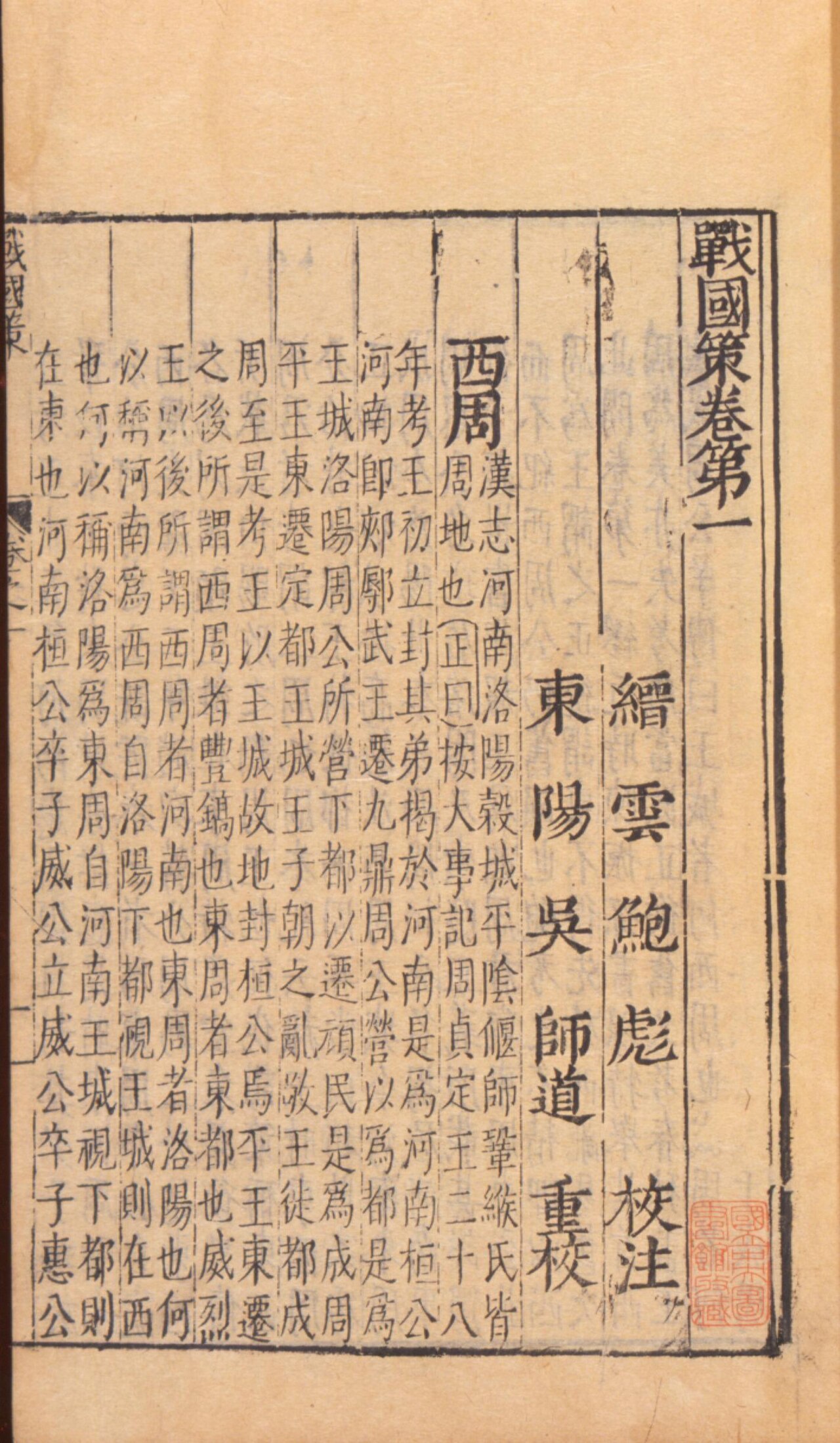
Zhan Guo Ce
Su Qin · compiled, Han dynasty, from Warring States materials
 Book
Secondary source
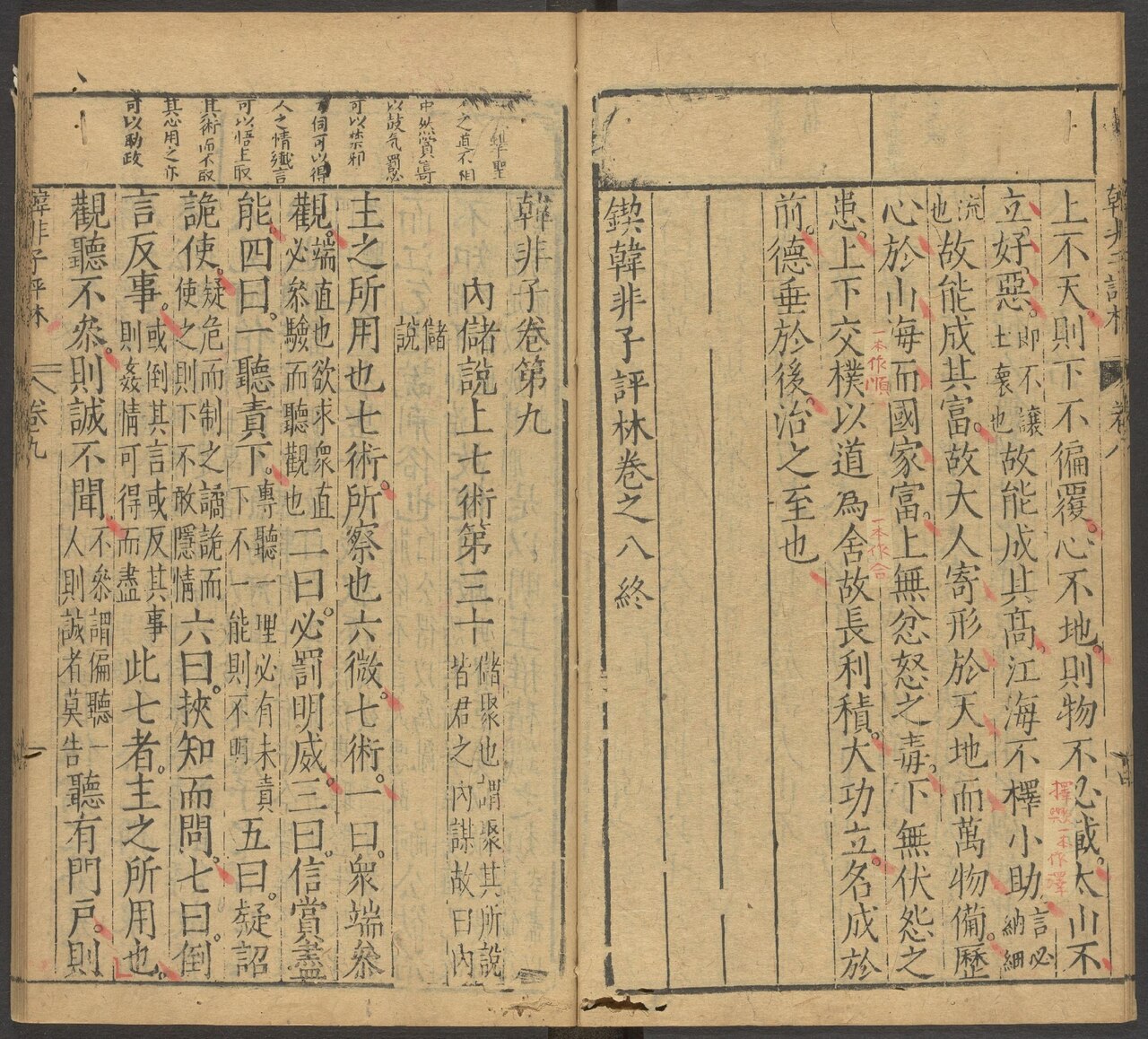
Han Feizi, Ming dynasty woodblock edition, volume 9
Han Fei (text); printed in the Ming dynasty · Ming dynasty, between 1465 and 1620
Ready when you are
Start chatting with Han Fei now.
20 messages free · No credit card · Available in 50+ languages.