


Secondary sourceBookc. 3rd century BCE
Han Feizi
Han Fei · c. 3rd century BCE
A 3rd-century BCE Legalist text by Han Fei, whose chapter on the splitting Confucian schools shows how rivals criticized Confucius's legacy.
Han Fei's Legalist text records how Confucius's followers split into rival schools, showing his contested legacy.

About this source
What it is
This is an ancient Chinese text attributed to the Legalist philosopher Han Fei, dating mostly to the mid-3rd century BCE Warring States period. It survives complete in 55 chapters and is displayed here in a later printed edition from the Guangxu period of the Qing dynasty, held at the Hunan Provincial Museum.
Why it matters
The Han Feizi argues for a Legalist system of strict laws, rewards and punishments rather than reliance on moral virtue. Its chapter 'Eminence in Learning' discusses how followers of Confucius split into eight rival schools after his death, showing that his legacy was contested and reshaped by critics as well as admirers.
Look closer
- Why might a rival philosophical school want to describe Confucianism as divided and quarrelling?
- What does the survival of a rival text tell you about the range of debate in ancient China?
- How does this printed edition differ from the original bamboo or silk texts of Han Fei's time?
This book is part of the curated material that grounds the AI version of Confucius and Emperor Qin Shi Huang on Humy.ai — when students ask about related events, the AI can quote it and cite it.
More Confucius sources
Meet the AI Confucius →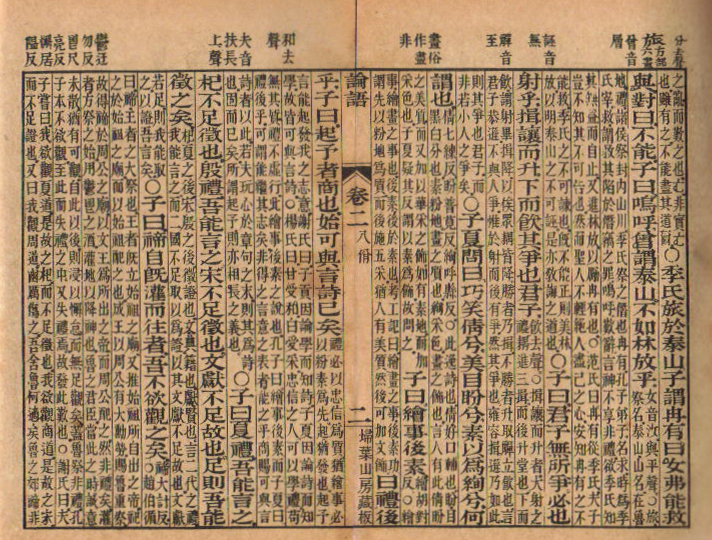 Book
Secondary source
Analects
c. 480 BCE – 2nd century BCE
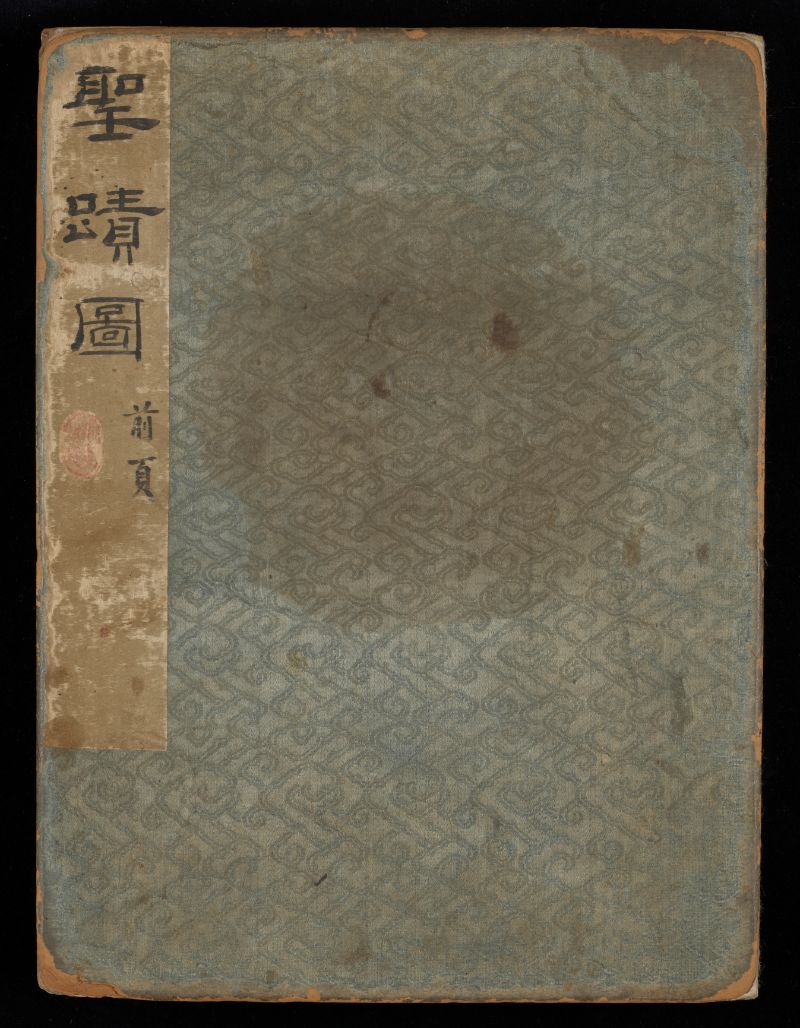 Book
Secondary source
Pictures of the Sage's Traces
Unknown · 1758
Secondary source
Records of the Grand Historian, Vol. 47: Hereditary House of Confucius
Sima Qian · c. 94 BCE
 Photograph
Primary source
Temple of Confucius, Peking (Interior)
John Thomson · 1871
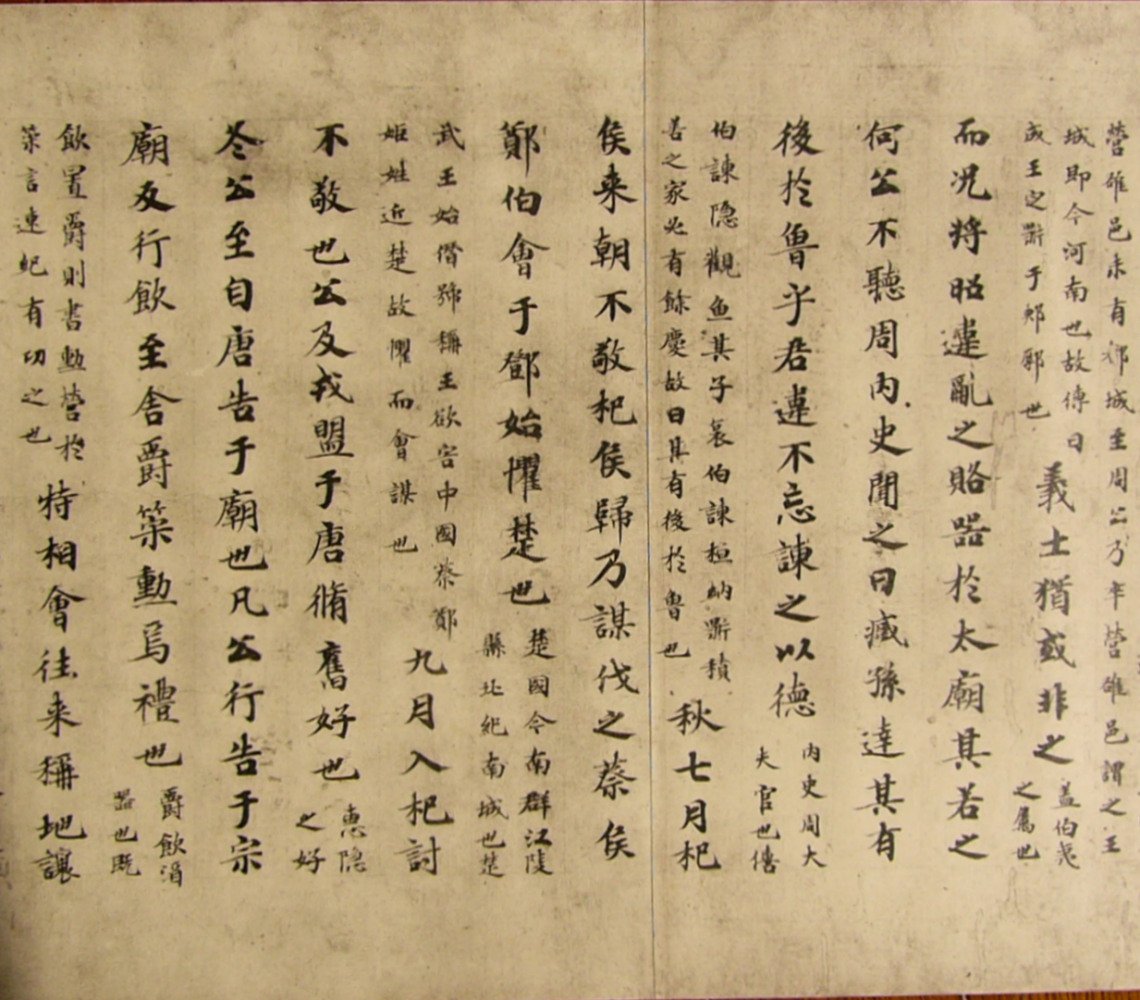 Document
Secondary source
Spring and Autumn Annals
Confucius · 5th century BCE
Ready when you are
Start chatting with Confucius now.
20 messages free · No credit card · Available in 50+ languages.