


Secondary sourceBookc. 480 BCE – 2nd century BCE
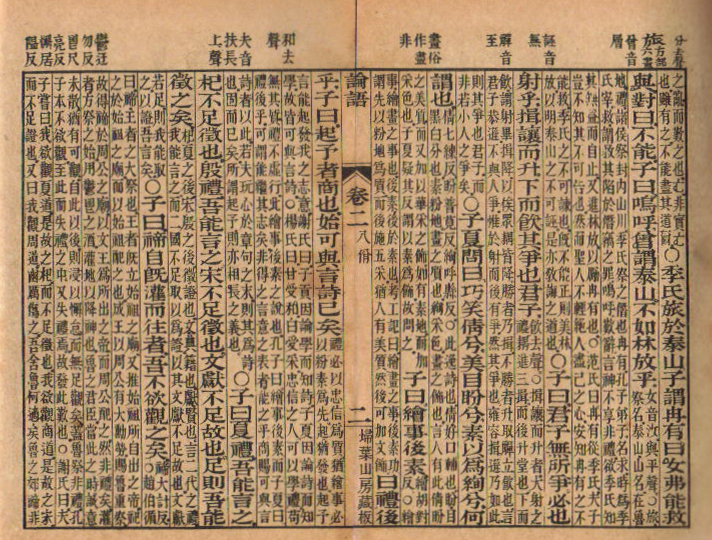
Analects
c. 480 BCE – 2nd century BCE
A collection of sayings and conversations of Confucius recorded by his disciples, the most direct source for his teachings.
The Analects records Confucius's own sayings as remembered and compiled by his disciples after his death.
About this source
What it is
The Analects is a collection of short sayings and dialogues attributed to Confucius and his contemporaries. It was compiled by his disciples and their followers after his death, taking final shape over the following centuries. Today it survives in many old printed editions, including woodblock-printed copies from Japan and China.
Why it matters
This is the closest thing we have to Confucius's own voice. It records his ideas about ren (humaneness), li (ritual propriety), filial piety, and good government. For over two thousand years it shaped education and politics across East Asia, and it reveals how his students remembered and interpreted him.
Look closer
- Why might disciples, not Confucius himself, have written these sayings down?
- What does it mean that scholars still debate which parts are oldest?
- What might be left out if only short remembered sayings survive, rather than full conversations?
This book is part of the curated material that grounds the AI version of Confucius on Humy.ai — when students ask about related events, the AI can quote it and cite it.
More Confucius sources
Meet the AI Confucius →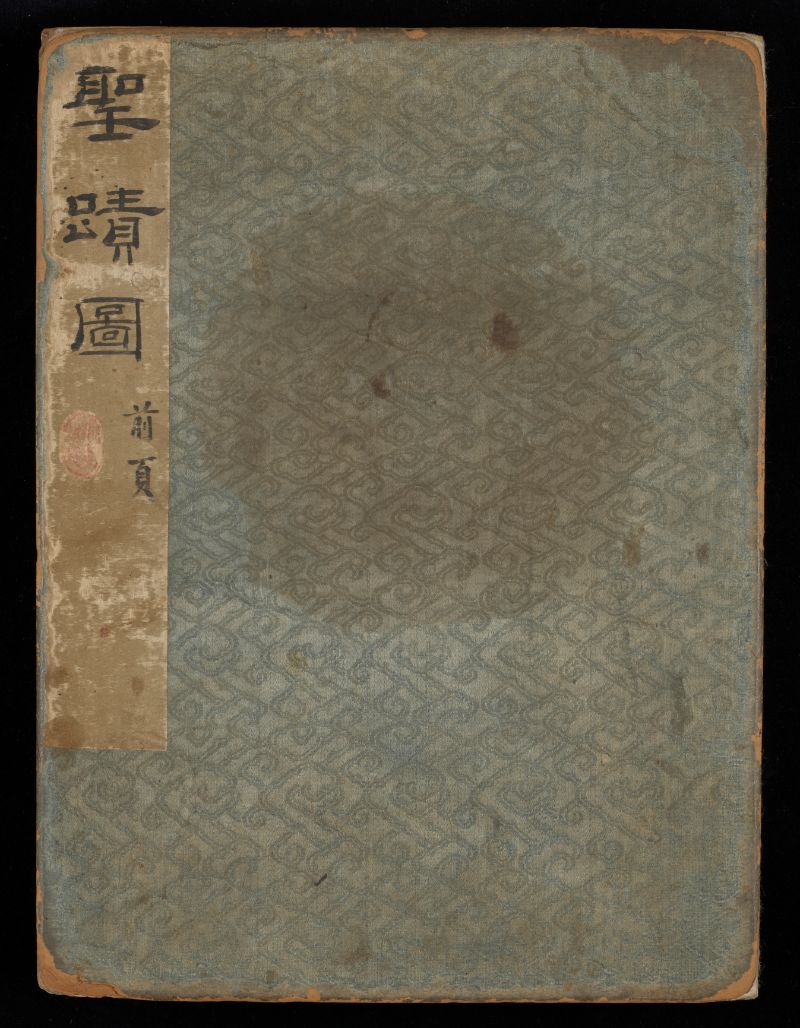 Book
Secondary source
Pictures of the Sage's Traces
Unknown · 1758
Secondary source
Records of the Grand Historian, Vol. 47: Hereditary House of Confucius
Sima Qian · c. 94 BCE
 Photograph
Primary source
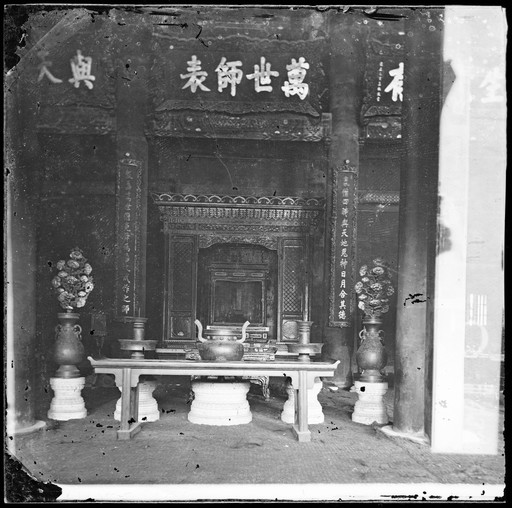
Temple of Confucius, Peking (Interior)
John Thomson · 1871
 Document
Secondary source
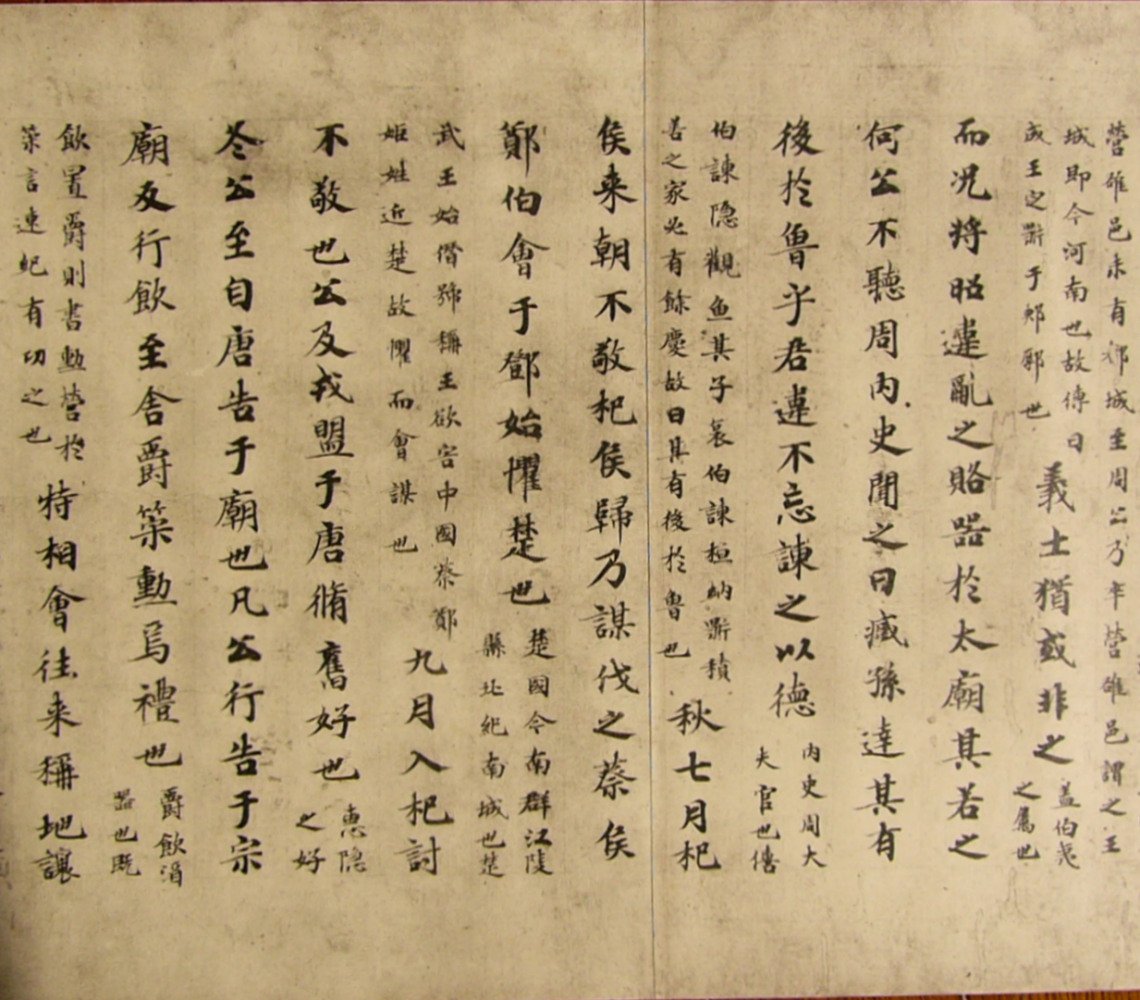
Spring and Autumn Annals
Confucius · 5th century BCE
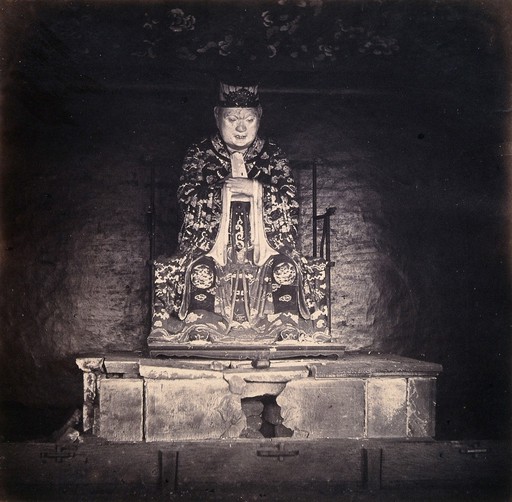 Photograph
Primary source
Statue of Confucius, Canton
Felice Beato · April 1860
Ready when you are
Start chatting with Confucius now.
20 messages free · No credit card · Available in 50+ languages.