


Secondary sourceDocument5th century BCE
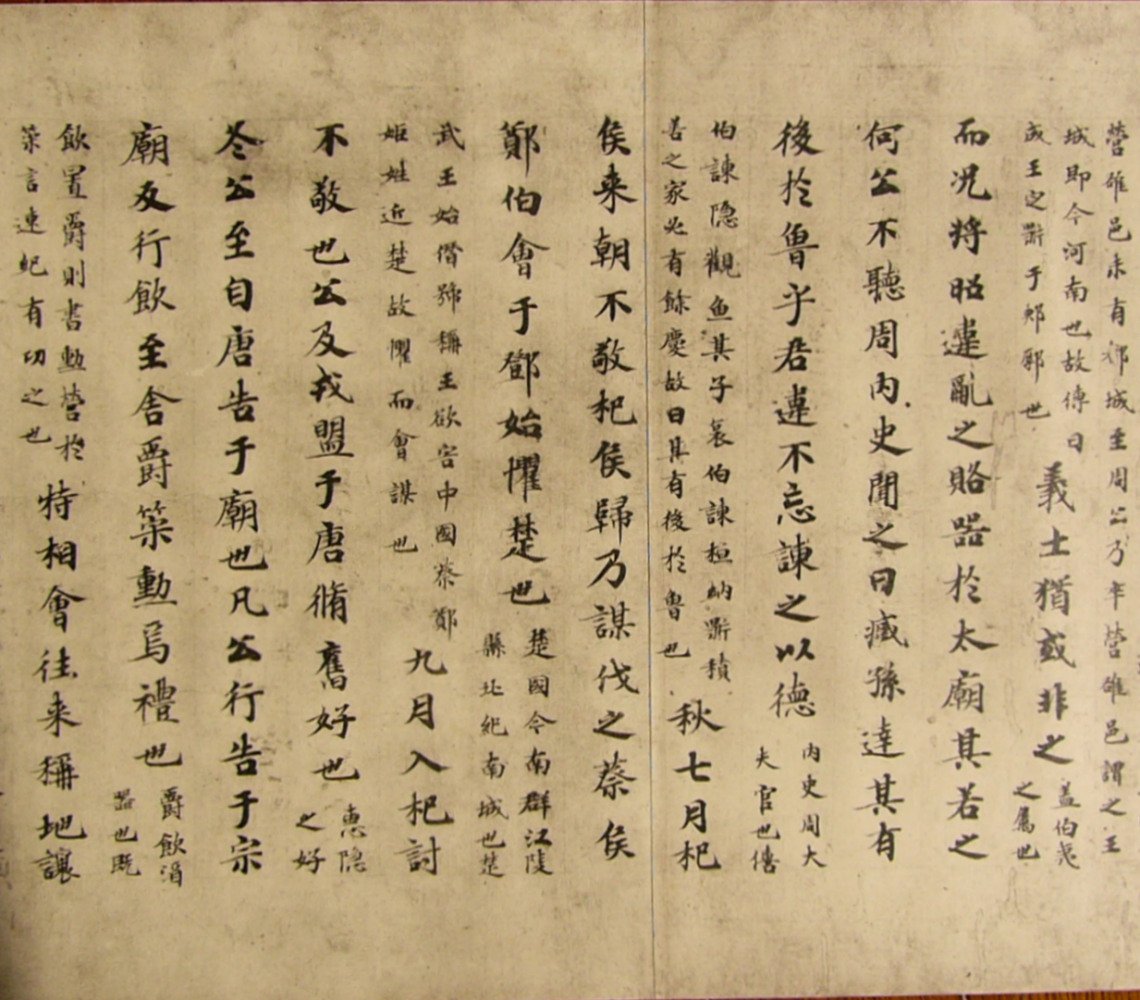
Spring and Autumn Annals
Confucius · 5th century BCE
A terse chronicle of the state of Lu traditionally believed to have been edited by Confucius, recording events of his home state.
Confucius was traditionally credited with editing this chronicle of his home state of Lu, linking him to history-writing as moral judgment.
About this source
What it is
The Spring and Autumn Annals is the official chronicle of the state of Lu, covering 242 years of events such as rulers' deaths, battles, and natural disasters, written in extremely brief entries. It was traditionally said to have been compiled or edited by Confucius, a claim first made by the philosopher Mencius.
Why it matters
Because later generations believed Confucius shaped this chronicle, its terse wording was read as carrying deliberate moral judgment about rulers and events. It became one of the Five Classics and inspired detailed commentaries, such as the Zuo Zhuan, that tried to explain its hidden meanings. It shows how deeply later Chinese scholars tied history-writing to Confucius's moral authority.
Look closer
- Why might such short entries, some only a few characters long, need whole books of commentary to explain them?
- What kinds of events does the chronicle choose to record, and what does that tell us about what mattered to its compilers?
- How confident can we be that Confucius actually edited this text, given the facts we have?
This document is part of the curated material that grounds the AI version of Confucius on Humy.ai — when students ask about related events, the AI can quote it and cite it.
More Confucius sources
Meet the AI Confucius →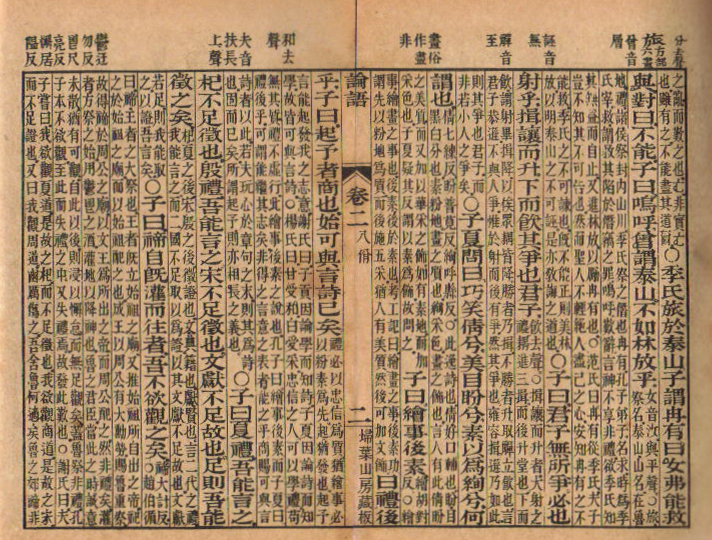 Book
Secondary source
Analects
c. 480 BCE – 2nd century BCE
 Book
Secondary source
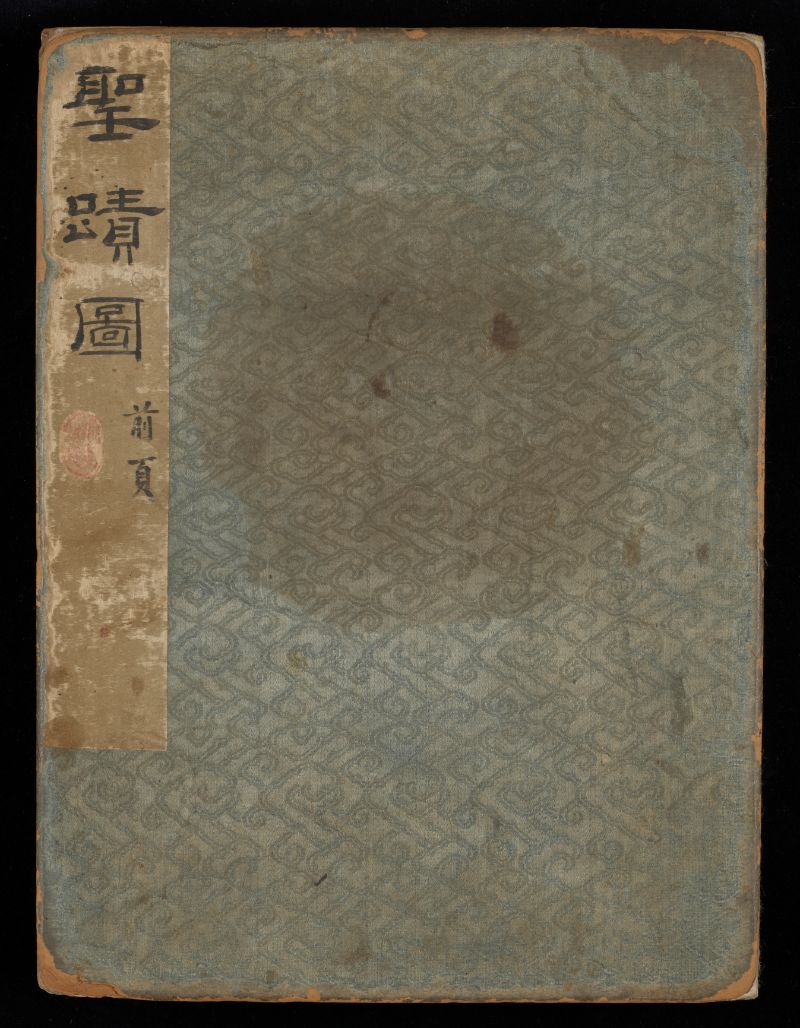
Pictures of the Sage's Traces
Unknown · 1758
Secondary source
Records of the Grand Historian, Vol. 47: Hereditary House of Confucius
Sima Qian · c. 94 BCE
 Photograph
Primary source
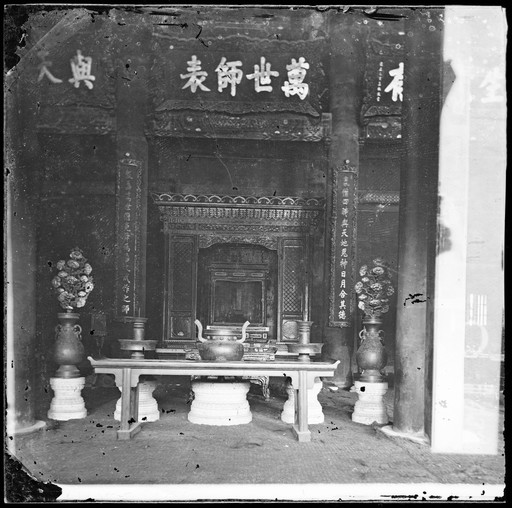
Temple of Confucius, Peking (Interior)
John Thomson · 1871
 Photograph
Primary source
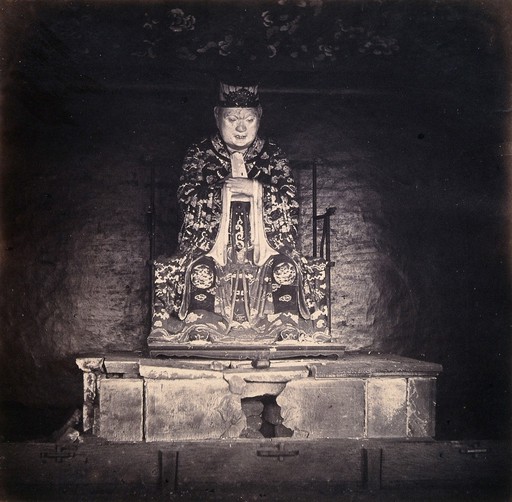
Statue of Confucius, Canton
Felice Beato · April 1860
Ready when you are
Start chatting with Confucius now.
20 messages free · No credit card · Available in 50+ languages.