


Primary sourceBook1859
Brown of Ossawatomie
John Greenleaf Whittier · 1859
A poem by John Greenleaf Whittier, written in 1859, that portrays John Brown as a martyr whose kiss for an enslaved woman's child redeemed his violent purpose.
It shows how a northern poet turned Brown's execution into a moral story about his final act of kindness.
About this source
What it is
This is a poem by the American Quaker poet John Greenleaf Whittier, published in 1859 and titled Brown of Ossawatomie. It describes Brown's last day, when he was led out to be hanged and stooped to kiss the child of an enslaved mother. The poem is listed in the Wikisource collection of works about Brown. We hold a transcription of the poem, not the original printed version.
Why it matters
Whittier was an opponent of slavery who wrote while Brown was still alive. His poem shows how northern anti-slavery writers tried to make Brown a moral hero, while condemning the violence of his raid. Other people, including Southern editors, rejected that view. The poem helps students see how the same event was given very different meanings in the years before the Civil War.
Look closer
- What does the poem say about Brown's violence, and how does it try to balance that with his goodness?
- Why does the poet use the image of a kiss and an enslaved mother's child?
- Whose voice is missing from this poem, and how might an enslaved person have described the same moment?
This book is part of the curated material that grounds the AI version of John Brown on Humy.ai — when students ask about related events, the AI can quote it and cite it.
More John Brown sources
Meet the AI John Brown →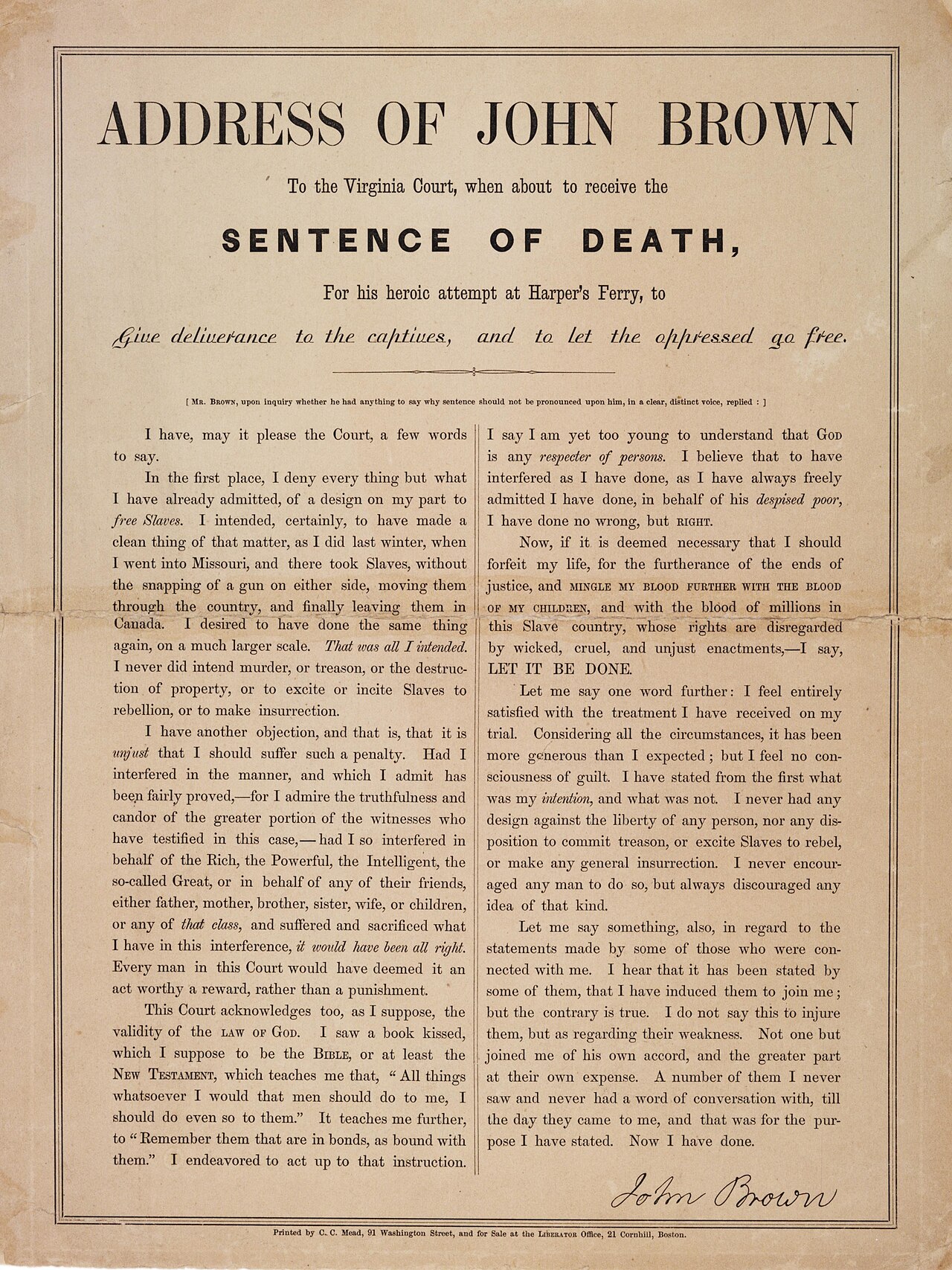 Speech
Primary source
John Brown's Last Speech to the Court
John Brown · 2 November 1859
Primary source
Provisional Constitution
John Brown · 1858
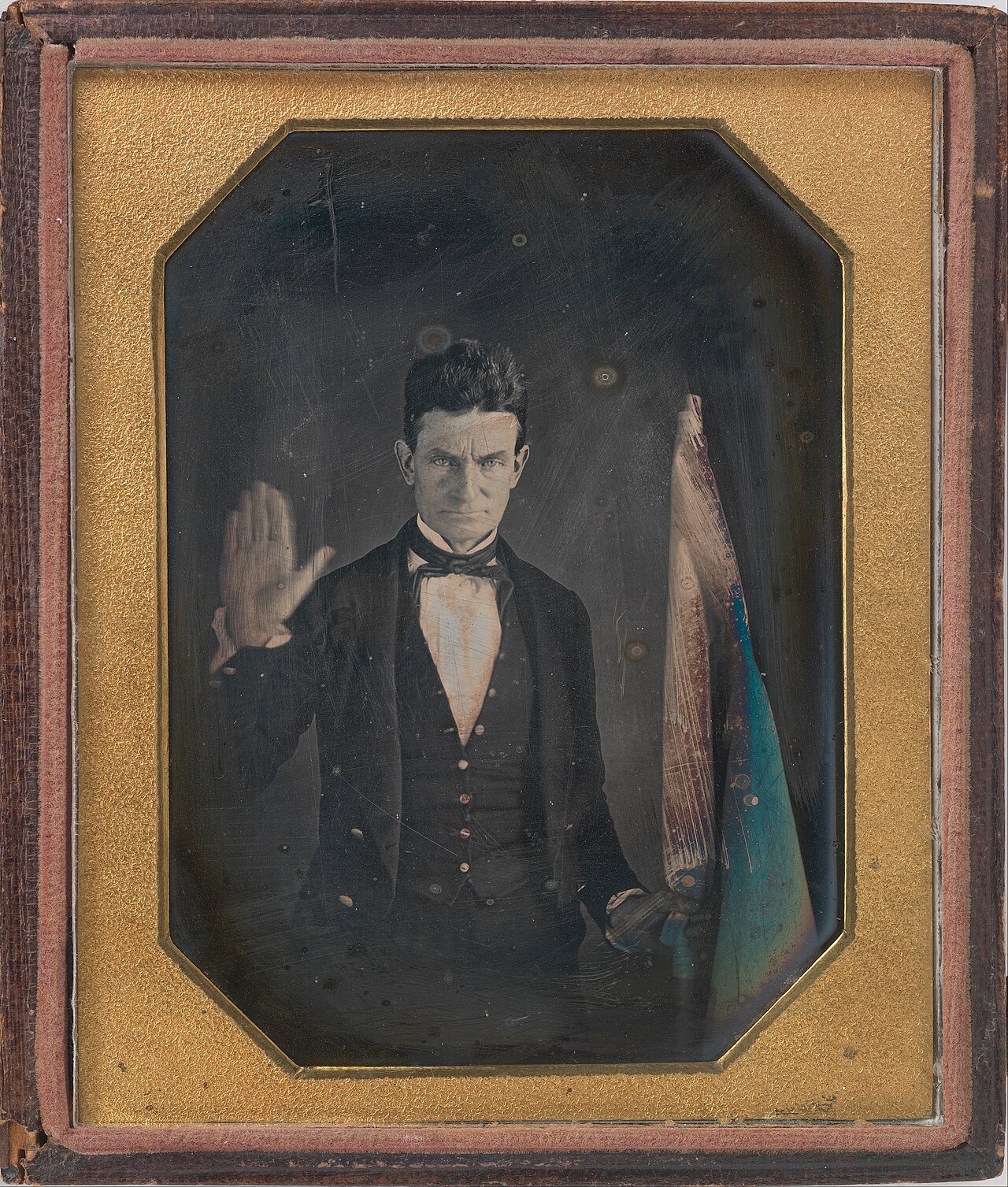 Photograph
Primary source
John Brown
Augustus Washington
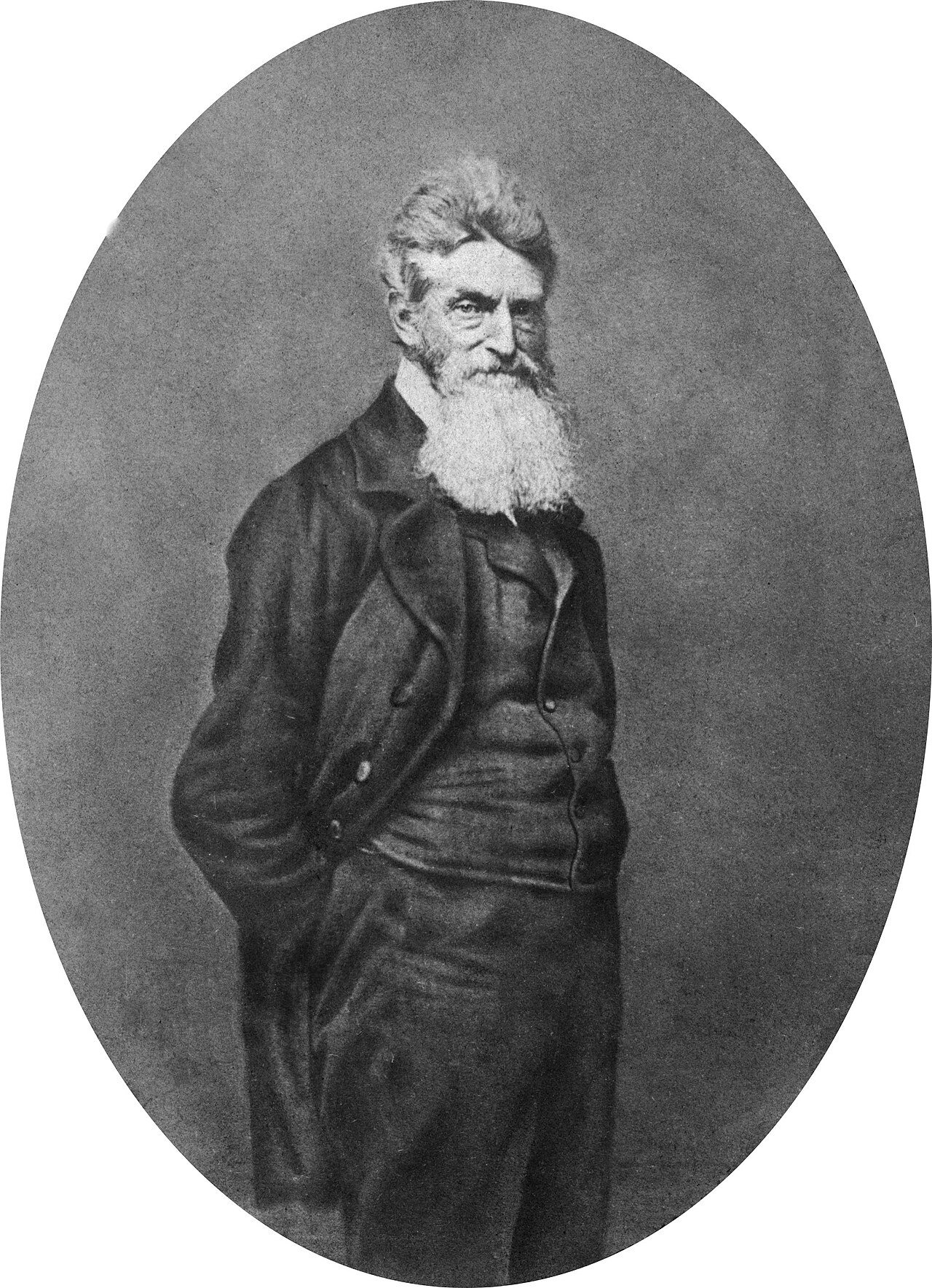 Photograph
Primary source
John Brown Portrait, 1859
Martin M. Lawrence · 1859
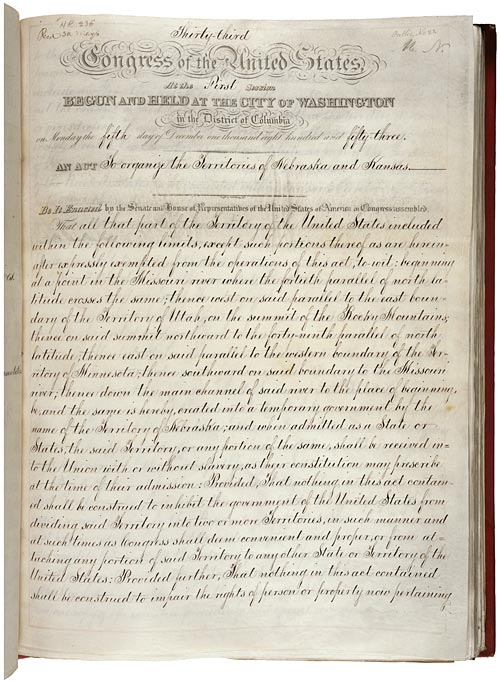 Document
Primary source
Kansas-Nebraska Act
United States Congress · 1854
Ready when you are
Start chatting with John Brown now.
20 messages free · No credit card · Available in 50+ languages.