


Primary sourceBook
Buffalo
Florence Earle Coates
A poem by Florence Earle Coates that responds to McKinley's assassination in Buffalo. It mourns the crime and the loss of a city's bright hopes.
Shows how a contemporary writer mourned McKinley's assassination in the city where it happened.
About this source
What it is
This is a poem by Florence Earle Coates, titled Buffalo. It describes a city that was fair, harmonious and free, with towers and gardens built for pleasure and memory. The poem then turns to a crime that brought sudden woe and darkness to the city's courts. The curator's note calls it a contemporary literary response to McKinley's assassination in Buffalo in 1901.
Why it matters
McKinley was shot at the Pan-American Exposition in Buffalo in September 1901, and the city was the setting for the nation's grief. Poems like this show how writers at the time turned a political killing into a public emotion. Students can use it to see how people explained a shocking event through art and religious language.
Look closer
- Which words does the poet use to describe the city before the crime, and why does that contrast matter?
- Who does the poem blame, and how does it describe the person who acted?
- What does a poem like this leave out about the assassin, the victim's family or the political debates of the time?
This book is part of the curated material that grounds the AI version of William McKinley on Humy.ai — when students ask about related events, the AI can quote it and cite it.
More William McKinley sources
Meet the AI William McKinley →Primary source
William McKinley's War Message to Congress
William McKinley · 11 April 1898
 Letter
Primary source
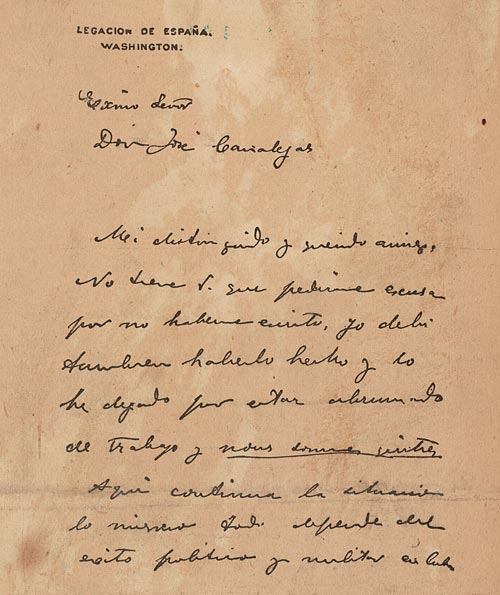
De Lôme Letter
Enrique Dupuy de Lôme · 9 February 1898
 Document
Primary source
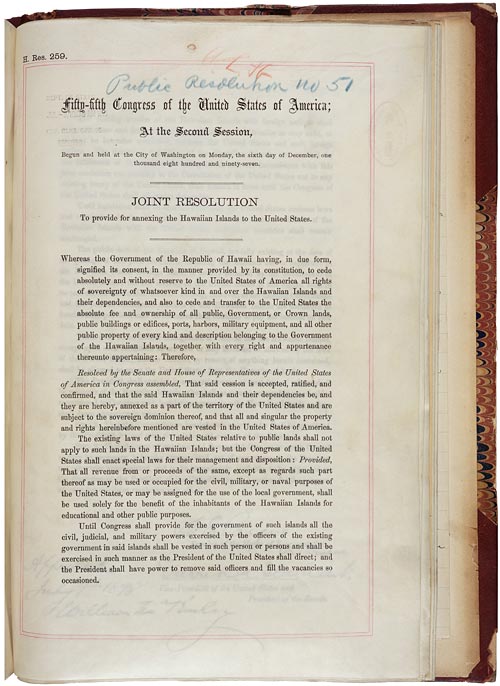
Joint Resolution to Provide for Annexing the Hawaiian Islands to the United States
United States Congress · 7 July 1898
 Document
Primary source
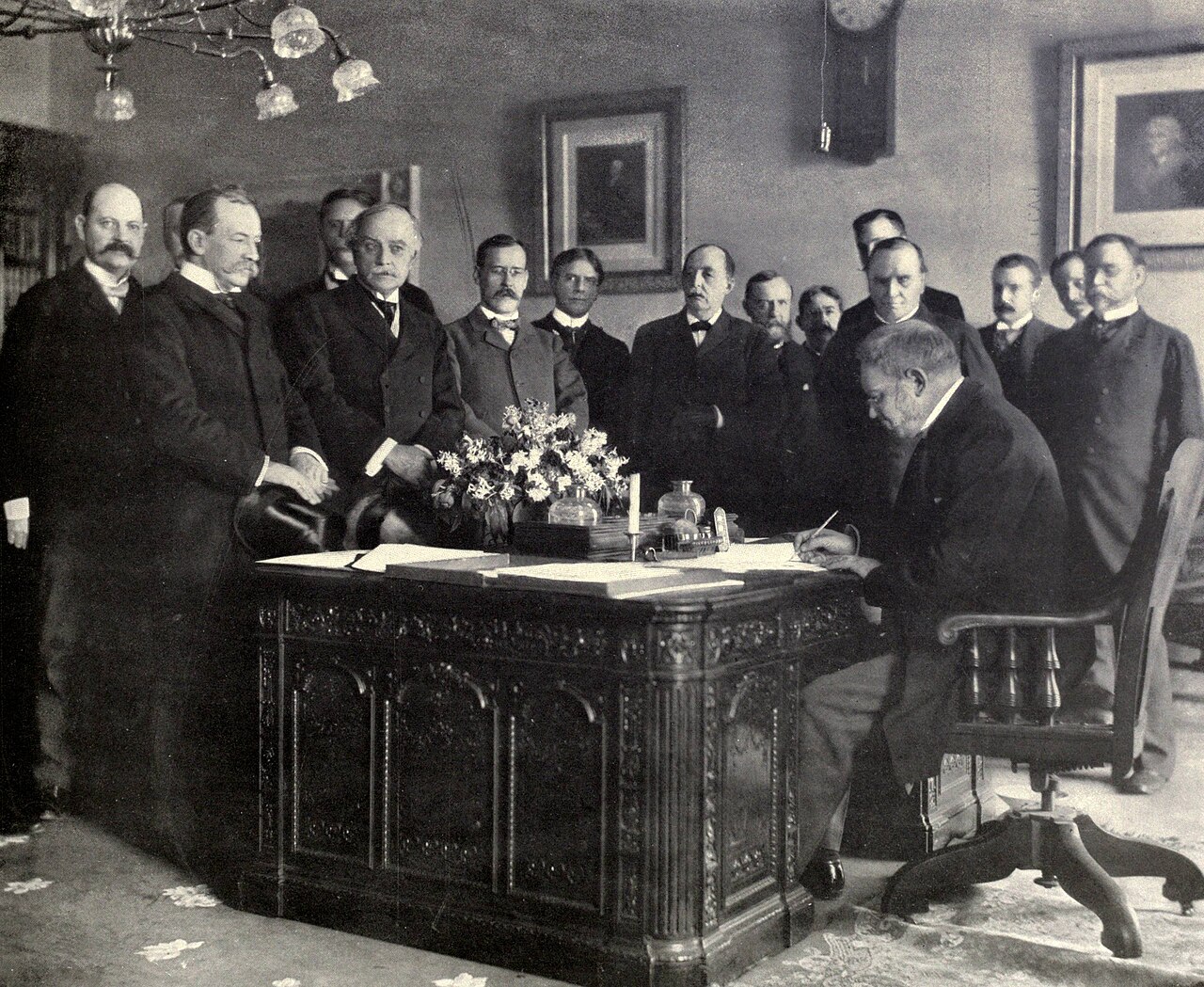
Treaty of Paris (1898)
10 December 1898
 Speech
Primary source
McKinley's Last Speech at the Pan-American Exposition
William McKinley · 5 September 1901
Ready when you are
Start chatting with William McKinley now.
20 messages free · No credit card · Available in 50+ languages.