


Primary sourceSculpture1789
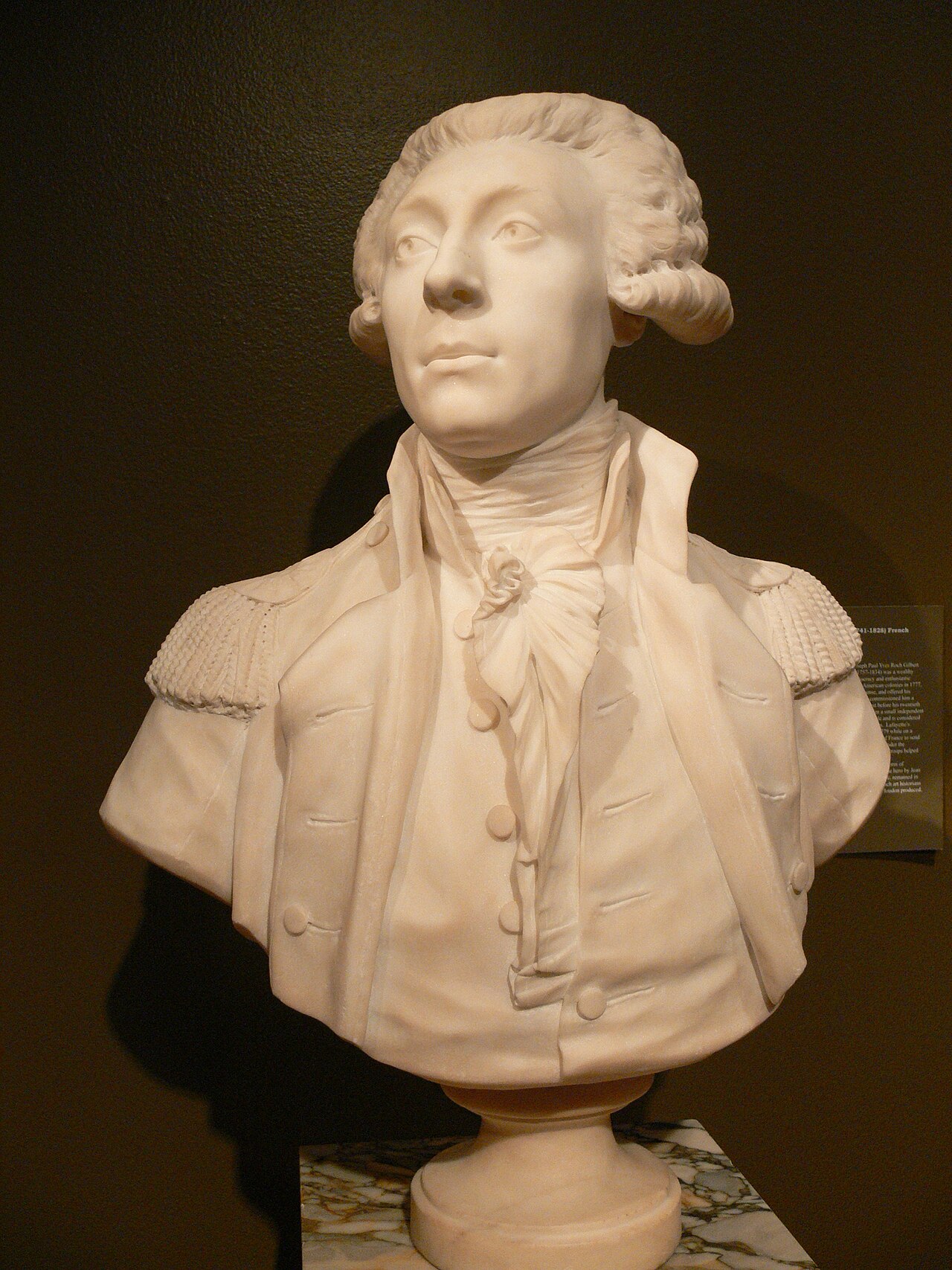
Bust of General Lafayette
Jean-Antoine Houdon · 1789
A marble bust of Lafayette carved from life in 1789 by the sculptor Jean-Antoine Houdon.
A life likeness of Lafayette carved by Houdon in 1789, the year the French Revolution began.
About this source
What it is
This white marble bust shows a man with powdered, curled hair, wearing a military coat with epaulettes and a rosette at the chest, gazing upward. It was made in 1789 by Jean-Antoine Houdon, a leading sculptor of the period who knew Lafayette personally.
Why it matters
Made in the same year the French Revolution began, this bust captures Lafayette at a pivotal moment in his public life, as a celebrated general and emerging political figure. Houdon's sculptures of famous contemporaries remain some of the most trusted likenesses of the era.
Look closer
- Why might a sculptor choose to show his subject gazing upward rather than straight ahead?
- What does the military coat and rosette tell us about how Lafayette wanted to be portrayed?
- What can't a bust show about a person's personality or actions that a document might?
This sculpture is part of the curated material that grounds the AI version of Marquis de Lafayette on Humy.ai — when students ask about related events, the AI can quote it and cite it.
More Marquis de Lafayette sources
Meet the AI Marquis de Lafayette →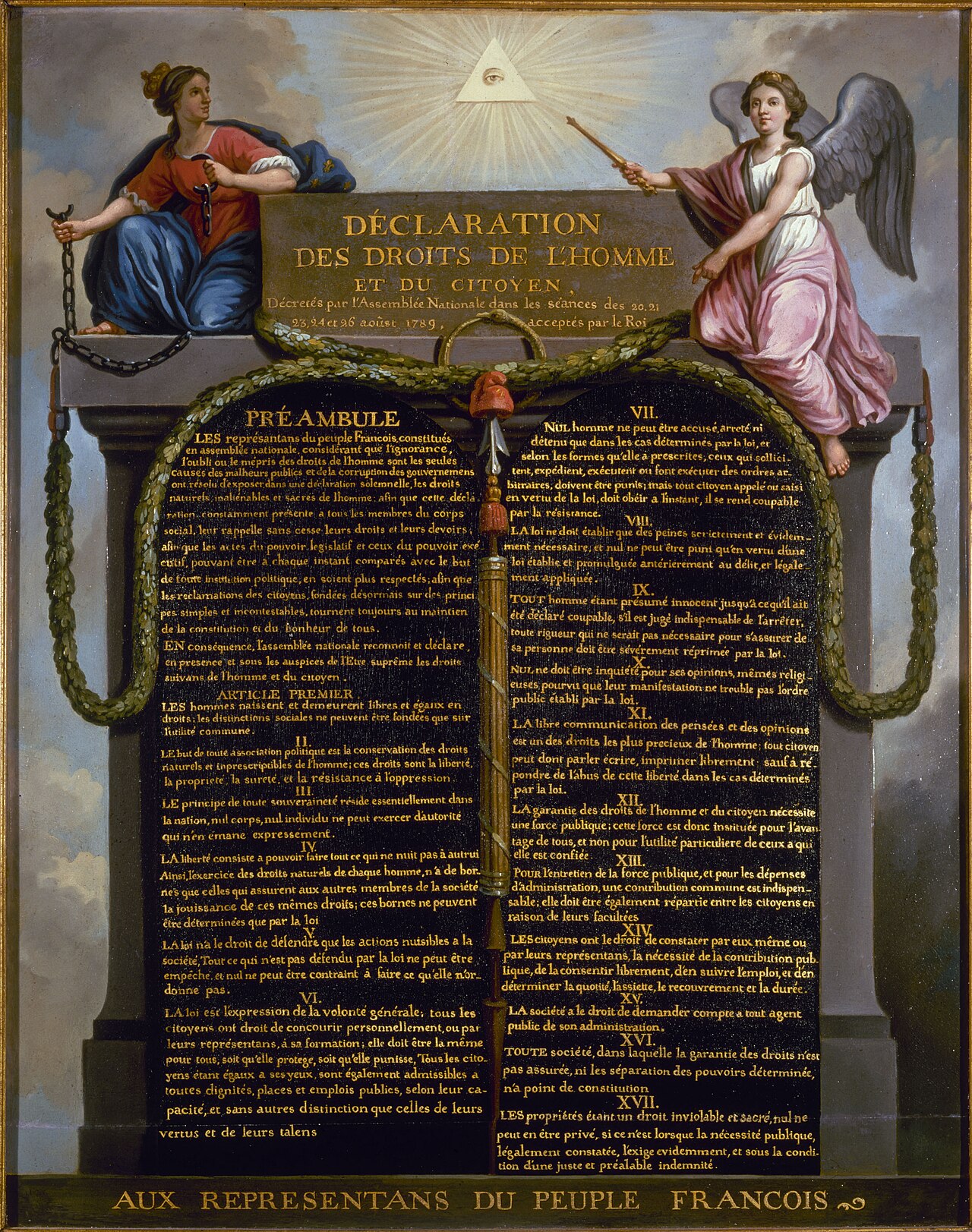 Document
Primary source
Declaration of the Rights of Man and of the Citizen
National Constituent Assembly · 1789
 Document
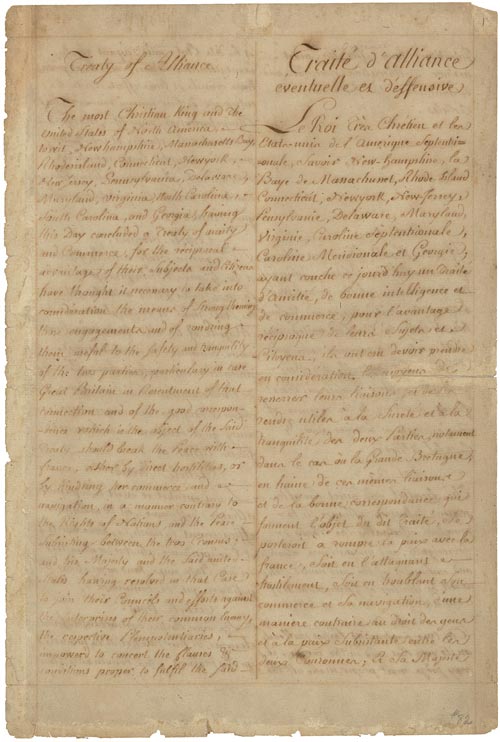
Primary source
Treaty of Alliance with France
6 February 1778
 Document
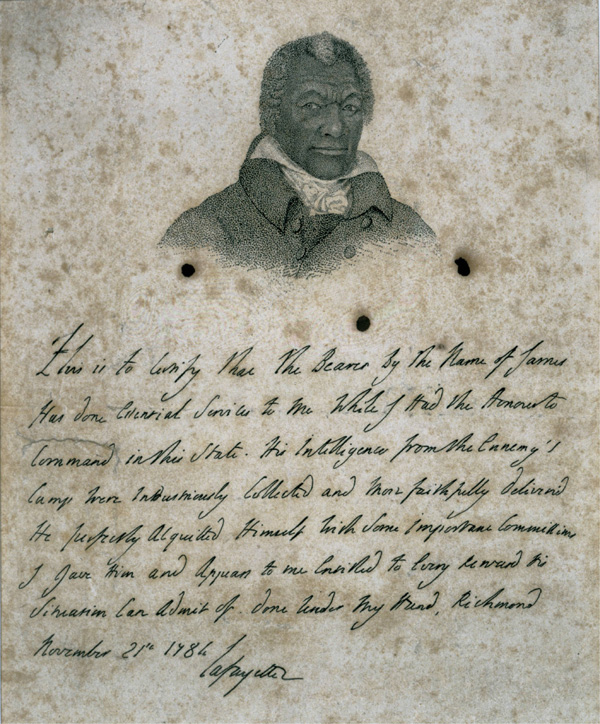
Primary source
Certificate for James Armistead Lafayette
Marquis de Lafayette · 21 November 1784
Primary source
Lafayette's Oath of Allegiance
Gilbert du Motier, Marquis de Lafayette · 9 June 1778
 Letter
Primary source
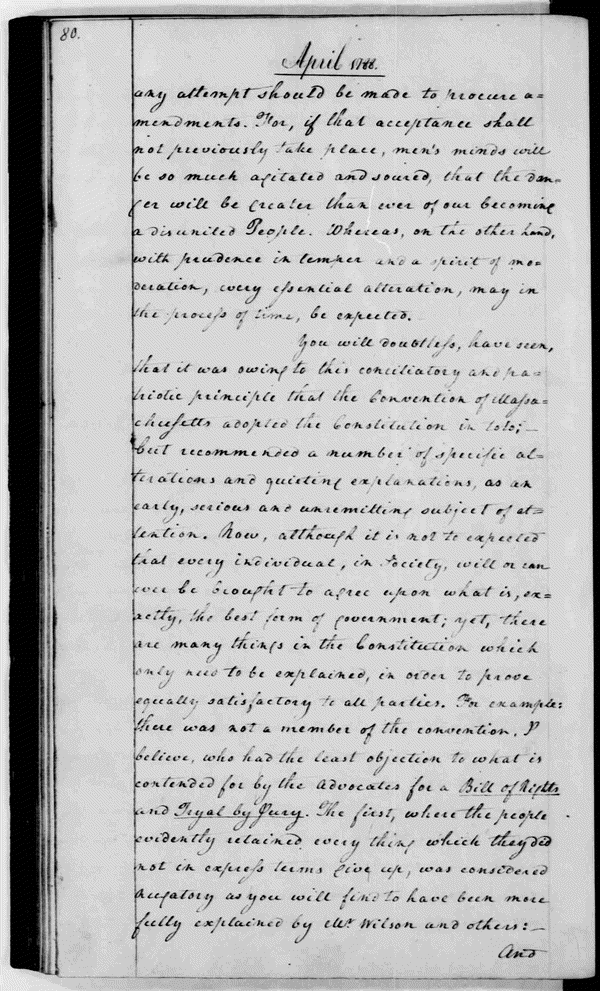
Letter from George Washington to Lafayette, 28 April 1788
George Washington · 28 April 1788
Ready when you are
Start chatting with Marquis de Lafayette now.
20 messages free · No credit card · Available in 50+ languages.