


Primary sourceDocument1789
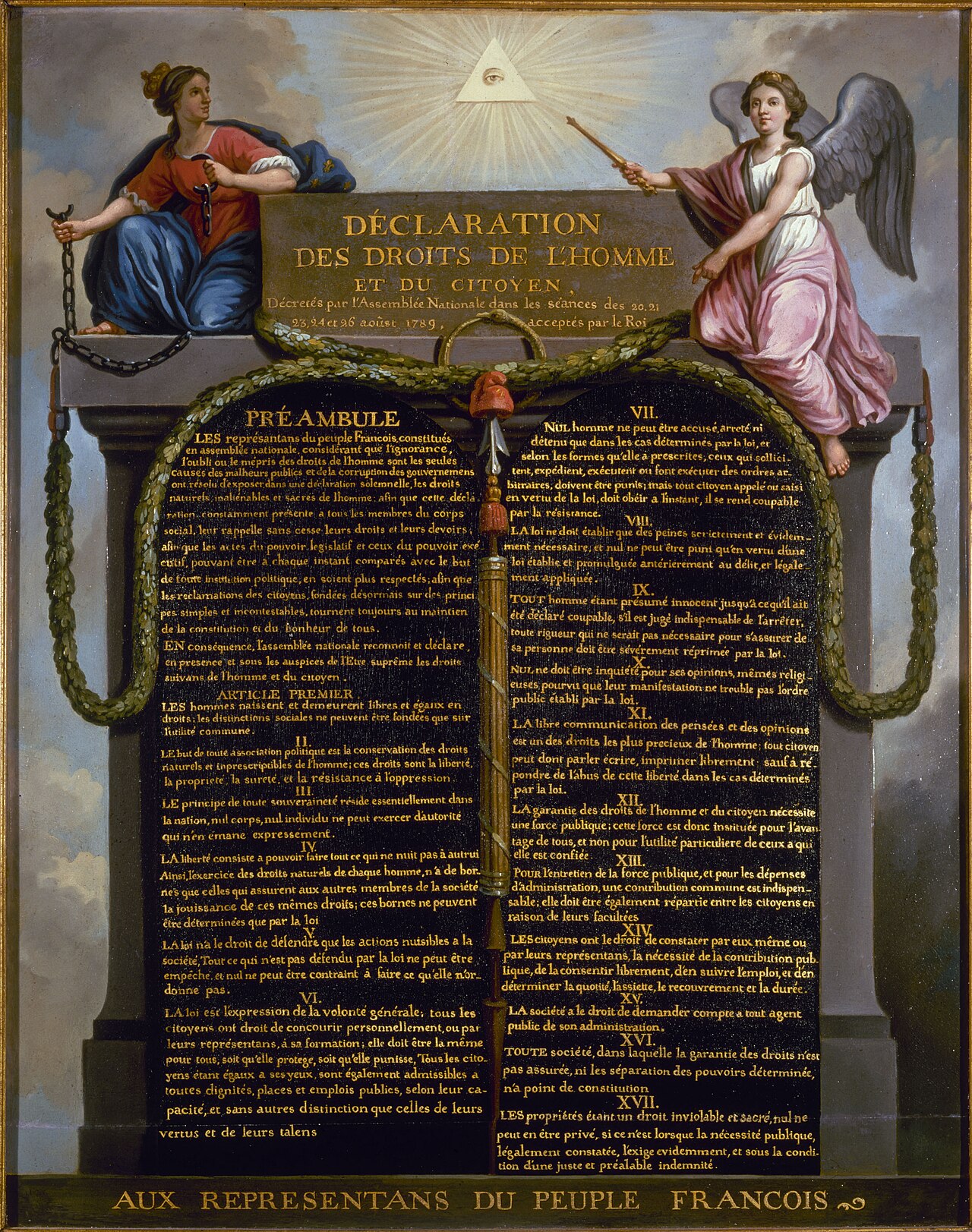
Declaration of the Rights of Man and of the Citizen
National Constituent Assembly · 1789
The founding 1789 document of the French Revolution, whose Article 16 enshrines Montesquieu's doctrine of the separation of powers.
This revolutionary document turned Montesquieu's theory of separated powers into founding French constitutional law.
About this source
What it is
Adopted by France's National Constituent Assembly in 1789, this declaration set out the natural and civil rights of citizens. It was drafted with contributions from the Marquis de Lafayette, Thomas Jefferson, Abbé Sieyès and others, and is held today in the Museum of National Archives.
Why it matters
The declaration drew directly on Enlightenment ideas, including Jean-Jacques Rousseau's social contract and Montesquieu's doctrine of the separation of powers. Article 16 states that a society without separation of powers has no constitution at all, turning Montesquieu's political theory into revolutionary law. It became a founding statement of individual liberty and democracy, later included in French constitutions.
Look closer
- How does Article 16 put Montesquieu's ideas from The Spirit of the Laws into legal language?
- Why might revolutionaries want to root their new laws in respected philosophical ideas?
- What groups might have been excluded from the 'universal' rights this document describes?
This document is part of the curated material that grounds the AI version of Baron de Montesquieu, Jean-Jacques Rousseau, Olympe de Gouges, Emmanuel Joseph Sieyès and Marquis de Lafayette on Humy.ai — when students ask about related events, the AI can quote it and cite it.
More Baron de Montesquieu sources
Meet the AI Baron de Montesquieu →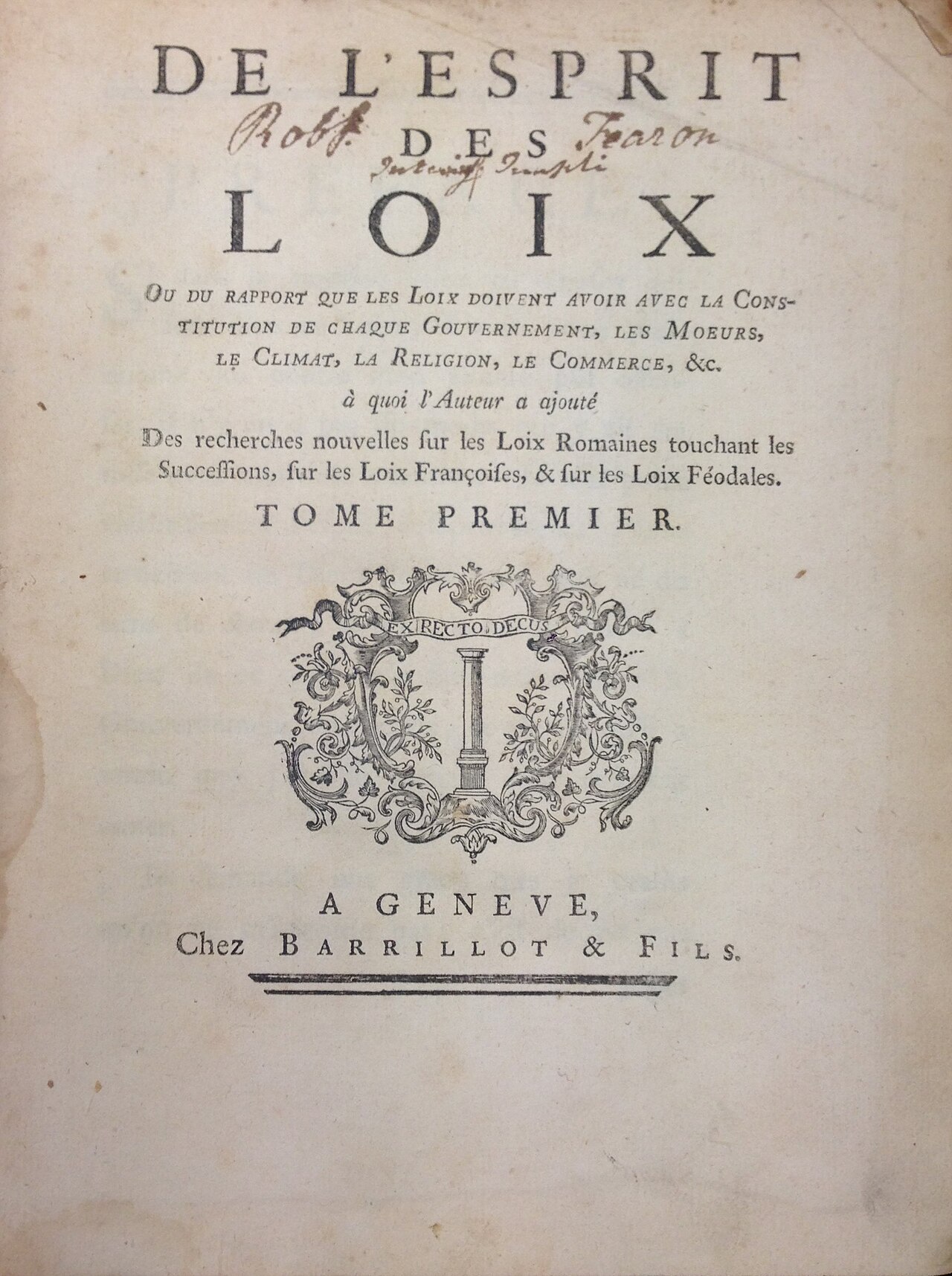 Book
Primary source
The Spirit of the Laws
Montesquieu · 1748
 Book
Primary source
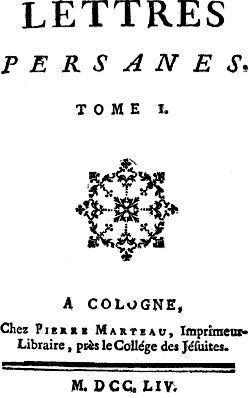
Persian Letters
Montesquieu · 1721
 Book
Primary source
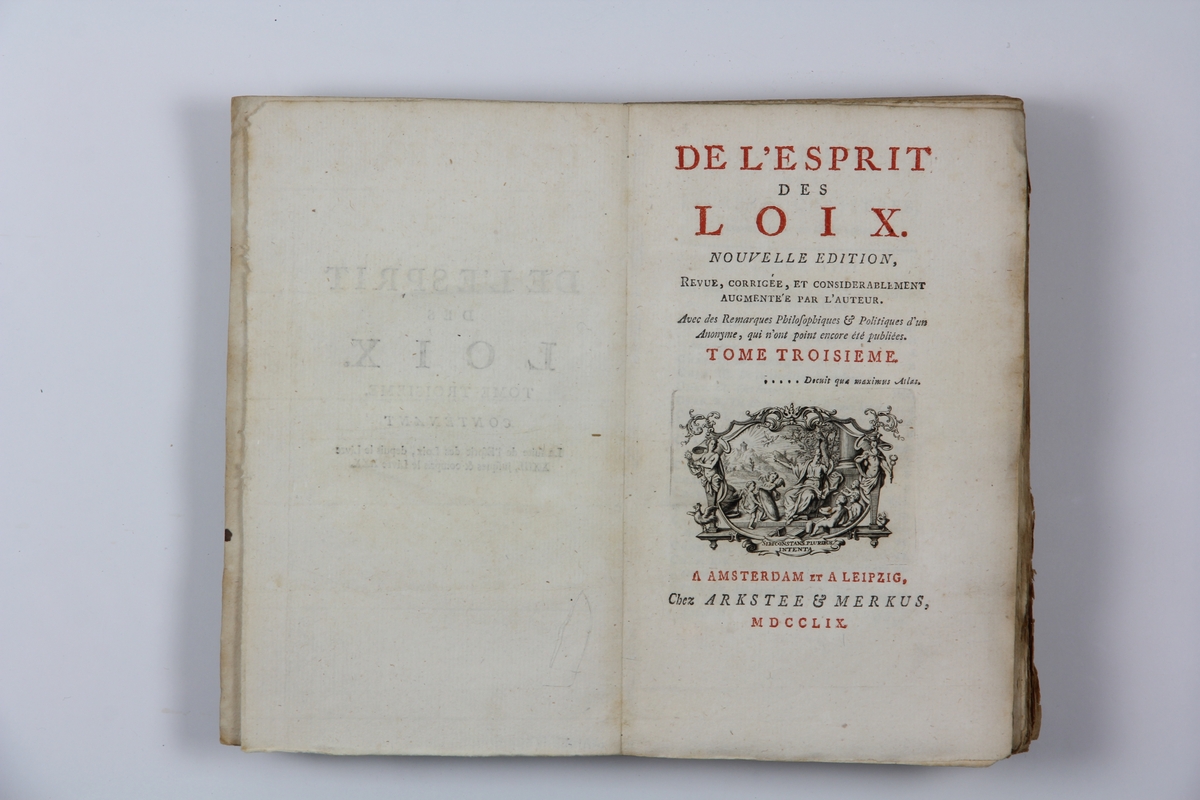
De l'esprit des loix (volume III), Amsterdam and Leipzig, 1759
Montesquieu · 1759
 Book
Primary source
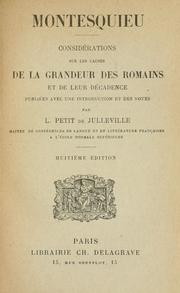
Considerations on the Causes of the Greatness of the Romans and their Decline
Montesquieu · 1734
 Document
Primary source
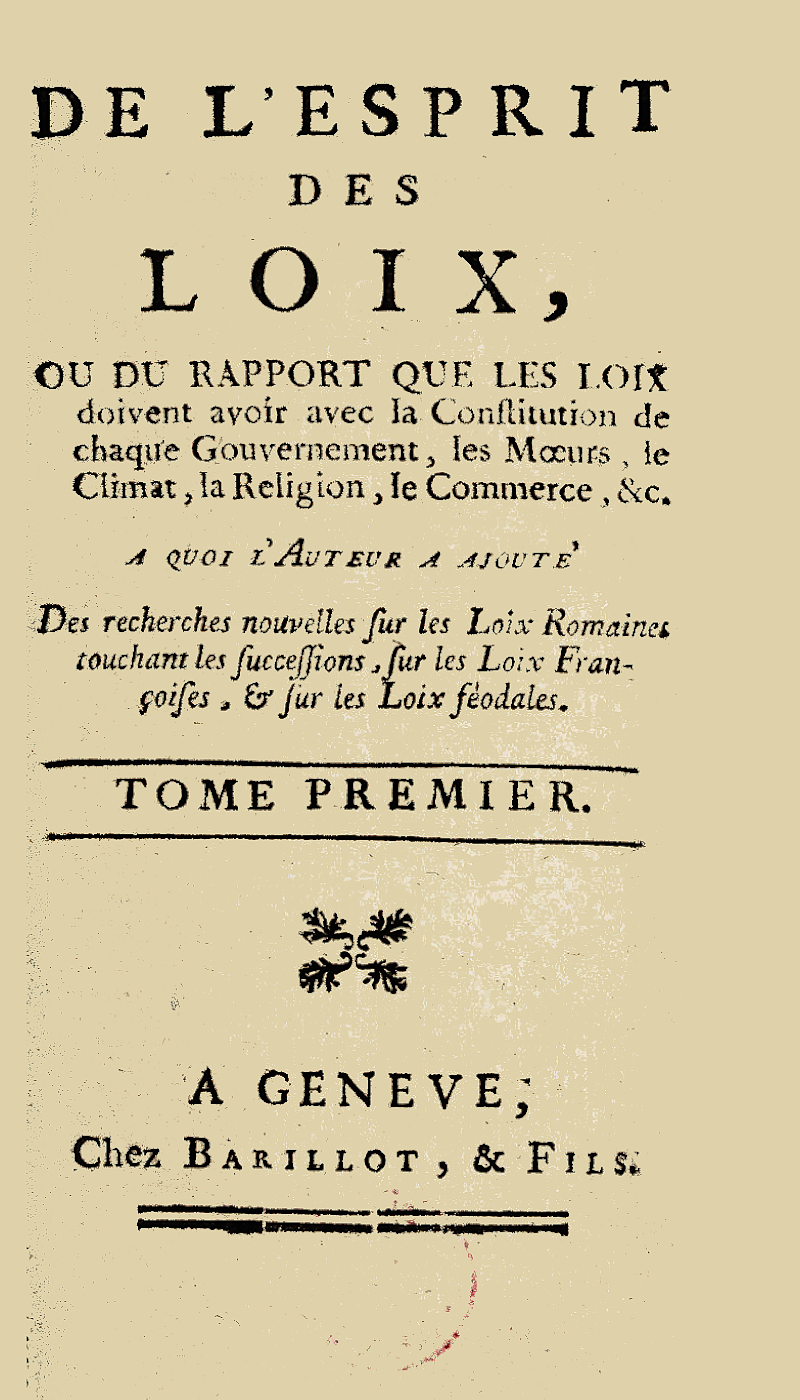
De l'Esprit des loix, Volume 1, Title Page
Montesquieu · 1748-1750
Ready when you are
Start chatting with Baron de Montesquieu now.
20 messages free · No credit card · Available in 50+ languages.