


Primary sourceSculpture1867
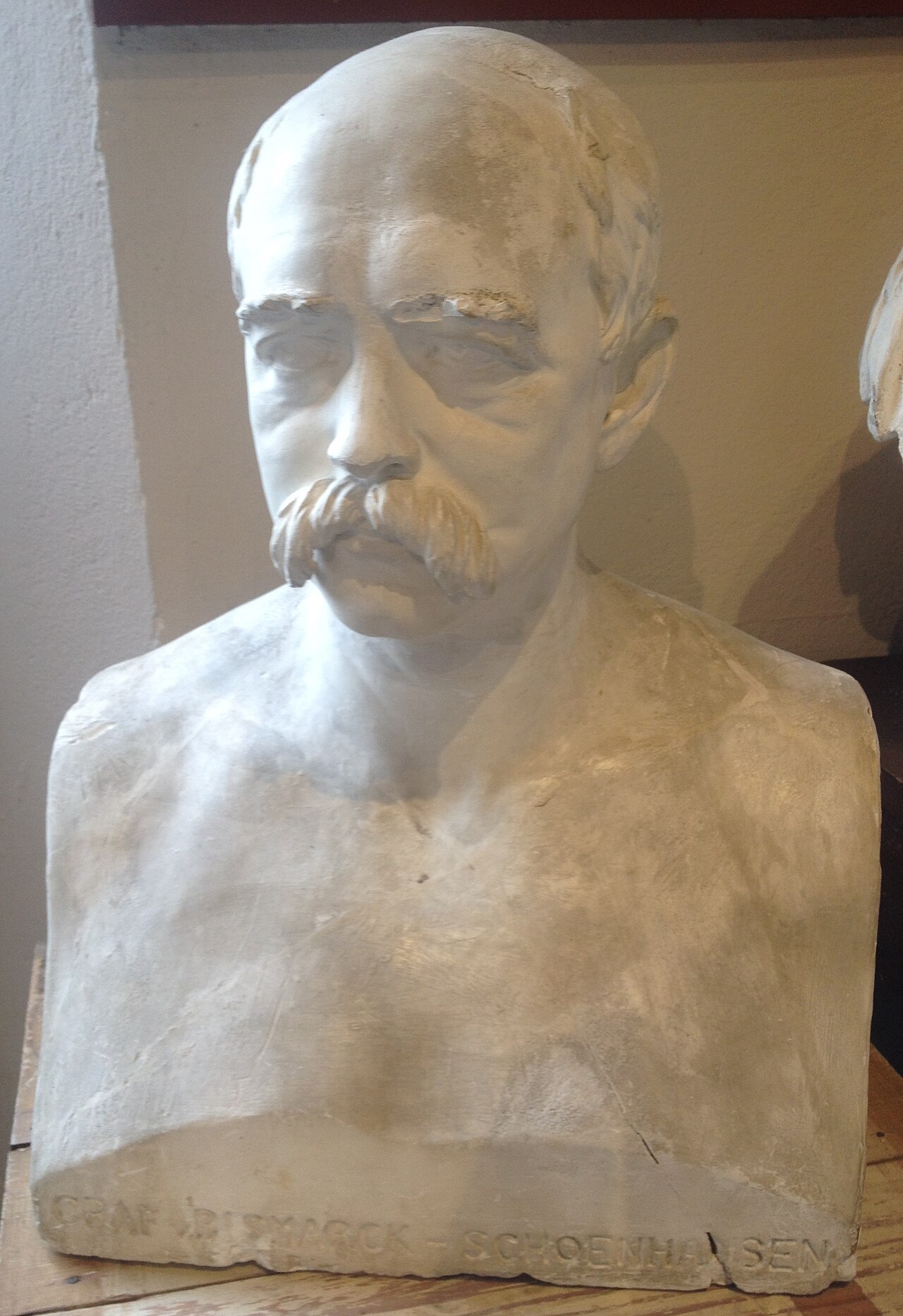
Bust of Otto von Bismarck
Elisabet Ney · 1867
A plaster bust of Bismarck made from life in 1867 by sculptor Elisabet Ney, now held at the Elisabet Ney Museum.
A life-made portrait bust of Bismarck, capturing his likeness and status during the period of German unification.
About this source
What it is
This is a white plaster bust of Otto von Bismarck, made in 1867 by the sculptor Elisabet Ney. It shows a balding man with a thick moustache and heavy brow, looking slightly downward. The base is inscribed 'GRAF v. BISMARCK-SCHOENHAUSEN'. The bust is held at the Elisabet Ney Museum in Austin, Texas.
Why it matters
Made during Bismarck's lifetime, this sculpture is a direct, physical likeness created while he was already a major political figure shaping German unification. It shows how artists of the time sought to capture his appearance and status as 'Graf' (count), and it tells us how he was presented to the public as a serious, authoritative leader.
Look closer
- What impression of Bismarck's character does the sculptor create through his expression and pose?
- Why might a sculptor want to work from life rather than from a photograph?
- What does the inscribed title on the base tell you about Bismarck's status at the time?
This sculpture is part of the curated material that grounds the AI version of Otto von Bismarck on Humy.ai — when students ask about related events, the AI can quote it and cite it.
More Otto von Bismarck sources
Meet the AI Otto von Bismarck →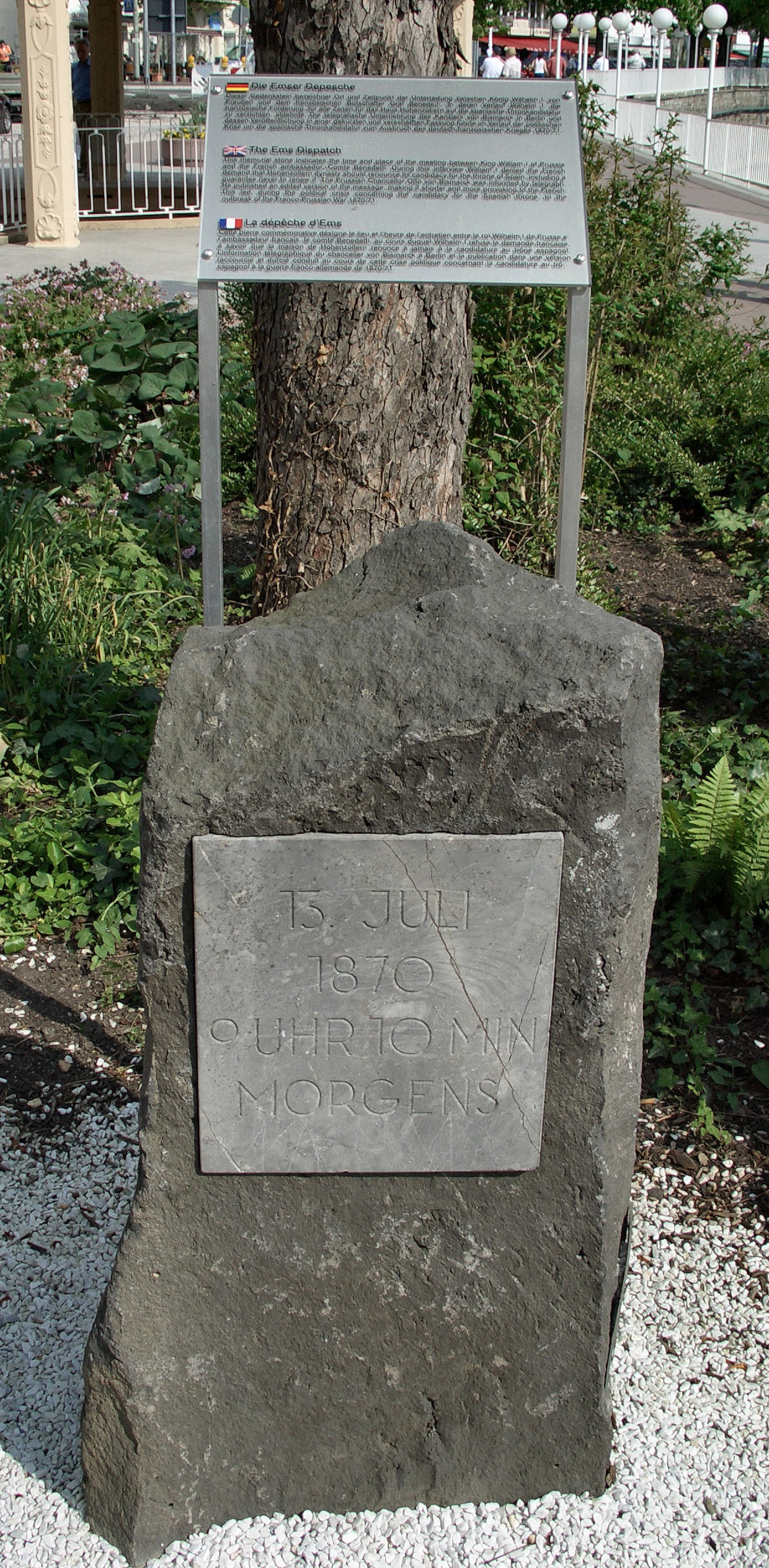 Document
Primary source
Ems Dispatch
Otto von Bismarck · 13 July 1870
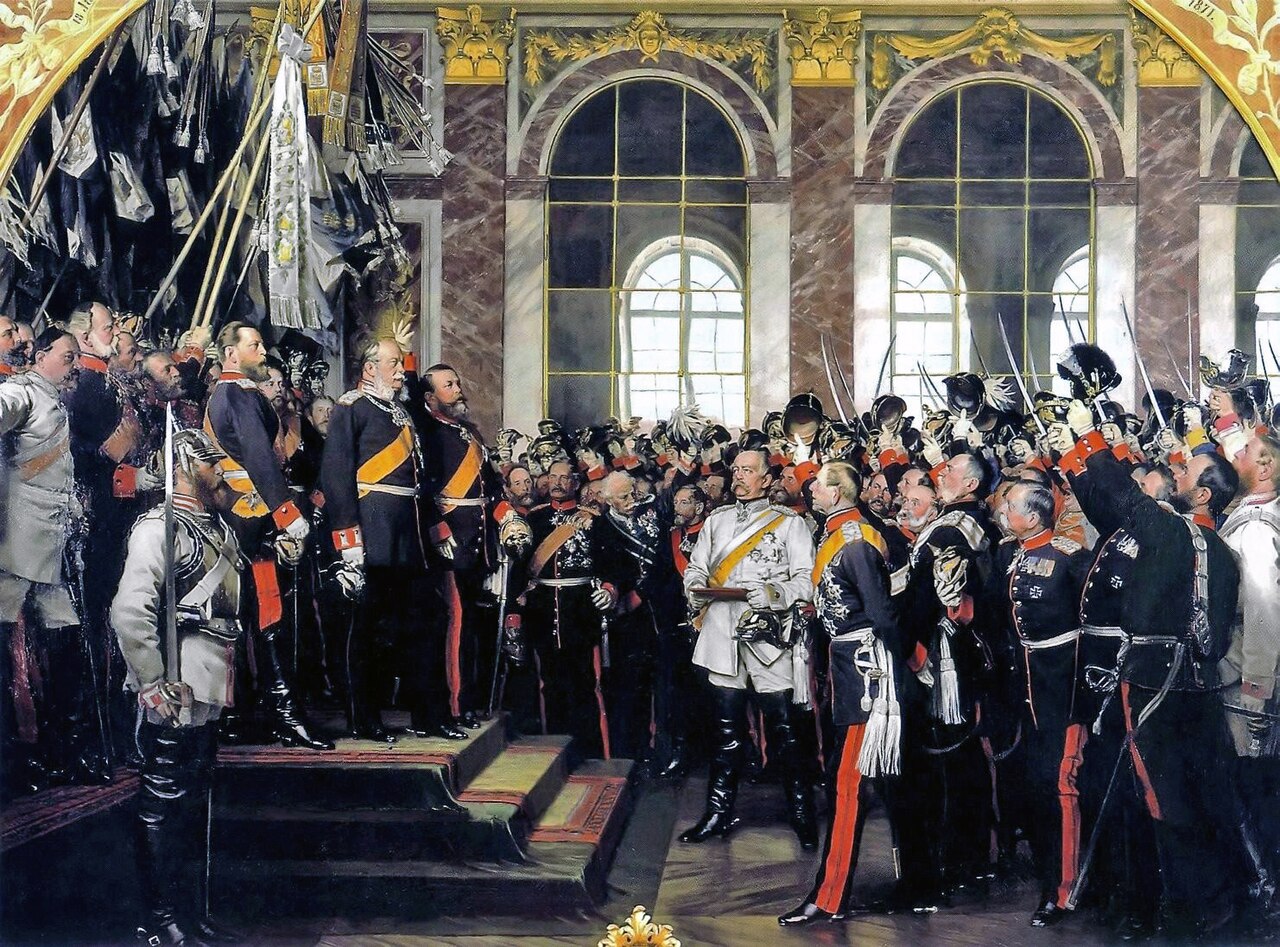 Painting
Secondary source
Proclamation of the German Empire at Versailles
Anton von Werner · 1885
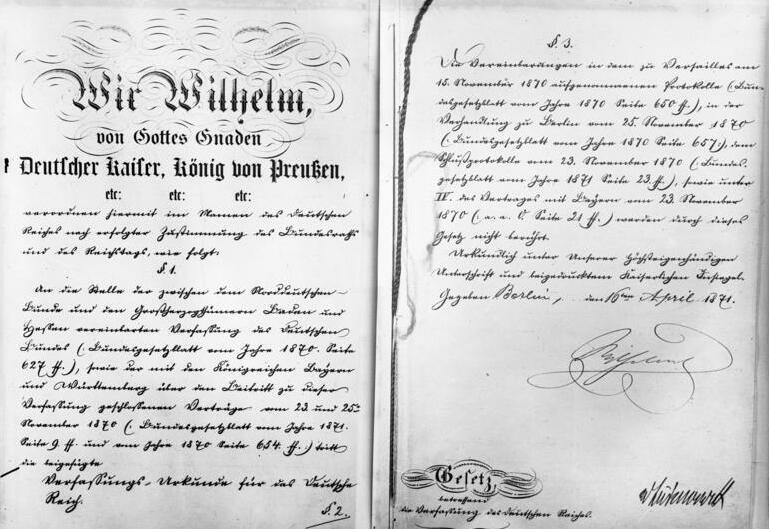 Document
Primary source
Constitution of the German Empire
4 May 1871
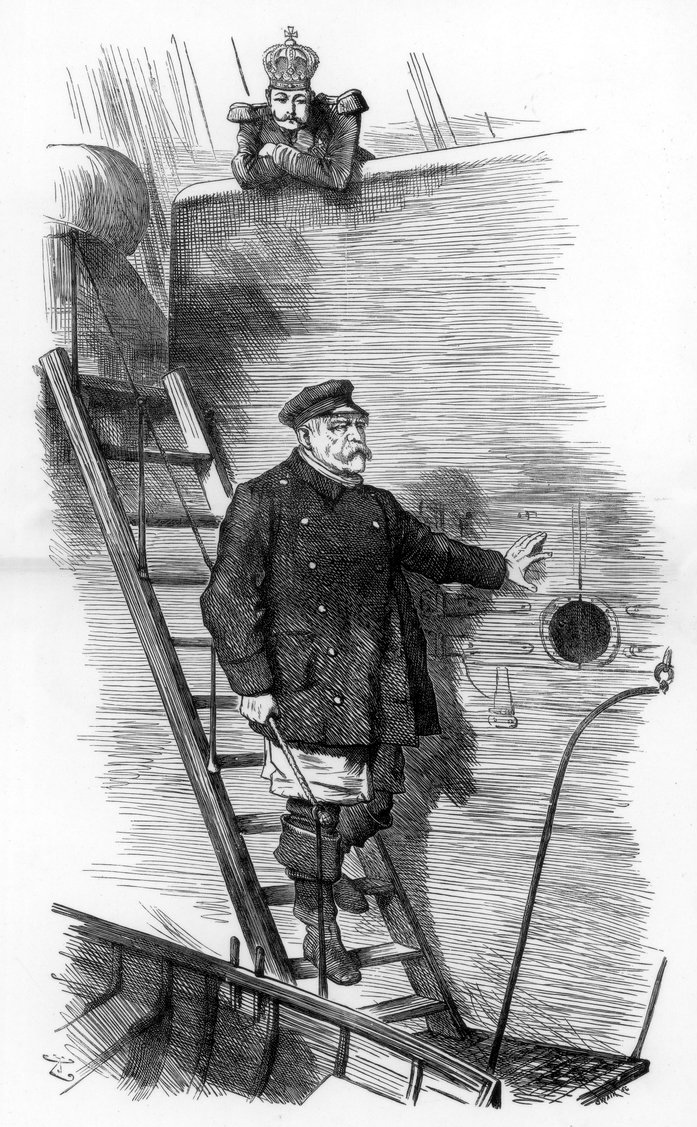 Painting
Secondary source
Dropping the Pilot
John Tenniel · 29 March 1890
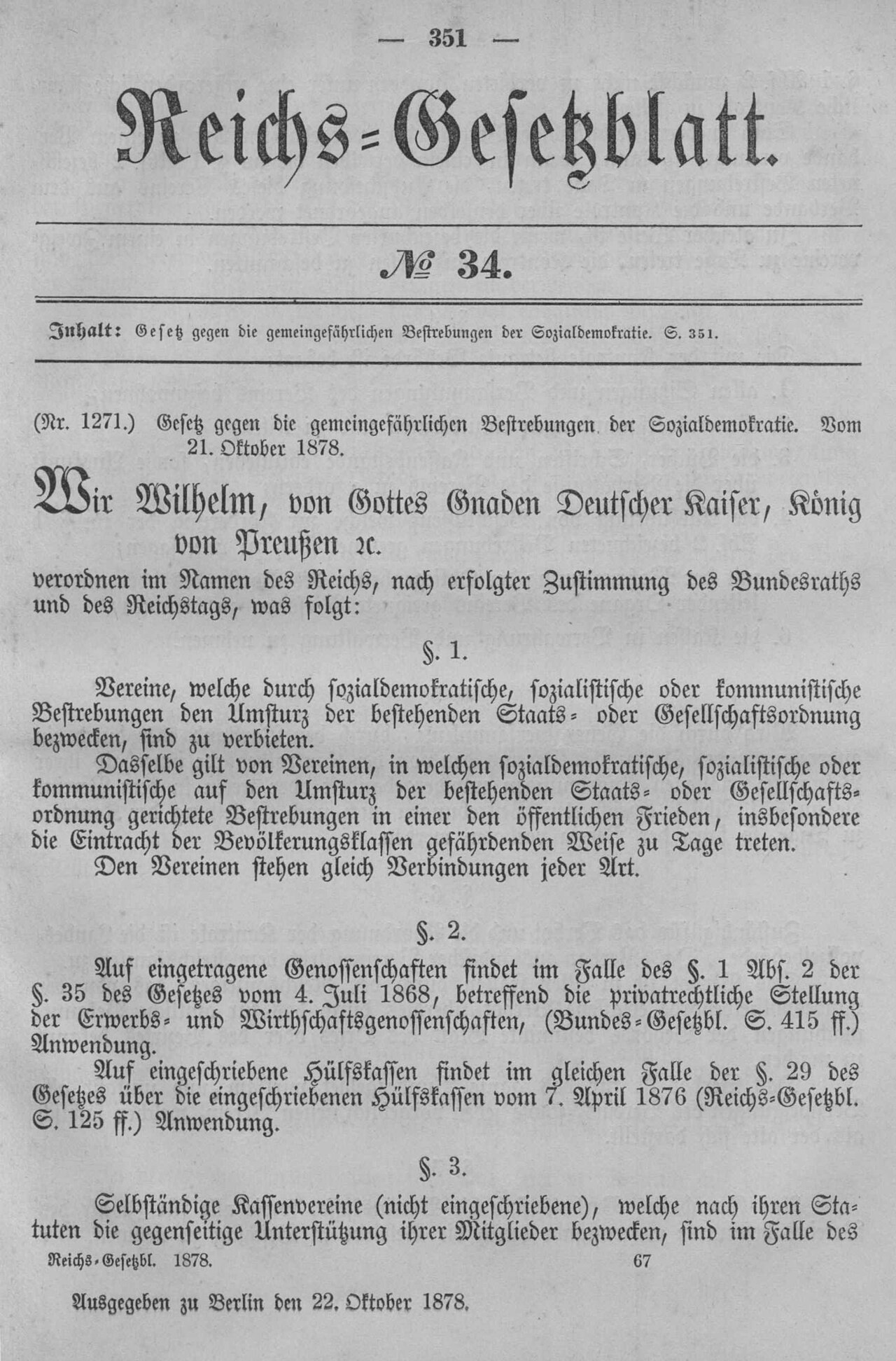 Document
Primary source
Anti-Socialist Law
21 October 1878
Ready when you are
Start chatting with Otto von Bismarck now.
20 messages free · No credit card · Available in 50+ languages.