


Secondary sourceBook1912
Cambridge Modern History, Vol. II, Chapter IX: The Reformation in France
1912
A 1912 scholarly history chapter on the Reformation in France, covering Calvin's early career and the affair of the placards.
A scholarly chapter that names Calvin and his early career within the story of the French Reformation.
About this source
What it is
This is Chapter IX of volume II of the Cambridge Modern History, titled "The Reformation in France", published in 1912. The chapter describes how the Reformation in France never became a national movement, and how Protestants became a minority that faced persecution and later religious wars. The text on Wikisource names Calvin, then called Jean Cauvin, and mentions a scandal involving a discourse written for him by a young scholar.
Why it matters
The chapter places Calvin within the wider French story, where most of the nation stayed Catholic and Protestant leaders were often treated as schismatics as well as heretics. It shows how scholars of the early twentieth century explained the religious wars that followed.
Look closer
- Why does the author say the Reformation in France never became a national movement?
- Which groups does the chapter present as shaping the cause, and how are they described?
- What might this chapter leave out about the people who did not appear in written records?
This book is part of the curated material that grounds the AI version of John Calvin on Humy.ai — when students ask about related events, the AI can quote it and cite it.
More John Calvin sources
Meet the AI John Calvin →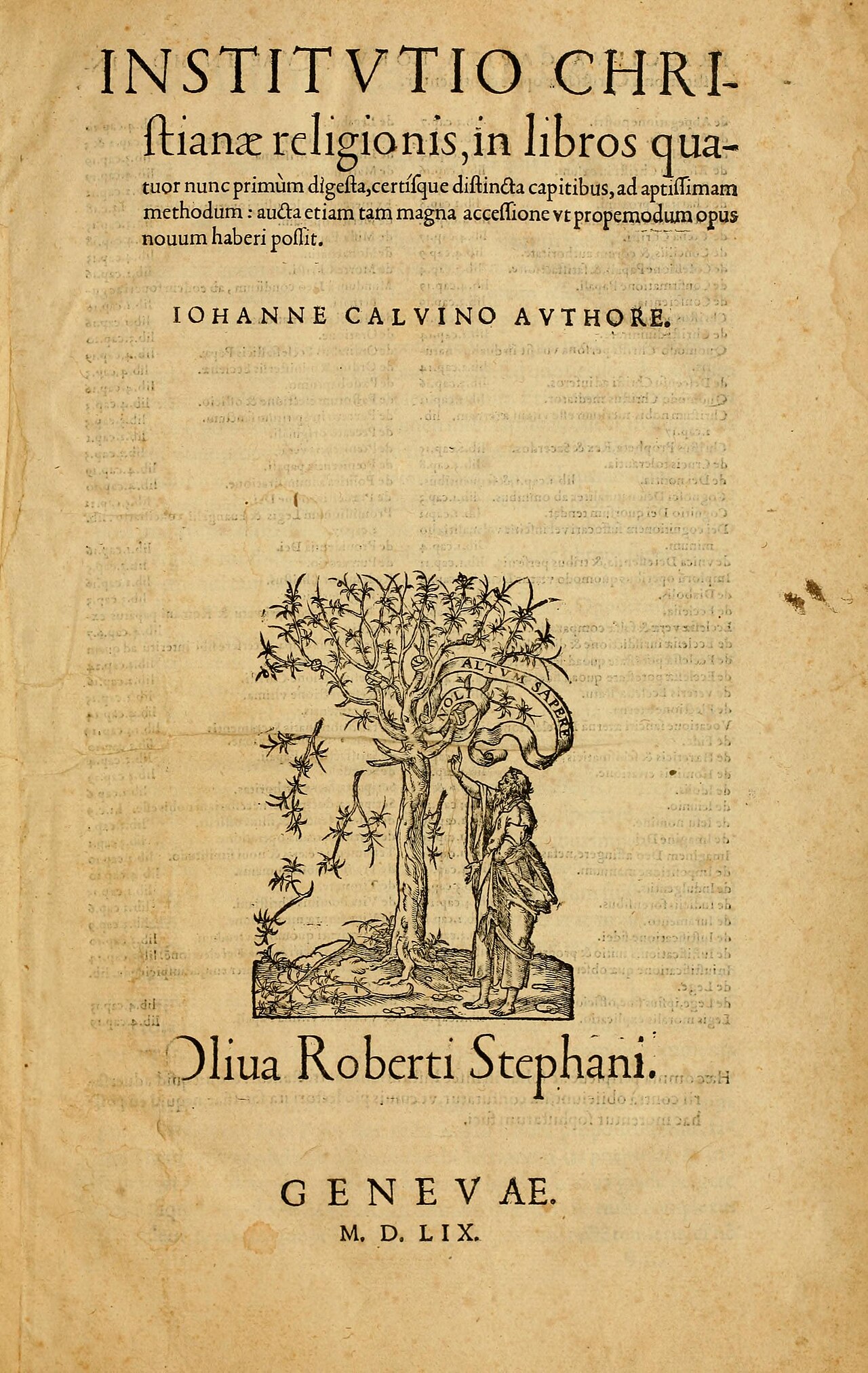 Book
Primary source
Institutes of the Christian Religion
John Calvin · 1536 (first edition); revised to 1559
Primary source
Geneva Catechism
John Calvin
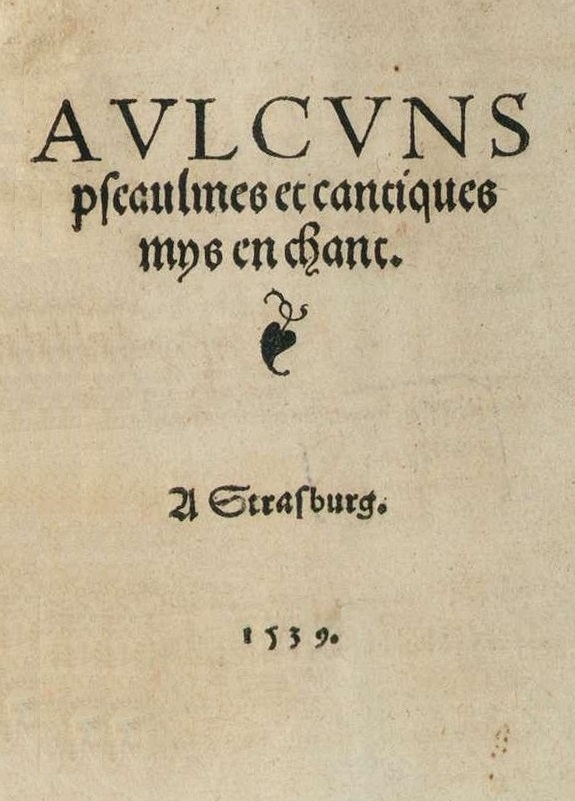 Book
Primary source
Genevan Psalter
John Calvin · 1562 (complete edition)
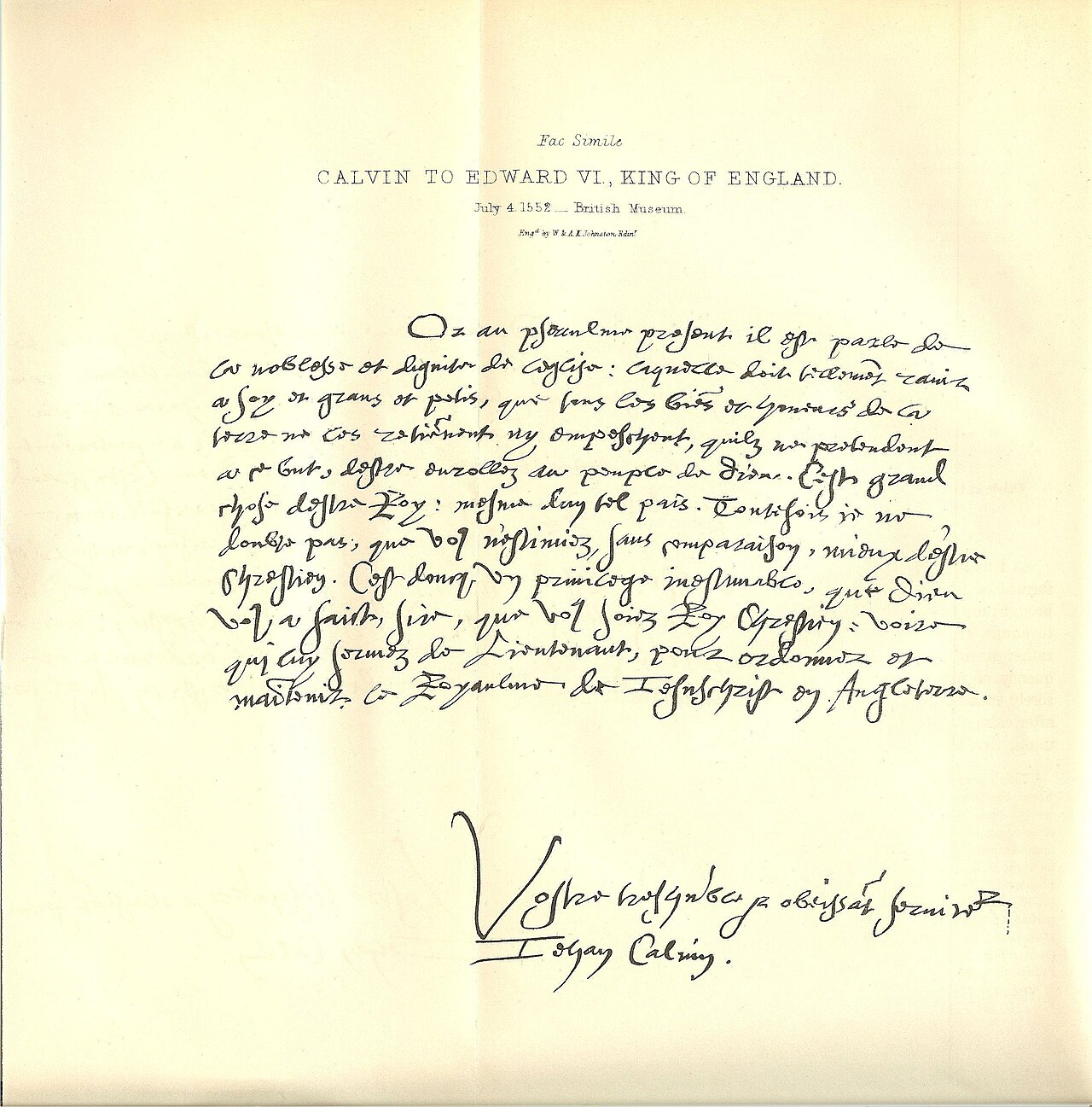 Letter
Primary source
Letter to Edward VI of England
John Calvin · 4 July 1552
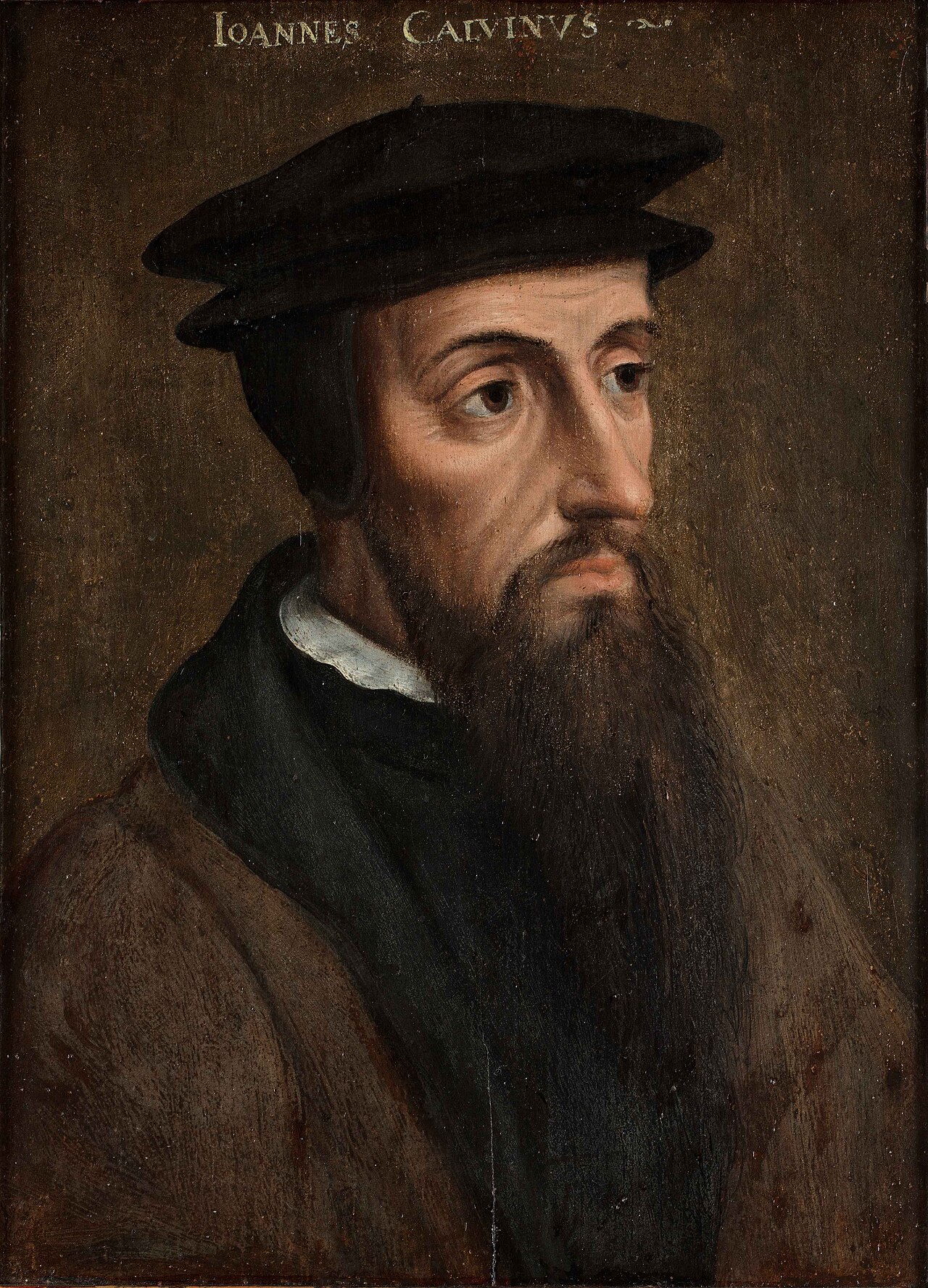 Painting
Primary source
Portrait of John Calvin
Unknown · 1550
Ready when you are
Start chatting with John Calvin now.
20 messages free · No credit card · Available in 50+ languages.