


Secondary sourceDocument1854
Canadian–American Reciprocity Treaty
1854
An 1854 free-trade treaty between the United States and British North America, negotiated under Pierce's administration.
Negotiated during Pierce's presidency, this treaty is cited as one of his administration's main diplomatic successes.
About this source
What it is
This 1854 treaty, also called the Elgin–Marcy Treaty, was negotiated between the United Kingdom (acting for British North America) and the United States. It opened trade in raw materials like timber and wheat between the two sides and granted fishing and navigation rights.
Why it matters
Negotiated under the administration of Franklin Pierce, it was one of the lasting diplomatic achievements of his presidency. The treaty shaped economic relations between the United States and the future Canada for over a decade, and its later cancellation in 1866 influenced Canadian confederation in 1867. Historians still debate how much it actually boosted the Canadian economy.
Look closer
- Why would merchants in Montreal threaten annexation to the United States to get this treaty?
- Who benefited most from this agreement, and who opposed it in the United States?
- What does the treaty's cancellation after the Civil War tell us about how politics and trade are connected?
This document is part of the curated material that grounds the AI version of Franklin Pierce on Humy.ai — when students ask about related events, the AI can quote it and cite it.
More Franklin Pierce sources
Meet the AI Franklin Pierce →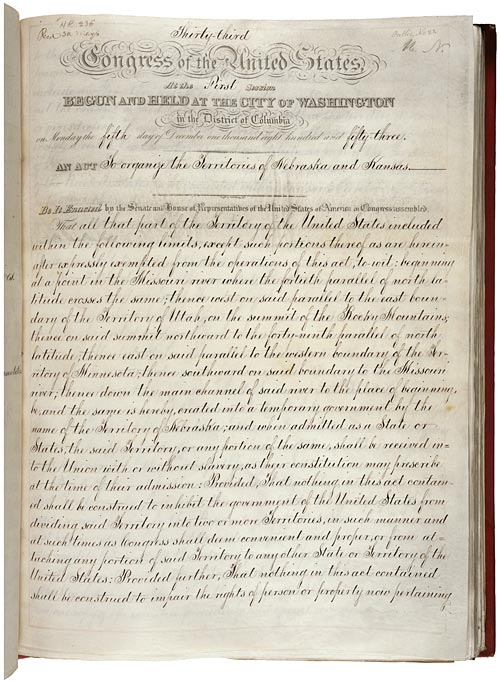 Document
Primary source
Kansas-Nebraska Act
United States Congress · 1854
Primary source
Inaugural Address of Franklin Pierce
Franklin Pierce · 4 March 1853
 Document
Secondary source
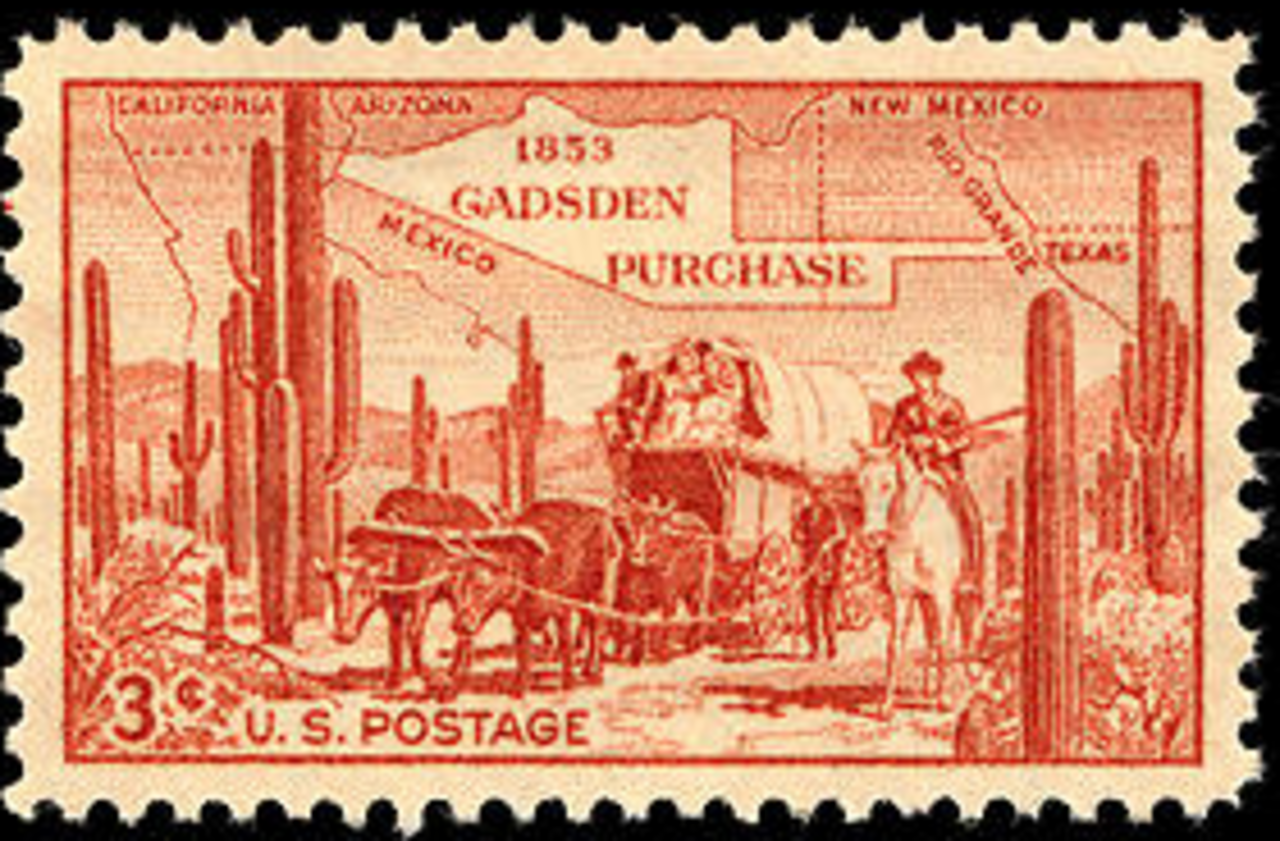
Gadsden Purchase
1853
 Painting
Primary source
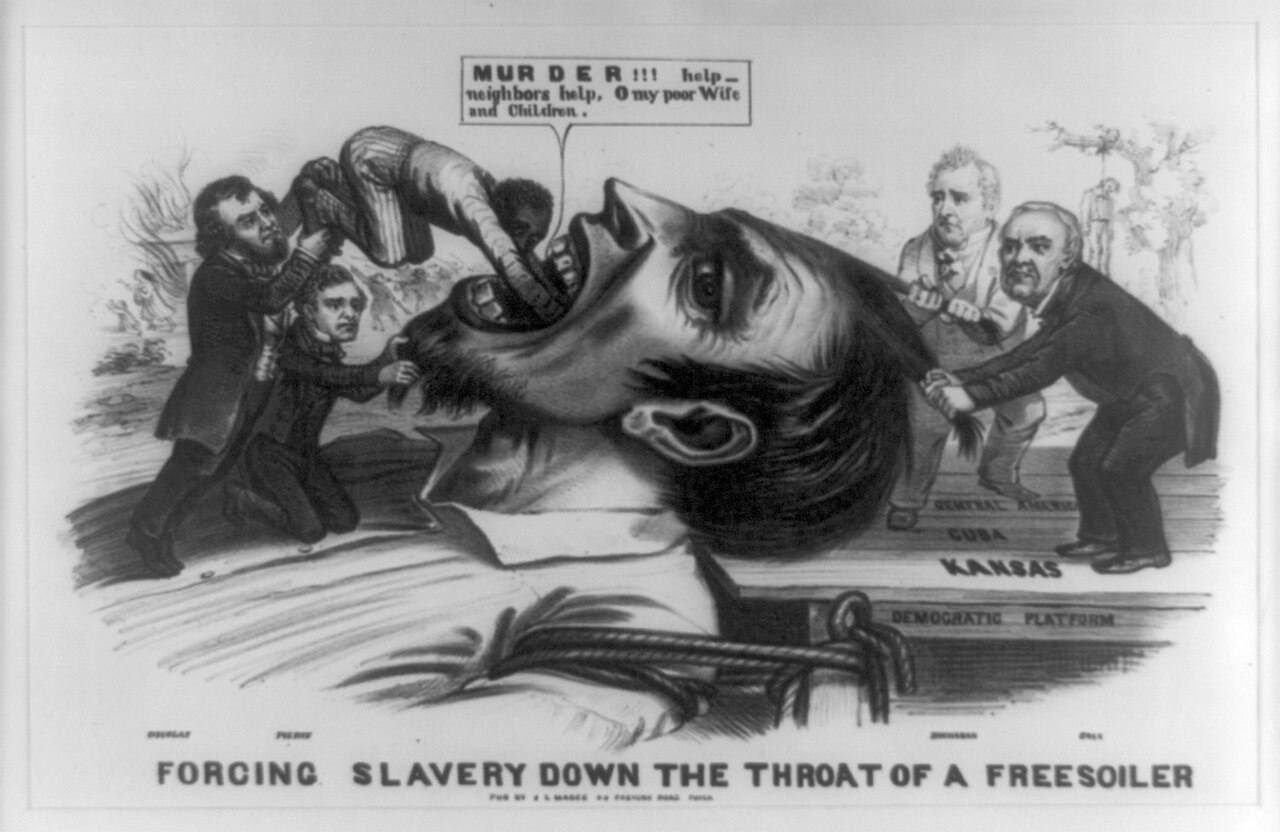
Forcing Slavery Down the Throat of a Freesoiler
John L. Magee · 1856
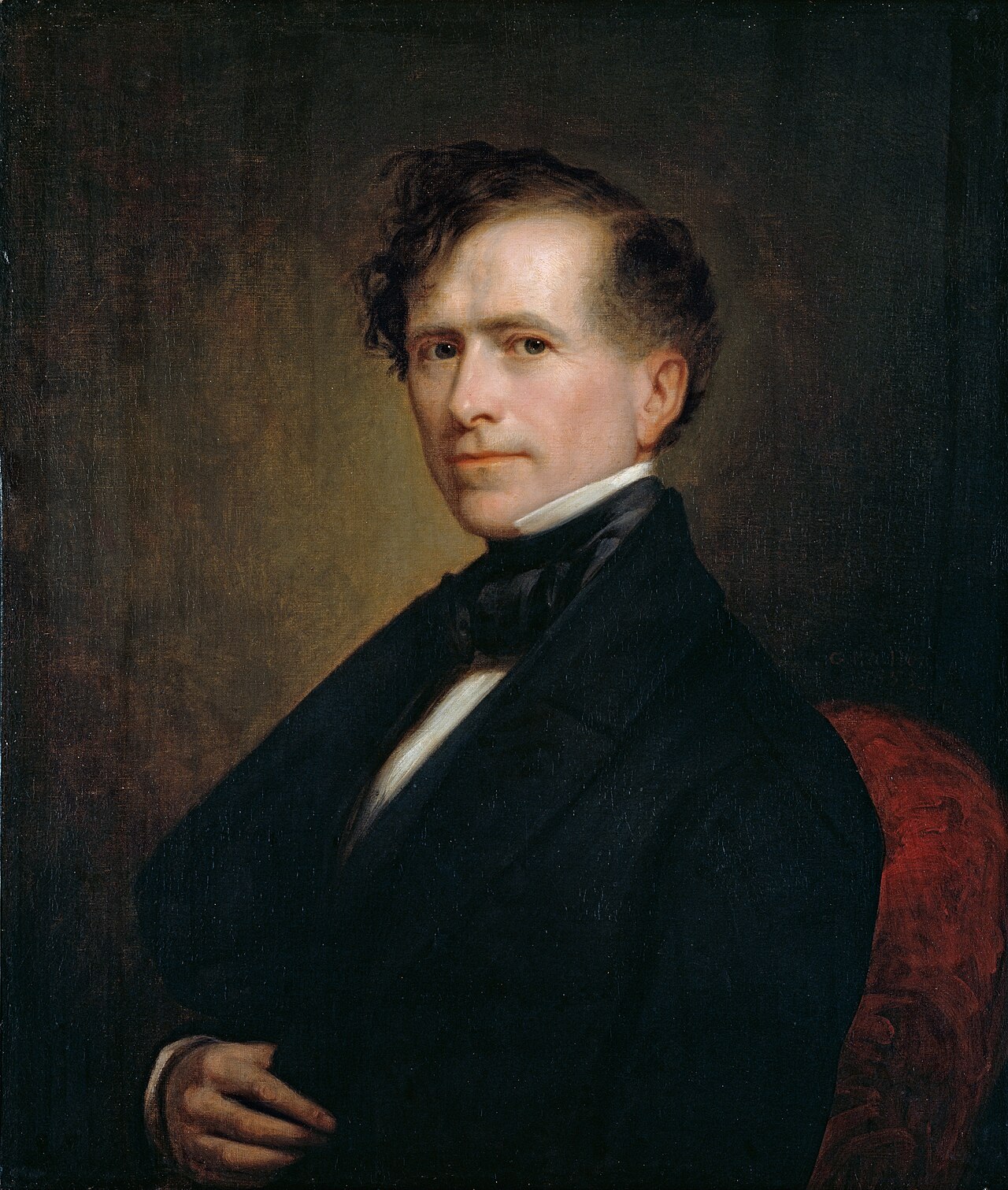 Painting
Primary source
Franklin Pierce
George Peter Alexander Healy · 1853
Ready when you are
Start chatting with Franklin Pierce now.
20 messages free · No credit card · Available in 50+ languages.