


Primary sourceSculpturec. 1160
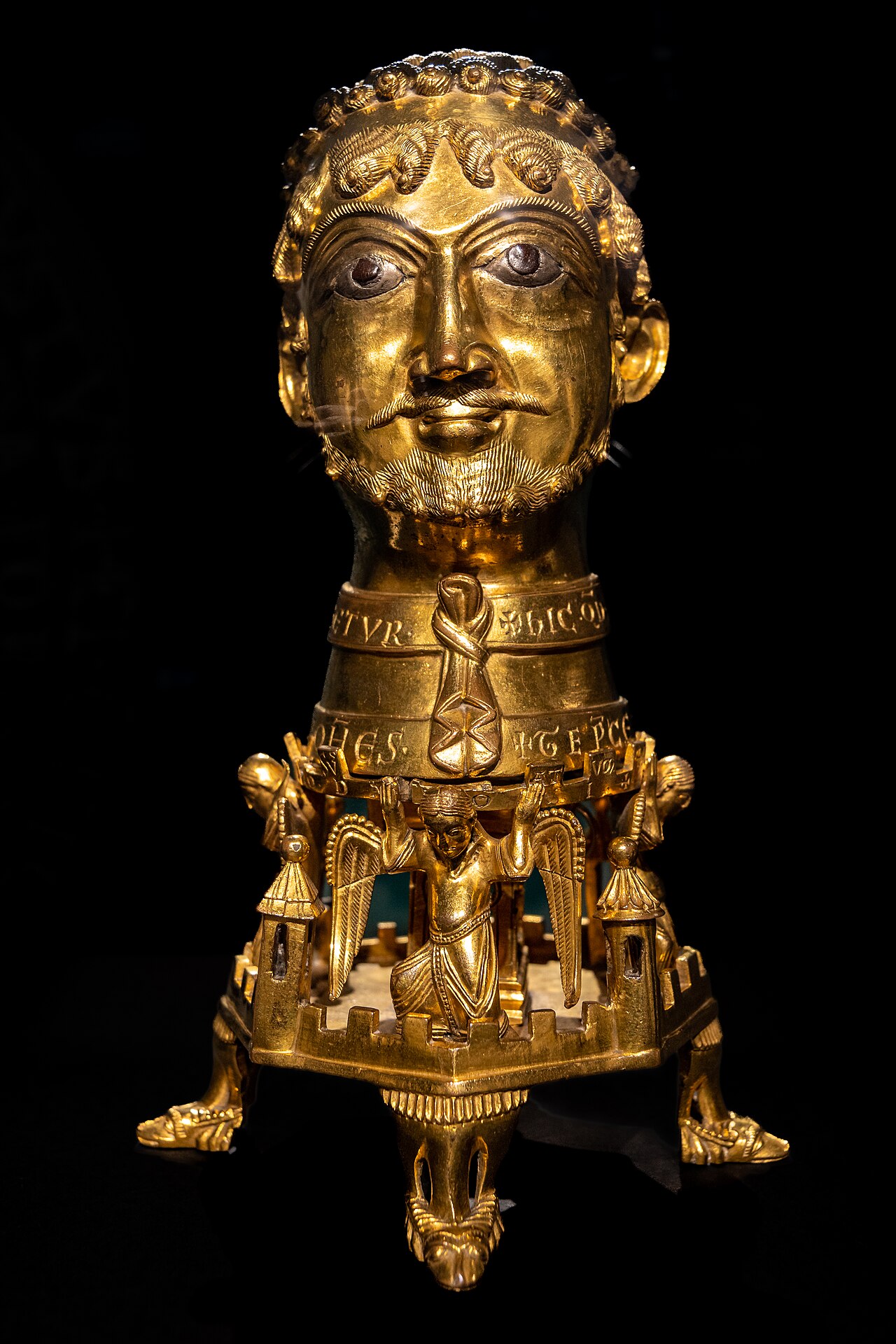
Cappenberg Head
c. 1160
A gilded bronze reliquary head from around 1160, long regarded as the earliest portrait-like image of Frederick Barbarossa, given by him to his godfather.
This bust was commissioned and gifted by Frederick and was long thought to be his actual likeness.
Free Humy account · No credit card · 120,912 sources to read
About this source
What it is
This gilded bronze head reliquary was made after 1155, possibly in Aachen. Records show it was donated by Emperor Frederick Barbarossa to his godfather Otto of Cappenberg, along with a silver baptismal bowl. Otto then gave both objects to Cappenberg Abbey, where the head remains in the church of St Johannes Evangelist.
Why it matters
For a long time people believed this was a true likeness of Frederick's face, making it hugely important for imagining what the emperor looked like. Modern scholars now think it is more likely an idealised image of an emperor based on ancient Roman models rather than an actual portrait. Either way, the gift shows the close personal bond between Frederick and Otto of Cappenberg, and how imperial image-making drew on classical traditions.
Look closer
- What details make the head look like an idealised ruler rather than a specific individual?
- Why might a gift like this have been valuable to the man who received it?
- How does knowing this might not be a true likeness change how we use it as evidence?
This sculpture is part of the curated material that grounds the AI version of Frederick Barbarossa on Humy.ai — when students ask about related events, the AI can quote it and cite it.
More Frederick Barbarossa sources
Browse all 95 →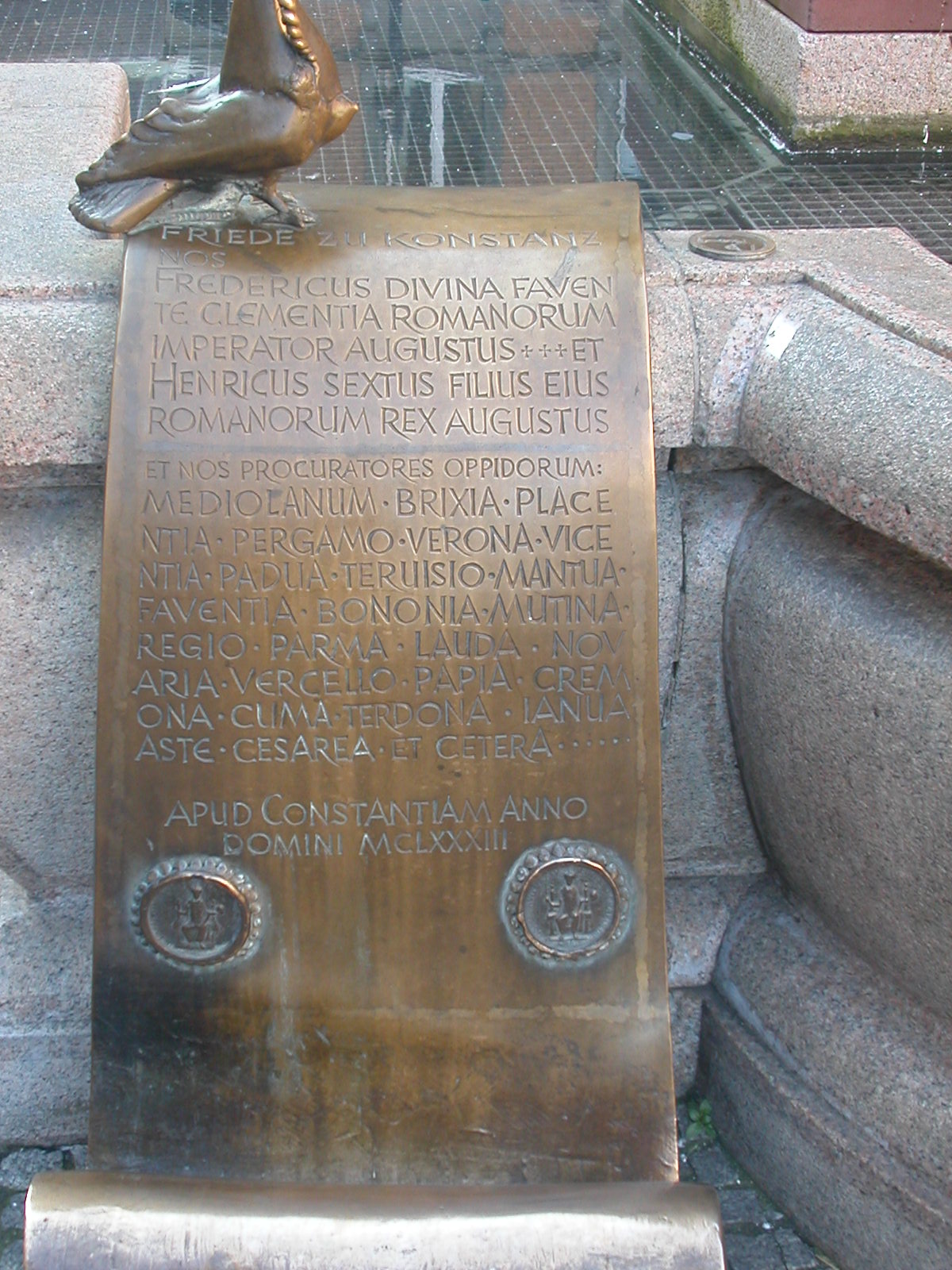 Document
Primary source
Peace of Constance
Frederick I Barbarossa · 25 June 1183
 Artifact
Primary source
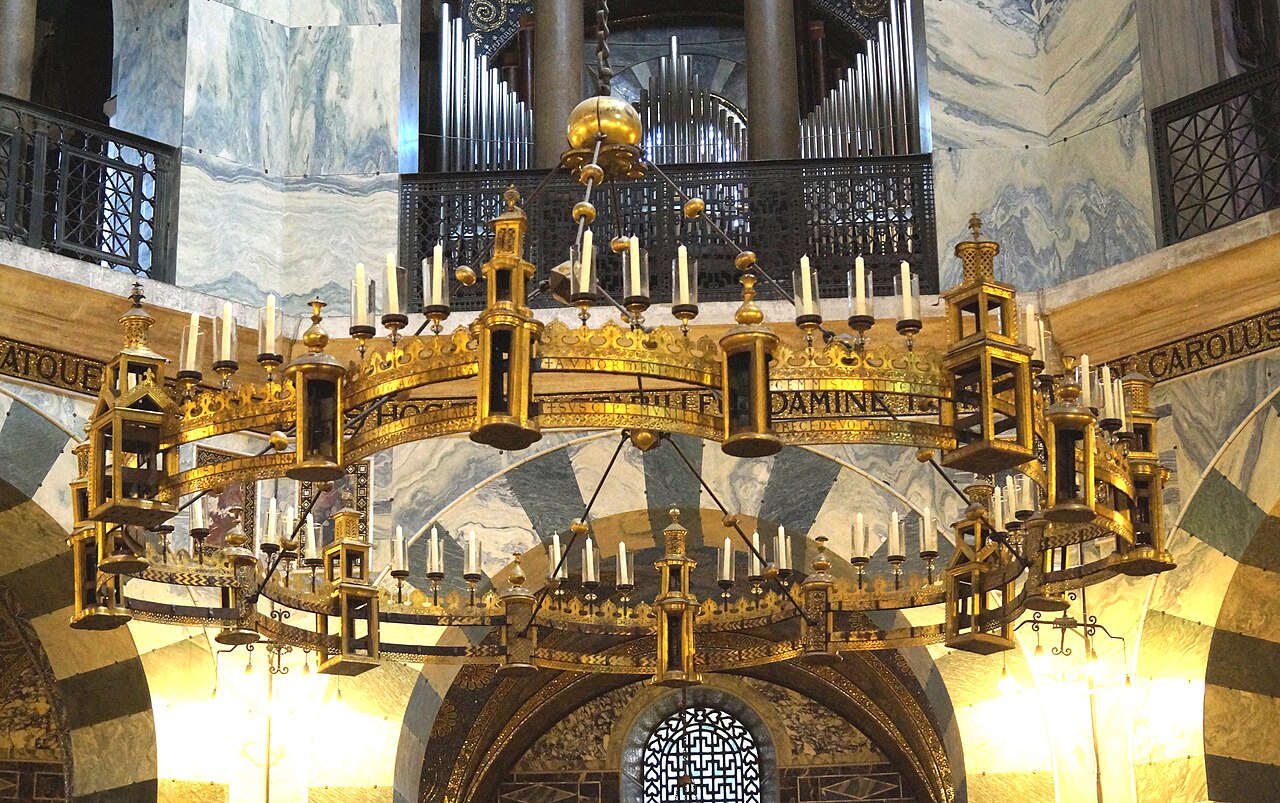
Barbarossa Chandelier
c. 1165-1170
 Document
Primary source
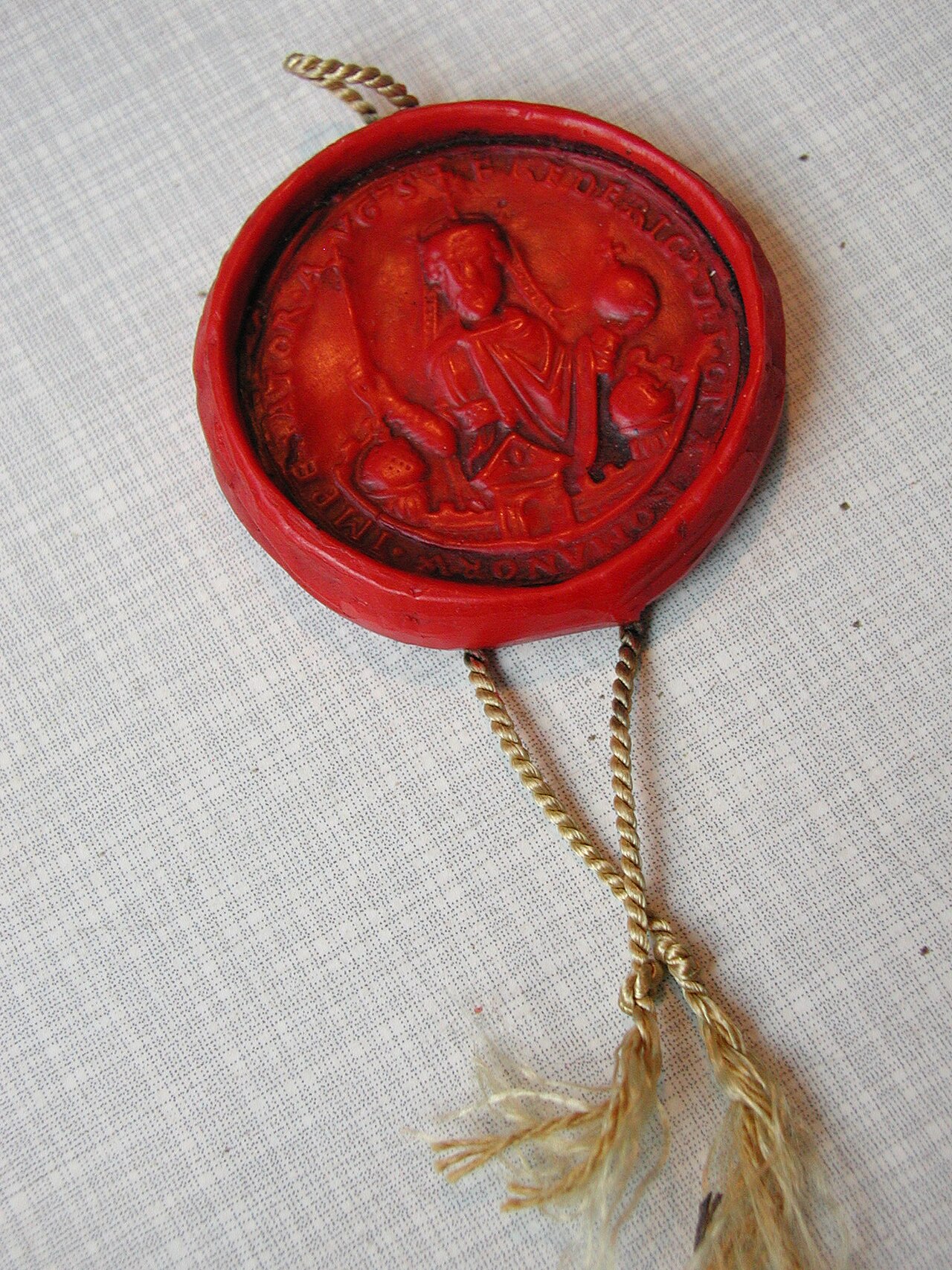
Authentica habita
Frederick I Barbarossa · c. 1155
 Document
Primary source
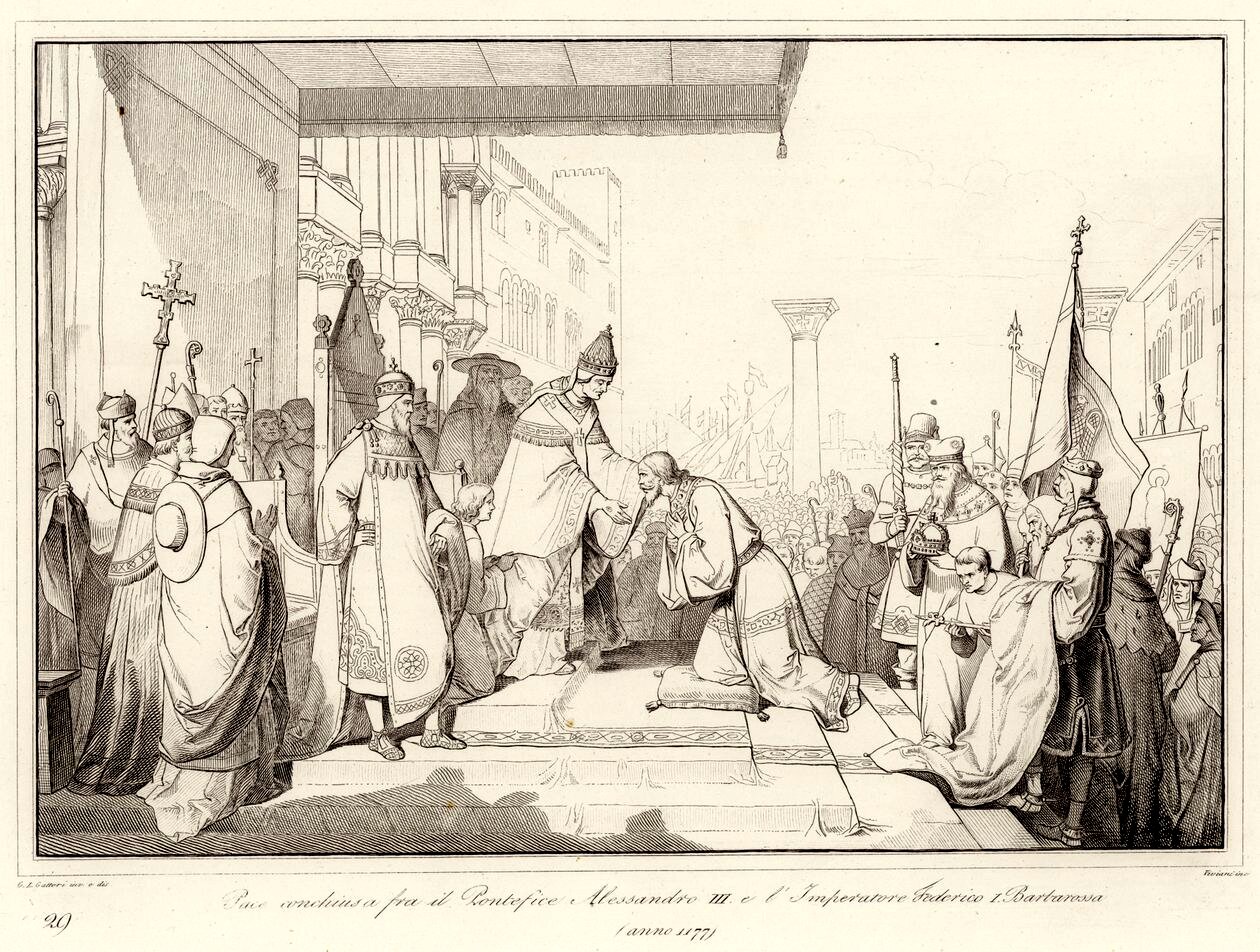
Treaty of Venice
1177
Free account
Read every Frederick Barbarossa source
Sign up free →
Ready when you are
Start chatting with Frederick Barbarossa now.
20 messages free · No credit card · Available in 50+ languages.