


Primary sourceArtifact1891
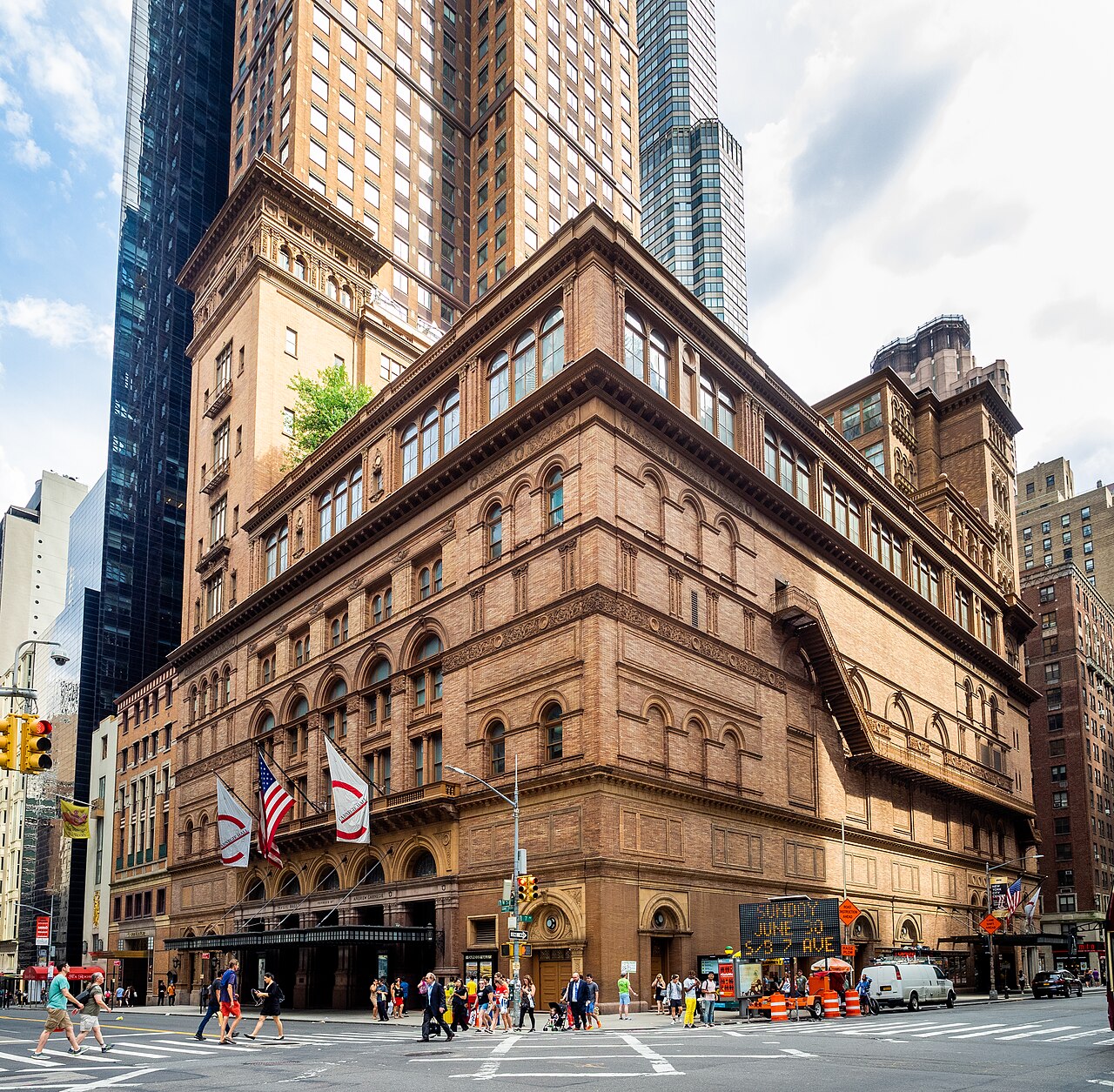
Carnegie Hall
William Burnet Tuthill · 1891
A concert hall in Midtown Manhattan built by architect William Tuthill and funded by Andrew Carnegie, opened in 1891 as his first major gift to the arts.
Carnegie commissioned and funded this concert hall, making it a landmark of his cultural philanthropy.
About this source
What it is
Carnegie Hall is a concert venue on Seventh Avenue in Manhattan, New York City, designed by architect William Burnet Tuthill with help from Richard Morris Hunt and Dankmar Adler. It was built between 1889 and 1891 and funded by Andrew Carnegie. It still stands today and hosts hundreds of performances each year.
Why it matters
The hall became one of the most famous concert venues in the world and shows how Carnegie used his fortune to support culture, not just industry. Its construction helped create an artistic hub in Midtown Manhattan. The building survived a demolition threat in the 1950s thanks to a public campaign, showing how much value people placed on it later.
Look closer
- Why might a wealthy industrialist choose to fund a concert hall rather than keep the money?
- What does the building's grand architecture suggest about how Carnegie wanted to be remembered?
- What is left out of this image about the people who built the hall or performed there?
This artifact is part of the curated material that grounds the AI version of Andrew Carnegie on Humy.ai — when students ask about related events, the AI can quote it and cite it.
More Andrew Carnegie sources
Meet the AI Andrew Carnegie →Primary source
The Gospel of Wealth
Andrew Carnegie · June 1889
 Book
Primary source
The Autobiography of Andrew Carnegie
Andrew Carnegie · 1920 (published posthumously)
 Newspaper article
Primary source
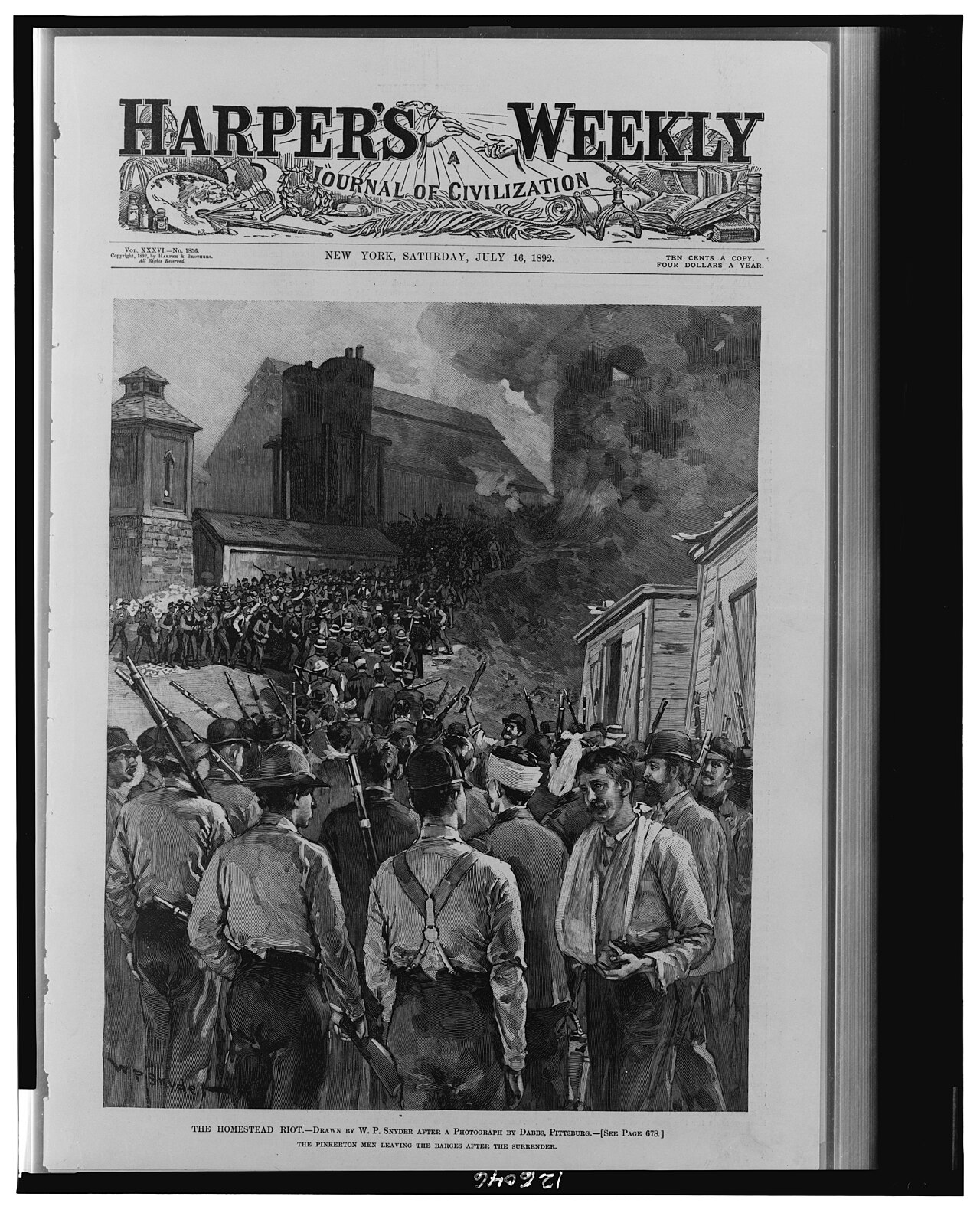
The Homestead Riot
W. P. Snyder · 16 July 1892
 Photograph
Primary source
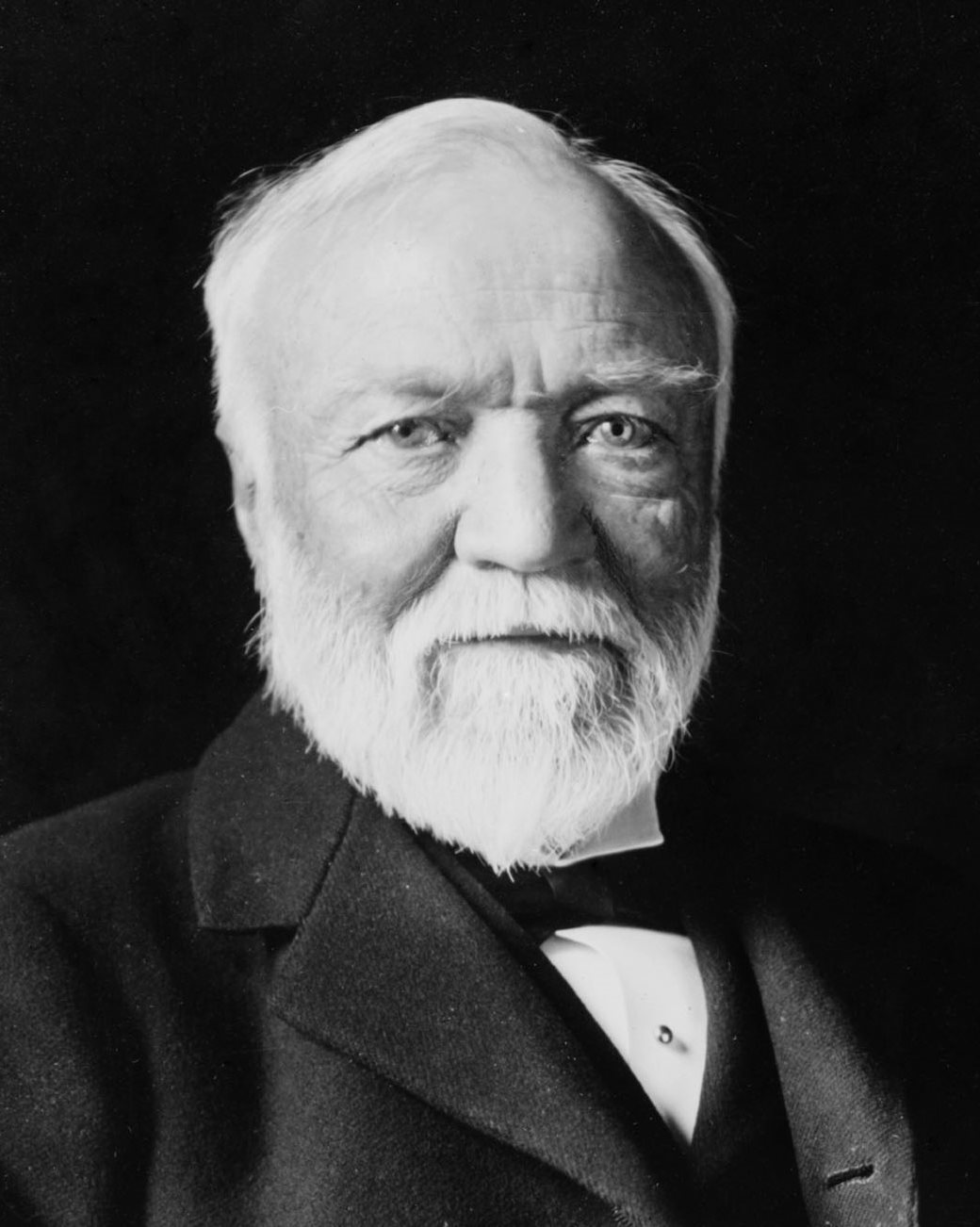
Portrait of Andrew Carnegie
1913
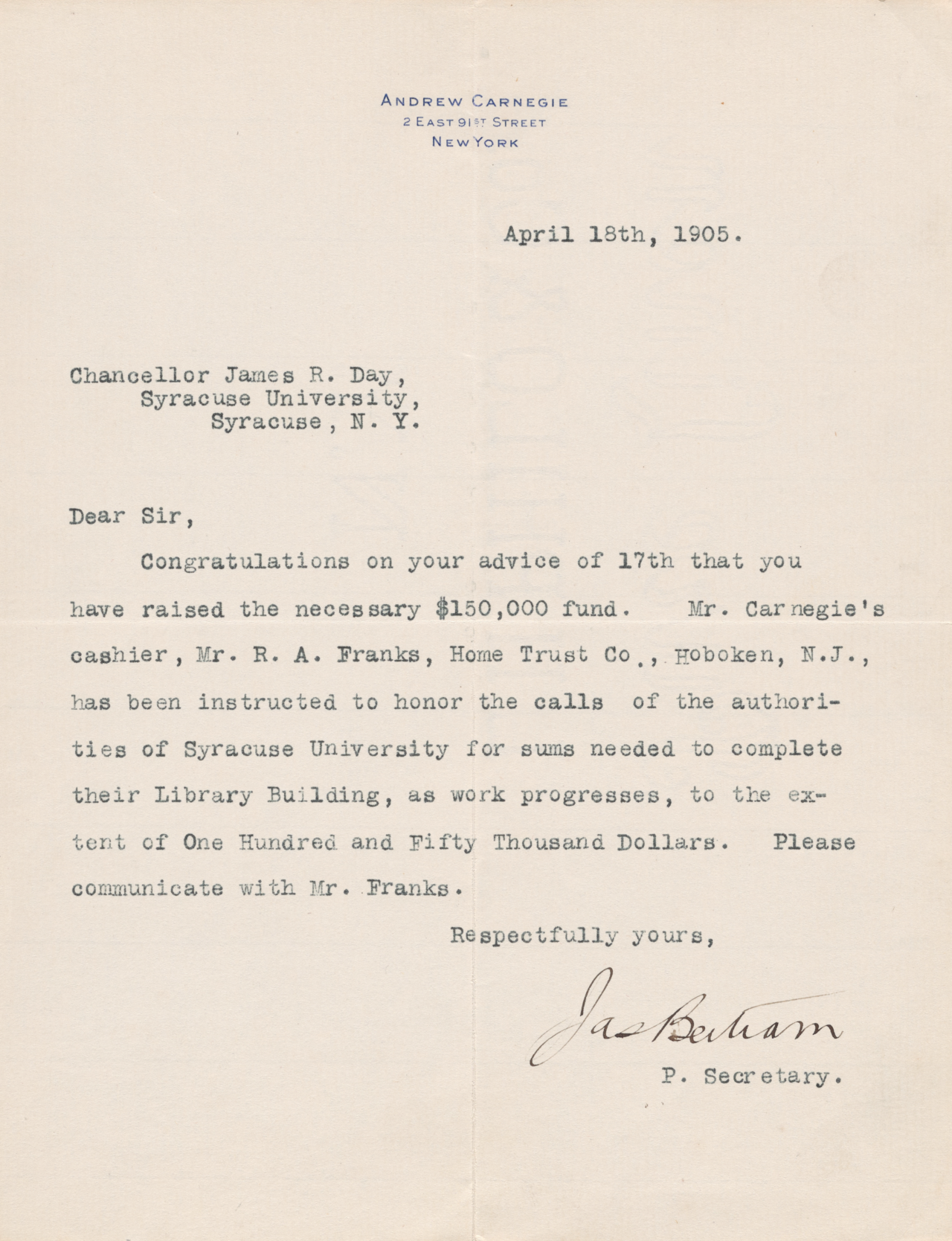 Letter
Primary source
Andrew Carnegie Papers
Andrew Carnegie · 18 April 1905
Ready when you are
Start chatting with Andrew Carnegie now.
20 messages free · No credit card · Available in 50+ languages.