


Primary sourceArtifact1898–1900
Casa Calvet
Antoni Gaudí · 1898–1900
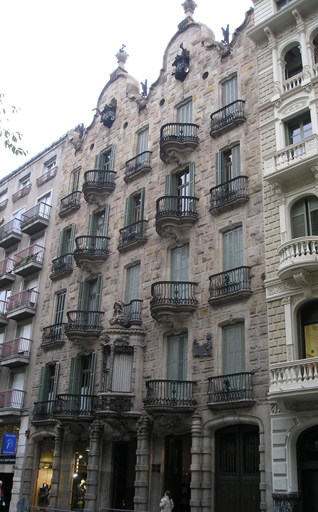
An apartment and commercial building Gaudí designed in Barcelona's Eixample district, his most conventional work, which won the city's prize for best building in 1900.
Casa Calvet is Gaudí's own design, showing his more conventional side and his early official recognition.
About this source
What it is
Casa Calvet is a building in the Eixample district of Barcelona, designed by Antoni Gaudí for a textile manufacturer. It combined shops and a residence and was built between 1898 and 1900.
Why it matters
Scholars consider Casa Calvet the most conventional of Gaudí's works because it had to fit between older buildings in an elegant part of the city. Its symmetry and order are unusual for him, though curved gables, a dramatic oriel window, and playful details — like columns shaped like stacked bobbins referring to the owner's textile business — are typically modernista. Sculpted heads on the façade refer to the owner's family. The building won Barcelona's annual award for artistic buildings in 1900, showing that Gaudí's style, even in a restrained form, was officially celebrated.
Look closer
- What details on the façade hint at the owner's business and family?
- Why might Gaudí have made this building less unusual than his other works?
- What does receiving a city award in 1900 suggest about how Gaudí was seen at the time?
This artifact is part of the curated material that grounds the AI version of Antonio Gaudí on Humy.ai — when students ask about related events, the AI can quote it and cite it.
More Antonio Gaudí sources
Meet the AI Antonio Gaudí →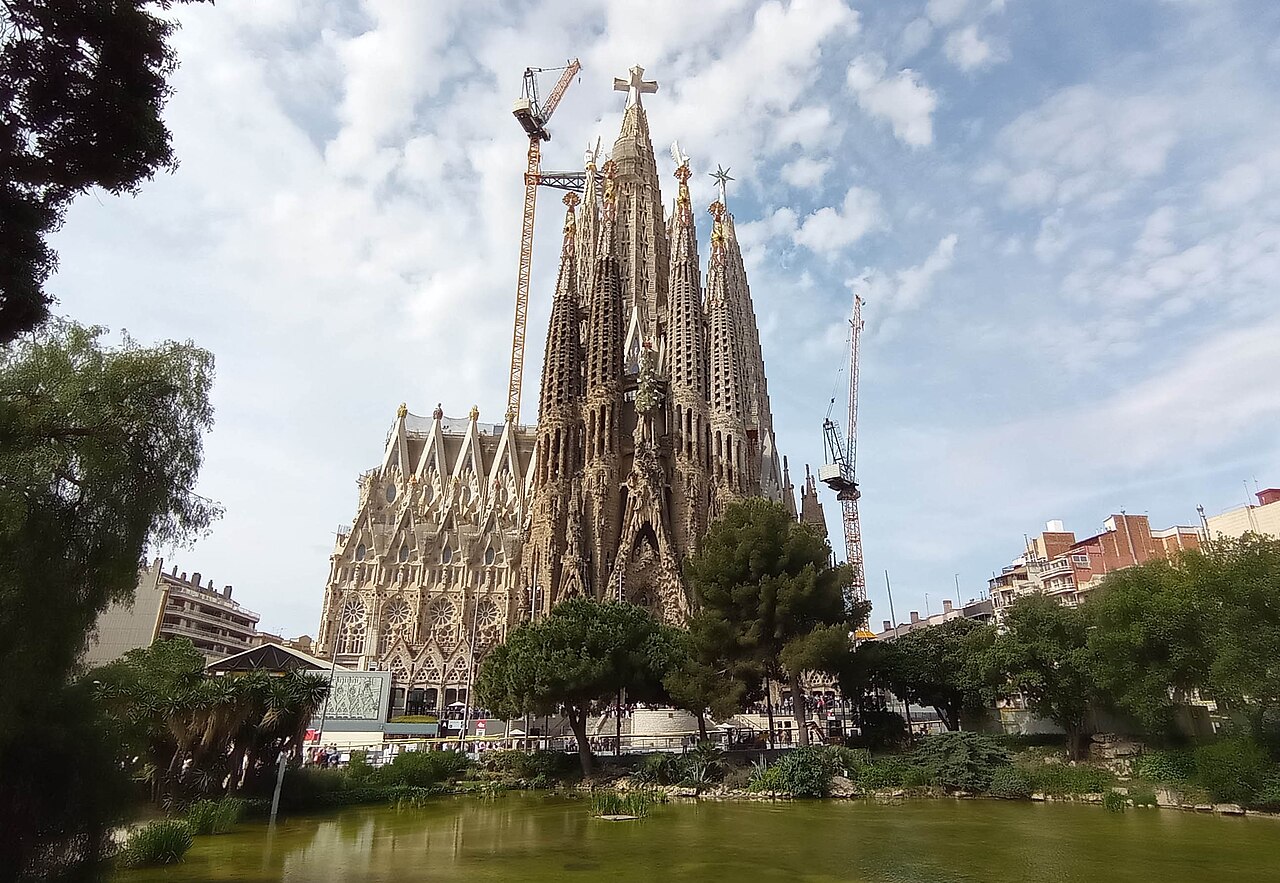 Artifact
Primary source
Sagrada Família
Antoni Gaudí · begun 1882, redesigned by Gaudí from 1883, still under construction
 Artifact
Primary source
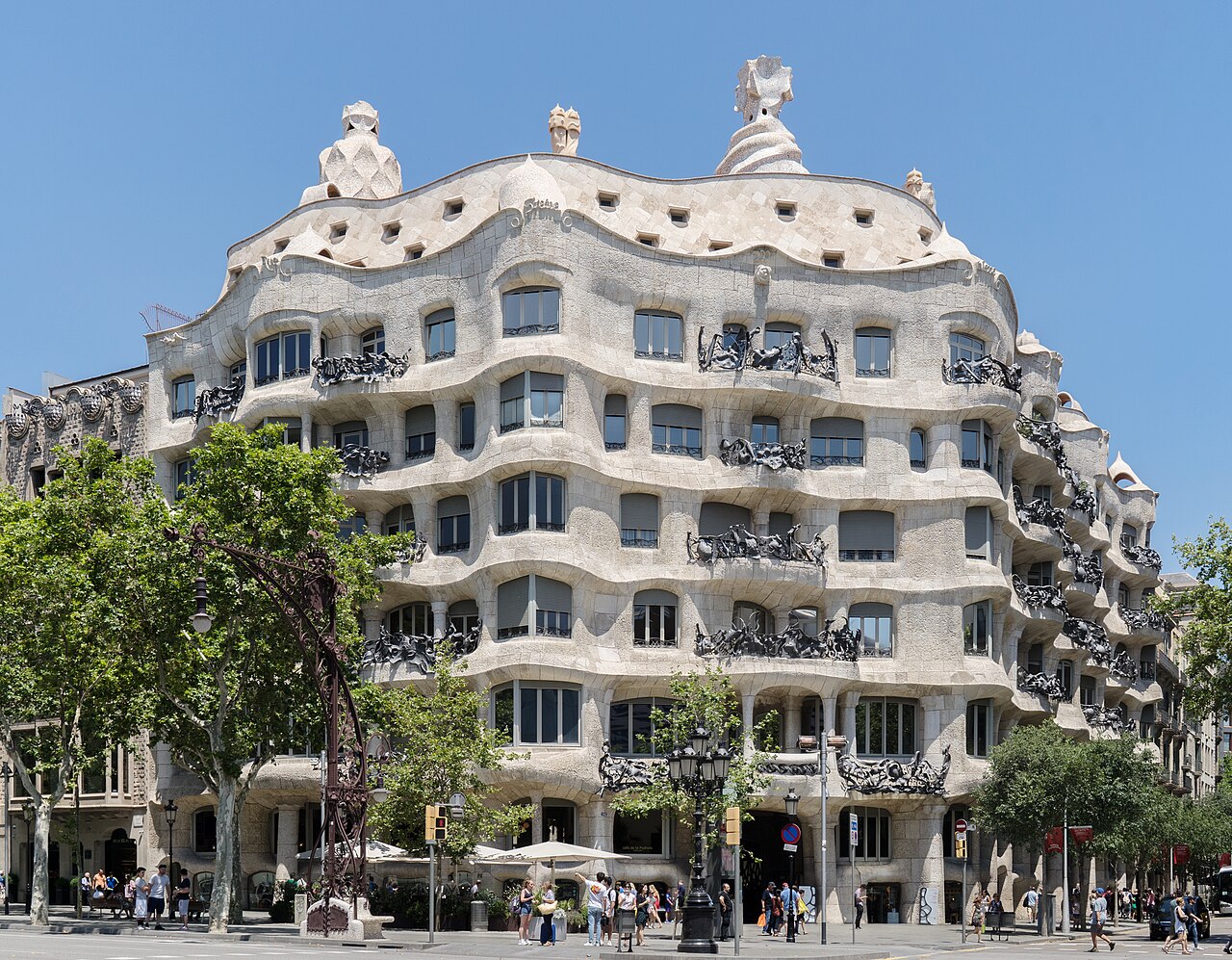
Casa Milà
Antoni Gaudí · 1906-1912
 Artifact
Primary source
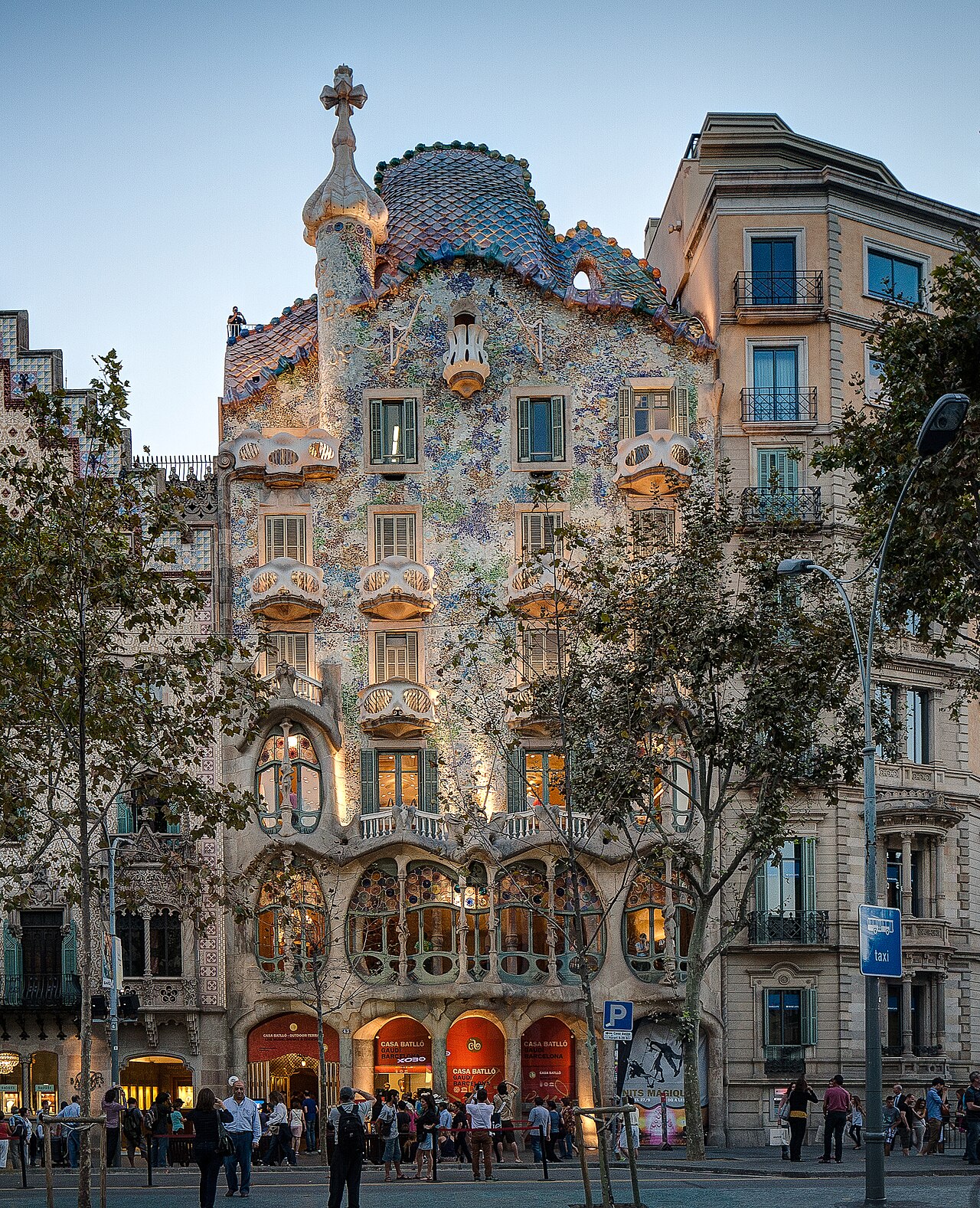
Casa Batlló
Antoni Gaudí · remodelled 1904-1906
 Artifact
Primary source
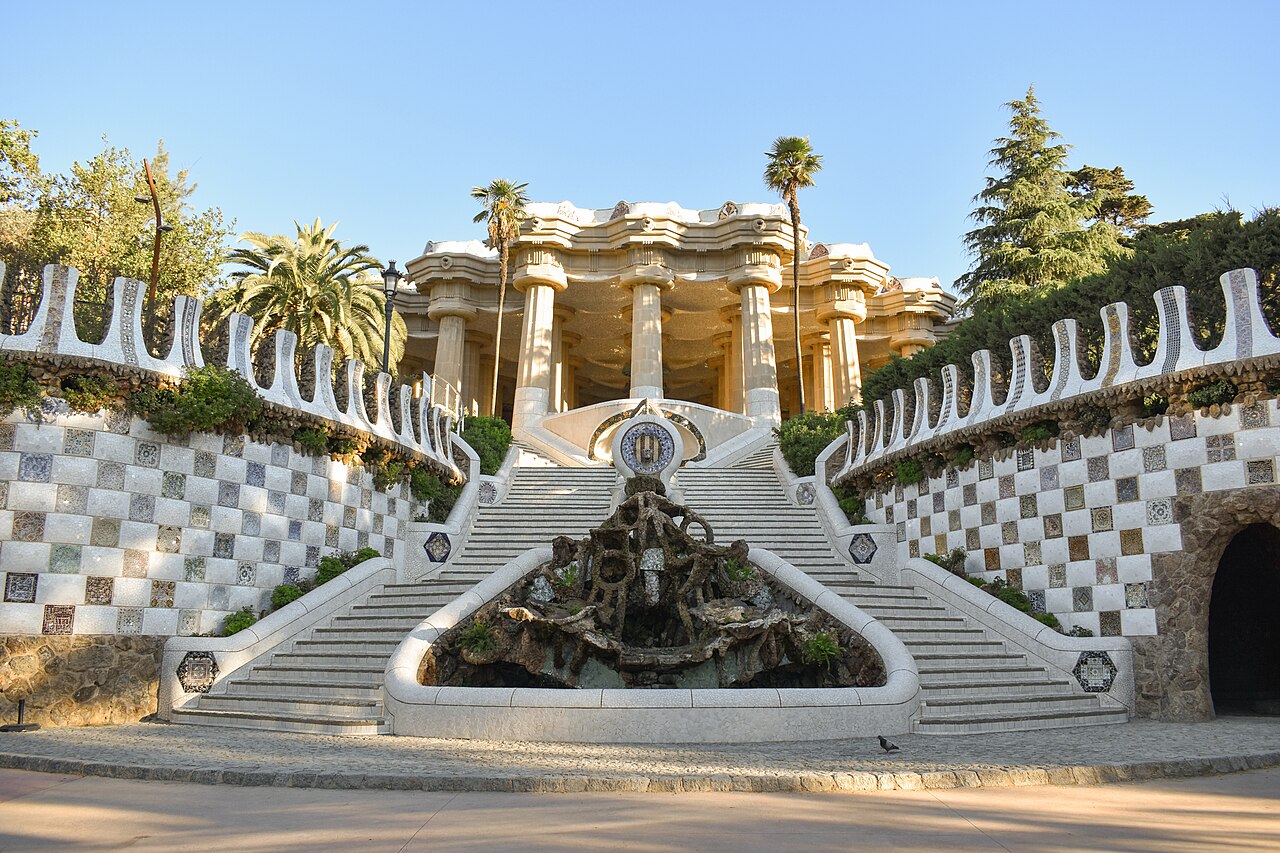
Park Güell
Antoni Gaudí · 1900-1914, opened 1926
 Artifact
Primary source
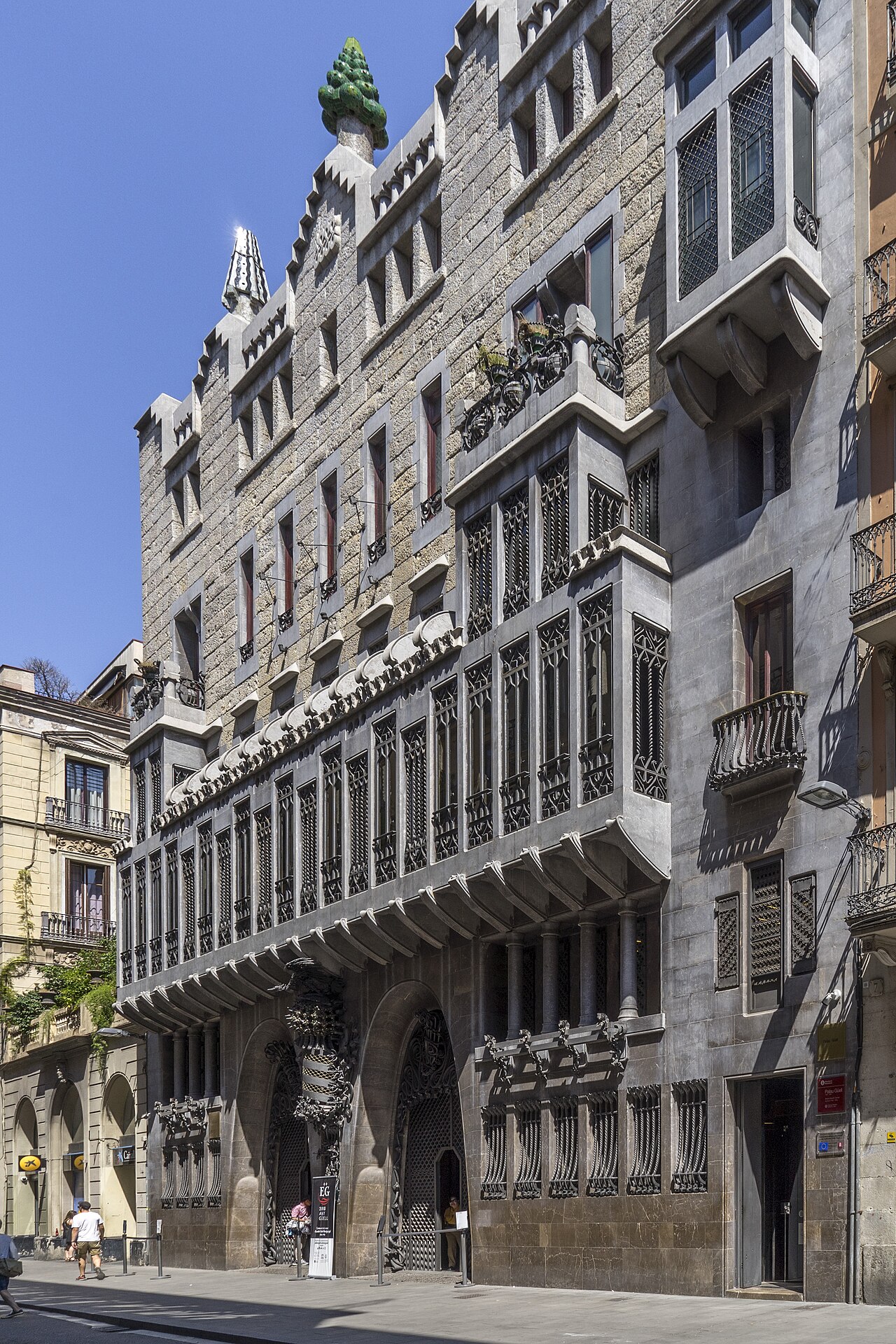
Palau Güell
Antoni Gaudí · 1886-1888
Ready when you are
Start chatting with Antonio Gaudí now.
20 messages free · No credit card · Available in 50+ languages.