


Secondary sourceArtifact1197
Casket with the Murder and Burying of Thomas Becket
1197
A gilded enamel reliquary casket from Limoges showing the standard medieval scenes of Becket's murder and burial.
This reliquary casket depicts Becket's murder and burial, part of the standard imagery of his martyrdom.
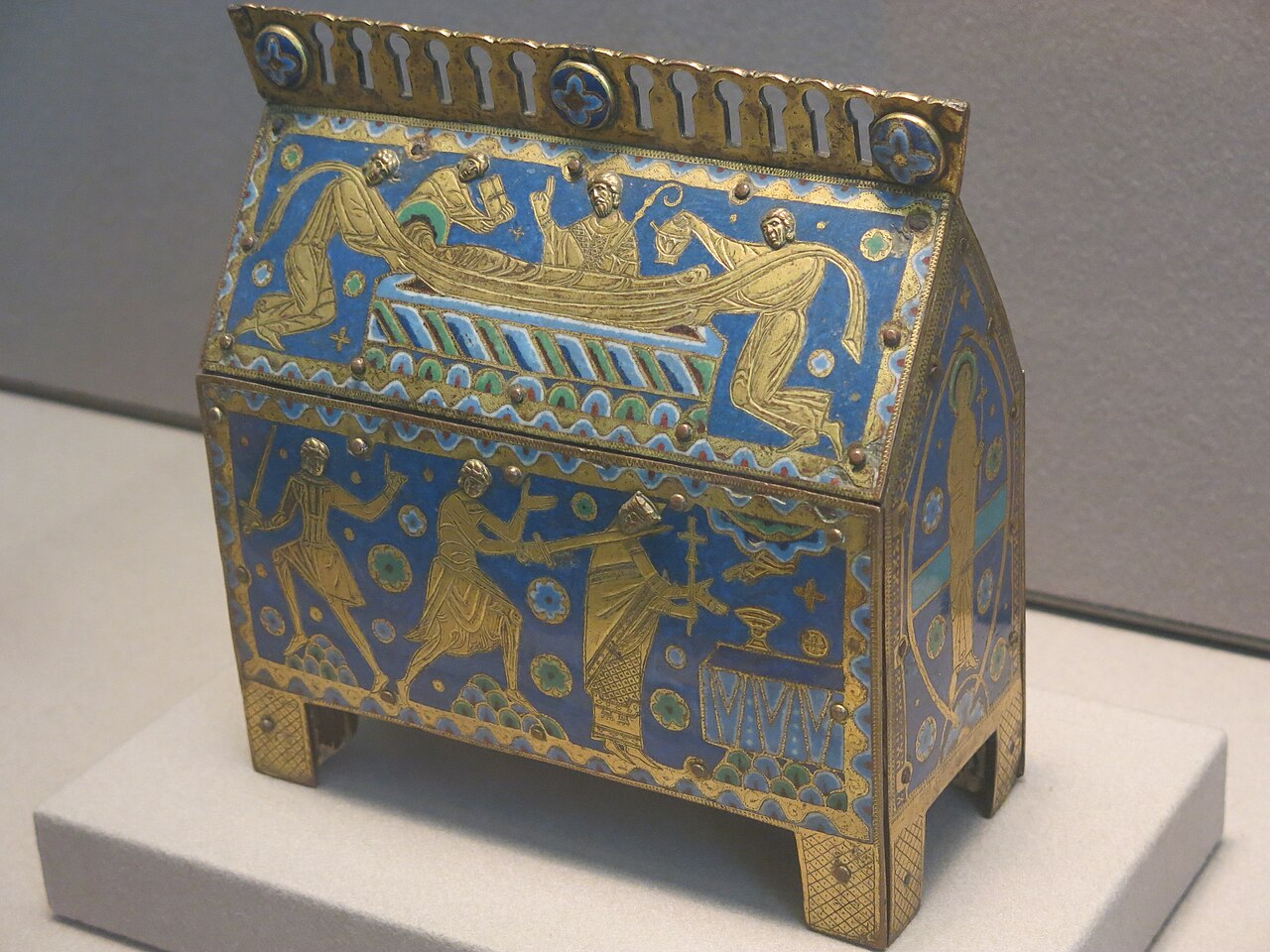
About this source
What it is
This is a reliquary casket made in Limoges, France, around 1197, decorated with champlevé enamel over gilded copper. Its panels show Thomas Becket being attacked by a knight at an altar and his burial afterwards. It is now held in the Department of Decorative Arts at the Louvre.
Why it matters
Caskets like this were made across Europe to hold relics connected to Becket and to spread his story visually, since many people could not read. The repeated scenes of his murder and burial became the standard way artists represented him, showing how his martyrdom was understood and remembered internationally, not just in England.
Look closer
- Why would a craftsman choose enamel and gold for an object about a murder?
- What details on the casket tell you this is meant to be a holy object, not just decoration?
- What does the spread of this imagery across Europe suggest about Becket's fame?
This artifact is part of the curated material that grounds the AI version of Thomas Becket on Humy.ai — when students ask about related events, the AI can quote it and cite it.
More Thomas Becket sources
Meet the AI Thomas Becket →Primary source
Constitutions of Clarendon
Henry II of England · 1164
 Artifact
Primary source
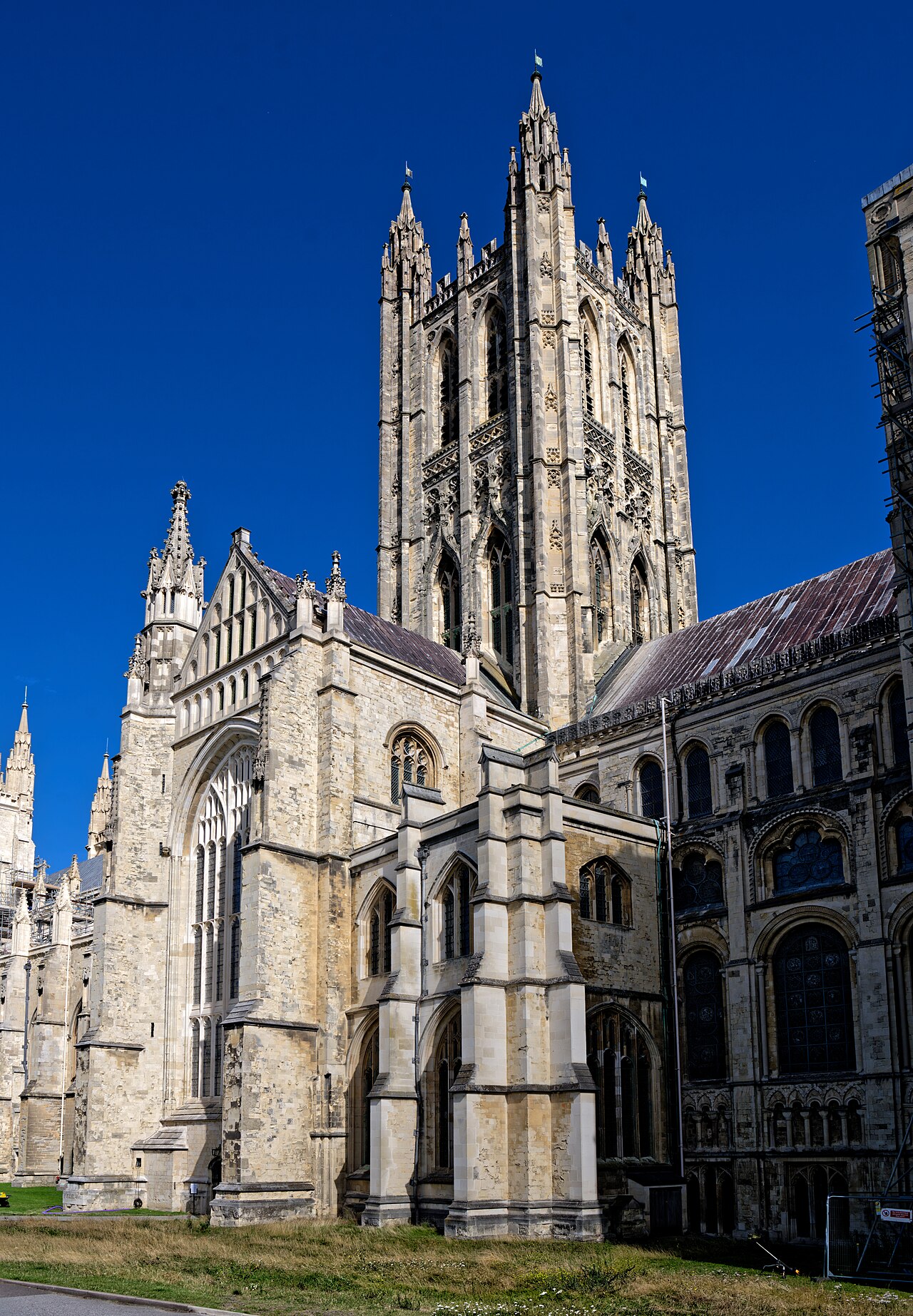
Canterbury Cathedral
founded 597
 Artifact
Secondary source
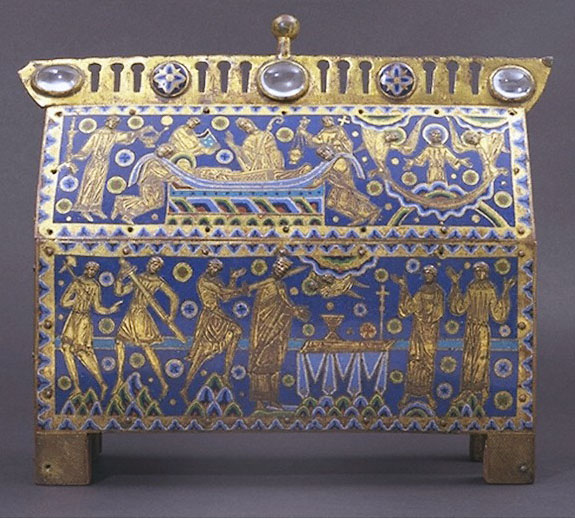
Becket Casket
c. 1180-1190
 Artifact
Secondary source
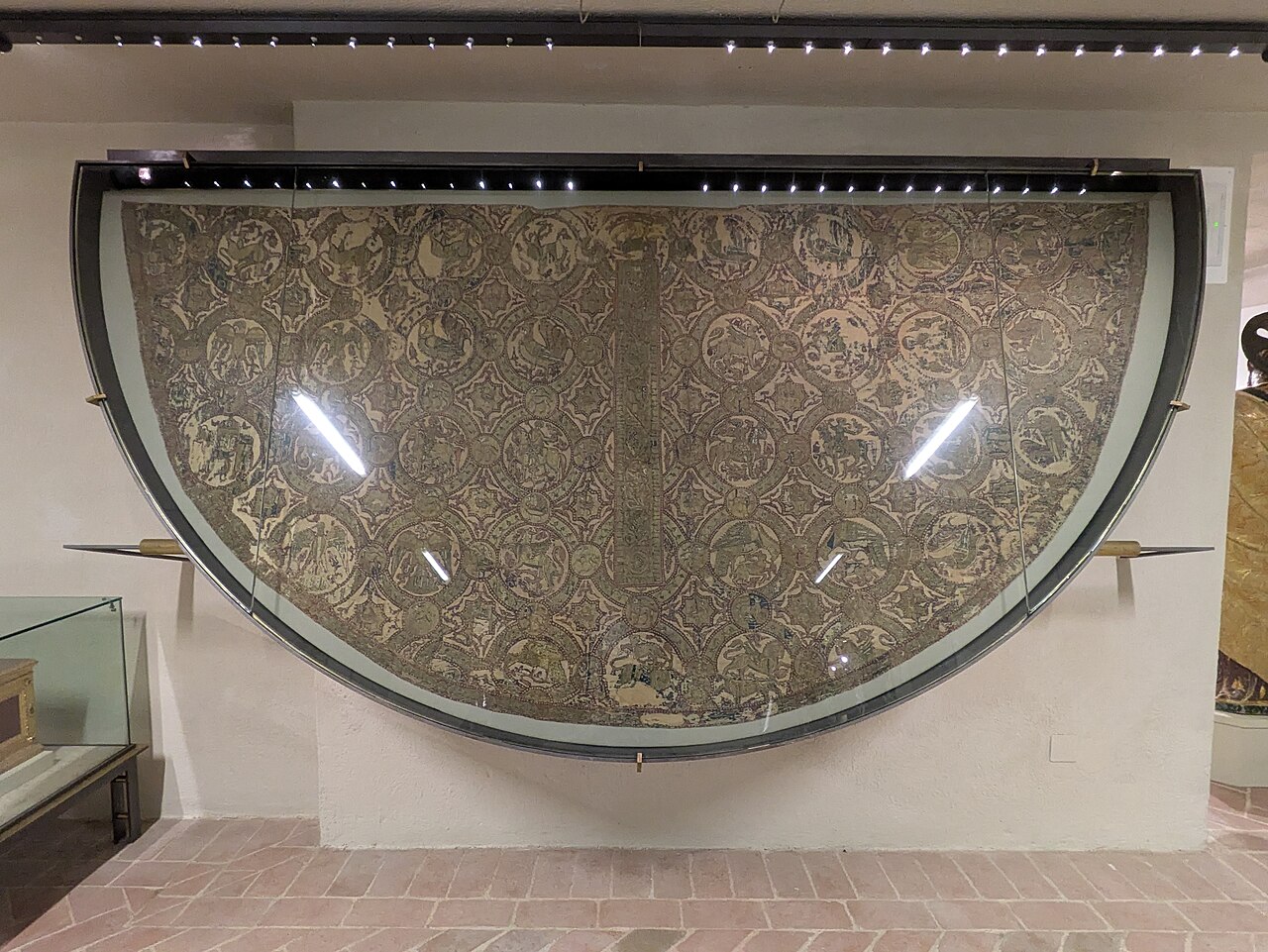
Fermo Chasuble of St. Thomas Becket
12th century
 Artifact
Secondary source
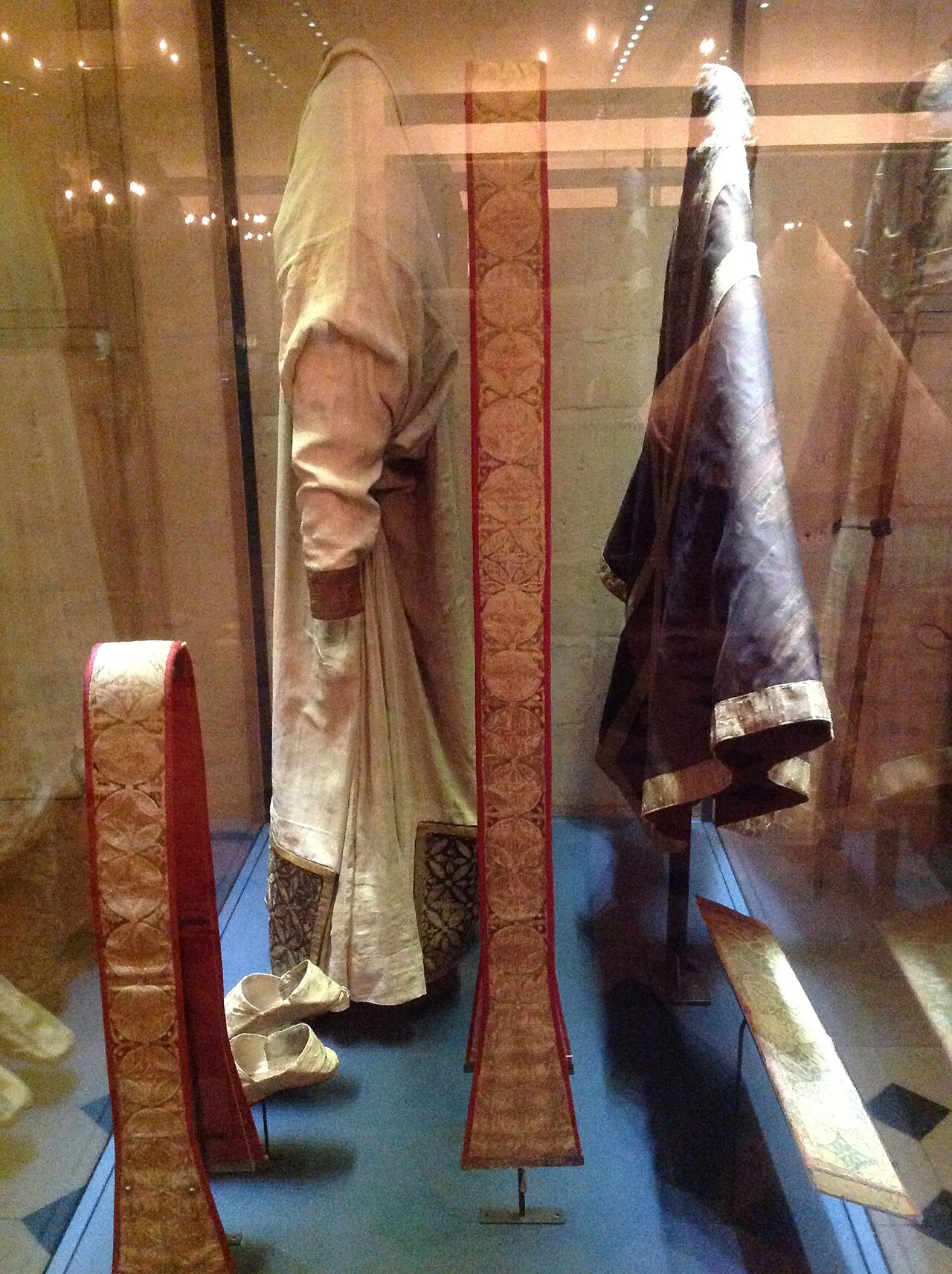
Becket Liturgical Garments, Sens Cathedral
12th century
Ready when you are
Start chatting with Thomas Becket now.
20 messages free · No credit card · Available in 50+ languages.