


Primary sourceLetter1867
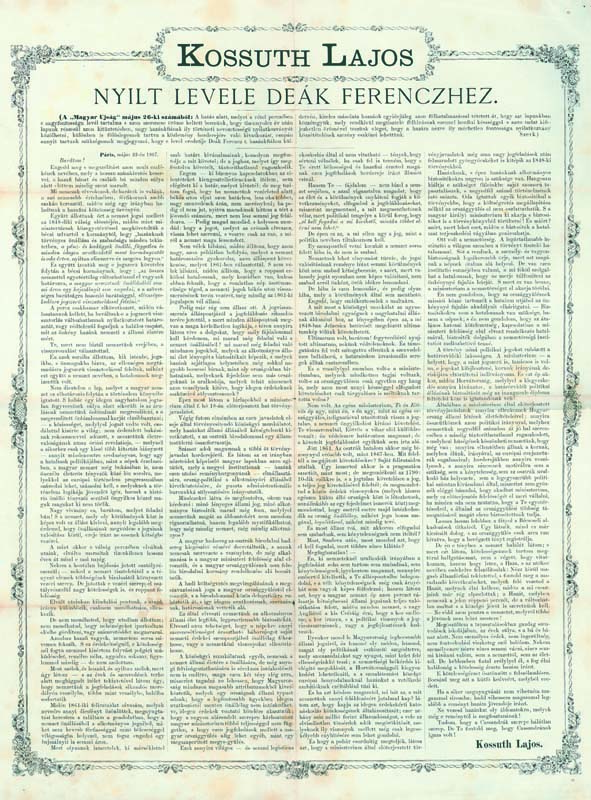
Cassandra Letter of Lajos Kossuth
Lajos Kossuth · 1867
Kossuth's 1867 open letter to Ferenc Deák, written from exile, warning against the Austro-Hungarian Compromise.
Kossuth wrote this letter himself from exile, warning against the Compromise of 1867.
About this source
What it is
This is an open letter written by Lajos Kossuth in 1867 and addressed to Ferenc Deák, a leading Hungarian statesman. Kossuth wrote it while living in exile.
Why it matters
The letter warned that the Austro-Hungarian Compromise, which Deák helped negotiate, would tie Hungary's future to the fate of a doomed Empire. Known as the "Cassandra letter" for its prophetic warning, it shows the deep political split between Kossuth, who continued to demand full independence, and Deák, who accepted compromise with the Habsburgs.
Look closer
- Why do you think this letter earned the nickname "Cassandra," after the prophetess no one believed?
- What does writing an open letter, rather than a private one, tell you about Kossuth's goals?
- What does the letter reveal about Kossuth's situation as an exile with no formal power?
This letter is part of the curated material that grounds the AI version of Lajos Kossuth on Humy.ai — when students ask about related events, the AI can quote it and cite it.
More Lajos Kossuth sources
Browse all 98 →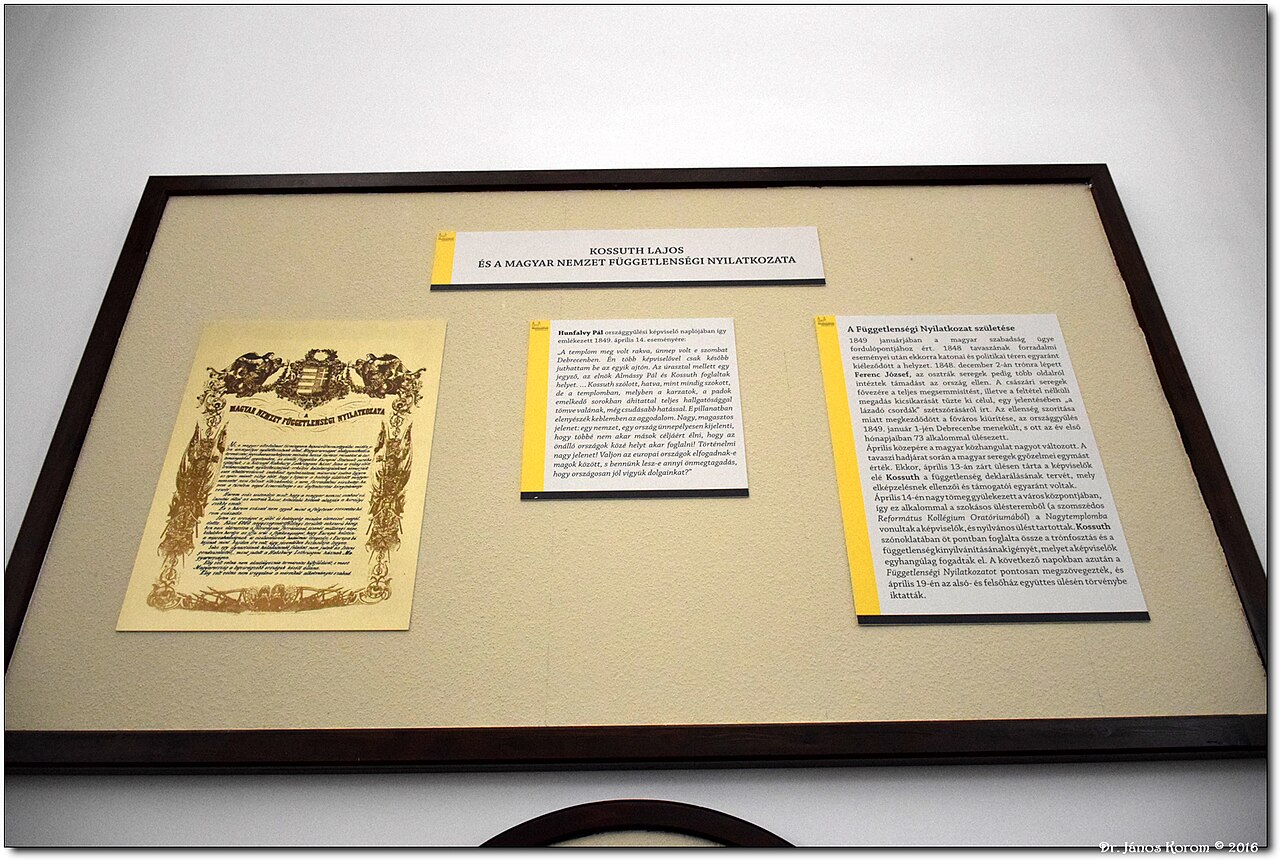 Document
Primary source
Hungarian Declaration of Independence
Lajos Kossuth · 14 April 1849
 Letter
Primary source
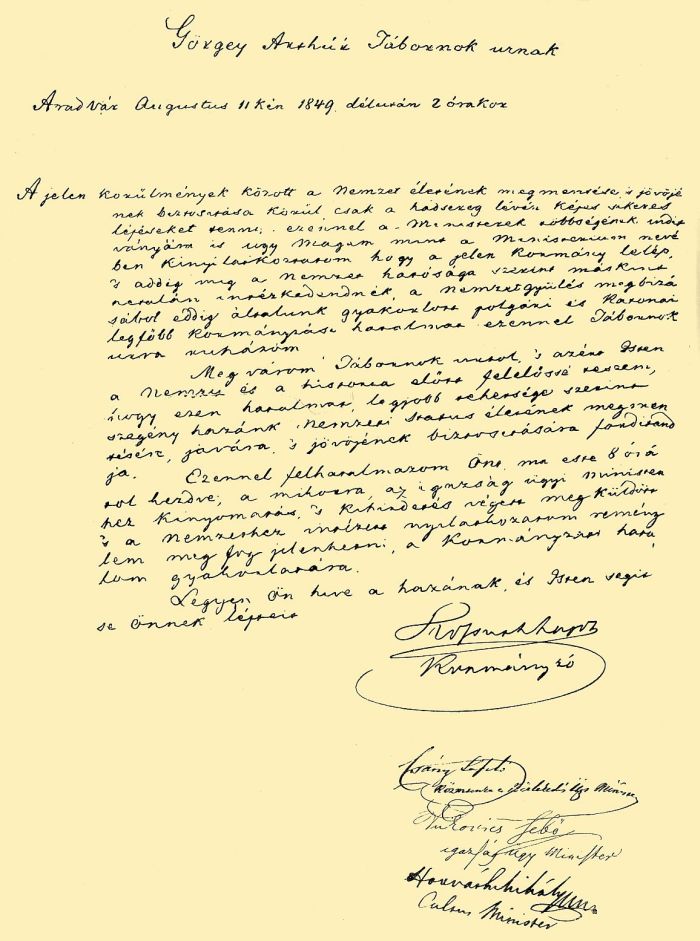
Kossuth's Letter of Resignation to Görgei
Lajos Kossuth · 11 August 1849
 Painting
Primary source
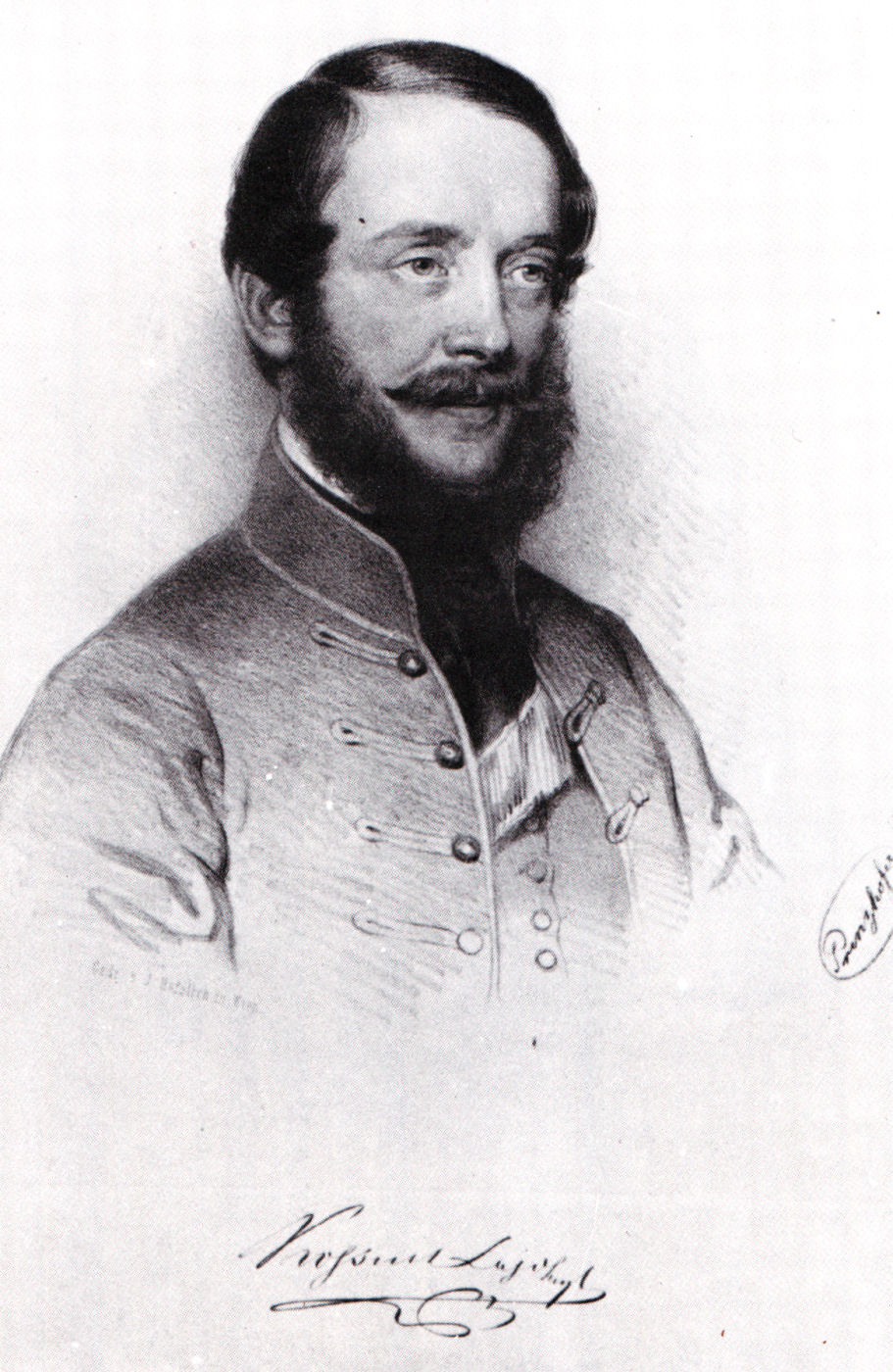
Portrait of Lajos Kossuth by August Prinzhofer
August Prinzhofer · 1848
Primary source
Kossuth's Voice on Phonograph Recording
Lajos Kossuth · 20 September 1890
Free account
Browse every Lajos Kossuth source
Sign up free →
Ready when you are
Start chatting with Lajos Kossuth now.
20 messages free · No credit card · Available in 50+ languages.