


Primary sourceDocument14 April 1849
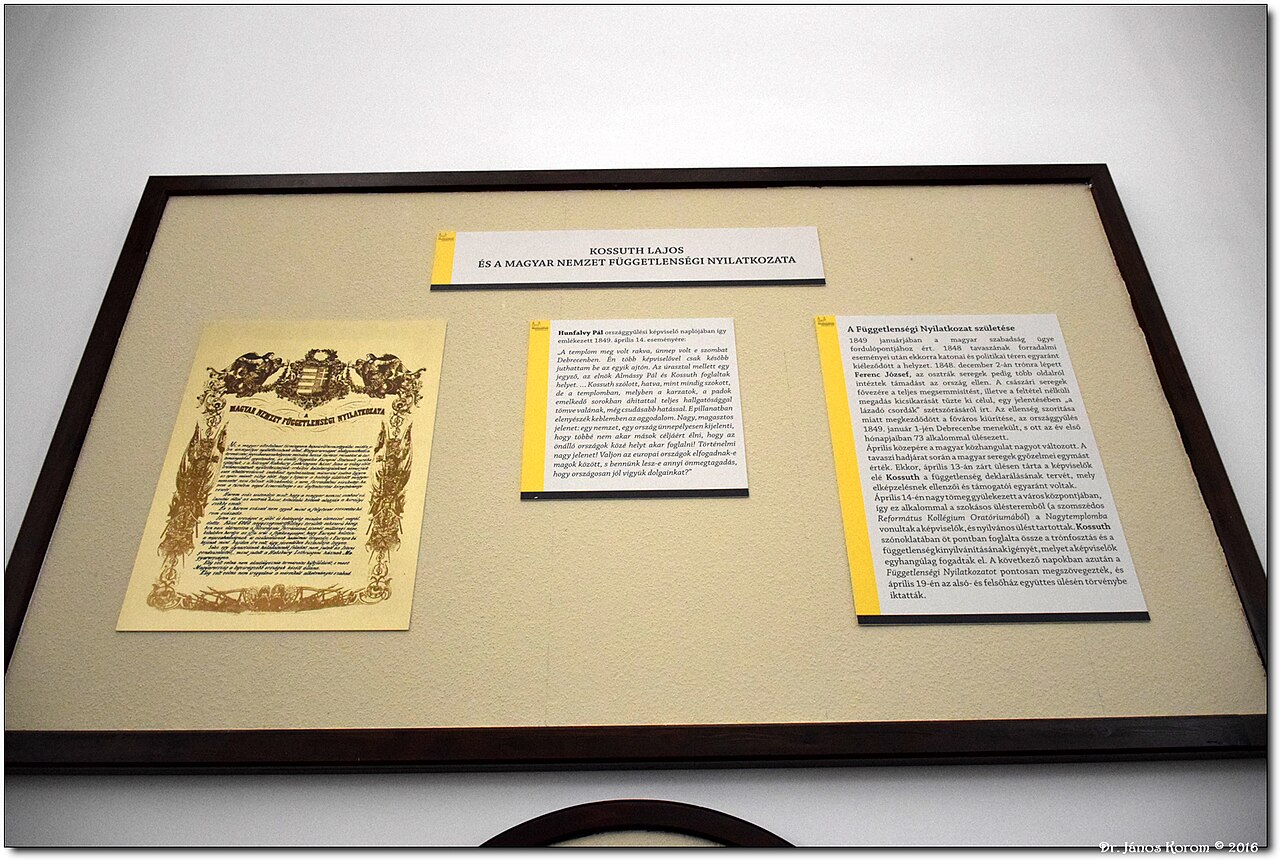
Hungarian Declaration of Independence
Lajos Kossuth · 14 April 1849
The 1849 document dethroning the Habsburg dynasty and declaring Hungary's independence, drafted and presented by Kossuth.
Kossuth drafted and presented this declaration, becoming Hungary's Governor-President as a result.
About this source
What it is
This document declared Hungary's independence from the Habsburg dynasty. It was presented by Lajos Kossuth to the National Assembly in closed session on 13 April 1849 and passed unanimously in open session the next day, at the Great Calvinist Church of Debrecen.
Why it matters
The declaration accused the Habsburgs of treachery and declared the dynasty's throne forfeited. It made Kossuth the de facto and de jure head of state as elected Governor-President, marking the most radical moment of the 1848–49 Hungarian Revolution. It shows how legal arguments about coronation and constitutional law were used to justify a revolutionary break.
Look closer
- Why might the authors stress legal arguments rather than just declaring independence outright?
- What does the choice of location (a church) suggest about the symbolism of the act?
- What does the document leave unsaid about how the new state would actually be defended?
This document is part of the curated material that grounds the AI version of Lajos Kossuth on Humy.ai — when students ask about related events, the AI can quote it and cite it.
More Lajos Kossuth sources
Browse all 98 →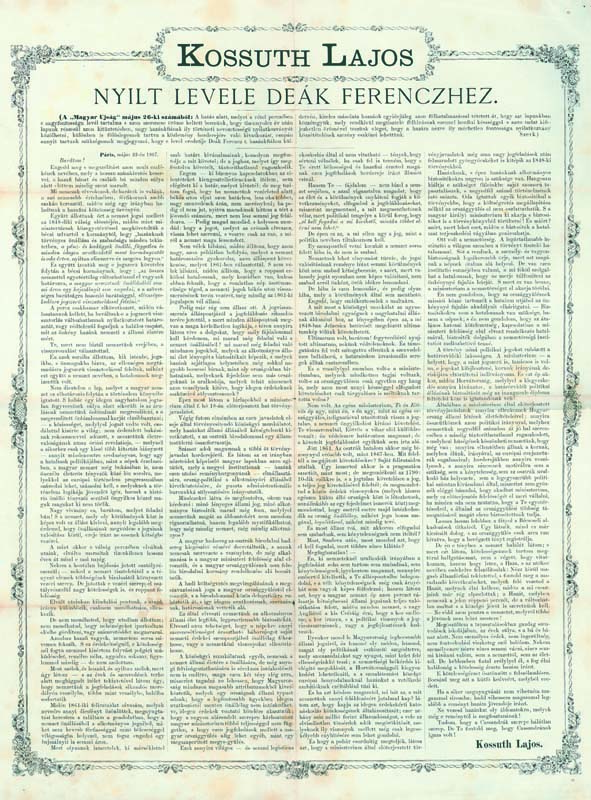 Letter
Primary source
Cassandra Letter of Lajos Kossuth
Lajos Kossuth · 1867
 Letter
Primary source
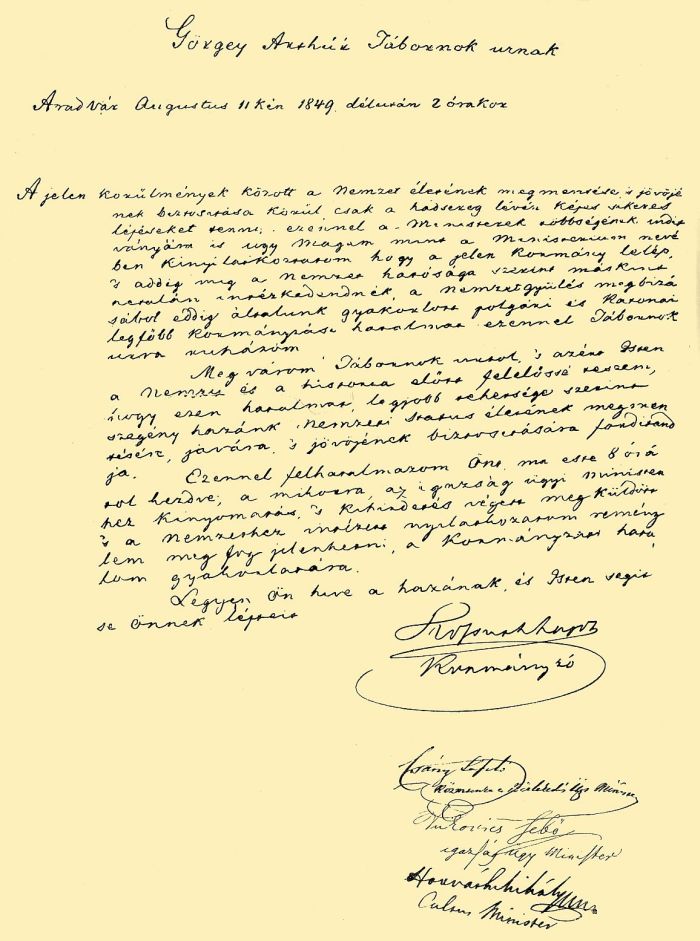
Kossuth's Letter of Resignation to Görgei
Lajos Kossuth · 11 August 1849
 Painting
Primary source
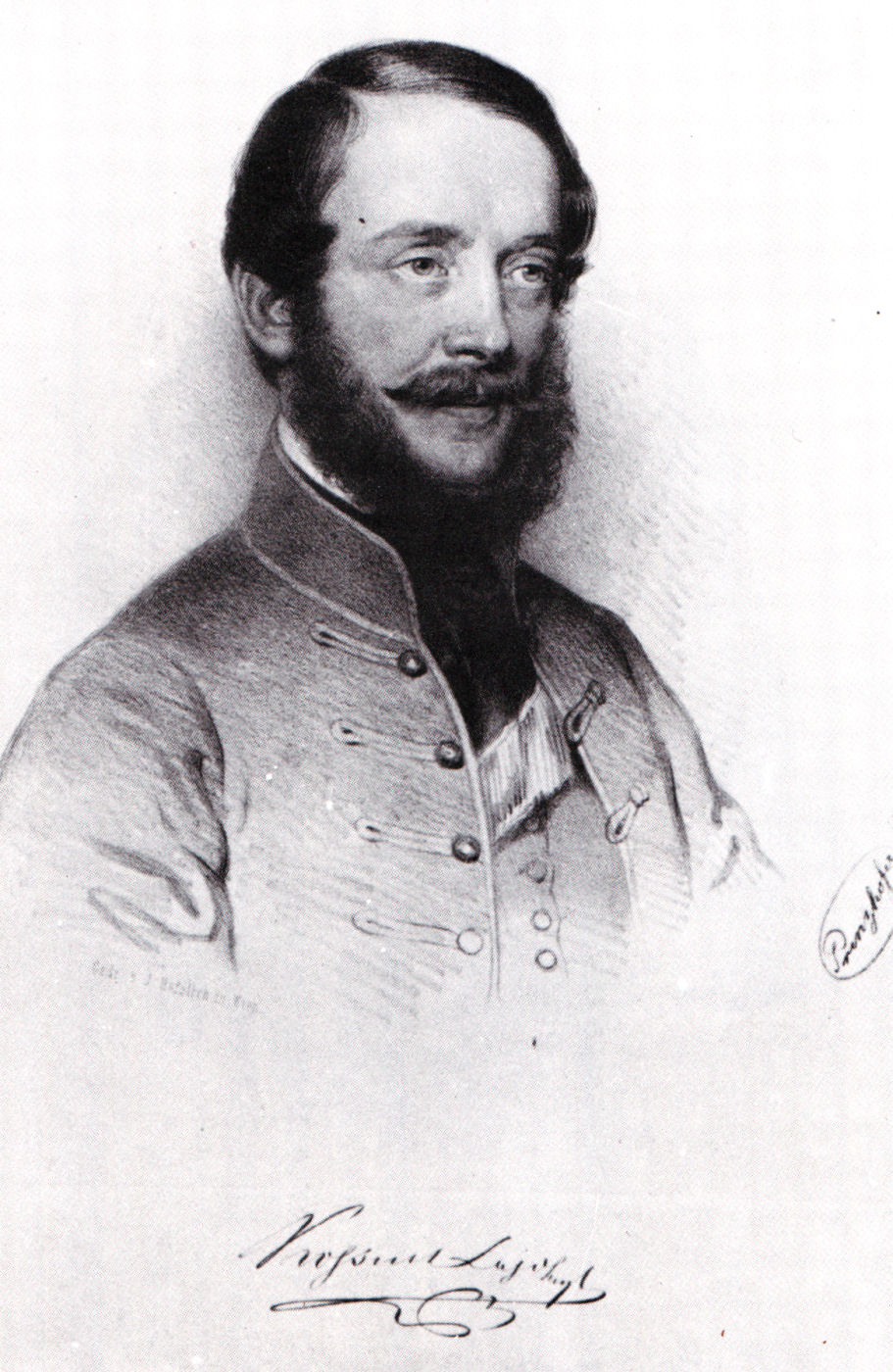
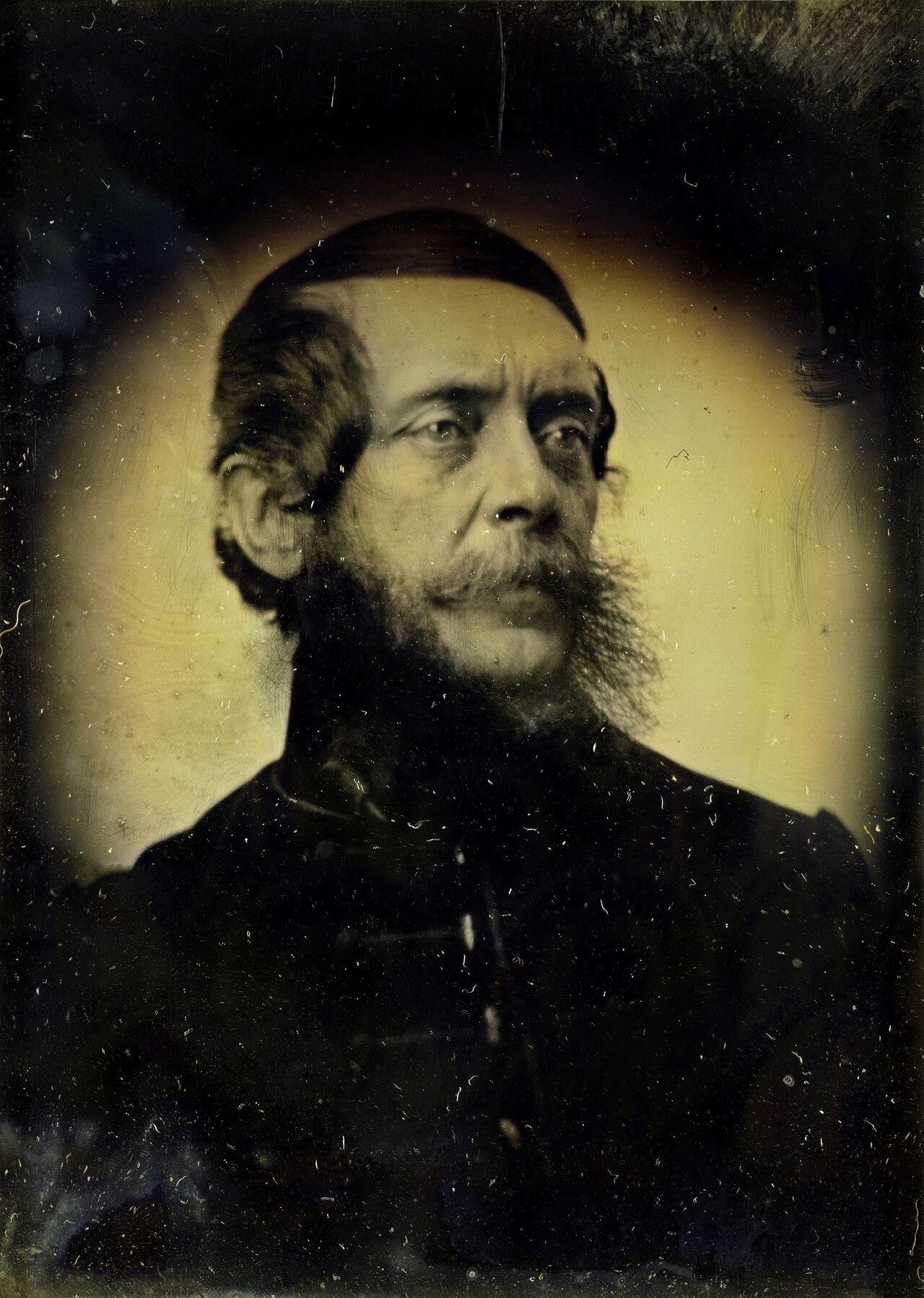
Portrait of Lajos Kossuth by August Prinzhofer
August Prinzhofer · 1848
Primary source
Kossuth's Voice on Phonograph Recording
Lajos Kossuth · 20 September 1890
Free account
Browse every Lajos Kossuth source
Sign up free →
Ready when you are
Start chatting with Lajos Kossuth now.
20 messages free · No credit card · Available in 50+ languages.