


Primary sourceArtifact1240s
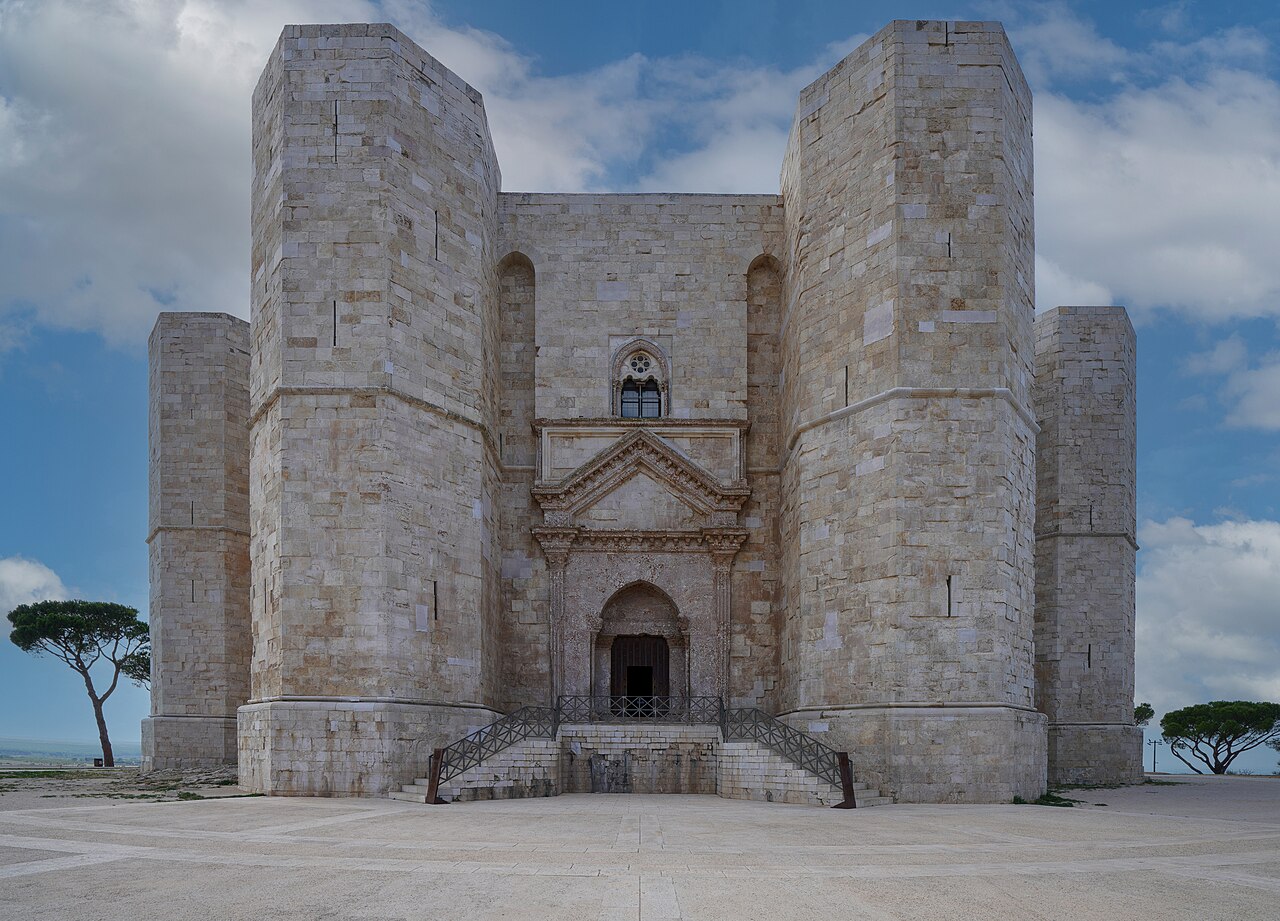
Castel del Monte
1240s
A distinctive octagonal castle built in the 1240s by Frederick II in Apulia, blending classical, Islamic and Gothic design.
Frederick commissioned this castle, and its unusual design reflects his personal intellectual and cultural interests.
About this source
What it is
Castel del Monte is a 13th-century citadel built during the 1240s by King Frederick II on a hill near Andria in Apulia, Italy. It is now a UNESCO World Heritage Site, inherited land once belonging to his mother Constance of Sicily.
Why it matters
Its bold octagonal plan and classical details, possibly inspired by buildings Frederick saw on crusade such as the Dome of the Rock, show his wide cultural interests spanning Islamic, classical and Gothic traditions. Though its exact purpose is debated, the castle reflects Frederick's ambition and geometric fascination, and was later used as a refuge, prison, and even wartime navigation station.
Look closer
- Why would a ruler build something so geometrically unusual instead of a standard fortress?
- What might the mixing of architectural styles tell us about Frederick's travels and influences?
- What has been lost from the original building, and what does that loss hide from us today?
This artifact is part of the curated material that grounds the AI version of Frederick II, Holy Roman Emperor on Humy.ai — when students ask about related events, the AI can quote it and cite it.
More Frederick II, Holy Roman Emperor sources
Browse all 87 →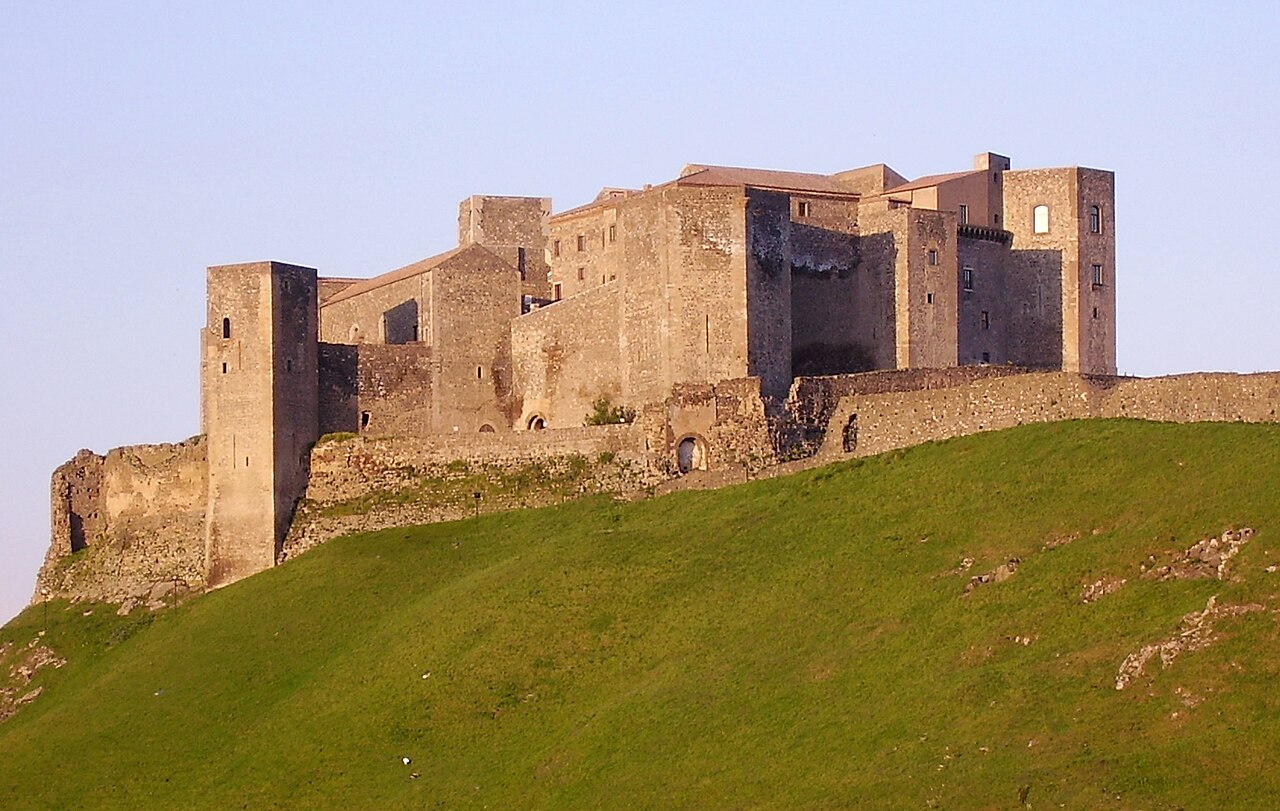 Document
Primary source
Constitutions of Melfi
Frederick II, Holy Roman Emperor · 1 September 1231
 Document
Primary source
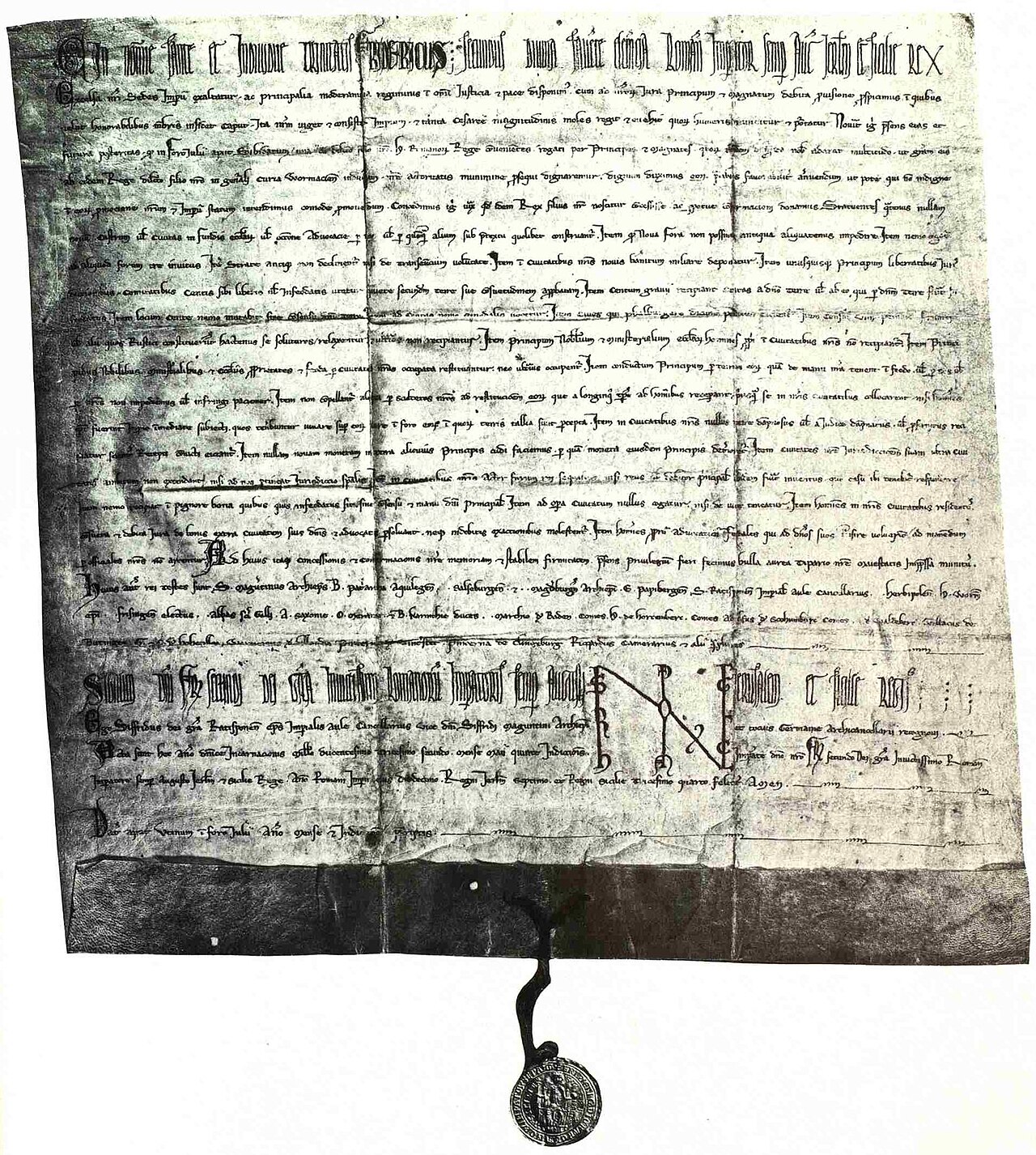
Statutum in favorem principum
Henry (VII) of Germany · 1231, confirmed 1232
 Document
Primary source
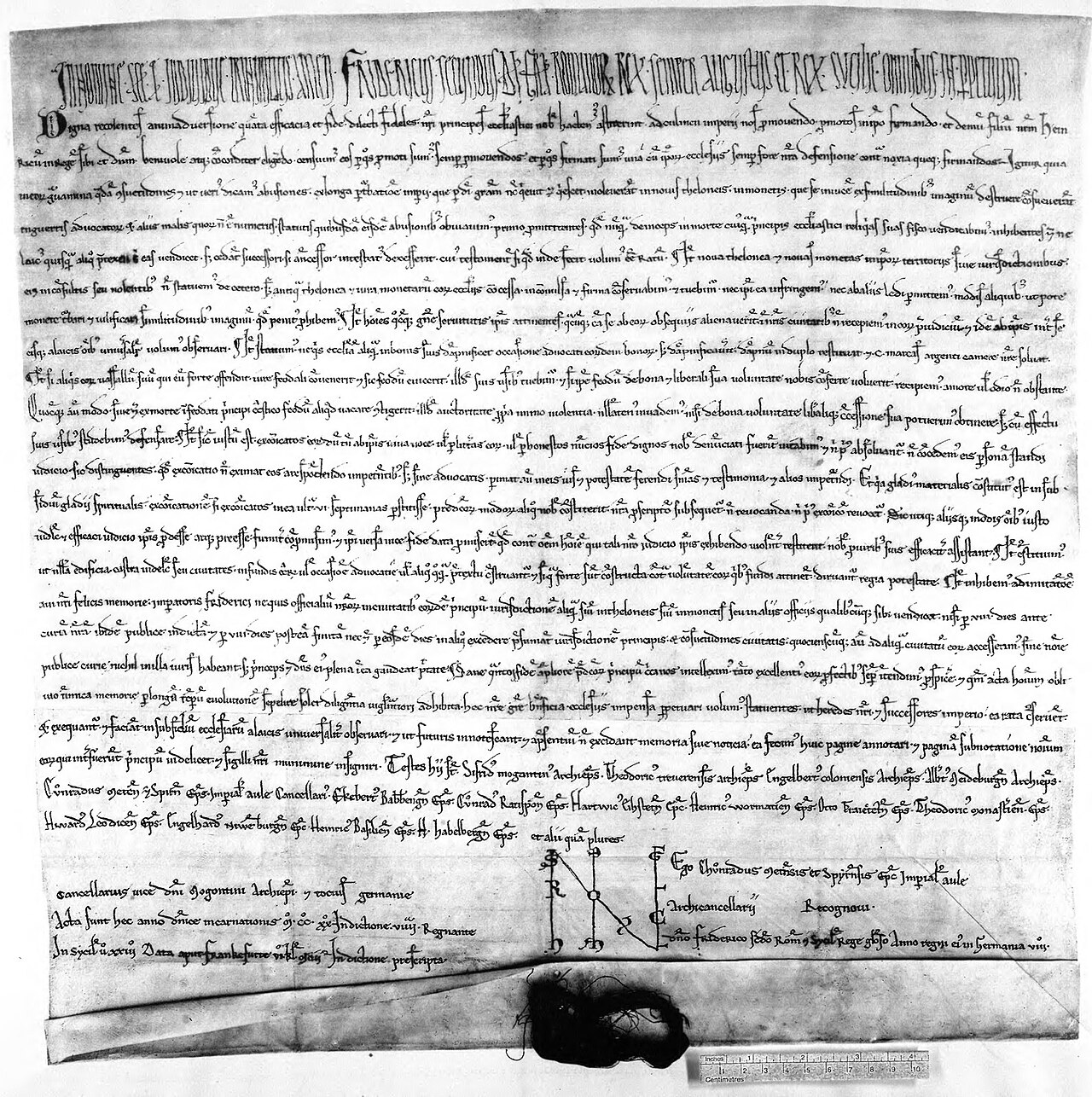
Confoederatio cum principibus ecclesiasticis
Frederick II, Holy Roman Emperor · 26 April 1220
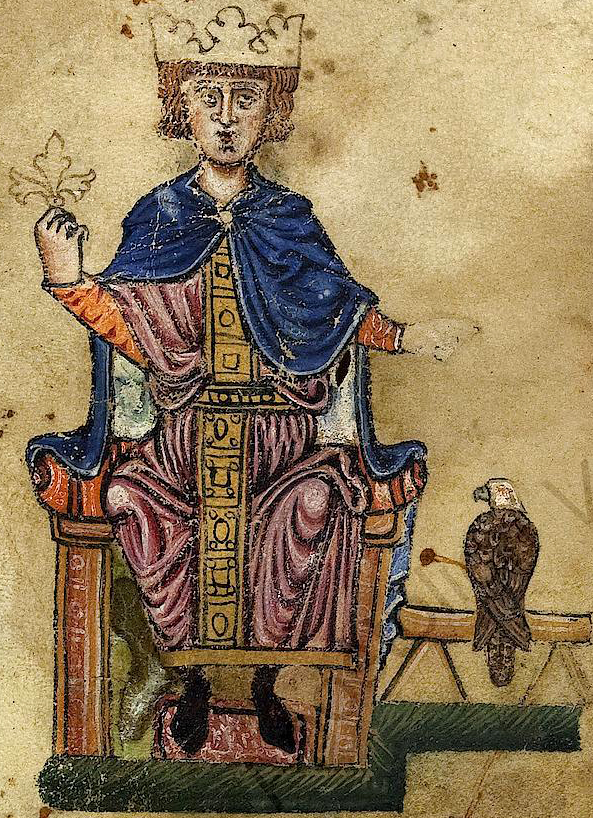 Painting
Primary source
Portrait of Frederick II, Holy Roman Emperor
late 13th century
Free account
Read every Frederick II, Holy Roman Emperor source
Sign up free →
Ready when you are
Start chatting with Frederick II, Holy Roman Emperor now.
20 messages free · No credit card · Available in 50+ languages.