


Primary sourceDocument26 April 1220
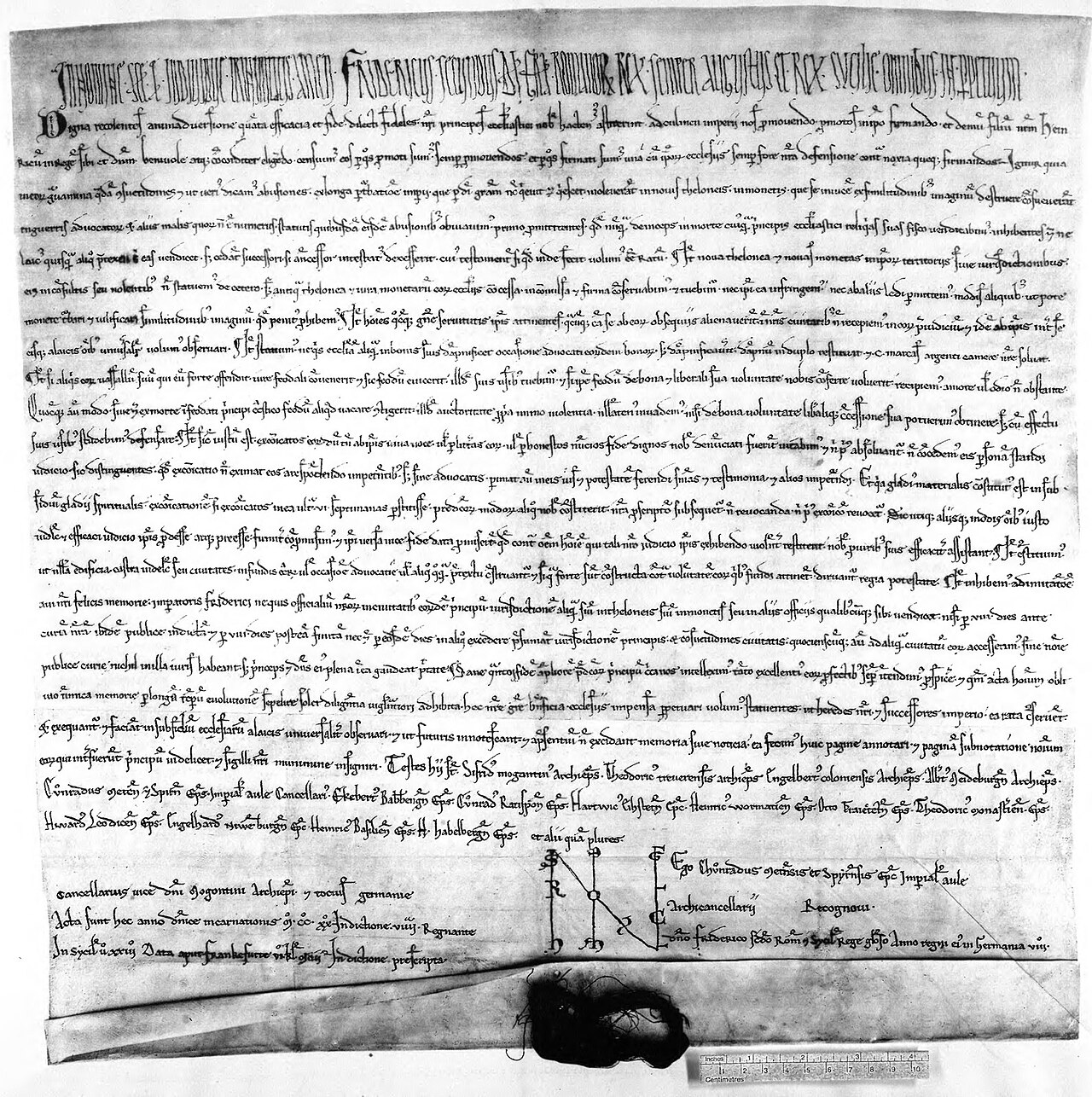
Confoederatio cum principibus ecclesiasticis
Frederick II, Holy Roman Emperor · 26 April 1220
A 1220 treaty by Frederick II granting German bishops major rights in exchange for backing his son's election as king.
Frederick issued this treaty to secure his son's election as king, showing his pragmatic use of royal rights as political currency.
About this source
What it is
Decreed on 26 April 1220 by Emperor Frederick II, this treaty was a concession to the German bishops in return for their support in electing his son Henry as King. It is considered one of the Holy Roman Empire's constitutional documents.
Why it matters
Frederick gave bishops rights to mint coins, levy tolls, build fortifications, and hold courts with royal enforcement of their sentences. Together with the later Statutum in favorem principum for secular princes, it hugely boosted the power of Germany's territorial rulers while weakening the central monarchy, revealing Frederick's priority of securing Italy over direct control of Germany.
Look closer
- What did Frederick gain in exchange for giving away so much power to the bishops?
- Why might a ruler accept weakening his own authority in one region to strengthen it elsewhere?
- What does this document suggest about the relationship between church and royal power at the time?
This document is part of the curated material that grounds the AI version of Frederick II, Holy Roman Emperor on Humy.ai — when students ask about related events, the AI can quote it and cite it.
More Frederick II, Holy Roman Emperor sources
Browse all 87 → Document
Primary source
Constitutions of Melfi
Frederick II, Holy Roman Emperor · 1 September 1231
 Document
Primary source
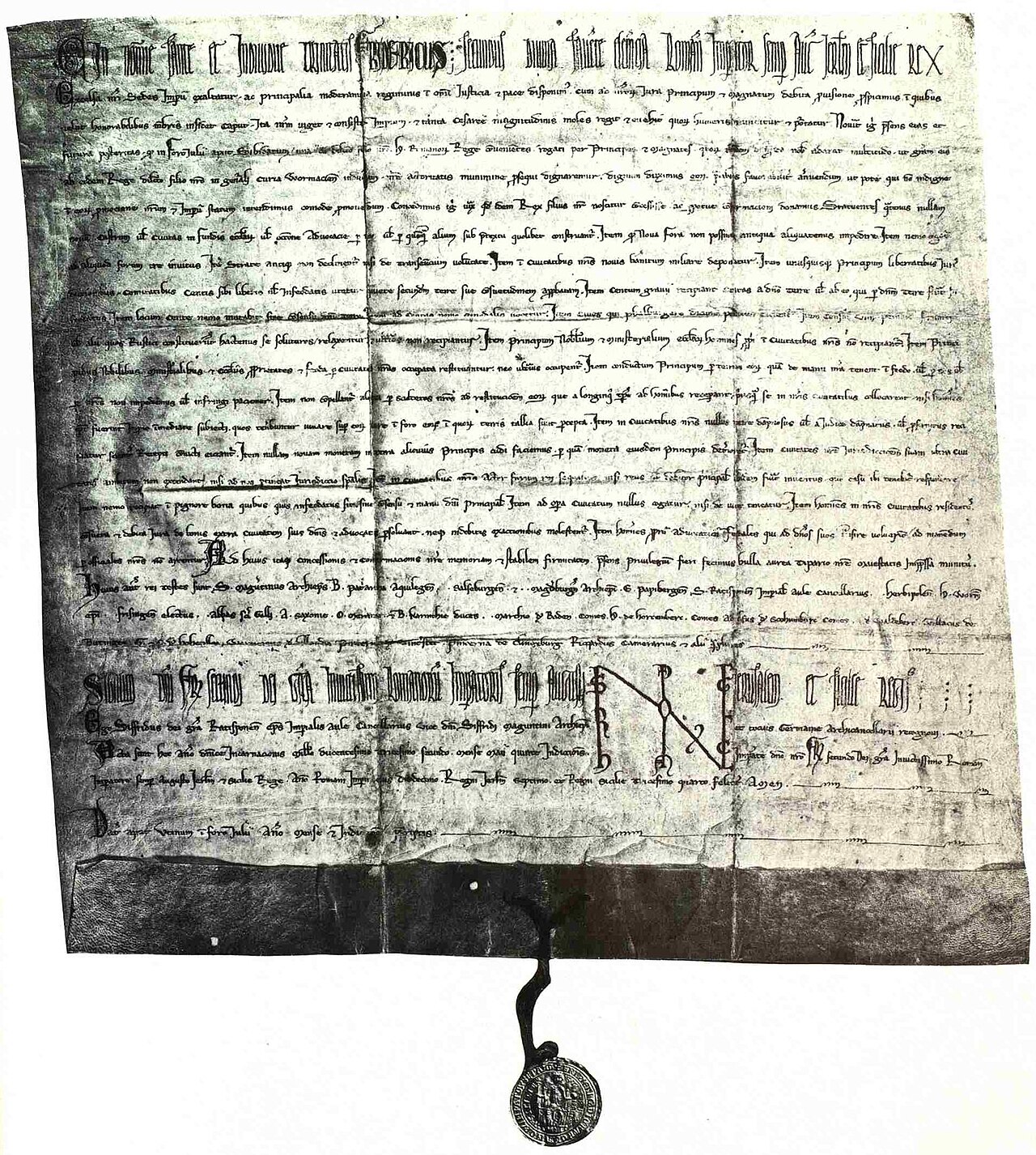
Statutum in favorem principum
Henry (VII) of Germany · 1231, confirmed 1232
 Artifact
Primary source
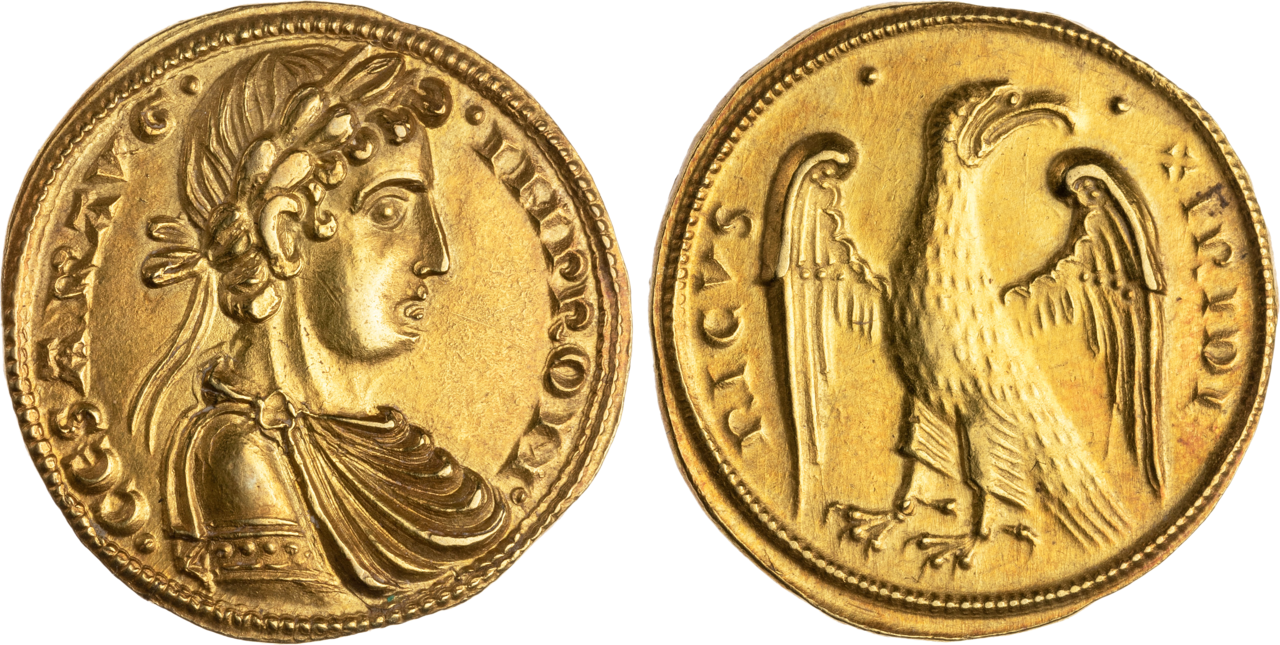
Castel del Monte
1240s
 Painting
Primary source
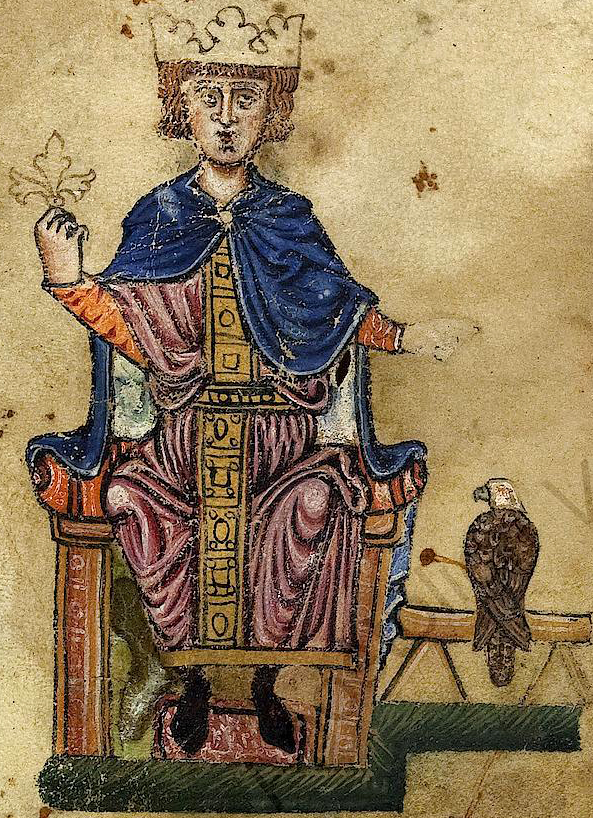
Portrait of Frederick II, Holy Roman Emperor
late 13th century
Free account
Read every Frederick II, Holy Roman Emperor source
Sign up free →
Ready when you are
Start chatting with Frederick II, Holy Roman Emperor now.
20 messages free · No credit card · Available in 50+ languages.