


Primary sourceDocument1784
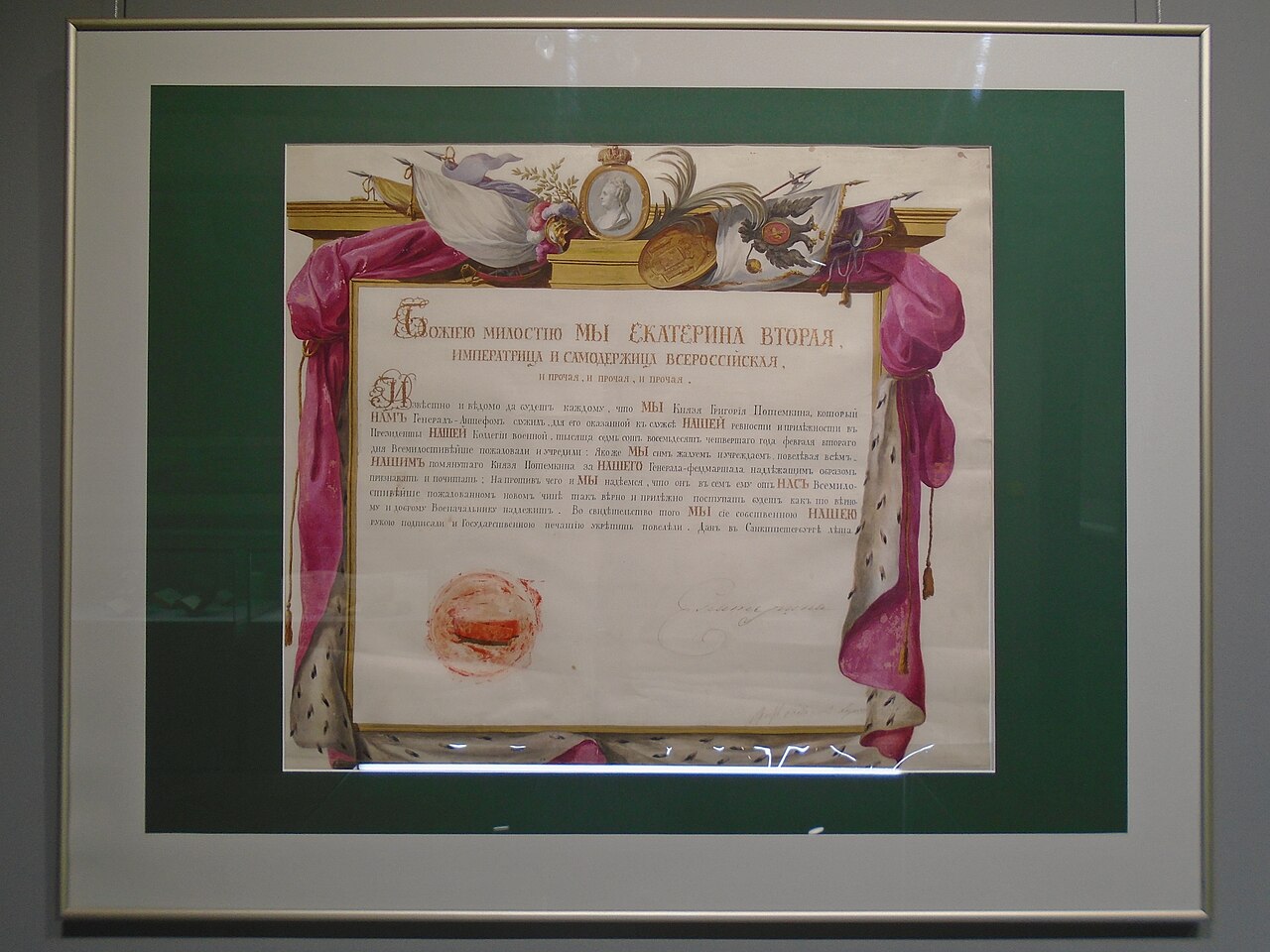
Catherine II patent appointing Potemkin field marshal, 1784
1784
An 1784 imperial charter signed by Catherine II that named Prince Potemkin field marshal and president of the Military Collegium.
Shows Catherine II formally naming Potemkin field marshal in 1784, a key step in his military career.
About this source
What it is
This is a manuscript charter, or patent, signed by Catherine II in 1784. It names Prince G. A. Potemkin-Tavrichesky field marshal and president of the Military Collegium. The photograph shows the framed illuminated page with a painted border of pink and grey drapery, a gilded cornice, a medallion portrait, flags, and a red wax seal at lower left. The text is in Cyrillic, behind glass in a display case. The Commons record says the document belongs to the collection of the St Petersburg Institute of History of the Russian Academy of Sciences and was shown in an exhibition in Kazan. The Commons credit names Vyacheslav Kirillin as the file's creator, which is the photograph's credit rather than the charter's author.
Why it matters
The patent records one of Potemkin's most important appointments. Making him field marshal and head of the Military Collegium placed him at the centre of the army's administration. It shows how the empress used formal documents to give offices and power to her chosen men. The charter also reflects the military and state system of late eighteenth-century Russia.
Look closer
- What does the seal and the formal layout tell you about how official these documents were?
- Why would the appointment be recorded in such a decorated form rather than a simple note?
- What does the display case and photograph leave out, such as the text itself, which students cannot read in the image?
This document is part of the curated material that grounds the AI version of Catherine the Great on Humy.ai — when students ask about related events, the AI can quote it and cite it.
More Catherine the Great sources
Meet the AI Catherine the Great →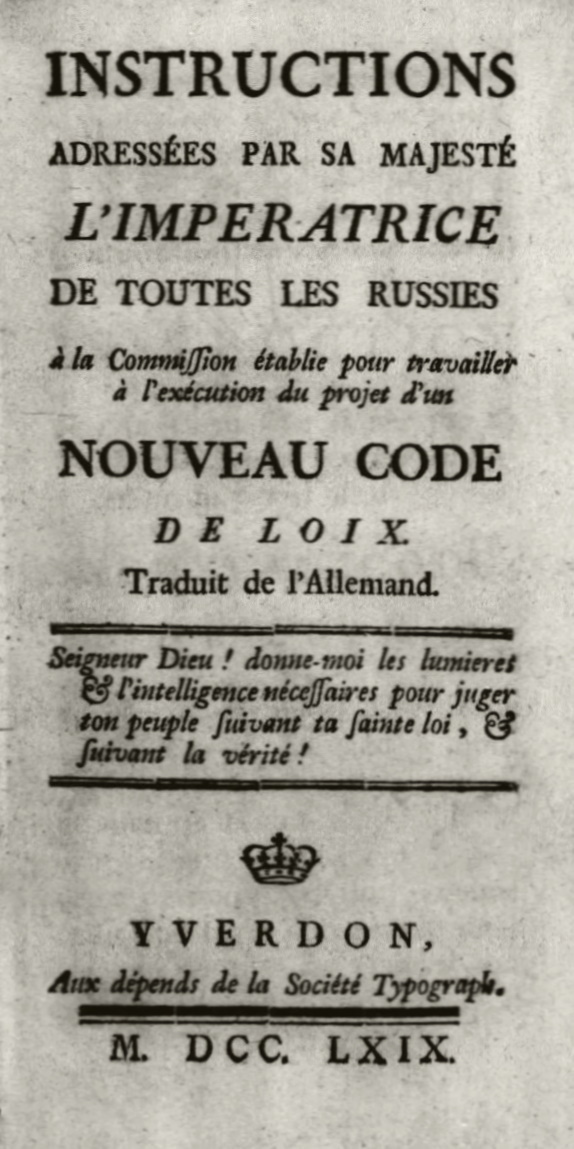 Document
Primary source
Nakaz
Catherine II of Russia · 1766
 Document
Secondary source
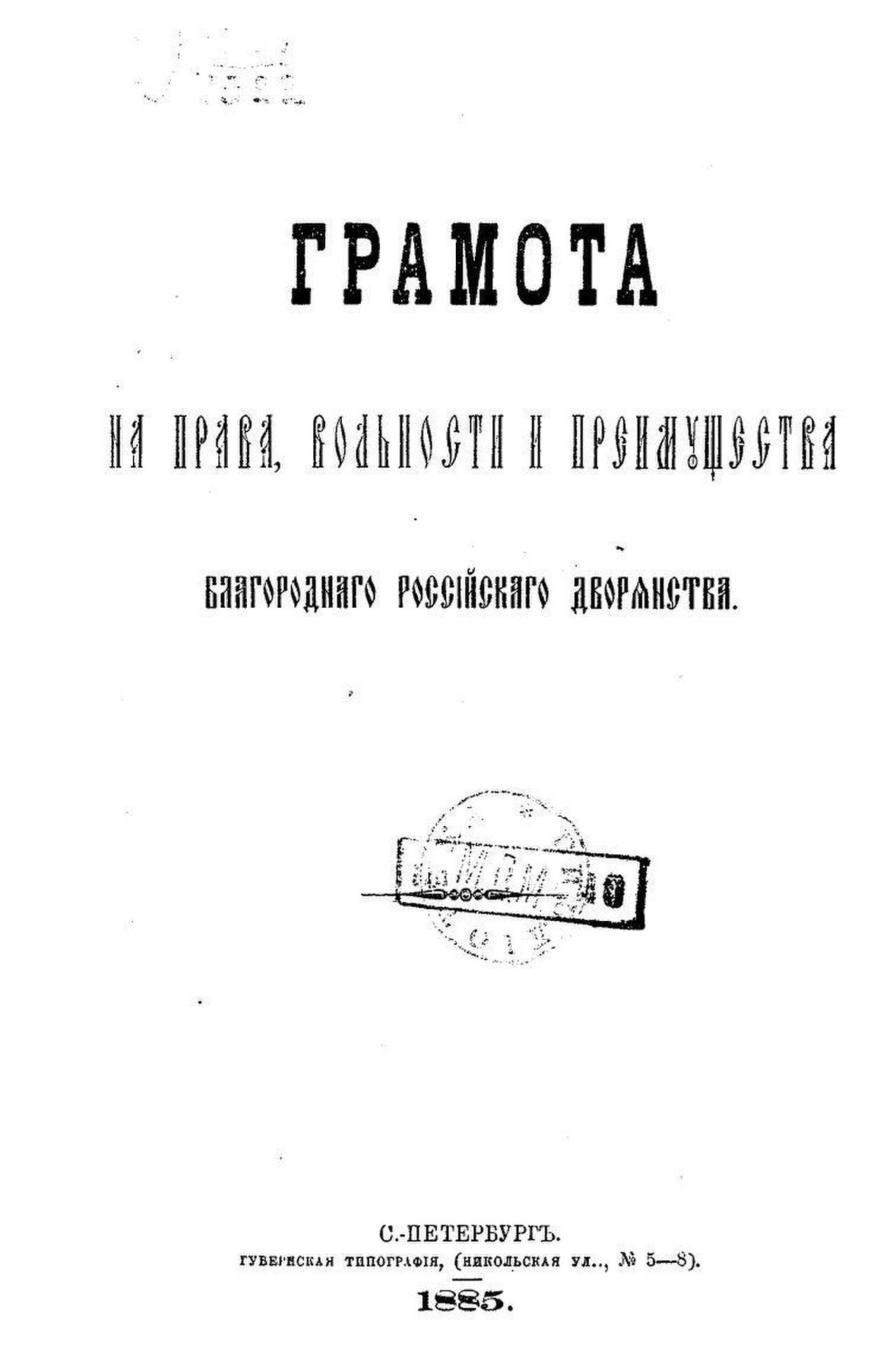
Charter to the Nobility
Catherine II of Russia · 1785 (this edition 1885)
 Document
Primary source
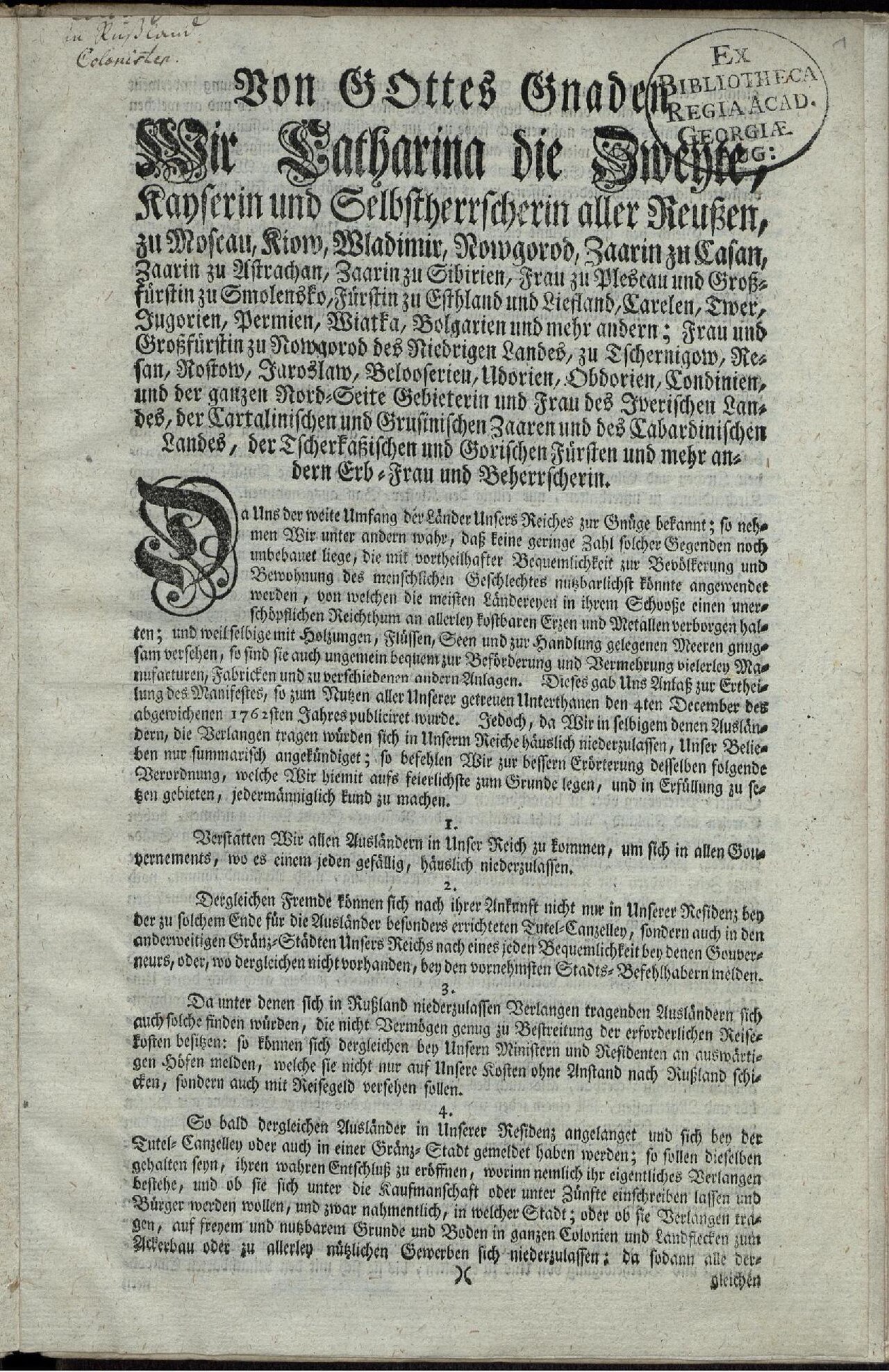
Invitation Manifesto of 1763
Catherine II of Russia · 22 July 1763
 Diary entry
Primary source
Catherine II's Memoirs
Catherine II of Russia · 1790s
 Sculpture
Primary source
Bronze Horseman
Étienne Maurice Falconet · 1768-1782
Ready when you are
Start chatting with Catherine the Great now.
20 messages free · No credit card · Available in 50+ languages.