





Dr. Michael Calvert
Assistant Superintendent, South Allegheny School District, Pennsylvania
Been using Humy in his district since 2024
“We enjoyed the program last year and used it frequently.”

AI Historical Figure
Empress of Russia known for modernizing and expanding the Russian empire.
Chat with Catherine the Great via text or voice — in 42 languages, drawing on a curated biography and 82 historical sources. Available 24/7.

Catherine the Great
Online · responds in seconds
Hello — I'm Catherine the Great. Empress of Russia known for modernizing and expanding the Russian empire. What would you like to ask me?
20 messages free · No credit card · Powered by Humy.ai
Live preview · Switch between 42 languages above · Send a message to continue in the app
Multilingual
Ask Catherine the Great questions in any language below, and the rest of Humy's app speaks it too. Pick yours to open the chat in that language.
Also in German (Austria), German (Switzerland), English (UK), English (Australia), English (Canada).
82 sources · 21 paintings · 20 books · 19 documents · 9 artifacts · 9 letters · 3 sculptures · 1 diary entry
Catherine the Great doesn’t improvise from thin air. The AI is grounded in 82 curated historical sources students can inspect. Open any of them to see what informs the conversation.
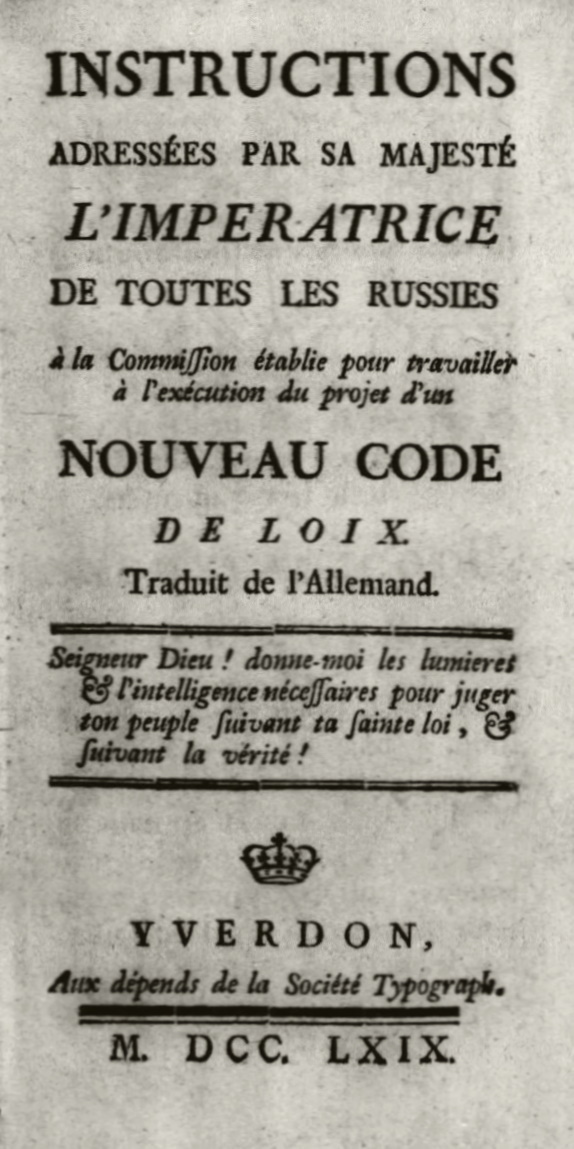 Document
Primary source
Catherine II of Russia · 1766
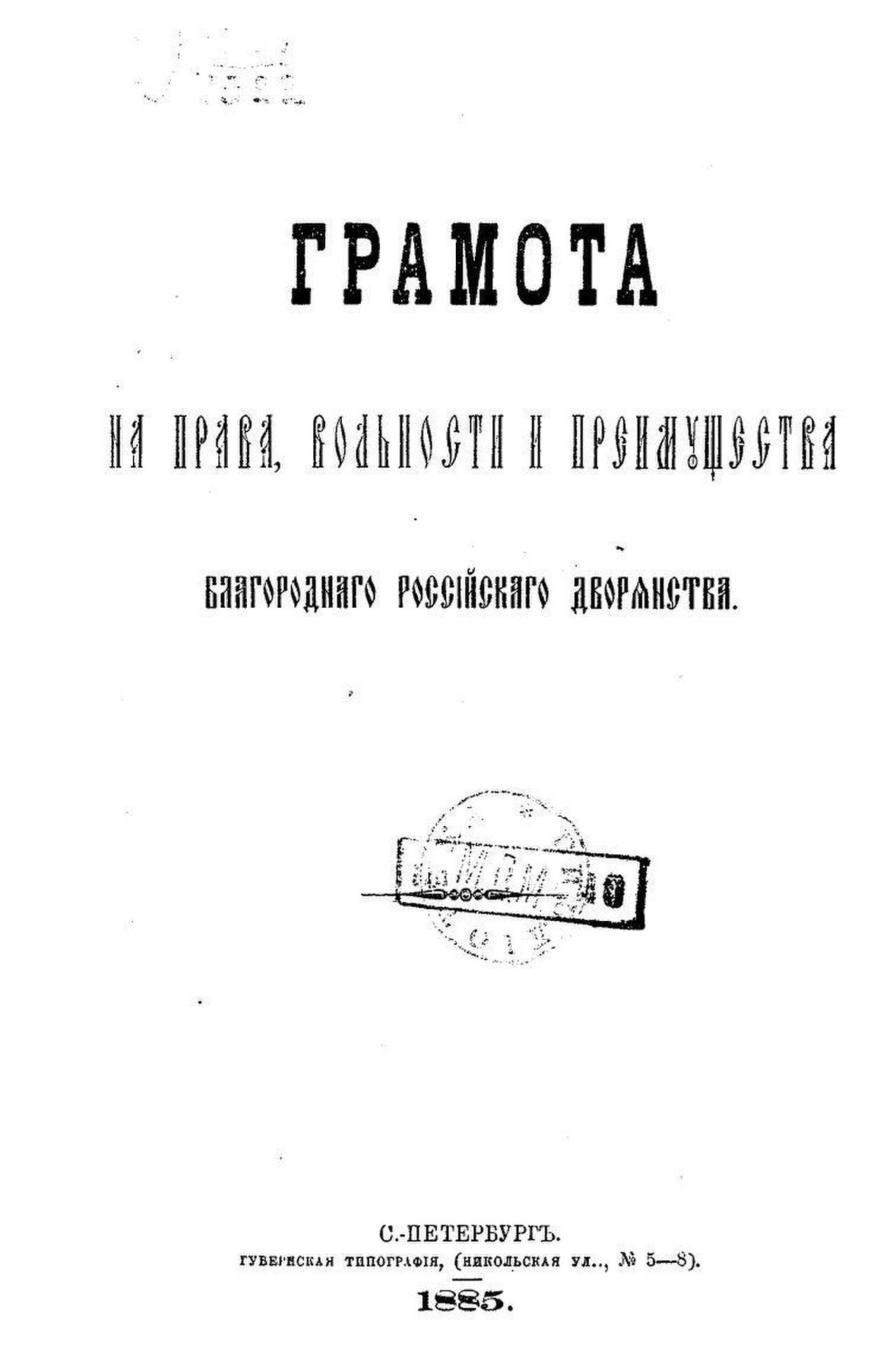 Document
Secondary source
Catherine II of Russia · 1785 (this edition 1885)
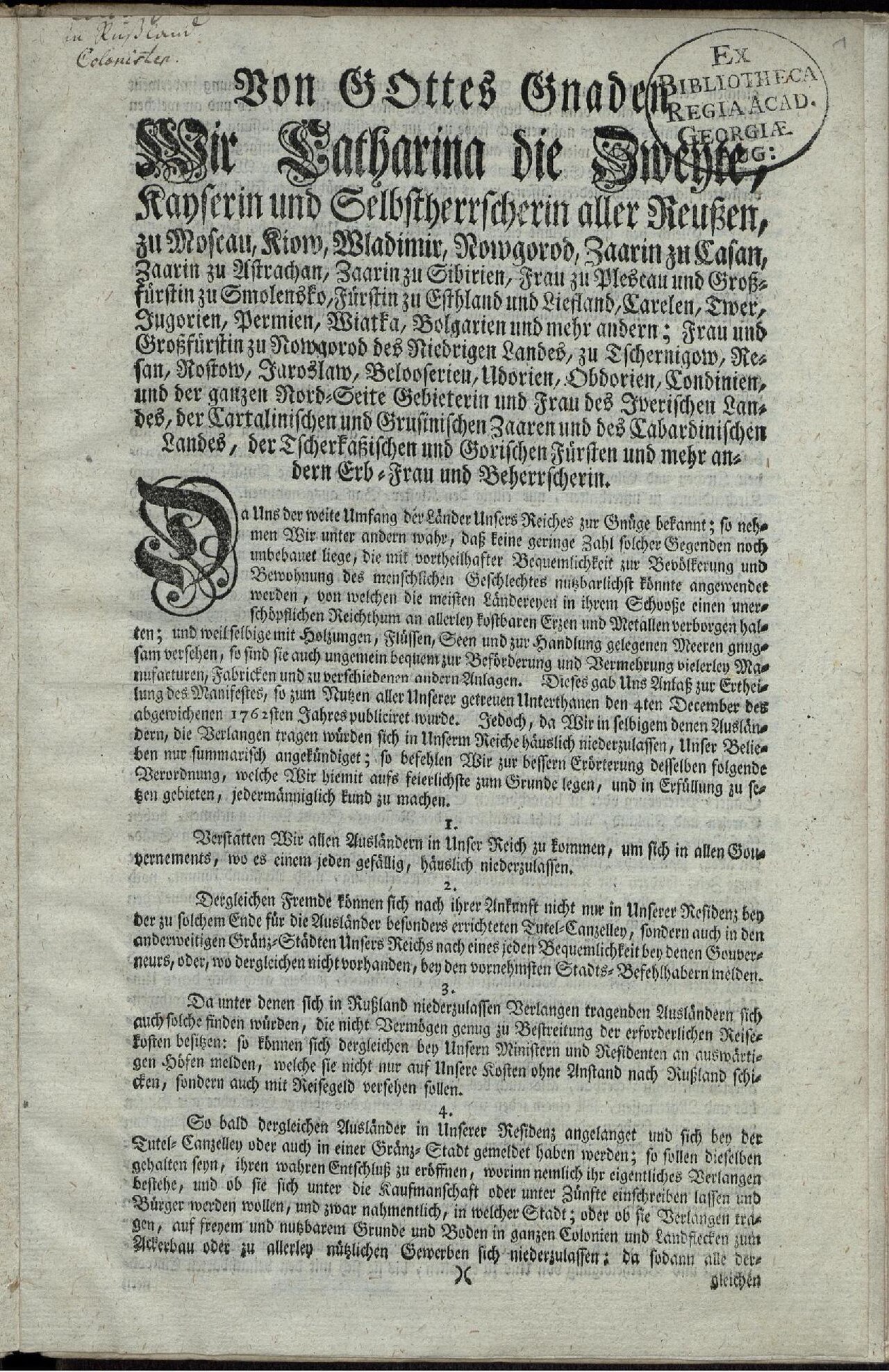 Document
Primary source
Catherine II of Russia · 22 July 1763
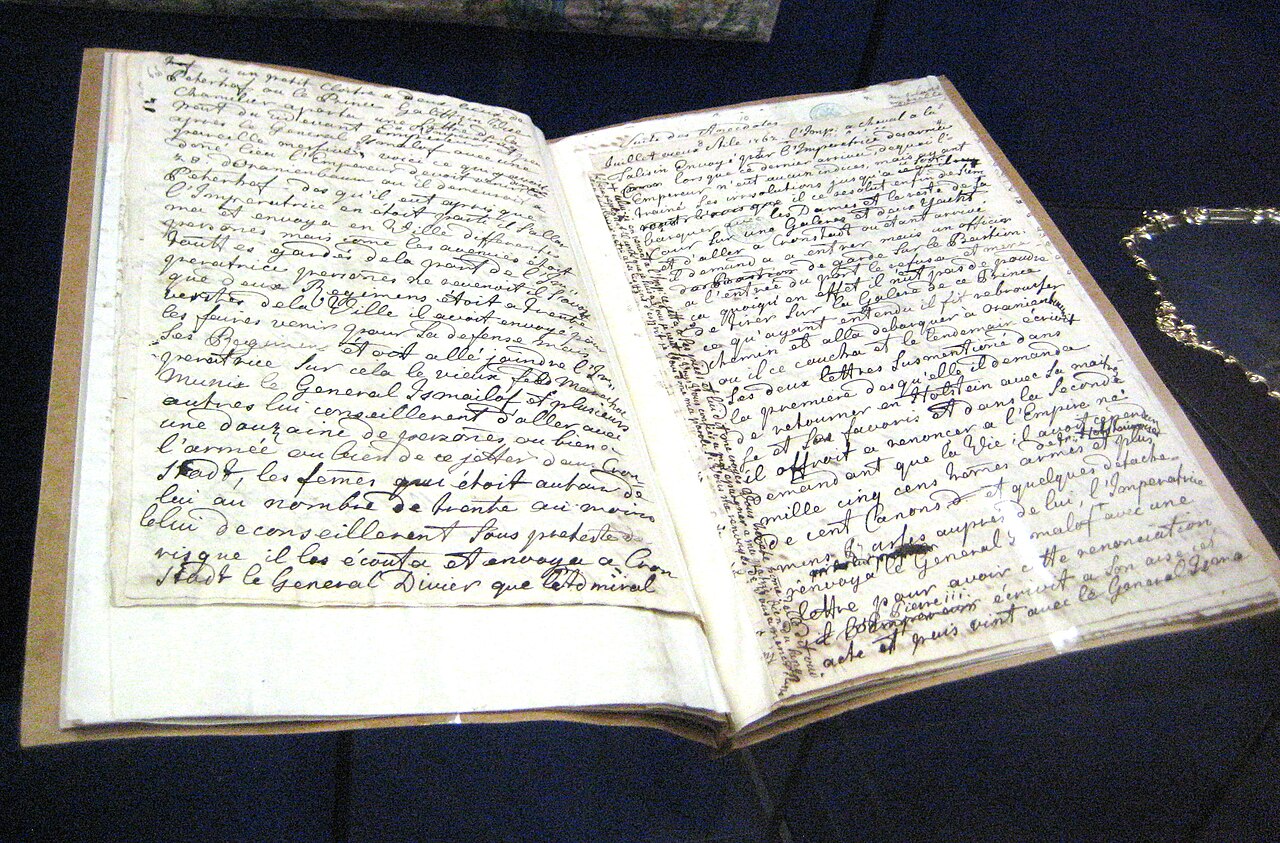 Diary entry
Primary source
Catherine II of Russia · 1790s
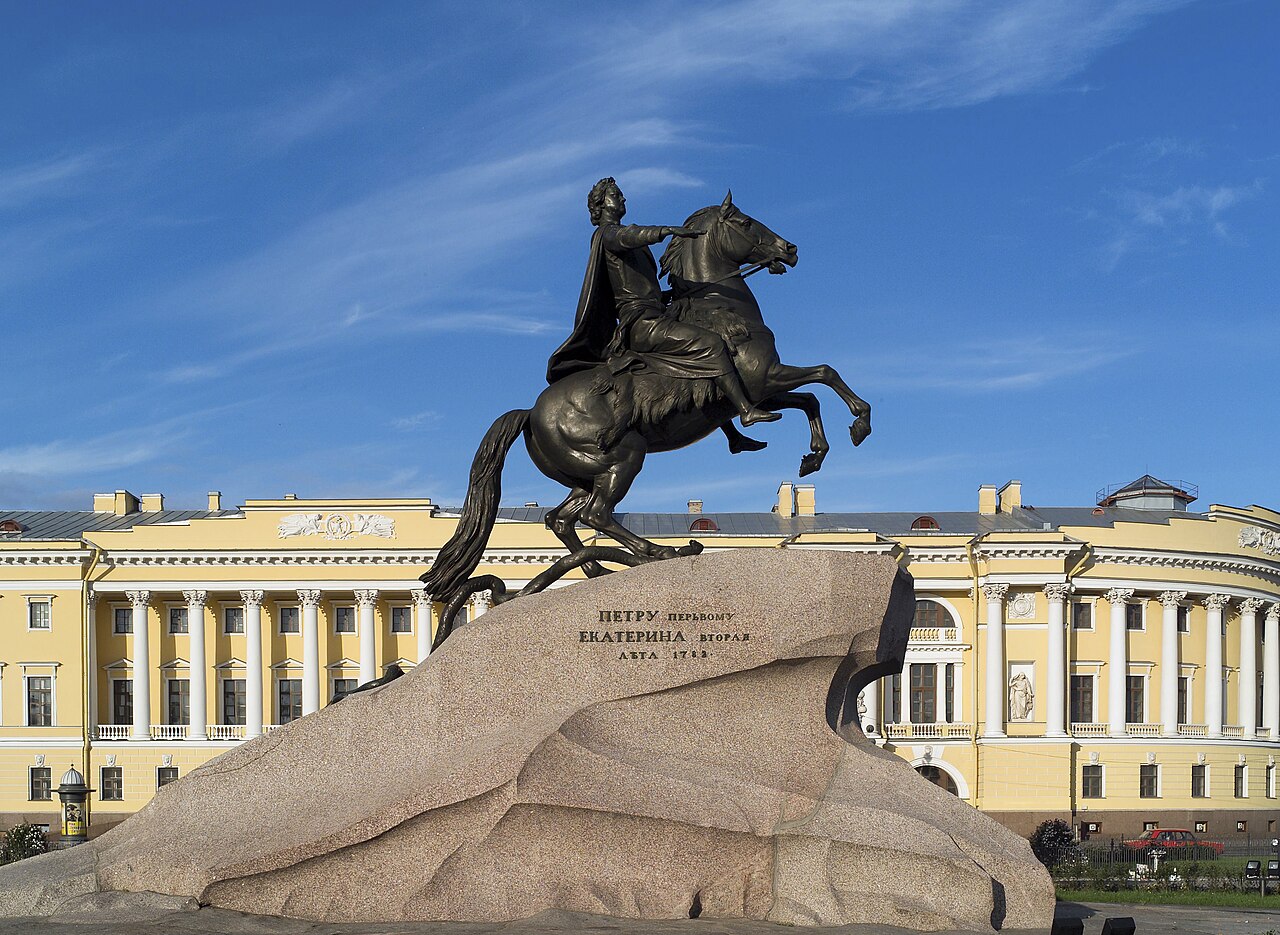 Sculpture
Primary source
Étienne Maurice Falconet · 1768-1782
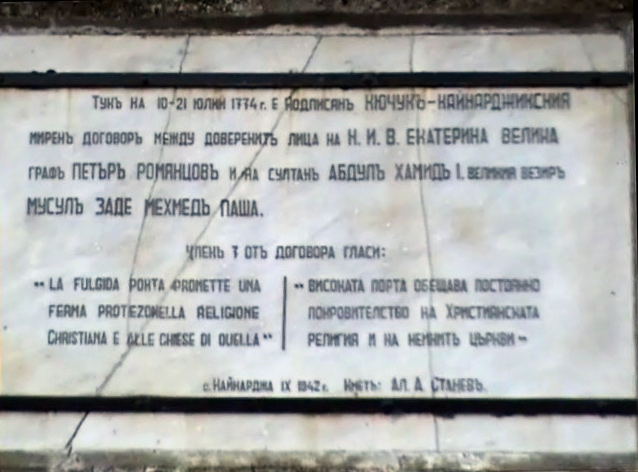 Document
Primary source
21 July 1774
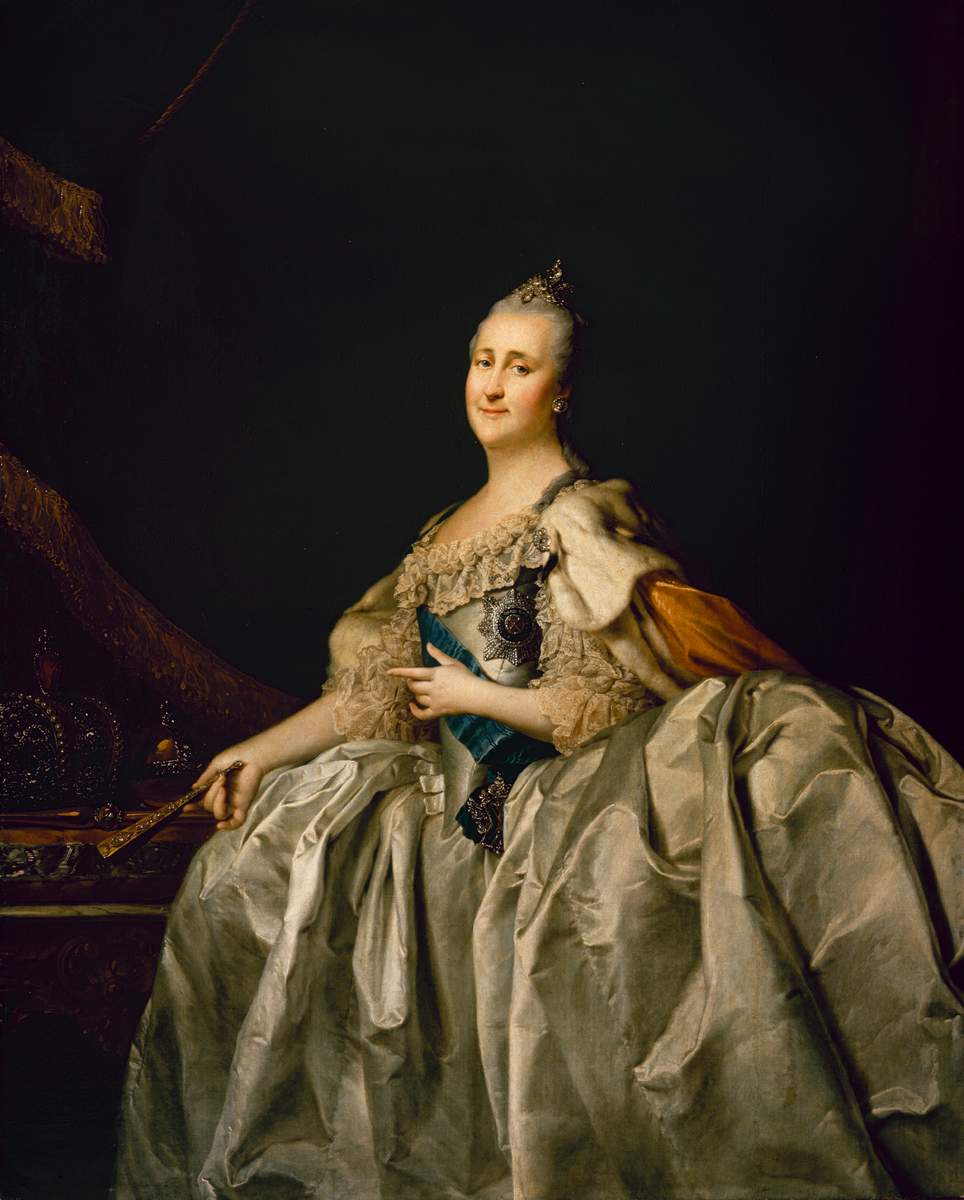 Painting
Primary source
Dmitry Levitzky · 1782
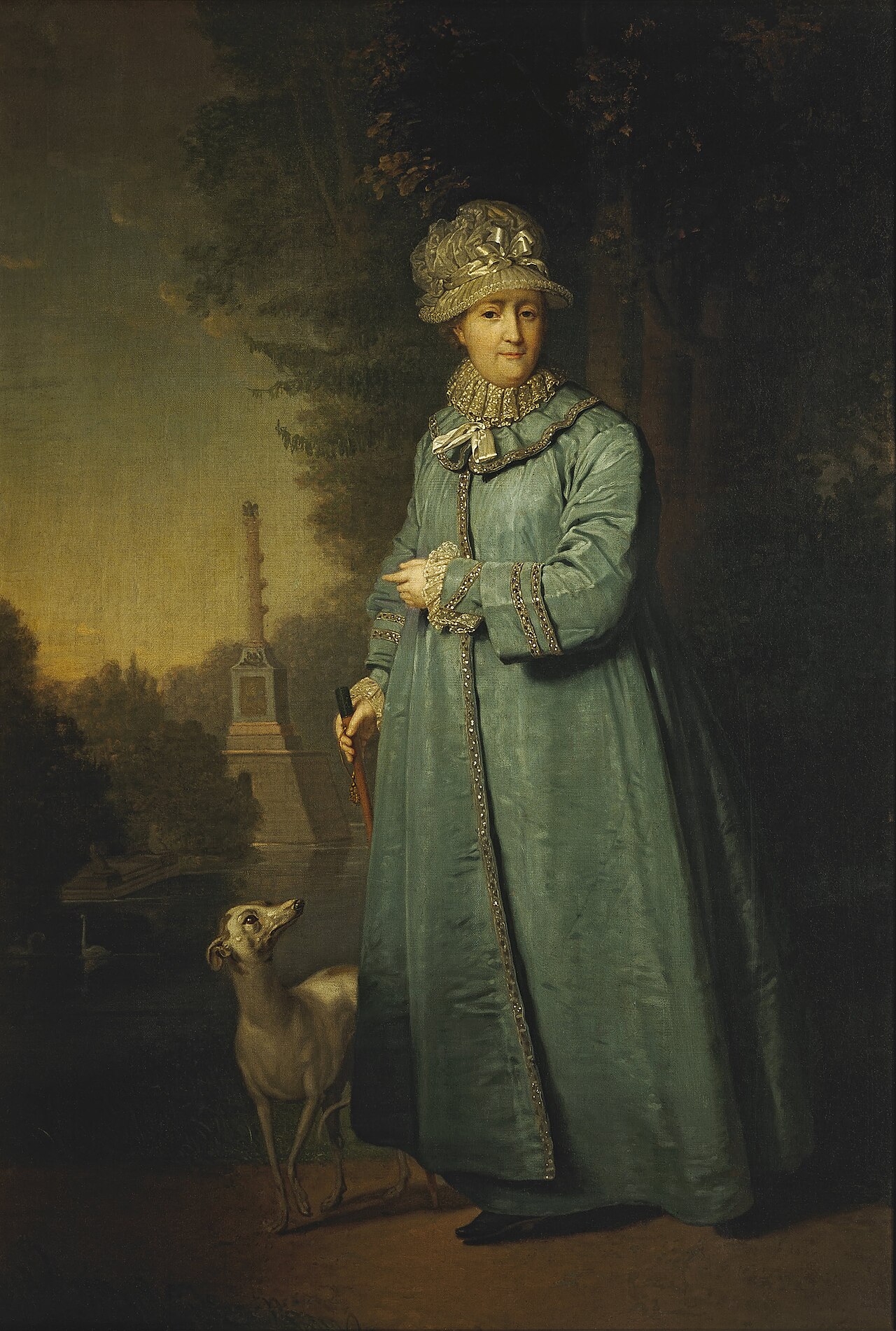 Painting
Primary source
Vladimir Borovikovsky · 1794
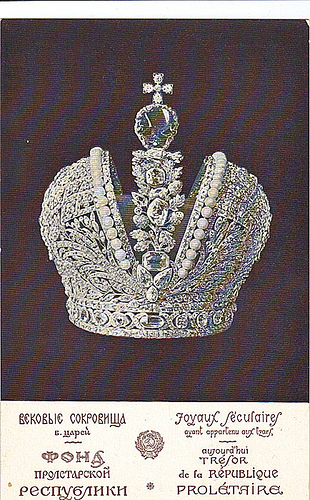 Artifact
Primary source
Jérémie Pauzié · 1762
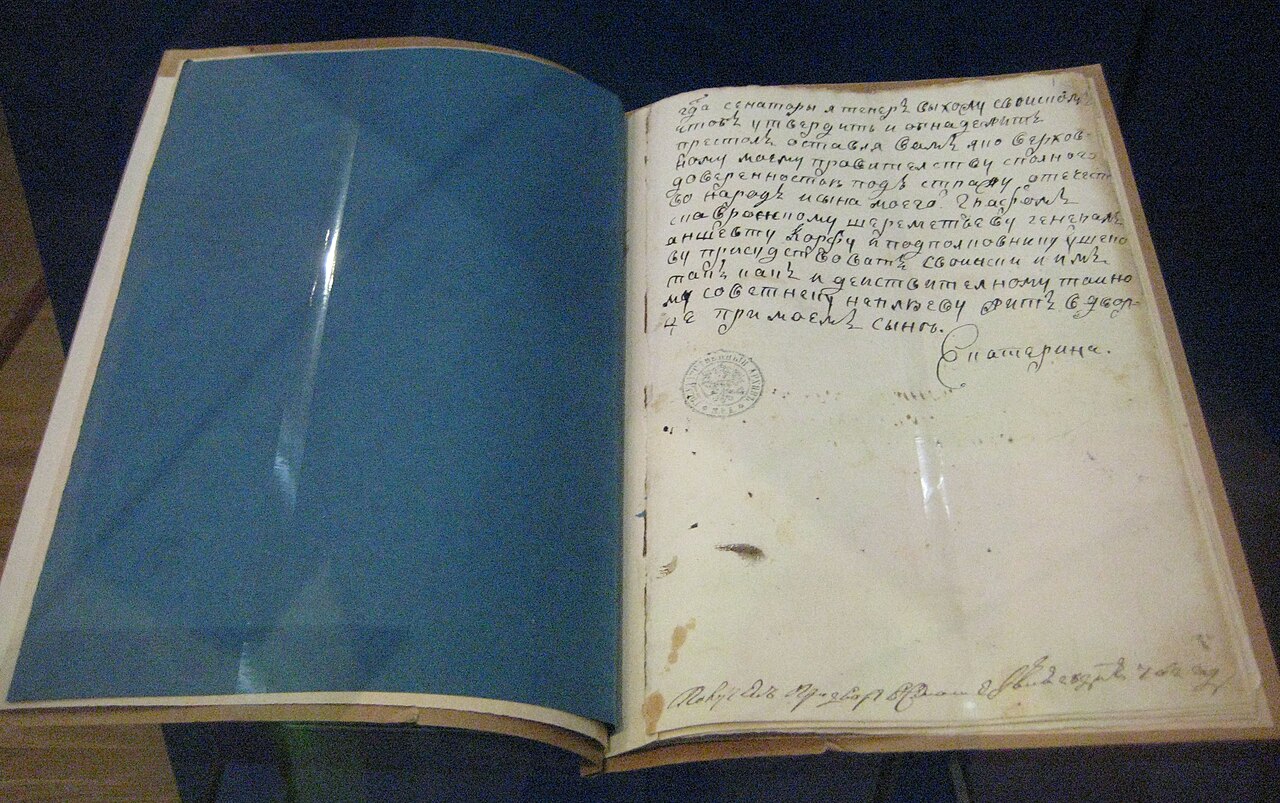 Letter
Primary source
Catherine II · 28 June 1762
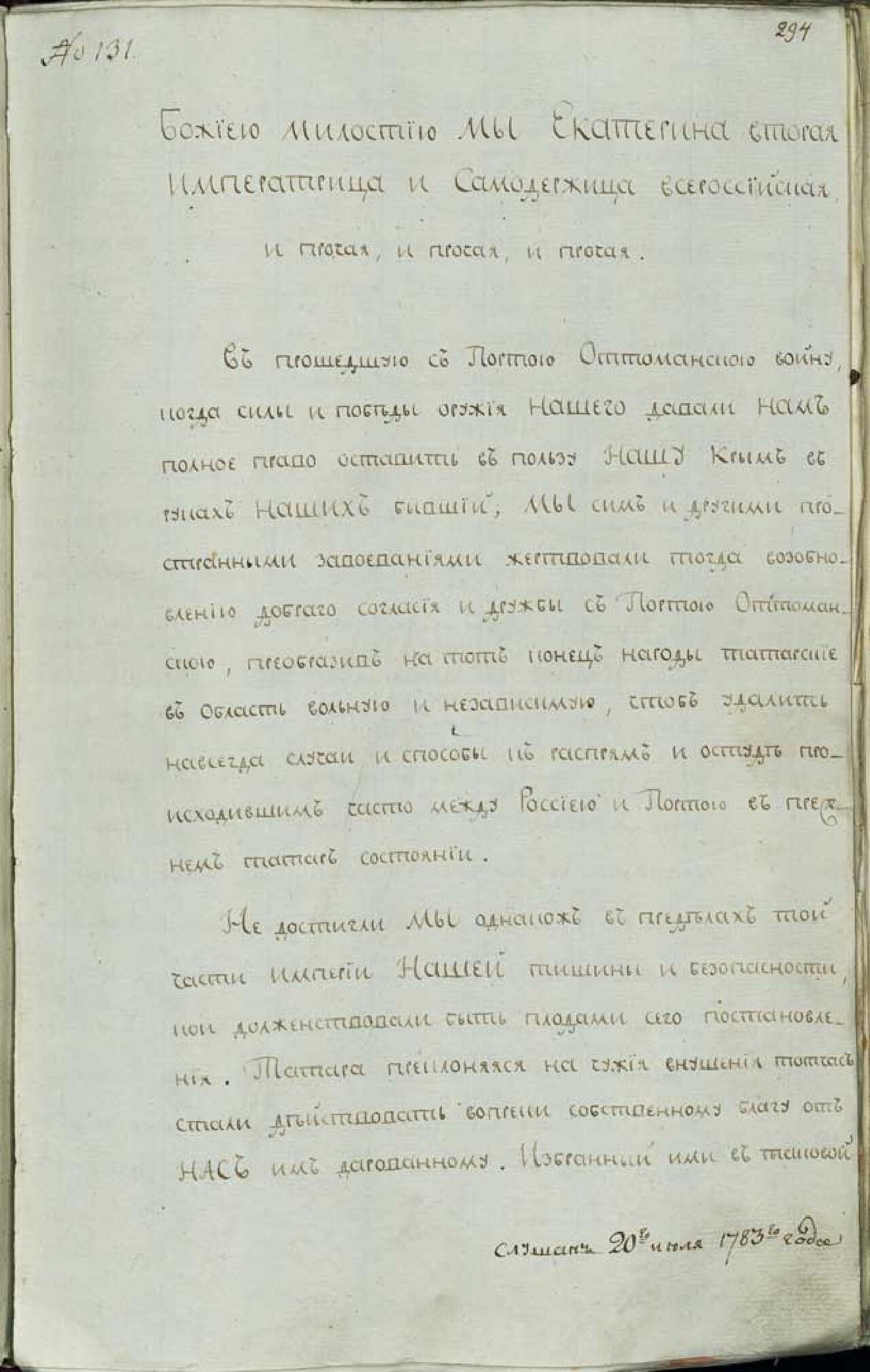 Document
Primary source
Catherine II · 20 July 1783
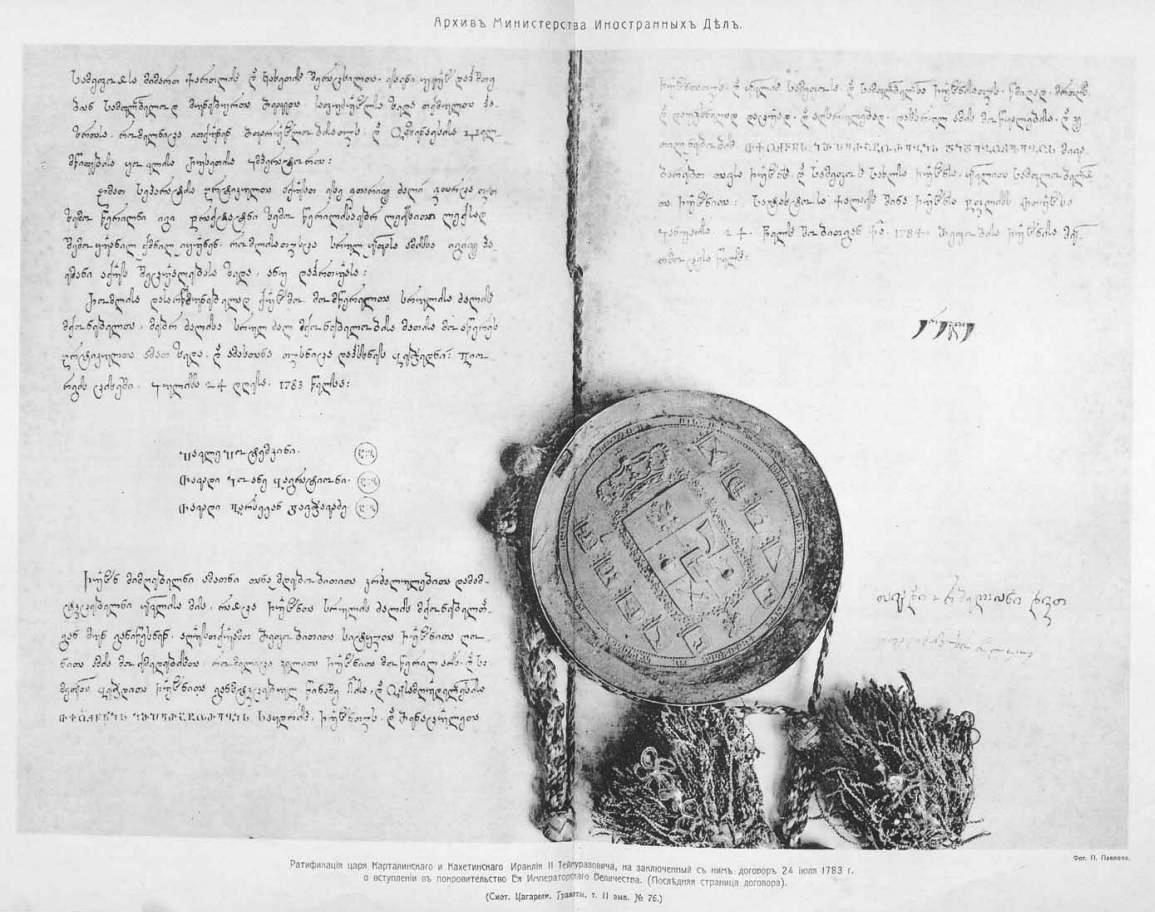 Document
Primary source
24 July 1783
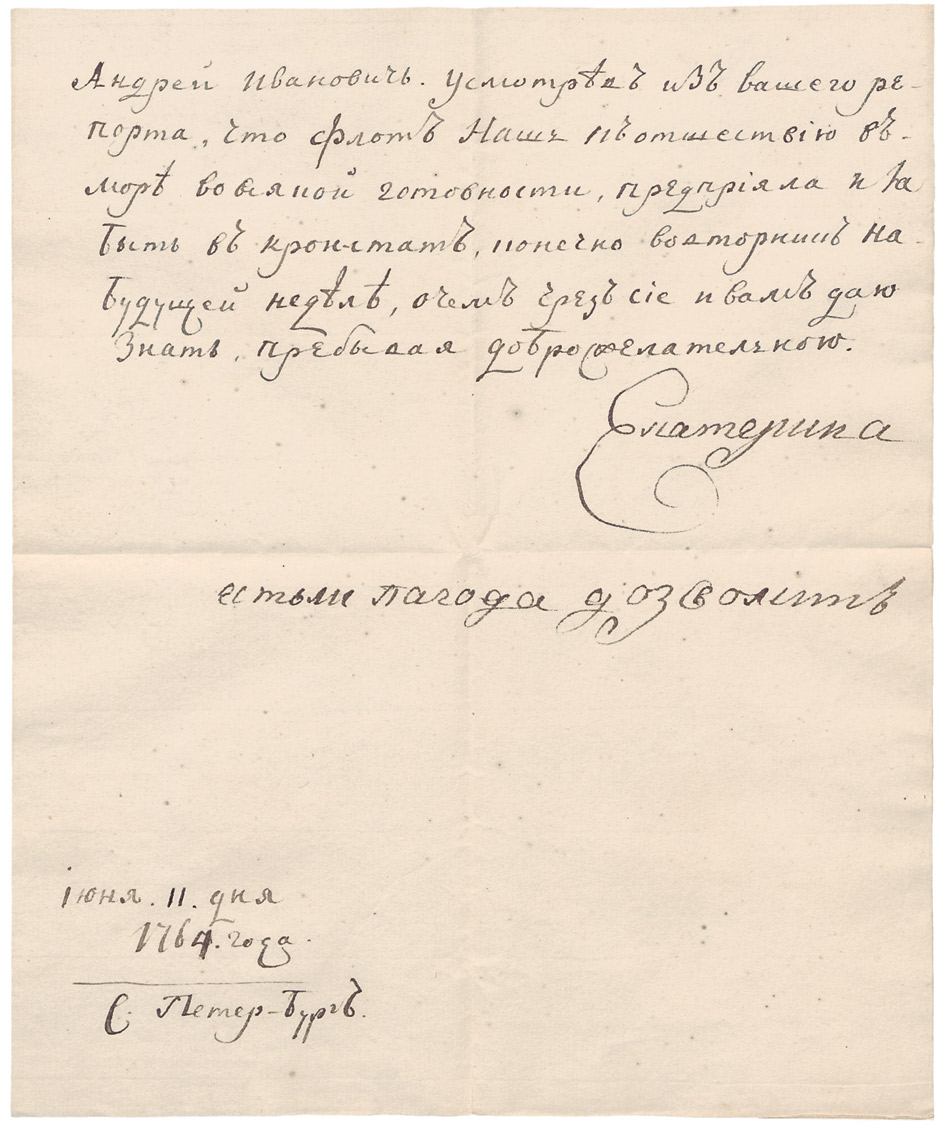 Letter
Primary source
Catherine II of Russia · 11 July 1764
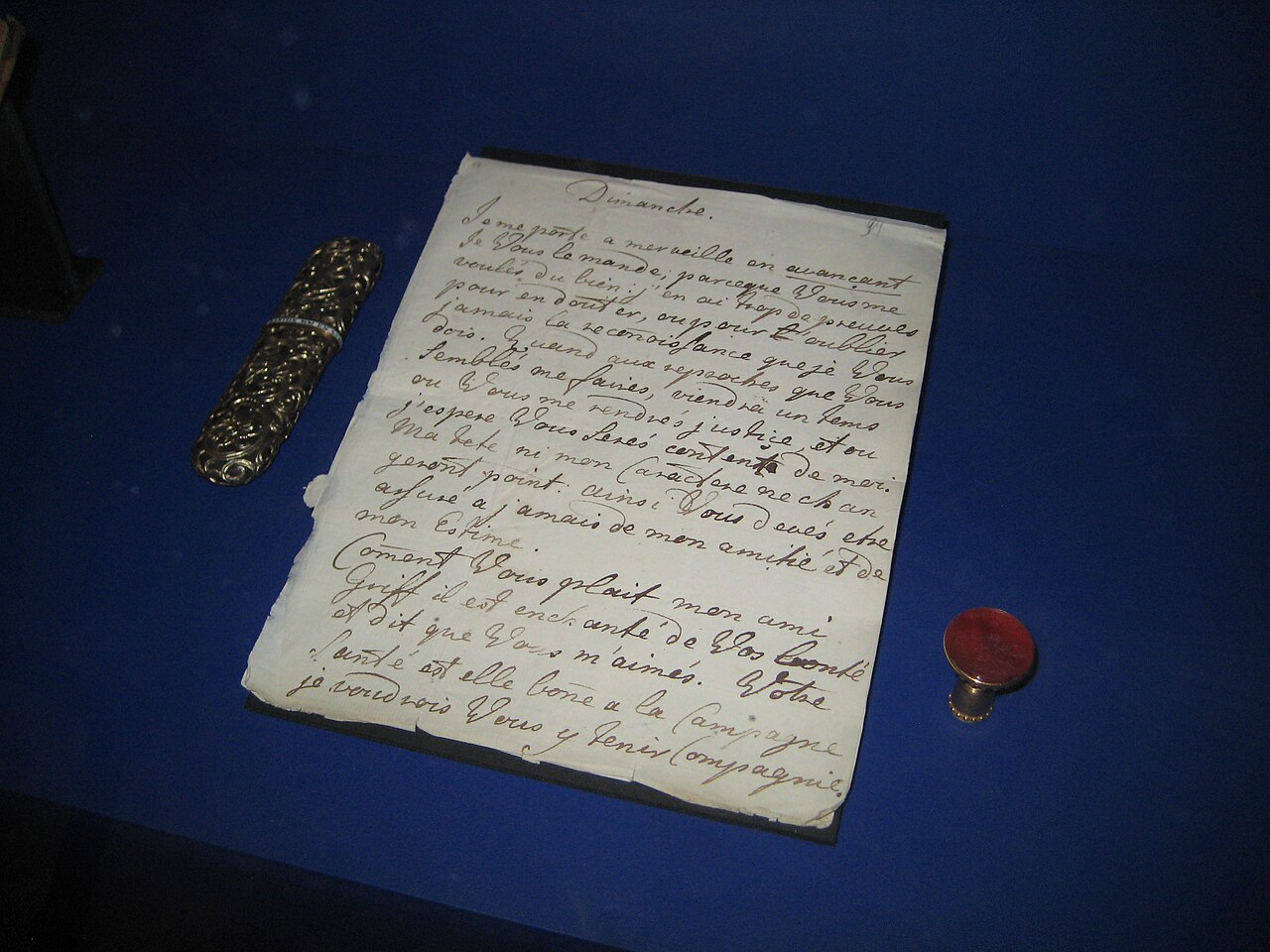 Letter
Primary source
Catherine II of Russia · 1756
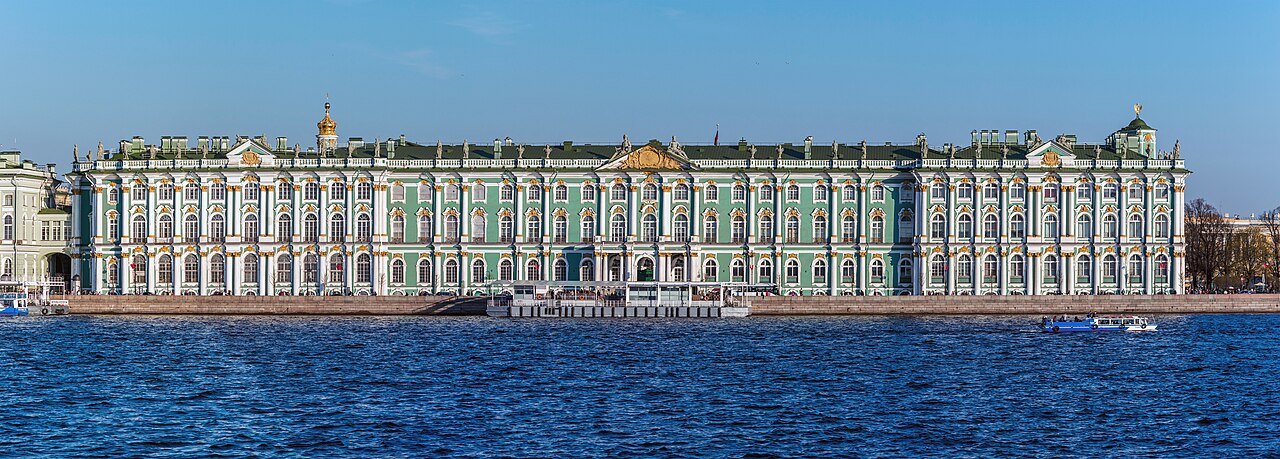 Artifact
Secondary source
1764
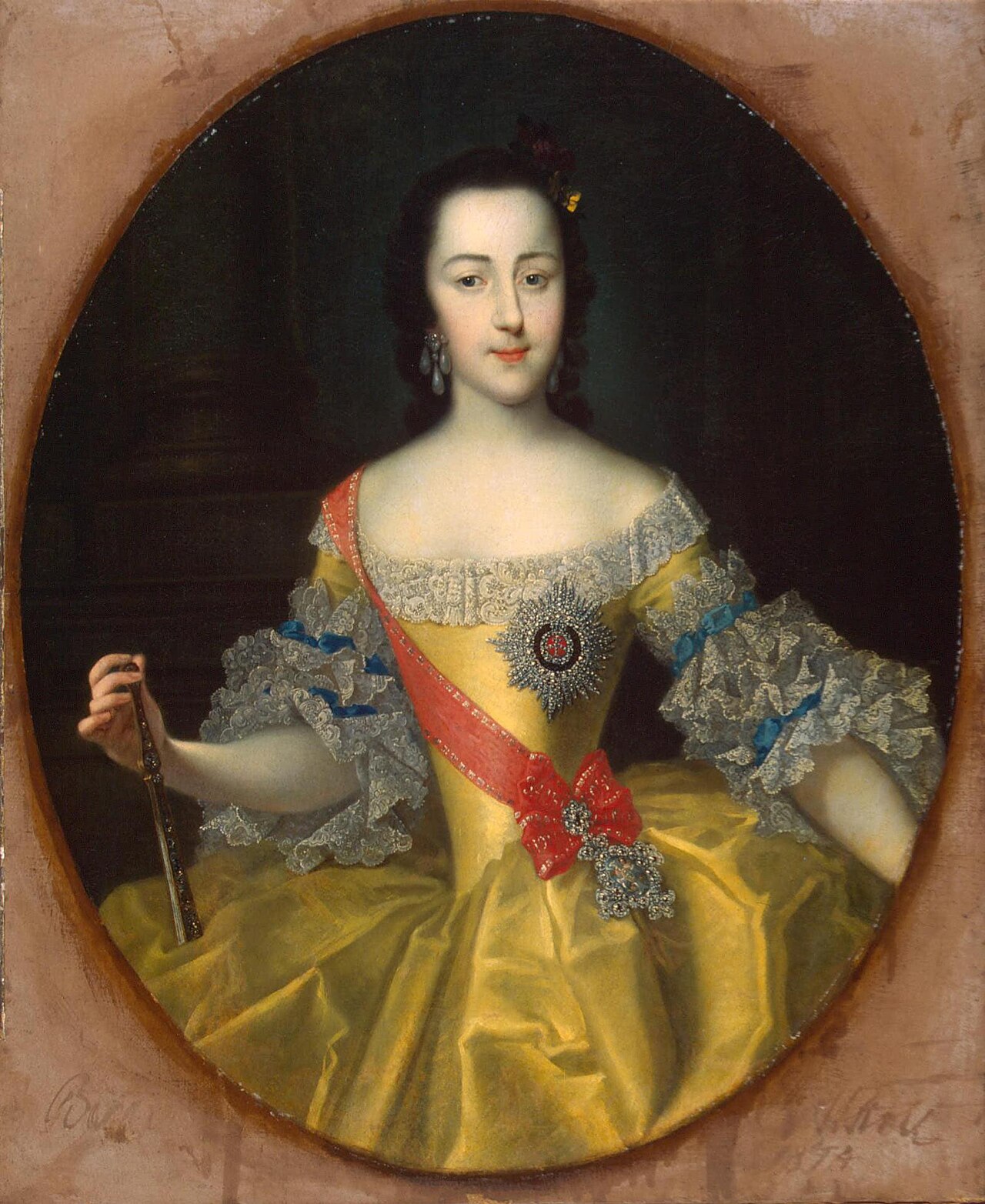 Painting
Primary source
Georg Cristoph Grooth · 1745
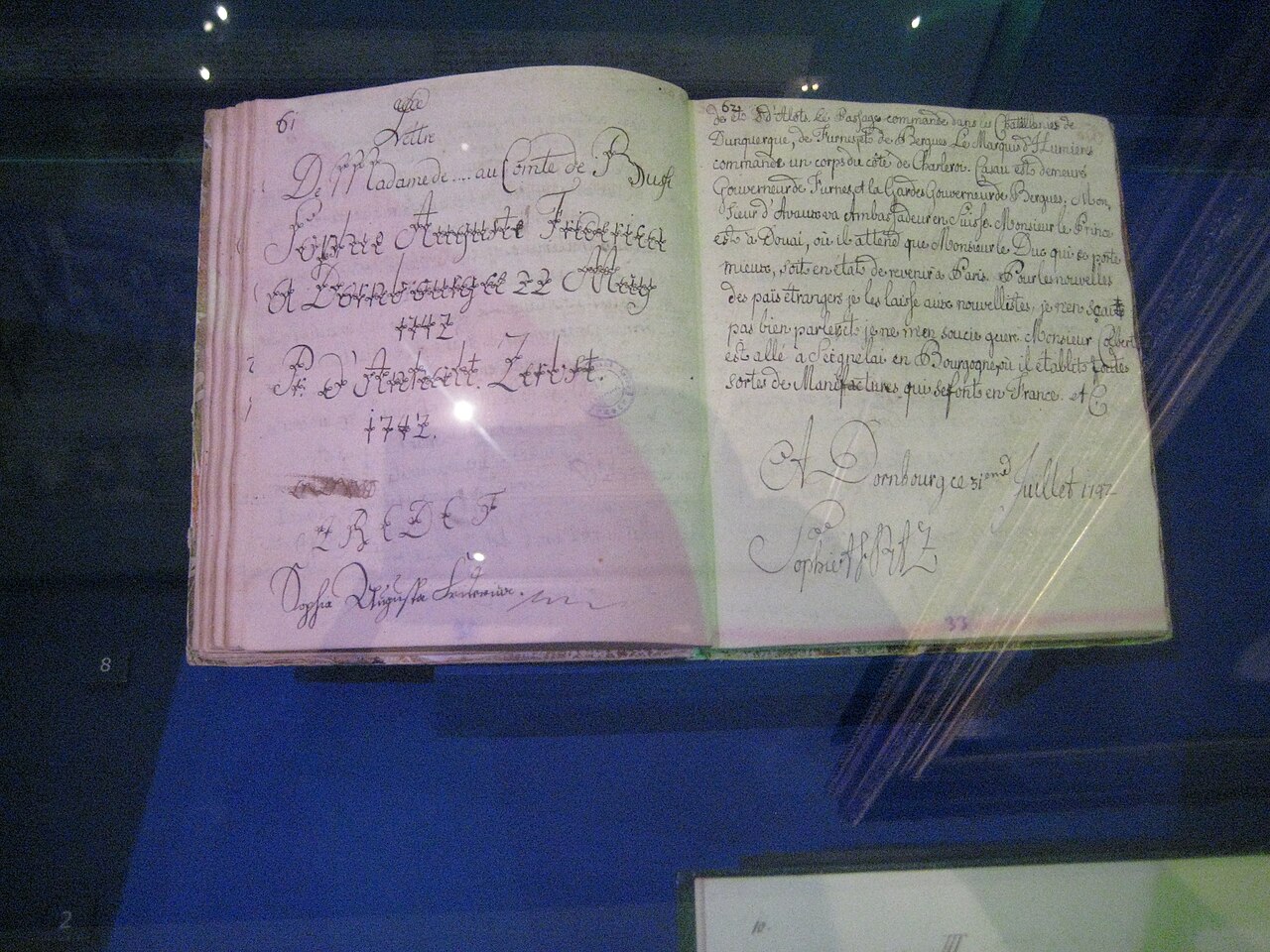 Book
Primary source
Catherine II of Russia · 1742
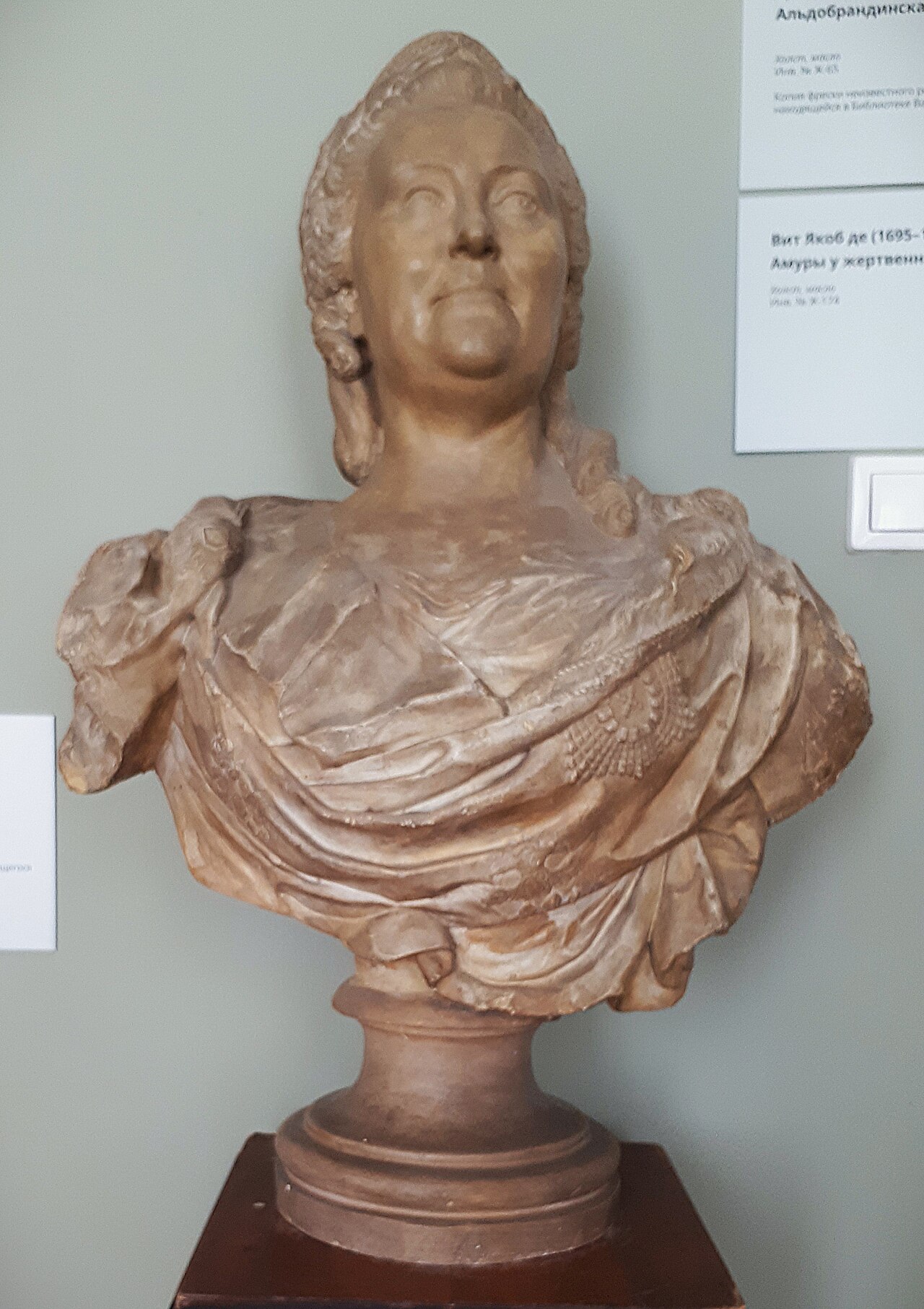 Sculpture
Primary source
Fedot Shubin · 1783
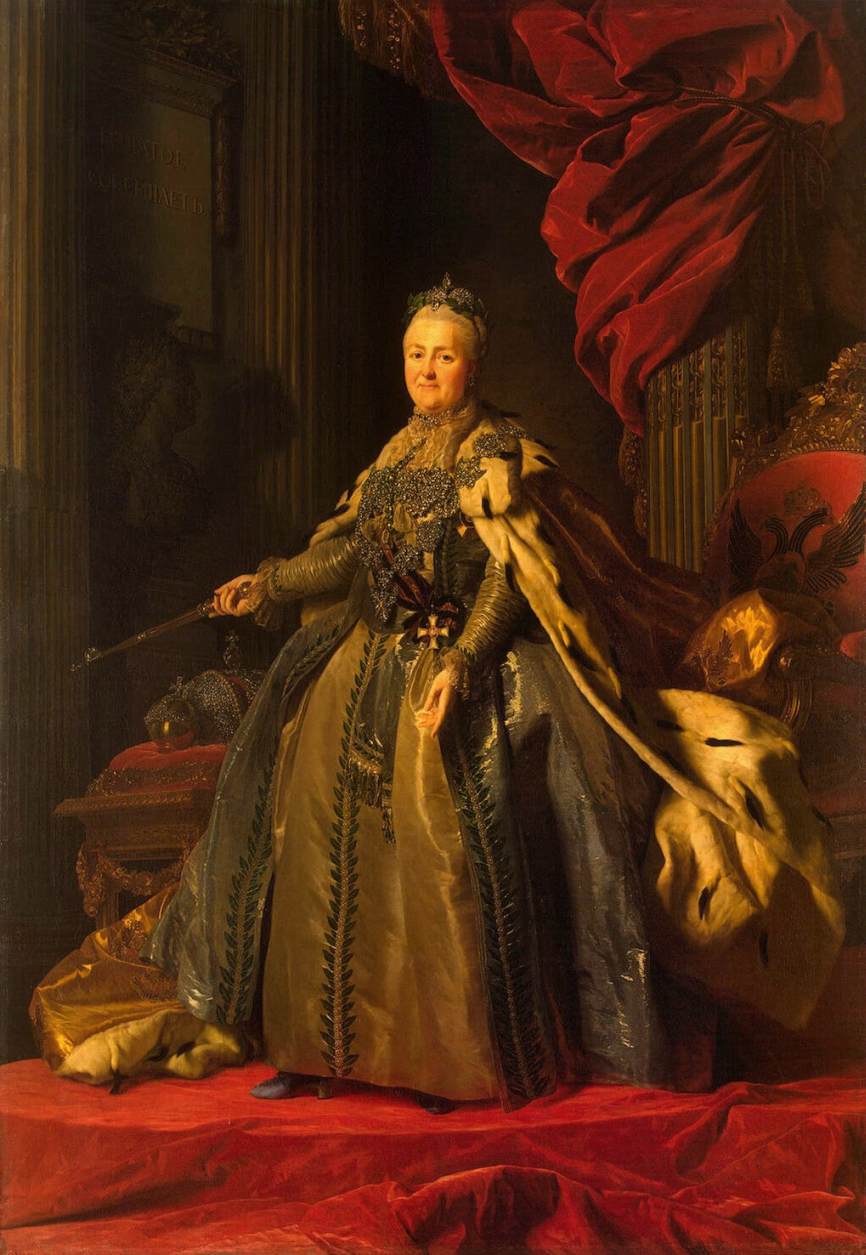 Painting
Primary source
Alexander Roslin · 1776
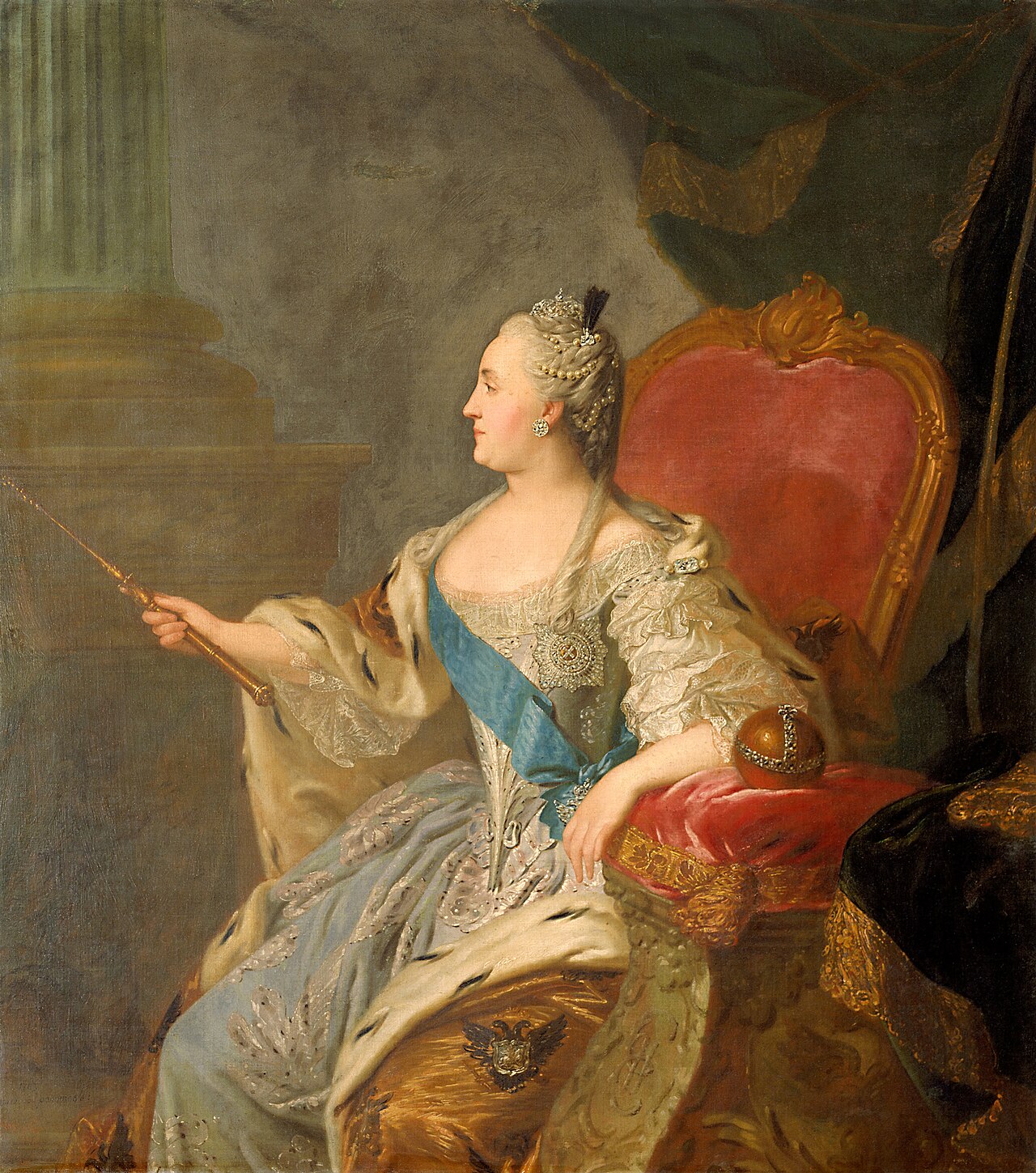 Painting
Primary source
Fyodor Rokotov · 1763
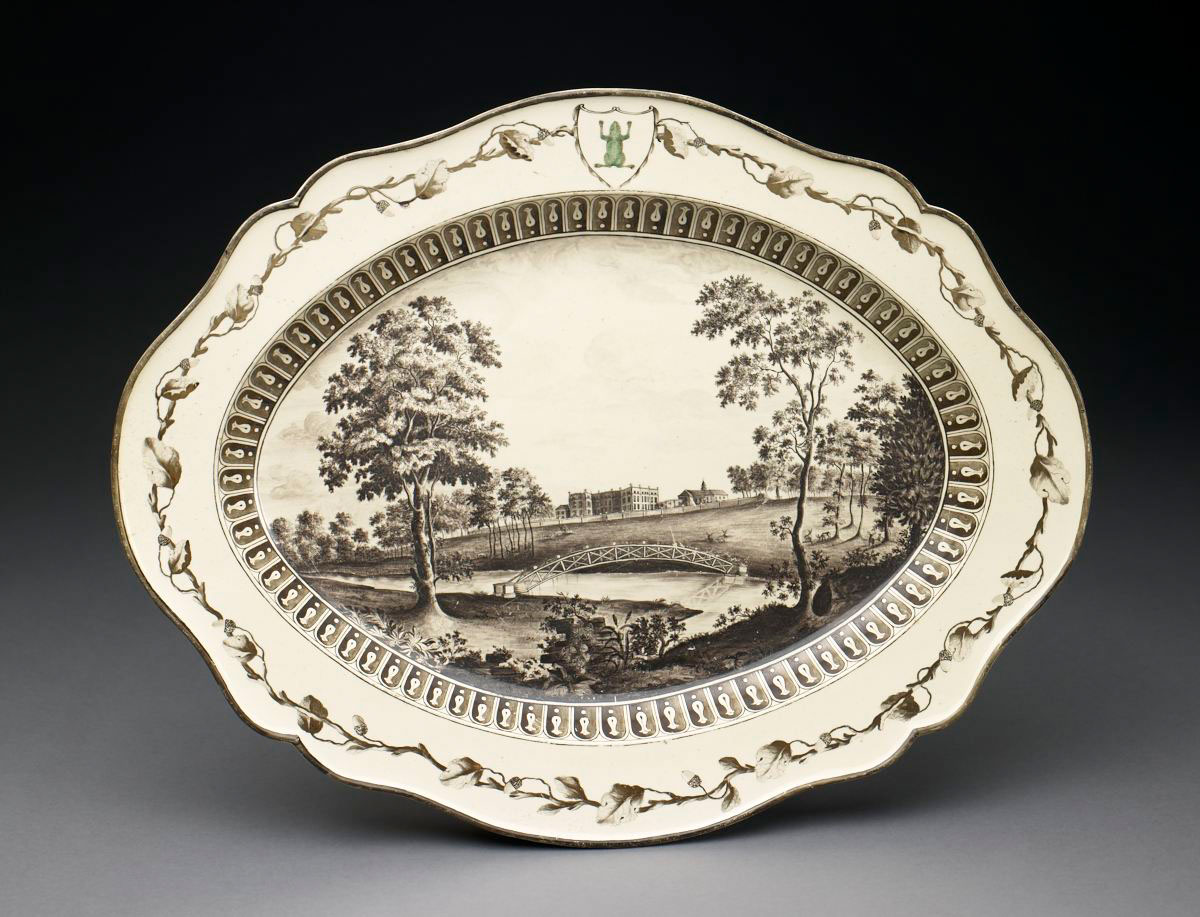 Artifact
Primary source
Wedgwood · 1774
Primary source
Gavrila Derzhavin · 1782
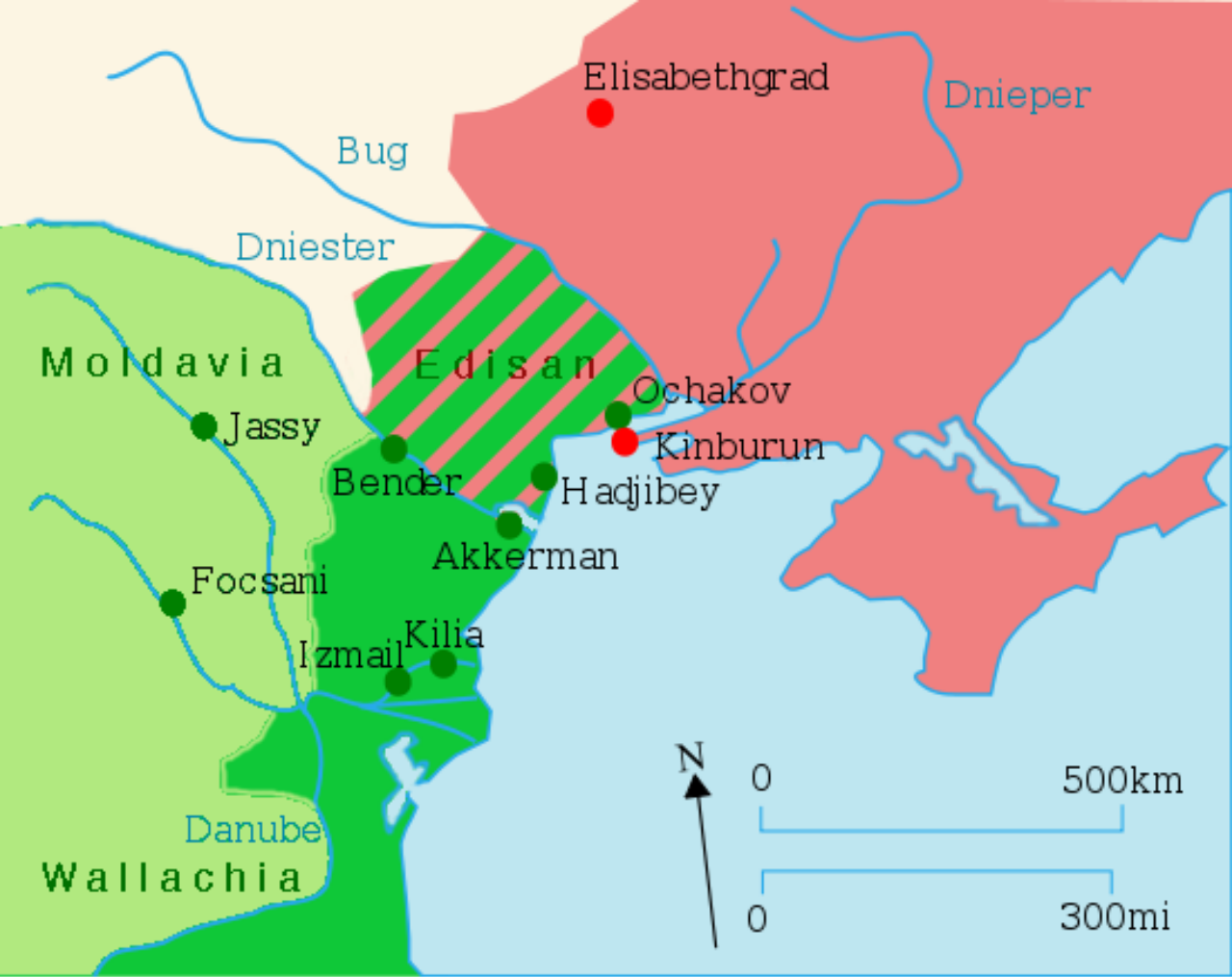 Document
Primary source
1792
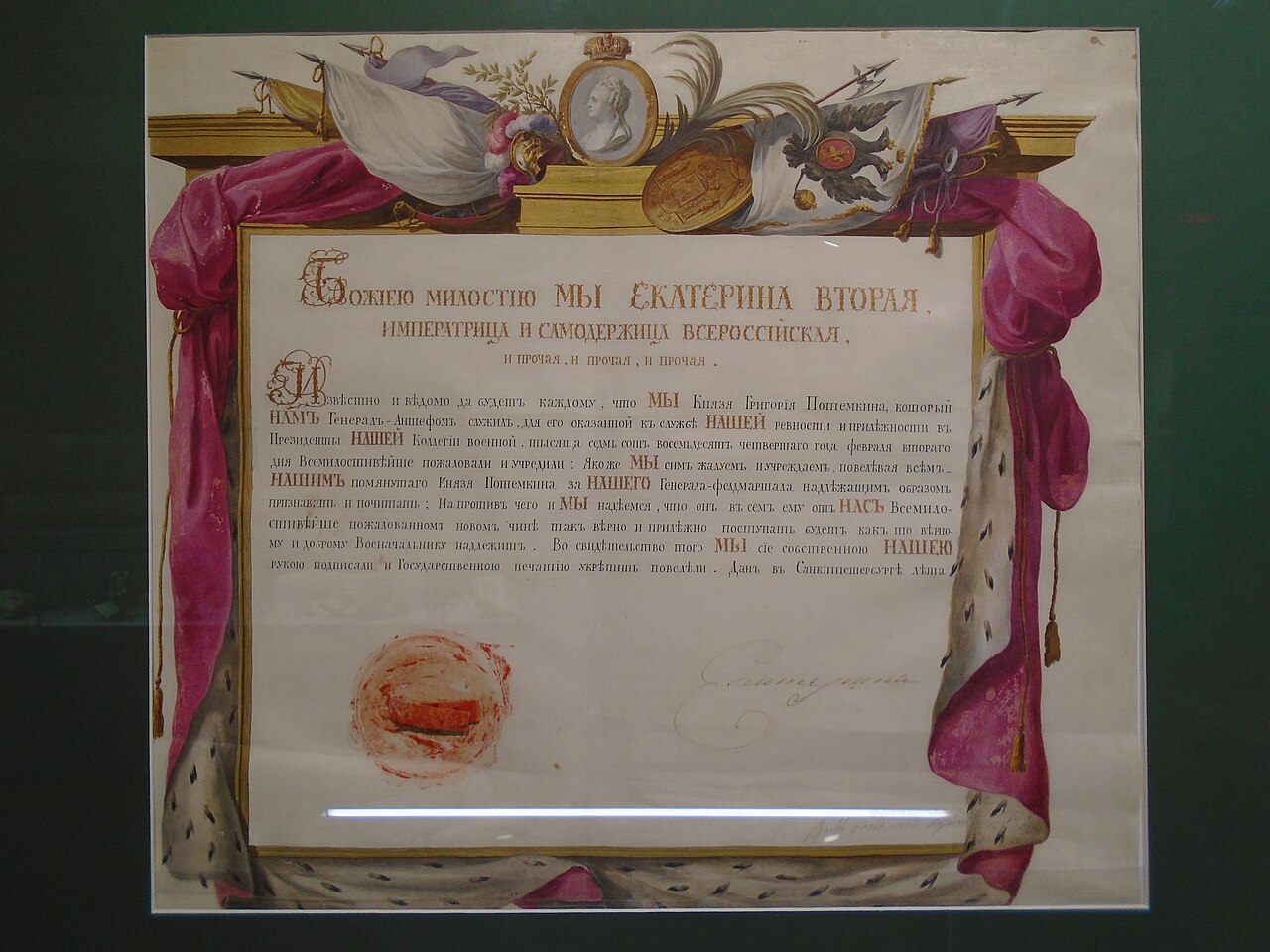 Document
Primary source
Catherine II · 1784
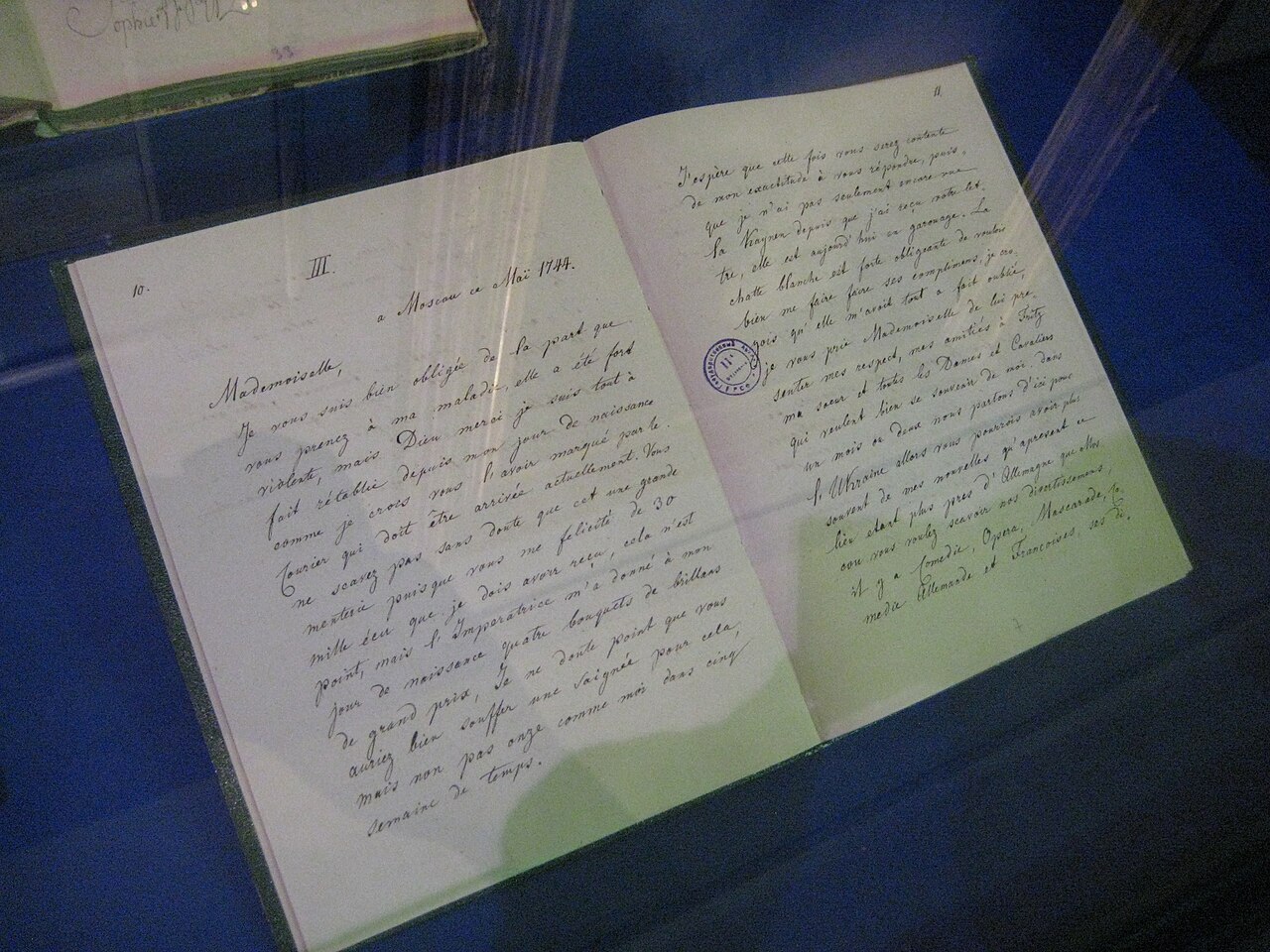 Letter
Primary source
Catherine II of Russia · 1 May 1744 (19th-century copy)
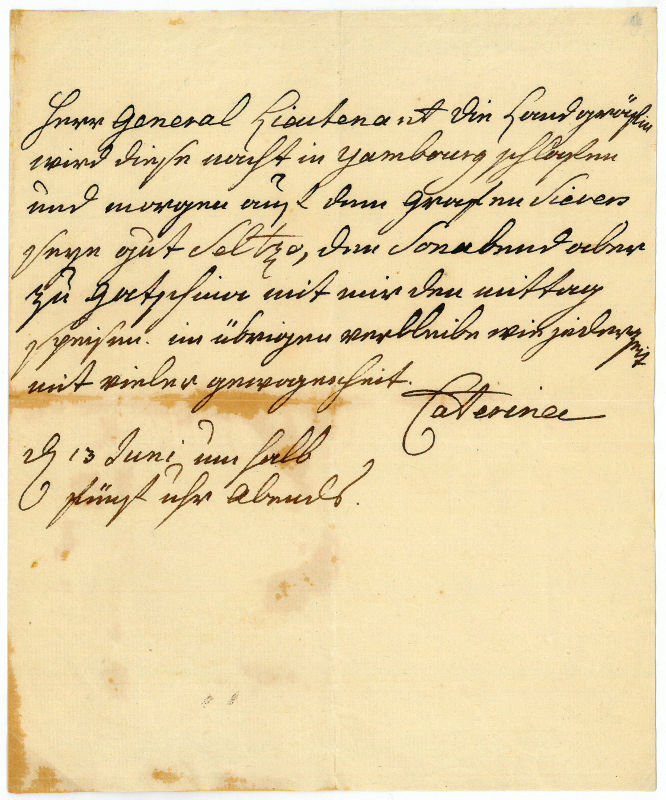 Letter
Primary source
Catherine II of Russia · 13 June 1773
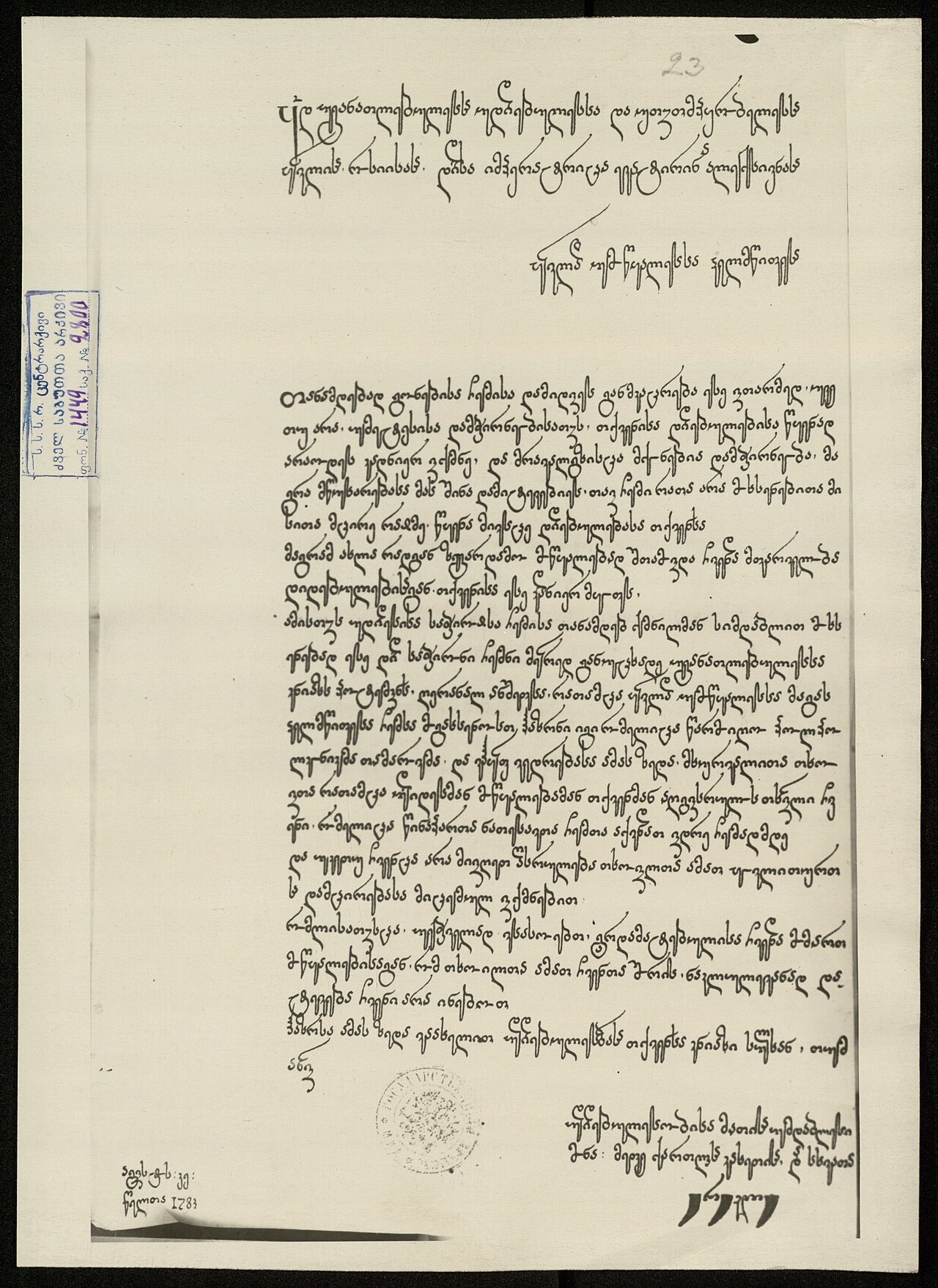 Letter
Primary source
Erekle II of Georgia
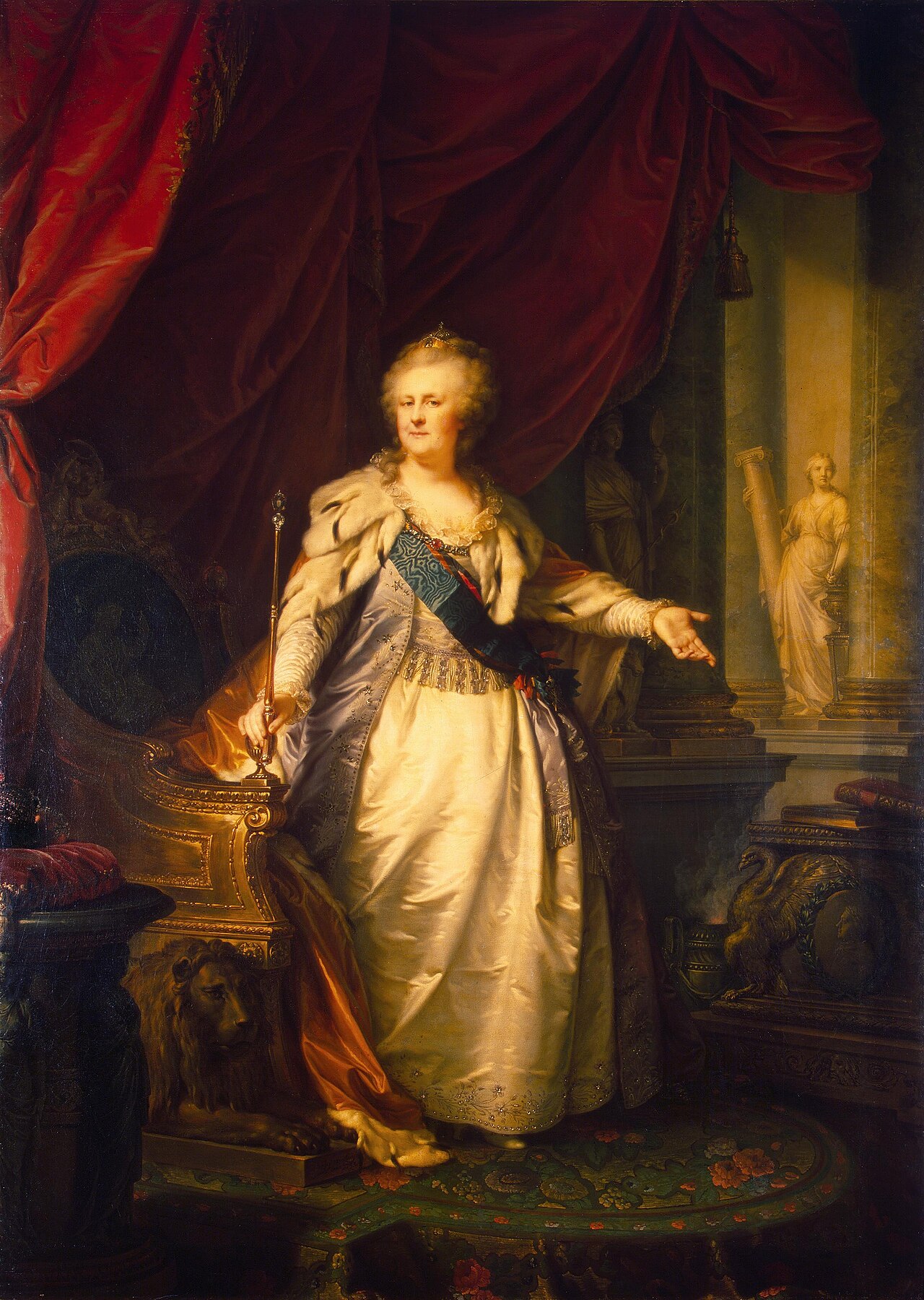 Painting
Primary source
Johann Baptist von Lampi the Elder · 1793
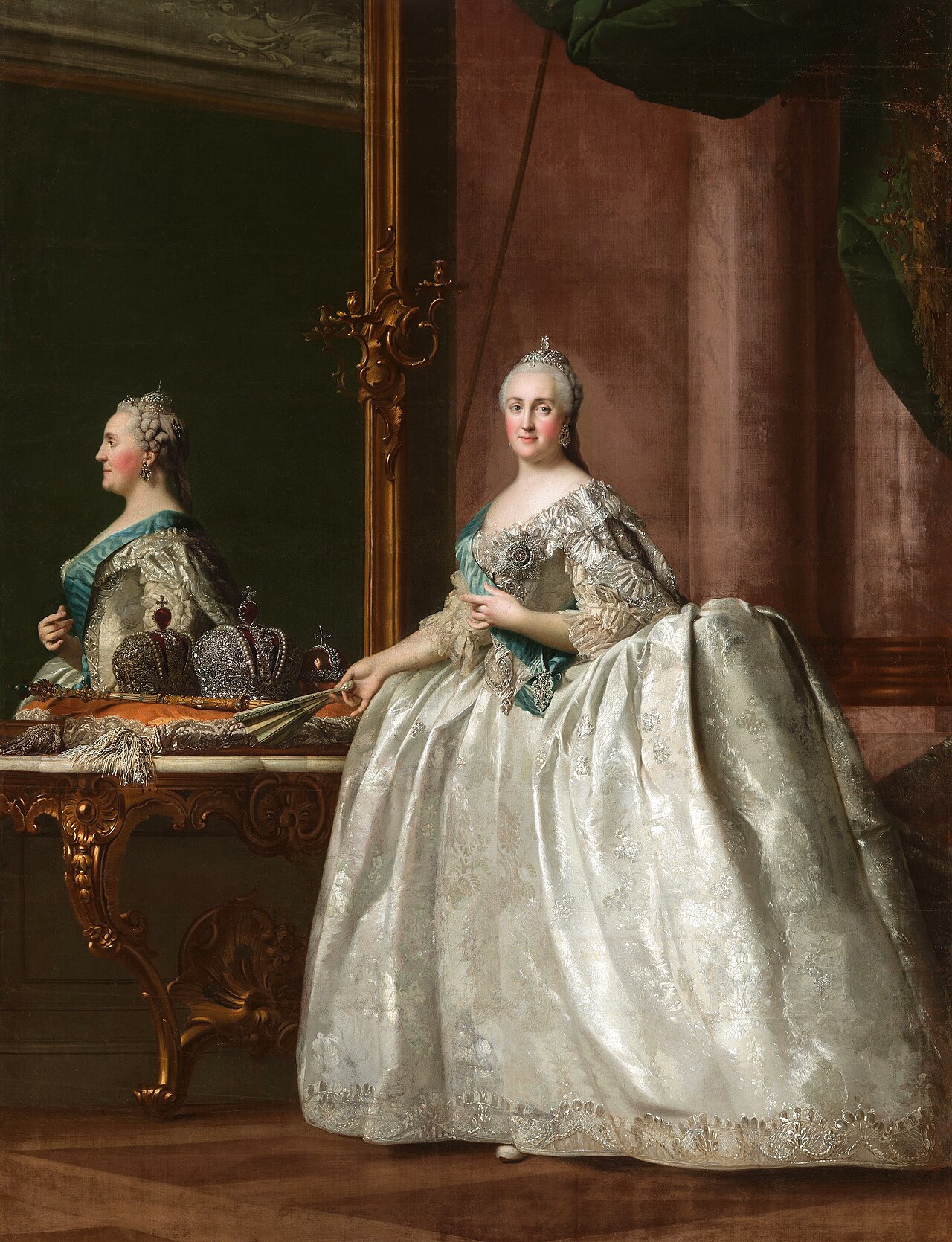 Painting
Primary source
Vigilius Eriksen · 1763
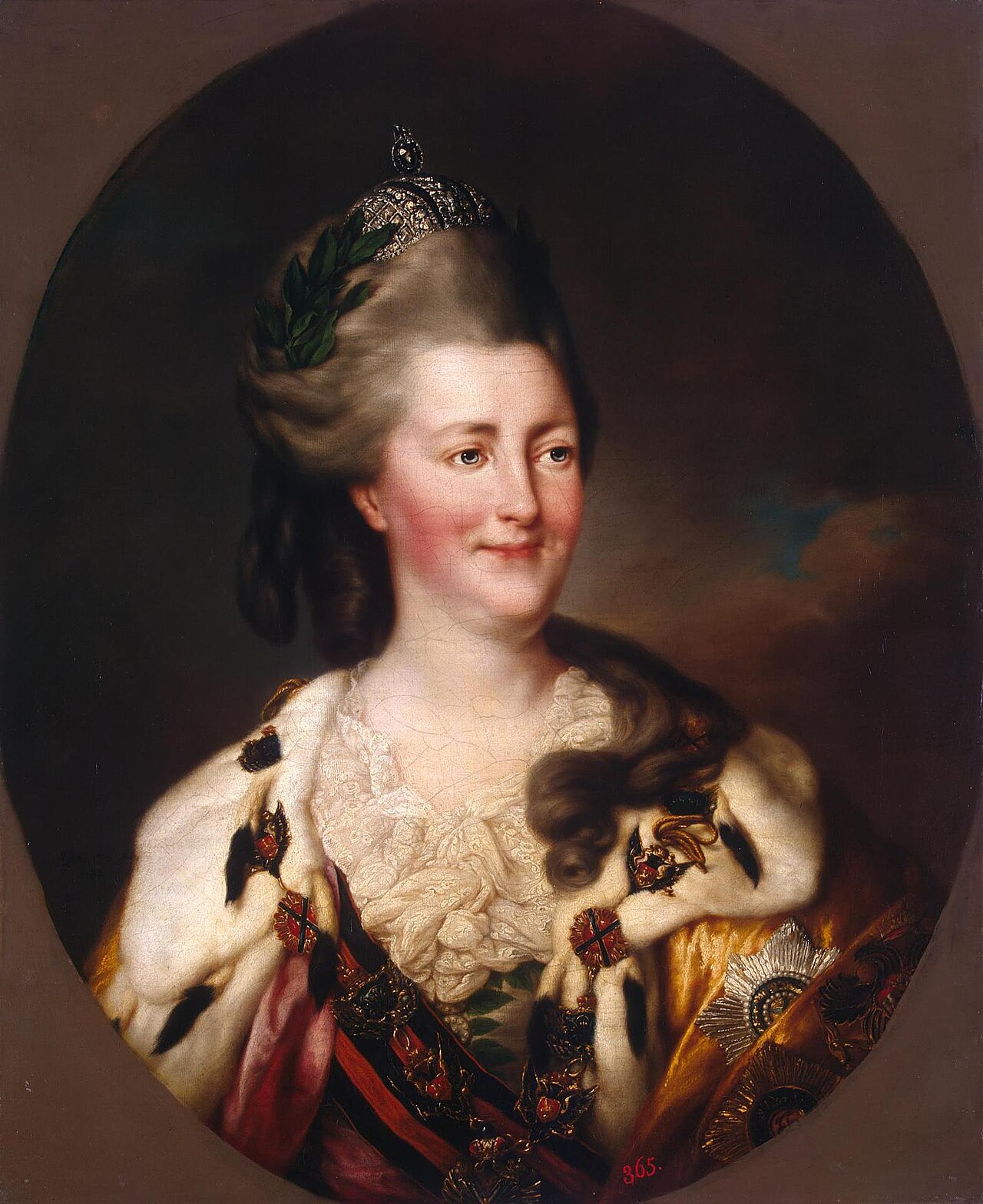 Painting
Primary source
Richard Brompton · 1782
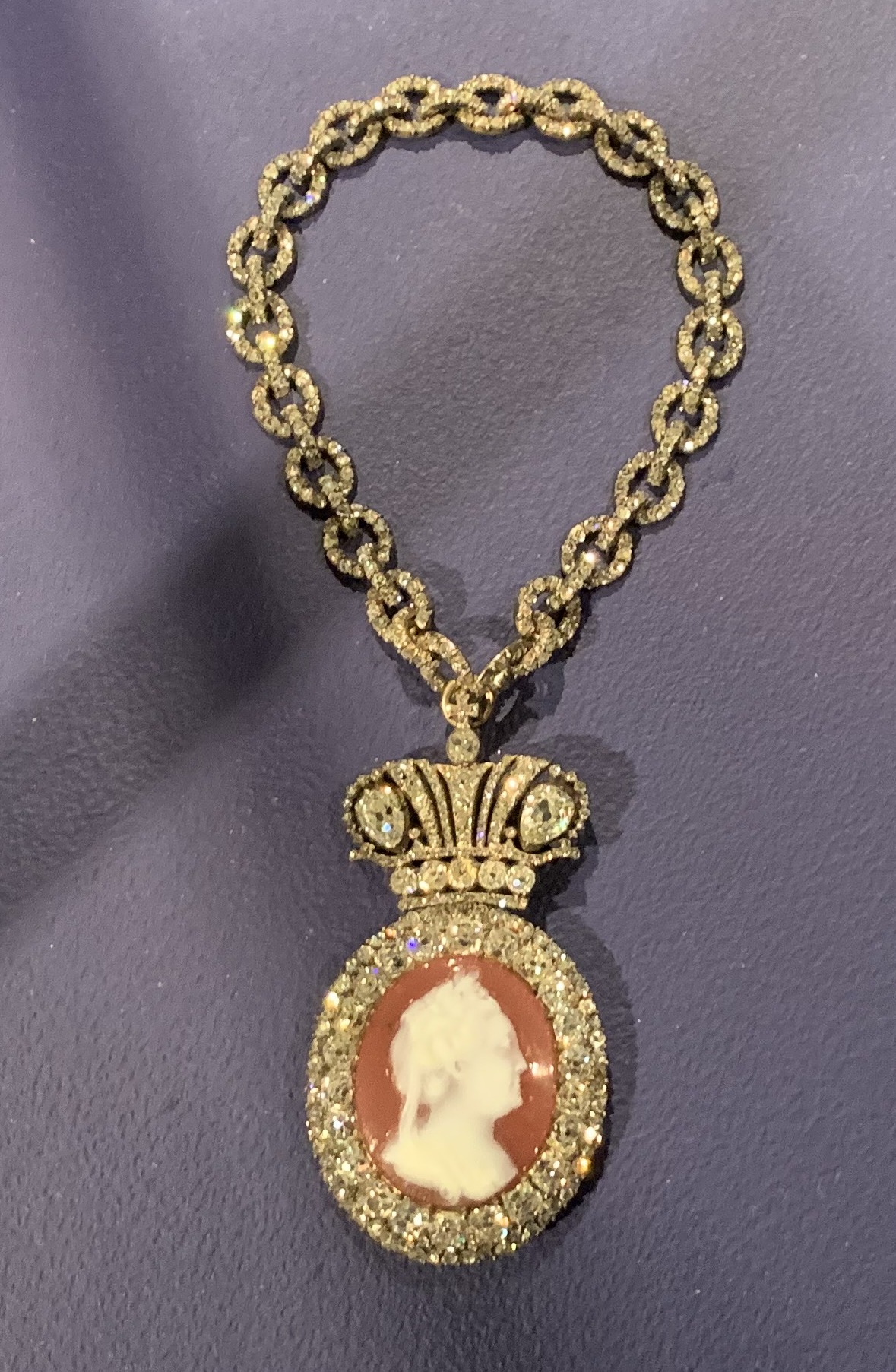 Artifact
Primary source
Johann Georg Gaspar Jeger · 1777
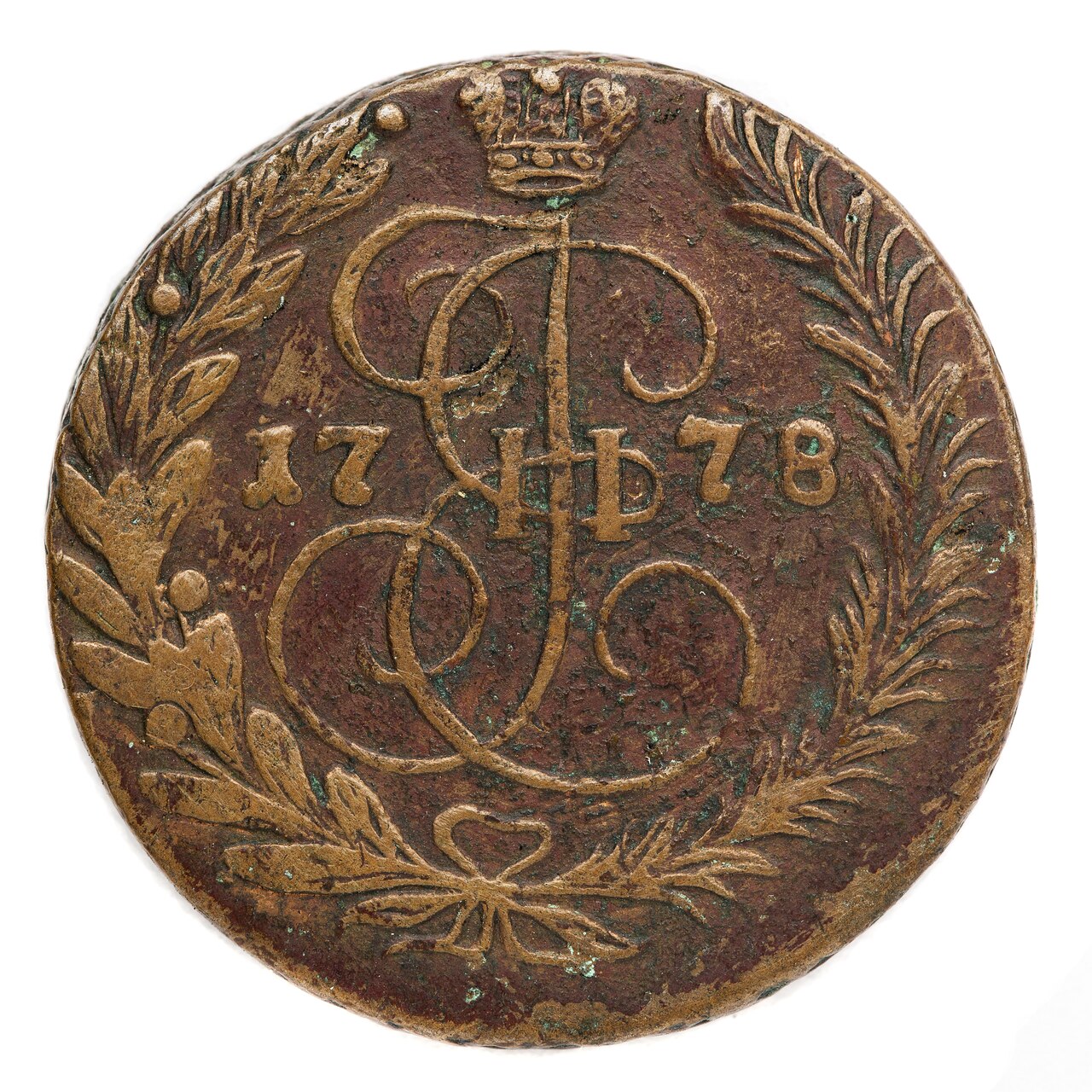 Artifact
Primary source
1778
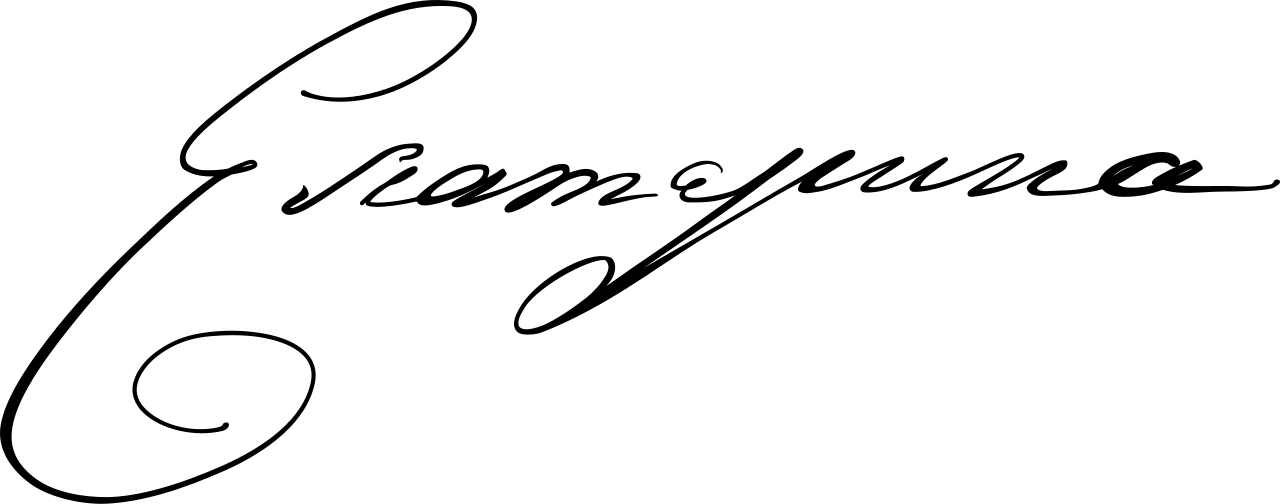 Document
Primary source
Catherine II of Russia
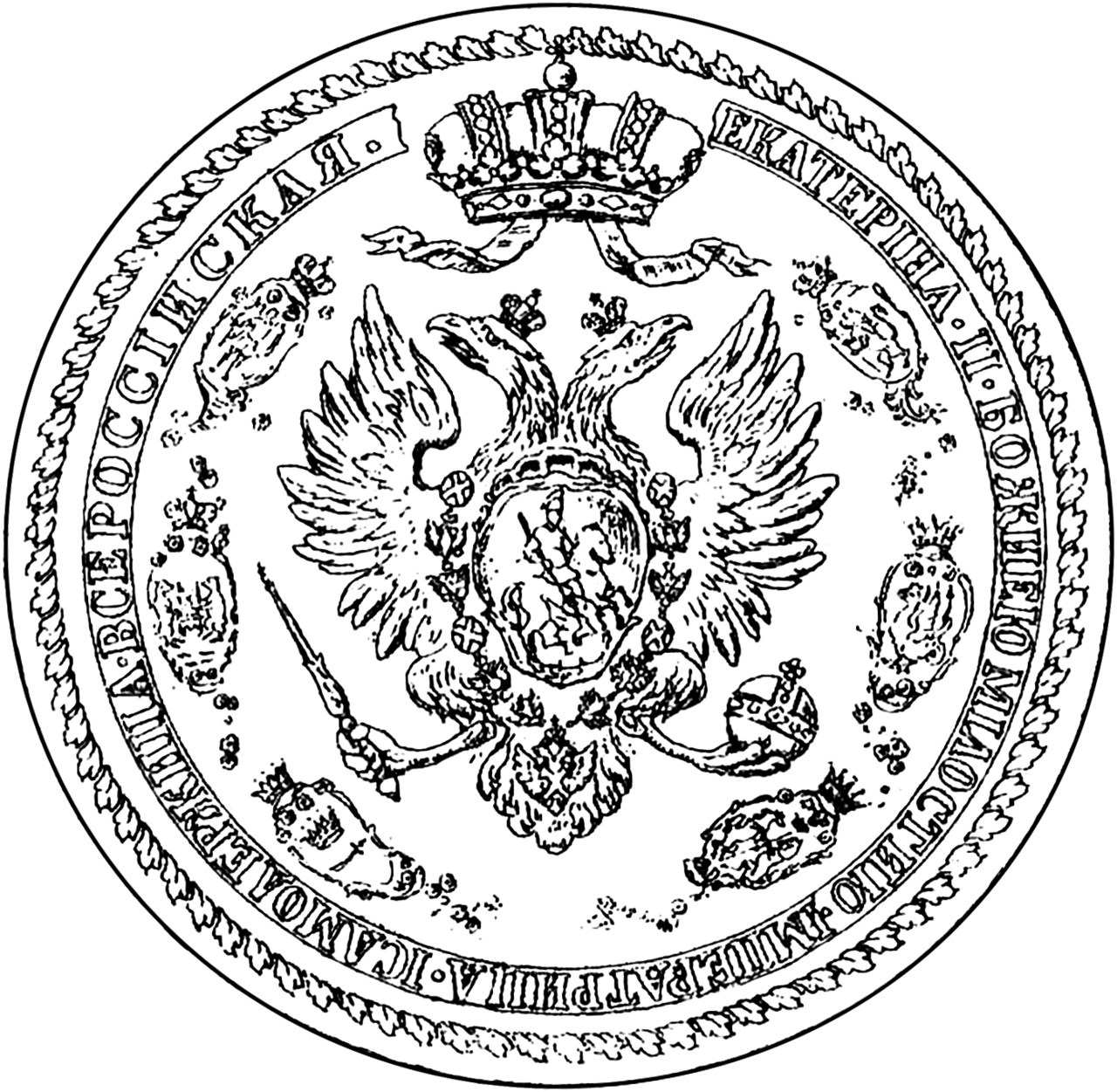 Artifact
Primary source
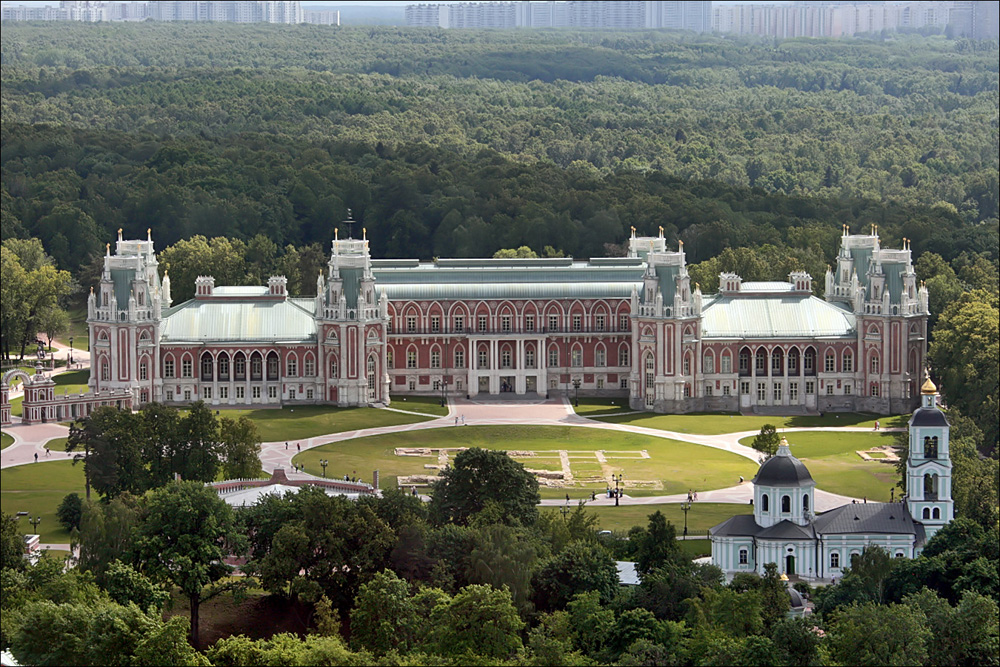 Artifact
Primary source
Vasily Bazhenov · 1776
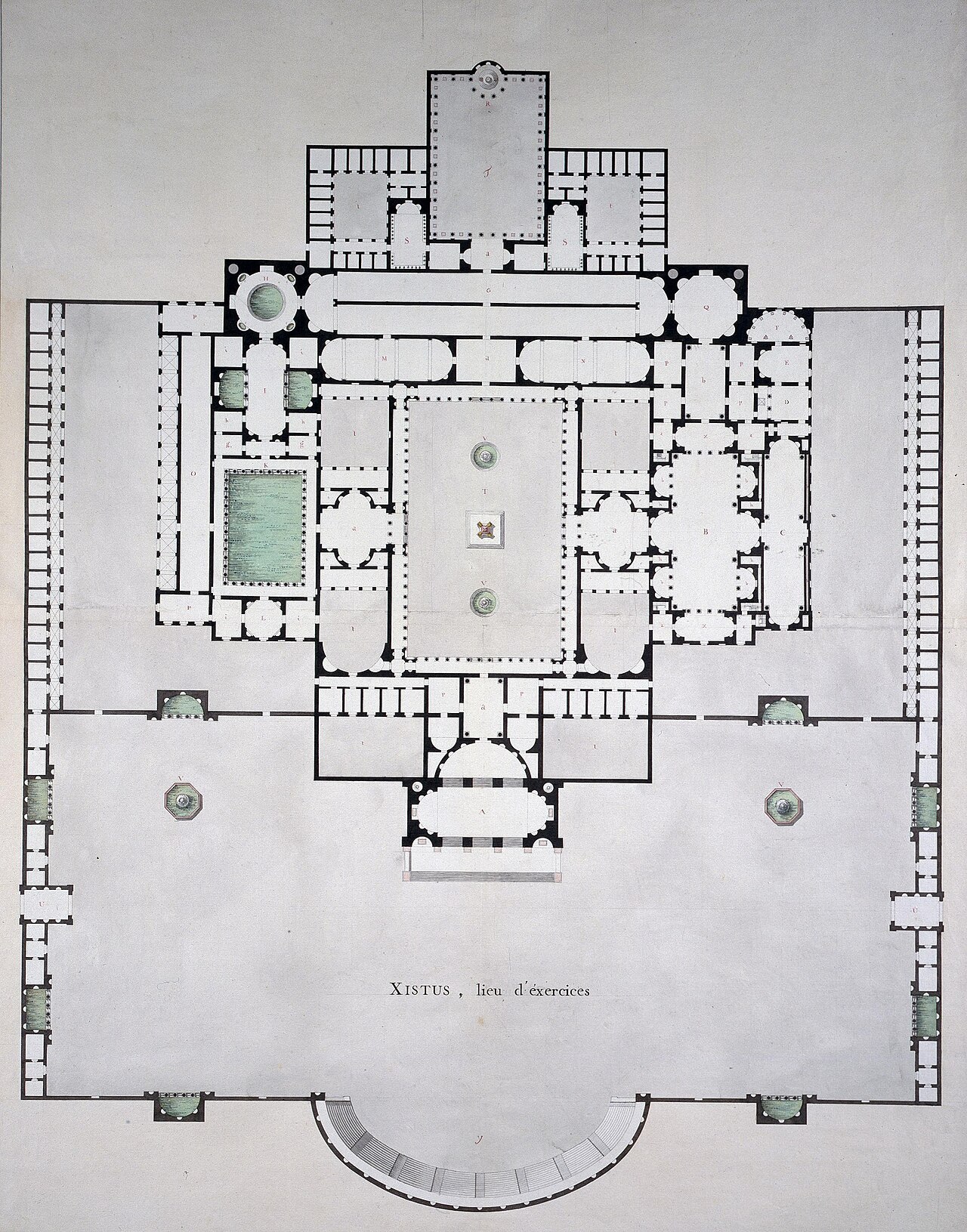 Artifact
Primary source
Charles-Louis Clérisseau · 1773
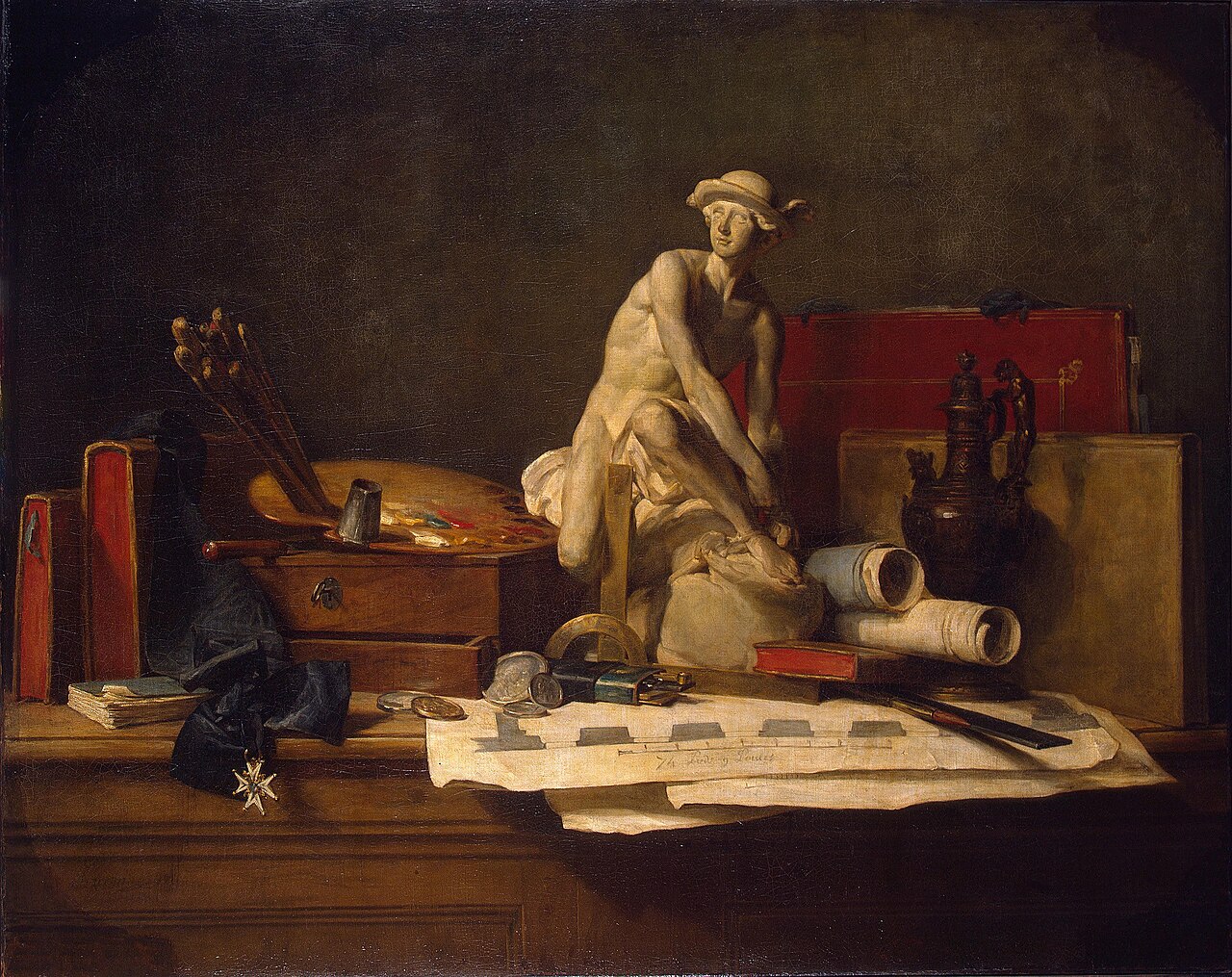 Painting
Primary source
Jean-Baptiste-Siméon Chardin · 1766
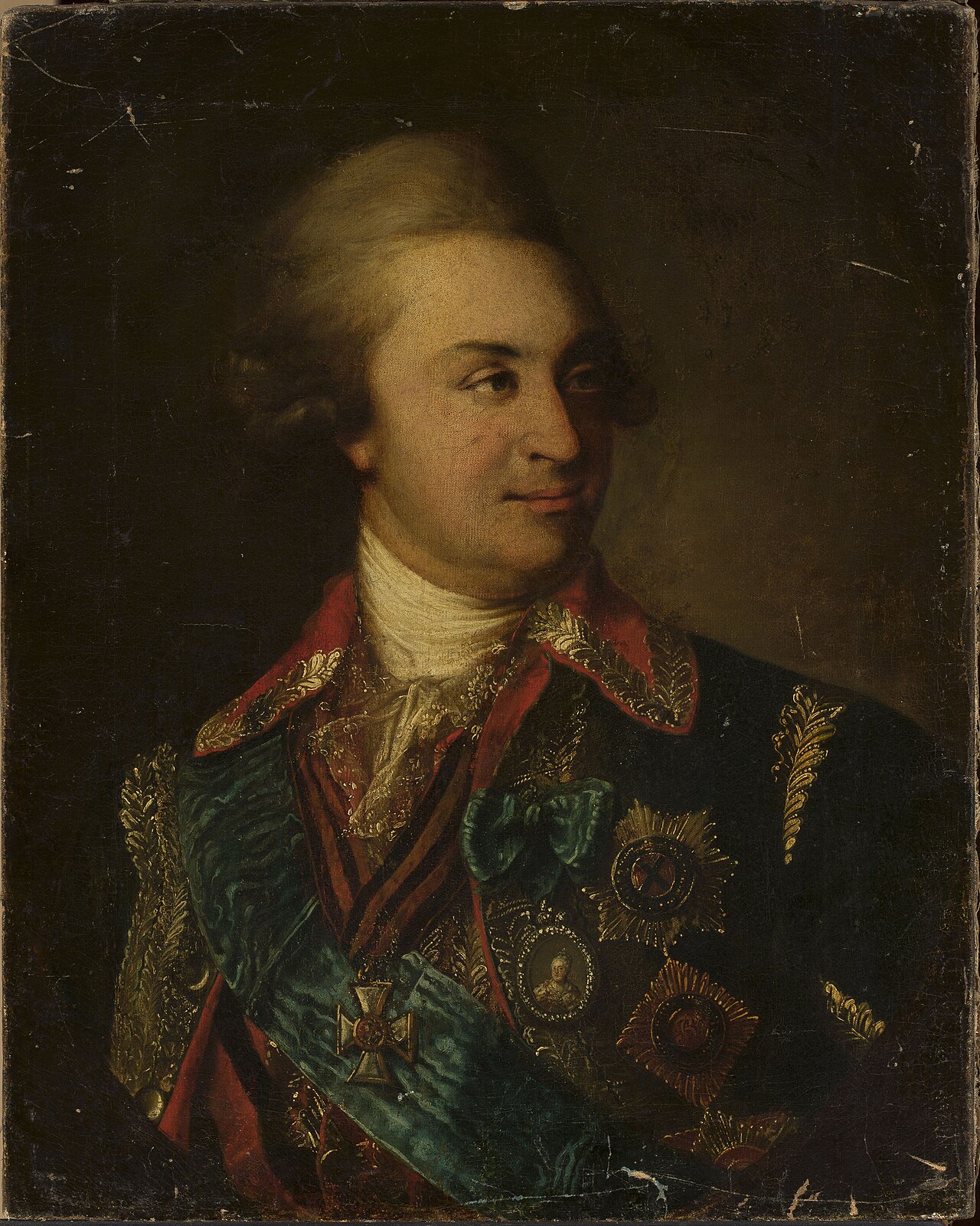 Painting
Primary source
1790
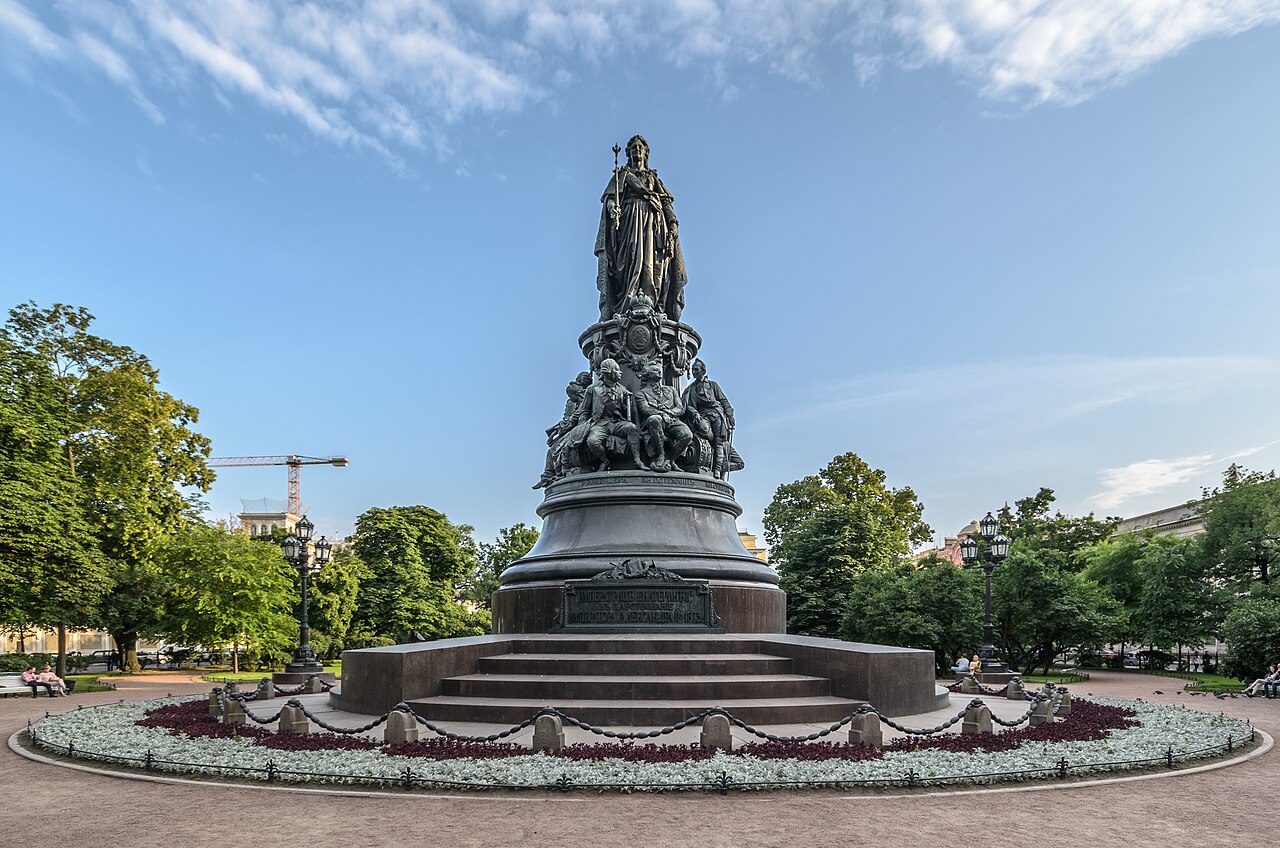 Sculpture
Secondary source
Mikhail Mikeshin · 1873
Primary source
Catherine II of Russia
 Letter
Primary source
Étienne Maurice Falconet · 1767-1778 (published 1921)
 Letter
Primary source
Joseph II, Holy Roman Emperor · 1869 (letters earlier)
 Letter
Primary source
John Hobart, 2nd Earl of Buckinghamshire · 1762-1765 (published 1900)
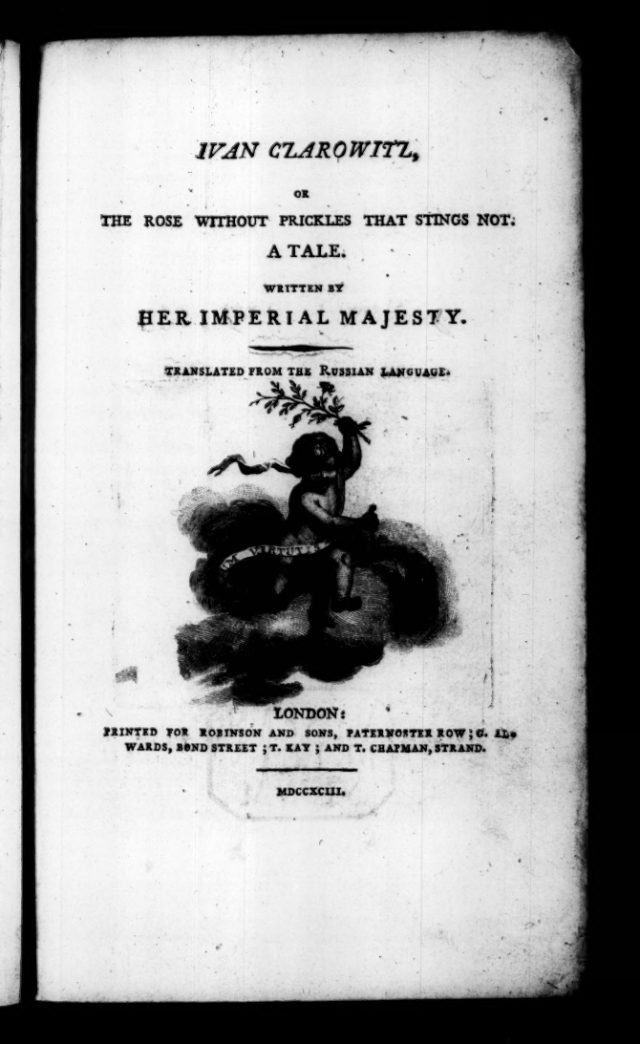 Book
Primary source
Catherine II, Empress of Russia · 1793
 Book
Secondary source
Kazimierz Waliszewski · 1895
Secondary source
Katharine Anthony · 1925
 Document
Primary source
Catherine II of Russia · 5 August 1786
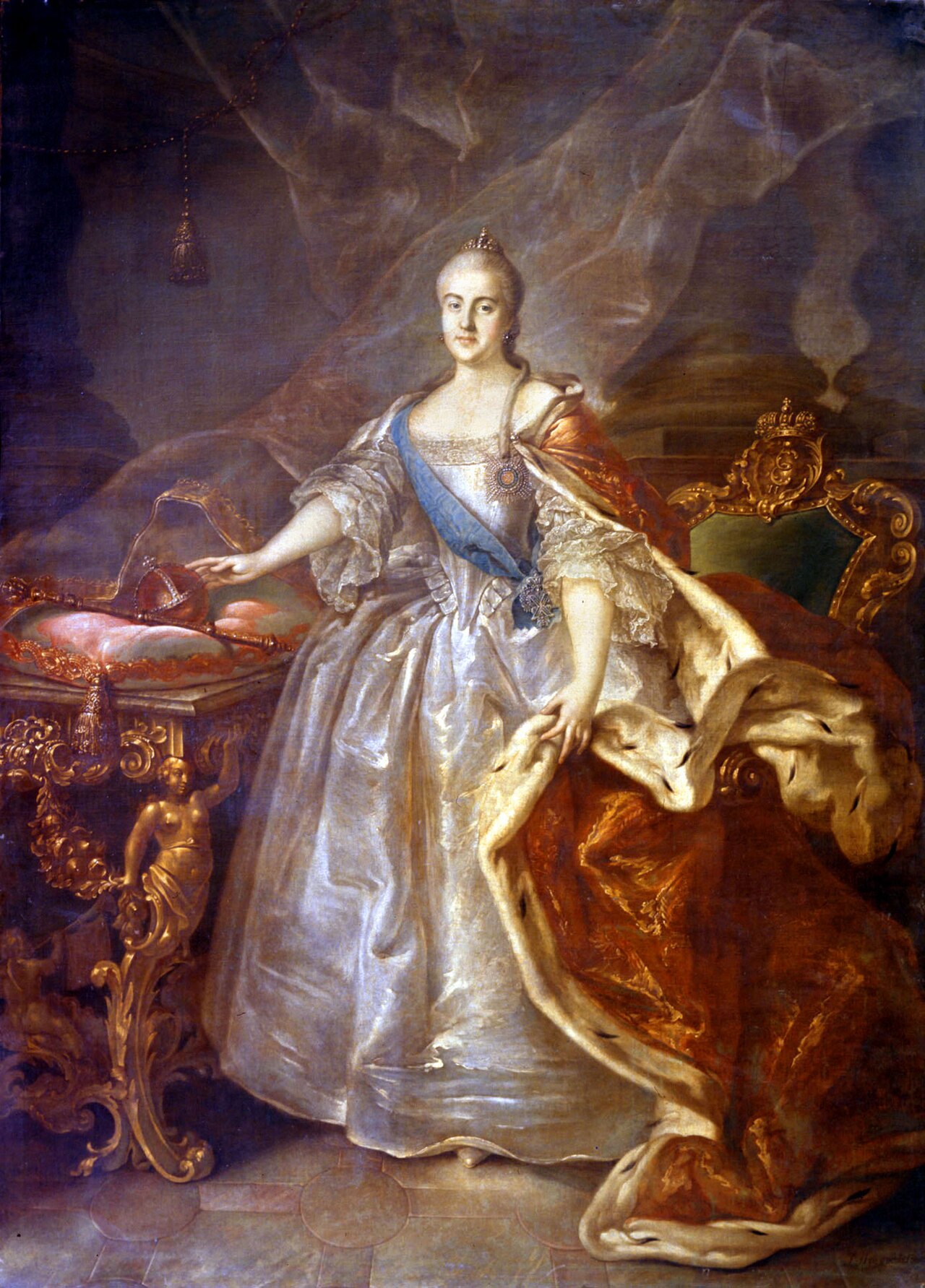 Painting
Primary source
Ivan Argunov · 1762
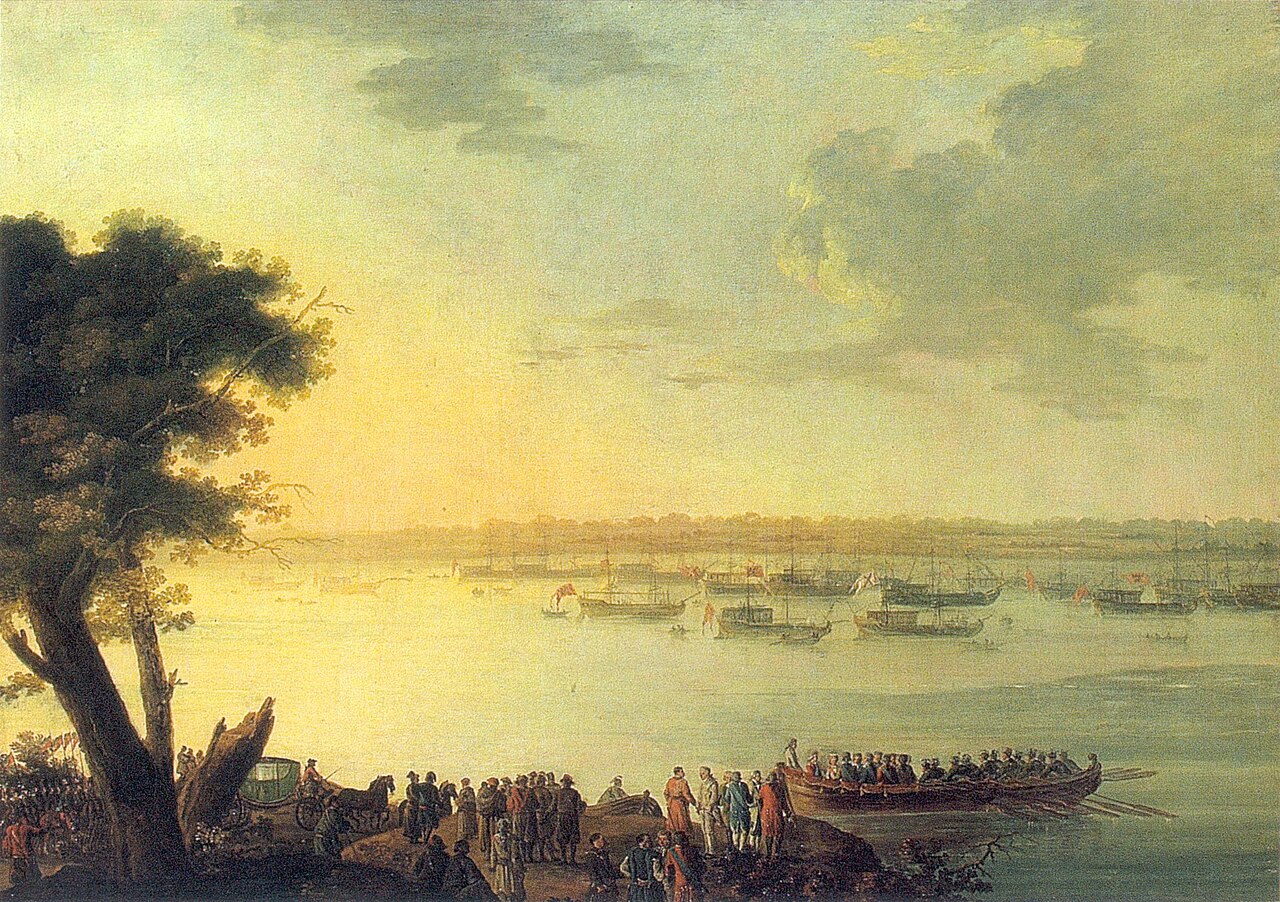 Painting
Primary source
Jan Bogumił Plersz · c. 1787
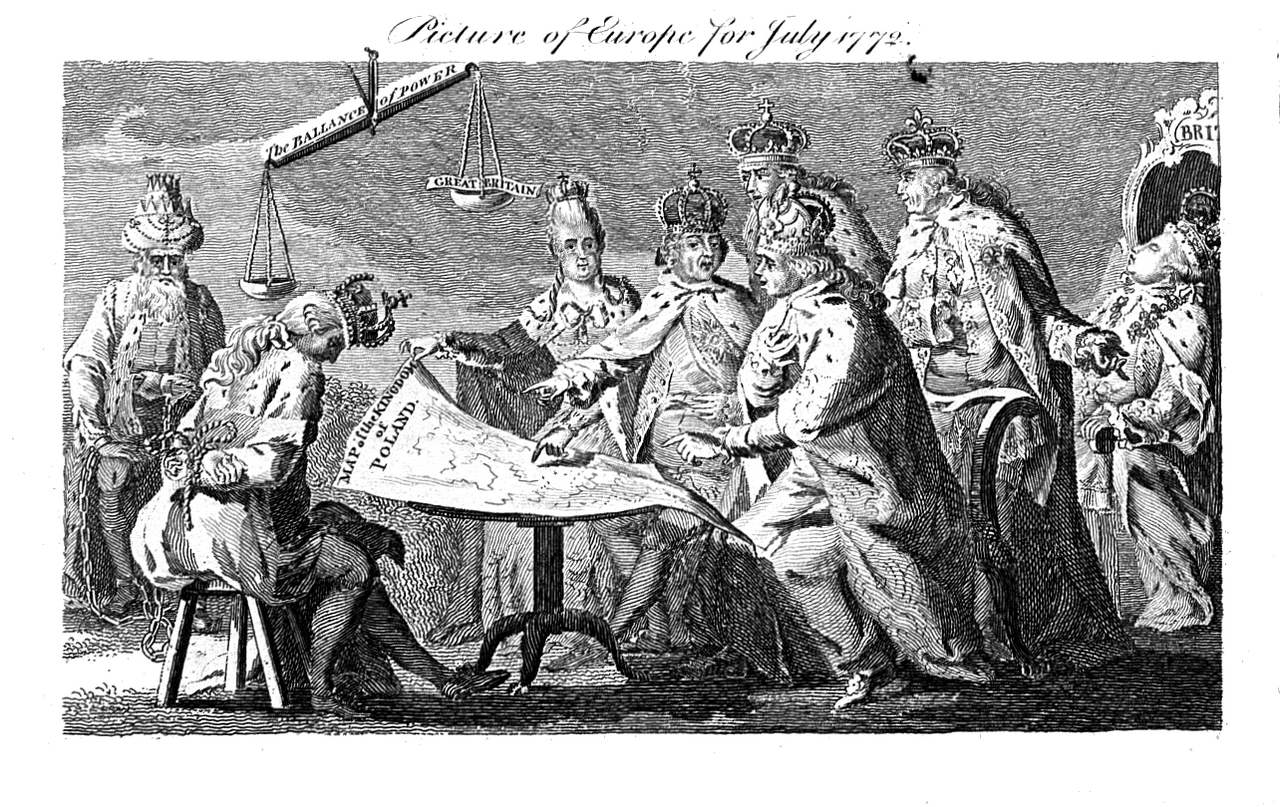 Painting
Primary source
Unknown · 18th century
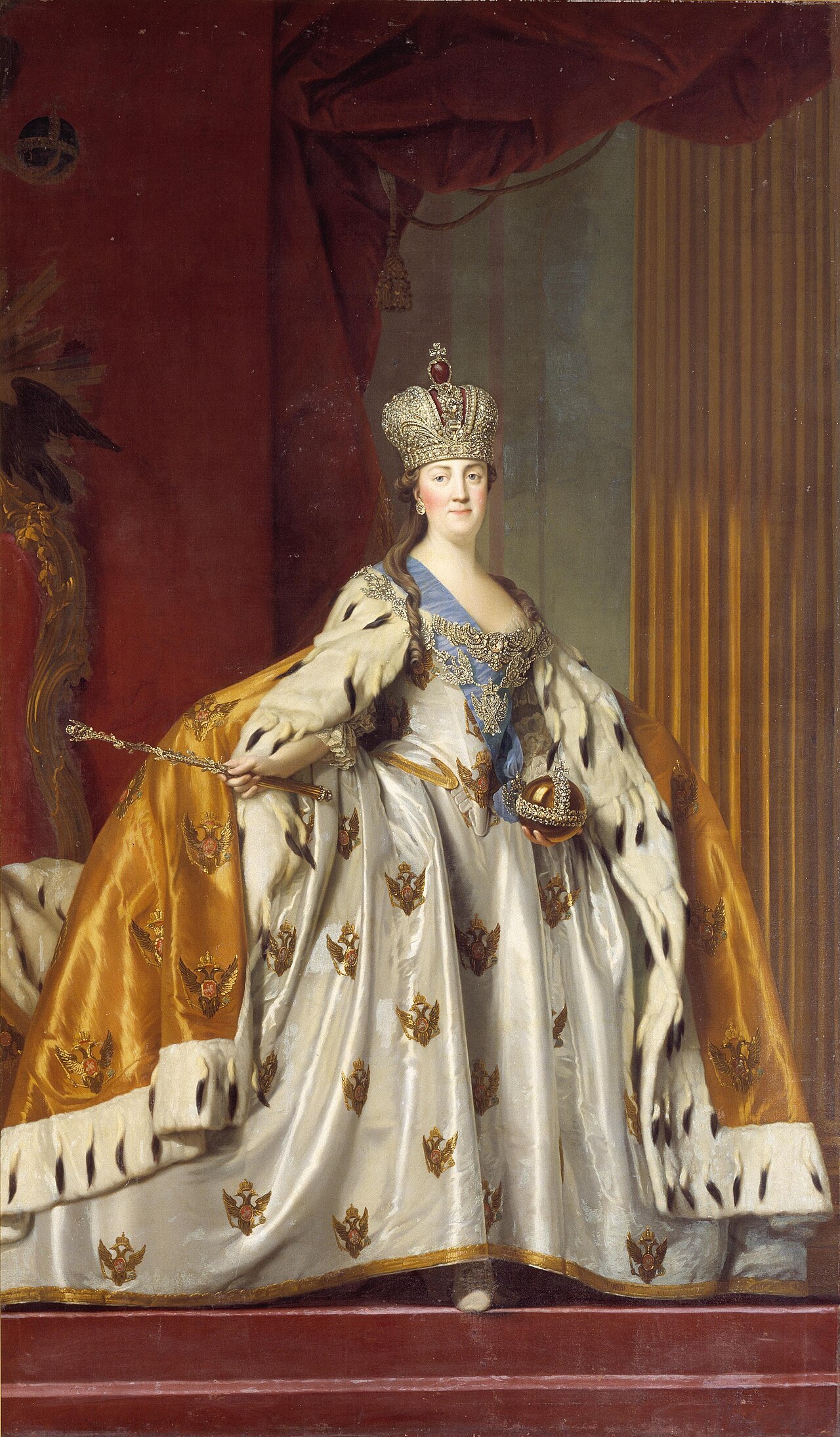 Painting
Primary source
Vigilius Eriksen · 1766-1767
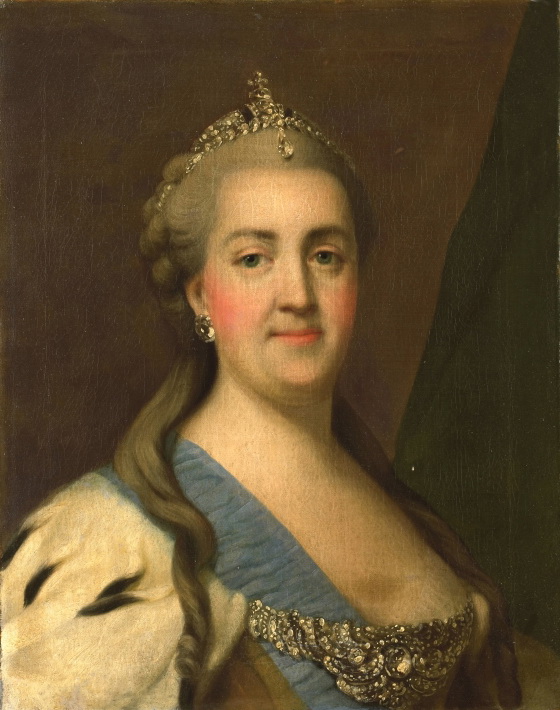 Painting
Primary source
Vigilius Eriksen · Between 1762 and 1782
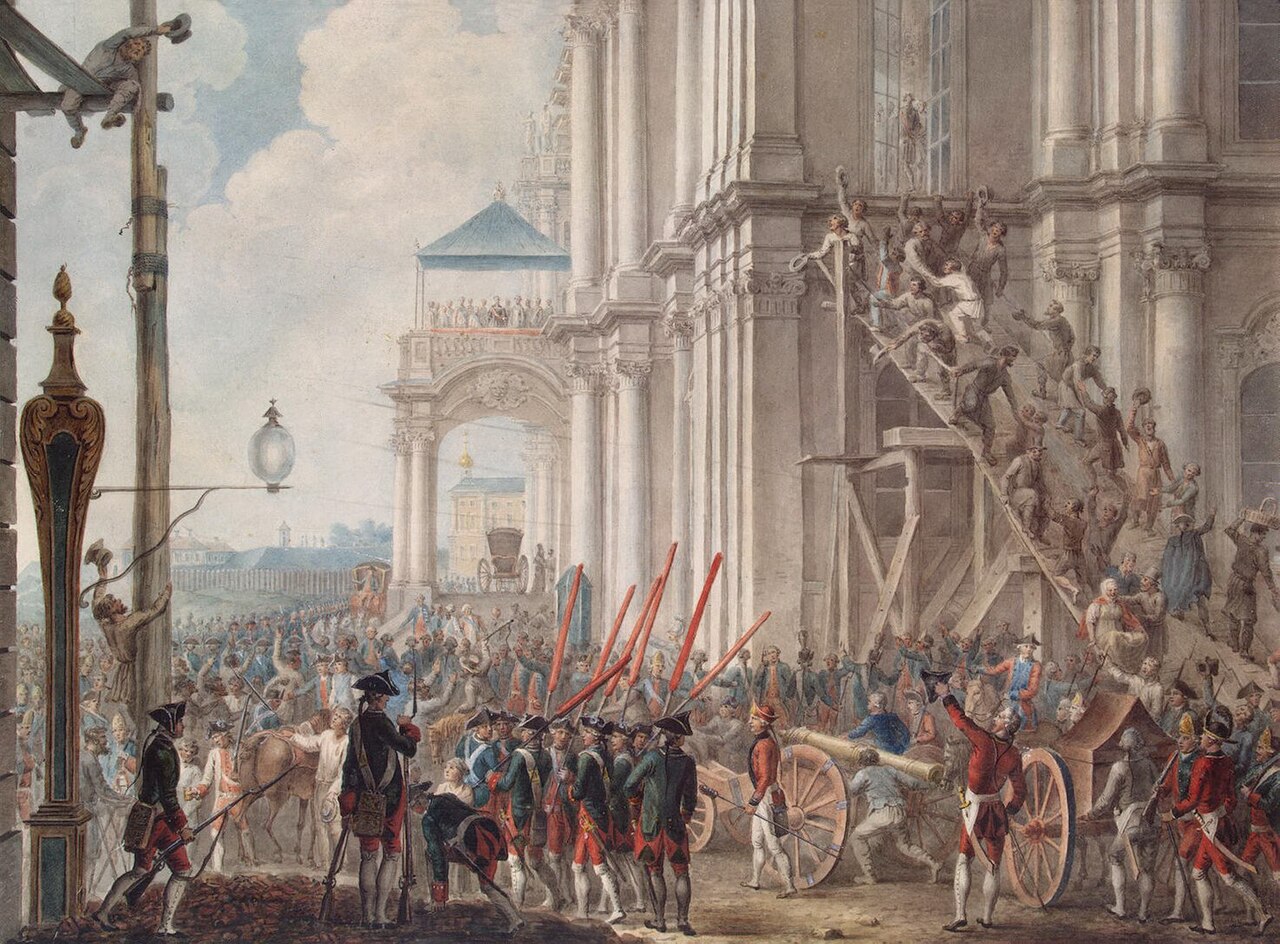 Painting
Primary source
Joachim Kaestner (original); printmaker after Kaestner · 1760s
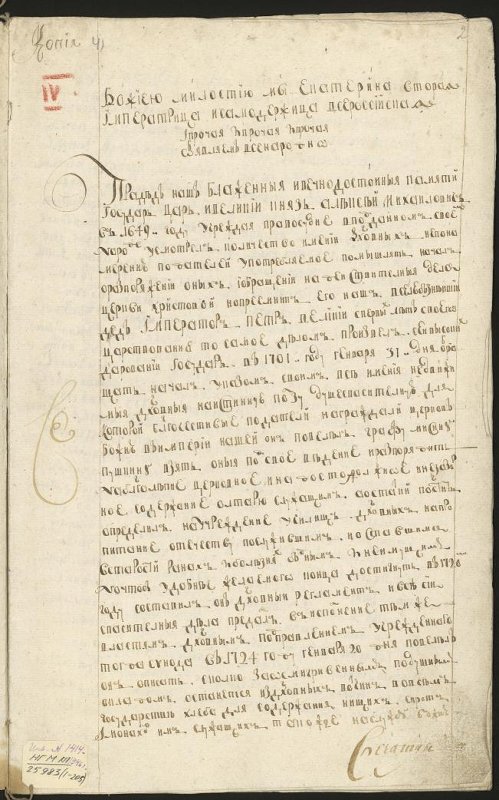 Document
Primary source
Catherine II of Russia · 26 February 1764
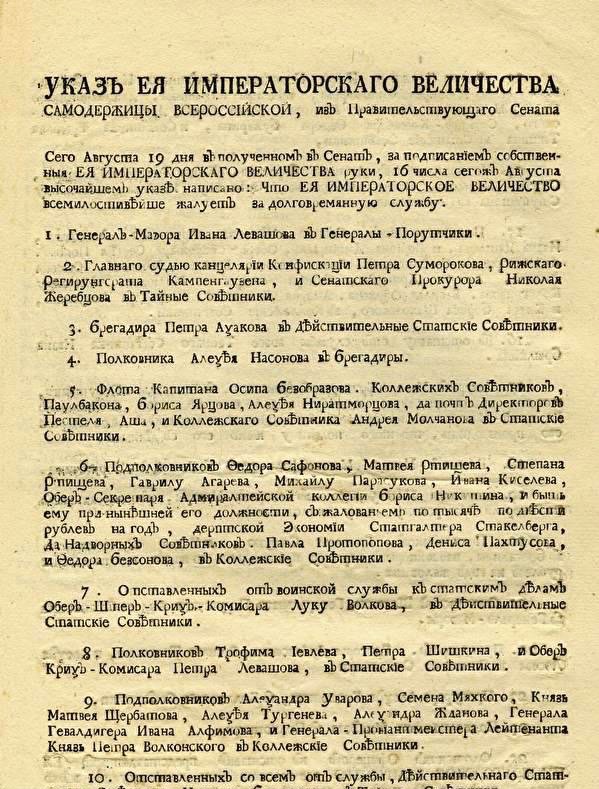 Document
Primary source
Catherine the Great · 16 August 1760
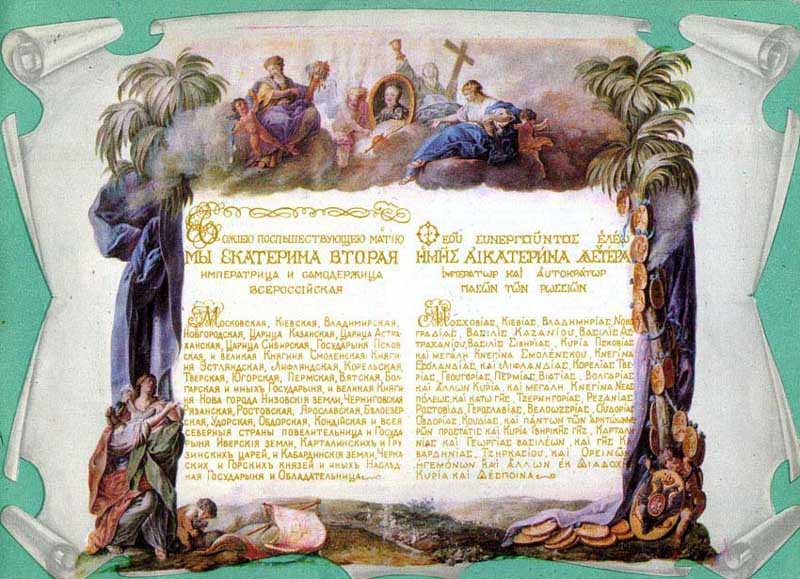 Document
Primary source
Catherine II of Russia · 21 May 1779
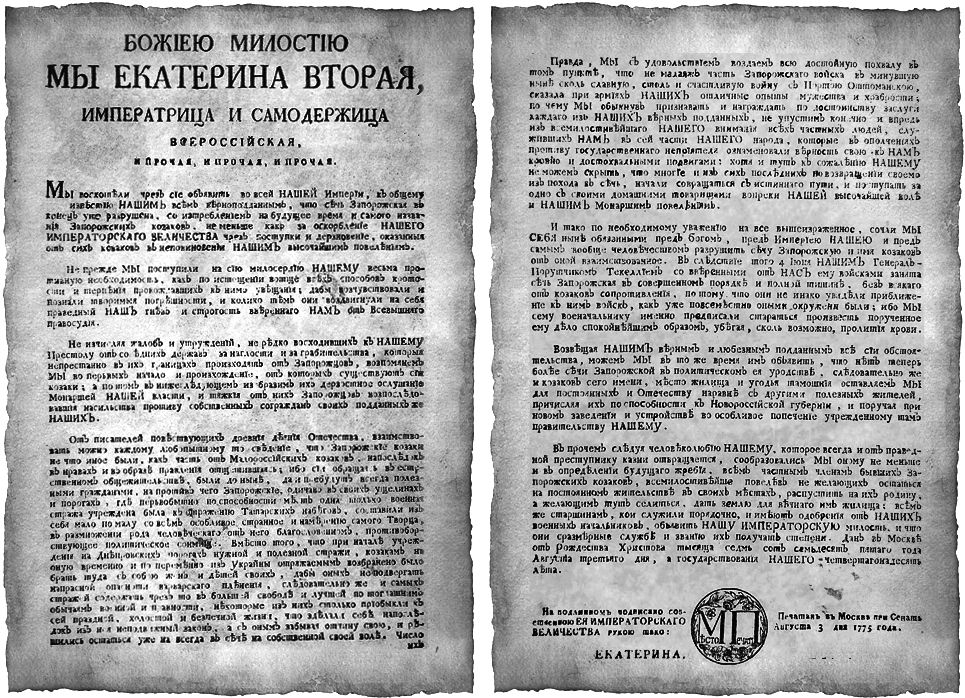 Document
Primary source
Catherine II of Russia · 1775
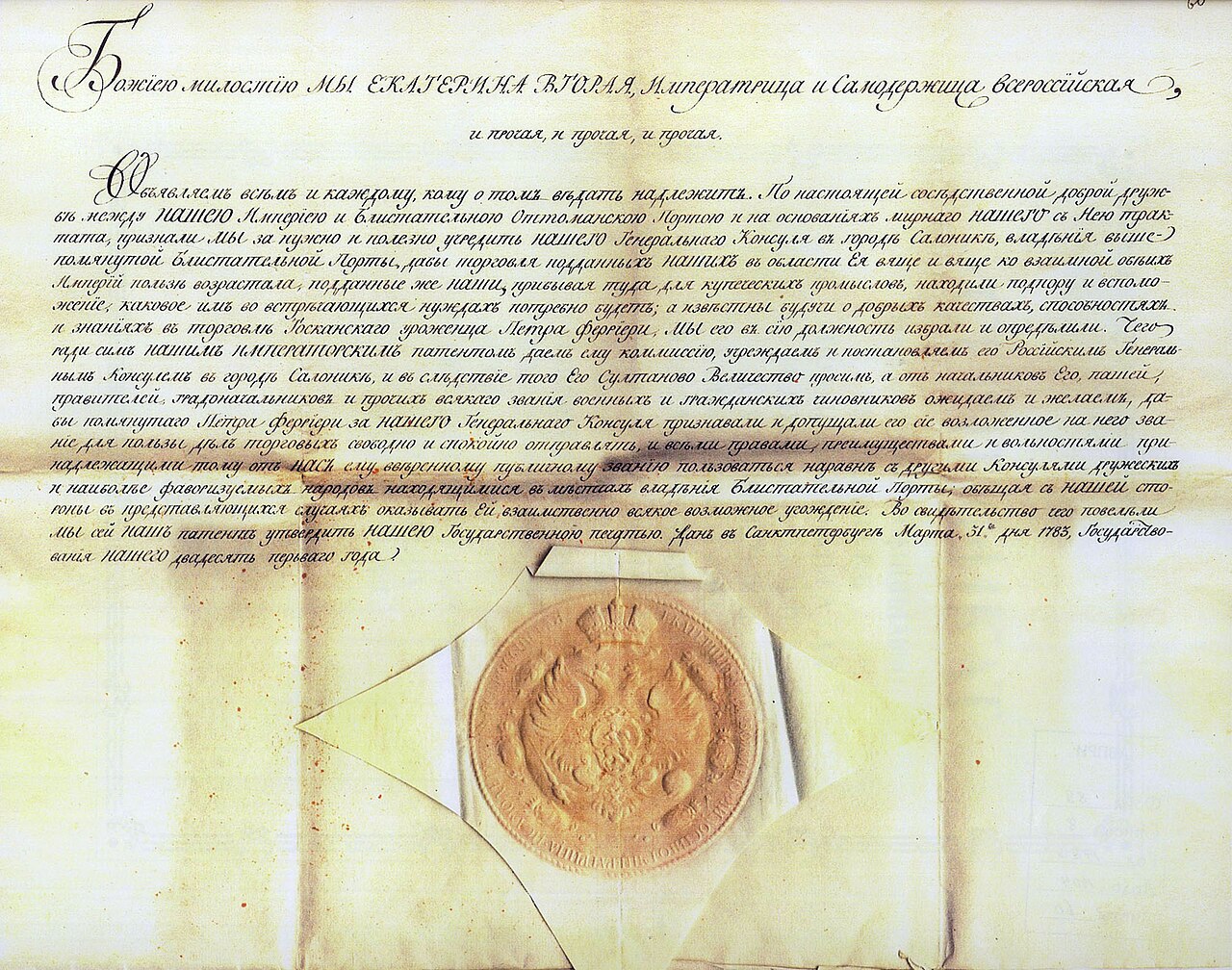 Document
Primary source
Catherine II of Russia · 31 March 1773
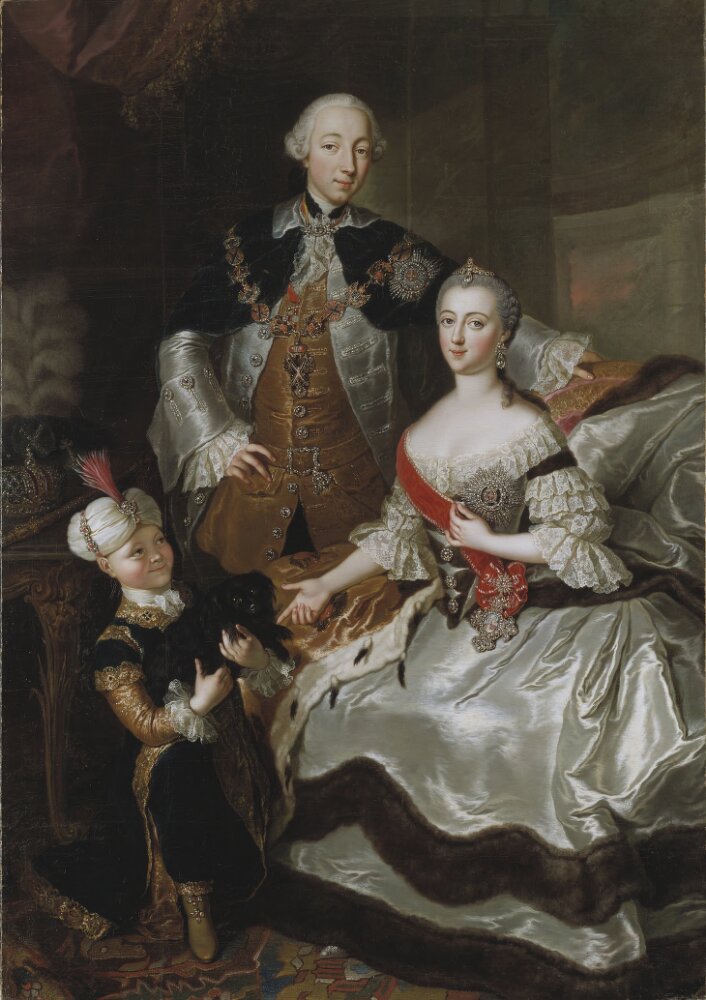 Painting
Primary source
Anna Rosina Lisiewska · 1756
Secondary source
Francis Gribble · 1912
 Book
Secondary source
E. A. Brayley Hodgetts · 1914
 Book
Secondary source
Maurice Tourneux · 1899
 Book
Secondary source
Kazimierz Waliszewski · 1894
Secondary source
Kazimierz Waliszewski · 1894
Secondary source
William Tooke · 1800
 Book
Secondary source
Philip Walsingham Sergeant · 1905
 Book
Secondary source
William Tooke · 1799
 Book
Primary source
Catherine II of Russia · 1893
 Book
Primary source
Charles François Philibert Masson · 1895 (English translation of a work printed in 1800)
Secondary source
Eduard Schulte · 1894
Tertiary source
Mary Matilda Betham · 1804
Tertiary source
1857
Tertiary source
1902
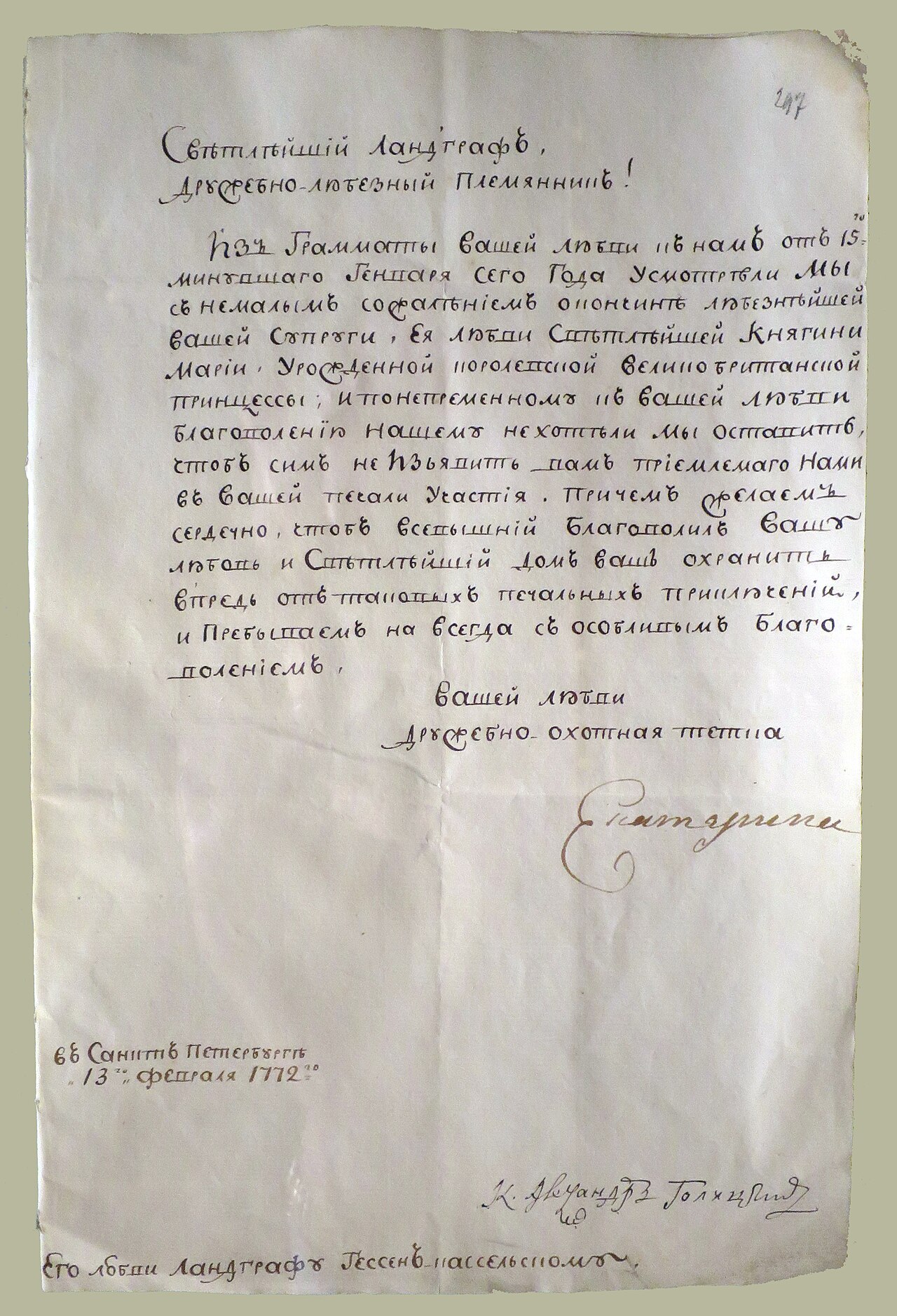 Document
Primary source
Catherine II · 13 February 1772
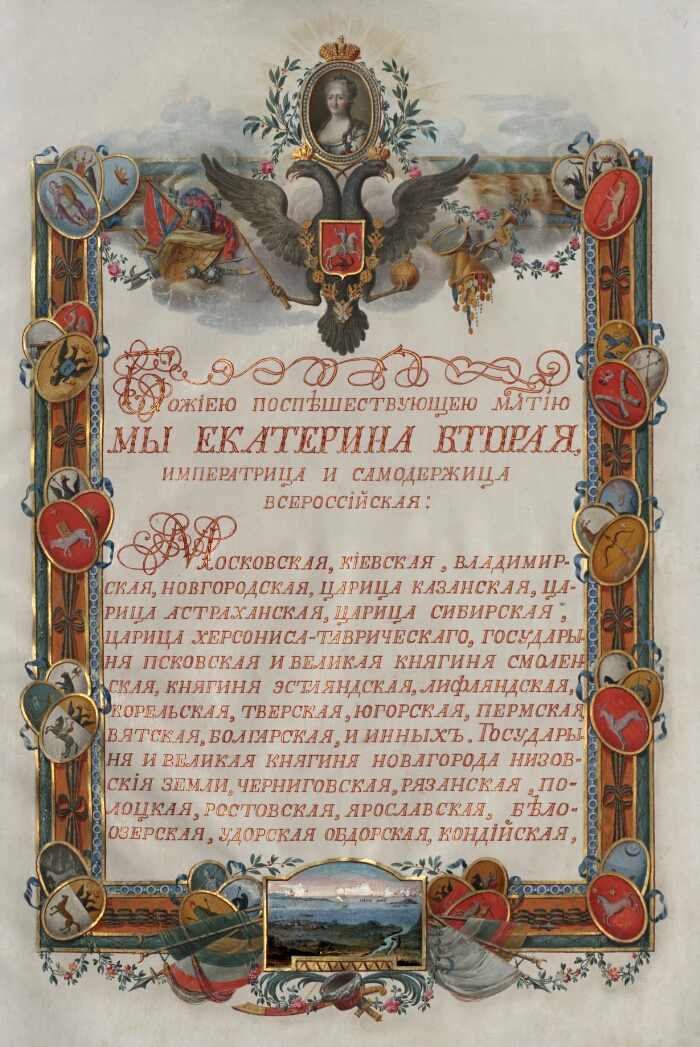 Document
Primary source
1789
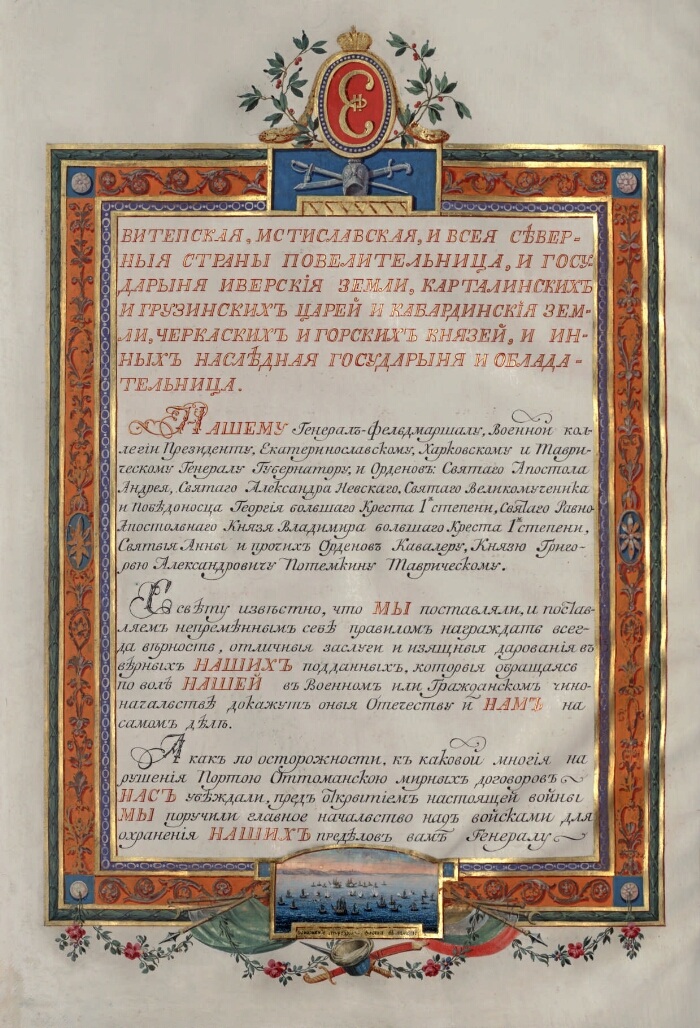 Document
Primary source
1789
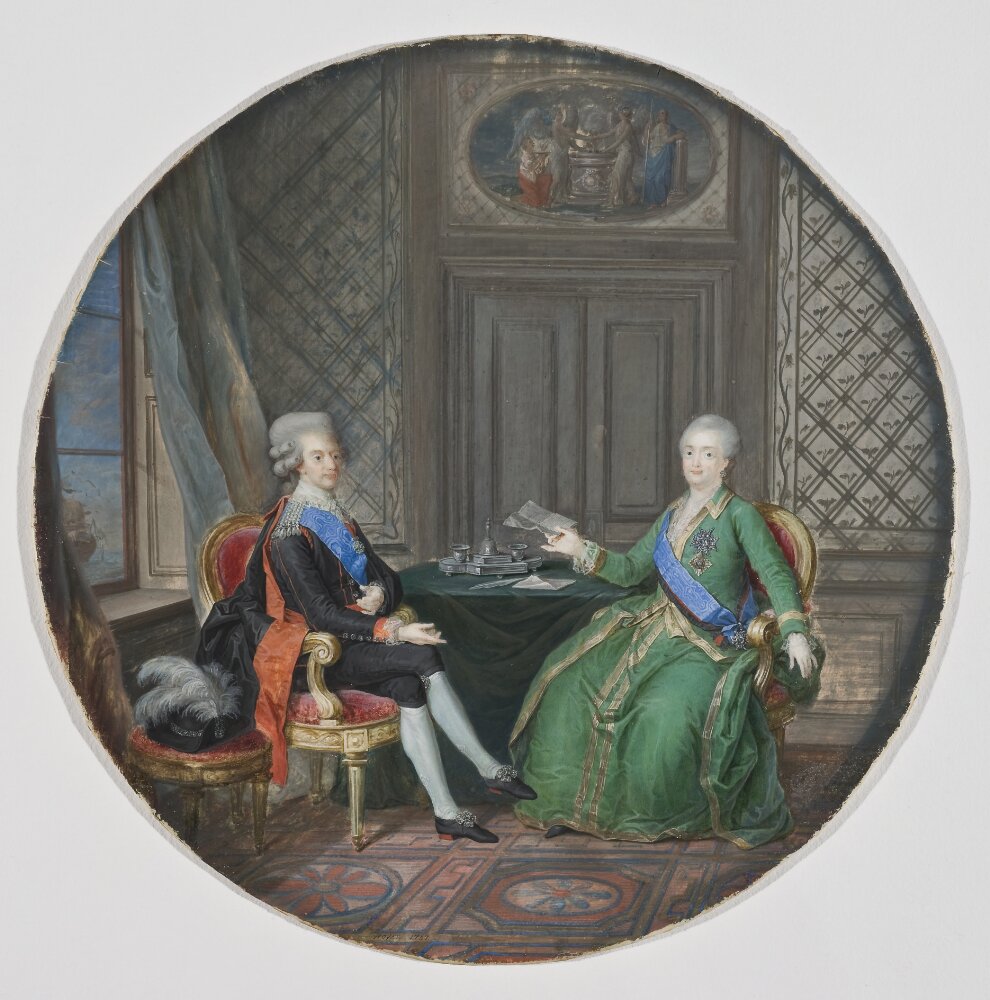 Painting
Primary source
Cornelius Höyer · 1784
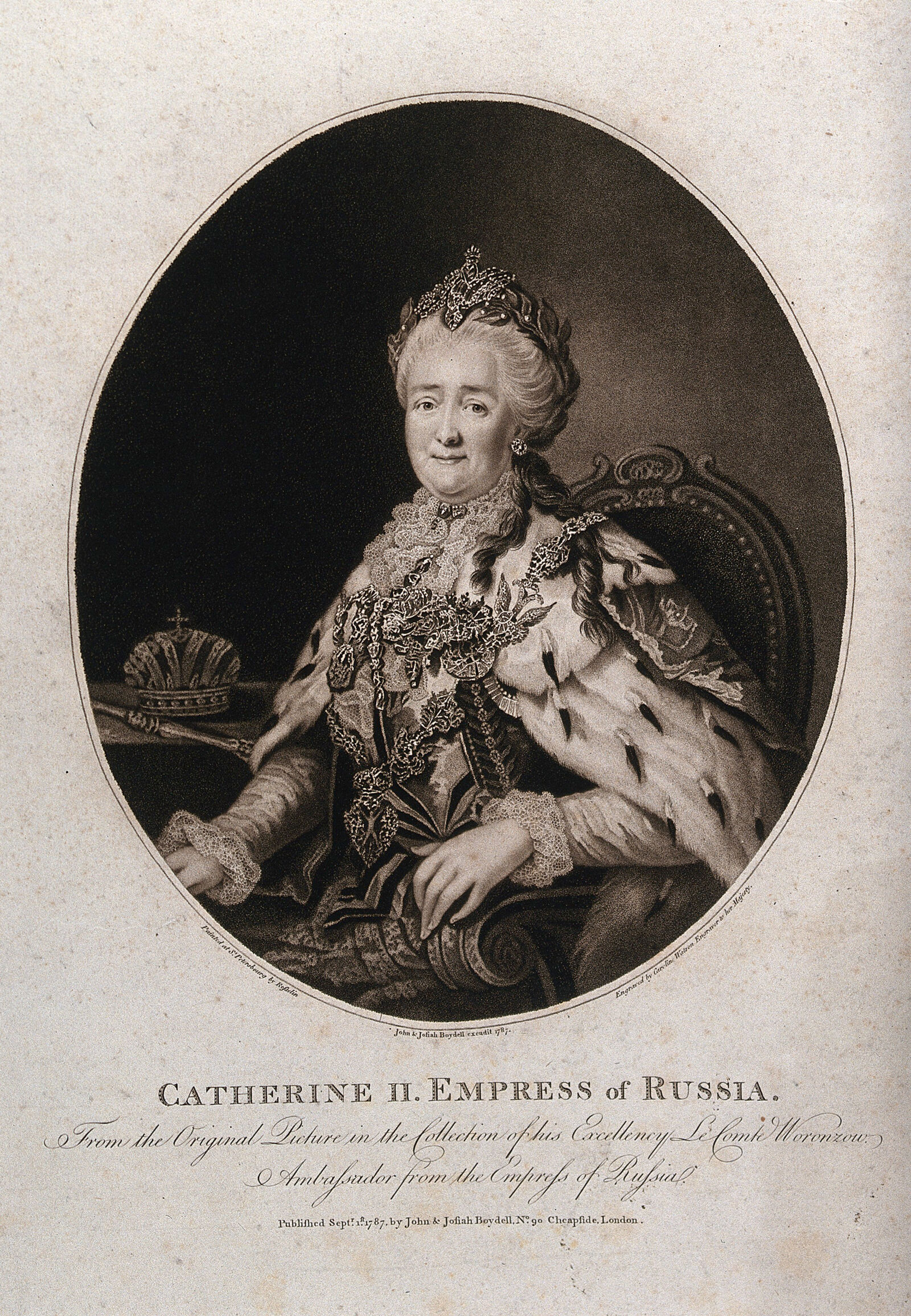 Painting
Primary source
Alexander Roslin · Sept.r 1st 1787
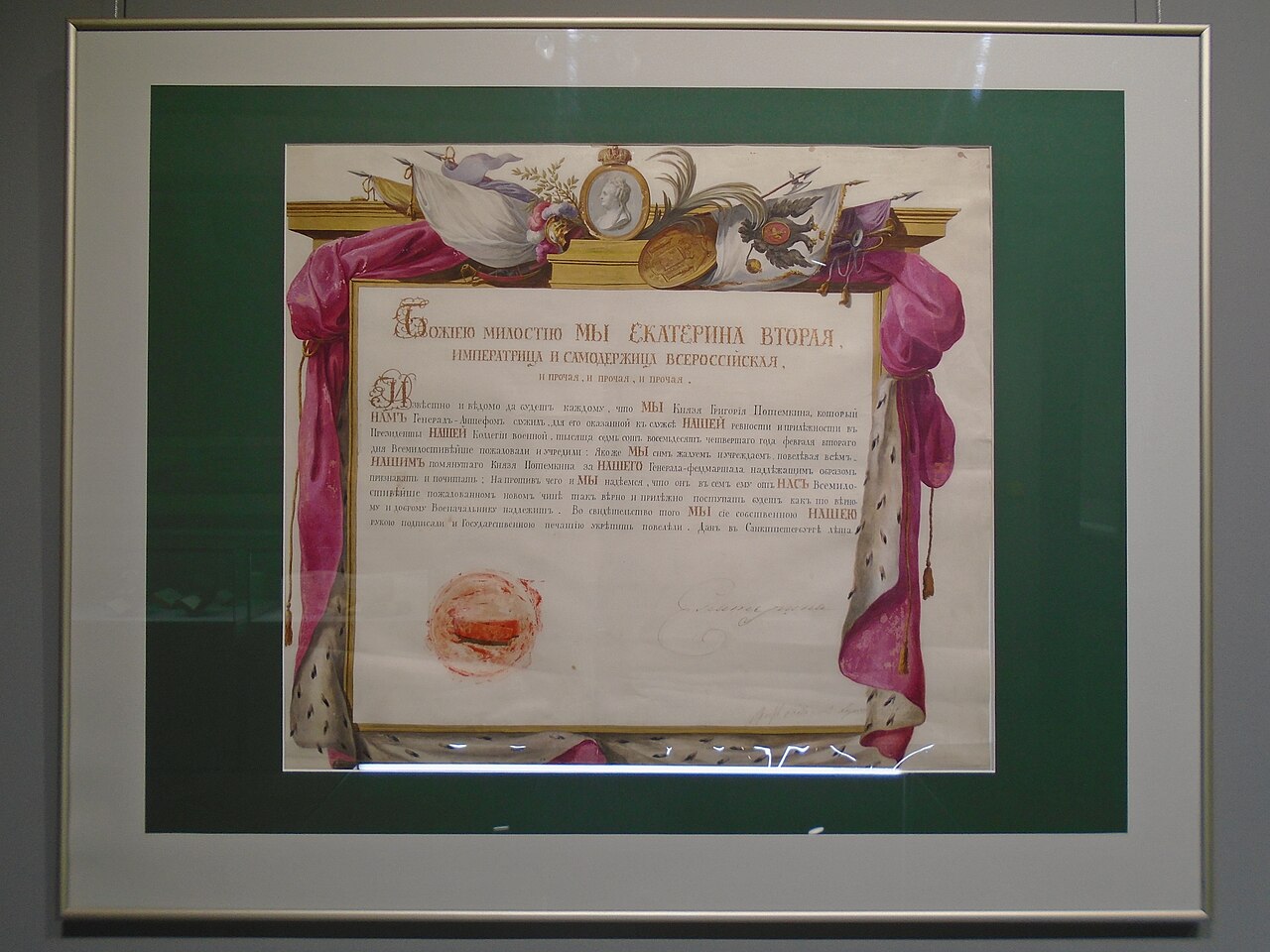 Document
Primary source
1784
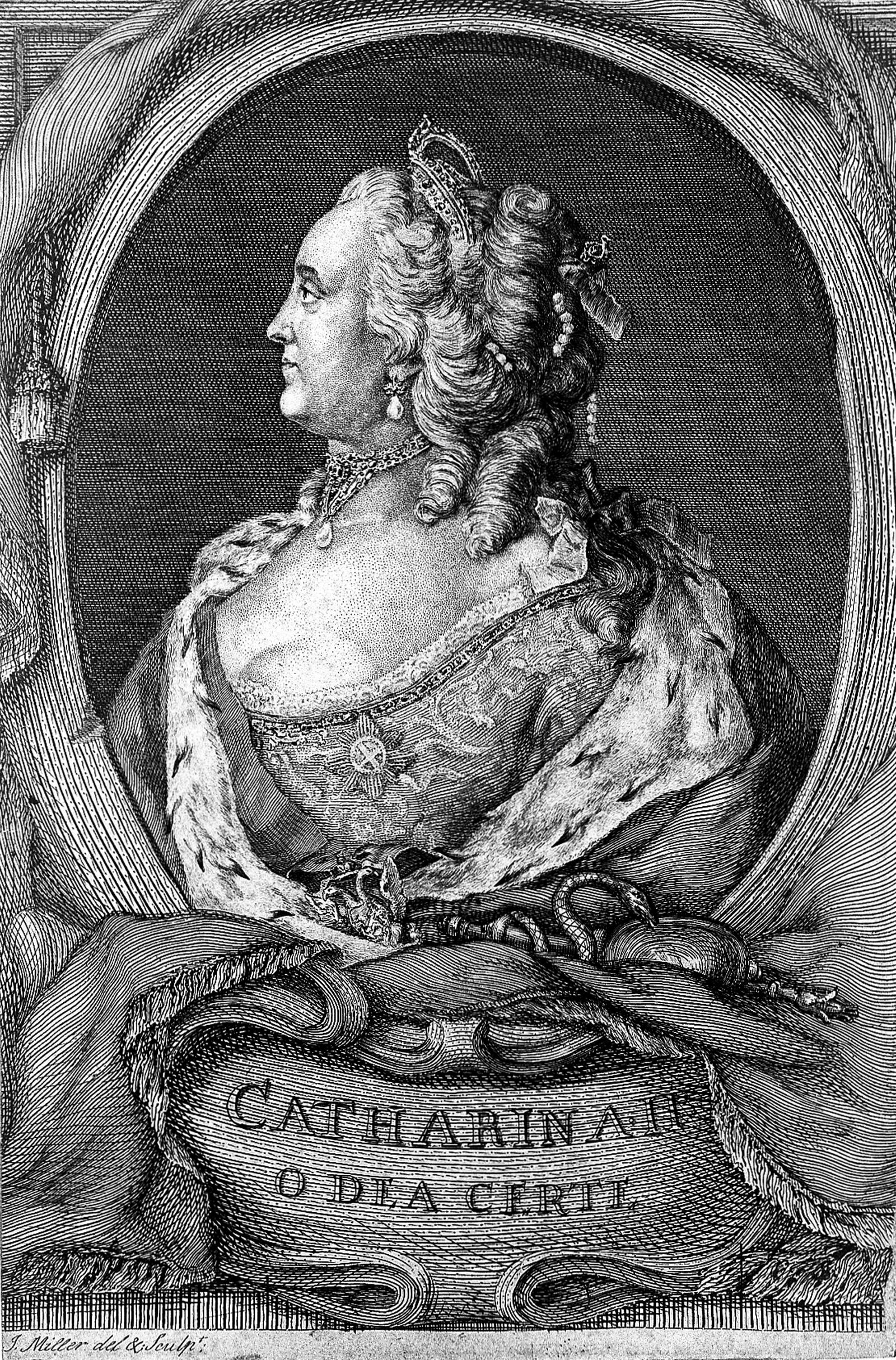 Painting
Secondary source
J. Miller
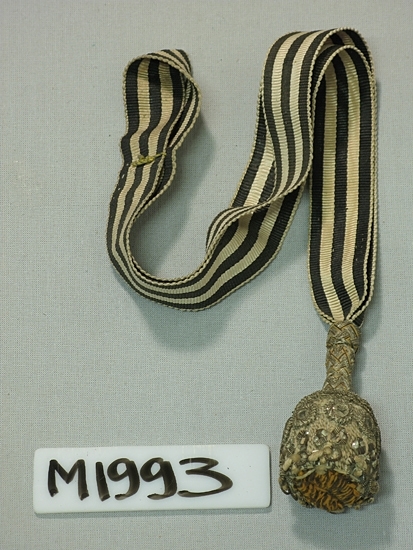 Artifact
Primary source
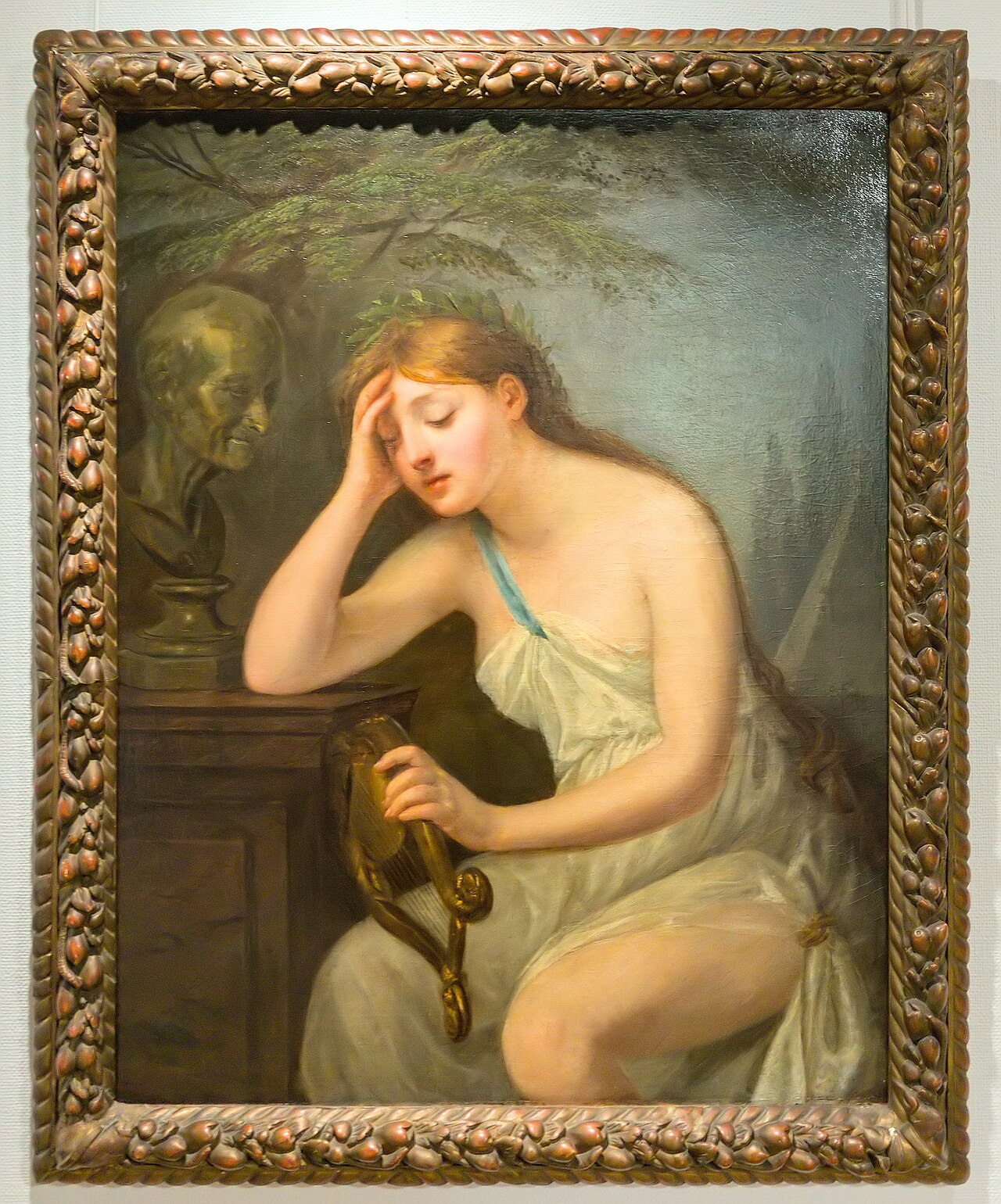 Painting
Secondary source
Geneviève Brossard de Beaulieu · 1785
Want the full shelf? Chat with Catherine the Great in the app and open the Sources panel — every quote links back to the original.
1 collection
A ready-made collection from the Humy team that features Catherine the Great. Preview it, then try it free.
Paying customers



























Dr. Michael Calvert
Assistant Superintendent, South Allegheny School District, Pennsylvania
Been using Humy in his district since 2024
“We enjoyed the program last year and used it frequently.”

Jacob Chisom
World and American History, Monticello High School, Arkansas
Been using Humy in his classroom since 2024
“My students say it’s a welcome change of pace. I’m not a fan of the “sage on the stage” model, so I try to incorporate research-oriented and self-paced activities. With Humy, students have to take charge of their learning. They’ve become more adept at critical thinking, forming better questions, and improving their reading comprehension. The interview feature has been my go-to tool. I create assignments where students must ask historical figures a set number of questions, then summarize the responses to ensure they’re truly absorbing the material. This approach lets them actively explore the past rather than passively consuming information.”
Roger Campbell
7th-grade World History, Lancaster County, Pennsylvania
Been using Humy in his classroom since 2024
“Humy has helped me bring historical figures, sometimes long past, to life. When my students interact with these figures in real-time, it eliminates some of the perceived “ancient” characteristics of my curriculum. This has shifted my students’ thinking away from viewing history as abstract or irrelevant. Real-time interactions make historical figures relatable, even allowing students to ask off-topic questions that help put historical lives in a more relevant context for 13-year-olds. The feature I use the most is the interview feature. After teaching a topic, most recently Gandhi and Joan of Arc, I have the students ask pointed, focused questions. We practice good conversation techniques beforehand, teaching them to listen (or read) carefully and formulate thoughtful follow-up questions rather than just interrogating. It helps students practice effective conversation skills.”
Dr. Michael Calvert
Assistant Superintendent, South Allegheny School District, Pennsylvania
Been using Humy in his district since 2024
“We enjoyed the program last year and used it frequently.”
Jacob Chisom
World and American History, Monticello High School, Arkansas
Been using Humy in his classroom since 2024
“My students say it’s a welcome change of pace. I’m not a fan of the “sage on the stage” model, so I try to incorporate research-oriented and self-paced activities. With Humy, students have to take charge of their learning. They’ve become more adept at critical thinking, forming better questions, and improving their reading comprehension. The interview feature has been my go-to tool. I create assignments where students must ask historical figures a set number of questions, then summarize the responses to ensure they’re truly absorbing the material. This approach lets them actively explore the past rather than passively consuming information.”
Roger Campbell
7th-grade World History, Lancaster County, Pennsylvania
Been using Humy in his classroom since 2024
“Humy has helped me bring historical figures, sometimes long past, to life. When my students interact with these figures in real-time, it eliminates some of the perceived “ancient” characteristics of my curriculum. This has shifted my students’ thinking away from viewing history as abstract or irrelevant. Real-time interactions make historical figures relatable, even allowing students to ask off-topic questions that help put historical lives in a more relevant context for 13-year-olds. The feature I use the most is the interview feature. After teaching a topic, most recently Gandhi and Joan of Arc, I have the students ask pointed, focused questions. We practice good conversation techniques beforehand, teaching them to listen (or read) carefully and formulate thoughtful follow-up questions rather than just interrogating. It helps students practice effective conversation skills.”
FAQ
Like any LLM, the AI version of Catherine the Great can get details wrong. Open one of these sources in a new tab to verify what you’ve read.

Charismatic queen of ancient Egypt.

Pharaoh of ancient Egypt.

First Lady, diplomat, and human rights advocate.

Prominent British suffragette and women's rights activist.

First female Prime Minister of the United Kingdom.

Influential Marxist theorist and anti-war activist.
Ready when you are
20 messages free · No credit card · Available in 50+ languages.