


Primary sourceDocument21 July 1774
Treaty of Küçük Kaynarca
21 July 1774
The 1774 peace treaty ending Russia's war with the Ottoman Empire, signed under Catherine the Great and giving Russia access to the Black Sea.
This treaty, concluded under Catherine's rule, marked a major territorial and diplomatic victory of her reign.
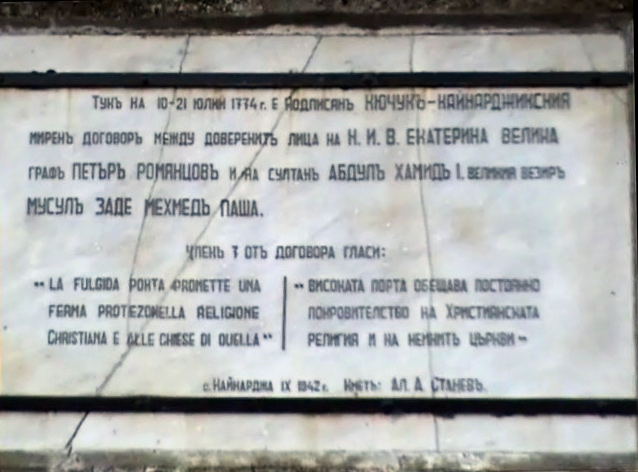
About this source
What it is
Signed on 21 July 1774 at Küçük Kaynarca, this treaty ended the Russo-Turkish War of 1768-1774 between the Russian Empire, represented by Field-Marshal Count Pyotr Rumyantsev under Catherine II, and the Ottoman Empire, represented by Muhsinzade Mehmed Pasha under Sultan Abdul Hamid I.
Why it matters
The treaty gave Russia access to the Black Sea, control connected to the Crimean Khanate, and a claimed right to protect Orthodox Christians within the Ottoman Empire. It marked a major step in Ottoman decline and in Russia's rise as a Black Sea power under Catherine, later leading to her formal annexation of Crimea in 1783.
Look closer
- Why might a treaty about protecting Christians also serve as a tool for political influence?
- What does this treaty reveal about shifting power between Russia and the Ottoman Empire?
- How did this agreement set the stage for later conflicts?
This document is part of the curated material that grounds the AI version of Catherine the Great on Humy.ai — when students ask about related events, the AI can quote it and cite it.
More Catherine the Great sources
Meet the AI Catherine the Great →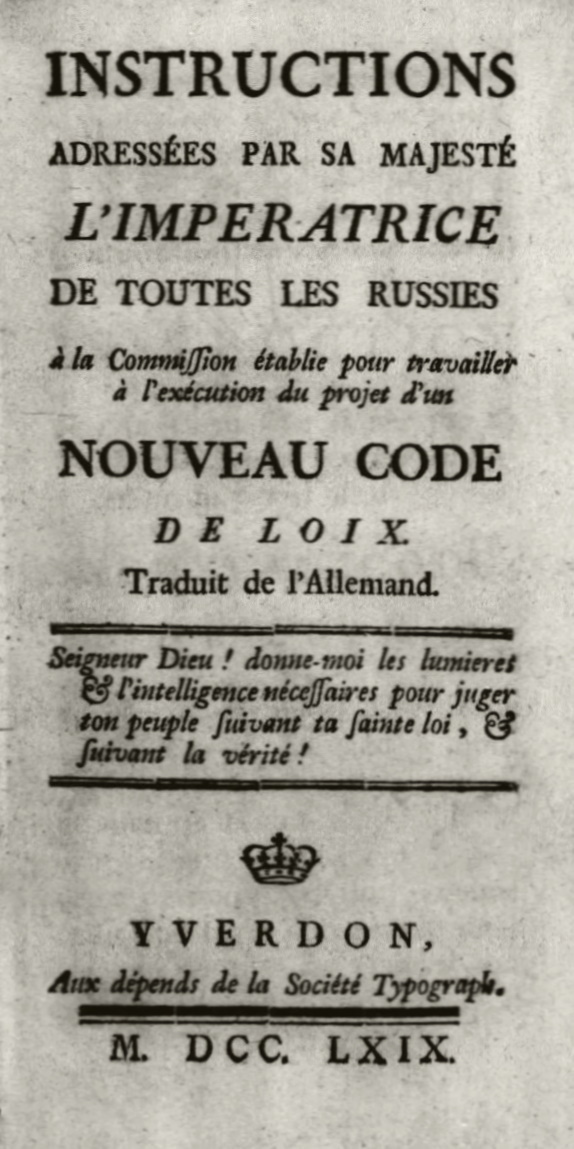 Document
Primary source
Nakaz
Catherine II of Russia · 1766
 Document
Secondary source
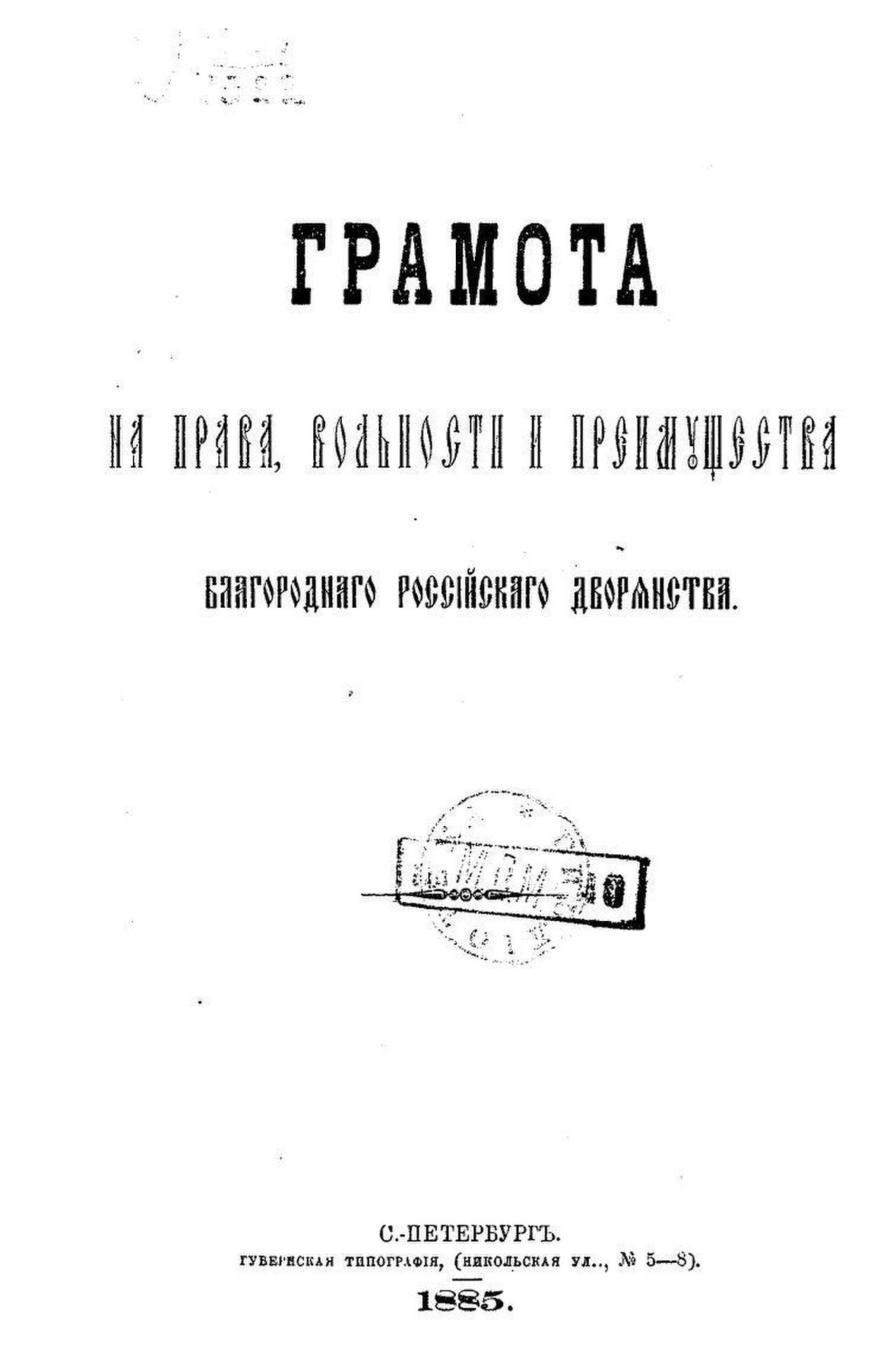
Charter to the Nobility
Catherine II of Russia · 1785 (this edition 1885)
 Document
Primary source
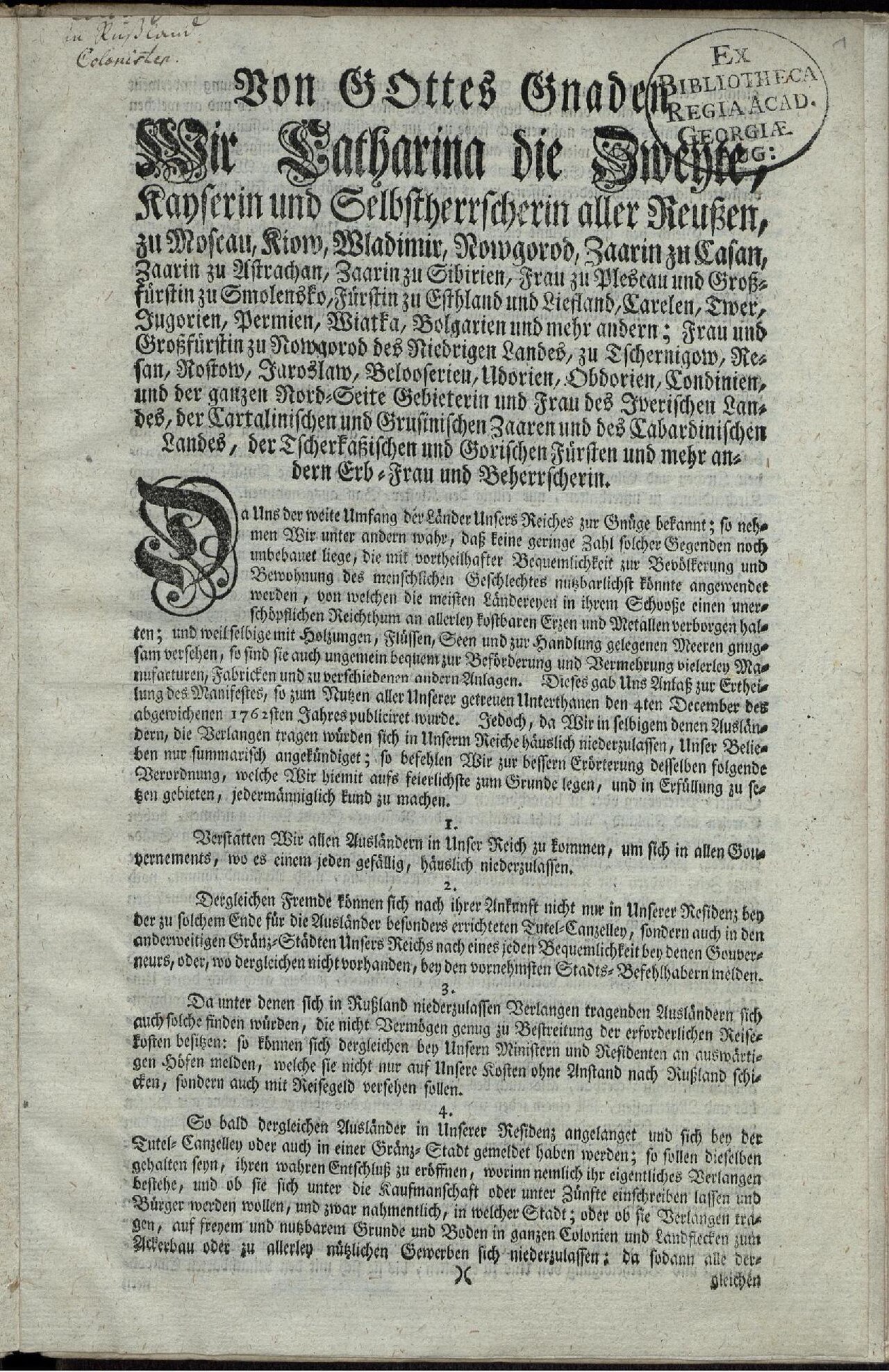
Invitation Manifesto of 1763
Catherine II of Russia · 22 July 1763
 Diary entry
Primary source
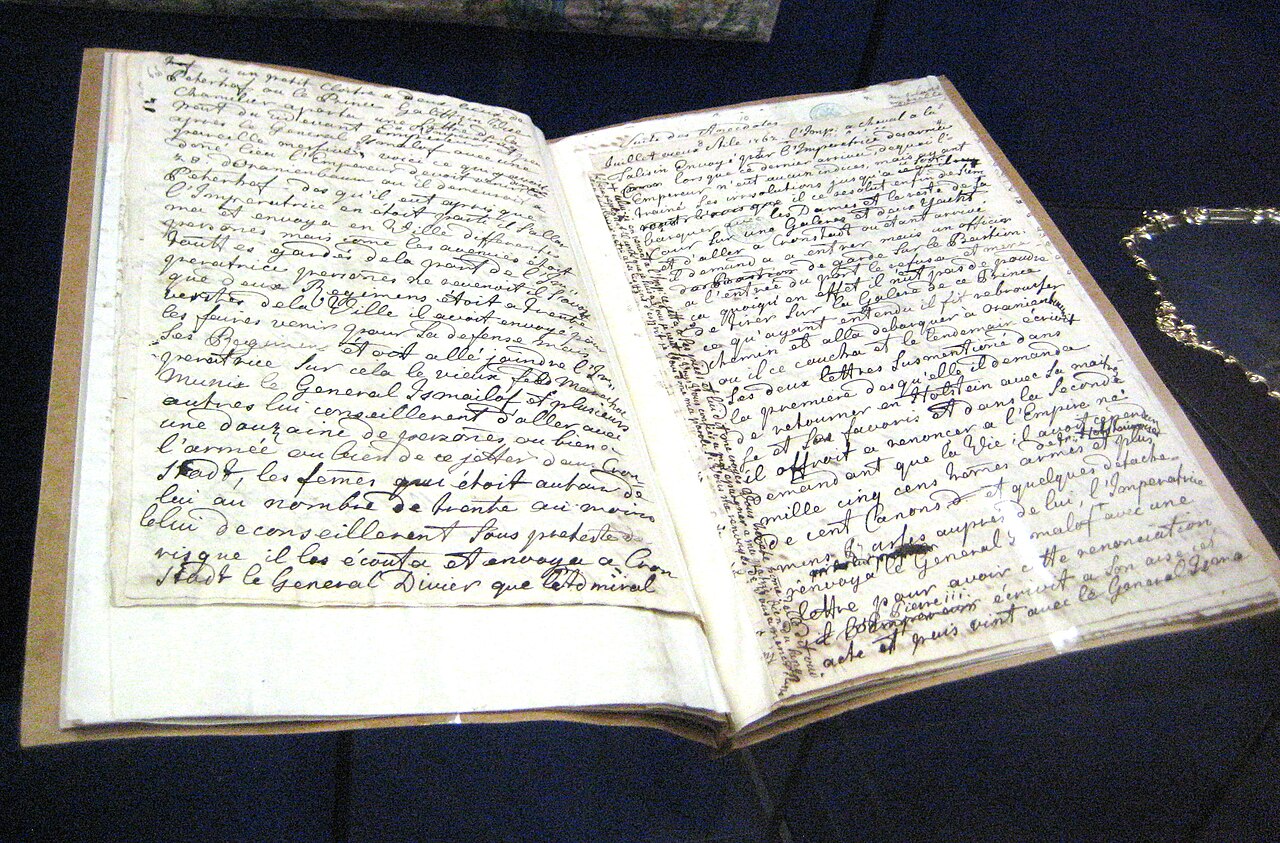
Catherine II's Memoirs
Catherine II of Russia · 1790s
 Sculpture
Primary source
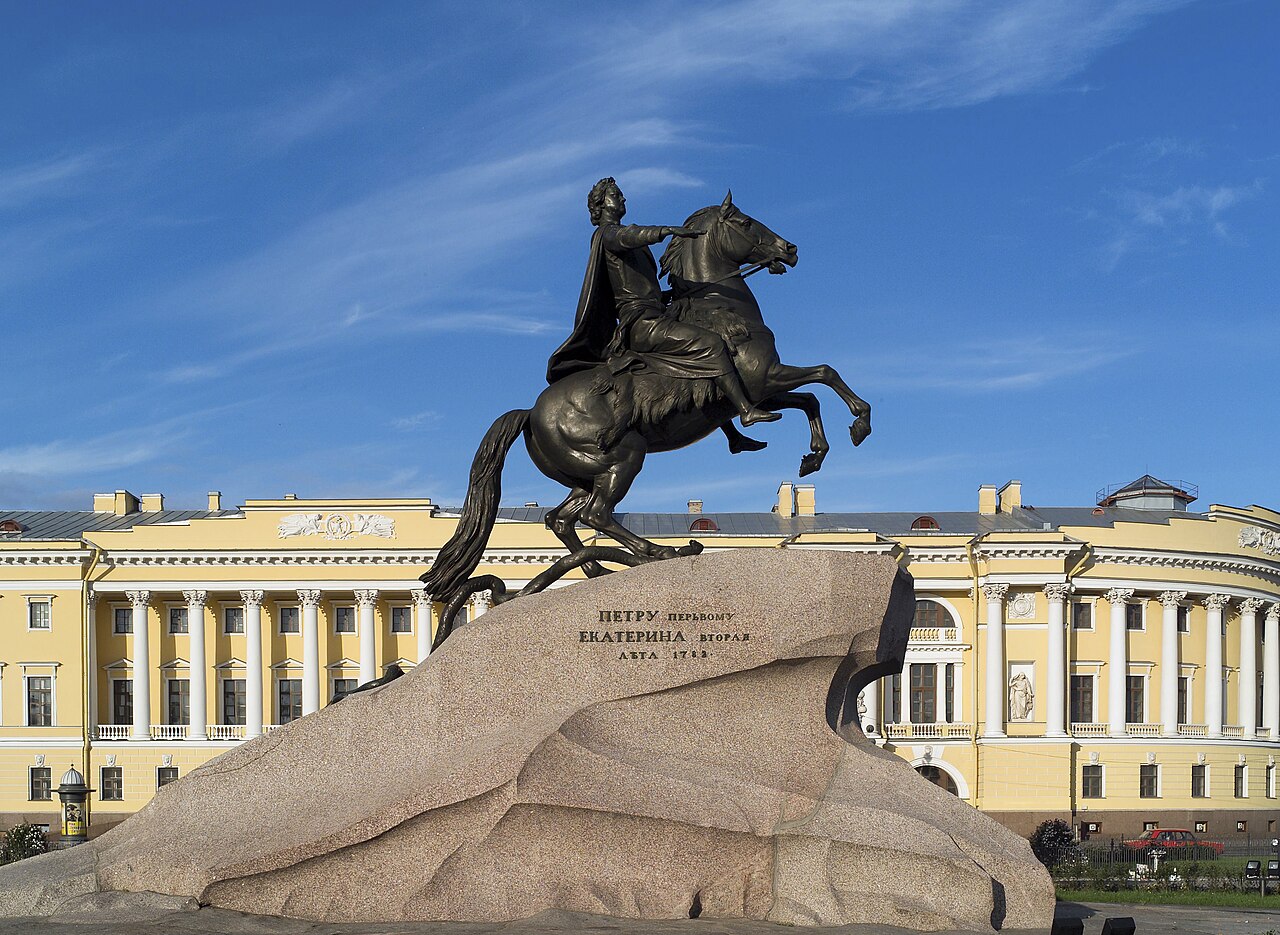
Bronze Horseman
Étienne Maurice Falconet · 1768-1782
Ready when you are
Start chatting with Catherine the Great now.
20 messages free · No credit card · Available in 50+ languages.