


Primary sourcePhotograph
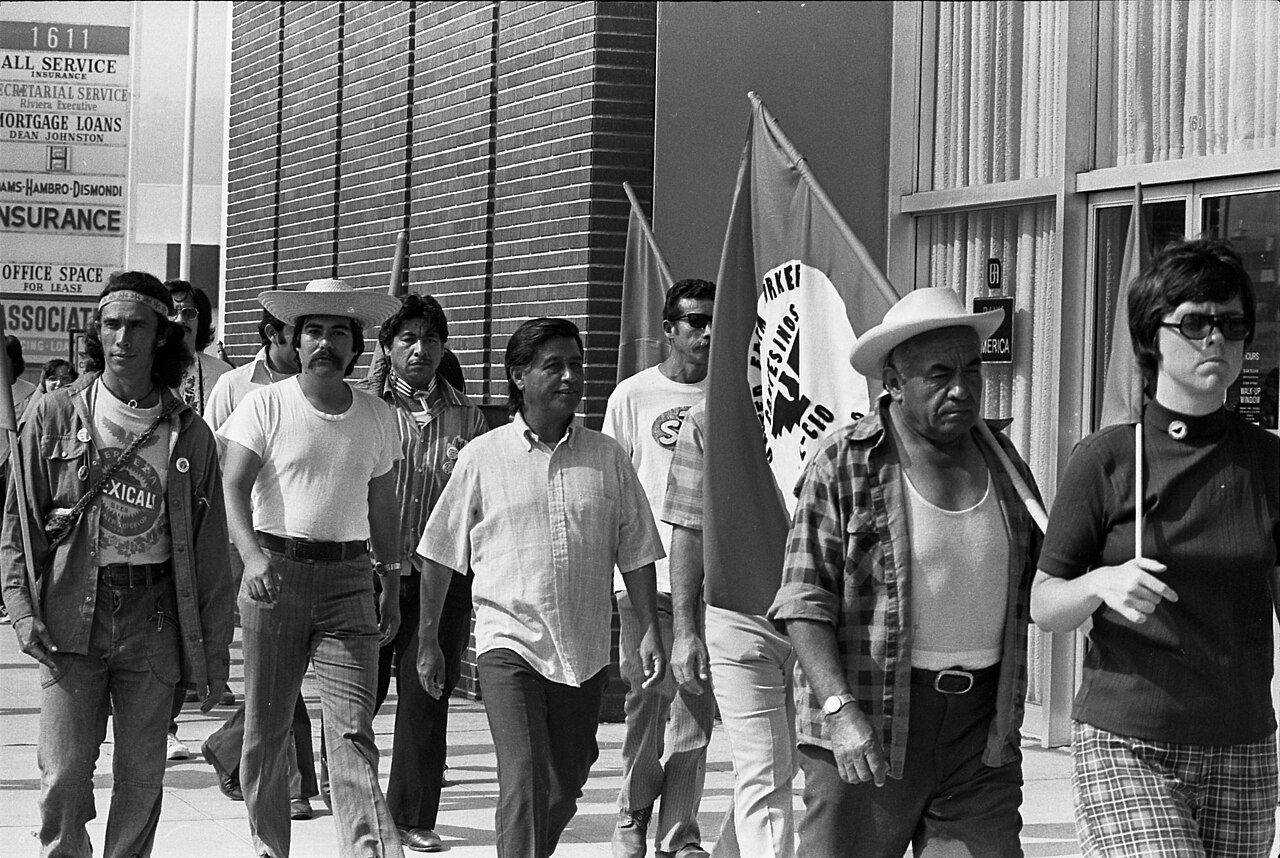
Cesar Chavez on March from Mexican Border to Sacramento
John Malmin, Los Angeles Times
A photograph of Cesar Chavez marching with United Farm Workers members from the Mexican border toward Sacramento, California.
Depicts Chavez leading a UFW protest march, showing his use of pilgrimage as a nonviolent organizing tactic.
About this source
What it is
This black-and-white photograph by John Malmin for the Los Angeles Times shows Cesar Chavez at the center of a group of United Farm Workers members walking along a sidewalk in Redondo Beach, California, during a march from the Mexican border to Sacramento.
Why it matters
Chavez and the UFW used long marches, or pilgrimages, as a protest tactic to draw public attention to the struggles of farm workers and to build solidarity among marchers. The flag with the black eagle, the union's symbol, carried behind the group shows how the UFW used visual symbols to unify its members.
Look closer
- Why might marching long distances be an effective way to protest, compared to other tactics?
- What does the clothing and the flag tell you about who is marching and what organization they belong to?
- Whose perspective does a newspaper photograph like this represent, and what might it leave out?
This photograph is part of the curated material that grounds the AI version of Cesar Chavez on Humy.ai — when students ask about related events, the AI can quote it and cite it.
More Cesar Chavez sources
Meet the AI Cesar Chavez →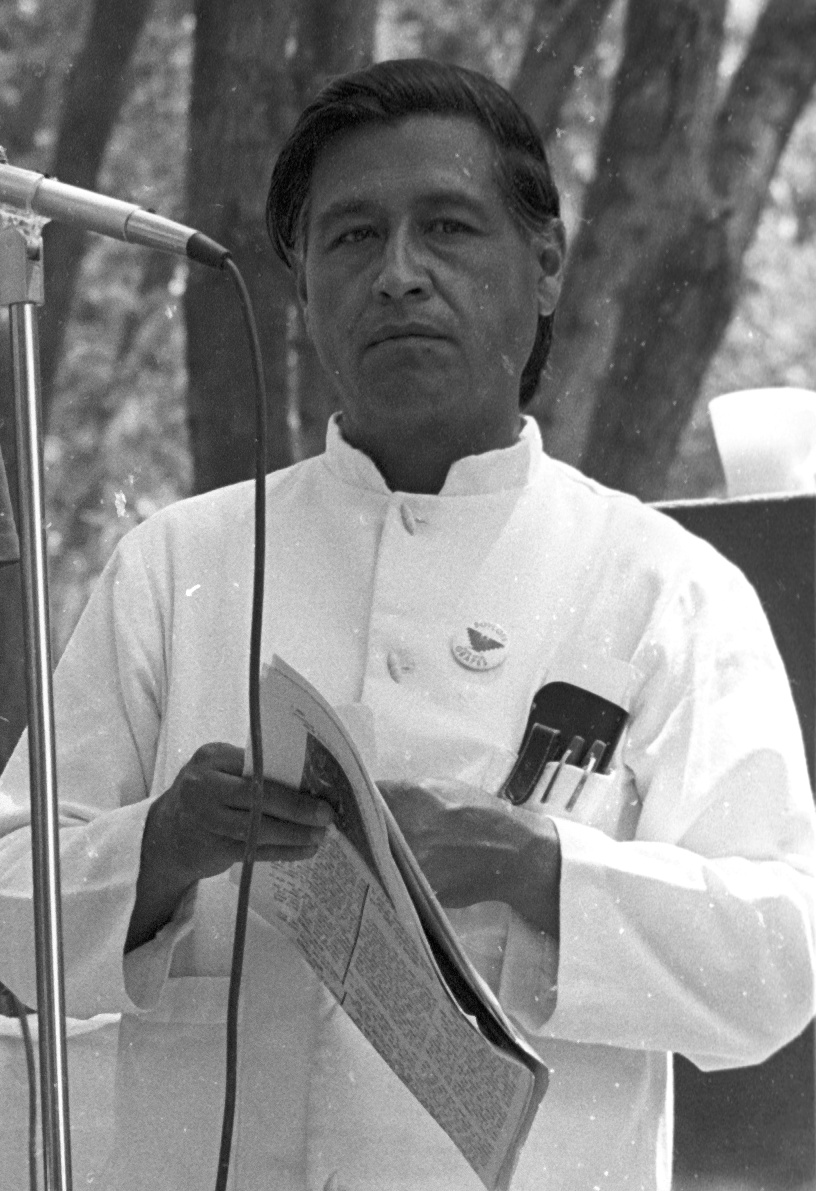 Photograph
Primary source
César Chávez Speaking at Delano UFW Rally, 1972
Joel Levine · June 1972
 Photograph
Primary source
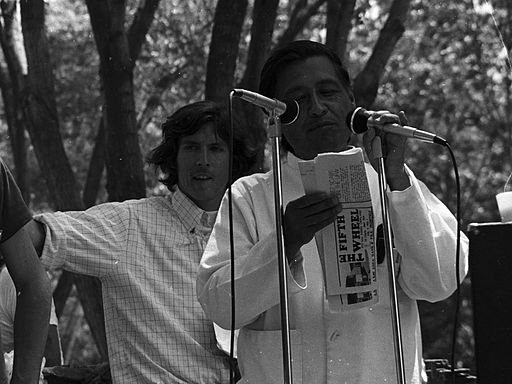
César Chávez Speaking at Delano UFW Rally, 1974
Joel Levine · June 1974
 Newspaper article
Primary source
El Malcriado
César Chávez · 1 April 1968
 Artifact
Primary source
The Forty Acres
United Farm Workers · 1966–1969
 Artifact
Primary source
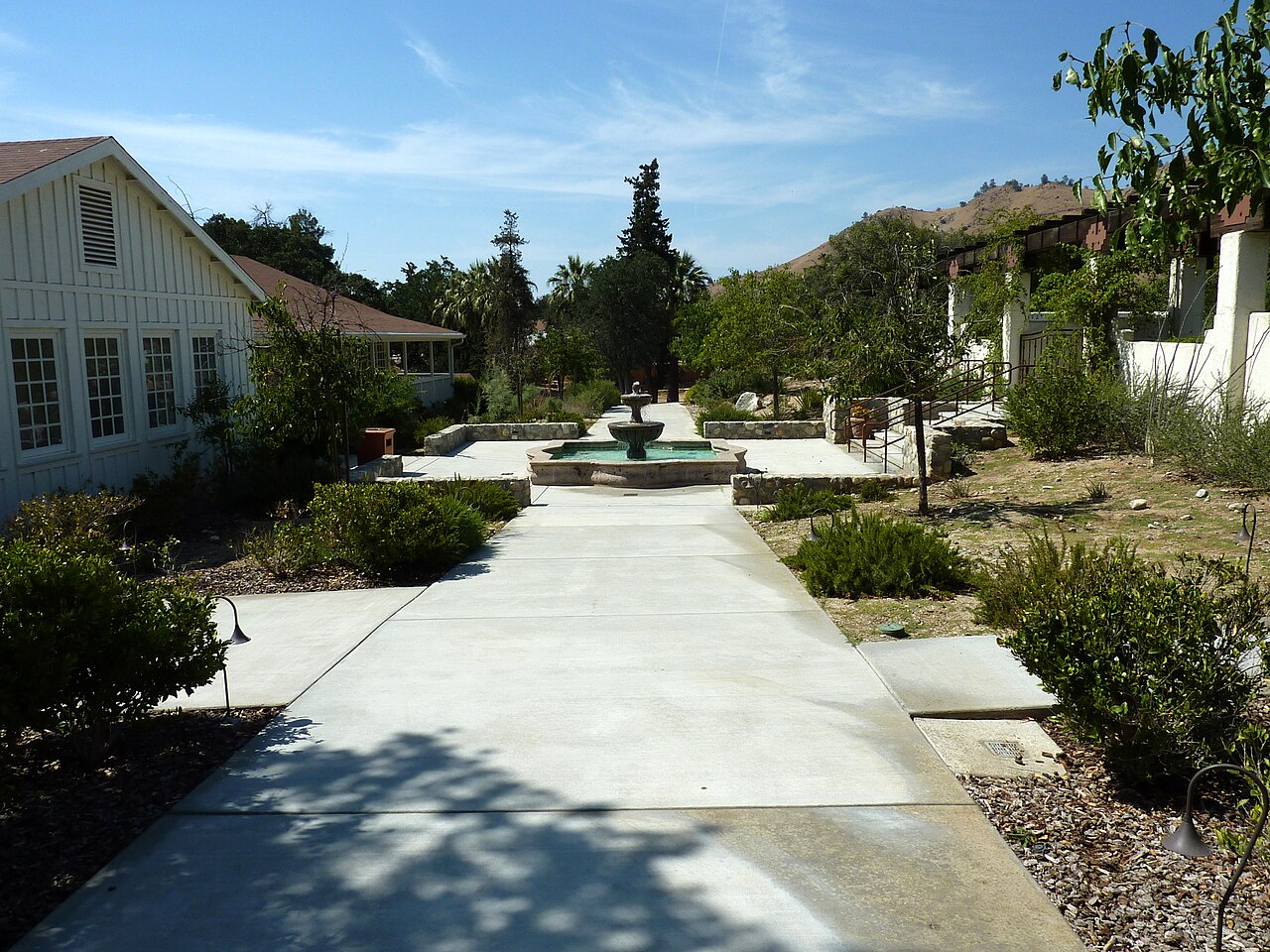
César E. Chávez National Monument
2012 (designated); property used from early 1970s
Ready when you are
Start chatting with Cesar Chavez now.
20 messages free · No credit card · Available in 50+ languages.