


Primary sourceArtifactlate 1660s
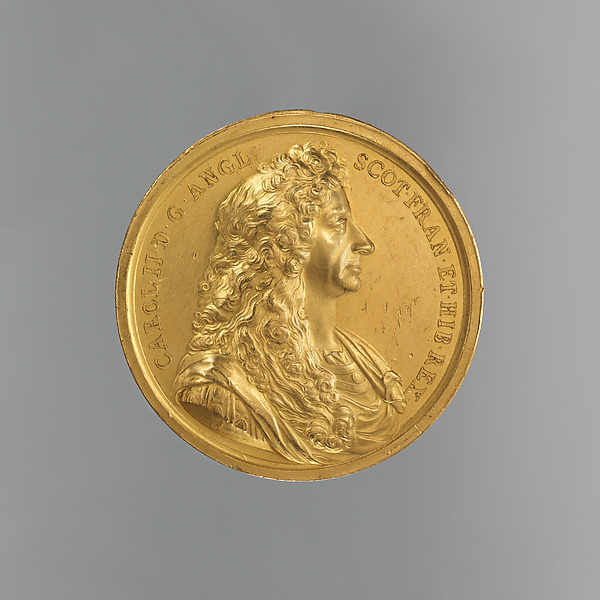
Charles II Royal Coat of Arms Medal
John Roettier · late 1660s
A gold medal of King Charles II, whose Restoration court Radisson entered when he went into English service in the 1660s.
Represents the Restoration English court Radisson entered in the 1660s when he sought royal backing for his explorations.
About this source
What it is
This is a gold medal made by John Roettier showing a portrait of King Charles II in profile, with a Latin inscription naming him king of England, Scotland, France and Ireland. It dates from the late 1660s and is now held by The Metropolitan Museum of Art.
Why it matters
Charles II's court is where Radisson sought patronage after shifting from French to English service in the 1660s, a move that helped lead to the founding of the Hudson's Bay Company. This medal represents the royal power and court culture Radisson had to navigate to gain support for his fur trade ventures.
Look closer
- What does the choice of Latin and formal portraiture tell you about how kings wanted to be seen?
- Why might an explorer like Radisson need the backing of a king to succeed in his ventures?
- What is missing from a medal like this about the king's actual rule?
This artifact is part of the curated material that grounds the AI version of Pierre-Esprit Radisson on Humy.ai — when students ask about related events, the AI can quote it and cite it.
More Pierre-Esprit Radisson sources
Meet the AI Pierre-Esprit Radisson →Primary source
Radisson's narratives of the 1682–1683 and 1684 voyages to Hudson Bay
Pierre-Esprit Radisson · 1684–1685
 Painting
Secondary source
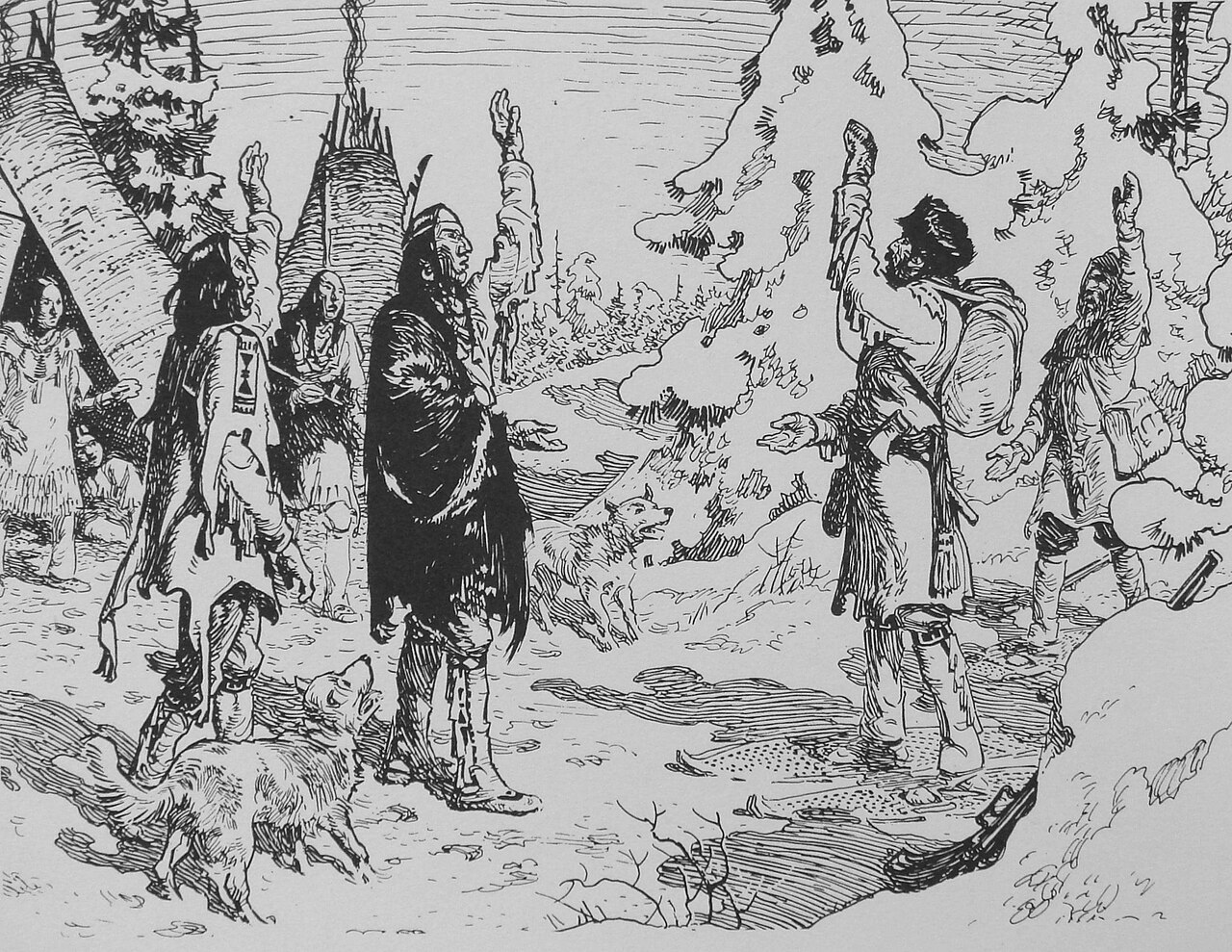
Arrival of Radisson in an Indian camp 1660
Charles William Jefferys · 1942 (depicting 1660)
 Book
Primary source
Jesuit Relations, Relation of 1659–1660
Jesuit missionaries of New France (ed. Jérôme Lalemant) · 1660
 Painting
Secondary source
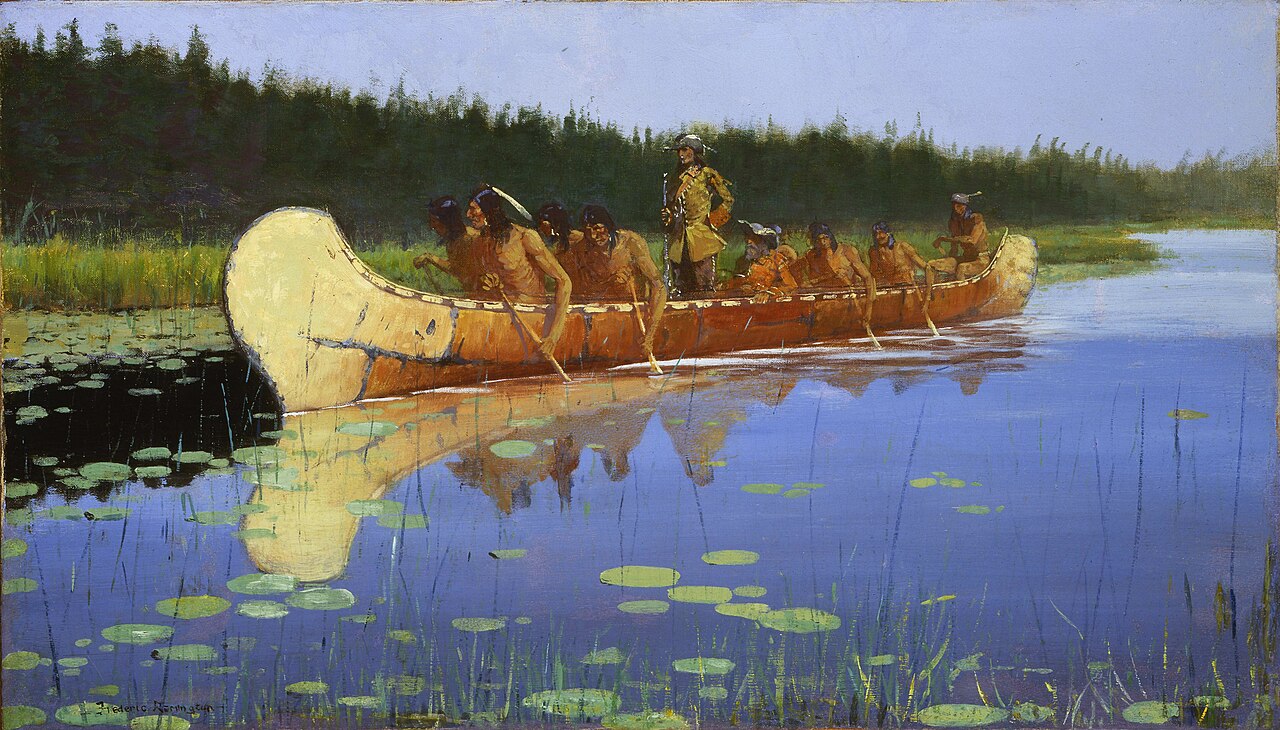
Radisson and Groseilliers
Frederic Remington · 1905
Primary source
Voyages of Peter Esprit Radisson, 1652-1684
Pierre-Esprit Radisson · 1652-1684 (manuscript); published later
Ready when you are
Start chatting with Pierre-Esprit Radisson now.
20 messages free · No credit card · Available in 50+ languages.