


Primary sourceDocument1837
Charles River Bridge v. Warren Bridge opinion
Roger B. Taney · 1837
Chief Justice Taney's 1837 Supreme Court opinion favoring the public good over a strict reading of corporate charter rights.
This was Taney's first major opinion as chief justice, marking a shift in the Court's approach to corporate power.
About this source
What it is
This is the Supreme Court opinion in Charles River Bridge v. Warren Bridge, decided in 1837 and written by Chief Justice Roger B. Taney. The case concerned a dispute between two bridge companies in Massachusetts over corporate charter rights, recorded in the United States Reports.
Why it matters
This was Taney's first major opinion as chief justice. He ruled that corporate charters should be read narrowly in favor of the public good, rather than assuming broad exclusive rights for companies. This marked a shift away from the more business-friendly approach of the earlier Marshall Court and reflected the Jacksonian era's suspicion of concentrated economic privilege.
Look closer
- Why might courts need to balance the rights of businesses against the public good?
- What does this case reveal about changing ideas of government and the economy in the 1830s?
- How might a bridge company's charter affect ordinary people's lives?
This document is part of the curated material that grounds the AI version of Roger B. Taney on Humy.ai — when students ask about related events, the AI can quote it and cite it.
More Roger B. Taney sources
Meet the AI Roger B. Taney →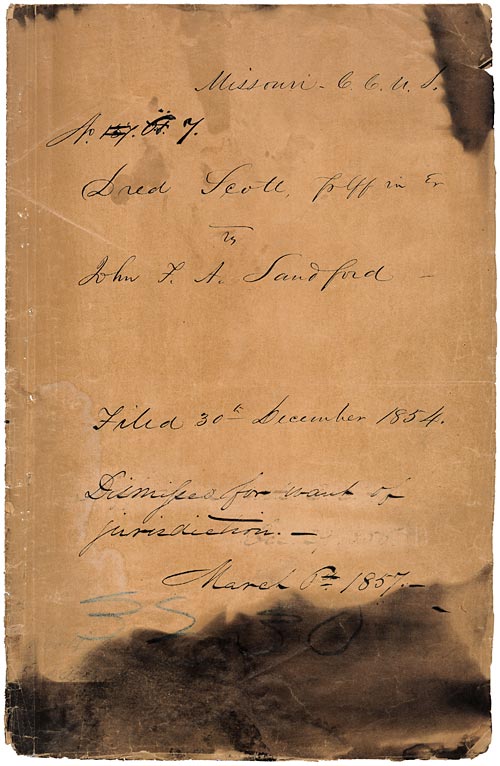 Document
Primary source
Dred Scott v. Sandford
Roger B. Taney · 6 March 1857
 Document
Primary source
Ex parte Merryman opinion
Roger B. Taney · 1861
 Photograph
Primary source
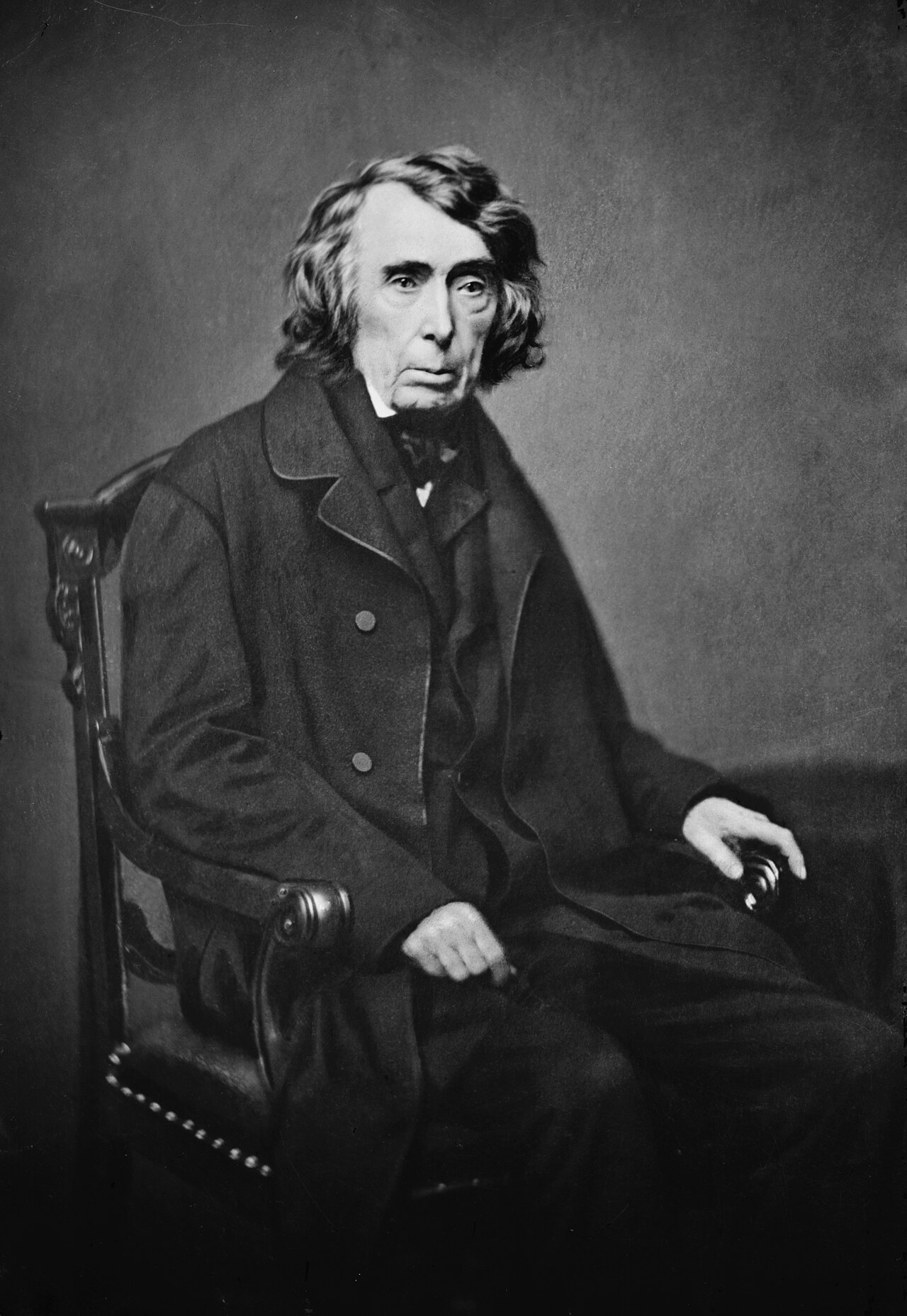
Roger B. Taney - Brady-Handy
Mathew Benjamin Brady
Primary source
House Divided Speech
Abraham Lincoln · 16 June 1858
Primary source
The Lincoln-Douglas Debates of 1858
Abraham Lincoln · 1858
Ready when you are
Start chatting with Roger B. Taney now.
20 messages free · No credit card · Available in 50+ languages.