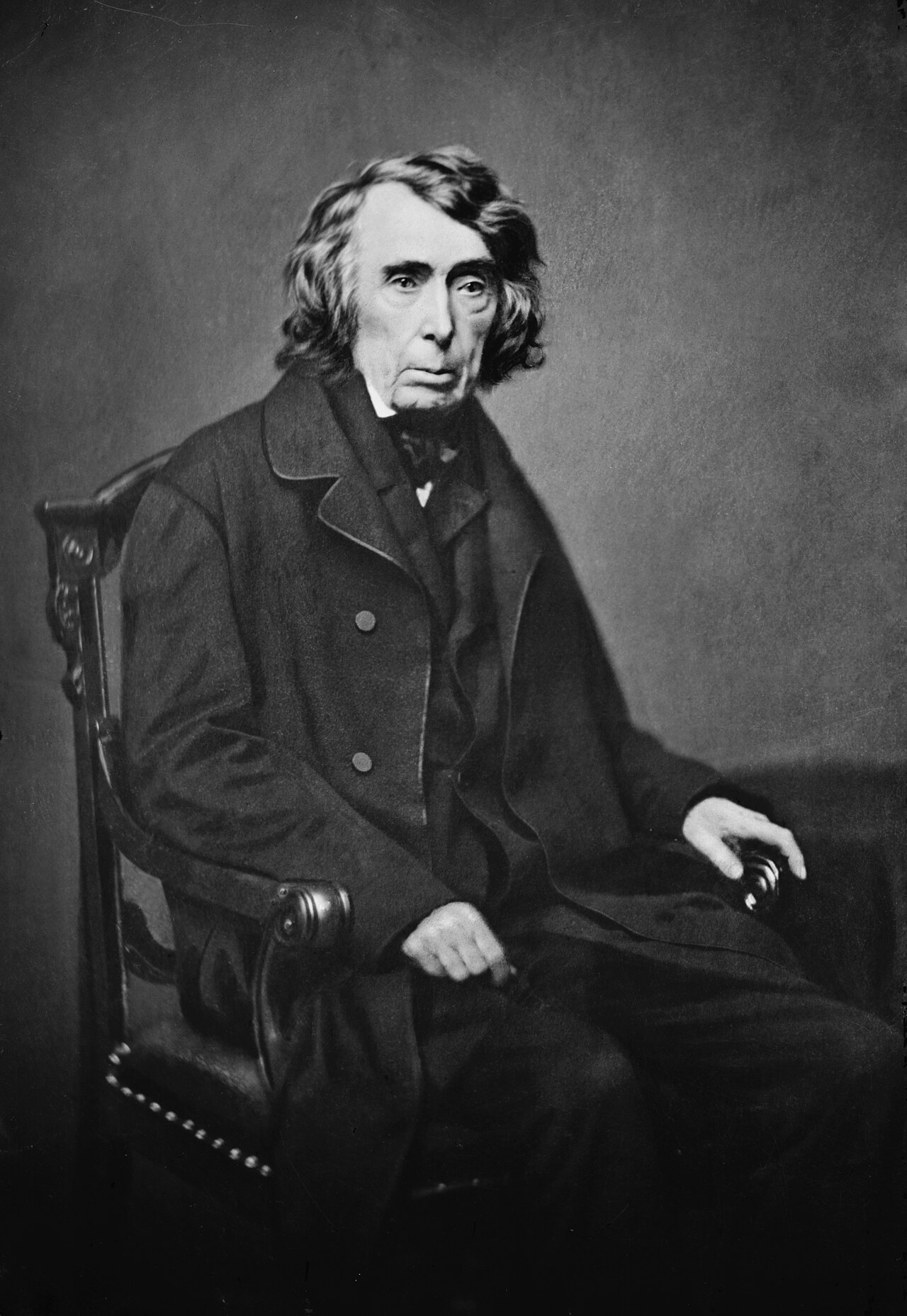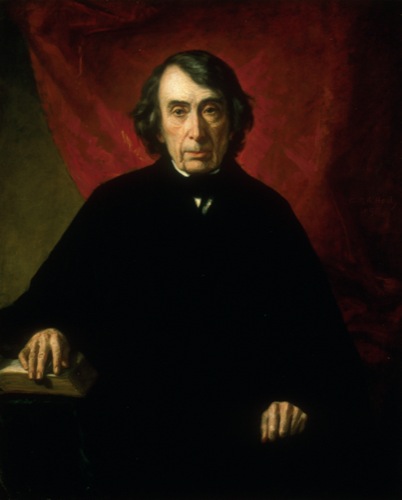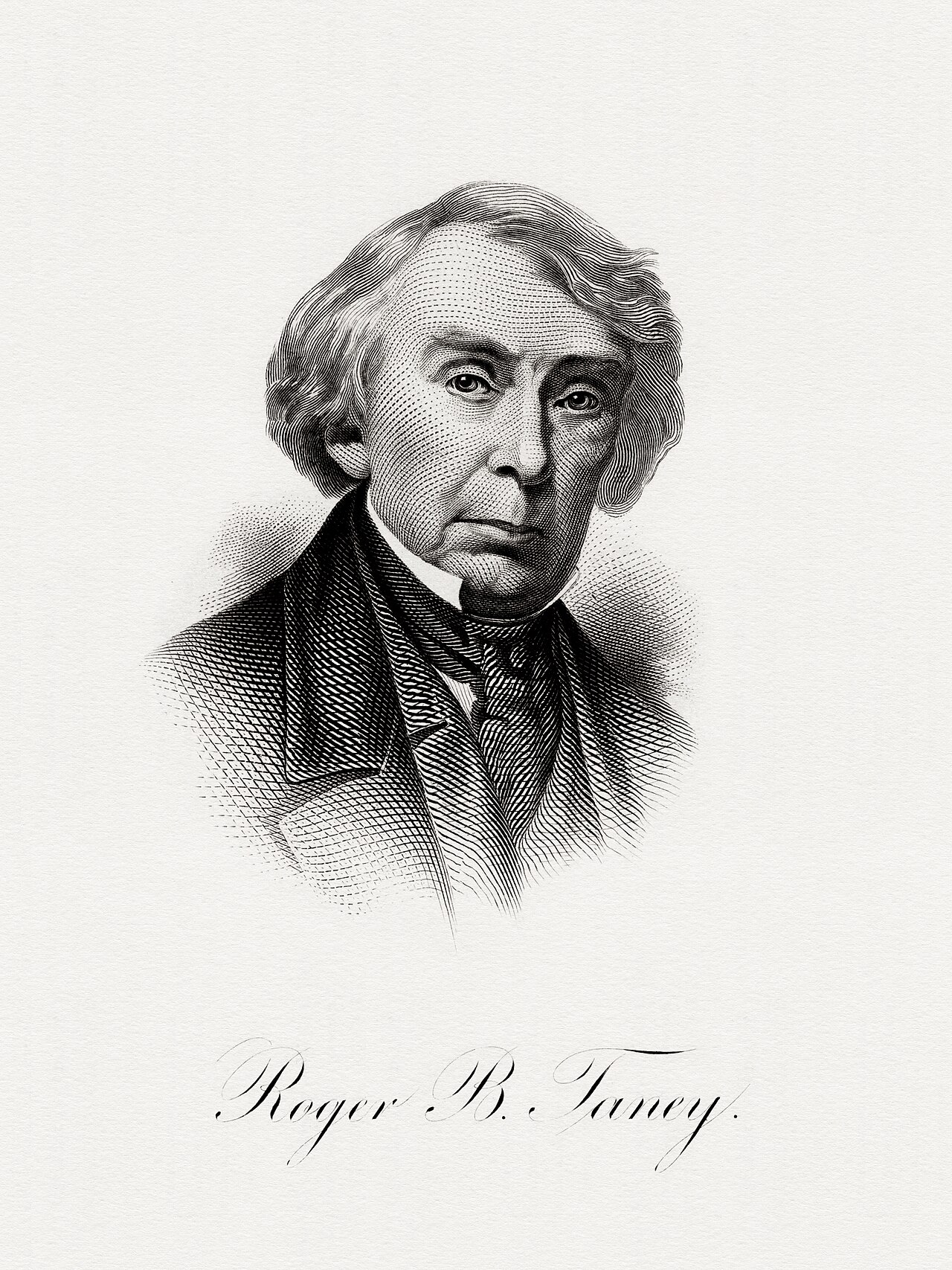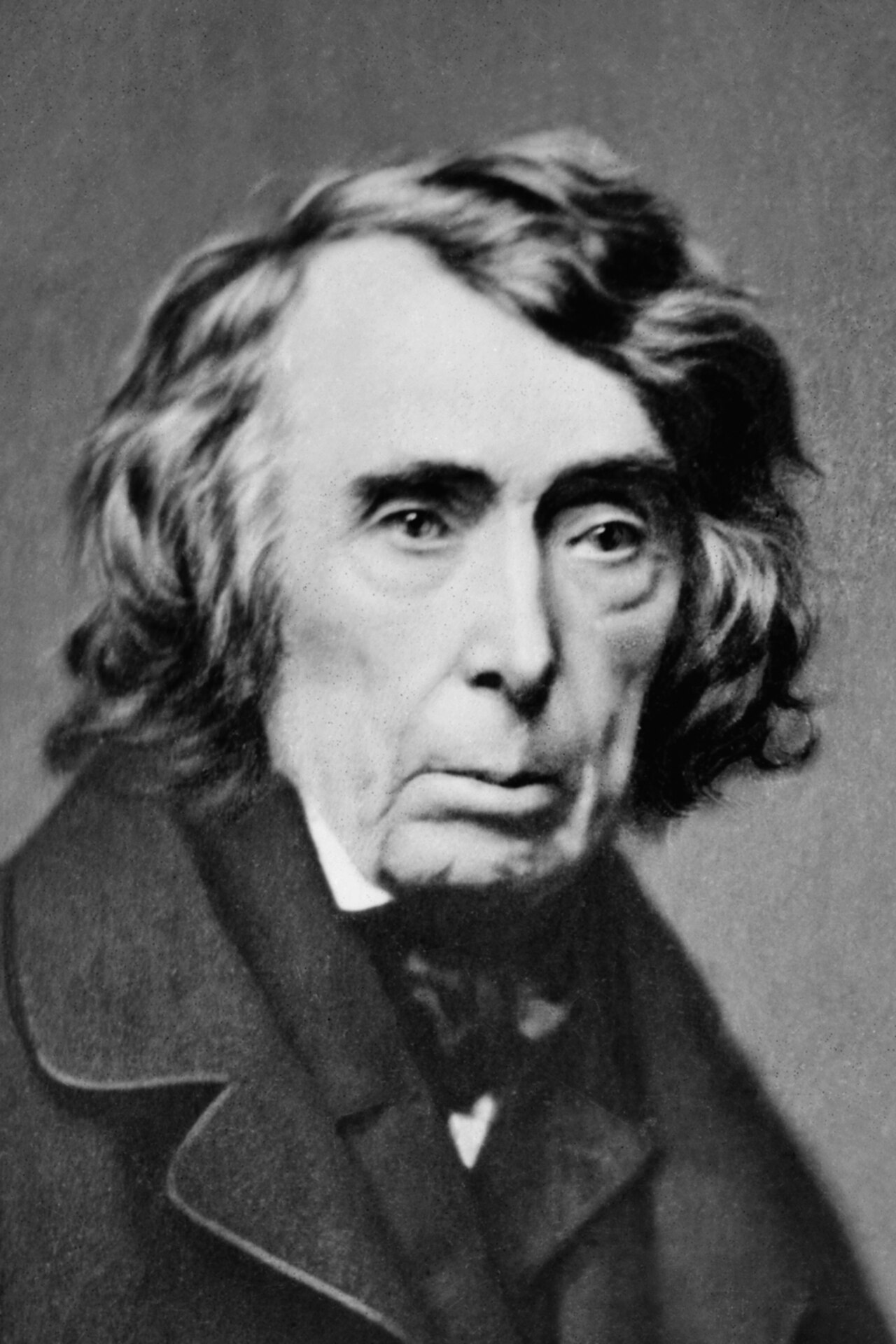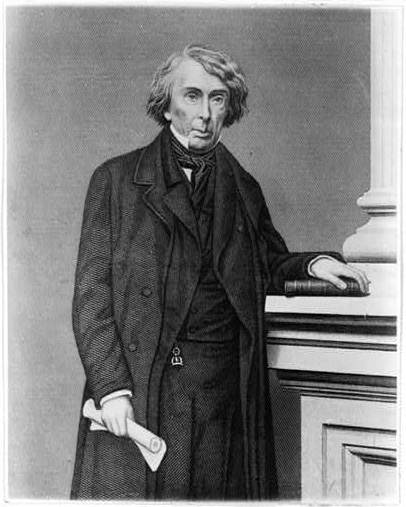
Portrait of Roger B. Taney

AI Historical Figure

Roger B. Taney

Sensitive

Picture by The Bureau of Engraving and Printing  Public domain  Wikimedia Commons

Chief justice of the United States from 1836 to 1864

Chat with Roger B. Taney via text or voice — in 42 languages, drawing on a curated biography and 96 historical sources. Available 24/7.

Start chatting with Roger B. Taney20 messages free · No credit card
Lived
1777–1864
From
United States
Known for
Law
Roger B. Taney

Roger B. Taney

Online · responds in seconds

Hello — I'm Roger B. Taney. Chief justice of the United States from 1836 to 1864. What would you like to ask me?

20 messages free · No credit card · Powered by Humy.ai

Live preview · Switch between 42 languages above · Send a message to continue in the app

Multilingual

Talk to Roger B. Taney in 42 languages

Ask Roger B. Taney questions in any language below, and the rest of Humy's app speaks it too. Pick yours to open the chat in that language.

Also in German (Austria), German (Switzerland), English (UK), English (Australia), English (Canada).

The sources behind this AI

96 sources · 57 documents · 11 paintings · 9 books · 7 photographs · 7 speeches · 3 artifacts · 2 sculptures

Roger B. Taney doesn’t improvise from thin air. The AI is grounded in 96 curated historical sources students can inspect. Open any of them to see what informs the conversation.

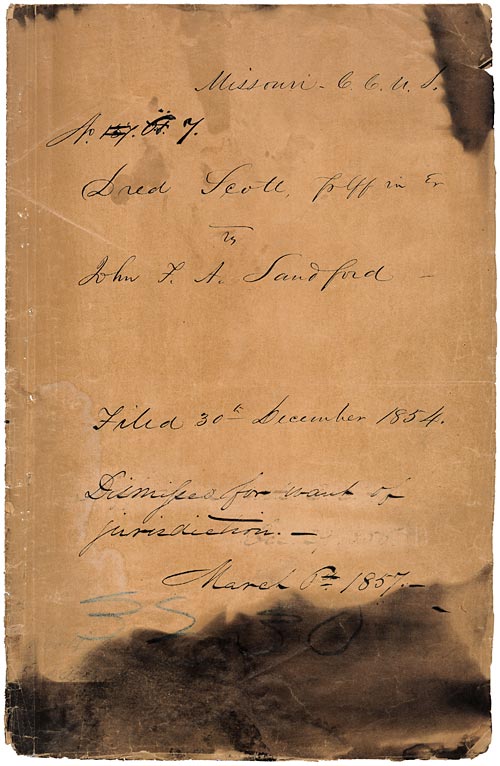
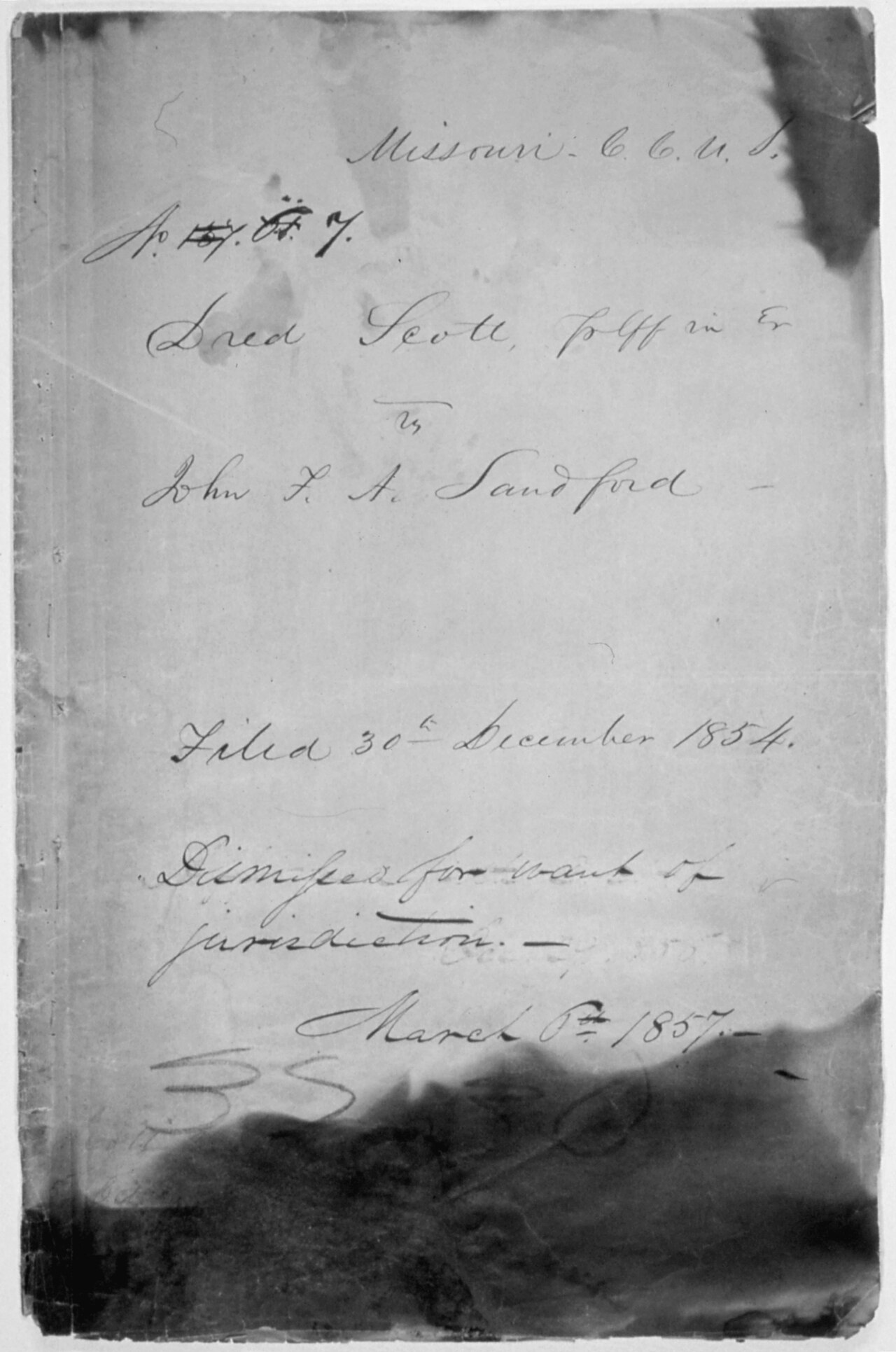
Handwritten cover sheet of the court record for Dred Scott v. Sandford. Top reads 'Missouri C.C.U.S.' with a case number, then 'Dred Scott, Plaintiff in Error, v. John F. A. Sandford', 'Filed 30th December 1854', 'Dismissed for want of jurisdiction', and 'March 6th 1857'. Scorched and darkened edges, with a blue pencil mark at lower left.Document

Primary source

Dred Scott v. Sandford

Roger B. Taney · 6 March 1857

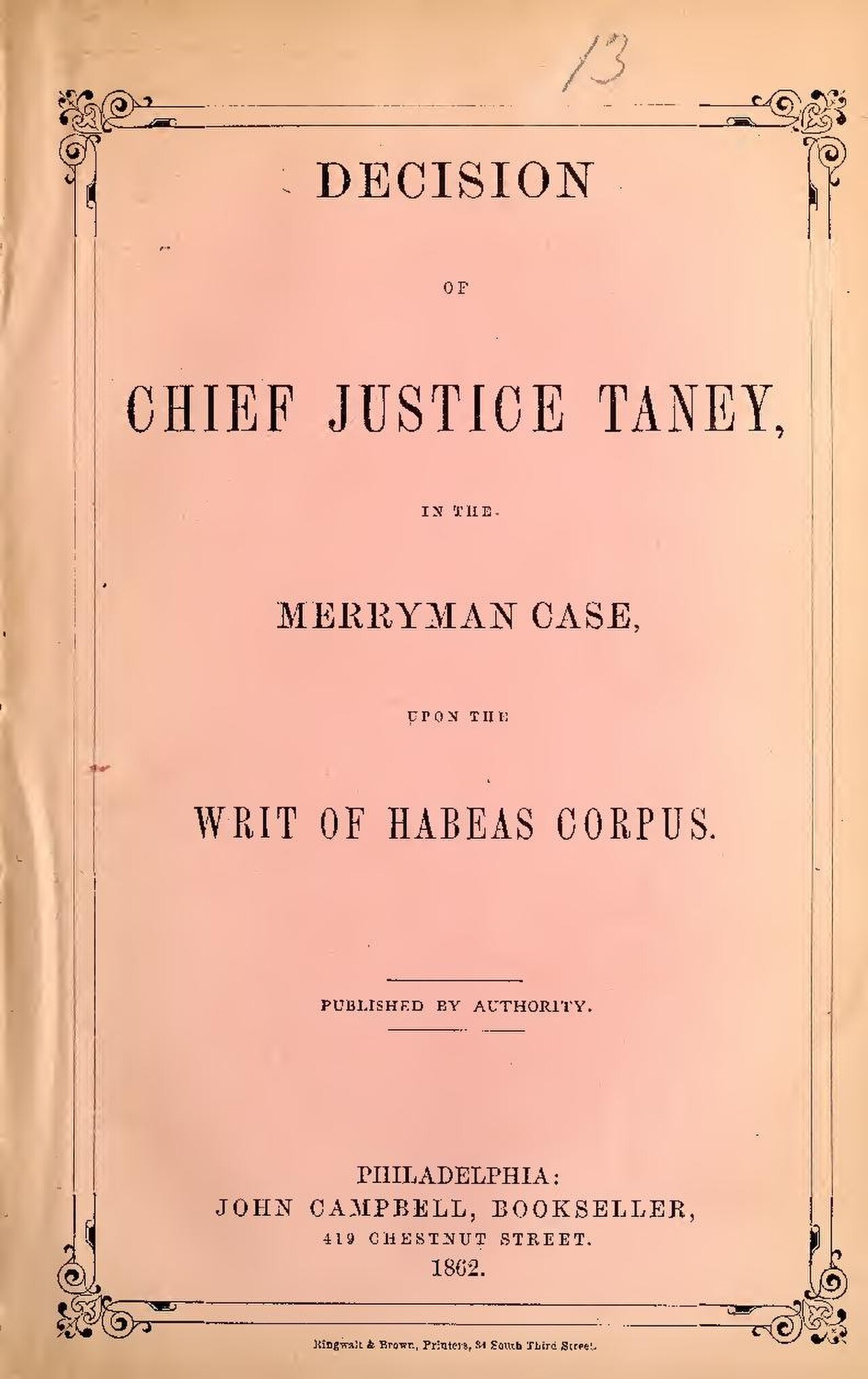
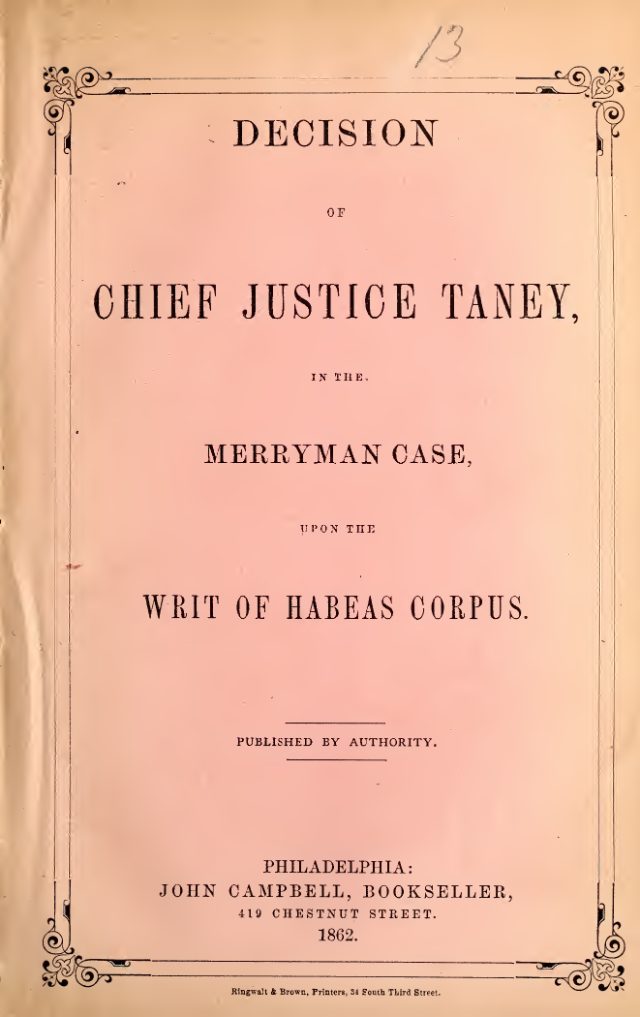
Title page of a pamphlet with pink paper cover and ornate black border reading 'Decision of Chief Justice Taney, in the Merryman case, upon the writ of habeas corpus. Published by authority. Philadelphia: John Campbell, Bookseller, 419 Chestnut Street, 1862.' Handwritten number 13 in the top corner.Document

Primary source

Ex parte Merryman opinion

Roger B. Taney · 1861

Black-and-white studio portrait of an elderly man with wavy, shoulder-length gray hair, seated in a carved wooden armchair with his hands resting on the arm and his lap. He wears a dark long coat with a high collar and gazes toward the viewer against a plain backdrop.Photograph

Primary source

Roger B. Taney - Brady-Handy

Mathew Benjamin Brady

Document

Primary source

Charles River Bridge v. Warren Bridge opinion

Roger B. Taney · 1837

Speech

Primary source

House Divided Speech

Abraham Lincoln · 16 June 1858

Speech

Primary source

The Lincoln-Douglas Debates of 1858

Abraham Lincoln · 1858

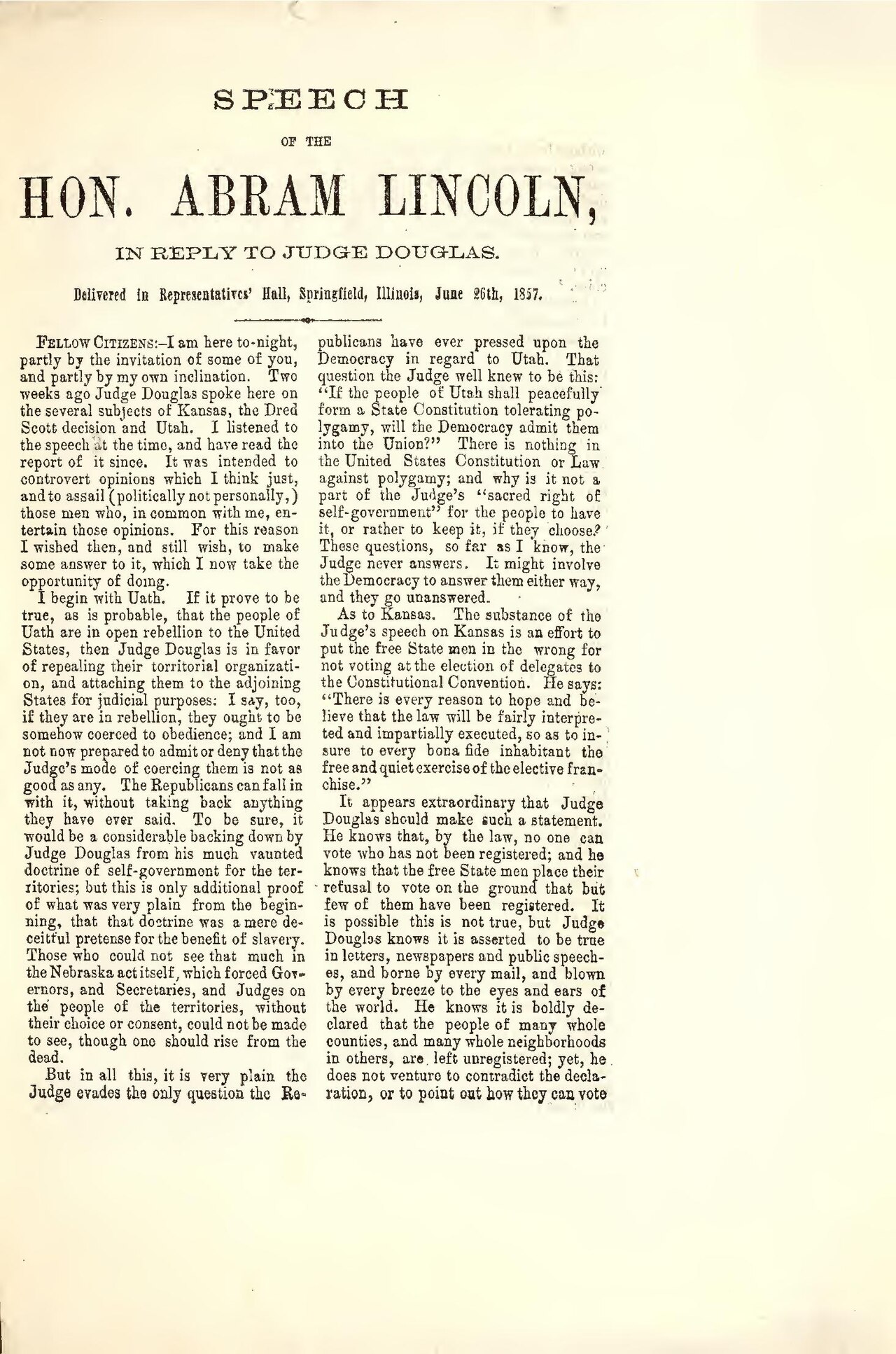
Title page of the printed pamphlet 'Speech of the Hon. Abram Lincoln, in reply to Judge Douglas', delivered in Representatives' Hall, Springfield, Illinois, June 26th, 1857. Below the title, the first page of text appears in two columns.Speech

Primary source

Speech in Reply to Judge Douglas on the Dred Scott Decision

Abraham Lincoln · 26 June 1857

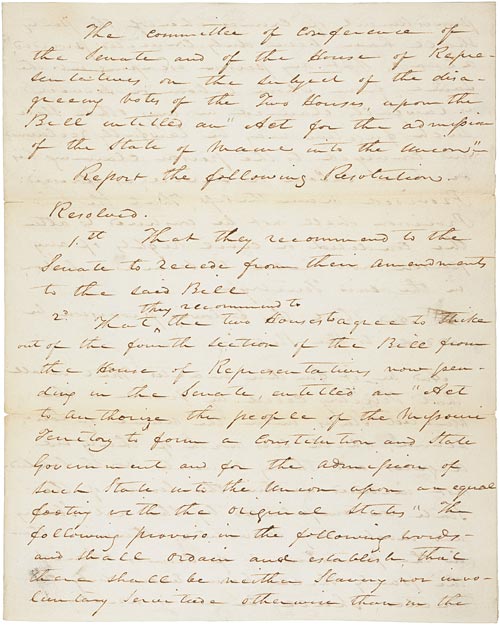
Handwritten manuscript page in brown ink on aged paper, the conference committee report on the Missouri Compromise. Text begins 'The committee of conference of the Senate and of the House of Representatives' and continues with resolutions about the Missouri bill and Maine statehood.Document

Primary source

Missouri Compromise Conference Committee Report

1 March 1820

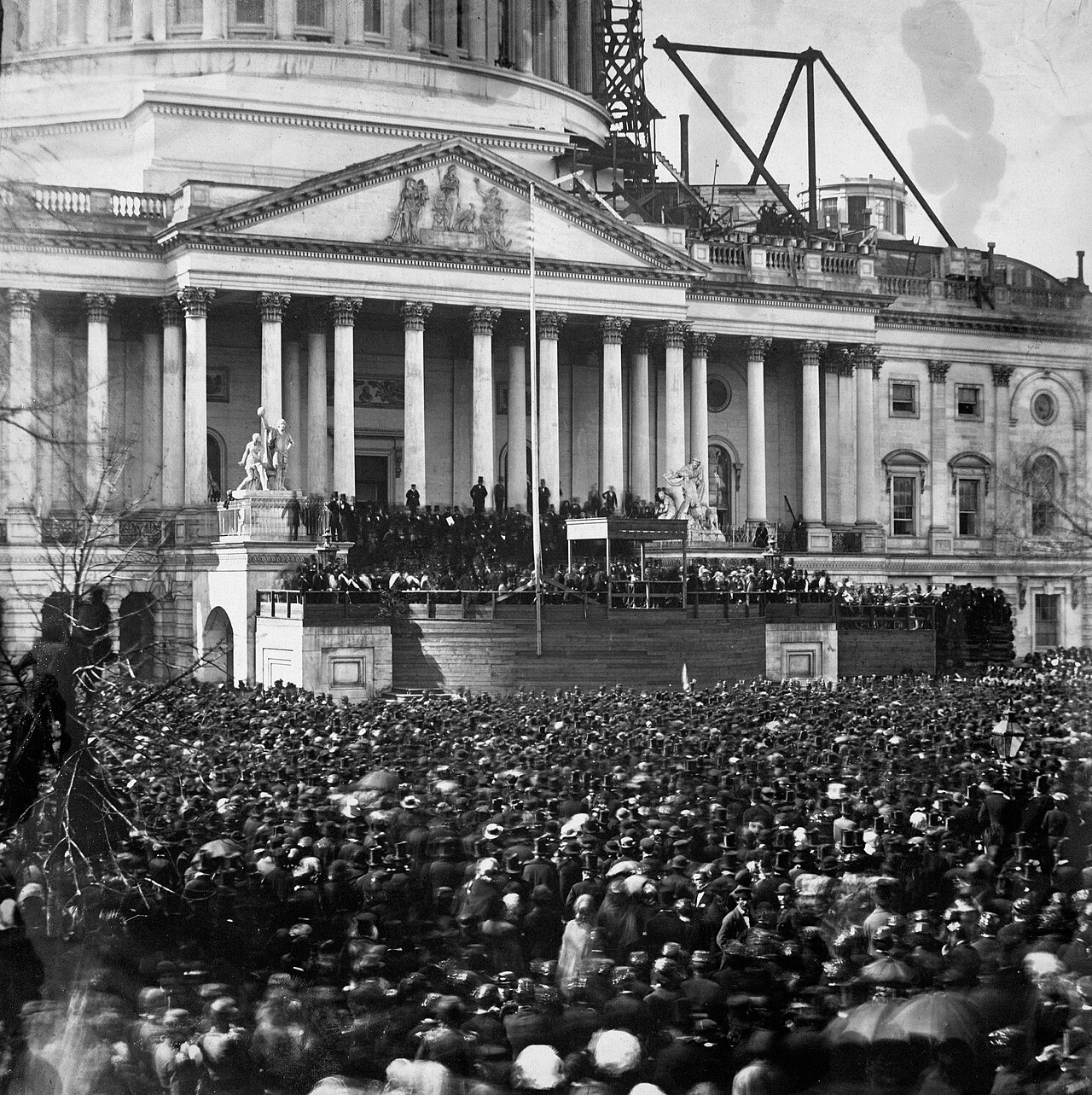
Black and white photograph of a large crowd gathered before the U.S. Capitol building with its columns and partially built dome, with a wooden inaugural platform and canopy in front of the crowd where a speaker stands.Speech

Primary source

Abraham Lincoln's First Inaugural Address

Abraham Lincoln · 4 March 1861

Document

Primary source

Luther v. Borden Opinion

Roger B. Taney · 1849

Oil portrait of an elderly man with gray hair and a pale face, dressed in a black coat and white collar, seated with one hand resting on a closed book against a red draped curtain.Painting

Primary source

Roger Taney

George Peter Alexander Healy

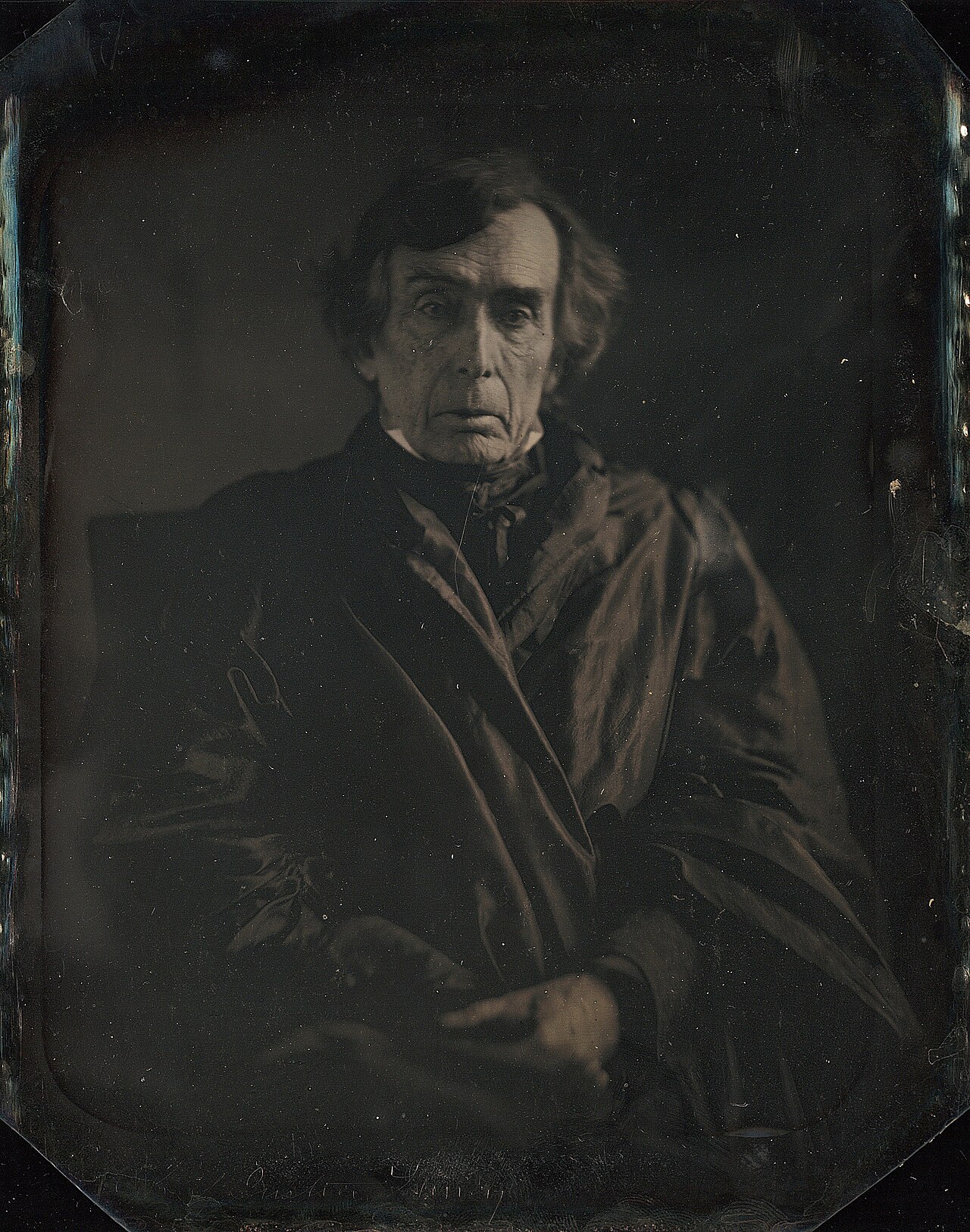
Sepia-toned daguerreotype portrait of an elderly man with disheveled gray-brown hair, wearing a dark coat with a lighter draped shawl or cape and a high white collar with a dark cravat. He gazes directly at the viewer with a stern expression; the image is framed by a worn metal mat.Photograph

Primary source

Roger B. Taney by Mathew Brady

Mathew Benjamin Brady · March 1849

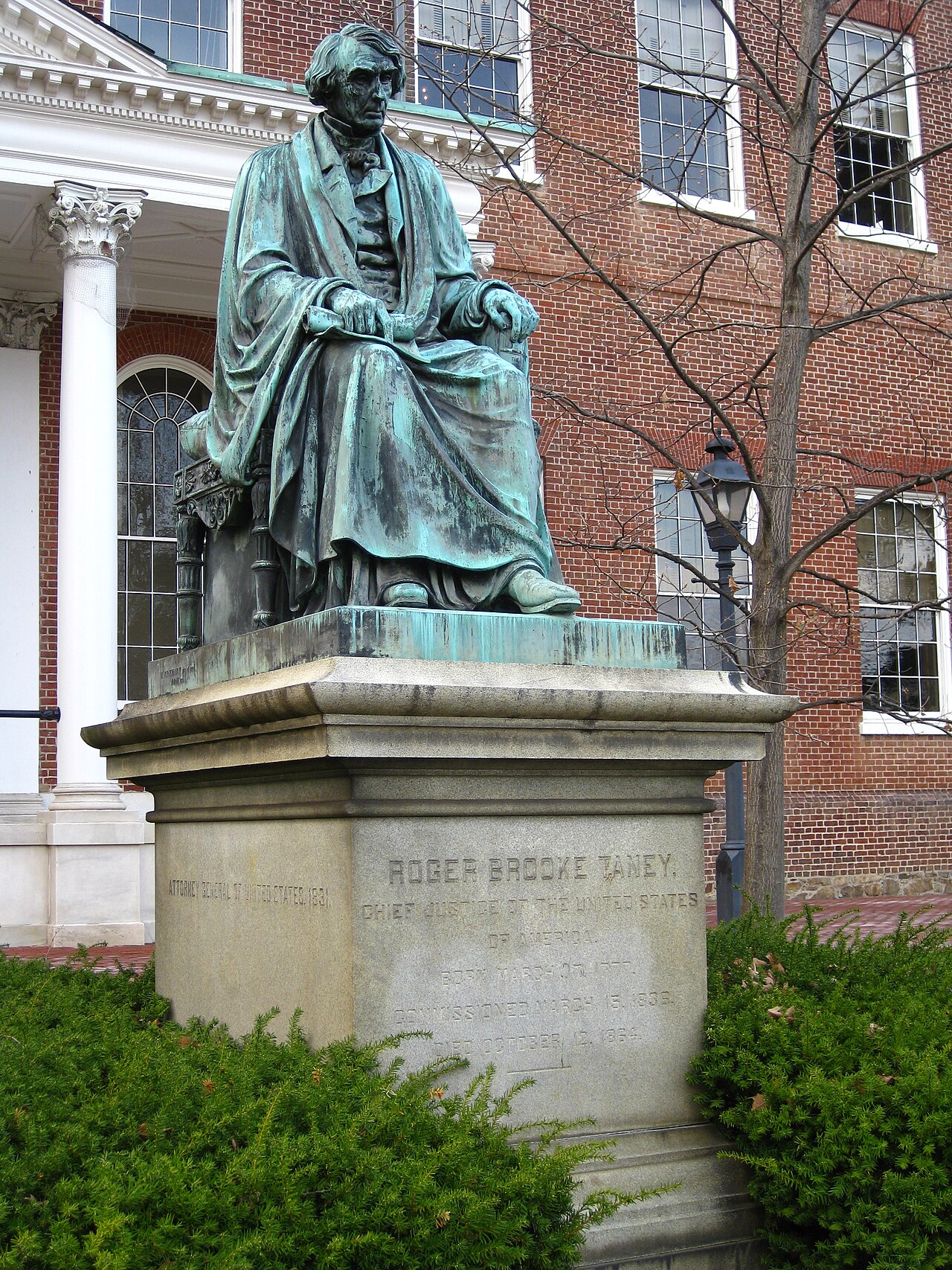
Bronze seated statue of a man in robes, weathered green patina, on a granite pedestal inscribed with the name Roger Brooke Taney, Chief Justice of the United States, with brick building and white columns behind, bare tree and shrubs in front.Sculpture

Secondary source

Roger B. Taney Monument

William Henry Rinehart · 1872; removed 2017

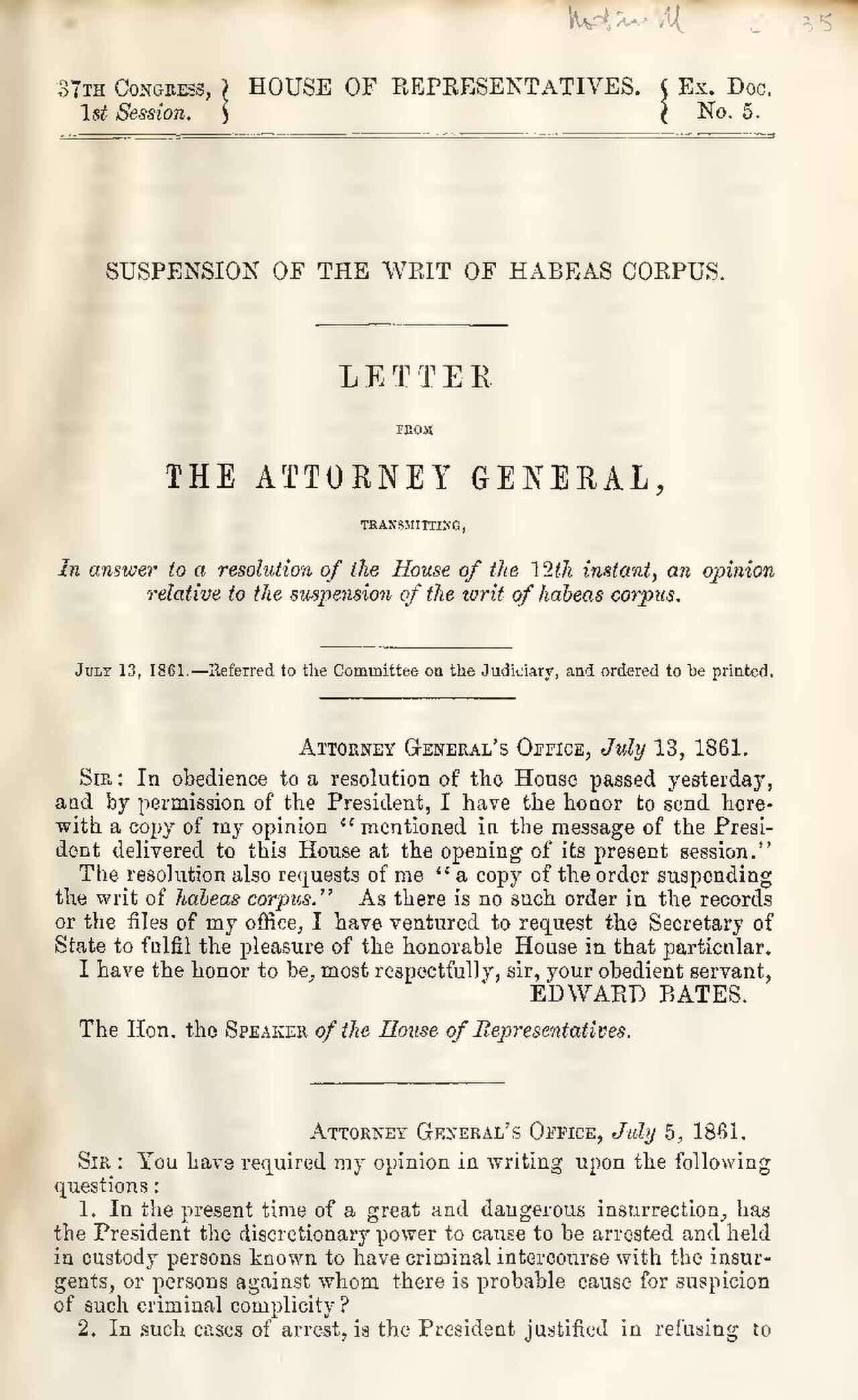
Scanned first page of a printed 1861 House of Representatives Executive Document No. 5, titled Suspension of the Writ of Habeas Corpus, a letter from Attorney General Edward Bates transmitting his opinion dated July 5, 1861. The page is mostly printed text in serif type.Document

Primary source

Attorney General Edward Bates's Opinion on the Suspension of the Writ of Habeas Corpus

Edward Bates · 5 July 1861

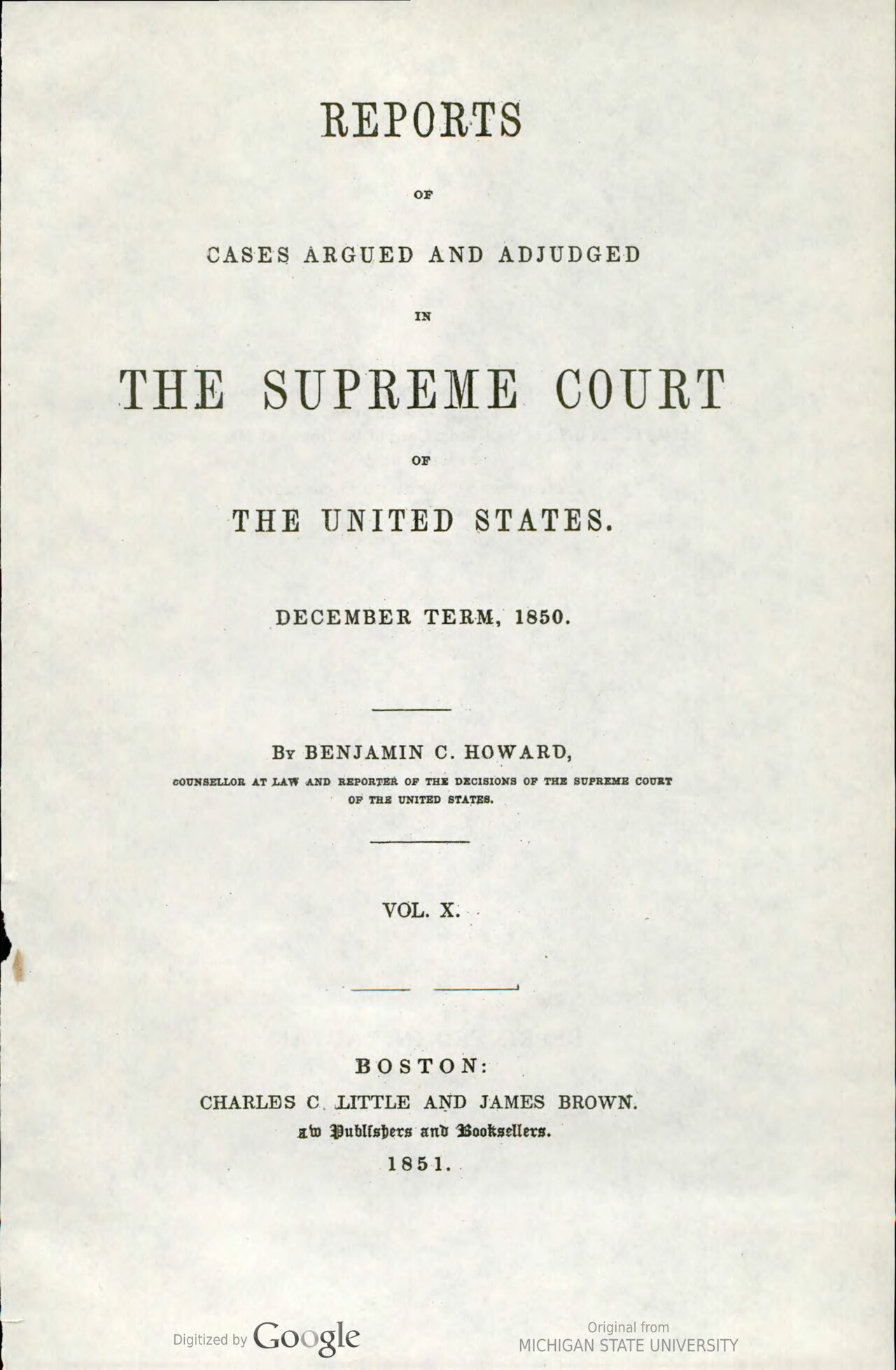
Title page of Reports of Cases Argued and Adjudged in the Supreme Court of the United States, December Term 1850, by Benjamin C. Howard, Volume X, published in Boston by Charles C. Little and James Brown, 1851. Google and Michigan State University digitization watermarks appear at the bottom.Document

Primary source

Strader v. Graham Opinion

Roger B. Taney · 1851

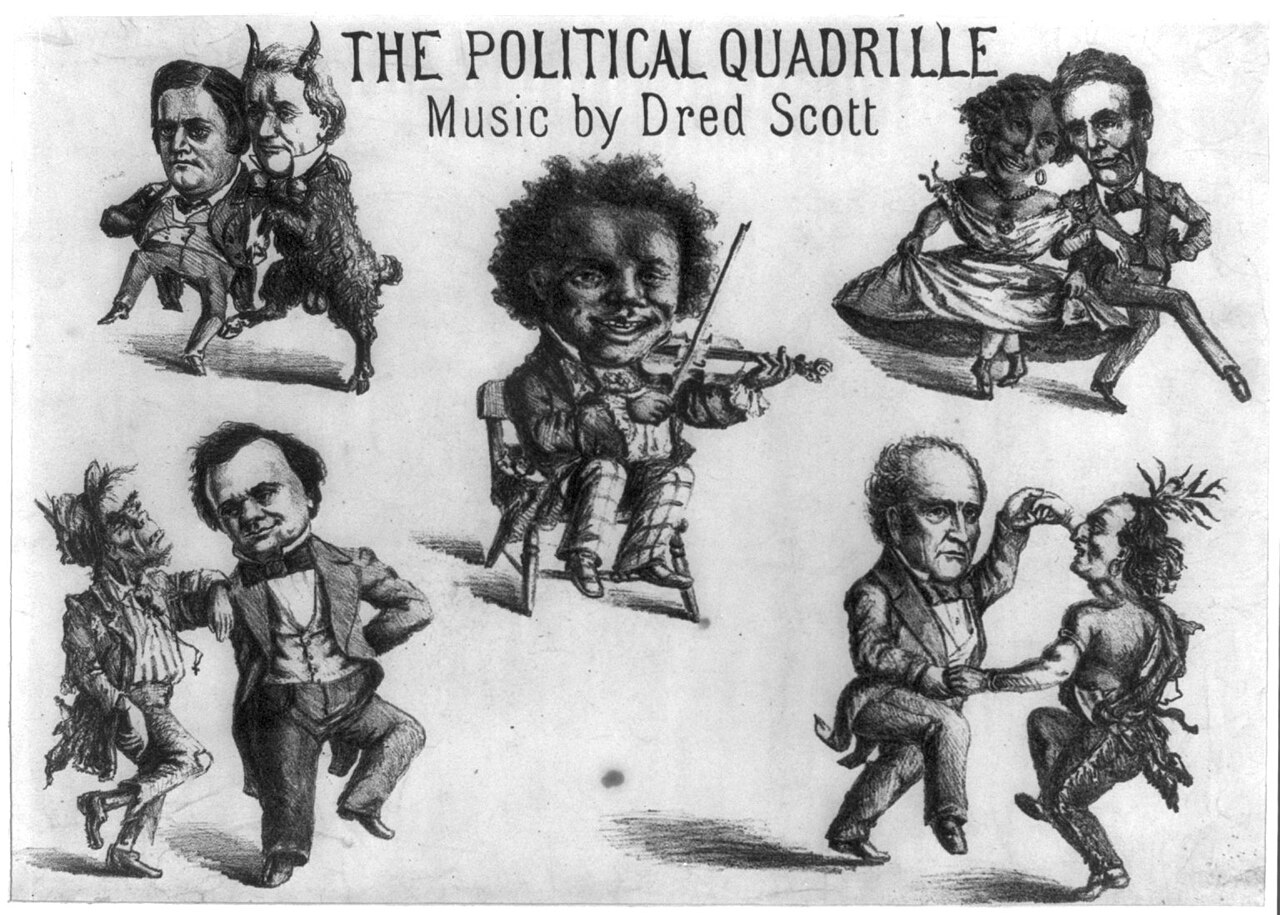
Black-and-white lithograph titled 'The Political Quadrille. Music by Dred Scott.' Five caricatured figures in comic poses: top left, two men on a horse-like figure; top right, a man with a woman in a dress; center, a Black figure with exaggerated features playing violin seated on a chair; bottom left and right, two men dancing, one wearing feathers.Painting

Primary source

The Political Quadrille. Music by Dred Scott

American 18th and 19th century cartoons · 1860

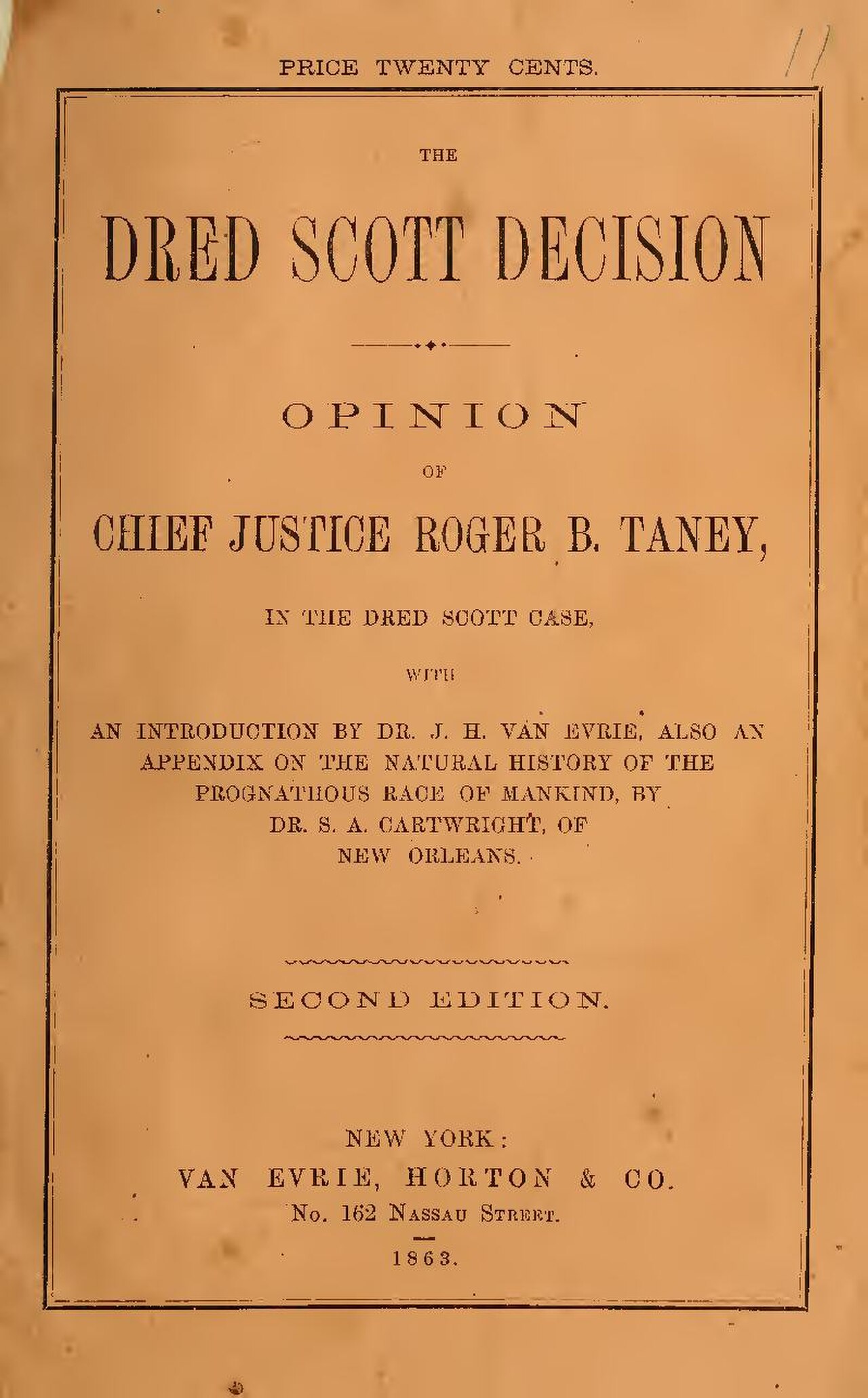
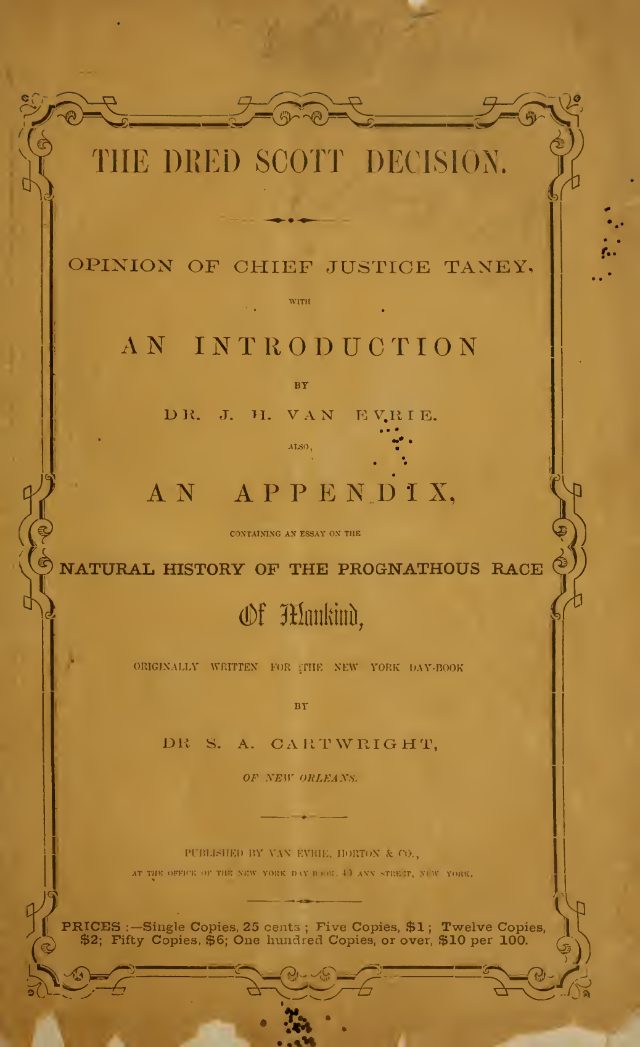
Title page of a book, orange-tan paper with a double-ruled border. Text reads: 'Price Twenty Cents' at top; 'The Dred Scott Decision, Opinion of Chief Justice Roger B. Taney, in the Dred Scott Case, with an Introduction by Dr. J. H. Van Evrie, also an Appendix on the Natural History of the Prognathous Race of Mankind, by Dr. S. A. Cartwright, of New Orleans.' 'Second Edition.' 'New York: Van Evrie, Horton & Co., No. 162 Nassau Street, 1863.'Book

Primary source

The Dred Scott Decision: Opinion of Chief Justice Taney

Roger B. Taney; John H. Van Evrie · 1860

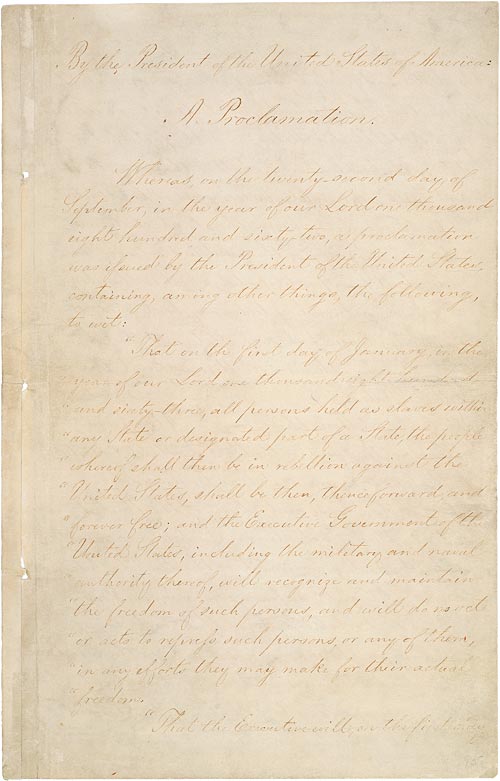
Handwritten manuscript page of the Emancipation Proclamation, headed 'By the President of the United States of America: A Proclamation,' in cursive script on aged cream paper, with the text beginning 'Whereas on the twenty-second day of September...'Document

Primary source

Emancipation Proclamation

Abraham Lincoln · 1 January 1863

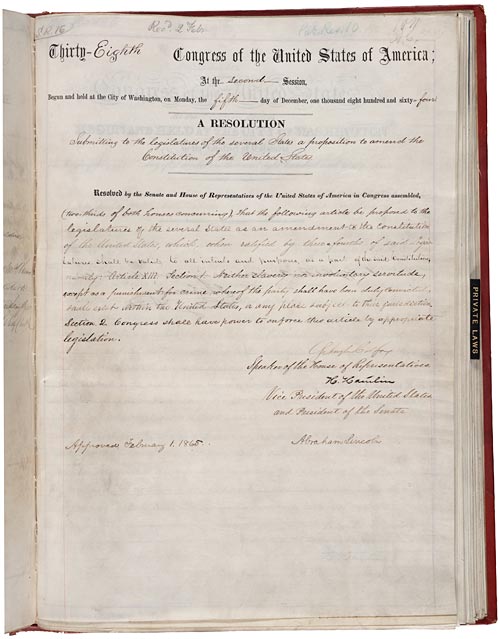
Scanned page of the 1865 joint resolution of the Thirty-Eighth Congress proposing the 13th Amendment, with the heading 'A Resolution Submitting to the Legislatures of the several States a proposition to amend the Constitution of the United States,' handwritten text, signatures of the Speaker and Vice President, and 'Approved February 1, 1865' at lower left.Document

Primary source

13th Amendment to the U.S. Constitution

1865

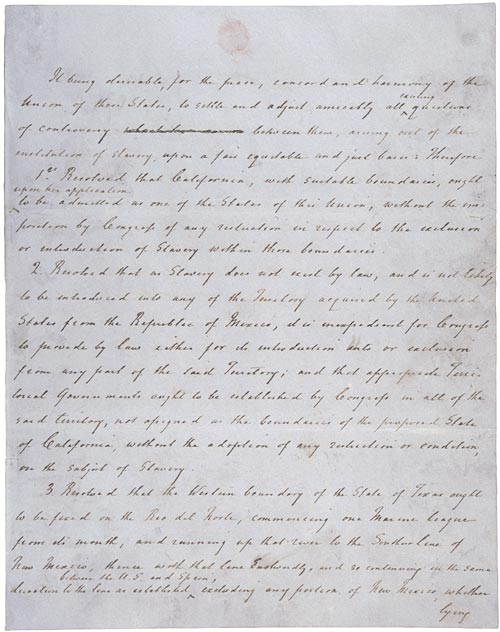
Handwritten manuscript on aged paper with cursive text and crossed-out words, showing the resolutions of the Compromise of 1850, including provisions on California statehood and slavery in the territories.Document

Primary source

Compromise of 1850

Henry Clay · 29 January 1850 (resolutions); statutes enacted September 1850

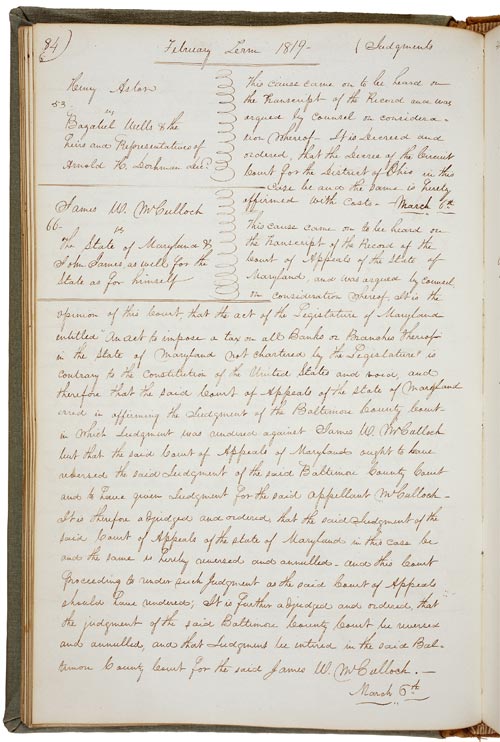
Handwritten page of the Supreme Court engrossed minutes dated February Term 1819, headed Judgments, recording the decree in McCulloch v. Maryland and the related case involving Henry Asher and the Bank of the United States. The text is in brown ink cursive with the page number 24 at top left and the date March 6th at the bottom.Document

Primary source

McCulloch v. Maryland

John Marshall · 6 March 1819

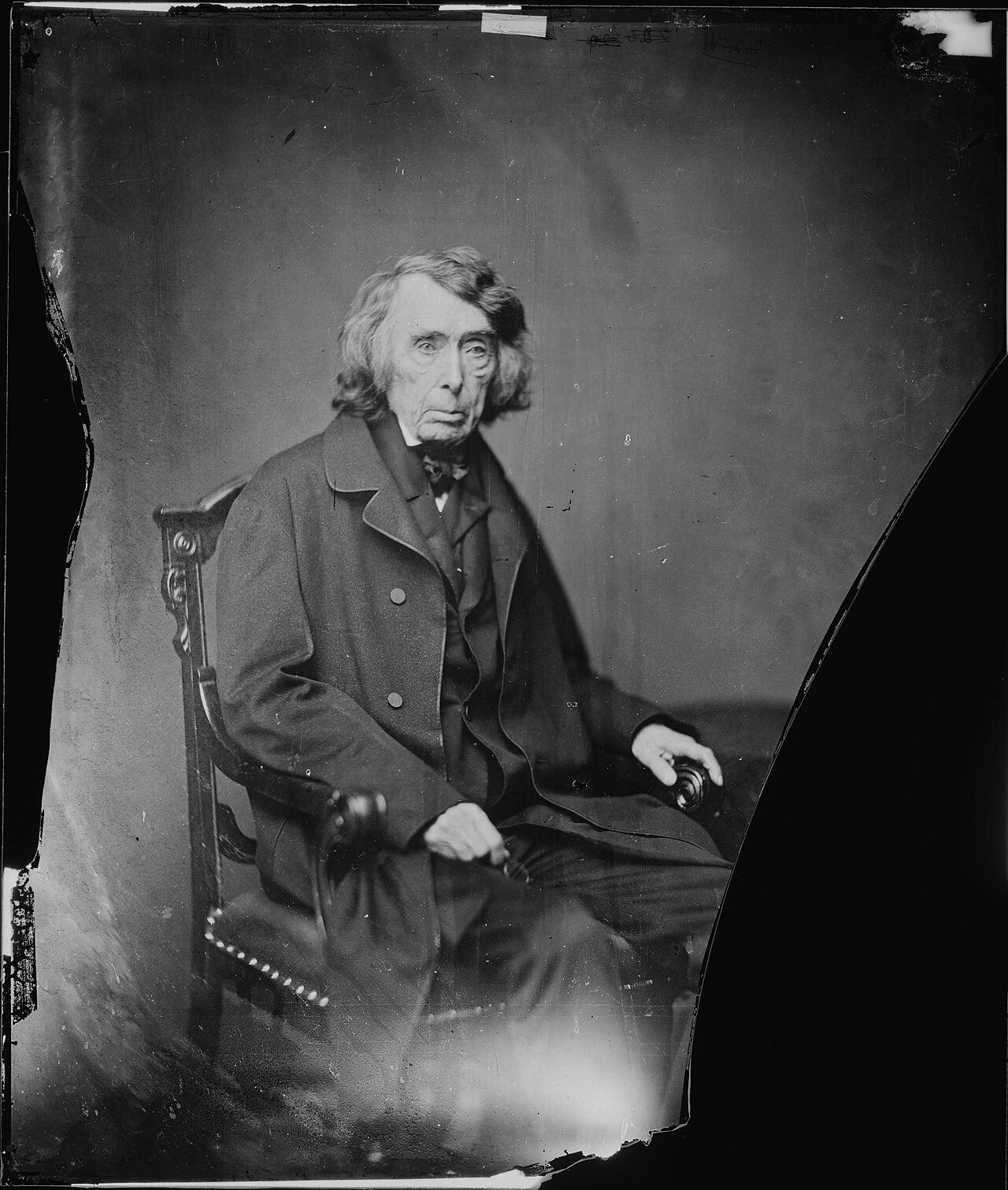
Black and white photograph of an elderly man with wavy hair and wire-rimmed glasses, seated in a carved wooden chair, wearing a long dark overcoat and bow tie, hands resting on the chair arms, against a plain studio backdrop. The glass plate negative shows cracked and damaged edges.Photograph

Primary source

Justice Roger B. Taney, Supreme Court, U.S

Mathew Benjamin Brady

Document

Primary source

Prigg v. Pennsylvania concurring opinion

Roger B. Taney · 1842

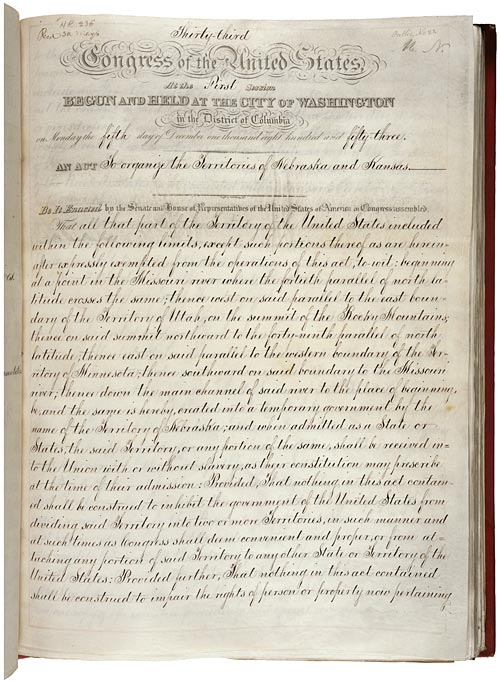
Handwritten manuscript page of the Kansas-Nebraska Act, headed 'Thirty-third Congress of the United States, First Session, begun and held at the city of Washington, December 1853,' with the title 'An Act to organize the Territories of Nebraska and Kansas' in ornate script.Document

Primary source

Kansas-Nebraska Act

United States Congress · 1854

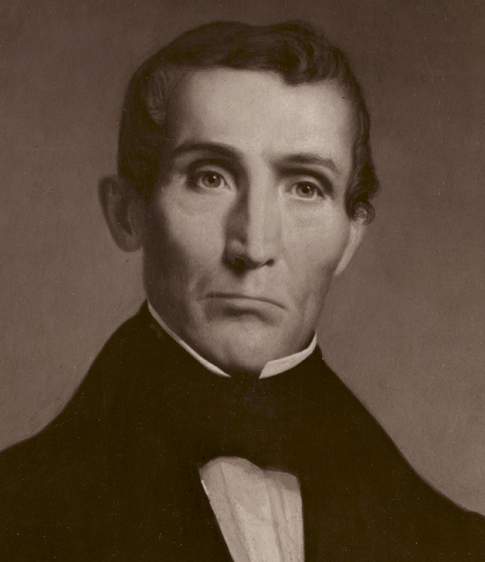
Sepia-toned painted portrait of a man with short dark hair, brown eyes, and a stern, unsmiling expression. He wears a dark coat, high-collared white shirt, and white cravat, against a plain brownish background.Painting

Primary source

Roger B. Taney c.1836

Unknown · c. 1836

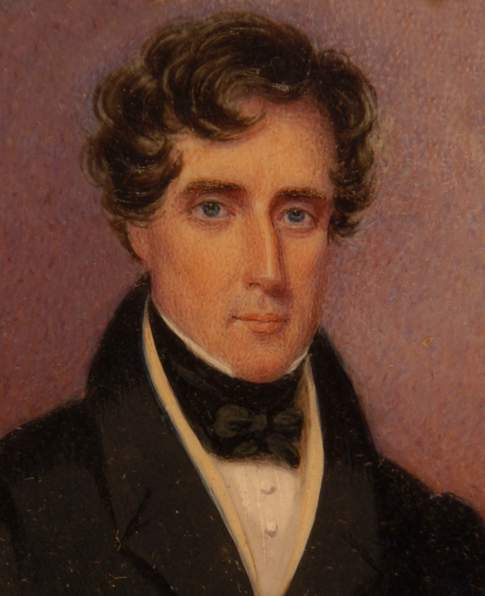
Painted miniature portrait of a man with wavy dark hair, blue eyes, and a serious expression, wearing a dark jacket, white shirt, and black bow tie, against a mauve background.Painting

Primary source

Taney-1825

Unknown · c. 1825

Black-and-white engraved portrait of an older man with wavy, swept-back hair, a high collar and cravat, and a dark coat, against a pale background. Script caption below reads Roger B. Taney.Painting

Secondary source

Portrait of Roger B. Taney

Bureau of Engraving and Printing

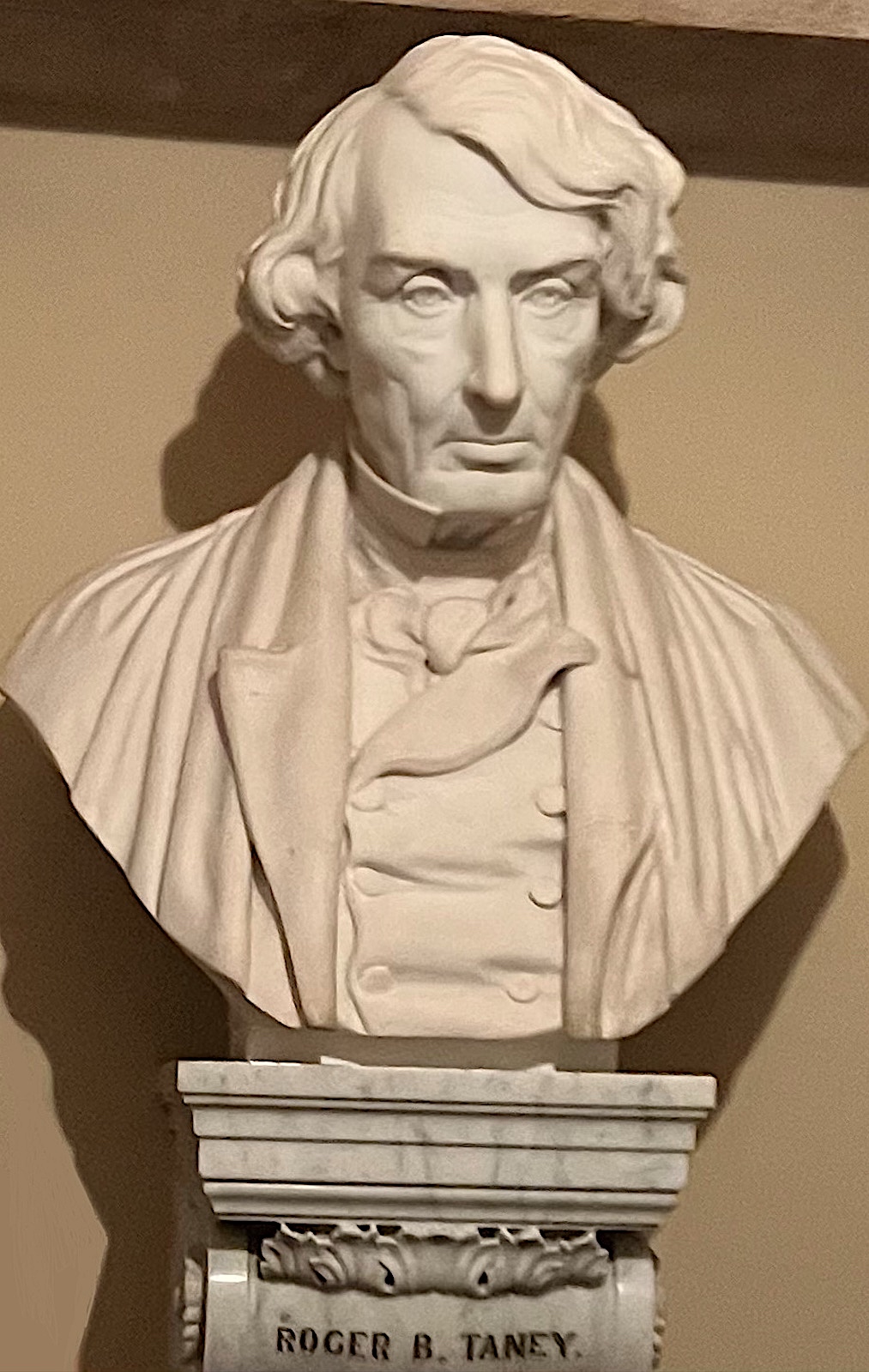
White marble bust of a man with wavy hair, a stern expression, high collar, cravat and buttoned waistcoat, mounted on a stepped marble pedestal inscribed ROGER B. TANEY against a tan wall.Sculpture

Secondary source

Roger Taney Old Supreme Court bust

Unknown

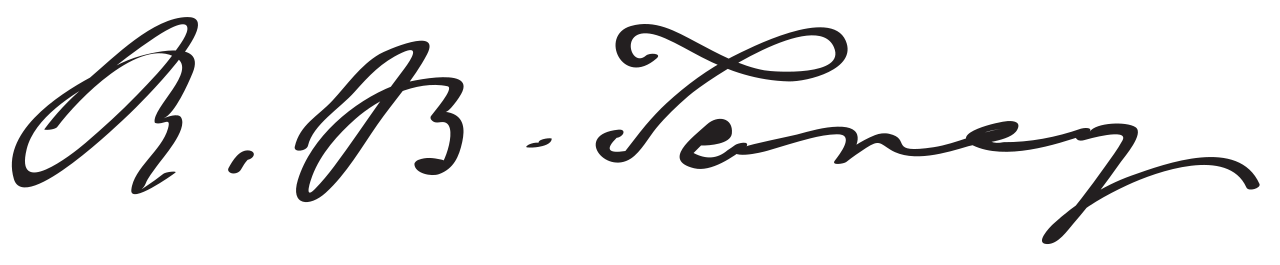
Black handwritten cursive signature on a white background, reading roughly 'R. B. Taney', with flowing loops and a long tail trailing to the right.Artifact

Primary source

Signature of Roger B. Taney

Roger B. Taney

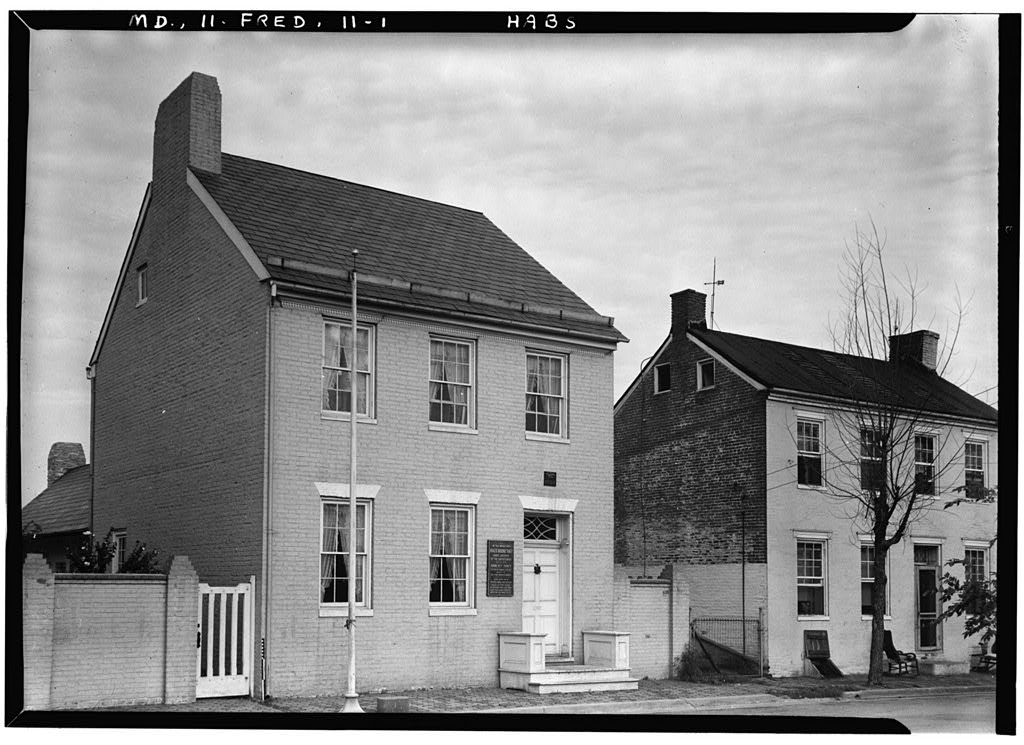
Black-and-white HABS photograph of a two-story brick house with a steep roof and tall chimney, with a small plaque beside the white front door, a white picket gate and brick wall at left, and a neighboring house at right.Photograph

Secondary source

Roger Brooke Taney House

E. H. Pickering · 1936

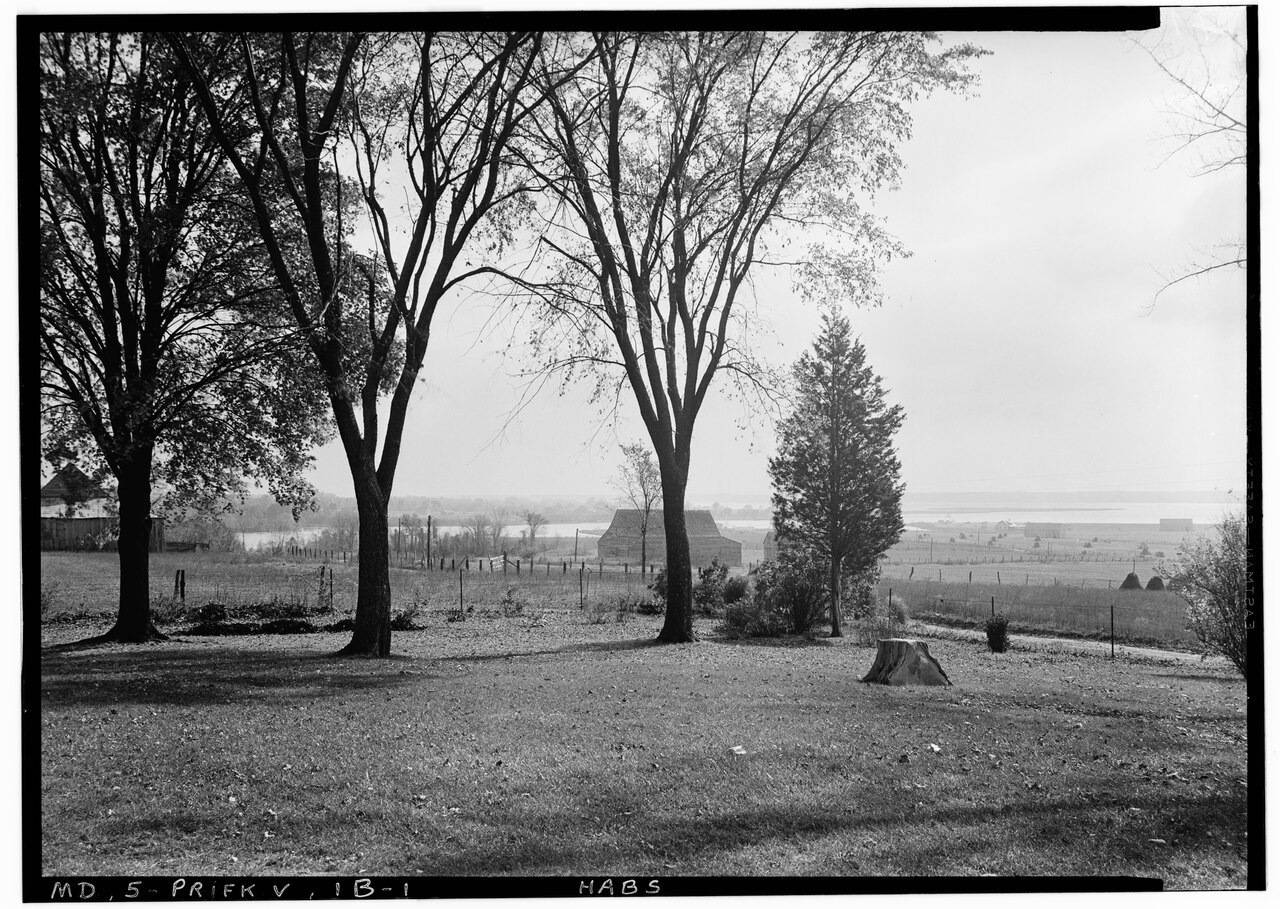
Black and white photograph of a lawn with several tall bare-branched trees, a conifer, and a stump in the foreground. Beyond a fence line, a barn and open fields stretch toward a distant body of water under a pale sky. Label at bottom reads MD,5-PRIFK,V,1B-1 and HABS.Photograph

Secondary source

Birthplace of Roger Brooke Taney, Calvert County

E. H. Pickering · November 1936

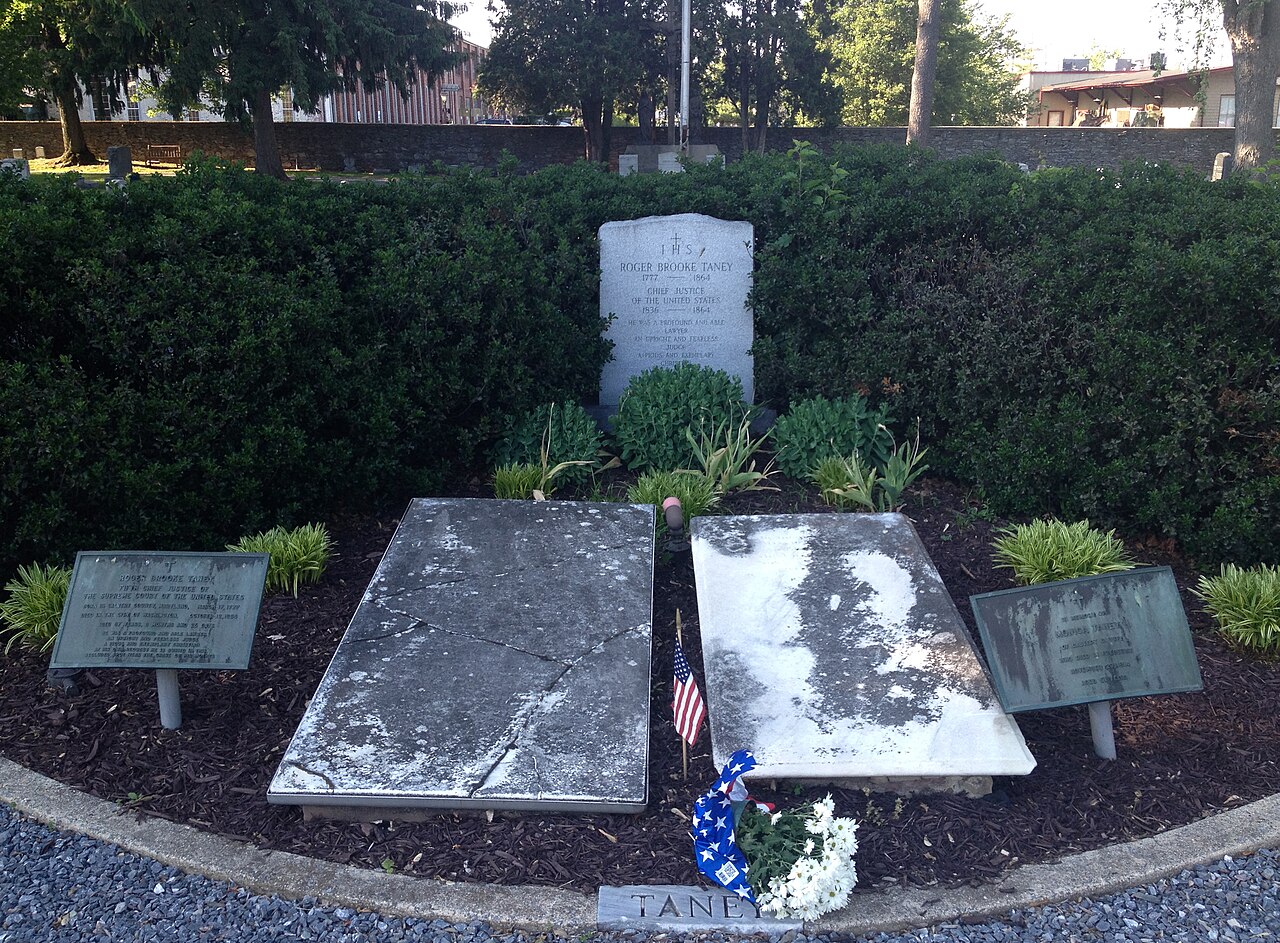
Grave site of Roger Brooke Taney in a landscaped bed with dark mulch and a dark hedge behind. An upright white headstone reads Roger Brooke Taney, Chief Justice of the United States. Two flat grey slabs lie in front, with two bronze plaques on stands, a small American flag, and a wreath of white flowers with blue ribbon. A stone marker reading TANEY sits at the bottom edge.Artifact

Secondary source

Grave of Roger B. Taney

Veggies

Document

Primary source

Holmes v. Jennison Opinion

Roger B. Taney · 1840

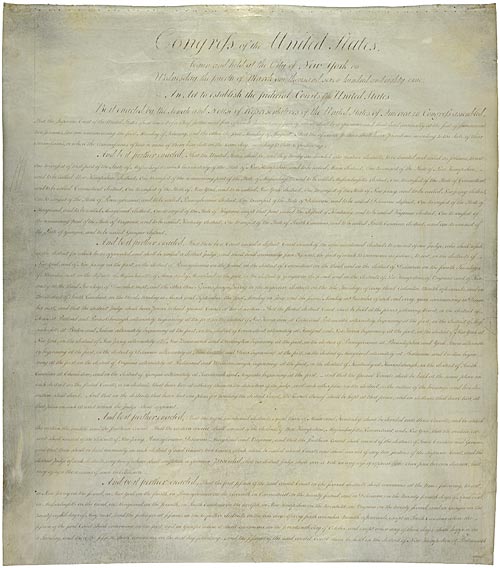
Scan of a handwritten engrossed manuscript page headed 'Congress of the United States' with copperplate script, reading 'An Act to establish the Judicial Courts of the United States'. The parchment is aged and yellowed with dense lines of text.Document

Primary source

Federal Judiciary Act

United States Congress · 24 September 1789

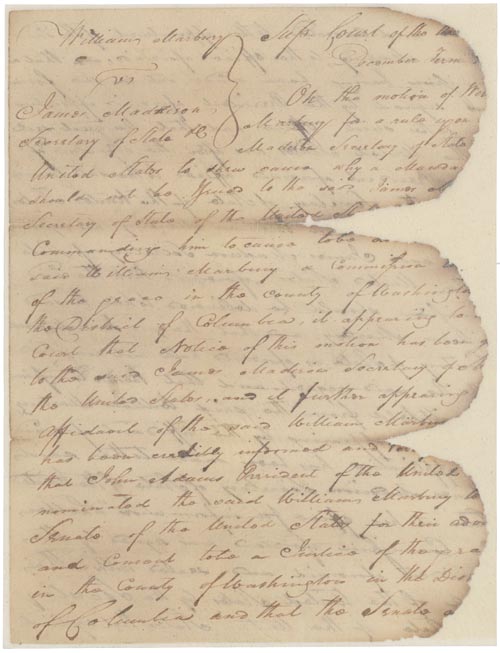
Handwritten manuscript page, brown and aged, with burned or torn edges. It reads 'William Marbury vs James Madison, Secretary of State of the United States,' and is a show-cause order about a writ of mandamus, in cursive.Document

Primary source

Marbury v. Madison

1803

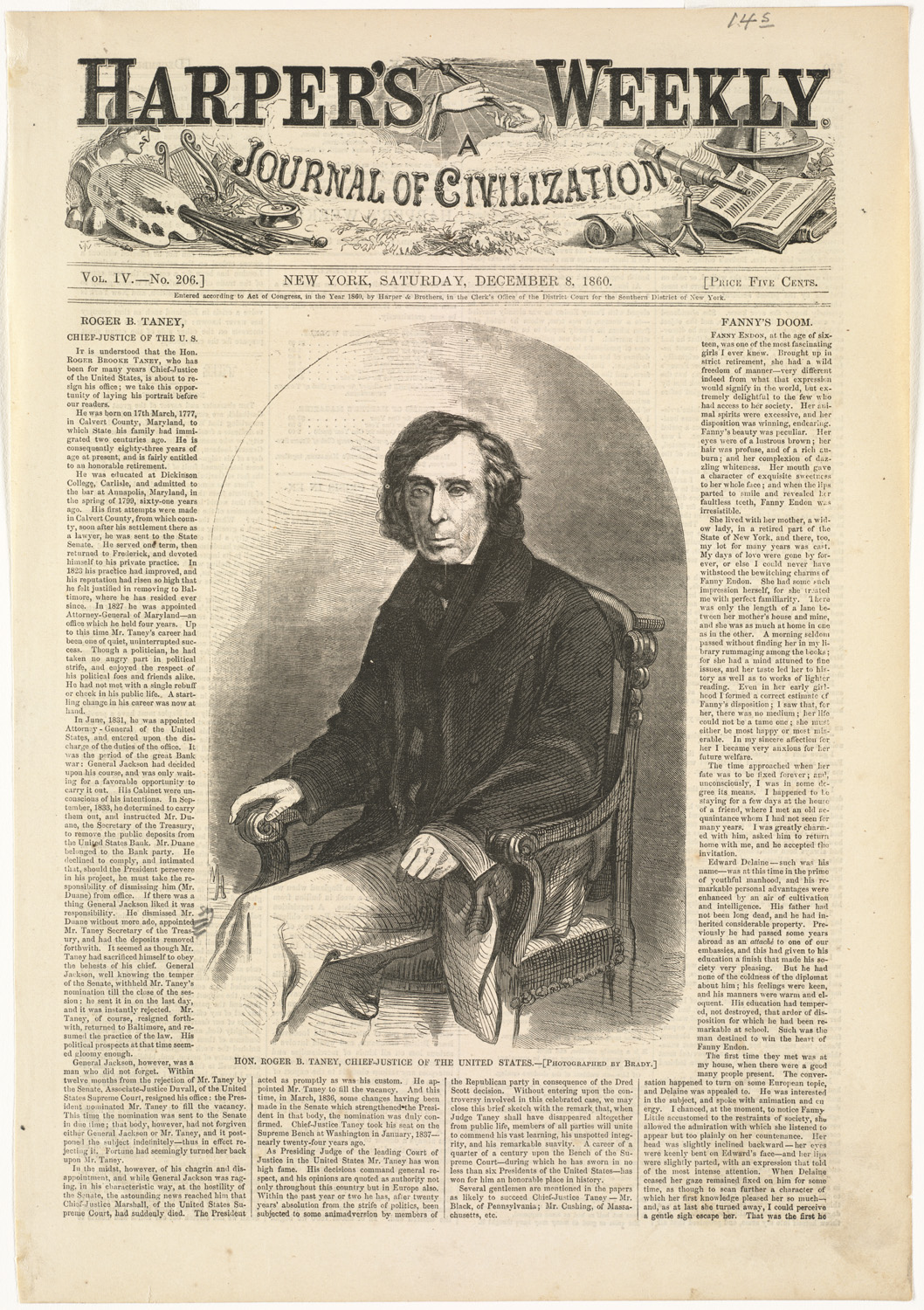
Page from Harper's Weekly, December 8, 1860, showing a wood engraved portrait of Roger B. Taney, Chief Justice of the United States, seated in a chair, with the article's columns of text on either side.Painting

Primary source

Hon. Roger B. Taney, Chief Justice of the United States

Winslow Homer · 8 December 1860

Document

Tertiary source

Appletons' Cyclopædia of American Biography: Taney, Roger Brooke

1889

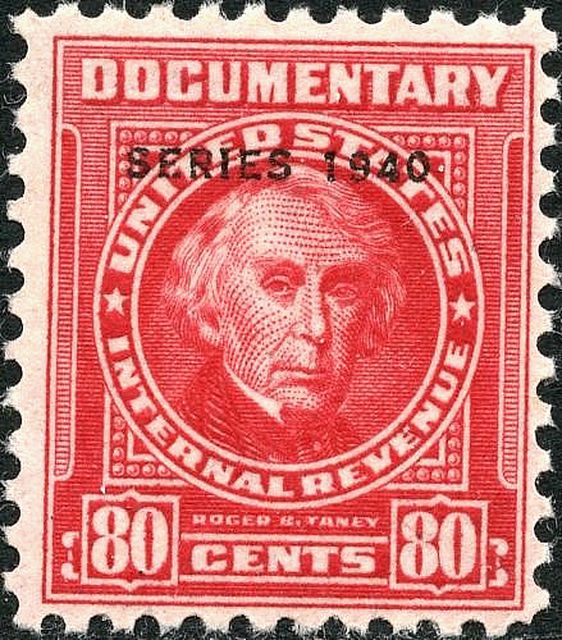
Red U.S. Documentary Internal Revenue stamp, 80 cents, Series 1940, with an engraved portrait of Roger B. Taney in the central oval, inscribed United States and Internal Revenue, with 80 cents values in the lower corners.Artifact

Secondary source

R.B. Taney Revenue Stamp, 80 Cents, 1940 Issue

U.S. Bureau of Engraving and Printing · 1940

The Dred Scott Decision: Opinion of Chief Justice TaneyDocument

Primary source

The Dred Scott Decision: Opinion of Chief Justice Taney

Roger B. Taney · 1859

Book

Primary source

Reports of Cases in the Circuit Court for Maryland

Roger B. Taney · 1871

Decision of Chief Justice Taney in the Merryman Case, Upon Habeas CorpusDocument

Primary source

Decision of Chief Justice Taney in the Merryman Case, Upon Habeas Corpus

Roger B. Taney · 1862

Book

Secondary source

Life of Roger Brooke Taney

Bernard C. Steiner · 1922

Document

Primary source

Ableman v. Booth Opinion

Roger B. Taney · 1856

Document

Primary source

Garcia v. Lee Opinion

Roger B. Taney

Document

Primary source

In the Matter of the United States v. Booth, Opinion of the Court

Roger B. Taney · 1859

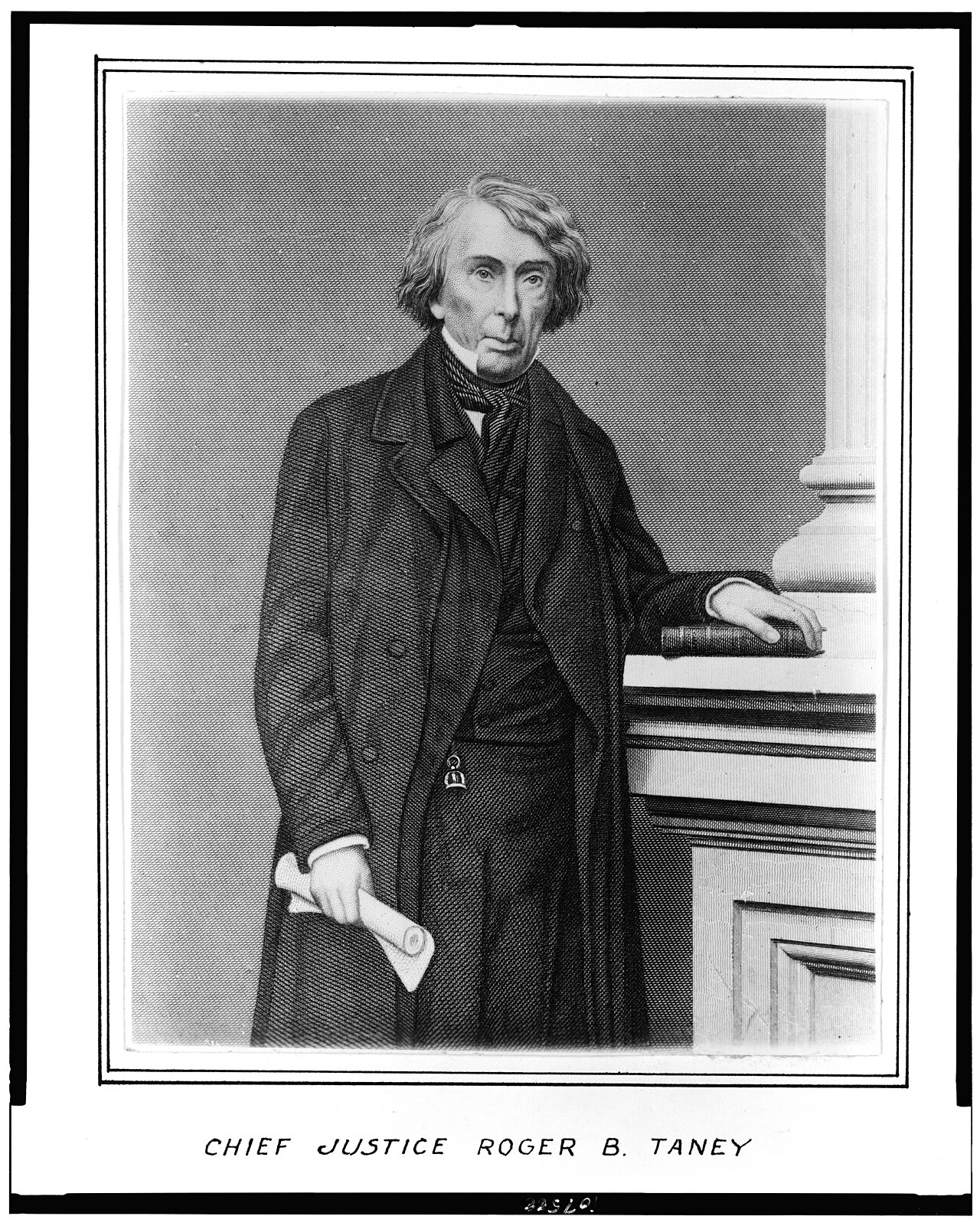
Engraving of a standing older man with wavy light hair, wearing a long dark overcoat, high white collar and dark cravat. He holds a rolled paper in one hand and rests the other on a book atop a stone pedestal beside a column. Printed caption below reads CHIEF JUSTICE ROGER B. TANEY.Painting

Primary source

Chief Justice Roger B. Taney Engraving

1850

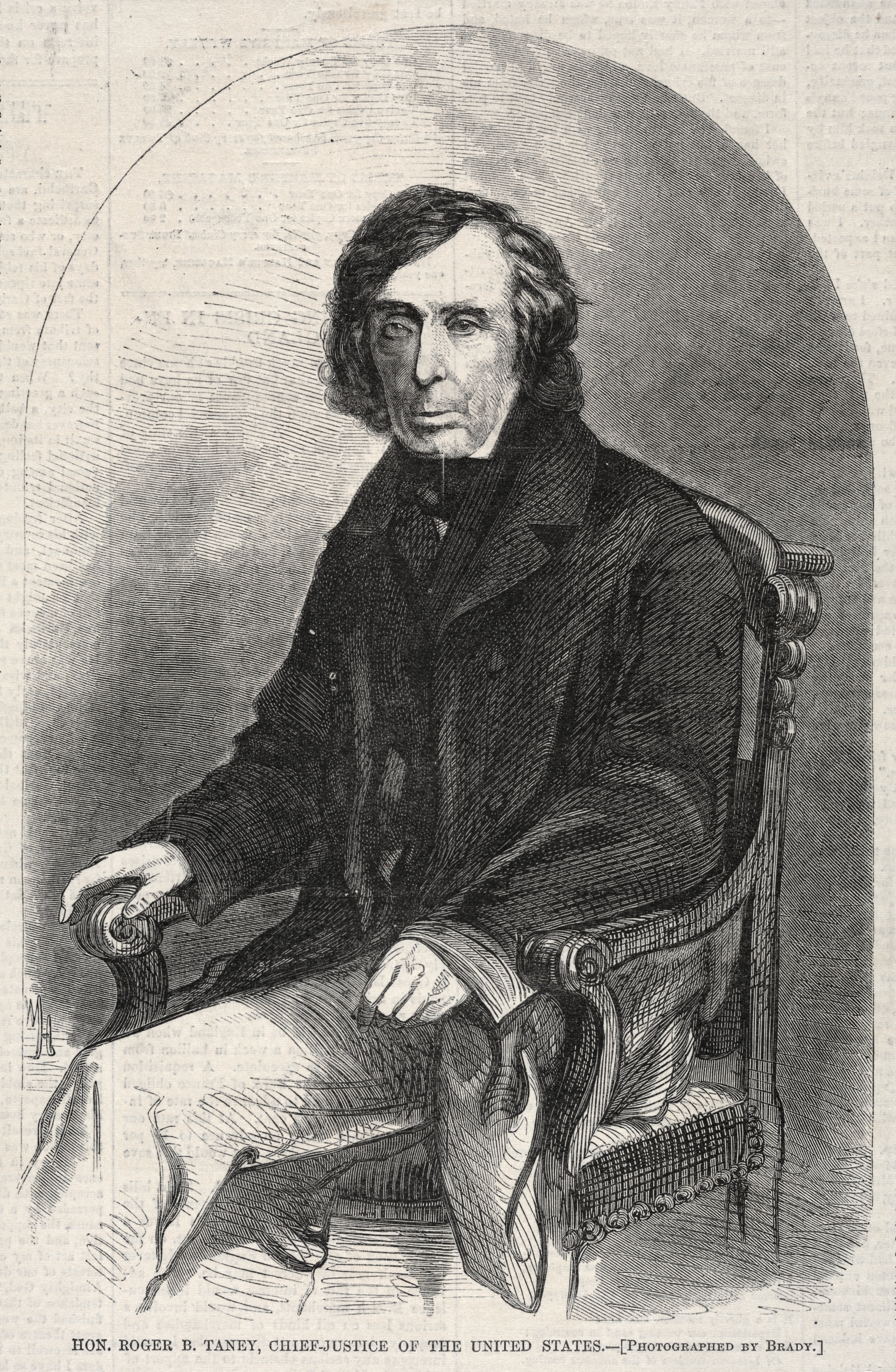
Engraved portrait of a seated man with shoulder-length dark hair, wearing a dark coat and high collar, resting one hand on a carved chair arm. An arched background frames him. Caption below reads: Hon. Roger B. Taney, Chief Justice of the United States, Photographed by Brady.Painting

Primary source

Hon. Roger B. Taney, Chief Justice of the United States

Winslow Homer · 1860

Grayscale scan of a handwritten cover sheet reading 'Missouri C.C.U.S., No. 7, Dred Scott, plff in Err, vs. John F. A. Sandford, Filed 30th December 1854, Dismissed for want of jurisdiction, March 6th 1857', with dark smudges along the edges and bottom.Document

Primary source

Cover Sheet Summarizing Disposition of the Dred Scott Case

Unknown author · 6 March 1857

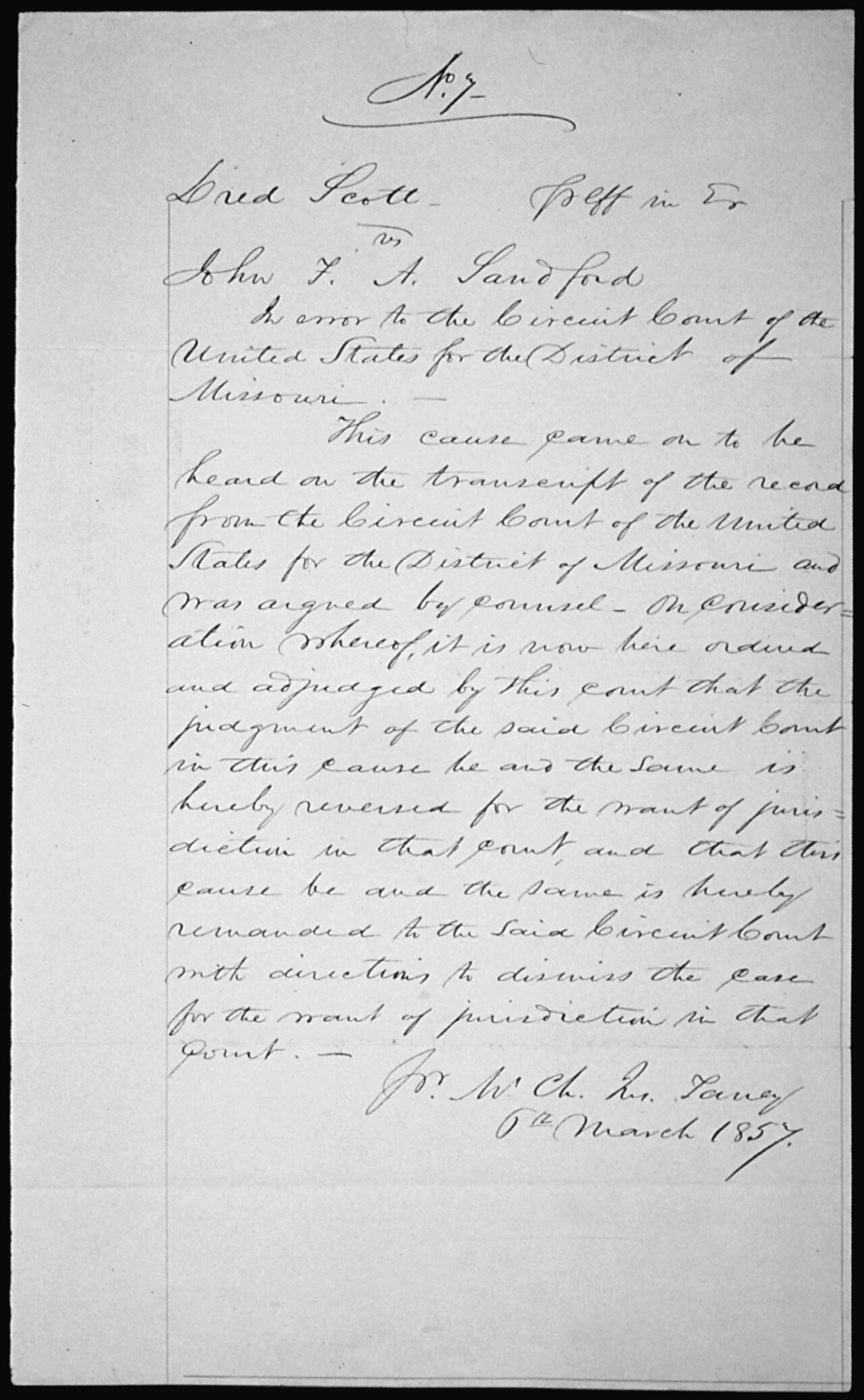
Handwritten manuscript judgment on lined paper, headed 'No. 7' with the case caption 'Dred Scott vs. John F. A. Sandford' and text reversing the circuit court for want of jurisdiction, signed 'Roger B. Taney' and dated '6th March 1857'.Document

Primary source

Judgment in Dred Scott v. Sandford

Roger B. Taney · 6 March 1857

Address of Mr. S. Teackle Wallis on Roger B. TaneySpeech

Secondary source

Address of Mr. S. Teackle Wallis on Roger B. Taney

S. Teackle Wallis · 1872

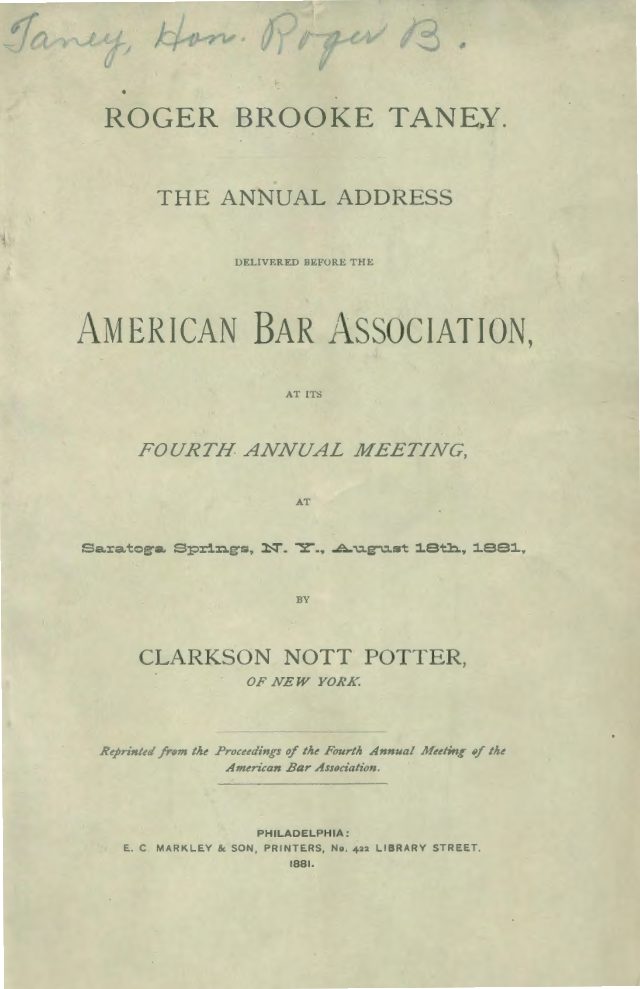
Roger Brooke Taney: Annual Address to the American Bar AssociationSpeech

Secondary source

Roger Brooke Taney: Annual Address to the American Bar Association

Clarkson Nott Potter · 1881

Document

Primary source

The Garonne, Supreme Court Opinion

Roger B. Taney · 1837

Document

Primary source

In re Thomas Kaine, an Alleged Fugitive from Great Britain

Roger B. Taney · 1853

Document

Primary source

United States v. Yates

Roger B. Taney

Document

Primary source

Ex parte Secombe

Roger B. Taney

Speech

Primary source

Speech on a Bust of Chief Justice Taney

Charles Sumner · 23 February 1865

Book

Tertiary source

Taney, Roger Brooke (The American Cyclopaedia)

1879

Book

Tertiary source

Taney, Roger Brooke (Encyclopaedia Britannica, 9th edition)

Alexander Johnston · 1888

Black-and-white portrait of an older man with wavy, tousled hair, a high pale forehead, and a serious expression, wearing a dark coat with a high collar and a white shirt front. Grey background.Painting

Primary source

Roger B. Taney portrait, circa 1855

circa 1855

Black-and-white portrait of an older man with swept-back gray hair, wearing a long dark coat, high white collar and dark cravat. He holds a rolled paper in one hand and rests his other hand on a book atop a pedestal beside a white column.Photograph

Primary source

Roger Brooke Taney portrait, Library of Congress

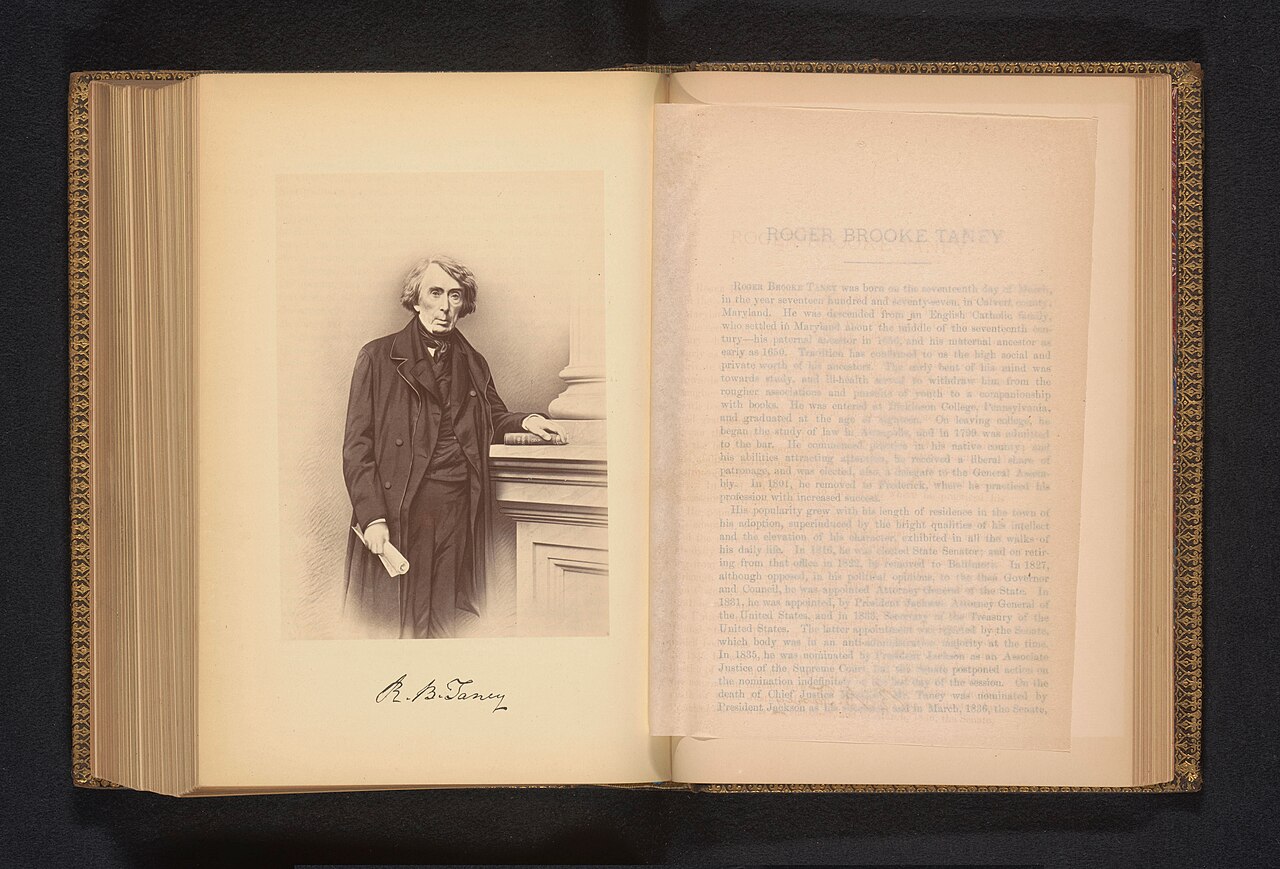
A large open book with gilt-edged pages showing a sepia photograph of Roger B. Taney, a standing man in a long dark coat holding a rolled paper, leaning on a stone pedestal. Signature 'R.B. Taney' below. Facing page has printed biographical text under the heading ROGER BROOKE TANEY.Photograph

Primary source

Photo reproduction of a Taney portrait, Rijksmuseum

Bendann Brothers · ca. 1866 - in or before 1871

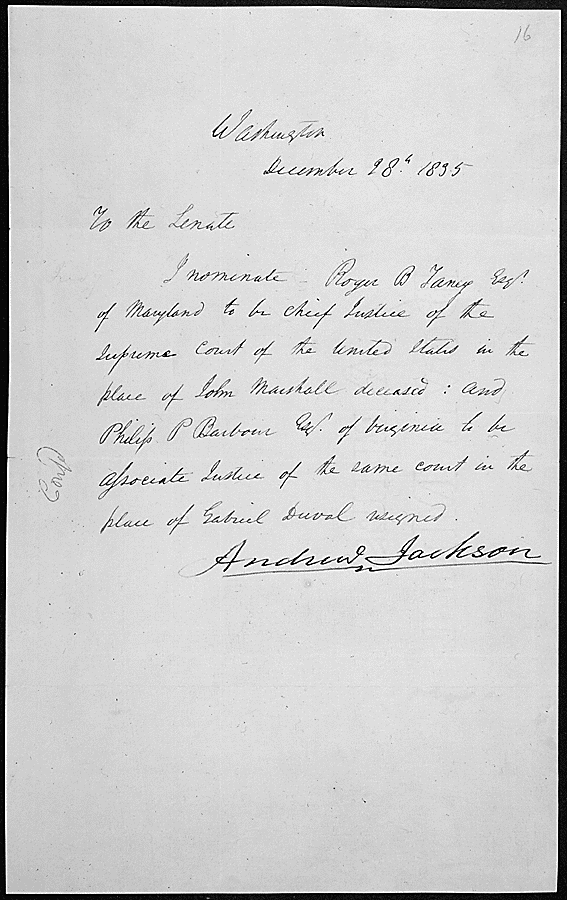
Handwritten nomination letter dated Washington, December 28, 1835, addressed To the Senate, nominating Roger B. Taney of Maryland as Chief Justice and Philip P. Barbour of Virginia as Associate Justice, signed Andrew Jackson.Document

Primary source

Message of President Andrew Jackson nominating Roger B. Taney and Philip B. Barbour, 1835

Andrew Jackson · 28 December 1835

Biographical sketches of eminent American patriots, including Roger Brooke Taney (1907)Book

Secondary source

Biographical sketches of eminent American patriots, including Roger Brooke Taney (1907)

Joseph Taggart · 1907

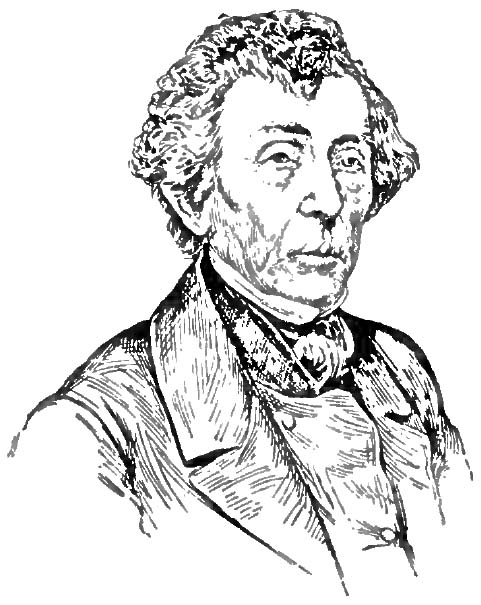
Black-and-white engraved line drawing of an older man with wavy, curly hair, a high forehead, and a stern expression, wearing a high-collared coat and cravat. Hatching lines shade his face and clothing.Painting

Secondary source

Portrait drawing of Roger B. Taney, Appletons' Cyclopaedia, 1889

Jacques Reich · 1889

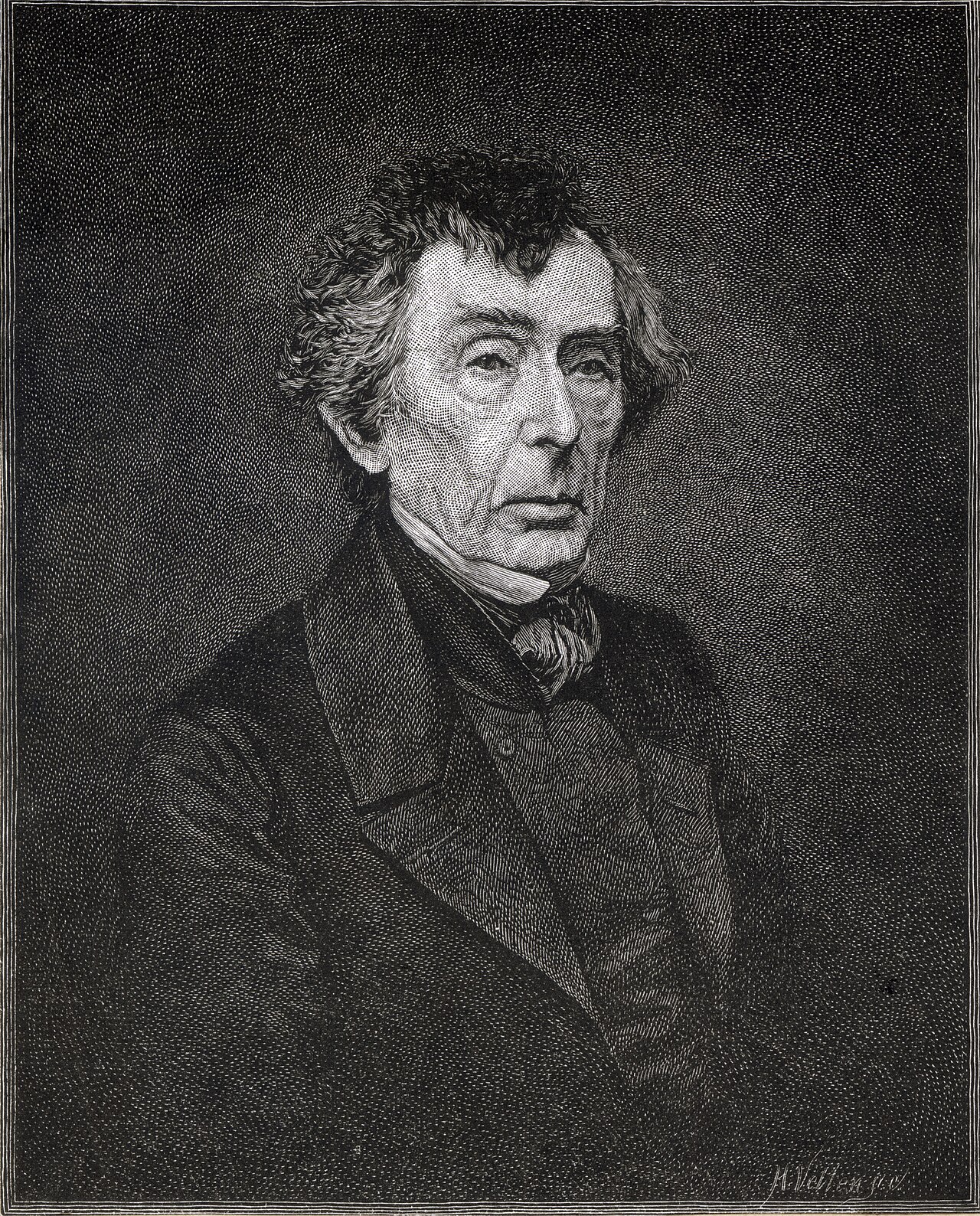
Black and white engraved portrait of an older man with wavy, tousled hair, wearing a dark coat, high white collar, and cravat, gazing toward the viewer. Signature in the lower right corner.Painting

Secondary source

Roger B. Taney, Supreme Court Judge

H. Vellen · 1917

Document

Primary source

Rhode Island v. Massachusetts, 38 U.S. 23 (1839)

Roger B. Taney · 1839

Document

Primary source

West v. Brashear, 39 U.S. 51 (1840)

Roger B. Taney · 1840

Document

Primary source

Commonwealth Bank of Kentucky v. Griffith, 39 U.S. 56 (1840)

Roger B. Taney · 1840

Document

Primary source

Keene v. Whitaker, 39 U.S. 170 (1840)

Roger B. Taney · 1840

Document

Primary source

Nugent v. Boyd, 44 U.S. 426 (1845)

Roger B. Taney · 1845

Document

Primary source

Maney v. Porter

Roger B. Taney · 1846

Document

Primary source

Mayberry v. Thompson

Roger B. Taney · 1847

Document

Primary source

Nesmith v. Sheldon

Roger B. Taney · 1848

Document

Primary source

United States v. Boisdor

Roger B. Taney · 1850

Document

Primary source

Maxwell v. Kennedy

Roger B. Taney · 1850

Document

Primary source

Lord v. Veazie

Roger B. Taney · 1850

Document

Primary source

Mager v. Grima

Roger B. Taney · 1850

Document

Primary source

Goodtitle v. Kibbe

Roger B. Taney · 1850

Document

Primary source

Henderson v. Tennessee

Roger B. Taney · 1851

Document

Primary source

Parks v. Turner

Roger B. Taney · 1851

Document

Primary source

De Montault v. United States

Roger B. Taney · 1851

Document

Primary source

Bond Administrator of Cade v. Brown

Roger B. Taney · 1852

Document

Primary source

United States v. Pillerin

Roger B. Taney · 1852

Document

Primary source

Den v. Association of the Jersey Company

Roger B. Taney · 1854

Document

Primary source

Sizer v. Many

Roger B. Taney · 1854

Document

Primary source

Robertson v. Coulter

Roger B. Taney · 1853

Document

Primary source

Ohio Life Insurance and Trust Co. v. Debolt

Roger B. Taney · 1854

Document

Primary source

Doe v. Braden

Roger B. Taney · 1854

Document

Primary source

Florida v. Georgia

Roger B. Taney · 1855

Document

Primary source

Prevost v. Greneaux

Roger B. Taney · 1857

Document

Primary source

Shaffer v. Scudday

Roger B. Taney · 1857

Document

Primary source

Vincennes University v. Indiana

Roger B. Taney · 1853

Document

Primary source

United States v. Pillerin

Roger B. Taney

Romanism at Home: Letters to the Hon. Roger B. Taney, 1852Book

Primary source

Romanism at Home: Letters to the Hon. Roger B. Taney, 1852

Kirwan · 1852

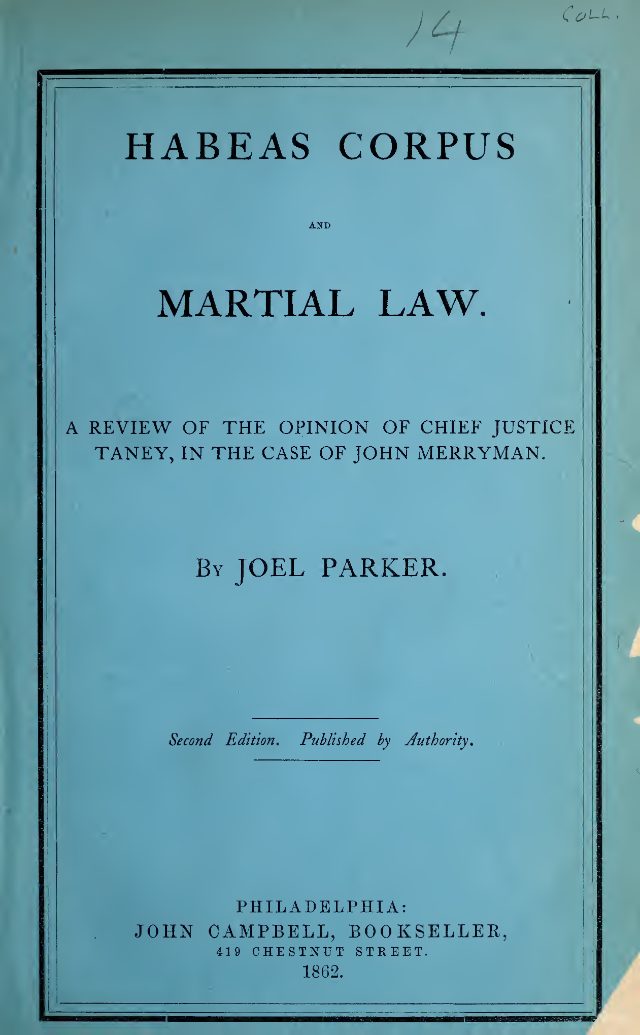
Habeas Corpus and Martial Law: A Review of the Opinion of Chief Justice Taney in the Case of John MerrymanBook

Primary source

Habeas Corpus and Martial Law: A Review of the Opinion of Chief Justice Taney in the Case of John Merryman

Joel Parker · 1862

Book

Secondary source

Constitutional History of the United States, Volume 2

George Ticknor Curtis · 1889

Want the full shelf? Chat with Roger B. Taney in the app and open the Sources panel — every quote links back to the original.

Trusted by educators worldwide

Conversations
375,000+
Real exchanges between students and historical figures
Messages exchanged
4,142,000+
Across every figure, classroom and language
Historical figures
100,000+
Each informed by a curated biography and selected sources
Languages supported
50+
From English and Spanish to Arabic and Korean

Paying customers

Used by 98 schools and universities

Partner school logo
Tecnológico de Monterrey logo
Hyper Island logo
Partner school logo
Chambersburg Area School District logo
Broward County Public Schools logo
Nebo School District logo
National Louis University logo
South Florida PBS logo
Punahou School logo
University of Wisconsin–River Falls logo
Partner school logo
Partner school logo
Archbishop Mitty High School logo
Kingsburg High School logo
Norwalk Public Schools logo
Partner school logo
Connections logo
Partner school logo
Moore Public Schools logo
Partner school logo
Partner school logo
Partner school logo
Partner school logo
Robbinsville Public Schools logo
Partner school logo
Partner school logo
Partner school logo
Tecnológico de Monterrey logo
Hyper Island logo
Partner school logo
Chambersburg Area School District logo
Broward County Public Schools logo
Nebo School District logo
National Louis University logo
South Florida PBS logo
Punahou School logo
University of Wisconsin–River Falls logo
Partner school logo
Partner school logo
Archbishop Mitty High School logo
Kingsburg High School logo
Norwalk Public Schools logo
Partner school logo
Connections logo
Partner school logo
Moore Public Schools logo
Partner school logo
Partner school logo
Partner school logo
Partner school logo
Robbinsville Public Schools logo
Partner school logo
Partner school logo

What educators are saying

“We enjoyed the program last year and used it frequently.”
“My students say it’s a welcome change of pace. I’m not a fan of the “sage on the stage” model, so I try to incorporate research-oriented and self-paced activities. With Humy, students have to take charge of their learning. They’ve become more adept at critical thinking, forming better questions, and improving their reading comprehension. The interview feature has been my go-to tool. I create assignments where students must ask historical figures a set number of questions, then summarize the responses to ensure they’re truly absorbing the material. This approach lets them actively explore the past rather than passively consuming information.”
“Humy has helped me bring historical figures, sometimes long past, to life. When my students interact with these figures in real-time, it eliminates some of the perceived “ancient” characteristics of my curriculum. This has shifted my students’ thinking away from viewing history as abstract or irrelevant. Real-time interactions make historical figures relatable, even allowing students to ask off-topic questions that help put historical lives in a more relevant context for 13-year-olds. The feature I use the most is the interview feature. After teaching a topic, most recently Gandhi and Joan of Arc, I have the students ask pointed, focused questions. We practice good conversation techniques beforehand, teaching them to listen (or read) carefully and formulate thoughtful follow-up questions rather than just interrogating. It helps students practice effective conversation skills.”

FAQ

Frequently asked questions

Who is Roger B. Taney?
Chief justice of the United States from 1836 to 1864 On Humy.ai you can chat with an AI version of Roger B. Taney that draws on a short biography and 96 historical sources during the conversation — by text or voice, in 42 languages.
Is Roger B. Taney AI free?
Roger B. Taney is part of Humy's full library of more than 100,000 figures, which comes with a paid plan. A free account (no credit card) includes 20 messages a month with the free library's figures, so you can try how the conversations work first.
What sources does the Roger B. Taney AI use?
It draws on a short biography and 96 historical sources (documents, paintings and books), including “Dred Scott v. Sandford”, “Ex parte Merryman opinion” and “Roger B. Taney - Brady-Handy”. Each source has its own page on Humy.ai.
How historically accurate is the AI version of Roger B. Taney?
Each figure uses a short biography and a small set of selected historical sources as context (retrieval-augmented generation), so answers stay closer to known material than the model's general knowledge alone. It isn't a citation-grade research tool — like any LLM, the AI can get details wrong or extrapolate. Treat it as a strong starting point for inquiry and cross-reference important claims.
Can I talk to Roger B. Taney by voice?
Yes. In addition to text chat, you can call Roger B. Taney and hear their voice respond in real time — useful for auditory learners, interview practice and Socratic dialogue.
Is Humy.ai safe and compliant for schools?
Yes. Humy.ai is used by more than 100 schools, universities and organisations. The platform is FERPA- and GDPR-aligned, supports SSO, and offers an IT-approval pack tailored for school procurement teams.

Ready when you are

Start chatting with Roger B. Taney now.

20 messages free · No credit card · Available in 50+ languages.