


Primary sourceDocument1846
Maney v. Porter
Roger B. Taney · 1846
An 1846 opinion of the United States Supreme Court written by Chief Justice Roger B. Taney, in a dispute over a note given for Indian reservation claims. It shows how the Court decided whether it had the power to hear a case.
Taney wrote this Supreme Court opinion as chief justice, showing his work deciding routine federal cases.
About this source
What it is
This is the text of the Supreme Court's decision in Maney v. Porter, decided in 1846 (45 U.S. 55). The opinion was written by Roger B. Taney, who was then chief justice. The case concerned a complainant who claimed he had been misled, or that the payment he promised had failed, because the defendant could not give him a title to Indian reservation lands. The opinion is available as a transcription on Wikisource, which lists it among the opinions of the Court.
Why it matters
The opinion is a routine ruling, but it shows how the Court reviewed cases that came from state courts. Taney and his colleagues had to decide whether a suit could be heard at all. The case also touches on land claims tied to a treaty with the Choctaw people, and on the federal government's dealings with Native nations in the 1840s.
Look closer
- Why does the Court say it is hard to tell what the complainant actually claimed?
- What does the opinion leave out about the Choctaw people and their own view of the reservation lands?
- Why would the Court refuse to review a case unless a federal right was clearly at stake?
This document is part of the curated material that grounds the AI version of Roger B. Taney on Humy.ai — when students ask about related events, the AI can quote it and cite it.
More Roger B. Taney sources
Meet the AI Roger B. Taney →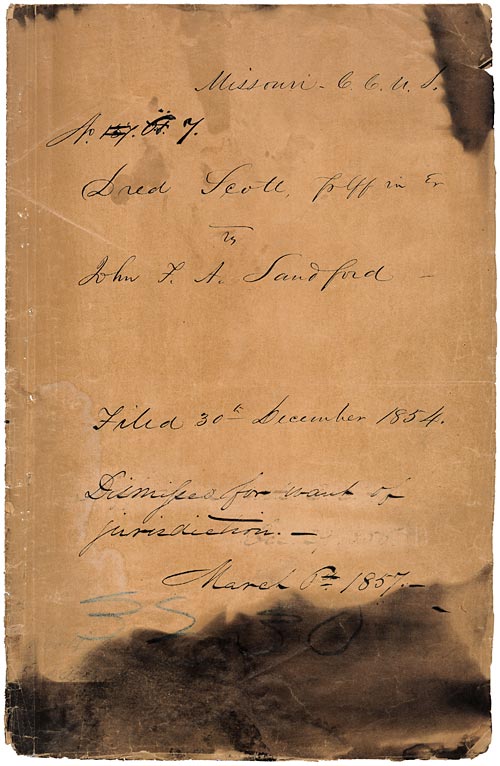 Document
Primary source
Dred Scott v. Sandford
Roger B. Taney · 6 March 1857
 Document
Primary source
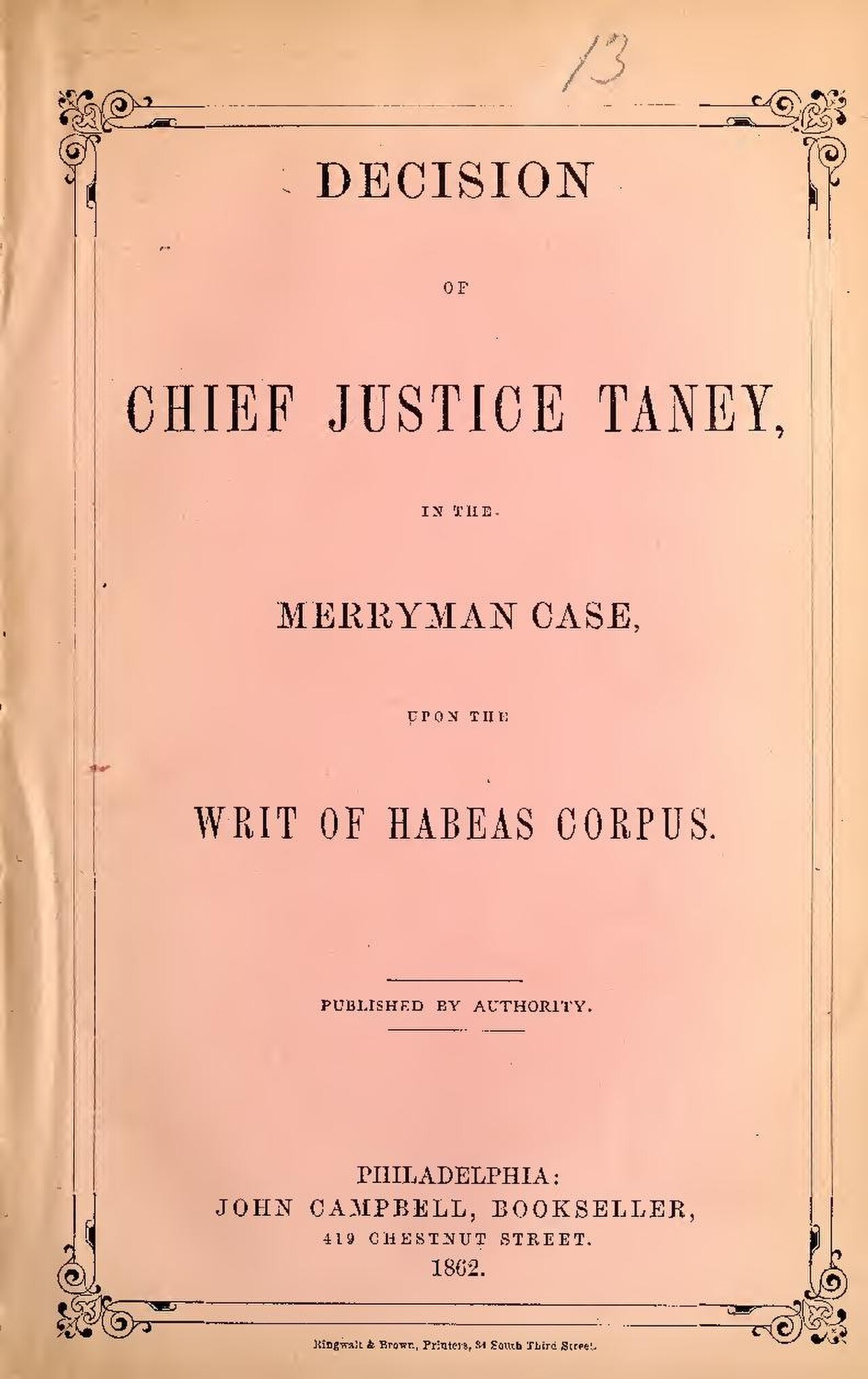
Ex parte Merryman opinion
Roger B. Taney · 1861
 Photograph
Primary source
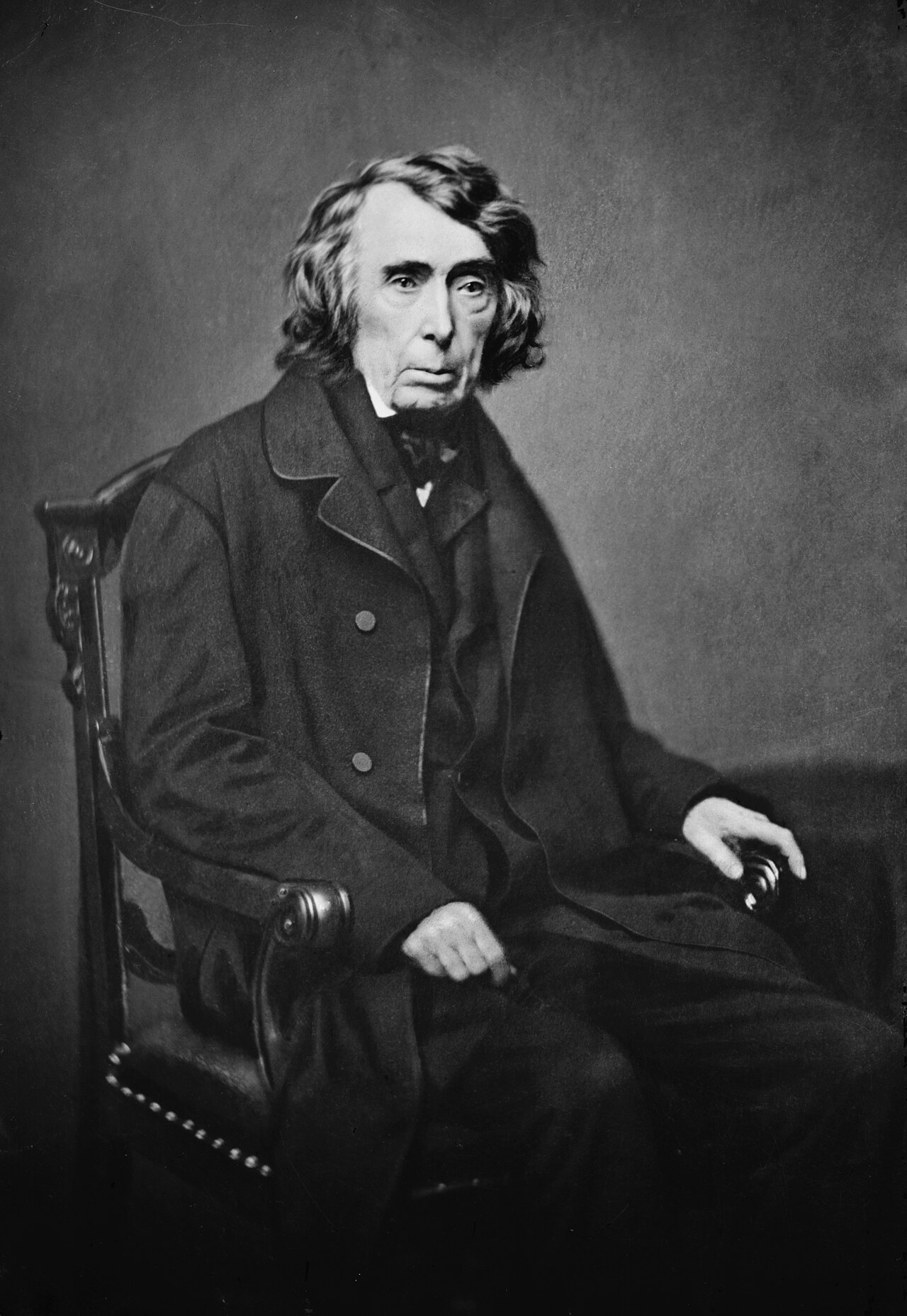
Roger B. Taney - Brady-Handy
Mathew Benjamin Brady
Primary source
Charles River Bridge v. Warren Bridge opinion
Roger B. Taney · 1837
Primary source
House Divided Speech
Abraham Lincoln · 16 June 1858
Ready when you are
Start chatting with Roger B. Taney now.
20 messages free · No credit card · Available in 50+ languages.