


Primary sourceDocument1853
In re Thomas Kaine, an Alleged Fugitive from Great Britain
Roger B. Taney · 1853
A short Supreme Court statement in which Chief Justice Taney says he agrees with Justice Nelson's opinion on an extradition application. It shows his views on federal and foreign jurisdiction.
Shows Taney as a Supreme Court justice stating his legal position on an extradition application, and reveals his views on federal and foreign jurisdiction.
About this source
What it is
This is a short court statement from the 1853 Supreme Court matter In re Thomas Kaine, an Alleged Fugitive from Great Britain, reported as 55 U.S. 103. Taney's text is brief. He says he concurs with the opinion of his colleague Justice Nelson and will not add further discussion. The text is in English. The archive lists it under 'Dissents', although the words themselves express agreement.
Why it matters
The case concerned extradition, the process by which an accused person is handed over from one jurisdiction to another. Taney's statement shows how a justice could endorse a colleague's reasoning without repeating it. The curator notes that the text reveals Taney's views on federal and foreign jurisdiction, a question that mattered in the 1850s. Thomas Kaine appears in the record only as the named applicant.
Look closer
- Why might a judge write a short statement instead of repeating a colleague's reasoning?
- The archive calls this a dissent. What do Taney's own words say about his position?
- What does this short text leave out about Thomas Kaine and his situation?
This document is part of the curated material that grounds the AI version of Roger B. Taney on Humy.ai — when students ask about related events, the AI can quote it and cite it.
More Roger B. Taney sources
Meet the AI Roger B. Taney →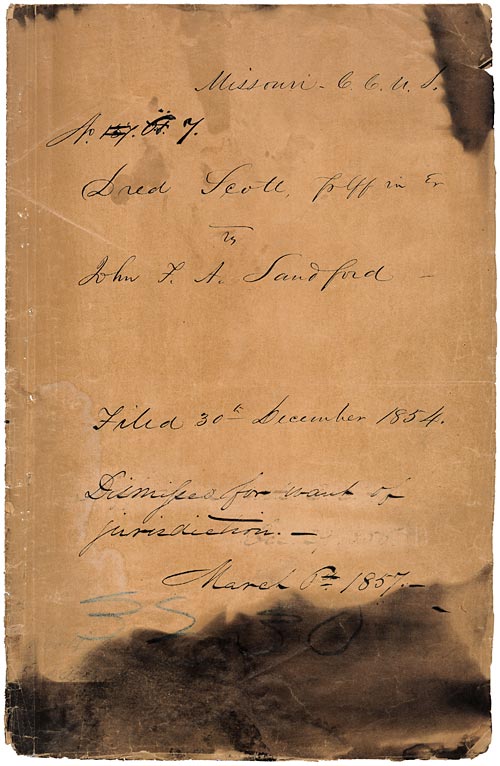 Document
Primary source
Dred Scott v. Sandford
Roger B. Taney · 6 March 1857
 Document
Primary source
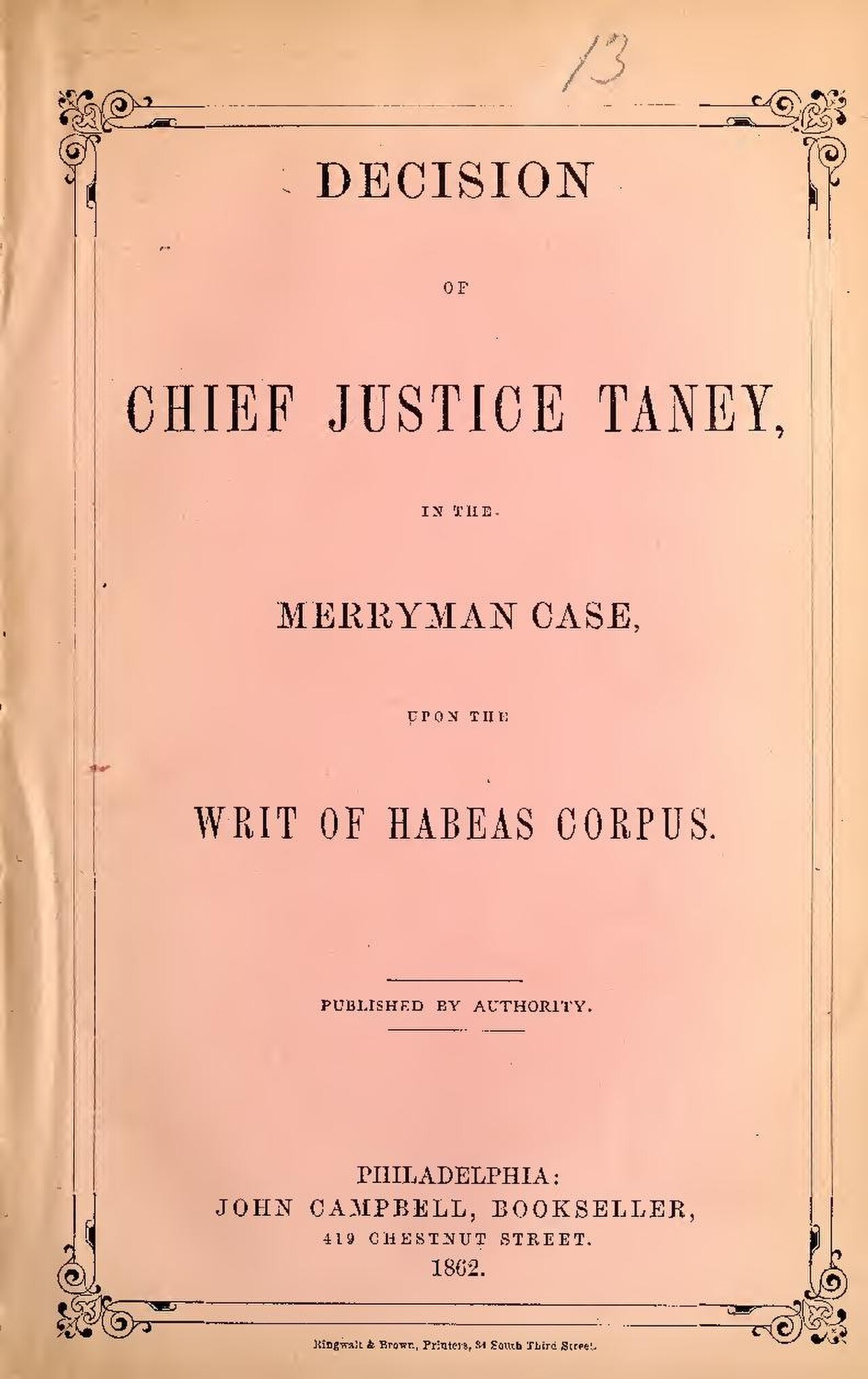
Ex parte Merryman opinion
Roger B. Taney · 1861
 Photograph
Primary source
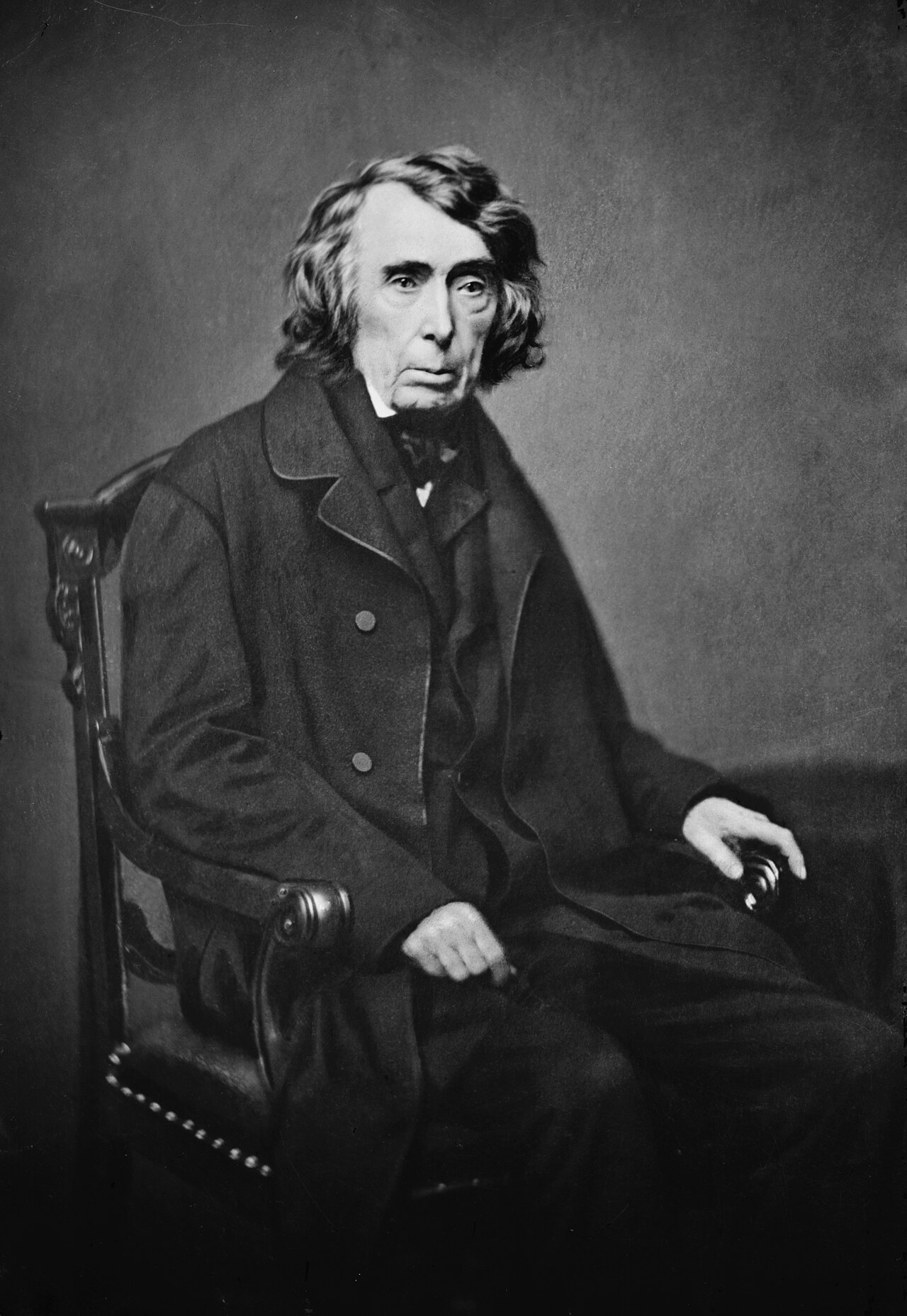
Roger B. Taney - Brady-Handy
Mathew Benjamin Brady
Primary source
Charles River Bridge v. Warren Bridge opinion
Roger B. Taney · 1837
Primary source
House Divided Speech
Abraham Lincoln · 16 June 1858
Ready when you are
Start chatting with Roger B. Taney now.
20 messages free · No credit card · Available in 50+ languages.