


Primary sourceDocument1840
Holmes v. Jennison Opinion
Roger B. Taney · 1840
Chief Justice Taney's 1840 plurality opinion arguing that states could not extradite fugitives to foreign governments, asserting federal authority over foreign relations.
Taney wrote this opinion himself as Chief Justice, asserting federal supremacy over foreign relations.
About this source
What it is
This is the plurality opinion written by Chief Justice Roger B. Taney in the 1840 Supreme Court case Holmes v. Jennison, held among the Supreme Court's official records. Taney noted that the Court was divided and that he spoke for himself and three other justices.
Why it matters
The case asked whether a state could hand over an individual to a foreign government for trial. Taney argued that control over foreign relations belonged exclusively to the federal government, not the states. The opinion shows how Taney, early in his tenure as Chief Justice, worked to define the boundary between federal and state power, a theme that recurred throughout his career on the bench.
Look closer
- Why does Taney explain that the Court could not reach a single majority opinion?
- What does his careful explanation of the case's importance tell you about how he saw the Court's role?
- What does this document not tell you about how the case was ultimately resolved?
This document is part of the curated material that grounds the AI version of Roger B. Taney on Humy.ai — when students ask about related events, the AI can quote it and cite it.
More Roger B. Taney sources
Meet the AI Roger B. Taney →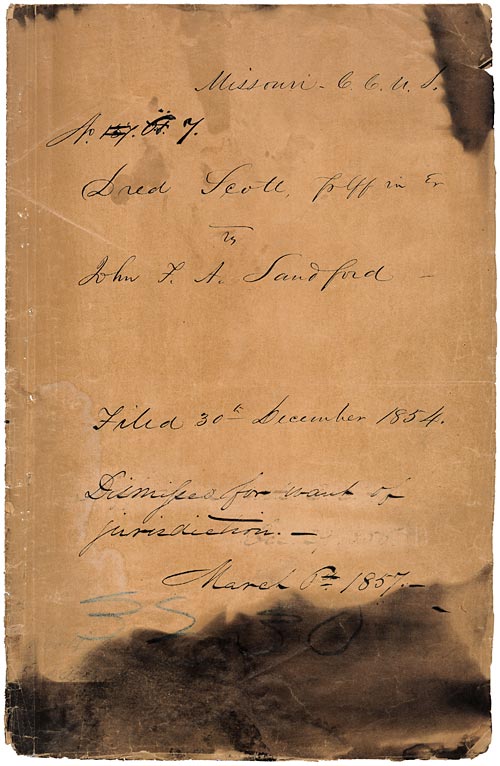 Document
Primary source
Dred Scott v. Sandford
Roger B. Taney · 6 March 1857
 Document
Primary source
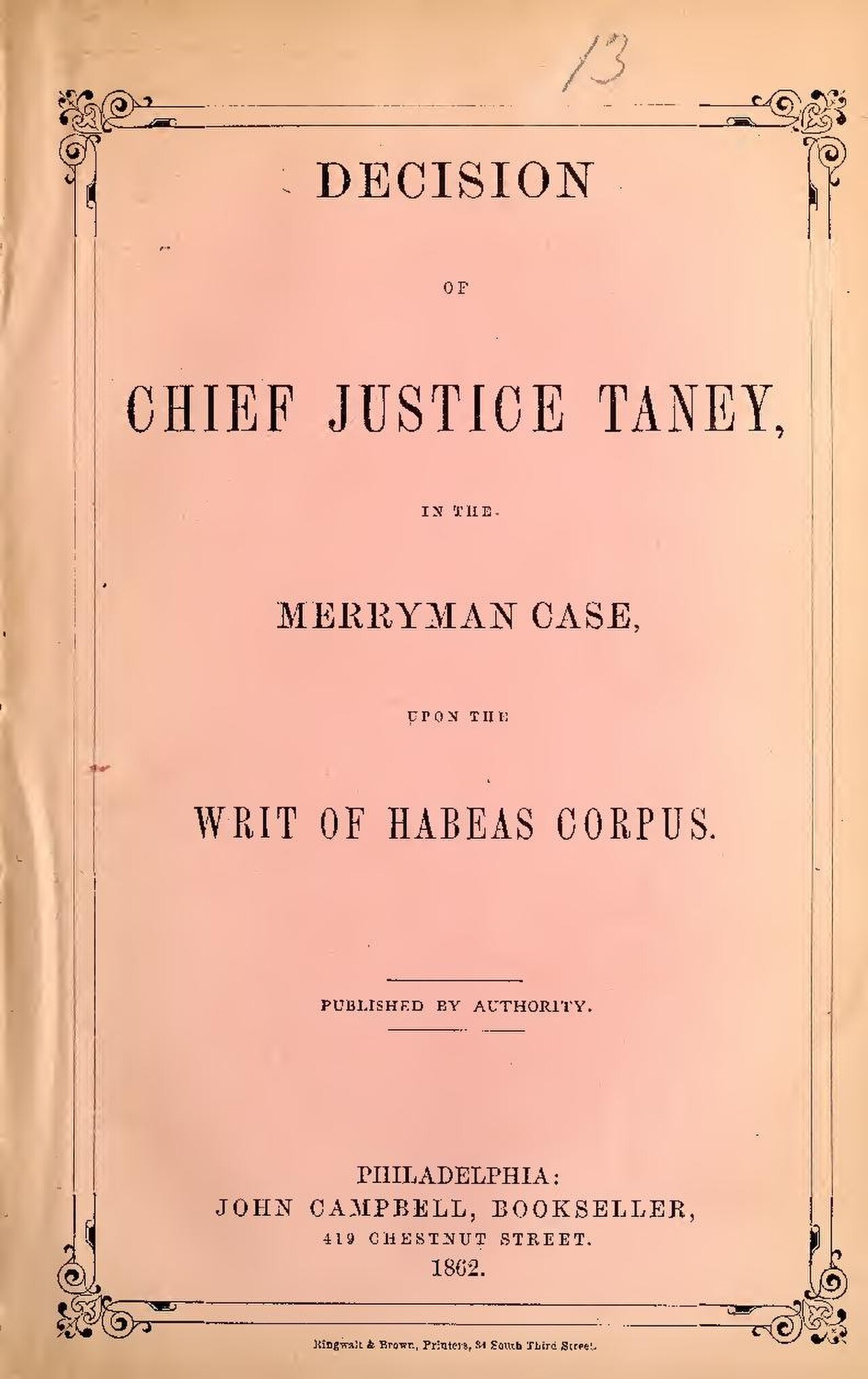
Ex parte Merryman opinion
Roger B. Taney · 1861
 Photograph
Primary source
Roger B. Taney - Brady-Handy
Mathew Benjamin Brady
Primary source
Charles River Bridge v. Warren Bridge opinion
Roger B. Taney · 1837
Primary source
House Divided Speech
Abraham Lincoln · 16 June 1858
Ready when you are
Start chatting with Roger B. Taney now.
20 messages free · No credit card · Available in 50+ languages.