


Primary sourceDocument1847
Mayberry v. Thompson
Roger B. Taney · 1847
An 1847 opinion of the United States Supreme Court written by Chief Justice Roger B. Taney, dismissing a writ of error because there was no final judgment. It is a record of how the Court handled procedural questions.
Taney wrote this Supreme Court opinion as chief justice, applying procedural rules to a federal appeal.
About this source
What it is
This is the text of the Supreme Court's opinion in Mayberry v. Thompson, decided in 1847 (46 U.S. 121). Roger B. Taney, then chief justice, wrote it. The case began as an action of trespass in a federal district court in Alabama over goods the plaintiff said were his. The plaintiff won a judgment, the defendant appealed, and the Circuit Court reversed it. The opinion is available as a transcription on Wikisource.
Why it matters
The Court found that the Circuit Court had not issued a final judgment, so no writ of error could be heard. The ruling shows the strict procedural rules that governed appeals in the mid-nineteenth century. It also shows how federal courts in the South handled property disputes between private parties.
Look closer
- Why does the Court say that a final judgment is needed before a case can move up?
- What does the opinion leave out about the goods at the center of the dispute?
- How might the rules here make it harder for ordinary people to get a case decided?
This document is part of the curated material that grounds the AI version of Roger B. Taney on Humy.ai — when students ask about related events, the AI can quote it and cite it.
More Roger B. Taney sources
Meet the AI Roger B. Taney →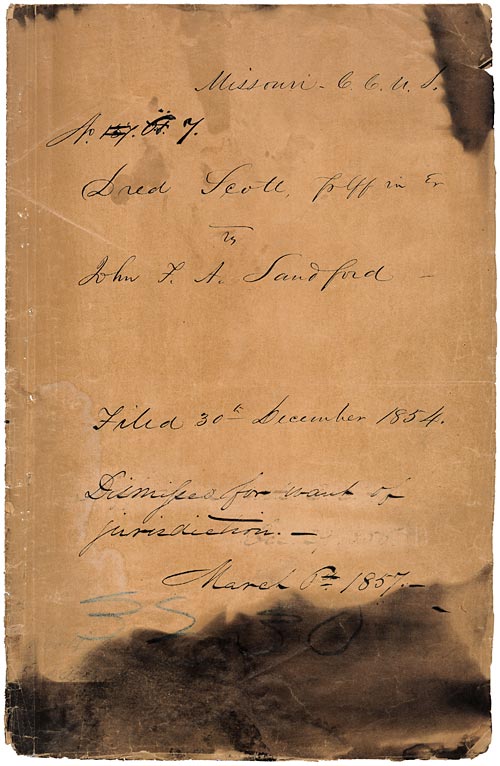 Document
Primary source
Dred Scott v. Sandford
Roger B. Taney · 6 March 1857
 Document
Primary source
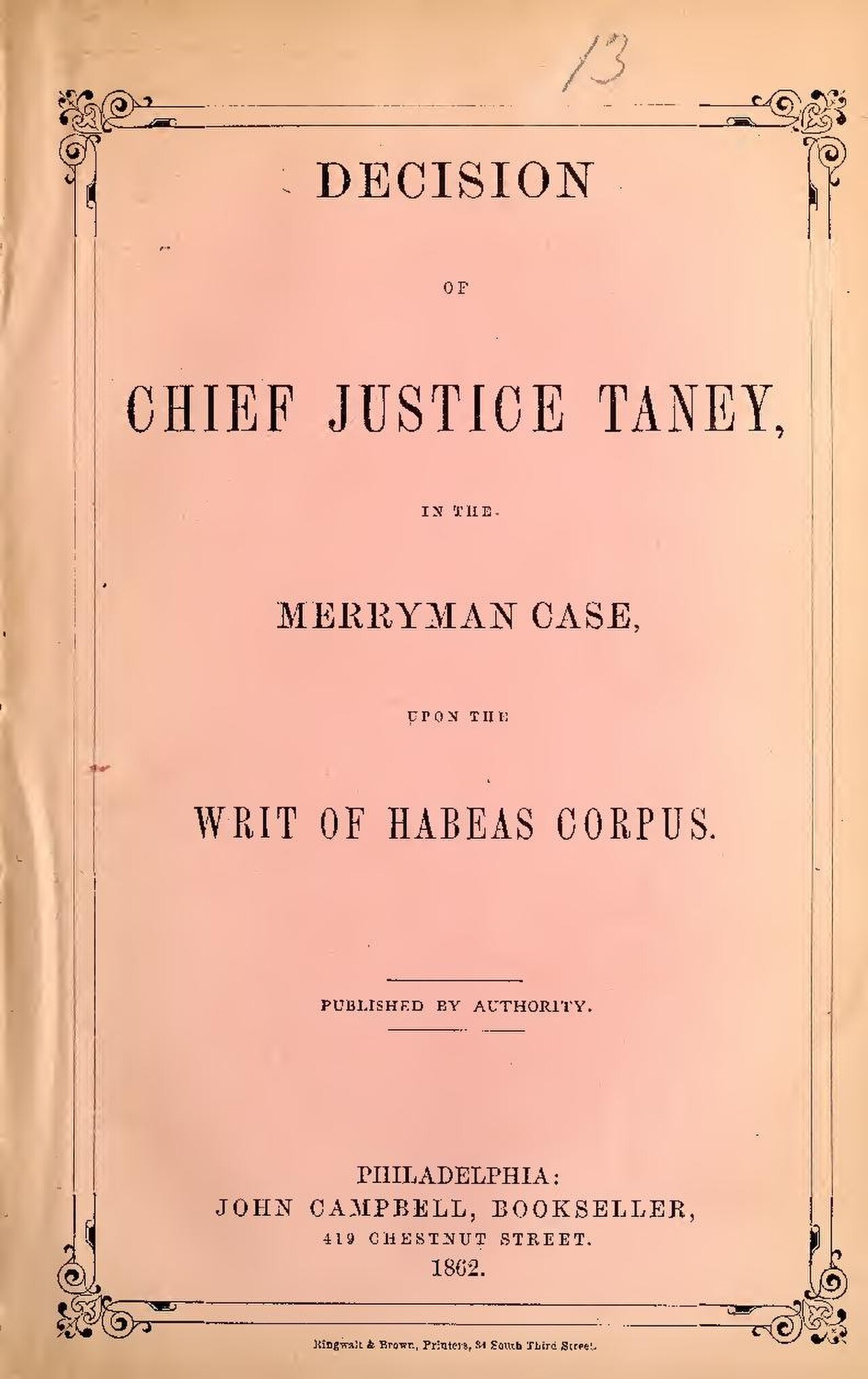
Ex parte Merryman opinion
Roger B. Taney · 1861
 Photograph
Primary source
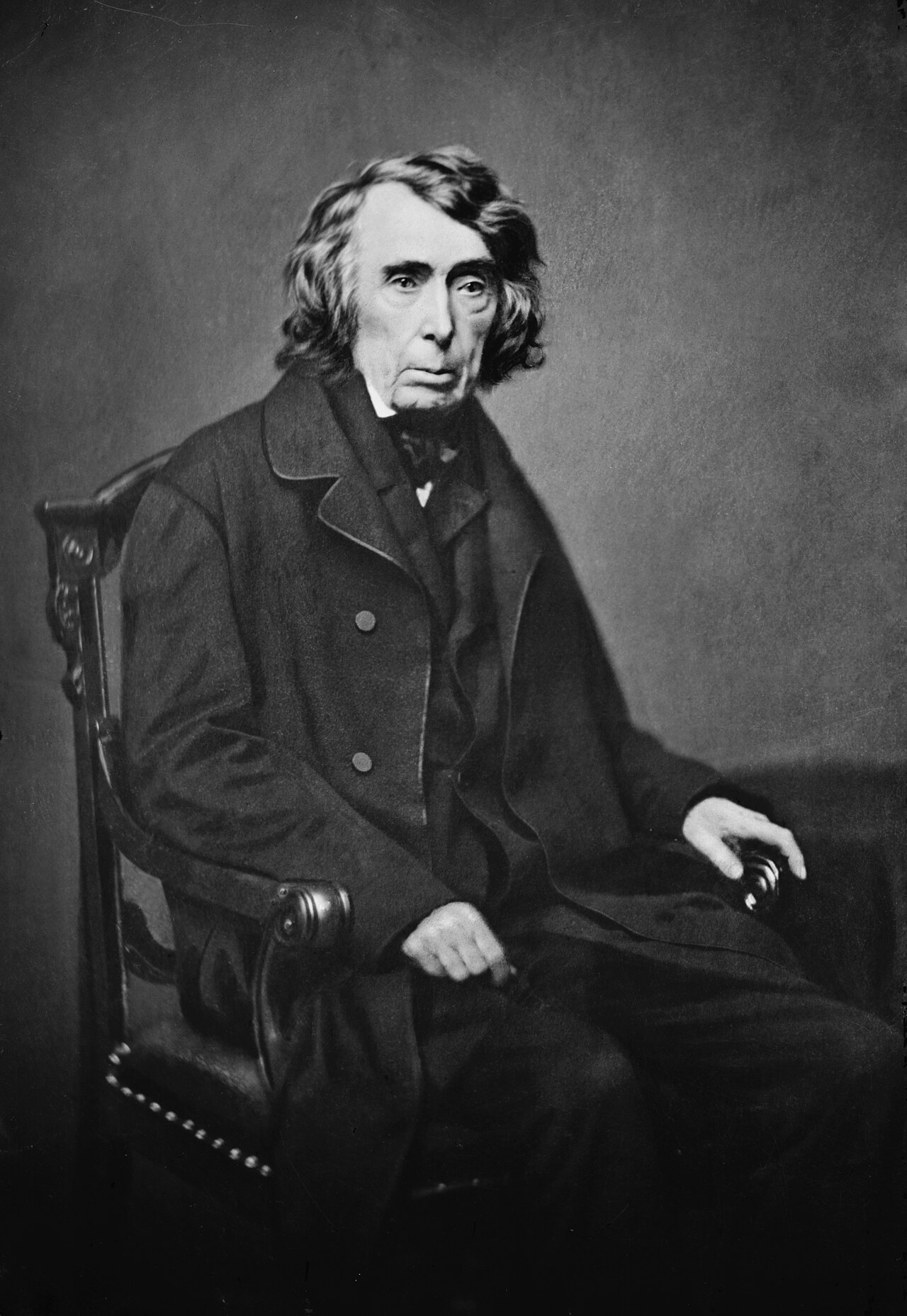
Roger B. Taney - Brady-Handy
Mathew Benjamin Brady
Primary source
Charles River Bridge v. Warren Bridge opinion
Roger B. Taney · 1837
Primary source
House Divided Speech
Abraham Lincoln · 16 June 1858
Ready when you are
Start chatting with Roger B. Taney now.
20 messages free · No credit card · Available in 50+ languages.