


Primary sourceDocument1849
Luther v. Borden Opinion
Roger B. Taney · 1849
Roger B. Taney's 1849 Supreme Court opinion establishing the political question doctrine after the Dorr Rebellion in Rhode Island.
Taney wrote this opinion himself, establishing a legal doctrine that remains part of his judicial legacy.
About this source
What it is
This is the Supreme Court's opinion in Luther v. Borden, 48 U.S. (7 How.) 1, decided in 1849 and written by Chief Justice Roger B. Taney. It is recorded in the United States Reports.
Why it matters
The case arose from a lawsuit connected to the Dorr Rebellion, an uprising in Rhode Island over the state's government and voting rights. Taney's opinion established the "political question doctrine," holding that certain disputes, such as which government is the lawful one in a state, are for the political branches to resolve rather than the courts. This doctrine shaped how later courts decided which cases they would and would not hear.
Look closer
- Why might courts want to avoid deciding some kinds of political disputes?
- What does this case reveal about conflicts over who holds legitimate authority in a state?
- How might this doctrine affect ordinary citizens seeking to challenge government actions in court?
This document is part of the curated material that grounds the AI version of Roger B. Taney on Humy.ai — when students ask about related events, the AI can quote it and cite it.
More Roger B. Taney sources
Meet the AI Roger B. Taney →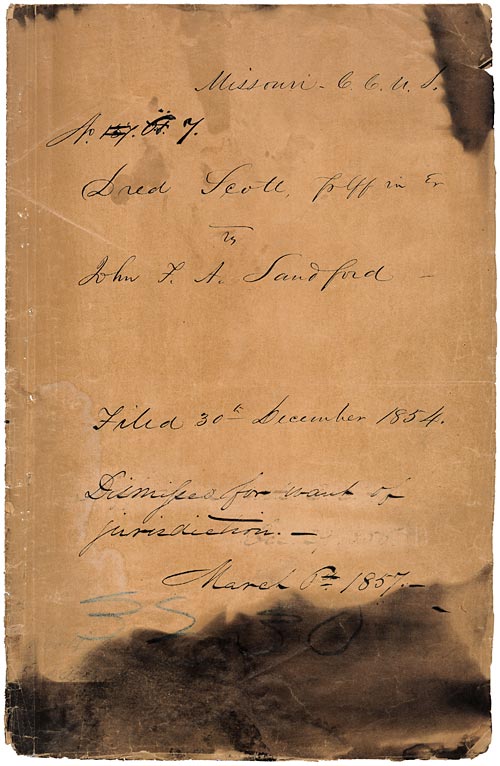 Document
Primary source
Dred Scott v. Sandford
Roger B. Taney · 6 March 1857
 Document
Primary source
Ex parte Merryman opinion
Roger B. Taney · 1861
 Photograph
Primary source
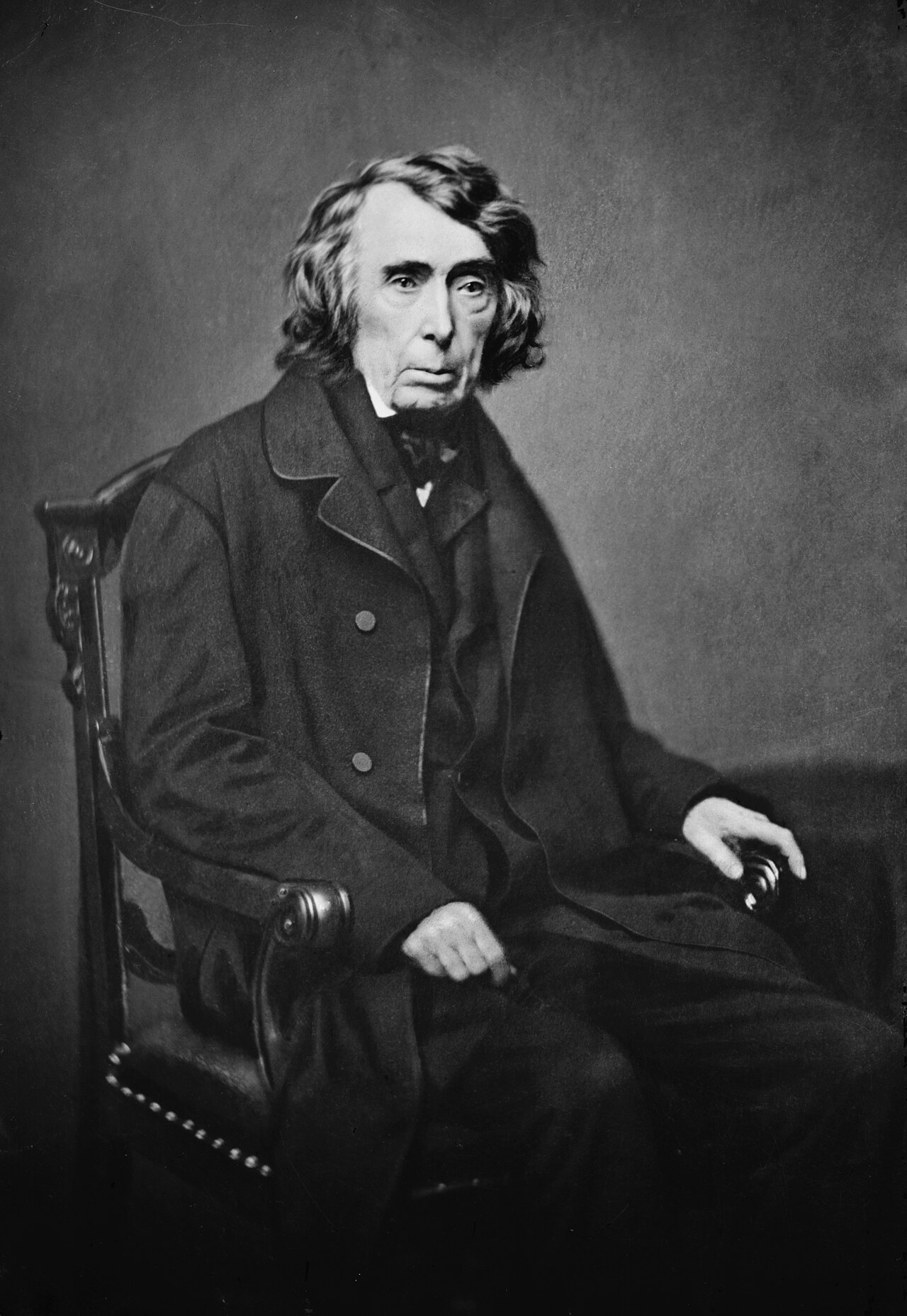
Roger B. Taney - Brady-Handy
Mathew Benjamin Brady
Primary source
Charles River Bridge v. Warren Bridge opinion
Roger B. Taney · 1837
Primary source
House Divided Speech
Abraham Lincoln · 16 June 1858
Ready when you are
Start chatting with Roger B. Taney now.
20 messages free · No credit card · Available in 50+ languages.