


Primary sourceDocument1850
Lord v. Veazie
Roger B. Taney · 1850
An 1850 opinion of the United States Supreme Court written by Chief Justice Roger B. Taney, rejecting a suit that the Court found was not a real dispute between the parties. It shows how the Court guarded against collusion.
Taney wrote this Supreme Court opinion as chief justice, rejecting a suit the Court judged to be a collusive arrangement.
About this source
What it is
This is the text of the Supreme Court's opinion in Lord v. Veazie, decided in 1850 (49 U.S. 251). Roger B. Taney, then chief justice, wrote it. The Court found that the contract in the pleadings had been made to start the suit, and that the plaintiff and defendant shared one interest rather than opposing each other. The judgment had been entered by mutual consent without an actual decision. The opinion is available as a transcription on Wikisource.
Why it matters
The ruling shows that the Court would not let parties use a lawsuit to get an opinion on a question that harmed people who were not part of the case. It protected the rights of outside parties who had no chance to be heard in the Circuit Court. The case reflects the Court's concern with real disputes between adversaries.
Look closer
- Why does the Court object that the parties agreed on the facts between themselves?
- What does the opinion leave out about the people whose rights were at stake?
- How can a lawsuit be arranged so that it looks real but is not?
This document is part of the curated material that grounds the AI version of Roger B. Taney on Humy.ai — when students ask about related events, the AI can quote it and cite it.
More Roger B. Taney sources
Meet the AI Roger B. Taney →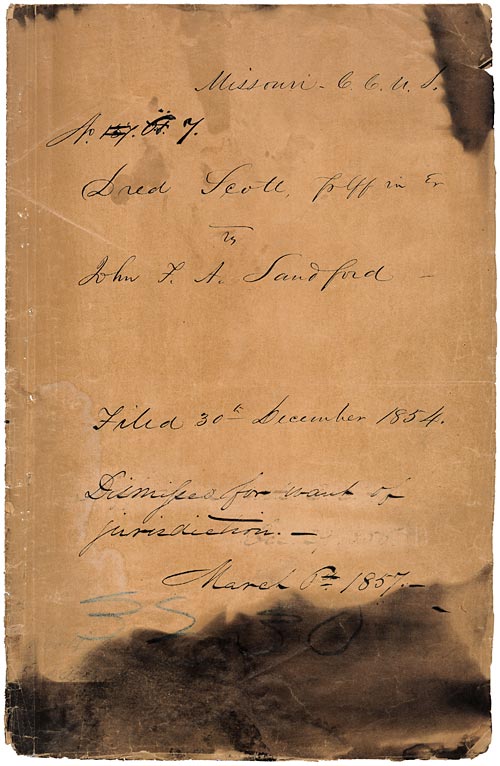 Document
Primary source
Dred Scott v. Sandford
Roger B. Taney · 6 March 1857
 Document
Primary source
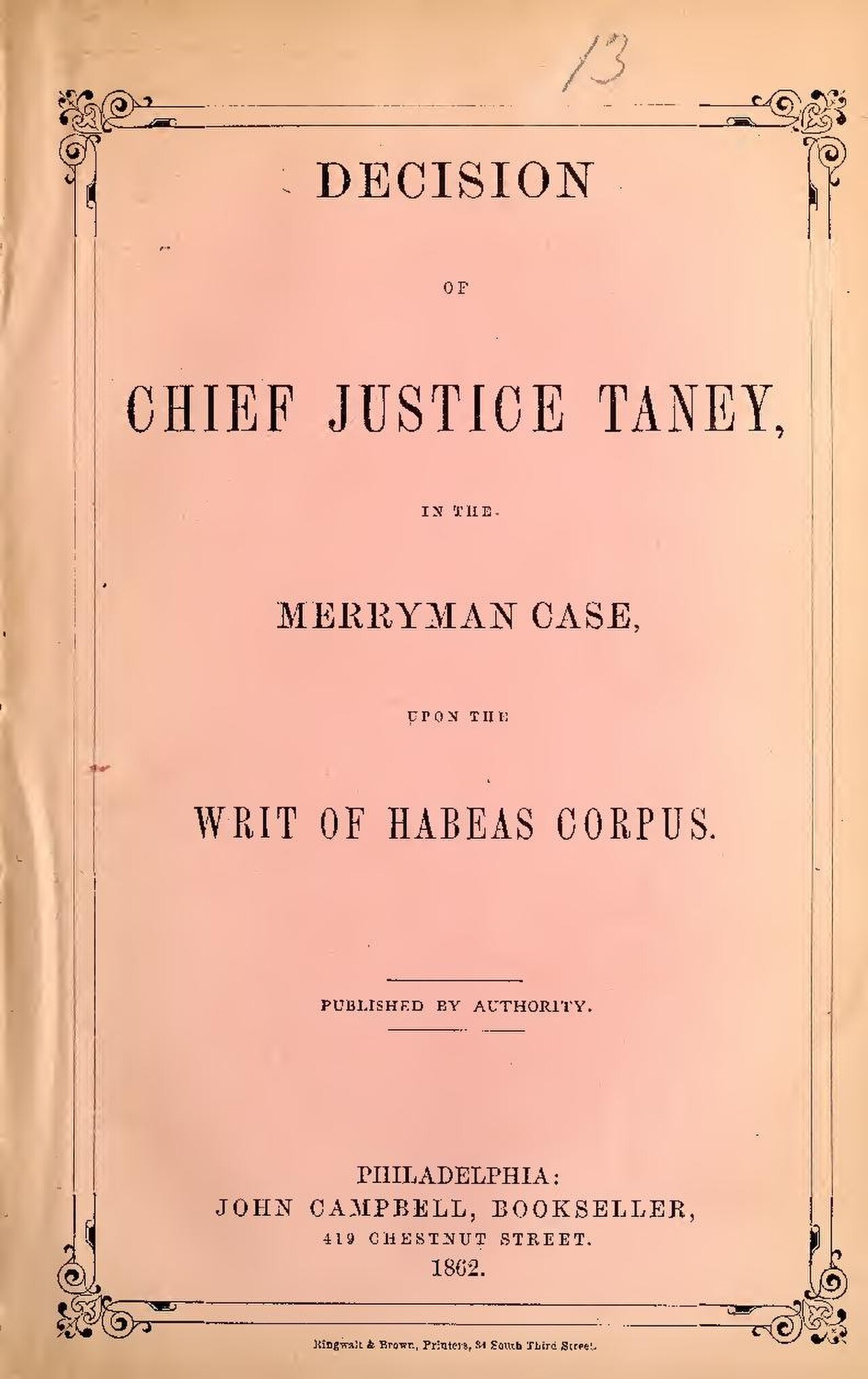
Ex parte Merryman opinion
Roger B. Taney · 1861
 Photograph
Primary source
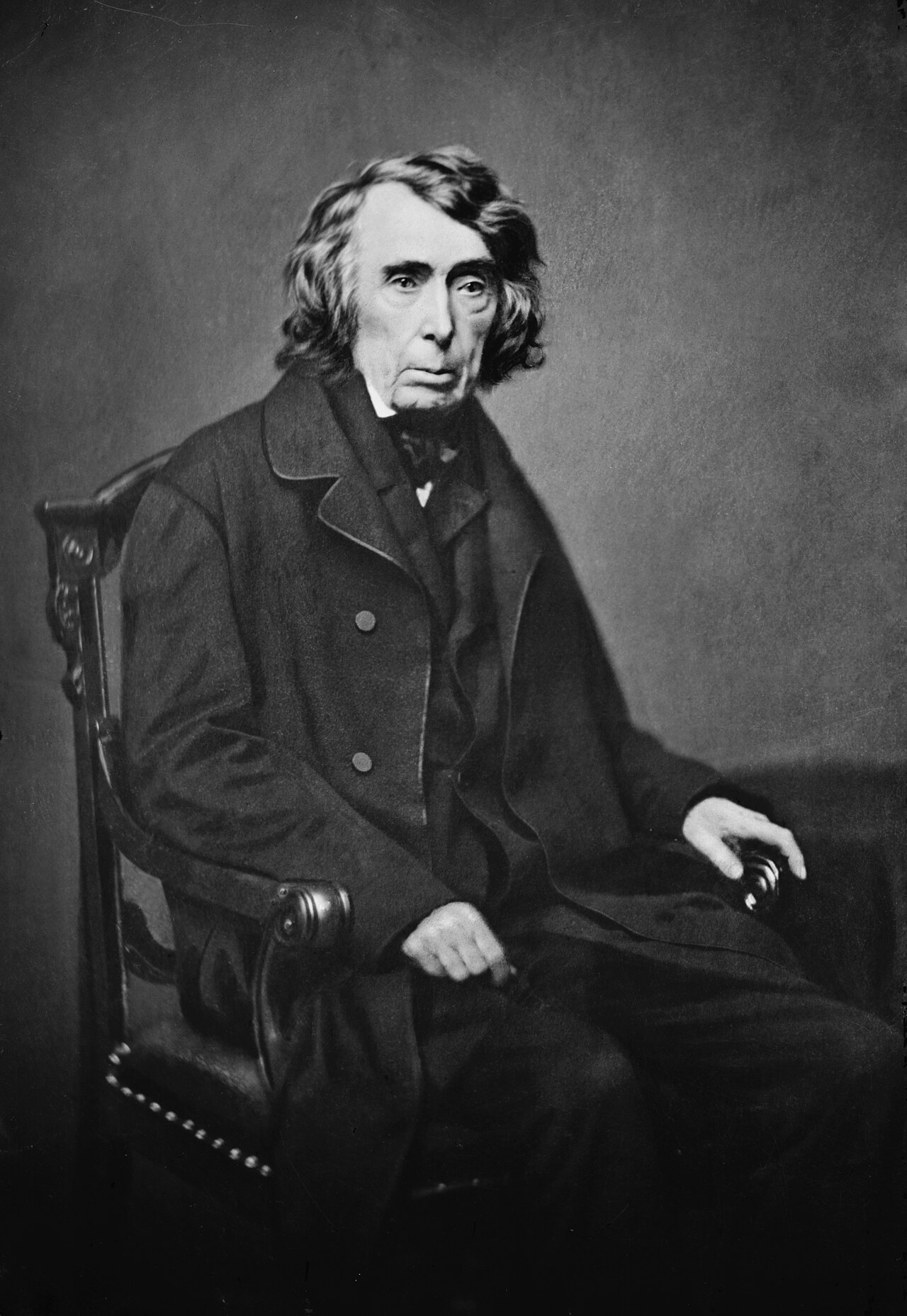
Roger B. Taney - Brady-Handy
Mathew Benjamin Brady
Primary source
Charles River Bridge v. Warren Bridge opinion
Roger B. Taney · 1837
Primary source
House Divided Speech
Abraham Lincoln · 16 June 1858
Ready when you are
Start chatting with Roger B. Taney now.
20 messages free · No credit card · Available in 50+ languages.