


Primary sourceDocument6 March 1857
Judgment in Dred Scott v. Sandford
Roger B. Taney · 6 March 1857
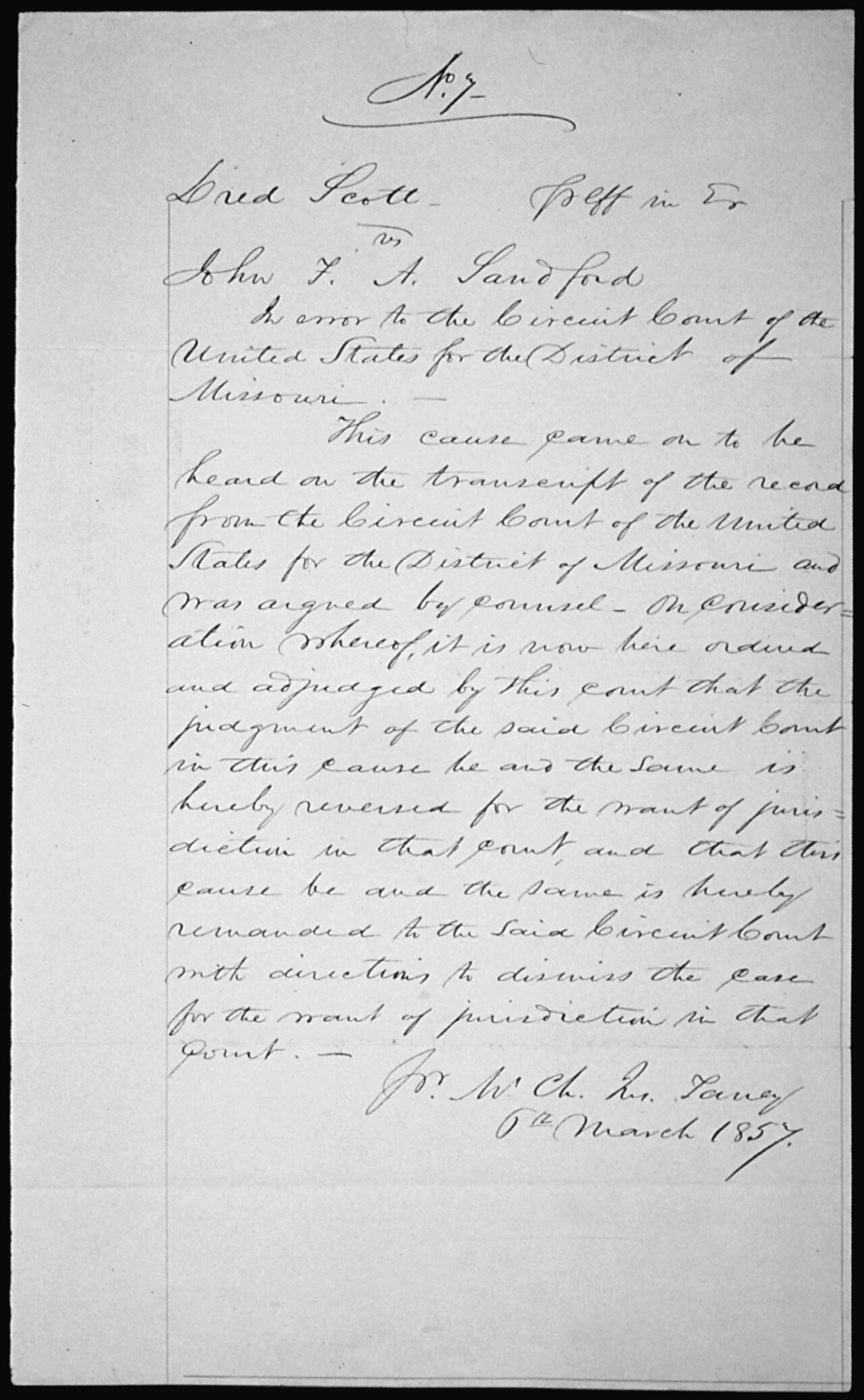
The 1857 handwritten Supreme Court judgment signed by Taney, reversing the lower court for lack of jurisdiction.
This is the judgment Taney personally signed as chief justice, denying citizenship to Black Americans.
About this source
What it is
This is the handwritten judgment in Dred Scott v. Sandford, dated 6 March 1857 and signed by Roger B. Taney, chief justice at the time. It records the Court's decision reversing the circuit court for want of jurisdiction.
Why it matters
Taney read the majority opinion, which held that Black Americans were not citizens and could not claim protection from the federal government or courts, and that Congress had no power to ban slavery in federal territories. This ruling deepened national divisions over slavery before the Civil War. It was later overturned by the 13th and 14th Amendments, which ended slavery and defined citizenship for all persons born in the United States.
Look closer
- Why is Taney's signature on this document significant?
- What legal reasoning did the Court use, and whose rights did it fail to protect?
- How might examining the original handwriting change how you think about this decision compared to reading about it in a textbook?
This document is part of the curated material that grounds the AI version of Roger B. Taney on Humy.ai — when students ask about related events, the AI can quote it and cite it.
More Roger B. Taney sources
Meet the AI Roger B. Taney →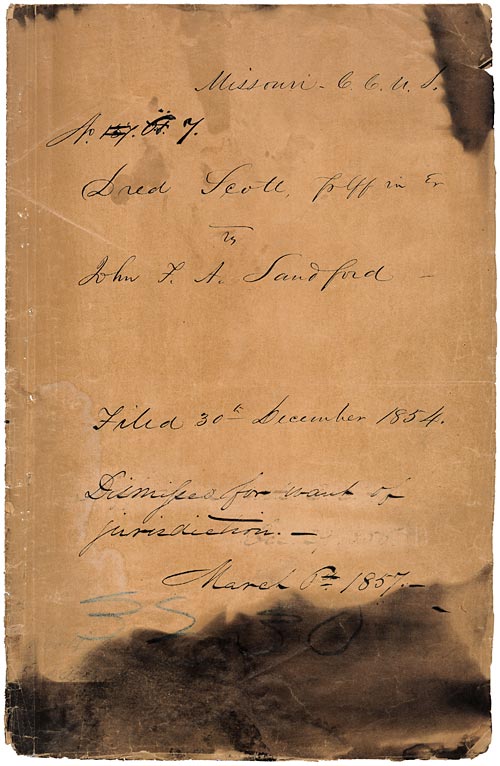 Document
Primary source
Dred Scott v. Sandford
Roger B. Taney · 6 March 1857
 Document
Primary source
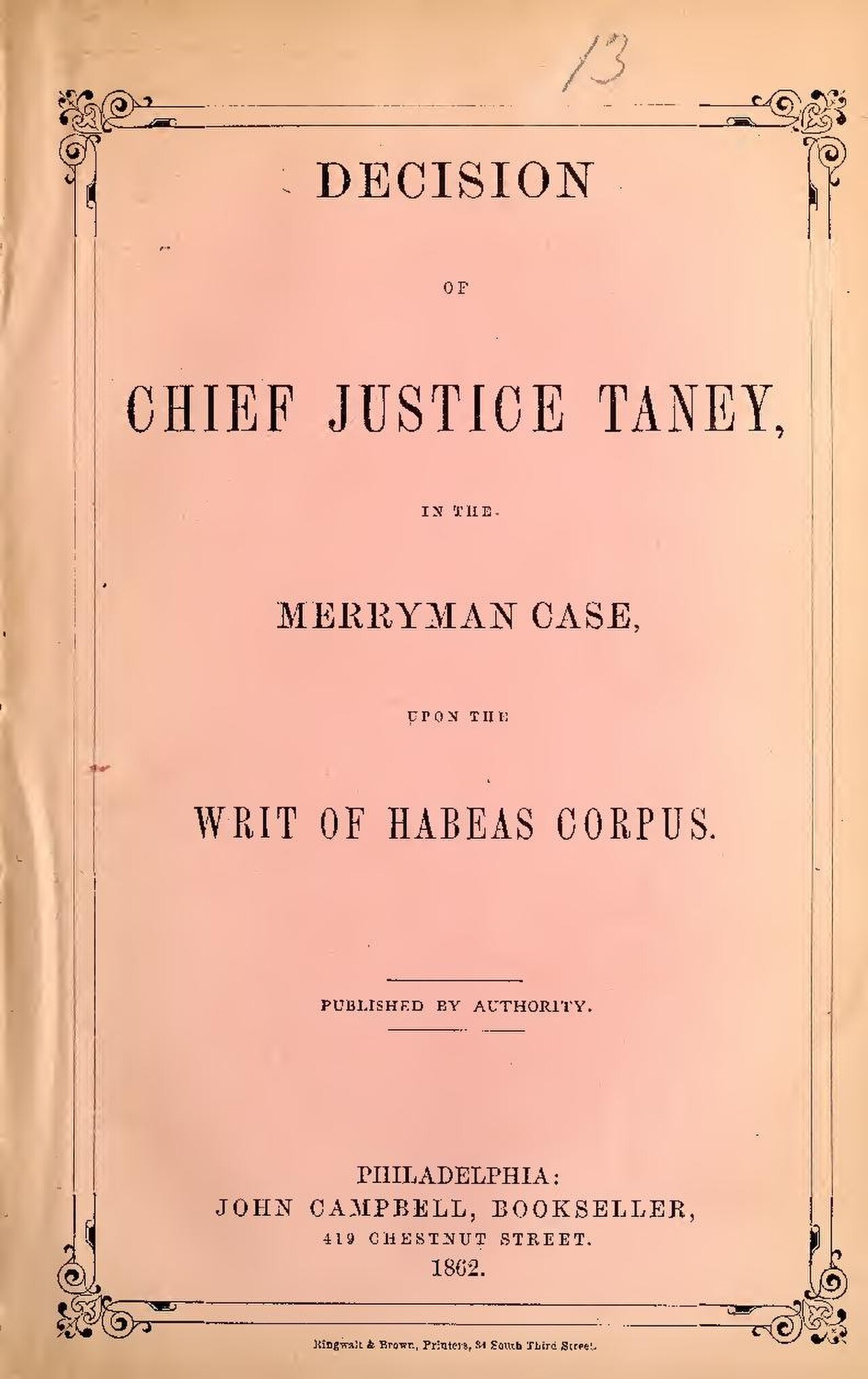
Ex parte Merryman opinion
Roger B. Taney · 1861
 Photograph
Primary source
Roger B. Taney - Brady-Handy
Mathew Benjamin Brady
Primary source
Charles River Bridge v. Warren Bridge opinion
Roger B. Taney · 1837
Primary source
House Divided Speech
Abraham Lincoln · 16 June 1858
Ready when you are
Start chatting with Roger B. Taney now.
20 messages free · No credit card · Available in 50+ languages.