


Primary sourceDocument1850
Mager v. Grima
Roger B. Taney · 1850
An 1850 Supreme Court opinion written by Chief Justice Roger B. Taney in a dispute over a Louisiana tax on an inheritance paid to a French heir.
Taney, as chief justice, wrote this opinion himself, so it shows his legal reasoning in a routine inheritance tax case.
About this source
What it is
This is the Supreme Court opinion in Mager v. Grima, 49 U.S. 490, dated 1850 and written by Roger B. Taney, who was chief justice of the United States. The record lists it in the Wikisource collection of Court opinions. The case concerned a Louisiana law that taxed legacies at ten per cent when the legatee was neither a United States citizen nor domiciled in the state. The executor had kept the tax, and the legatee sued to recover it, arguing that the Louisiana law conflicted with the United States Constitution. The opinion opens by calling the case plain.
Why it matters
Opinions like this show how the Court reasoned about state law and the Constitution in the mid-1800s. The estate belonged to John Mager, a native of France who moved to the United States after the Louisiana cession. His sister, Mrs. Collard, lived in France. The curator's note describes the case as routine, so it is best read as an example of ordinary judicial work rather than a landmark decision.
Look closer
- Why would a state tax depend on where an heir lived, and who would this rule affect most?
- What does the opening sentence tell you about how Taney wanted the case to be seen?
- What parts of the story of Mager's estate, and of the heirs themselves, does this short opinion leave out?
This document is part of the curated material that grounds the AI version of Roger B. Taney on Humy.ai — when students ask about related events, the AI can quote it and cite it.
More Roger B. Taney sources
Meet the AI Roger B. Taney →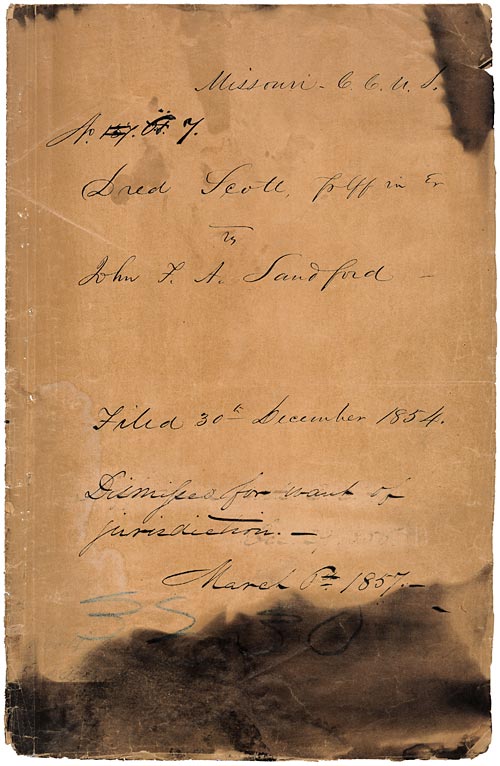 Document
Primary source
Dred Scott v. Sandford
Roger B. Taney · 6 March 1857
 Document
Primary source
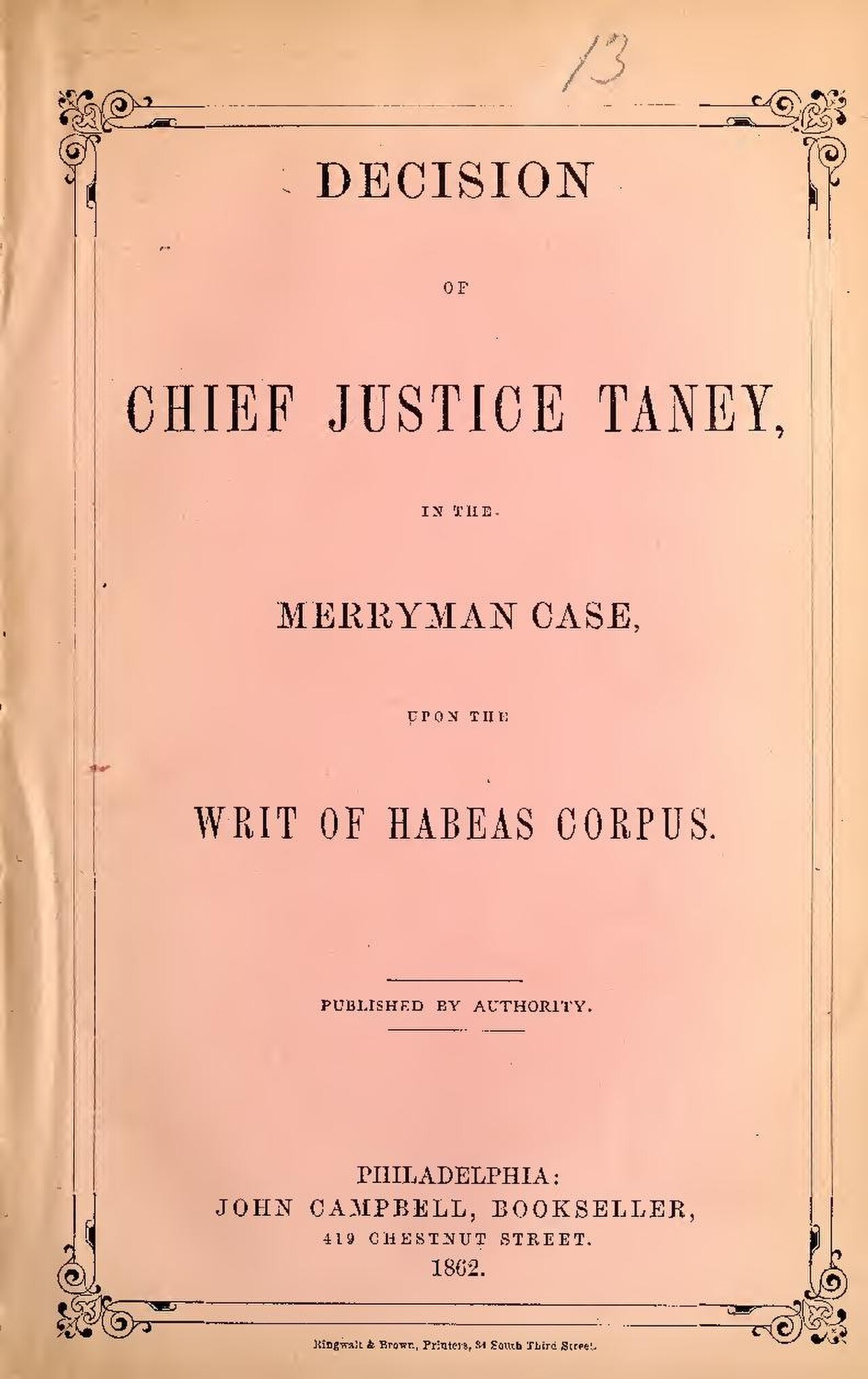
Ex parte Merryman opinion
Roger B. Taney · 1861
 Photograph
Primary source
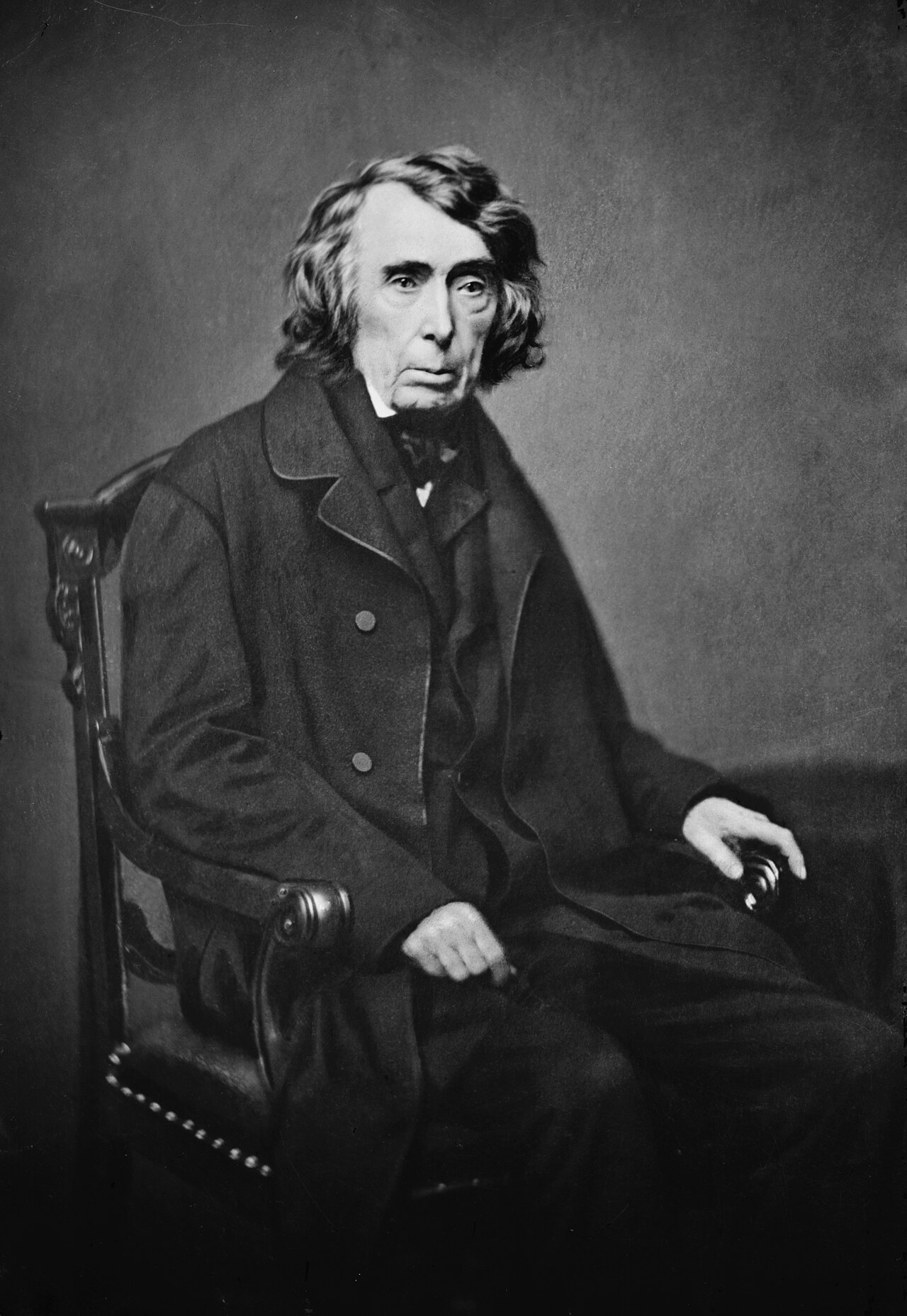
Roger B. Taney - Brady-Handy
Mathew Benjamin Brady
Primary source
Charles River Bridge v. Warren Bridge opinion
Roger B. Taney · 1837
Primary source
House Divided Speech
Abraham Lincoln · 16 June 1858
Ready when you are
Start chatting with Roger B. Taney now.
20 messages free · No credit card · Available in 50+ languages.