


Primary sourceDocument1840
West v. Brashear, 39 U.S. 51 (1840)
Roger B. Taney · 1840
A Supreme Court opinion by Taney in a dispute over ginseng consigned by a Kentucky man to a Philadelphia agent and claimed by creditors.
A Supreme Court opinion by Taney as chief justice on a property and debt dispute, showing his routine judicial work.
About this source
What it is
This is an opinion of the United States Supreme Court, reported as 39 U.S. 51 (1840). The text is the opening of the Court's decision in West v. Brashear. It refers to an earlier decision in the same dispute, reported in 7 Peters 608, in which the Circuit Court's decree was reversed. The case concerns Walter Brashear, who lived in Kentucky, and James Latimer, his consignee and agent in Philadelphia, who held a large quantity of ginseng. Francis West, a creditor, had laid attachments on Brashear's property in Latimer's hands. Wikisource lists the opinion among the Court's opinions, under Taney's name.
Why it matters
The case shows how a Kentucky businessman's property could be tangled up in a dispute between creditors and an agent across state lines. It also shows the Supreme Court working through the details of property claims and court orders, with Taney as chief justice. Such cases reveal how commerce and debt were handled in the 1830s and 1840s.
Look closer
- Who are the people involved, and what roles did each play in the movement of the ginseng?
- Why would creditors try to attach goods that were held by someone else in another state?
- What does this excerpt leave out about the personal lives of the people involved?
This document is part of the curated material that grounds the AI version of Roger B. Taney on Humy.ai — when students ask about related events, the AI can quote it and cite it.
More Roger B. Taney sources
Meet the AI Roger B. Taney →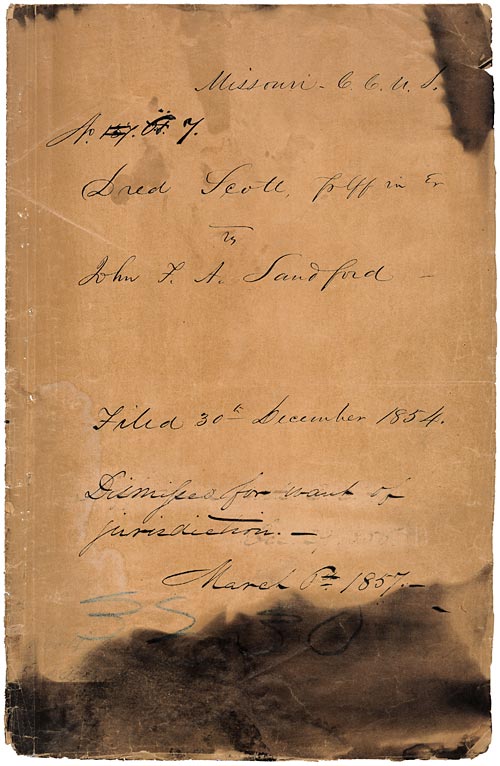 Document
Primary source
Dred Scott v. Sandford
Roger B. Taney · 6 March 1857
 Document
Primary source
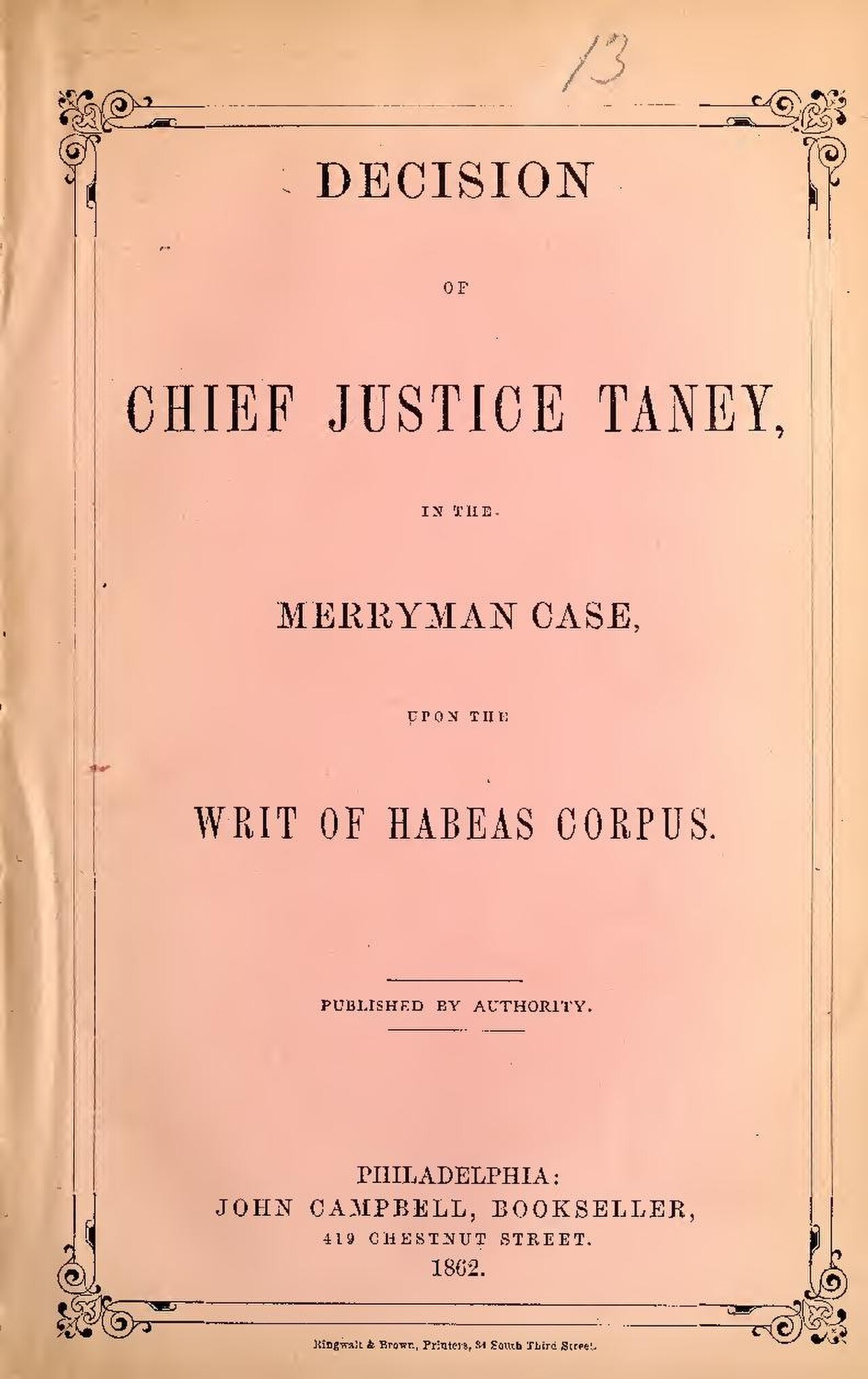
Ex parte Merryman opinion
Roger B. Taney · 1861
 Photograph
Primary source
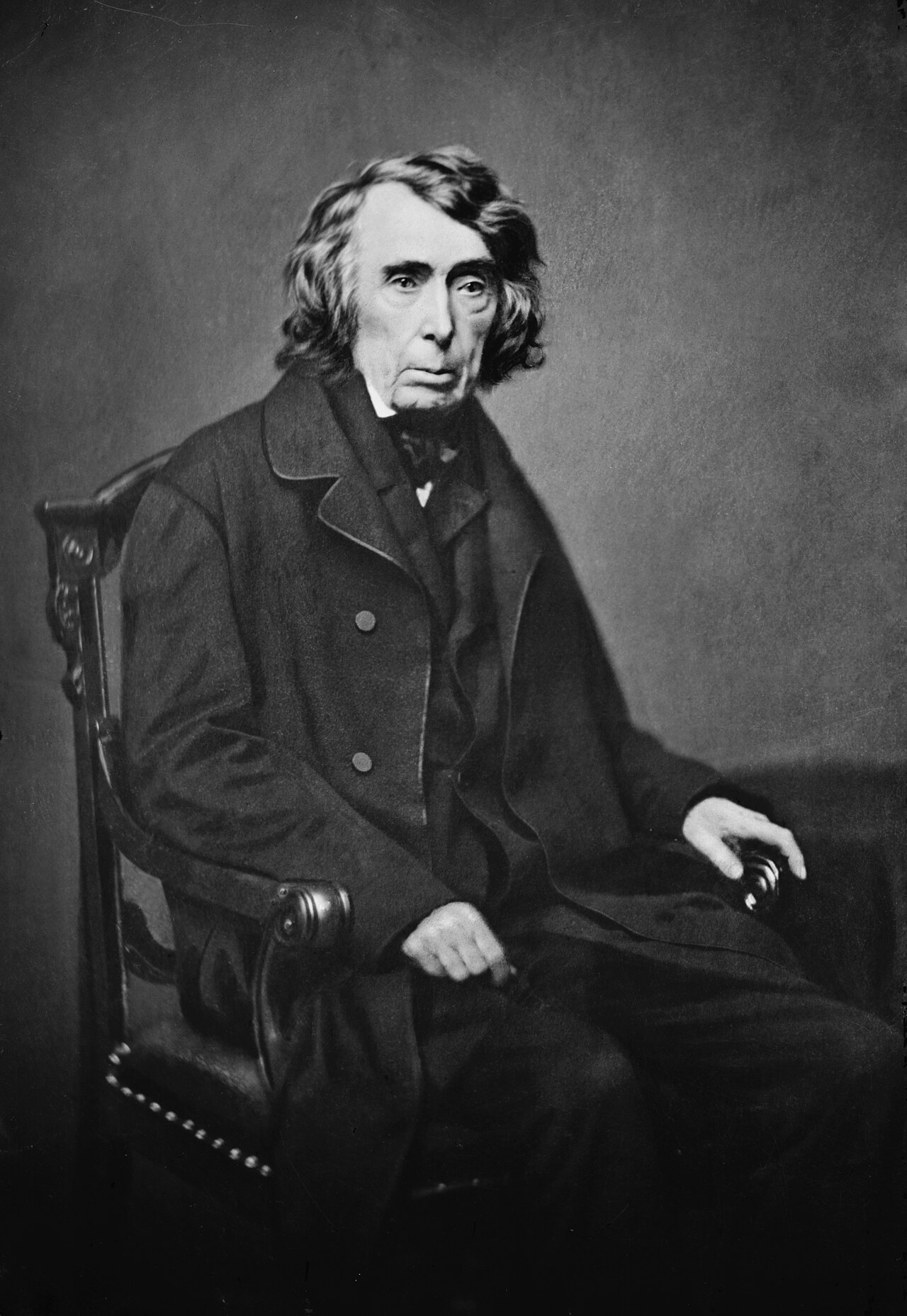
Roger B. Taney - Brady-Handy
Mathew Benjamin Brady
Primary source
Charles River Bridge v. Warren Bridge opinion
Roger B. Taney · 1837
Primary source
House Divided Speech
Abraham Lincoln · 16 June 1858
Ready when you are
Start chatting with Roger B. Taney now.
20 messages free · No credit card · Available in 50+ languages.